



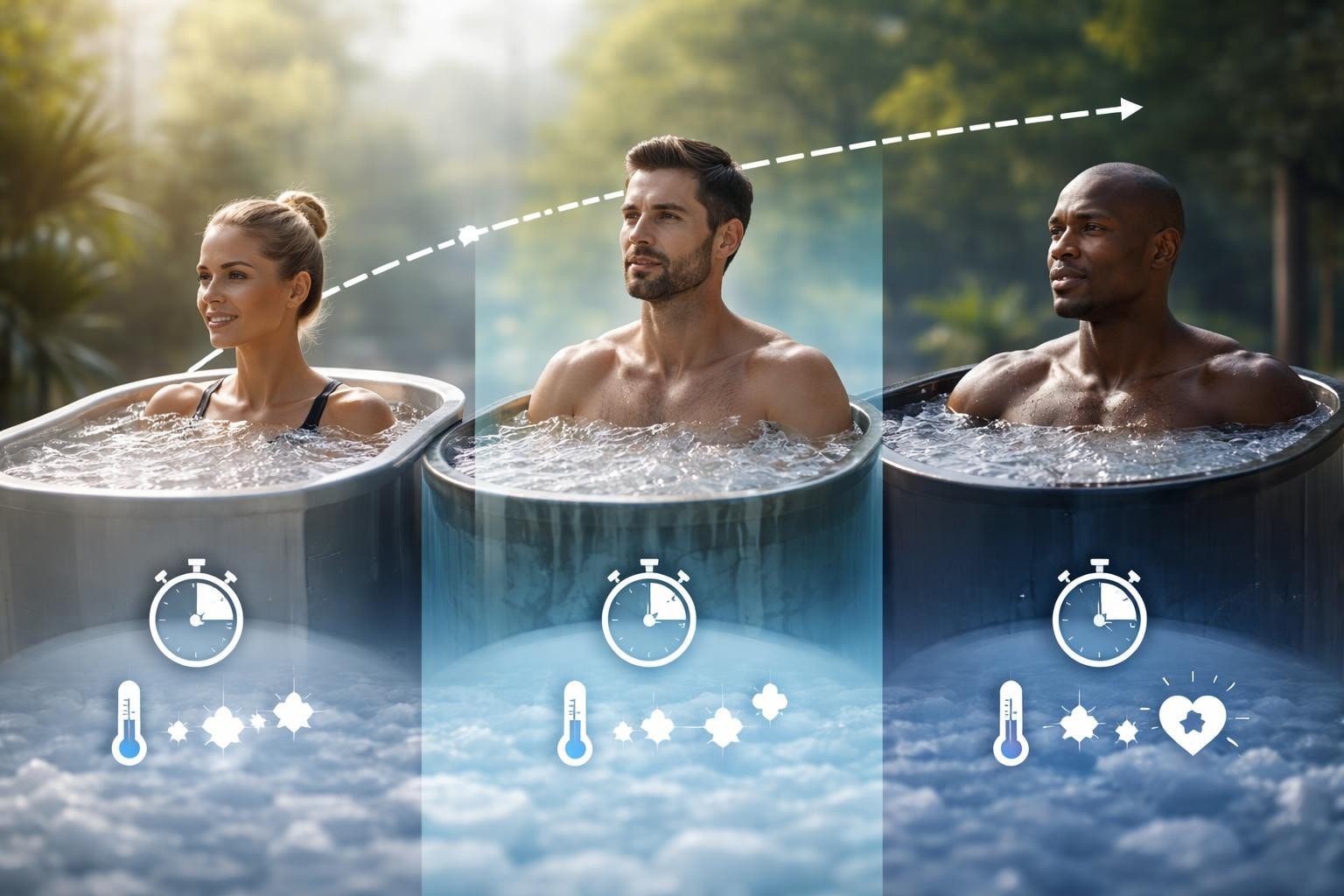
Understanding the optimal duration for cold plunge sessions is critical for maximizing recovery benefits while minimizing risks. The question "cold plunge how long" doesn't have a one-size-fits-all answer, as ideal timing depends on your experience level, water temperature, health status, and specific wellness goals. Whether you're a professional athlete seeking enhanced recovery or a wellness enthusiast exploring cold therapy for the first time, mastering proper duration guidelines transforms your cold plunge practice from potentially dangerous to scientifically effective.
Understanding Cold Plunge Duration Basics
Cold water immersion triggers powerful physiological responses within seconds of exposure. Your body immediately activates its sympathetic nervous system, increasing heart rate and constricting blood vessels to preserve core temperature. These rapid changes make timing absolutely essential.
Research shows that even brief exposures create measurable benefits. According to evidence-based cold plunge protocols, a total of 11 minutes of cold exposure per week, divided into 2-4 sessions of 1-5 minutes each, achieves neurochemical and metabolic benefits without excessive stress.
Key factors affecting optimal duration include:
- Current water temperature
- Your cold exposure experience level
- Individual health conditions and cardiovascular fitness
- Timing relative to training or physical activity
- Specific recovery or wellness objectives
The relationship between temperature and time follows an inverse pattern. Colder water requires shorter exposures, while slightly warmer cold water allows longer sessions.
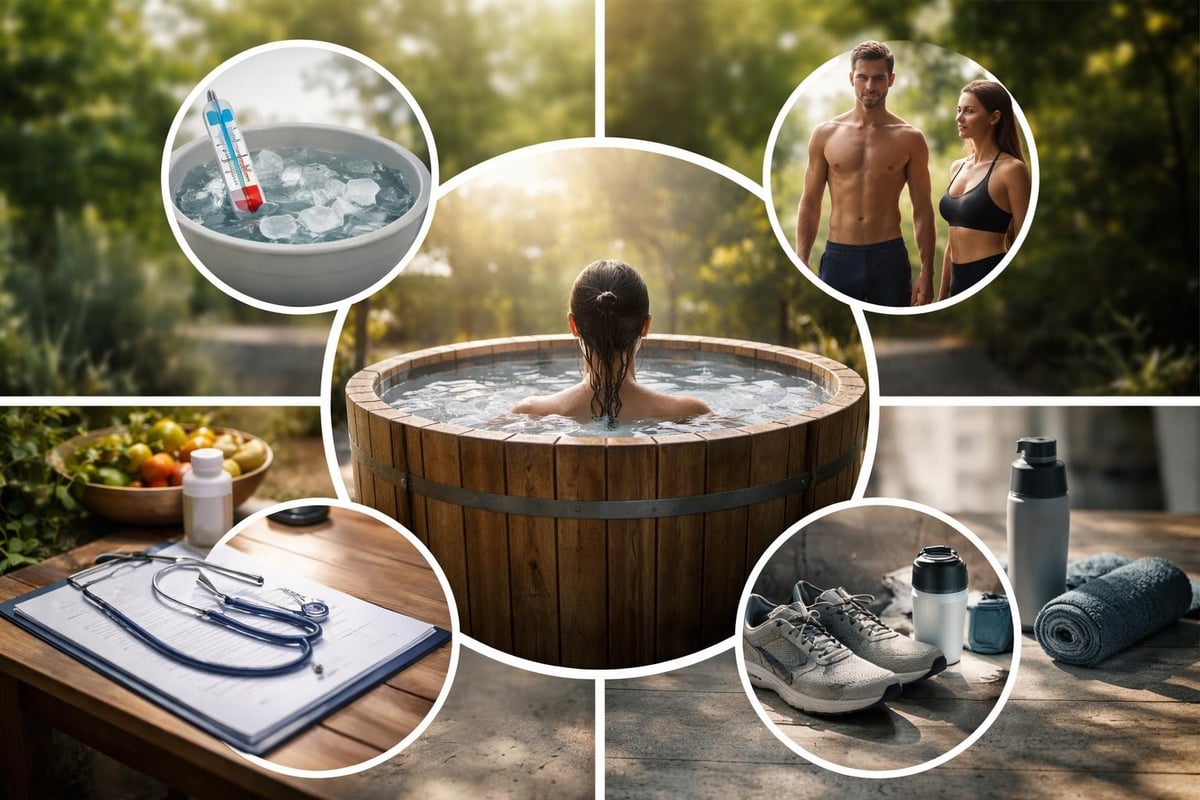
Beginner Cold Plunge Duration Guidelines
Starting your cold plunge journey requires patience and conservative timing. WebMD recommends that beginners start with just 30 seconds to one minute, gradually working up to 5-10 minutes over weeks or months.
First Session Protocol
Your initial cold plunge experience should prioritize safety over ambition. Start with water temperatures between 55°F and 60°F rather than ice-cold extremes.
Recommended first-session approach:
- Enter the water slowly, allowing your body to adapt
- Focus on controlled breathing to manage the shock response
- Remain submerged for 30-60 seconds maximum
- Exit immediately if you experience dizziness or numbness
- Warm up gradually with dry clothes and light movement
Many beginners make the mistake of staying too long during initial sessions, creating negative associations that discourage continued practice. Building tolerance gradually ensures sustainable progress.
Building Tolerance Over Weeks
Progressive adaptation is the cornerstone of safe cold plunge practice. During your first month, focus on consistency rather than duration increases.
| Week | Duration | Temperature | Frequency |
|---|---|---|---|
| 1-2 | 30-60 seconds | 55-60°F | 2-3x per week |
| 3-4 | 1-2 minutes | 52-58°F | 3-4x per week |
| 5-6 | 2-3 minutes | 50-56°F | 3-4x per week |
| 7-8 | 3-4 minutes | 48-54°F | 3-5x per week |
The HealthyWomen guide advises beginners to start with 30 seconds to a minute and gradually increase duration while monitoring for decreased pain, improved mood, and lower stress levels.
Intermediate Cold Plunge Timing
Once you've established a foundation with consistent practice over 4-8 weeks, intermediate protocols open new recovery possibilities. At this stage, understanding cold plunge how long becomes more nuanced and goal-specific.
Summit Sports and Spine provides specific guidelines for intermediate users: 2-3 minutes at temperatures between 50°F and 55°F, with adjustments based on individual tolerance and recovery objectives.
Optimal Session Length
Intermediate practitioners typically benefit from sessions lasting 2-5 minutes. This window activates metabolic benefits without excessive physiological stress.
The sweet spot for most intermediate users is three minutes at approximately 52°F. This combination provides sufficient stimulus for norepinephrine release, improved circulation, and enhanced recovery without approaching dangerous exposure limits.
Intermediate session structure:
- Pre-plunge: 2-3 minutes of controlled breathing
- Immersion: 2-5 minutes depending on temperature
- Post-plunge: 5-10 minutes of active rewarming
- Total weekly exposure: 10-15 minutes across 3-4 sessions
Temperature and Time Relationships
Understanding how temperature affects safe duration prevents overexposure. The Refresh With Plunge temperature guide recommends 50°F to 59°F for 1-3 minutes for those building tolerance.
Lower temperatures require proportionally shorter exposures. At 45°F, even experienced users should limit sessions to 3-4 minutes maximum. Conversely, water at 58°F allows safe extensions to 5-7 minutes for adapted individuals.
Advanced Cold Plunge Protocols
Advanced practitioners who have maintained consistent practice for several months can safely extend duration and decrease temperature. However, "advanced" should never mean reckless. Even elite athletes must respect physiological limits.
Maximum Safe Duration
When considering cold plunge how long for experienced users, the ceiling exists for important safety reasons. Cold Plunge Culture research indicates that exposures of 2-5 minutes optimally stimulate the nervous system and promote increased blood flow upon rewarming.
Advanced duration guidelines by temperature:
| Temperature Range | Maximum Duration | Recommended Duration |
|---|---|---|
| 38-42°F | 3-4 minutes | 2-3 minutes |
| 43-48°F | 5-7 minutes | 3-5 minutes |
| 49-55°F | 8-10 minutes | 5-7 minutes |
| 56-60°F | 12-15 minutes | 8-10 minutes |
Never exceed 15 minutes regardless of temperature or experience level. Extended exposure beyond this threshold increases hypothermia risk without providing additional benefits.
Athletic Recovery Timing
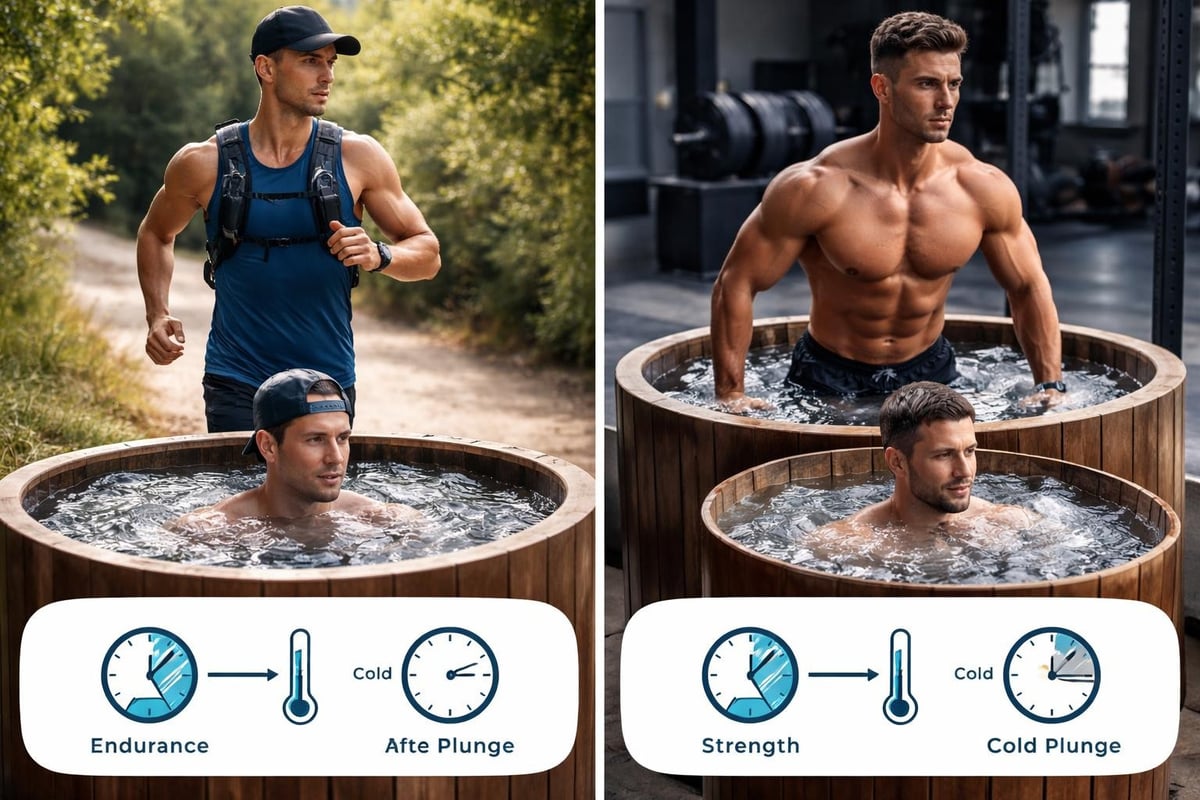
Athletes using cold plunge for recovery must consider timing relative to training. The evidence-based guide from Plunge Chill suggests temperatures of 52-59°F for 3-10 minutes, with careful attention to when you plunge relative to your workout.
For endurance athletes, longer sessions (5-8 minutes) at moderate temperatures (52-56°F) support recovery without blunting adaptation. Strength athletes benefit from shorter, colder sessions (2-4 minutes at 45-50°F) timed at least 4 hours post-workout to preserve hypertrophy responses.
Health Considerations and Warning Signs
Safety must always take priority over duration goals. Cardiovascular stress from cold immersion presents real risks, particularly for individuals with existing health conditions.
Pre-Existing Conditions
Allina Health warns that individuals with heart conditions should consult a doctor before attempting cold plunges, and recommends beginners start with 1-2 minutes to assess body reactions.
Cold water immersion causes immediate blood pressure elevation and heart rate changes. Those with cardiovascular disease, uncontrolled hypertension, or arrhythmias face elevated risks. Keys to Your Health discusses serious risks including cardiovascular stress, hypothermia, and neuromuscular impairment.
Conditions requiring medical clearance:
- Any heart disease or cardiac history
- Uncontrolled high blood pressure
- Raynaud's disease or circulation disorders
- Pregnancy
- Diabetes with neuropathy
- Recent surgery or significant injuries
When to Exit Immediately
Recognizing warning signs during cold plunge sessions prevents dangerous situations. Your body provides clear signals when exposure exceeds safe limits.
Exit the cold plunge immediately if you experience:
- Uncontrollable shivering or inability to stop trembling
- Numbness in extremities that doesn't resolve quickly
- Chest pain, pressure, or irregular heartbeat
- Dizziness, confusion, or difficulty concentrating
- Extreme skin discoloration (blue or white patches)
- Loss of motor control or coordination
Never push through concerning symptoms. Conservative approaches to cold plunge how long always prove safer than aggressive protocols.
Creating Your Personalized Duration Plan
Generic recommendations provide starting points, but individual variation demands personalized approaches. Your optimal cold plunge duration depends on multiple factors unique to your physiology and goals.
Assessment Factors
Begin by honestly evaluating your current status across key variables. Consider your cold exposure history, current fitness level, health status, and primary objectives for cold plunging.
Someone seeking general wellness benefits needs different protocols than an athlete targeting specific recovery outcomes. A 25-year-old with no health conditions can tolerate different exposures than a 55-year-old managing blood pressure.
Personal assessment checklist:
- Previous cold exposure experience (none, occasional, regular)
- Current cardiovascular fitness level
- Any diagnosed health conditions or medications
- Primary goals (recovery, mental clarity, metabolism, general wellness)
- Available recovery time and frequency capacity
- Access to proper warming facilities post-plunge
Progressive Overload Approach
Apply progressive overload principles to cold plunge duration just as you would to strength training. Gradual increases in exposure time or temperature decreases create adaptation without overwhelming your system.
Increase duration by no more than 30 seconds per week once you've established consistency. Alternatively, maintain duration while decreasing temperature by 2-3 degrees every two weeks. Never progress both variables simultaneously.
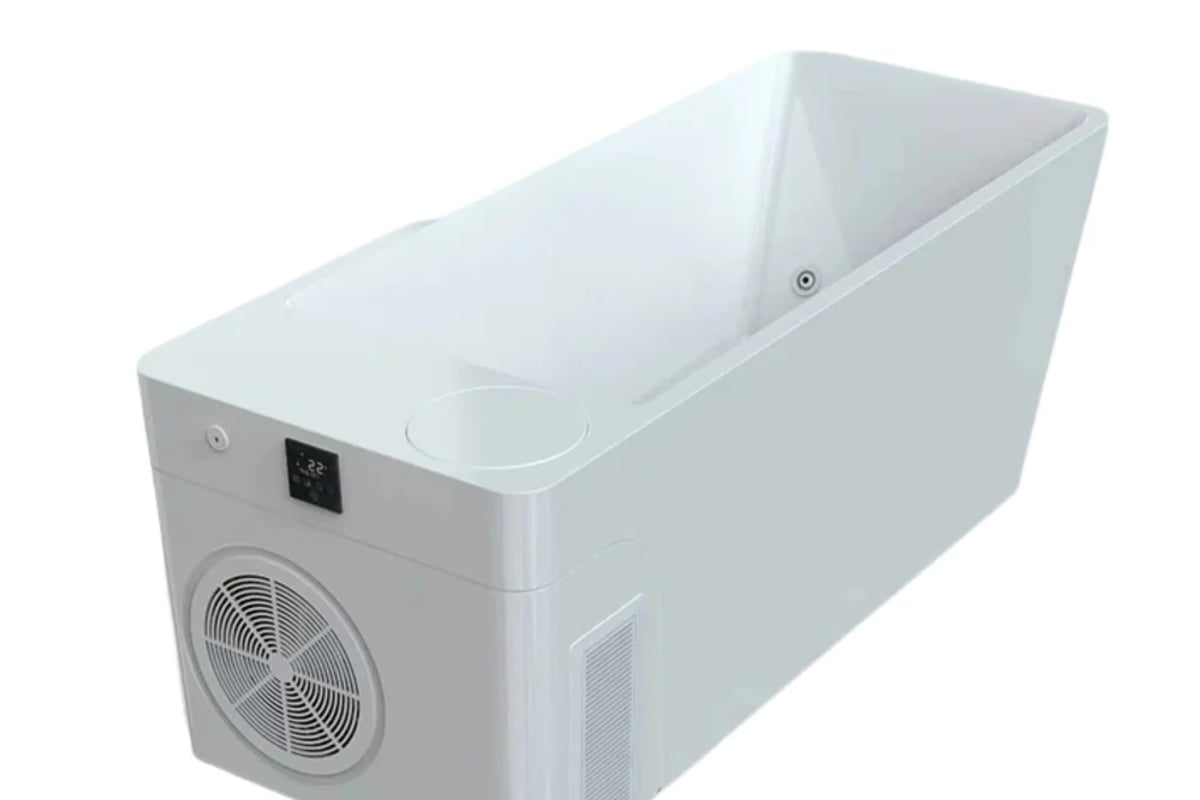
For those ready to invest in consistent practice, premium systems like the Orivon Frost Cold Plunge Tub offer precise temperature control between 37-108°F, making it easy to implement structured progression plans. The integrated thermostat ensures consistent conditions for each session, removing the guesswork from duration planning.
Optimizing Cold Plunge Frequency and Timing
Duration per session represents only one variable in effective cold plunge protocols. Frequency and timing relative to other activities significantly impact results.
Weekly Exposure Targets
Total weekly cold exposure matters more than individual session length. The research-backed target of 11 minutes per week can be achieved through various combinations.
Sample weekly schedules:
- Frequent shorter sessions: 3 minutes × 4 sessions = 12 minutes total
- Moderate approach: 4 minutes × 3 sessions = 12 minutes total
- Concentrated protocol: 5.5 minutes × 2 sessions = 11 minutes total
Each approach delivers the neurochemical and metabolic benefits documented in research. Choose based on your schedule and preference. Many find that consistency matters more than the specific distribution pattern.
Daily cold plunging is generally safe for adapted individuals using moderate durations (2-3 minutes). However, rest days allow physiological recovery and prevent adaptation plateau.
Time of Day Considerations
When you perform your cold plunge affects both tolerance and benefits. Morning sessions provide energizing effects that support focus and productivity throughout the day. The norepinephrine release from cold exposure enhances alertness naturally.
Evening plunges require more careful timing. While some practitioners report improved sleep from evening sessions, others experience stimulation that interferes with rest. If plunging in the evening, complete sessions at least 2-3 hours before bedtime.
Post-workout timing deserves special attention. Immediately after strength training, cold exposure may blunt muscle growth signals. Wait at least 4-6 hours post-resistance training. After endurance work, cold plunges can be performed sooner, even immediately, to support recovery.
Common Duration Mistakes to Avoid
Even experienced cold plunge users make timing errors that limit benefits or create unnecessary risks. Understanding these common mistakes helps you optimize your practice.
Staying Too Long
The most dangerous mistake is exceeding safe duration limits. Hypothermia risk increases dramatically beyond 15-20 minutes regardless of water temperature or experience level.
Many practitioners incorrectly assume that longer exposures provide proportionally greater benefits. Research shows this isn't true. The physiological responses to cold immersion plateau within the 2-5 minute window for most benefits.
Ego-driven duration competitions with friends or social media comparisons create dangerous situations. Your cold plunge how long should be determined by your physiology and goals, not external validation.
Progressing Too Quickly
Impatience with adaptation timelines leads many to increase duration or decrease temperature too aggressively. This approach backfires by creating excessive stress responses that hinder adaptation.
Your body requires consistent, repeated exposure to build cold tolerance effectively. Jumping from 1-minute sessions to 5-minute sessions within a week overwhelms adaptive capacity. Sustainable progression follows the 10% rule: increase total exposure by no more than 10% per week.
Ignoring Individual Variation
Generic protocols from influencers or articles (including this one) provide frameworks, not prescriptions. Some individuals naturally tolerate cold better due to genetics, body composition, or metabolic factors.
A lean individual with low body fat experiences cold differently than someone with higher insulation. Men and women often have different cold tolerance patterns. Age affects circulation and thermoregulation capacity.
Listen to your body's signals rather than forcing adherence to arbitrary duration targets. If 2 minutes feels like your limit, that's perfectly valid even if others routinely do 5 minutes. Learn more about individual cold plunge experiences to understand the range of responses.
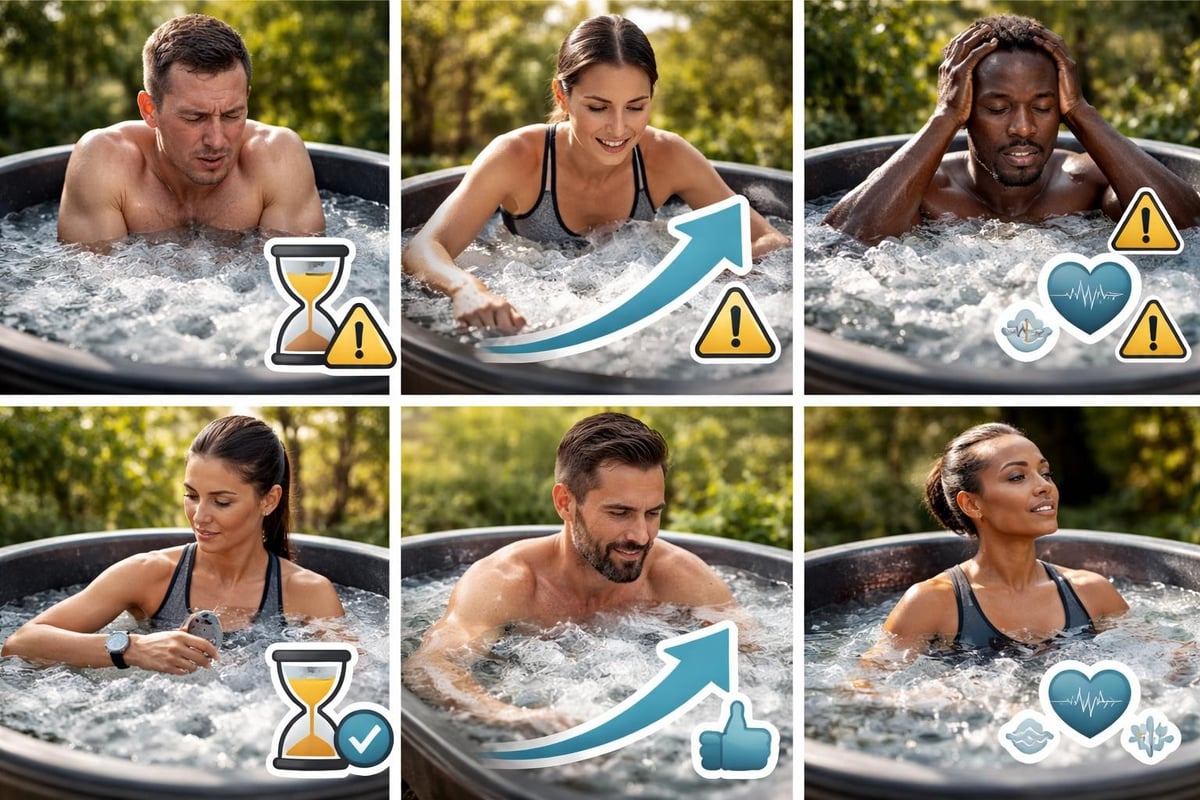
Temperature-Duration Combinations for Specific Goals
Different wellness objectives benefit from tailored temperature-duration combinations. Matching your protocol to your primary goal optimizes results.
Recovery and Inflammation Reduction
Athletes targeting muscle recovery and inflammation reduction benefit from moderate temperatures (50-55°F) with medium durations (3-5 minutes). This combination provides sufficient cold stress to trigger anti-inflammatory responses without excessive muscle tissue cooling that might impair subsequent performance.
Post-training recovery protocols should occur at least 30-60 minutes after exercise to allow initial recovery processes to begin. The about cold plunge information at Plunge N' Tubs details how consistent practice supports athletic performance.
Mental Clarity and Mood Enhancement
For cognitive benefits and mood enhancement, slightly warmer temperatures (55-60°F) with shorter durations (2-3 minutes) often prove optimal. This approach triggers norepinephrine release and sympathetic activation without creating excessive physical stress.
Morning sessions work particularly well for mental clarity goals, as the alertness boost aligns with daily productivity needs. The mood-enhancing effects stem from endorphin release and can last several hours post-plunge.
Metabolic and Fat Loss Support
Metabolic benefits and potential fat loss support emerge from regular cold exposure that activates brown fat tissue. For these goals, longer durations (5-8 minutes) at moderate temperatures (52-58°F) provide sustained cold stimulus.
Consistency matters more than intensity for metabolic outcomes. Regular sessions (4-5 per week) create cumulative effects on metabolism that occasional extreme exposures cannot match.
Monitoring and Adjusting Your Protocol
Effective cold plunge practice requires ongoing assessment and adjustment. What works initially may need modification as your body adapts or your goals evolve.
Tracking Your Progress
Maintain a simple log of your cold plunge sessions to identify patterns and optimize timing. Record water temperature, duration, time of day, and subjective experience ratings.
Essential tracking metrics:
- Exact duration and temperature for each session
- Perceived difficulty (1-10 scale)
- Recovery quality and soreness levels
- Energy and mood changes post-plunge
- Any unusual symptoms or reactions
- Weekly total exposure time
Digital thermometers provide accurate temperature readings rather than relying on estimates. Consistency in measurement enables meaningful comparisons across sessions.
Signs You Need to Adjust
Your body communicates clearly when protocols need modification. Positive adaptation signs include easier tolerance, faster post-plunge warming, improved recovery, and enhanced mood following sessions.
Concerning patterns suggesting you need to reduce duration or frequency include persistent fatigue, declining workout performance, difficulty warming after sessions, or dreading upcoming plunges. Cold plunge practice should challenge you but remain sustainable and beneficial.
If you plateau without continued benefits, you may need to slightly increase cold stress (longer duration or colder temperature) or conversely reduce frequency to allow better recovery. Experimentation within safe parameters helps you find optimal approaches.
Explore the full range of cold plunge options to find systems that match your protocol needs, from beginner-friendly temperatures to advanced recovery configurations.
Mastering cold plunge duration transforms this powerful wellness practice from risky experimentation into systematic recovery. Start conservatively with 30-60 seconds, progress gradually based on individual tolerance, and respect the 11-minute weekly target backed by research. Whether you're seeking athletic recovery, mental clarity, or metabolic benefits, proper duration optimization unlocks cold plunge advantages while maintaining safety. Plunge N' Tubs provides premium cold plunge systems crafted from Canadian wood with precise temperature control, making it simple to implement evidence-based protocols at home with fast, free delivery across North America.
Share:
Cold Plunge Inflatable: Complete Buying Guide 2026