



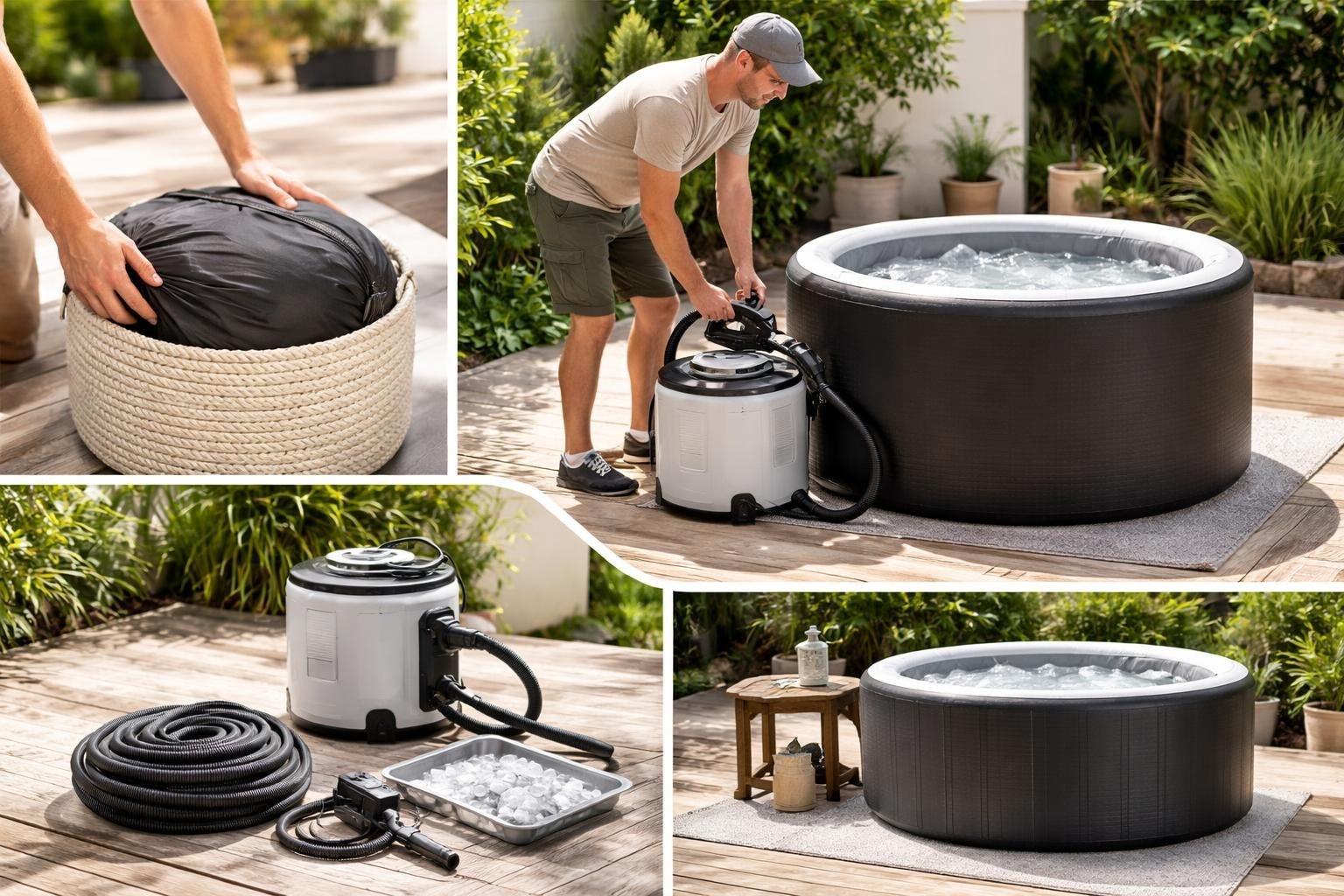
The cold plunge inflatable market has exploded over the past few years, offering an affordable and portable entry point into cold therapy. These collapsible tubs promise the same recovery benefits as permanent installations at a fraction of the cost and space commitment. But are they actually worth your money, and how do you choose the right one? This guide breaks down everything you need to know about inflatable cold plunge options, from practical setup tips to common mistakes that waste both time and money.
What Is a Cold Plunge Inflatable and How Does It Work?
A cold plunge inflatable is a portable tub designed for cold water immersion therapy. Unlike traditional built-in plunge pools or wooden tubs, these units inflate when needed and deflate for storage.
Most models consist of durable PVC or similar materials with insulated walls. You fill them with water, add ice or connect a chiller unit, and submerge yourself for 3-10 minutes at temperatures between 39-59°F.
The Basic Components
Every quality inflatable cold plunge includes several key elements:
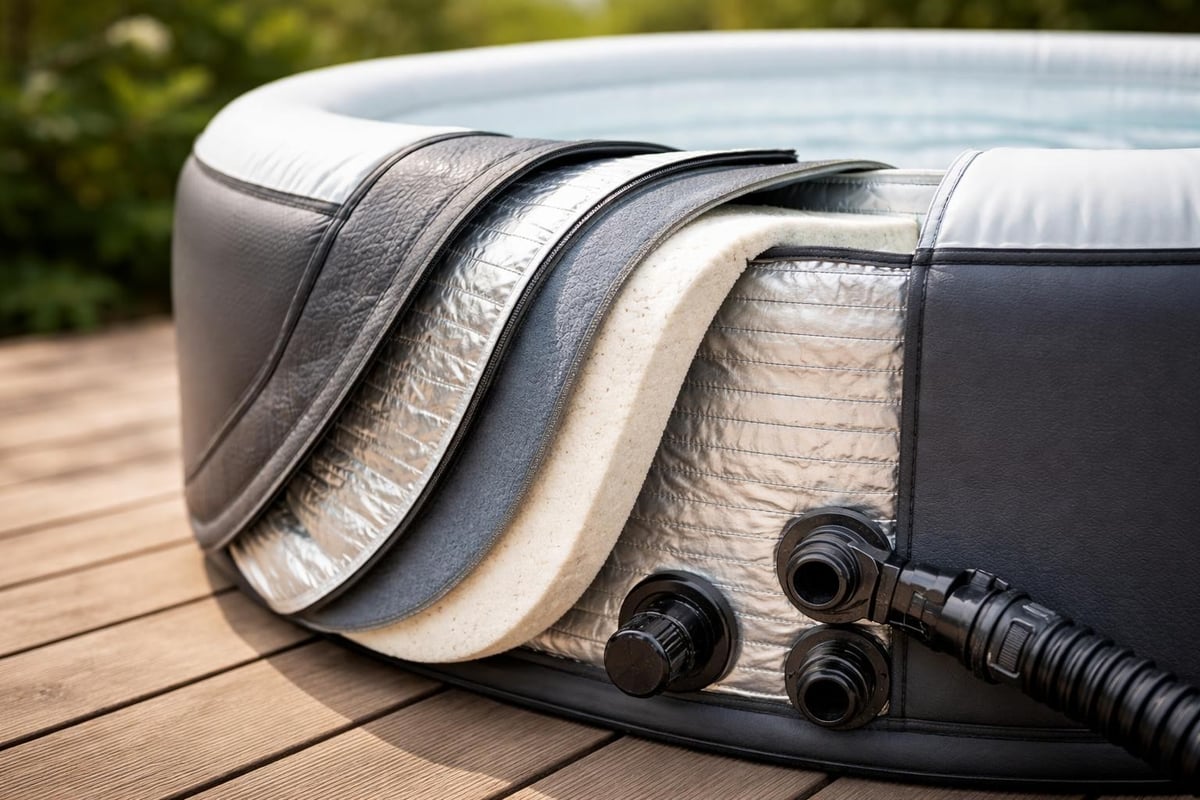
- Outer shell: Multiple-layer PVC or drop-stitch material
- Insulation layer: Keeps water cold longer without constant ice additions
- Drain valve: Quick water removal after sessions
- Inflation pump: Manual or electric options
- Cover: Maintains temperature between uses
The simplest setups require only ice to reach cold temperatures. More advanced users pair their cold plunge inflatable with portable chillers that maintain consistent temperatures automatically.
Is It Worth It? The Real Benefits and Drawbacks
The honest answer depends on your goals, budget, and commitment level.
For most people exploring cold therapy for the first time, a cold plunge inflatable offers an excellent testing ground. You can experience legitimate recovery benefits without committing $5,000-$15,000 to a permanent installation. Athletes, biohackers, and wellness enthusiasts consistently report improvements in muscle recovery, mental clarity, and sleep quality when using cold immersion regularly.
Real benefits you can expect:
- Reduced muscle soreness after intense training
- Improved circulation and cardiovascular function
- Enhanced mental resilience and stress management
- Better sleep quality when used consistently
- Convenient at-home access versus gym or spa visits
According to research from Harvard Health, cold plunges can offer cardiovascular benefits when done correctly, though people with certain heart conditions should consult their doctor first.
Legitimate drawbacks to consider:
| Issue | Impact | Solution |
|---|---|---|
| Setup time | 10-20 minutes per session | Keep inflated if using daily |
| Ice costs | $5-15 per session | Invest in a portable chiller |
| Durability | Potential leaks after 1-2 years | Choose commercial-grade materials |
| Temperature control | Inconsistent without chiller | Budget for chiller unit |
The inflatable format makes perfect sense for renters, people with limited space, or anyone testing cold therapy before upgrading to a permanent solution like those available from Plunge N' Tubs.
Who Should Buy a Cold Plunge Inflatable?
Not everyone needs an inflatable version. Understanding who benefits most helps you make a smarter decision.
Perfect candidates include:
- Athletes in recovery: Runners, CrossFit enthusiasts, and weekend warriors who need regular muscle recovery but lack space for permanent tubs
- Cold therapy beginners: People curious about cold plunging without the financial commitment of premium installations
- Renters and apartment dwellers: Anyone who can't modify their living space or may move within 1-3 years
- Seasonal users: Those who want cold therapy during training seasons but not year-round
- Budget-conscious wellness seekers: Individuals who want legitimate cold exposure benefits at under $1,000
Who should skip inflatables:
If you're already committed to daily cold plunging and know you'll use it for years, a permanent tub offers better long-term value. The Baltic Plunge Tub or similar wood-crafted options provide superior insulation, durability, and temperature retention.
People with very limited mobility may also struggle with the entry and exit process since inflatable walls offer less structural support than rigid tubs.
What to Look for When Buying a Cold Plunge Tub
Shopping for a cold plunge inflatable requires evaluating several critical factors beyond just price.
Material Quality and Construction
The material determines both durability and insulation effectiveness. Drop-stitch construction creates a rigid structure similar to paddleboards, while layered PVC offers flexibility at lower cost.
Look for these specifications:
- Minimum 0.9mm thickness on contact surfaces
- UV-resistant exterior coating for outdoor use
- Double or triple-layer construction
- Reinforced seams with heat welding (not glue)
Cheap models under $200 typically use single-layer PVC that develops leaks within months. Mid-range options ($400-$800) offer better materials but may lack insulation. Premium inflatables ($800-$1,500) include thermal barriers that reduce ice requirements by 40-60%.
Size and Capacity Considerations
| Height Range | Recommended Diameter | Water Capacity | Ice Required |
|---|---|---|---|
| Under 5'6" | 28-32 inches | 60-75 gallons | 20-30 lbs |
| 5'6" - 6'0" | 32-36 inches | 75-90 gallons | 30-40 lbs |
| Over 6'0" | 36-40 inches | 90-110 gallons | 40-50 lbs |
Taller individuals need deeper tubs to achieve full neck immersion. Many beginners buy undersized units, then immediately regret not having water cover their shoulders and upper back where muscle tension accumulates.
Temperature Control Options
Entry-level setups rely entirely on ice. You'll spend $10-20 per session maintaining 50°F temperatures for 30-60 minutes.
Portable chillers represent a significant upfront investment ($600-$1,200) but eliminate ongoing ice costs. They also maintain precise temperatures, crucial for following protocols like the Wim Hof Method.
Calculate your break-even point. If you're using a cold plunge inflatable 3-4 times weekly, a chiller pays for itself within 4-6 months through eliminated ice purchases.
Drainage and Maintenance Features
Nobody wants to spend 30 minutes emptying a tub after each session. Quality models include:
- Large-diameter drain valves (minimum 1.5 inches)
- Hose attachment compatibility
- Sloped floor design for complete drainage
- Easy-clean interior surfaces
Water quality matters significantly for repeated use. Without proper filtration, you'll need to replace water every 1-3 sessions. Some users add small submersible pumps with filters, extending water life to 5-7 days. For water quality guidance, Apartment Therapy's water filter solutions offers helpful maintenance tips.
Common Mistakes Beginners Make
First-time buyers consistently make the same errors that diminish their cold plunge inflatable experience.
Going Too Cold, Too Fast
The biggest mistake is filling your new tub with ice water and attempting a 10-minute plunge on day one. This approach triggers panic responses, creates negative associations, and often ends the cold therapy journey before it begins.
Smart progression protocol:
- Week 1: 60-65°F for 2-3 minutes
- Week 2: 55-60°F for 3-5 minutes
- Week 3: 50-55°F for 5-7 minutes
- Week 4+: 45-50°F for your target duration
Your body needs time to adapt. Rushing this process provides no additional benefits and significantly increases quit rates.
Underestimating Setup Requirements
"Portable" doesn't mean "no preparation required." Successful cold plunge inflatable use demands proper planning.
You need a level surface that can handle 400-800 pounds when filled. Grass works but can create uneven settling. Concrete, composite decking, or reinforced platforms offer better stability.
Consider water access and drainage. Running a hose 100 feet from your house every session gets old quickly. Similarly, draining into areas without proper runoff creates muddy disasters.
Skipping the Cover
Exposed water loses 5-10°F per hour, even with insulated walls. A quality cover maintains temperature, reduces ice requirements, and keeps debris out between sessions.
Many beginners skip this $50-$100 accessory, then waste triple that amount on extra ice within the first month. The math strongly favors buying the cover immediately.
Ignoring Long-Term Costs
The initial cold plunge inflatable purchase represents just one portion of total ownership costs. Calculate your complete monthly expenses:
- Ice: $40-$80 monthly (4 sessions weekly)
- Water: $5-$15 monthly (assuming periodic changes)
- Electricity: $10-$30 monthly (if using a chiller)
- Replacement parts: $20-$50 annually
- Total: $75-$175 monthly
Compare these ongoing costs against alternatives. Garage Gym Reviews offers detailed cost breakdowns for various cold plunge options, including permanent installations that eliminate ice expenses entirely.
Setting Up Your Cold Plunge Inflatable for Success
Proper setup maximizes both safety and effectiveness while minimizing frustration.
Location Selection
Choose your spot based on these priorities:
Indoor placement:
- Basement floors with drains
- Bathrooms with waterproof flooring
- Garages with concrete surfaces
- Dedicated recovery rooms
Outdoor placement:
- Level concrete pads or decking
- Partial shade to prevent algae growth
- Protected from strong winds
- Accessible water source within 25 feet
Avoid placing inflatable tubs on surfaces that can't tolerate moisture or weight. Wood floors, carpet, and unlevel ground all create problems.
First-Time Inflation and Testing
Before your inaugural plunge, run a full test cycle. Inflate completely, fill with warm water (easier to spot leaks), and let it sit for 24 hours. Check all seams, valves, and connection points for air or water loss.
This testing phase identifies defects while you can still easily return the unit. Discovering a slow leak after your third ice-filled session creates much bigger headaches.
Optimal Temperature Ranges by Goal
Different recovery objectives require different temperatures:
| Goal | Temperature Range | Duration | Frequency |
|---|---|---|---|
| Muscle recovery | 50-59°F | 10-15 min | Post-workout |
| Mental clarity | 45-55°F | 3-5 min | Morning |
| Inflammation reduction | 39-50°F | 5-10 min | Daily |
| Sleep improvement | 55-65°F | 10-15 min | Evening |
The science supports different approaches for different benefits. Blue Wave Spas' comparison research details how temperature and duration affect recovery outcomes.
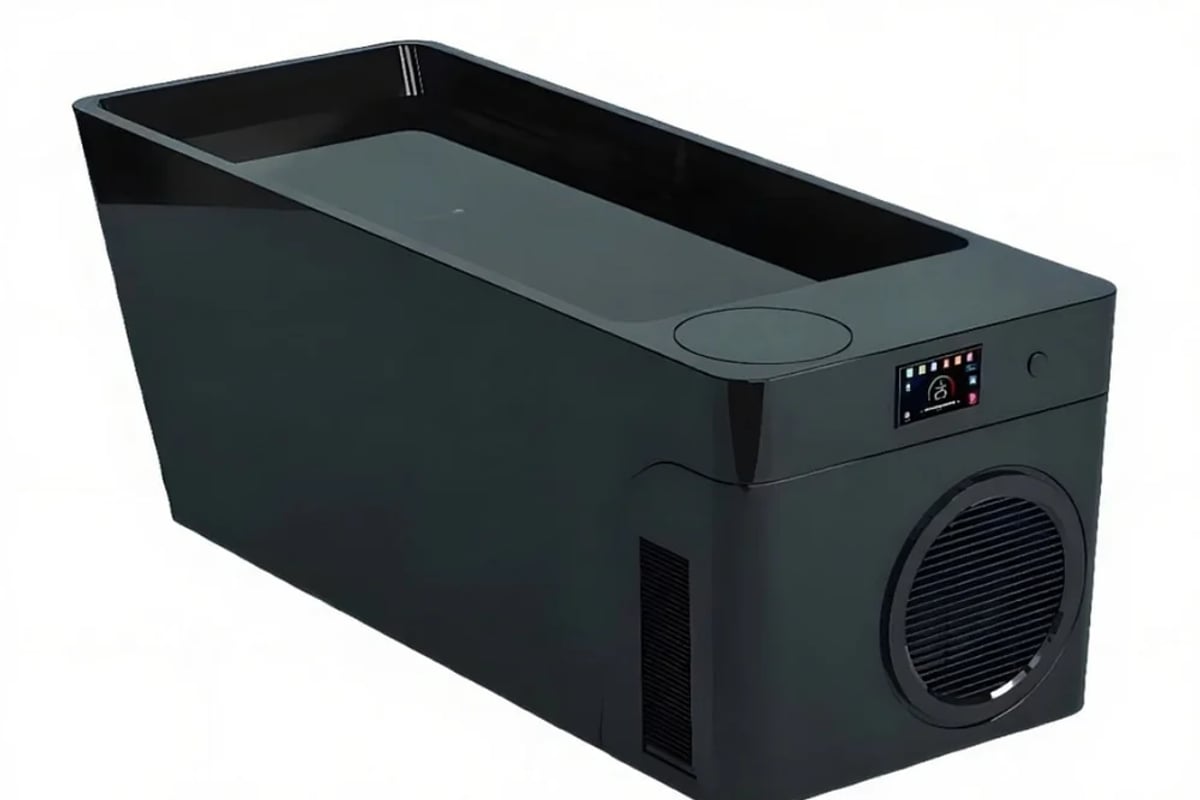
For those serious about consistent cold therapy and ready for a more permanent solution, the Frost Cold Plunge Tub delivers precise temperature control between 37-108°F with its integrated 1HP chiller system, eliminating the guesswork and ice requirements of inflatable options.
Maintenance and Extending Your Tub's Lifespan
A cold plunge inflatable can last 2-5 years with proper care or fail within 6 months through neglect.
Weekly Maintenance Checklist
- Clean interior surfaces with mild soap and water
- Check air pressure and top off if needed
- Inspect seams and patch any developing weak spots
- Drain and refill water (without filtration systems)
- Wipe down exterior to prevent mildew
Water Treatment Options
For extended water use between changes, consider these approaches:
- Bromine tablets: More stable than chlorine at cold temperatures
- Hydrogen peroxide: Natural oxidizer without harsh chemicals
- UV sterilization: Portable units that kill bacteria without additives
- Ozone generators: Effective but require proper ventilation
Never use water that smells off or appears cloudy. Your skin absorbs whatever's in that water, making quality standards non-negotiable.
Storage During Off-Seasons
If you're taking a break for several weeks or months:
- Drain completely and allow to air dry for 48 hours
- Apply talcum powder to interior surfaces (prevents sticking)
- Fold carefully along manufacturer guidelines
- Store in climate-controlled space (not freezing garages)
- Keep away from rodents who may chew through material
Proper storage prevents the cracking, mildew, and deterioration that plague carelessly stored inflatables.
Frequently Asked Questions
How long does it take to set up a cold plunge inflatable?
Initial setup requires 15-20 minutes for inflation and filling. Once you've practiced a few times, you can complete the process in 10-12 minutes. Daily users often keep their tubs inflated and filled for weeks, performing only water maintenance between sessions.
Can I use a cold plunge inflatable year-round in cold climates?
Yes, but winter use requires additional planning. Water freezes below 32°F, potentially damaging your tub. Use a chiller to maintain 39-45°F temperatures, and consider a insulated cover or enclosure. Some users move inflatable tubs into heated garages during winter months. Check customer results for real experiences in various climates.
How much ice do I actually need per session?
For a 75-gallon tub starting at 70°F ambient temperature, expect to use 30-40 pounds of ice to reach 50°F. Insulated models require 20-30% less ice. Pre-cooling your water overnight before adding ice can cut requirements by half.
Is a cold plunge inflatable safe for people with health conditions?
Cold water immersion affects cardiovascular and respiratory systems significantly. Anyone with heart conditions, high blood pressure, or respiratory issues should consult their doctor before starting cold therapy. Pregnant women should also seek medical guidance. Start with warmer temperatures and shorter durations regardless of health status.
What's better: inflatable or permanent cold plunge tubs?
Inflatables excel for beginners, renters, and budget-conscious users. Permanent tubs like those from Plunge N' Tubs offer superior insulation, durability, and long-term value for committed users. Your decision should align with your commitment level, budget, and living situation.
How do I prevent my cold plunge inflatable from getting moldy?
Change water regularly (every 3-7 days without filtration), dry the tub completely when deflating, and use appropriate water treatment. Mold thrives in stagnant, warm conditions, so maintaining cold temperatures and water circulation helps significantly.
Can two people use a cold plunge inflatable at the same time?
Most models accommodate one person comfortably. Attempting dual use in standard 32-36 inch diameter tubs creates crowding and reduces effectiveness. If shared use is important, look for larger specialty models or consider scheduling separate sessions.
Choosing a cold plunge inflatable involves balancing portability, cost, and your commitment to consistent cold therapy. Whether you're testing the waters or need a space-saving solution, understanding these key factors helps you avoid expensive mistakes and maximize recovery benefits. For those ready to upgrade to premium, permanent cold therapy solutions with superior temperature control and durability, Plunge N' Tubs offers Canadian-crafted systems with free delivery across North America, bringing professional-grade recovery to your home.
Share:
Cold Plunge How Long: Complete Duration Guide for 2026
Plunge Cold Tub: Complete 2026 Buyer's Guide