




The ice barrel cold plunge has transformed from a niche recovery tool used exclusively by elite athletes into a mainstream wellness practice embraced by millions across North America. This barrel-shaped immersion system delivers controlled cold therapy that triggers powerful physiological responses, from reduced inflammation to enhanced mental clarity. Whether you're an athlete seeking faster recovery, a wellness enthusiast exploring biohacking, or simply someone looking to improve daily energy levels, understanding how ice barrel cold plunge systems work and which features matter most will help you make an informed investment in your health.
What Is an Ice Barrel Cold Plunge and How Does It Work
An ice barrel cold plunge is a specialized tub designed for cold water immersion therapy, typically featuring a vertical barrel design that allows users to sit upright while submerged up to their shoulders. Unlike traditional horizontal bathtubs or makeshift solutions, these purpose-built systems maintain consistent cold temperatures and provide ergonomic positioning for optimal therapeutic benefits.
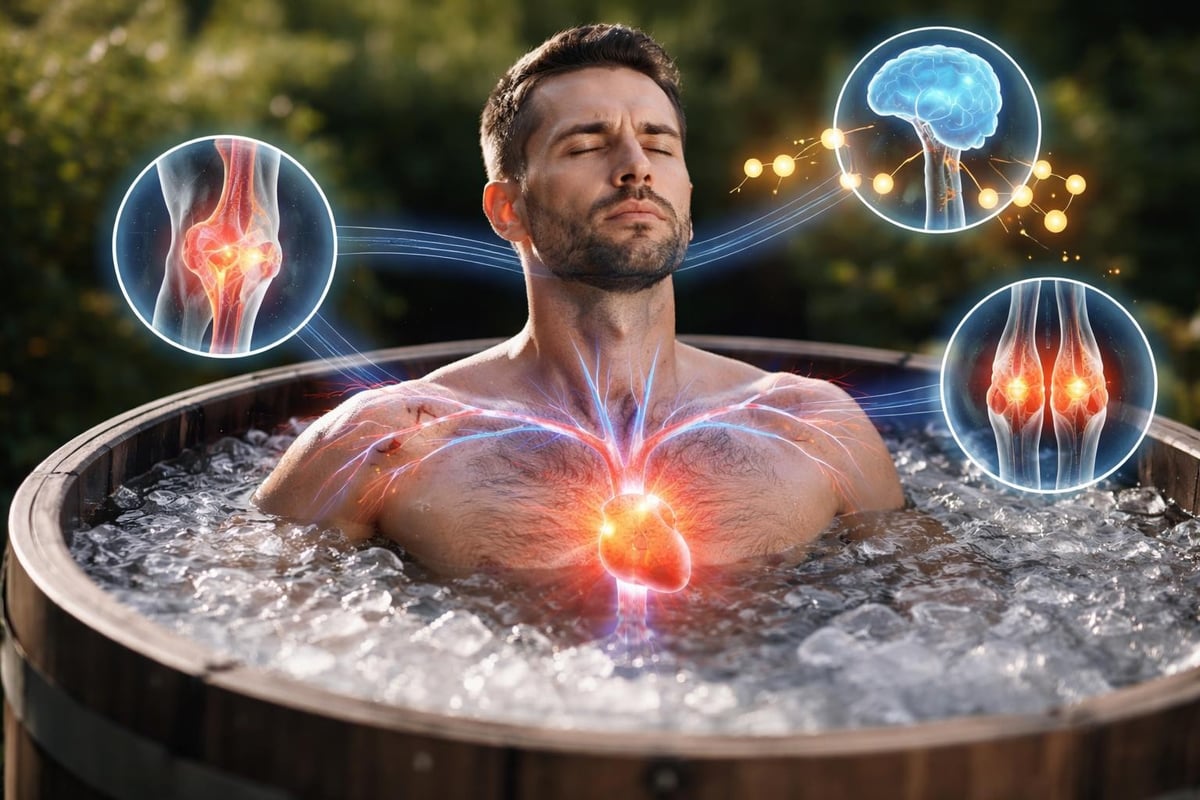
The mechanism is straightforward yet scientifically powerful. When you immerse your body in cold water (typically between 37-55°F), your nervous system initiates a cascade of responses. Blood vessels constrict, pushing blood toward your core organs. Your heart rate increases slightly, and your body releases norepinephrine and endorphins. This controlled stress response is what delivers the remarkable benefits associated with cold plunging for recovery and wellness.
Key Components of Modern Ice Barrel Systems
Today's ice barrel cold plunge units come with varying features that affect both performance and user experience:
- Insulation quality determines how long water stays cold without additional cooling
- Drainage systems make regular water changes practical and efficient
- Filtration units keep water clean between sessions
- Chiller compatibility allows consistent temperature control without ice
- Material construction impacts durability, maintenance, and aesthetic appeal
The best systems balance these elements based on your climate, usage frequency, and whether you plan indoor or outdoor placement. A quality ice barrel cold plunge maintains temperature stability, resists weather damage, and provides years of reliable use without constant maintenance.
The Science-Backed Benefits You Can Expect
Cold water immersion isn't just a wellness trend. Research demonstrates measurable physiological changes that translate into real-world improvements in recovery, performance, and daily function.
Physical Recovery and Performance
Athletes have long used cold therapy to accelerate recovery after intense training. The ice barrel cold plunge reduces muscle soreness by decreasing inflammation and metabolic waste accumulation in tissues. Studies show regular cold exposure can reduce delayed onset muscle soreness (DOMS) by up to 20% when used strategically.
Beyond soreness reduction, cold plunging improves circulation over time. The repeated vasoconstriction and vasodilation trains your vascular system to respond more efficiently, potentially lowering blood pressure and improving cardiovascular health. Many users report feeling more energized and mobile after establishing a consistent practice.
Mental Health and Cognitive Function
The mental benefits often surprise newcomers. Cold plunging delivers immediate mood enhancement through endorphin and dopamine release. That post-plunge feeling of clarity and calm isn't psychological placebo. It's neurochemistry in action.
Regular practitioners report improvements in:
- Stress resilience: Better ability to handle daily pressures
- Mental clarity: Improved focus and decision-making capacity
- Emotional regulation: More balanced mood throughout the day
- Sleep quality: Deeper, more restorative rest
The practice also builds mental toughness. Choosing discomfort voluntarily strengthens your prefrontal cortex's ability to override the amygdala's fear response, a skill that transfers to other challenging situations.
Metabolic and Immune System Support
Cold exposure activates brown adipose tissue (BAT), which burns calories to generate heat. While an ice barrel cold plunge won't replace proper diet and exercise, regular sessions may support metabolic health and healthy body composition over time.
Research suggests additional benefits including enhanced immune function, with some studies showing increased white blood cell counts in regular cold plungers. The stress response triggers adaptive changes that may improve your body's ability to fight infection and recover from illness.
| Benefit Category | Primary Effect | Timeline to Notice |
|---|---|---|
| Acute Recovery | Reduced soreness, inflammation | Immediately to 24 hours |
| Mental Clarity | Mood boost, focus | Within minutes |
| Circulation | Improved vascular function | 2-4 weeks consistent use |
| Sleep Quality | Deeper, more restorative rest | 1-2 weeks |
| Metabolic Support | BAT activation, calorie burn | 4-8 weeks |
Is an Ice Barrel Cold Plunge Worth the Investment
The honest answer depends on your goals, commitment level, and current wellness routine. An ice barrel cold plunge represents a significant investment, typically ranging from $1,500 to $5,000 depending on features, materials, and whether you include a chiller system.
When It Makes Financial Sense
Calculate the cost of alternatives. Monthly cryotherapy sessions run $200-400. Gym memberships with cold plunge access cost $100-200 monthly. If you're already spending $1,200-2,400 annually on cold therapy, a home system pays for itself in 1-2 years while offering unlimited access.
The convenience factor amplifies value. No driving, scheduling, or waiting. You can plunge at 6 AM before work or 9 PM after the kids sleep. That accessibility dramatically increases adherence, which determines whether you actually receive the health benefits or just own expensive lawn furniture.
The Real Total Cost of Ownership
Beyond the initial purchase, consider these ongoing expenses:
- Water: Negligible cost if you change water weekly
- Electricity: Minimal without a chiller; $20-40 monthly with one
- Maintenance: Filters, cleaning supplies, occasional repairs
- Ice: $5-15 per session if not using a chiller
A well-built ice barrel cold plunge from quality manufacturers requires minimal maintenance. Cedar and premium materials resist rot and weather damage, lasting decades with basic care. Plunge N' Tubs sources premium Canadian wood specifically for durability in varied climates.
Who Should Definitely Buy One
You're an ideal candidate if you:
- Train intensely 4+ days per week and prioritize recovery
- Currently pay for cryotherapy, ice baths, or recovery services
- Have space (indoor or outdoor) for a permanent installation
- Value daily wellness practices and own-schedule convenience
- Experience chronic inflammation or recovery challenges
- Want to establish a consistent morning or evening routine
Athletes, biohackers, busy professionals seeking stress management, and anyone serious about longevity typically see excellent return on investment.
What to Look for When Buying an Ice Barrel Cold Plunge
Not all cold plunge systems deliver the same quality, durability, or user experience. Understanding which features matter helps you avoid expensive mistakes and find a tub that serves you well for years.
Material Quality and Construction
The construction determines both longevity and maintenance requirements. Premium options include:
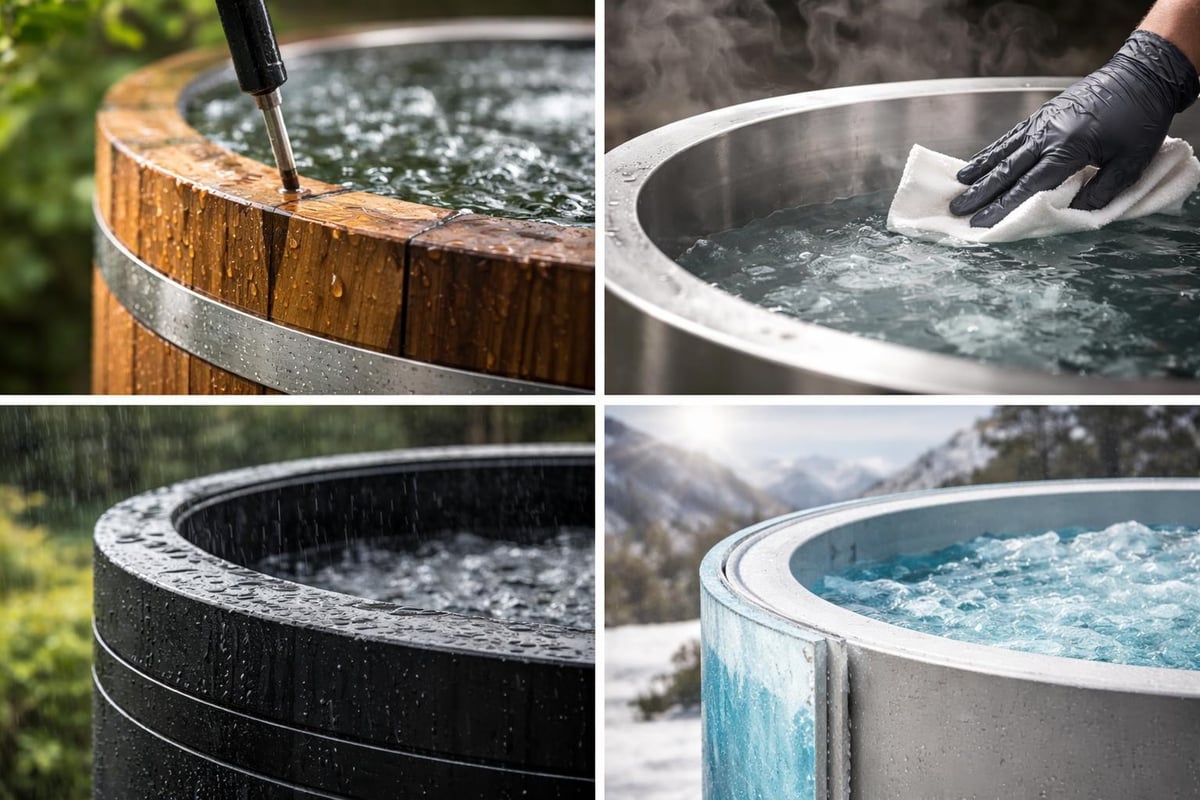
Eastern White Cedar: Naturally resistant to moisture, rot, and insects. Beautiful grain patterns age gracefully. Requires occasional sealing but lasts 15-20+ years with minimal care.
Stainless Steel Interior: Non-porous, extremely durable, resists bacteria. Easy to clean. The gold standard for sanitation but costs more upfront.
HDPE Plastic: Lightweight, affordable, corrosion-resistant. Less aesthetic appeal but highly functional and virtually maintenance-free.
Acrylic: Smooth finish, modern appearance, good insulation. Moderate durability. Popular in contemporary designs.
Consider where you'll place the tub. Outdoor installations face temperature extremes, UV exposure, and precipitation. Materials that excel indoors may deteriorate quickly outside without proper protection.
Temperature Control Methods
You have two primary approaches to maintaining cold water:
Ice-Based System: Lower upfront cost. You add ice before each session. Works well if you plunge 2-3 times weekly and have reliable ice access. Requires about 20-40 pounds of ice per session depending on starting water temperature and tub size.
Chiller-Equipped System: Higher initial investment ($1,000-2,000 additional). Set your desired temperature and the chiller maintains it continuously. Essential for daily users, warm climates, or anyone wanting consistent temperature without hassle.
For serious practitioners, a chiller transforms the experience. The Baltic Plunge Tub works with chillers or ice, offering flexibility as your practice evolves.
Size and Ergonomics
Ice barrel cold plunge tubs come in various dimensions. Consider:
- Depth: You want shoulder-deep immersion (48-52 inches for most adults)
- Width: Comfortable sitting position without cramping (minimum 26-30 inches)
- Entry/Exit: Steps, handles, or seat height affect safety and ease of use
- Weight capacity: Ensure it accommodates your body weight plus water safely
Taller individuals need deeper tubs. If multiple household members will use it, design for the largest person's dimensions.
Essential Features Checklist
| Feature | Why It Matters | Priority Level |
|---|---|---|
| Insulated walls | Maintains temperature longer, reduces chiller workload | High |
| Quality drainage | Easy water changes prevent bacterial growth | High |
| Cover included | Keeps debris out, retains cold, essential for outdoor use | High |
| Built-in seating | Comfort during session, proper immersion depth | Medium |
| Filtration system | Water quality between changes | Medium |
| UV sanitization | Reduces chemical needs | Low to Medium |
| Thermometer | Monitors precise temperature | Medium |
| Non-slip surfaces | Safety entering/exiting | High |
Common Mistakes Beginners Make With Ice Barrel Cold Plunge
New users often sabotage their experience and results through preventable errors. Learning from others' mistakes accelerates your progress and keeps you safe.
Starting Too Cold or Too Long
The most common beginner mistake is aggressive initial sessions. Starting at 35°F for 10 minutes on day one usually ends with abandoning the practice entirely. Your body needs gradual adaptation.
Smart progression protocol:
- Week 1: 55-60°F for 2 minutes
- Week 2: 50-55°F for 3 minutes
- Week 3: 45-50°F for 4-5 minutes
- Week 4+: 38-45°F for 5-10 minutes
This approach builds tolerance while minimizing misery. You'll actually stick with the practice instead of dreading it.
Ignoring Proper Breathing Technique
Many beginners panic when cold water hits their skin, gasping and hyperventilating. This activates your sympathetic nervous system, amplifying discomfort and potentially causing dangerous blood pressure spikes.
Correct technique: Take 5-10 deep, controlled breaths before entering. Once immersed, focus on slow nasal inhalation and extended exhalation. This activates your parasympathetic nervous system, reducing stress response and making the experience manageable.
Timing Your Sessions Incorrectly
Using an ice barrel cold plunge immediately before strength training can impair muscle activation and power output. Some research suggests cold therapy immediately post-workout may blunt some adaptive responses to resistance training.
Optimal timing strategies:
- Morning plunges: Energy boost, mental clarity, not linked to training
- 4-6 hours post-workout: Allows initial recovery response, then reduces inflammation
- Evening plunges: Done 2-3 hours before bed to avoid sleep disruption from alertness
Experiment to find what works for your schedule and goals.
Neglecting Water Quality and Maintenance
Stagnant water breeds bacteria rapidly. Beginners often use the same water for weeks, creating a health hazard. Change water every 3-7 days depending on usage frequency. If using a filtration system, follow the manufacturer's maintenance schedule strictly.
Consider using proper cold plunge maintenance practices including occasional hydrogen peroxide treatment or UV sanitization to keep water fresh between changes.
Ignoring Safety Precautions
Cold water immersion carries real risks if practiced carelessly. Never plunge alone if you have cardiovascular issues. Don't stay in until you're shivering uncontrollably. Exit immediately if you feel dizzy, nauseous, or experience chest pain.
Understanding cold plunge safety risks and precautions is essential before beginning any cold therapy protocol. Consult your physician if you have heart conditions, high blood pressure, or are pregnant.
Setting Up Your Ice Barrel Cold Plunge for Success
Proper setup determines whether your ice barrel cold plunge becomes a daily wellness tool or an expensive obstacle gathering dust in your garage.
Location Selection Strategy
Outdoor placement offers connection to nature and easier drainage but exposes your tub to weather extremes. Choose a level surface with good drainage. Consider privacy, accessibility in winter conditions, and proximity to a water source.
Indoor placement provides climate control and year-round convenience but requires proper flooring (waterproof, structurally sound) and adequate ventilation to prevent moisture damage. Basements, dedicated wellness rooms, or attached garages work well.
Water Source and Drainage Planning
Running a garden hose works fine for filling, but emptying 100+ gallons requires planning. Options include:
- Gravity drainage to yard or garden (requires proper grade)
- Pump system directing to sewer cleanout
- Proximity to floor drain or sump pump
- Collection for landscape irrigation (if chemical-free)
Install your ice barrel cold plunge near your chosen drainage solution to avoid complications during routine maintenance.
Creating a Supportive Environment
The area around your plunge affects your experience. Consider adding:
- Non-slip mat for safe entry/exit
- Towel storage within arm's reach
- Timer or clock visible from the tub
- Bluetooth speaker for guided breathing or music
- Seating area for preparation and post-plunge recovery
- Robe or dry clothes ready for immediate warmth
These details transform a basic routine into a ritual you look forward to.
Integrating Ice Barrel Cold Plunge Into Your Wellness Routine
Consistency delivers results. Sporadic use provides temporary benefits, but regular practice creates lasting physiological adaptations.
Building a Sustainable Practice
Start with a realistic commitment. Three sessions weekly beats daily intentions that you abandon after two weeks. Schedule specific times and treat them like non-negotiable appointments.
Many successful practitioners use environmental triggers:
- Morning coffee brews while they plunge
- Evening plunge signals end of workday
- Post-workout cooldown becomes automatic routine
- Weekend recovery ritual with sauna contrast
Pairing your ice barrel cold plunge with existing habits increases adherence dramatically.
Progressive Protocols for Different Goals
For Recovery: 5-10 minutes at 45-50°F, 3-5 times weekly, ideally 4-6 hours post-training
For Mental Clarity: 2-3 minutes at 50-55°F, daily or 5-6 times weekly, morning preferred
For Metabolism: 10-15 minutes at 40-45°F, 3-4 times weekly, timing flexible
For Sleep: 5-7 minutes at 45-50°F, 2-3 hours before bed, 3-4 times weekly
Adjust temperature and duration based on your tolerance and response. There's no single perfect protocol. The best approach is the one you'll actually maintain.
Combining With Contrast Therapy
Alternating between hot and cold amplifies circulatory benefits. If you have access to a sauna or hot tub, try this contrast protocol:
- Hot exposure: 15-20 minutes (sauna, hot tub)
- Cold plunge: 3-5 minutes
- Rest: 5 minutes
- Repeat cycle 2-3 times
- End on cold for energizing effect or hot for relaxation
This practice, popular in Scandinavian cultures for centuries, provides powerful recovery and circulatory benefits that exceed either modality alone.
Frequently Asked Questions About Ice Barrel Cold Plunge
How cold should my ice barrel cold plunge be?
For therapeutic benefits, aim for 45-55°F as a beginner, progressing to 38-45°F as you adapt. Colder isn't necessarily better. The sweet spot balances discomfort that triggers physiological response with tolerance that allows adequate duration.
How long should I stay in?
Beginners should start with 2-3 minutes and gradually work up to 5-10 minutes. Sessions beyond 15 minutes provide diminishing returns and increase hypothermia risk. Quality trumps duration.
Should I plunge every day?
Most people benefit from 3-5 sessions weekly. Daily practice works for some but isn't necessary for results. Recovery days allow your nervous system to integrate the stress adaptation. Listen to your body and adjust frequency based on how you feel.
Can I use an ice barrel cold plunge if I have health conditions?
Consult your physician before starting any cold therapy if you have cardiovascular disease, high blood pressure, Raynaud's syndrome, or are pregnant. Cold immersion creates cardiovascular stress that may be dangerous for certain conditions.
Do I need a chiller or can I just use ice?
Ice works perfectly well for occasional use (2-3 times weekly). A chiller becomes valuable for daily practitioners, warm climates, or anyone wanting consistent temperature without the hassle and ongoing cost of ice. The decision depends on your budget, usage frequency, and commitment level.
What's the difference between an ice barrel cold plunge and a regular bathtub with ice?
Purpose-built systems offer superior insulation (maintaining temperature longer), proper ergonomics (sitting depth and positioning), drainage systems (easy maintenance), and durability (materials designed for repeated cold exposure). Regular bathtubs work temporarily but lack these purpose-specific features.
How do I clean and maintain my ice barrel cold plunge?
Change water every 3-7 days depending on use. Wipe surfaces with mild, non-toxic cleaner weekly. If using filtration, follow manufacturer maintenance schedule. Occasionally treat with hydrogen peroxide or use UV sanitization. For outdoor cedar tubs, apply sealant annually to protect wood.
Will cold plunging help me lose weight?
Cold exposure activates brown fat and burns calories, but the effect is modest. Think of it as a metabolic support tool, not a weight loss solution. Proper nutrition and exercise remain primary. The ice barrel cold plunge enhances overall wellness, which may indirectly support healthy body composition through better recovery, sleep, and stress management.
Can women use ice barrel cold plunge during their menstrual cycle?
Most women can safely practice cold plunging during menstruation, though some find it uncomfortable during heavy flow days. Listen to your body and adjust timing as needed. Some practitioners report reduced cramping, while others prefer to skip during their period.
The ice barrel cold plunge represents a powerful investment in daily recovery, mental resilience, and long-term wellness when approached intelligently. By selecting quality construction, implementing smart protocols, and maintaining consistency, you transform a simple cold therapy tool into a cornerstone of optimal health. If you're ready to bring professional-grade cold plunge therapy home, Plunge N' Tubs offers premium systems crafted from Canadian wood, designed for durability and backed by fast, free delivery across North America to support your wellness journey.
Share:
Home Ice Baths: Benefits, Setup & Buying Guide 2026
Indoor Cold Plunge Tub Guide: Setup, Benefits & Buying Tips