


Cold water therapy has transformed from an elite athlete's secret into a mainstream wellness practice that thousands of people now incorporate into their daily routines. Home ice baths make cold exposure accessible, convenient, and cost-effective compared to gym memberships or spa visits. Whether you're recovering from intense workouts, managing inflammation, or seeking mental clarity, understanding how to safely implement cold therapy at home can deliver measurable results when done correctly.
The Science Behind Cold Water Immersion
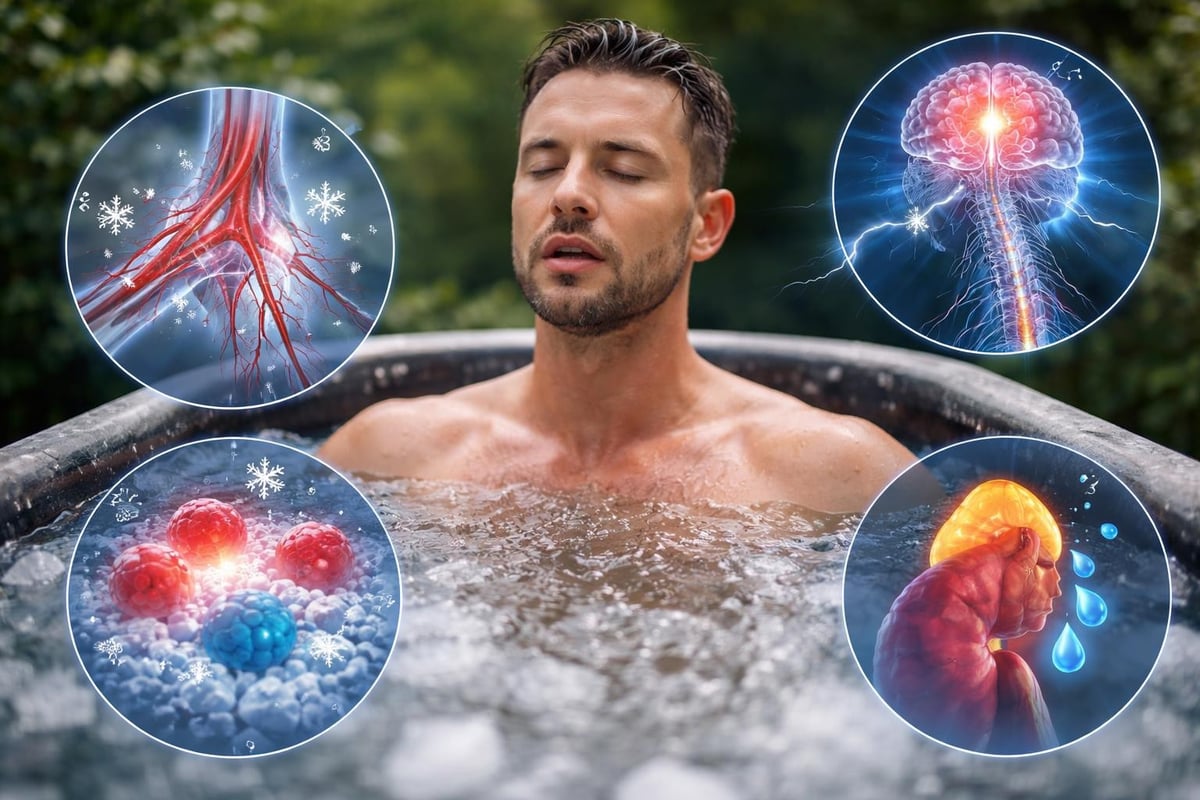
Cold water immersion triggers a cascade of physiological responses that extend far beyond the immediate shock of cold. When you submerge your body in water below 59°F (15°C), your blood vessels constrict in a process called vasoconstriction, which reduces blood flow to your extremities and pushes blood toward your core organs.
This response activates your sympathetic nervous system, releasing norepinephrine and other hormones that sharpen mental focus and elevate mood. Research from Harvard Health confirms that controlled cold exposure can reduce muscle soreness and inflammation when implemented properly, though they emphasize the importance of safety precautions.
Immediate Physical Responses
Your body responds to cold water within seconds. Heart rate increases initially, breathing becomes rapid and shallow, and your muscles tense involuntarily. These reactions are normal protective mechanisms.
After the initial shock subsides (typically 30-60 seconds), your breathing normalizes and your body begins adapting to the temperature. This adaptation phase is where many of the recovery benefits occur, as reduced inflammation and improved circulation take effect.
Key physiological changes during cold immersion:
- Decreased metabolic activity in muscle tissue
- Reduced nerve conduction velocity (natural pain relief)
- Increased production of cold shock proteins
- Enhanced mitochondrial biogenesis over time
- Temporary suppression of inflammatory markers
Benefits That Actually Matter for Home Users
Home ice baths deliver specific, measurable benefits when used consistently. Unlike trendy wellness fads, cold water therapy has substantial research backing its effectiveness for recovery, mental health, and metabolic function.
Muscle Recovery and Performance
Athletes and fitness enthusiasts experience the most immediate benefits. Cold immersion after intense training reduces delayed onset muscle soreness (DOMS) by limiting the inflammatory response that causes post-workout pain and stiffness.
According to Medical News Today's analysis, cold therapy works best when applied within 1-2 hours after exercise. The cold temperature slows cellular metabolism and reduces tissue breakdown, allowing muscles to recover more efficiently.
Recovery timeline improvements:
| Recovery Metric | Without Cold Therapy | With Cold Therapy |
|---|---|---|
| Muscle soreness peak | 48-72 hours | 24-48 hours |
| Return to training | 3-4 days | 2-3 days |
| Perceived exertion | High | Moderate |
| Range of motion | Restricted | Normal |
Mental Clarity and Stress Resilience
The mental benefits often surprise first-time users. Cold exposure forces you into the present moment, training your nervous system to remain calm under stress. This translates to improved stress management in daily life.
Regular cold plunging increases your baseline dopamine levels by up to 250% for several hours post-immersion. This sustained elevation improves focus, motivation, and mood without the crash associated with stimulants.
Many users of cold plunge systems report that their morning cold sessions replace coffee as their primary way to feel energized and mentally sharp. The clarity lasts throughout the day, making it easier to tackle challenging tasks and maintain productivity.
Metabolic and Immune Function
Cold exposure activates brown adipose tissue (BAT), a type of metabolic tissue that burns calories to generate heat. Regular cold therapy can increase your metabolic rate by 16-25% during the exposure and for hours afterward.
The immune system responds to controlled cold stress by producing more white blood cells and improving overall immune surveillance. While this doesn't make you invincible, consistent cold therapy practitioners report fewer sick days and faster recovery from minor illnesses.
Setting Up Your Home Ice Bath System
Creating an effective home ice bath setup requires planning, but it's simpler than most people assume. You don't need elaborate equipment to start experiencing benefits, though investing in quality systems pays dividends in consistency and results.
Location and Space Requirements
Choose a location with proper drainage, ventilation, and privacy. Most home ice baths require 4-6 feet of floor space and access to a water source for filling and draining.
Ideal locations include:
- Covered patios or decks with drainage
- Garage spaces with concrete floors
- Dedicated bathroom or utility room areas
- Backyard wellness zones with privacy fencing
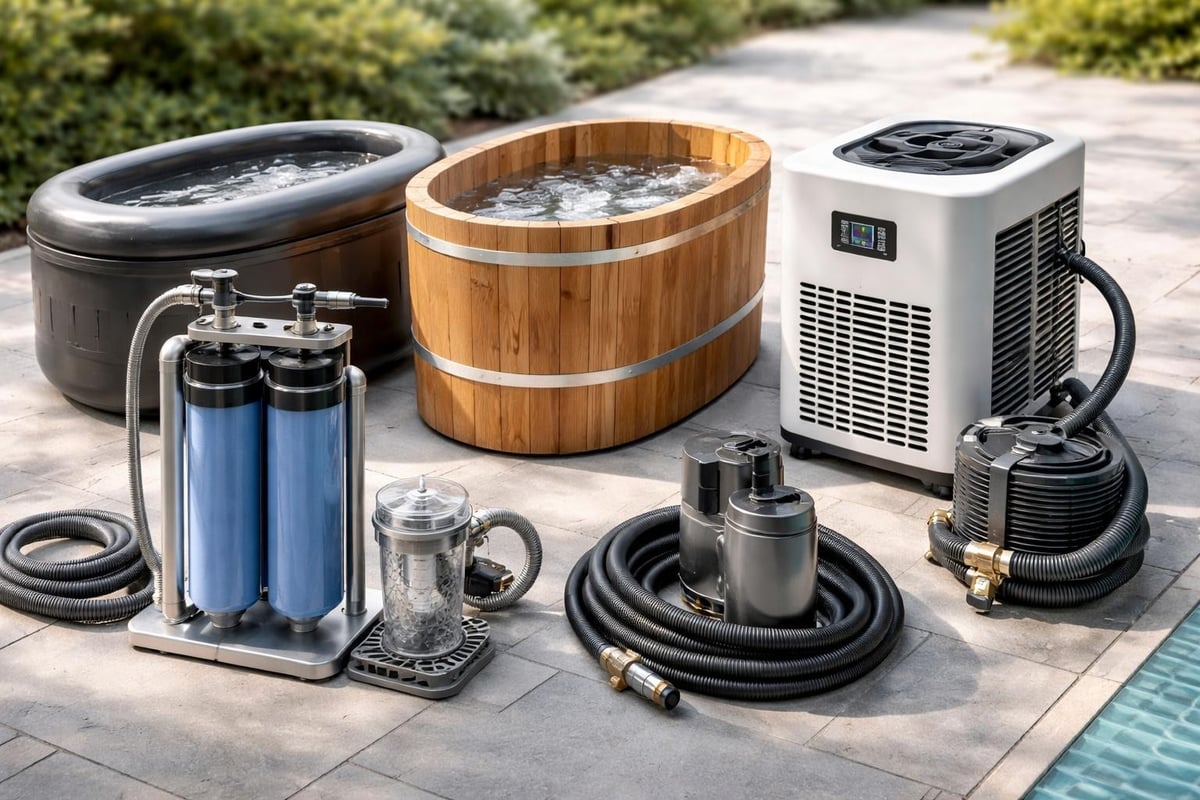
Outdoor setups work year-round in most climates. Even in cold weather, you'll need to maintain water temperatures between 39-55°F (4-13°C) for optimal benefits, which often requires adding ice or using a chiller system.
Temperature Control Methods
Home ice baths use three primary cooling methods, each with distinct advantages and limitations.
Manual ice addition remains the most affordable option. You'll need 20-40 pounds of ice to bring a standard tub from room temperature to 50°F. This method works well for occasional users but becomes expensive and inconvenient for daily practice.
Electric chiller systems maintain precise temperatures automatically, eliminating guesswork and ice costs. Quality chillers can cool water to your target temperature and keep it there indefinitely, making daily cold therapy effortless.
Natural cooling works in cold climates where outdoor temperatures stay below 50°F. This free method requires monitoring to prevent water from freezing solid or becoming too warm on sunny days.
Water Quality and Maintenance
Maintaining clean water is critical for health and system longevity. Cold water inhibits bacterial growth better than warm water, but you still need proper filtration and sanitation.
Most home ice bath owners replace water every 3-5 days for manual systems or install filtration systems for permanent installations. Proper water chemistry prevents biofilm buildup and keeps your system fresh between uses.
When exploring at-home cold plunge options, consider systems with integrated filtration that reduce maintenance time and ensure consistent water quality.
What to Look for When Buying a Cold Plunge Tub
Quality matters significantly in cold plunge equipment. The difference between entry-level and premium systems affects your experience, consistency, and long-term satisfaction.
Material Construction and Durability
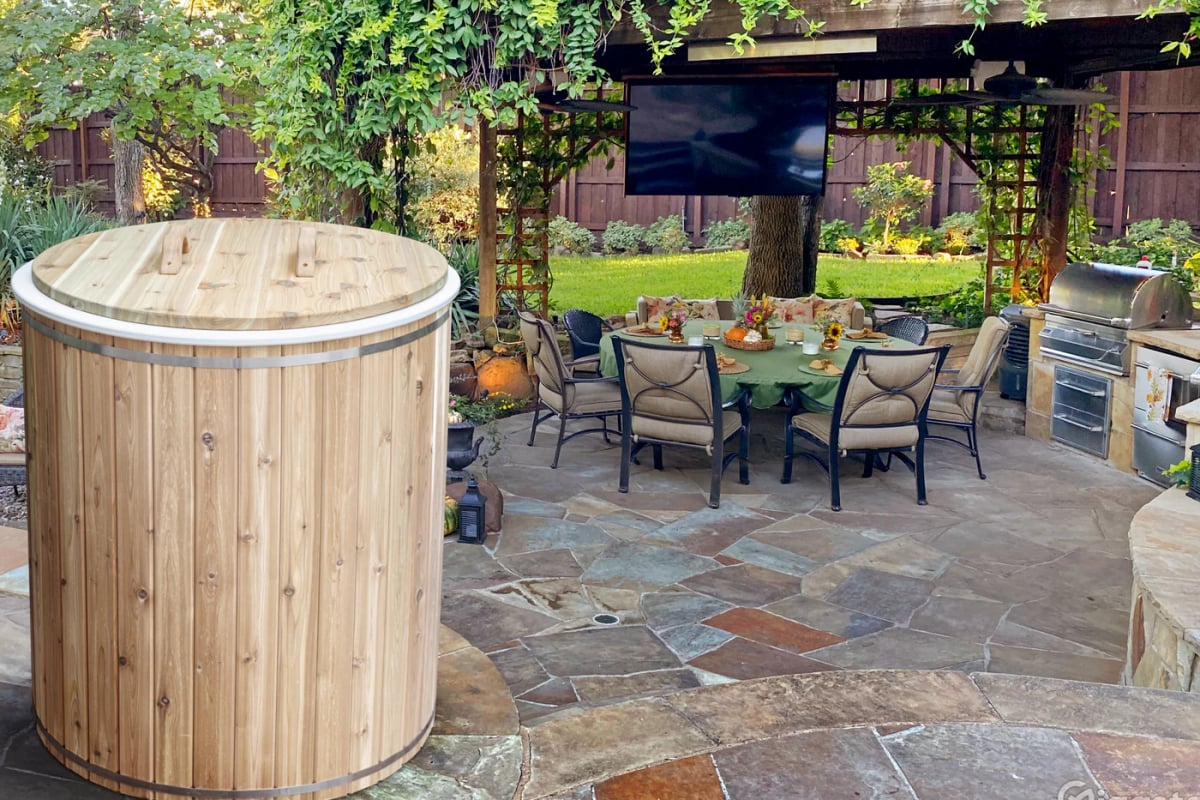
Premium cold plunge tubs use materials selected for longevity and temperature retention. Cedar and other hardwoods offer natural insulation and aesthetic appeal while resisting moisture damage over years of use.
Stainless steel interiors provide durability and easy cleaning but require proper insulation to maintain temperature efficiency. Acrylic and HDPE plastic options are lightweight and affordable, though they may need additional insulation in extreme climates.
The Baltic Plunge Tub combines Eastern White Cedar construction with professional-grade durability, offering a premium cold therapy experience that fits seamlessly into home wellness routines. Designed for both electric chiller systems and manual ice use, it delivers flexibility for users at any stage of their cold therapy journey.
Size and Capacity Considerations
Tub dimensions determine comfort and effectiveness. You need enough depth to submerge your torso and shoulders (minimum 30 inches) while maintaining a compact footprint that fits your space.
| Tub Size | Dimensions | Best For | Water Volume |
|---|---|---|---|
| Compact | 36" x 30" x 30" | Single user, limited space | 80-100 gallons |
| Standard | 48" x 36" x 36" | Most users, balanced size | 150-200 gallons |
| Premium | 60" x 40" x 40" | Tall users, full immersion | 250-300 gallons |
Larger tubs require more ice or chiller capacity to maintain temperature but provide superior comfort for extended sessions. Consider your height, available space, and whether multiple household members will use the system.
Integrated Features and Technology
Modern cold plunge systems offer features that enhance safety, convenience, and results. Temperature displays, timers, and automated filtration eliminate guesswork and make daily use effortless.
Built-in steps and seating improve safety and comfort, especially important for beginners still adapting to cold exposure. Insulated covers retain temperature between sessions and protect water quality from debris and sunlight.
Is It Worth the Investment?
Home ice baths represent a significant upfront investment, typically ranging from $2,000 to $10,000 depending on features and quality. Understanding the return on this investment requires honest assessment of your goals and commitment level.
Cost Analysis Over Time
Compare home ownership to alternative cold therapy options. Cryotherapy sessions cost $50-100 per visit. At three sessions weekly, you'll spend $7,800-15,600 annually. Gym memberships with cold plunge access run $100-200 monthly ($1,200-2,400 yearly).
A quality home system pays for itself within 12-18 months of regular use while offering superior convenience. You avoid scheduling hassles, travel time, and waiting for available facilities.
Annual cost comparison:
- Home ice bath ownership: $200-500 (electricity, water, maintenance)
- Cryotherapy sessions (3x/week): $7,800-15,600
- Premium gym membership: $1,200-2,400
- Spa/wellness center access: $3,000-6,000
Who Should Buy a Home Ice Bath
Home ice baths deliver maximum value for specific user profiles. Athletes training 4-6 days weekly see measurable recovery improvements that justify the investment through enhanced performance and reduced injury risk.
Individuals managing chronic inflammation conditions find daily cold therapy more effective and convenient than scheduling regular spa visits. The consistency possible with home access drives better results than sporadic professional sessions.
Biohacking enthusiasts and wellness-focused professionals appreciate the autonomy and control that home systems provide. You can experiment with protocols, track personal data, and optimize your routine without external constraints.
Ideal candidates include:
- Serious athletes and fitness competitors
- People recovering from injuries or surgeries
- Professionals managing high-stress careers
- Wellness practitioners teaching cold therapy
- Anyone committed to daily recovery protocols
Who Should Wait or Use Alternatives
Home ice baths aren't ideal for everyone right now. If you're curious about cold therapy but haven't established a consistent practice, start with cold showers or occasional ice baths in your regular bathtub.
Budget constraints matter. If $2,000+ strains your finances, explore more affordable cold therapy options until your situation improves. Financial stress undermines the wellness benefits you're seeking.
People with cardiovascular conditions, pregnancy, or severe cold sensitivity should consult healthcare providers before investing in home systems. Banner Health's guidance emphasizes the importance of medical clearance for at-risk individuals.
Common Mistakes Beginners Make
New cold plungers consistently make predictable errors that limit results or create safety risks. Learning from these common mistakes accelerates your progress and prevents discouragement.
Starting Too Cold or Too Long
The biggest beginner mistake is aggressive protocols that trigger panic responses or excessive stress. Starting with water temperatures below 45°F or sessions exceeding five minutes often creates negative associations that derail consistency.
Begin with 55-60°F water for 1-2 minutes. This seems modest, but it's sufficient to trigger beneficial adaptations while remaining manageable psychologically. According to Healthline's safety guidelines, gradual progression prevents adverse reactions and builds sustainable habits.
Progressive protocol example:
- Week 1-2: 60°F water, 1-2 minutes daily
- Week 3-4: 55°F water, 2-3 minutes daily
- Week 5-6: 50°F water, 3-4 minutes daily
- Week 7+: 45-50°F water, 3-5 minutes as needed
Ignoring Breathing Technique
Uncontrolled breathing during cold immersion amplifies stress and reduces effectiveness. Gasping, hyperventilating, or holding your breath activates panic responses that make sessions miserable and potentially dangerous.
Practice controlled breathing before entering cold water. Slow, deliberate nasal breathing maintains calm and helps your body adapt efficiently. Many experienced practitioners use box breathing (4-count inhale, 4-count hold, 4-count exhale, 4-count hold) during immersion.
Neglecting Post-Plunge Protocol
What you do after exiting the cold water matters as much as the immersion itself. Jumping directly into a hot shower or aggressive activity disrupts the beneficial processes still occurring in your body.
Allow 10-15 minutes for natural rewarming after exiting. Light movement, dry clothing, and room-temperature environments support optimal recovery. Your body continues producing heat and regulating blood flow during this period.
Inconsistent Practice
Sporadic cold plunging delivers minimal results compared to consistent practice. Your nervous system adapts to regular cold exposure, making sessions more comfortable and amplifying benefits over time.
Most practitioners see significant improvements after 3-4 weeks of daily or near-daily practice. If you're exploring whether cold plunging makes sense for your routine, commit to at least 30 days before evaluating results.
Safety Considerations and Risk Management
Cold water immersion carries legitimate risks that require awareness and precautions. Understanding these dangers allows you to practice safely and confidently.
Understanding Cold Shock Response
Cold shock occurs within the first 60-90 seconds of immersion and triggers involuntary gasping, hyperventilation, and increased heart rate. This response is dangerous if your head goes underwater unexpectedly or if you have cardiovascular vulnerabilities.
Never plunge alone, especially when starting out. Having someone nearby prevents emergencies from becoming catastrophes. Recent clinician guidance emphasizes supervision for individuals with heart conditions, high blood pressure, or respiratory issues.
High-risk conditions requiring medical clearance:
- Cardiovascular disease or irregular heartbeat
- Uncontrolled hypertension
- History of stroke or blood clots
- Raynaud's disease or severe cold sensitivity
- Pregnancy or recent surgery
- Uncontrolled diabetes
Hypothermia Prevention
Hypothermia develops when your core body temperature drops below 95°F (35°C). While unlikely during short cold plunges, extended sessions or extremely cold temperatures increase risk significantly.
Limit sessions to 5-10 minutes maximum, even as your tolerance improves. According to Scripps Health's recommendations, water temperatures below 50°F should be approached cautiously, with most beginners finding 50-60°F optimal for safety and effectiveness.
Watch for warning signs including intense shivering, confusion, slurred speech, or loss of coordination. Exit immediately if you experience these symptoms and warm up gradually using dry clothes and room-temperature environments.
Optimizing Your Cold Plunge Routine
Effective protocols maximize benefits while fitting seamlessly into your lifestyle. Customizing your approach based on goals, schedule, and individual response creates sustainable habits.
Timing Your Sessions
Morning cold plunges deliver energy and mental clarity that enhance focus throughout the day. The norepinephrine and dopamine spike from cold exposure provides natural alertness without caffeine dependency.
Evening sessions can improve sleep quality for some users but may be too stimulating for others. Experiment with timing to discover your optimal schedule. Most practitioners settle into consistent morning routines within the first month.
Combining Cold and Heat Therapy
Contrast therapy alternating between cold plunges and hot tubs or saunas amplifies recovery benefits through enhanced circulation. The temperature variation drives blood flow in and out of muscle tissue, removing metabolic waste products more efficiently.
For those investing in comprehensive home wellness systems, exploring both cold plunge and hot tub options creates versatile recovery protocols. The combination addresses different recovery needs throughout training cycles.
Effective contrast protocol:
- 3-5 minutes cold plunge (45-55°F)
- 10-15 minutes hot tub or sauna (100-104°F)
- Repeat cycle 2-3 times
- End on cold for maximum benefit
Tracking Progress and Adjustments
Monitor how cold exposure affects your recovery, sleep quality, energy levels, and mood. Simple tracking reveals patterns and helps optimize your protocol over time.
Key metrics to track include session duration, water temperature, perceived difficulty (1-10 scale), next-day recovery quality, and overall energy levels. After 2-3 weeks, patterns emerge showing which protocols work best for your body.
Frequently Asked Questions
How cold should home ice baths be for optimal benefits?
Effective cold therapy occurs between 45-60°F (7-15°C). Beginners should start at 55-60°F and gradually decrease temperature as tolerance improves. Colder isn't necessarily better-consistency matters more than extreme temperatures.
How long should I stay in a cold plunge?
Start with 1-2 minutes and build to 3-5 minutes over several weeks. Sessions beyond 10 minutes provide diminishing returns and increase hypothermia risk. Most practitioners find 3-5 minutes optimal for recovery and mental benefits.
Can I use a regular bathtub for cold plunging?
Standard bathtubs work for occasional cold therapy but lack insulation, depth, and temperature control needed for consistent practice. You'll spend significantly more on ice and struggle maintaining target temperatures throughout sessions. For information on understanding how long cold plunge sessions should last, specialized equipment provides better results.
How often should I cold plunge for best results?
Daily or 5-6 times weekly delivers optimal results for recovery and adaptation. At minimum, 3-4 sessions weekly maintain benefits. Consistency drives nervous system adaptation and compound effects over time.
What's the difference between ice baths and cold showers?
Cold showers provide some benefits but lack the full-body immersion needed for maximum effect. Ice baths submerge your torso and activate stronger physiological responses. Cold showers work as maintenance between plunge sessions or when traveling.
Do I need a chiller system or can I just use ice?
Ice works for occasional use but becomes expensive and inconvenient for daily practice. Chiller systems maintain precise temperatures automatically, eliminating ice costs and ensuring consistent results. Consider your commitment level and budget when deciding between methods.
When will I start seeing results from cold plunging?
Most people notice improved recovery and mental clarity within the first week. Significant adaptations like reduced inflammation and enhanced stress resilience develop after 3-4 weeks of consistent practice. Long-term benefits compound over months of regular use.
Home ice baths offer powerful recovery and wellness benefits when implemented safely and consistently, from reduced inflammation and faster muscle recovery to enhanced mental clarity and stress resilience. The investment in quality equipment pays dividends through improved performance, health, and daily energy that compound over time.
For those ready to bring professional-grade cold therapy home, Plunge N' Tubs delivers premium cold plunge systems crafted from the highest quality Canadian wood, trusted by athletes and wellness professionals across North America. With fast, free delivery and construction built to last, you can start experiencing measurable recovery benefits on your own schedule, right at home.
Share:
Ice Plunge Baths: Benefits, Buying Tips & Common Mistakes
Ice Barrel Cold Plunge: Complete 2026 Buyer's Guide