

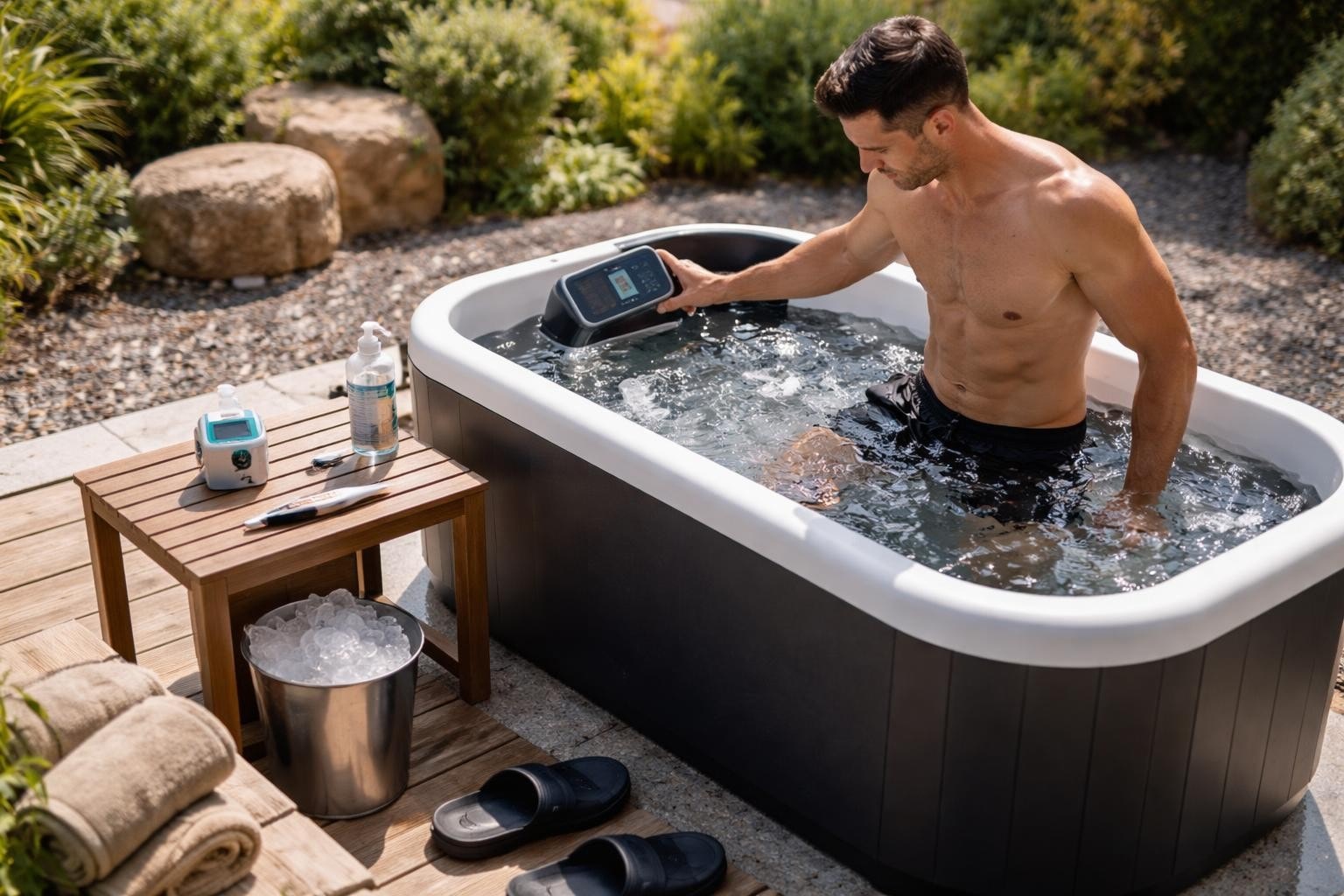
Cold therapy has moved from elite athletic facilities into home wellness routines. An at home cold plunge gives you consistent access to cold water immersion without monthly spa fees or gym memberships. Whether you're an athlete focused on recovery or someone exploring biohacking for better sleep and mental clarity, understanding what makes a quality cold plunge setup matters before you invest.
This guide covers everything from real benefits backed by science to practical buying considerations that affect your daily experience.
Why People Are Installing Cold Plunges at Home
The shift toward home cold therapy reflects broader changes in how people approach recovery and wellness. Professional athletes have used cold water immersion for decades, but the practice has expanded significantly among everyday users seeking performance improvements and health benefits.
Time savings drive adoption. A cold plunge at home eliminates travel to facilities, scheduling appointments, and waiting for availability. You control the timing, fitting sessions into your morning routine or post-workout recovery without disruption.
Cost comparison favors home installations over time:
| Option | Monthly Cost | Annual Cost | 3-Year Total |
|---|---|---|---|
| Spa membership | $150-300 | $1,800-3,600 | $5,400-10,800 |
| Gym access | $80-150 | $960-1,800 | $2,880-5,400 |
| Home cold plunge | $0 (after purchase) | $50-150 (utilities) | $150-450 |
Privacy matters too. Many users prefer cold exposure practice in their own space, especially when establishing new habits or experimenting with protocols.
Real Benefits Backed by Research
Cold water immersion triggers physiological responses that extend beyond the immediate shock. Research on cold-water immersions shows measurable effects on circulation, inflammation, and mood regulation.
Physical Recovery and Performance
Reduced muscle soreness appears consistently across studies. Cold exposure constricts blood vessels, then triggers increased blood flow during rewarming. This process helps flush metabolic waste from tissues and delivers fresh oxygen to recovering muscles.
Athletes report faster recovery between training sessions. The temperature shock reduces inflammation markers in the body, though effects vary by individual response and water temperature.
Mental Health and Mood Enhancement
Cold plunges activate the sympathetic nervous system, releasing norepinephrine and endorphins. These neurochemicals improve alertness and create a natural mood boost that many users describe as euphoric.
Studies examining mental health benefits note improvements in anxiety symptoms and stress management. Regular practice appears to build stress resilience through controlled exposure to physical discomfort.
Sleep Quality Improvements
Cold exposure affects core body temperature regulation. A session several hours before bed initiates temperature changes that align with natural sleep cycles. Many users report falling asleep faster and experiencing deeper sleep phases.
The effect connects to circadian rhythm regulation. Cold water immersion at consistent times helps reinforce your body's natural timing systems.
Metabolism and Brown Fat Activation
Cold exposure activates brown adipose tissue, which burns calories to generate heat. While not a weight loss solution by itself, regular cold plunging may support metabolic health when combined with proper nutrition and exercise.
- Increased calorie burning during and after exposure
- Improved insulin sensitivity in some studies
- Enhanced mitochondrial function
- Better glucose regulation
Is an At Home Cold Plunge Worth the Investment?
The value equation depends on your specific situation and wellness goals. An at home cold plunge represents a significant upfront cost but delivers long-term accessibility that facility memberships cannot match.
Calculate your break-even point. If you currently spend $150 monthly on spa or wellness facility access, a $3,000 cold plunge system pays for itself in 20 months. Most quality systems last 10-15 years with proper maintenance.
Consider usage patterns. Daily users gain more value than occasional plungers. If you plan to use cold therapy 3-4 times weekly or more, home installation makes financial sense.
Space and commitment matter. You need adequate room (indoor or outdoor), access to power and water, and genuine commitment to the practice. A cold plunge sitting unused becomes expensive yard decoration.
Think about household usage. Multiple family members can share a system, distributing the cost-per-use across more sessions. Some households integrate cold plunging into broader wellness routines that include sauna use and meditation.
Who Should Buy an At Home Cold Plunge?
Specific groups benefit most from home cold plunge installations. Understanding whether you fit these profiles helps clarify if the investment aligns with your lifestyle.
Serious Athletes and Competitors
High-volume training demands effective recovery. Athletes training 5-6 days weekly accumulate fatigue that requires active management. Cold water immersion between sessions supports tissue recovery and reduces accumulated inflammation.
Competitive athletes value consistency. Having an at home cold plunge removes scheduling barriers that interfere with optimal recovery timing. You can plunge immediately after training when the recovery window is most effective.
Biohackers and Performance Optimizers
People focused on optimizing health metrics through tracked interventions find cold plunging valuable. The practice offers measurable physiological changes and subjective improvements in energy and mental clarity.
This group typically combines cold exposure with other protocols like intermittent fasting, sleep optimization, and targeted supplementation. An at home cold plunge becomes part of an integrated wellness system.
Remote Workers and Busy Professionals
Morning cold plunges replace coffee for many users. The alertness boost from cold exposure provides clean energy without caffeine dependence. Remote workers appreciate the mental clarity and mood benefits that carry through work sessions.
Time-constrained professionals value efficiency. A 3-minute plunge at home saves the hour-plus commitment required for facility visits.
Chronic Pain and Inflammation Management
People managing conditions like arthritis, fibromyalgia, or sports injuries report symptom relief from regular cold exposure. The anti-inflammatory effects and pain modulation help manage discomfort.
Consult healthcare providers before using cold therapy for medical conditions. Understanding benefits and risks helps determine if cold plunging suits your specific situation.
What to Look for When Buying a Cold Plunge Tub
Not all cold plunge systems deliver the same experience or durability. Key features separate premium equipment from basic options that may disappoint after the novelty wears off.
Temperature Control Systems
Built-in chillers provide consistent temperature. Quality systems maintain water between 37-50°F without adding ice. This consistency matters for daily use and ensures you get the intended cold exposure regardless of ambient temperature.
Look for systems with precise thermostats. Temperature variation affects the physiological response, so reliable control helps standardize your practice.
Ice-based systems work but require ongoing effort and expense. Calculate ice costs before committing to this approach.
Construction Materials and Durability
Premium materials withstand years of use and temperature cycling:
- Cedar and quality woods offer natural durability and aesthetic appeal
- Stainless steel interiors resist corrosion and maintain sanitation
- HDPE plastic provides excellent insulation and weather resistance
- Acrylic construction delivers modern aesthetics with strong temperature retention
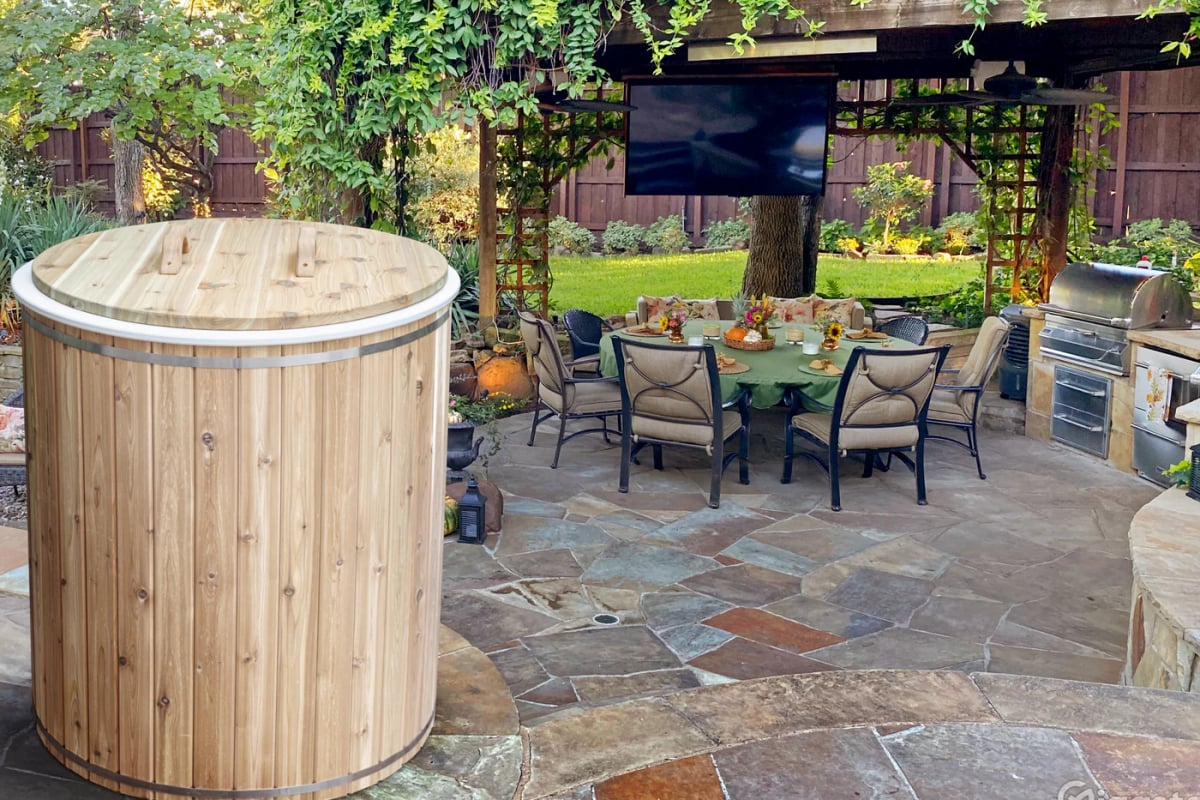
For those seeking a premium wood-crafted option, The Baltic Plunge Tub combines Eastern White Cedar construction with versatile setup options, allowing use with either a chiller system or ice as your needs evolve.
Filtration and Sanitation
Water quality affects both health and maintenance costs. Quality filtration systems keep water clean between changes, extending the time between full drains and refills.
Look for:
- Multi-stage filtration that removes particles and contaminants
- Ozone or UV sanitation options that reduce chemical use
- Easy-access filter maintenance
- Clear water change schedules based on usage
Poor filtration leads to cloudy water, biofilm buildup, and potential health concerns.
Size and Capacity
Match tub dimensions to your body size and available space. You need enough depth to submerge to your shoulders comfortably. Most users prefer 30-36 inches of water depth.
Consider entry and exit. Steps, benches, or handles make getting in and out safer, especially when your body is cold and coordination is reduced.
Insulation Quality
Well-insulated tubs maintain temperature with less energy. This matters for operating costs and environmental impact. Check insulation specifications and ask about real-world energy consumption.
Poor insulation forces chillers to run constantly, increasing electricity costs and reducing equipment lifespan.
Common Mistakes Beginners Make
New cold plunge owners often encounter preventable problems. Learning from common errors saves money and improves your experience.
Starting Too Cold, Too Long
The biggest beginner mistake is extreme initial exposure. Starting at 38°F for 10 minutes overwhelms your system and creates negative associations with the practice.
Begin at 55-60°F for 1-2 minutes. Your cold tolerance builds over weeks. Proper adaptation protocols help your nervous system adjust gradually.
Listen to your body. Shivering is normal, but pain, numbness, or difficulty breathing signals you should exit immediately.
Inconsistent Practice
Results come from regular exposure, not occasional extreme sessions. Three weekly sessions at moderate temperatures outperform one monthly extreme plunge.
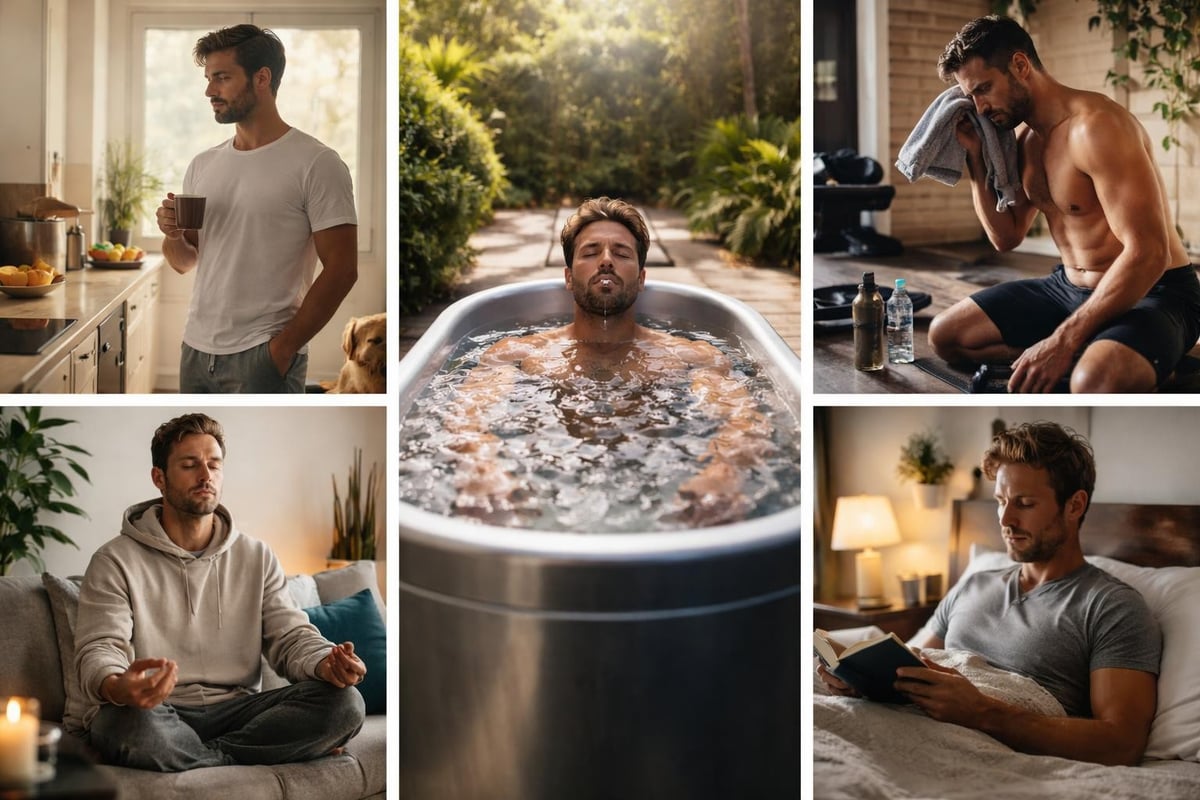
Build cold exposure into existing routines. Morning coffee time, post-workout, or before bed all work. Consistency matters more than intensity.
Ignoring Water Maintenance
Neglected water becomes a health hazard. Even with good filtration, you must:
- Test water chemistry weekly
- Change water based on usage (typically every 2-4 weeks)
- Clean filters regularly
- Shock-treat or sanitize appropriately
- Monitor for biofilm and algae
Poor maintenance leads to skin irritation, infections, and equipment damage.
Inadequate Warm-Up After Cold Exposure
Your body needs gradual rewarming. Jumping into a hot shower immediately after cold exposure stresses your cardiovascular system unnecessarily.
Better approach:
- Exit the cold plunge
- Dry off gently
- Put on warm, dry clothes
- Move around lightly to generate internal heat
- Allow 15-20 minutes before hot showers
This protocol supports the beneficial physiological responses triggered by cold exposure.
Skipping Safety Precautions
Never plunge alone, especially when starting. Someone should know you're practicing cold exposure and check on you periodically.
People with heart conditions, high blood pressure, or circulation issues need medical clearance before cold plunging. The cardiovascular stress can be significant.
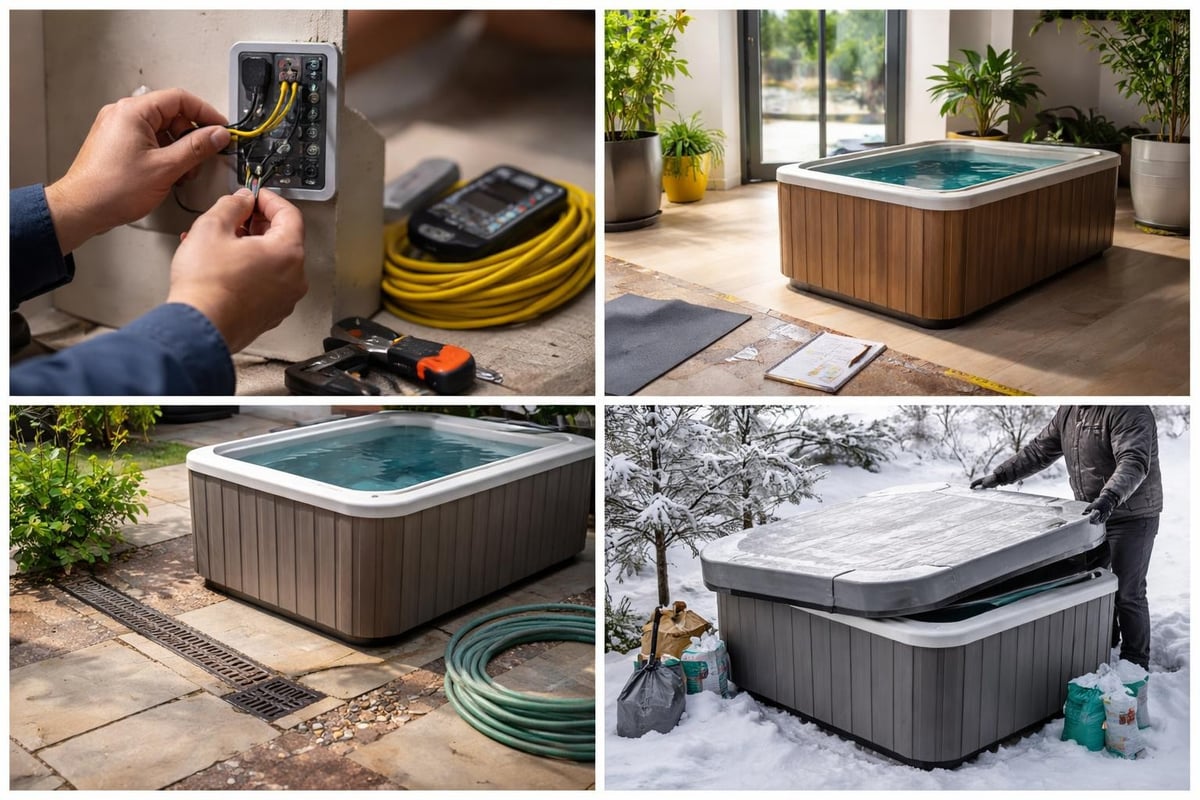
Setting Up Your Home Cold Plunge
Installation requirements vary by system type, but several factors apply universally. Proper setup ensures safety and optimal performance.
Location Considerations
Indoor vs. outdoor placement each have tradeoffs:
| Indoor | Outdoor |
|---|---|
| Climate controlled | Natural environment |
| Requires ventilation | Weather exposure |
| Higher humidity concerns | Needs weatherproof equipment |
| Year-round access | Seasonal considerations |
| Limited space options | More location flexibility |
Consider drainage carefully. You need proper runoff for water changes and overflow. Outdoor installations offer simpler drainage, while indoor setups may require floor drains or pumping systems.
Electrical Requirements
Quality chiller systems require dedicated electrical circuits. Most need 240V/20-30 amp service, similar to electric dryers or water heaters.
Hire licensed electricians for installation. Improper electrical work creates fire hazards and voids warranties.
Budget $300-800 for electrical work depending on distance from your panel and local requirements.
Water Supply and Fill Options
Easy fill access matters for maintenance. Garden hoses work for outdoor installations. Indoor setups might need longer hoses or proximity to utility sinks.
Consider water costs and treatment. Municipal water typically needs minimal treatment, while well water may require filtration before use in your plunge tub.
Preparation Steps
Detailed setup guides walk through specific installation, but key steps include:
- Prepare level, stable foundation
- Position tub with service access
- Complete electrical connections
- Install filtration and chiller systems
- Fill and treat initial water
- Run equipment 24 hours before first use
- Verify temperature stability
Maximizing Your Cold Plunge Benefits
Strategic use enhances results beyond basic cold exposure. Small adjustments to timing, temperature, and protocols compound over time.
Optimal Timing Strategies
Morning plunges boost alertness and energy. The neurochemical response carries through your day, improving focus and mood. Many users replace or reduce coffee after establishing morning cold plunge routines.
Post-workout timing supports recovery. Research suggests cold exposure within 1-4 hours after training reduces inflammation markers and perceived soreness.
Evening sessions require careful timing. Plunge 2-3 hours before bed to support sleep quality. Too close to bedtime may interfere with falling asleep for some individuals.
Temperature Progression
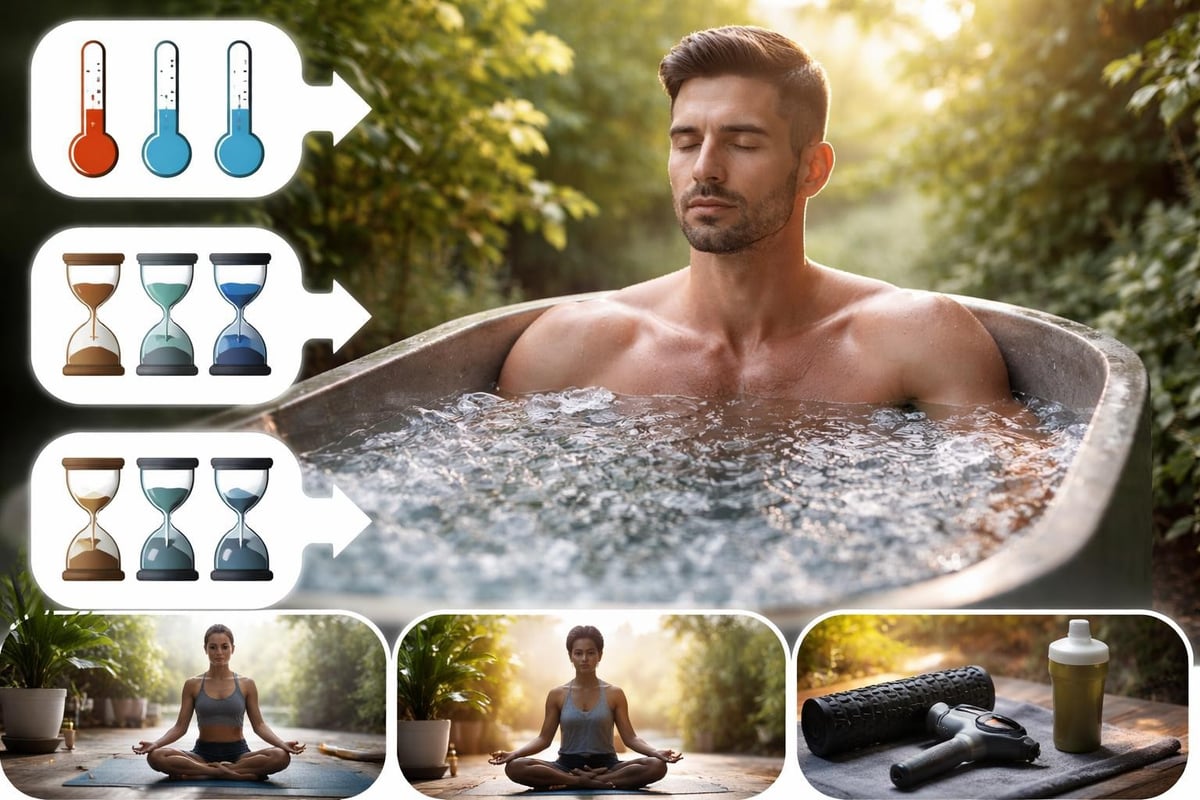
Track your tolerance progression:
- Week 1-2: 60°F for 2-3 minutes
- Week 3-4: 55°F for 3-4 minutes
- Week 5-6: 50°F for 4-5 minutes
- Week 7+: 45-50°F for 5-10 minutes
Individual response varies significantly. Some people adapt quickly, others need months to tolerate colder temperatures comfortably.
Breathing Techniques
Controlled breathing reduces initial shock and extends session duration. Focus on slow, deep breaths rather than gasping or hyperventilating.
Try box breathing: Inhale for 4 counts, hold for 4, exhale for 4, hold for 4. This pattern activates parasympathetic response and reduces panic sensations.
Integration with Other Practices
Cold plunging complements other wellness modalities:
- Contrast therapy alternating between cold plunge and sauna
- Meditation during or after cold exposure
- Breathwork protocols before entering
- Mobility work while tissues are responsive post-plunge
Exploring additional recovery options like heat therapy creates comprehensive home wellness systems.
Maintenance and Long-Term Care
Proper maintenance extends equipment life and ensures consistent performance. Regular care prevents expensive repairs and maintains water quality.
Weekly Tasks
- Test and balance water chemistry
- Clean waterline and surfaces
- Inspect filter condition
- Verify chiller operation
- Check for leaks or unusual sounds
Monthly Tasks
- Deep clean filters or replace as needed
- Shock treat water
- Inspect seals and connections
- Test GFCI breakers
- Review energy consumption
Seasonal Considerations
Winter preparation matters for outdoor installations in cold climates. Insulation, heaters to prevent freezing, and weatherproof covers protect equipment during extreme cold.
Summer heat affects chiller performance. Ensure adequate ventilation and shade for compressor units. Higher ambient temperatures increase cooling costs.
Water Change Schedule
Usage determines change frequency:
- Daily use (2+ people): Every 2-3 weeks
- Regular use (4-5 times weekly): Every 3-4 weeks
- Moderate use (2-3 times weekly): Every 4-6 weeks
Complete drains allow thorough cleaning and prevent buildup that filtration cannot address.
Frequently Asked Questions
How long should I stay in a cold plunge?
Beginners should start with 1-2 minutes and gradually increase to 3-10 minutes as tolerance builds. Most benefits occur within 3-5 minutes of exposure. Longer sessions do not necessarily provide additional benefits and may increase risks.
What temperature should I set my cold plunge?
Start at 55-60°F and progress toward 45-50°F over several weeks. Research suggests temperatures between 50-59°F provide optimal benefits for most people. Individual tolerance varies significantly.
Can I use a cold plunge every day?
Yes, daily use is safe for most healthy individuals once adapted. Many athletes and wellness practitioners plunge 5-7 times weekly. Listen to your body and reduce frequency if you feel overly fatigued or stressed.
Do I need a chiller or can I just use ice?
Chillers provide consistent temperature control and reduce ongoing costs and effort. Ice works but requires significant quantities for proper temperature (roughly 40-60 pounds per session) and constant replenishment. Calculate ice costs before committing to this approach.
Is cold plunging safe for everyone?
No. People with heart conditions, high blood pressure, circulation problems, or pregnancy should consult physicians before starting cold water immersion. The cardiovascular stress can be significant, particularly for those unaccustomed to cold exposure.
How much does it cost to run an at home cold plunge?
Electricity costs typically run $30-100 monthly depending on climate, insulation quality, usage frequency, and local utility rates. Well-insulated systems with efficient chillers cost less to operate. Water costs remain minimal.
What maintenance does a cold plunge require?
Regular water testing, filter cleaning, chemical balancing, and periodic water changes. Plan for 15-30 minutes weekly plus occasional deep cleaning. Proper maintenance prevents equipment damage and health issues.
How long do cold plunge tubs last?
Quality systems last 10-15+ years with proper maintenance. Premium materials like cedar, stainless steel, and commercial-grade chillers provide longer service life than budget alternatives. Factor lifespan into cost comparisons.
An at home cold plunge transforms cold therapy from occasional luxury to daily wellness practice, delivering measurable recovery and mental health benefits when used consistently. Whether you prioritize athletic performance, stress management, or overall health optimization, selecting quality equipment and following proper protocols ensures you maximize your investment. Plunge N' Tubs provides premium cold plunge systems crafted from Canadian-sourced wood, designed for athletes and wellness professionals who demand reliability and performance, with fast, free delivery across North America to bring professional-grade recovery directly to your home.
Share:
Plunge Cold Tub: Complete 2026 Buyer's Guide
Cold Therapy Tub: Complete Guide to Benefits & Buying