



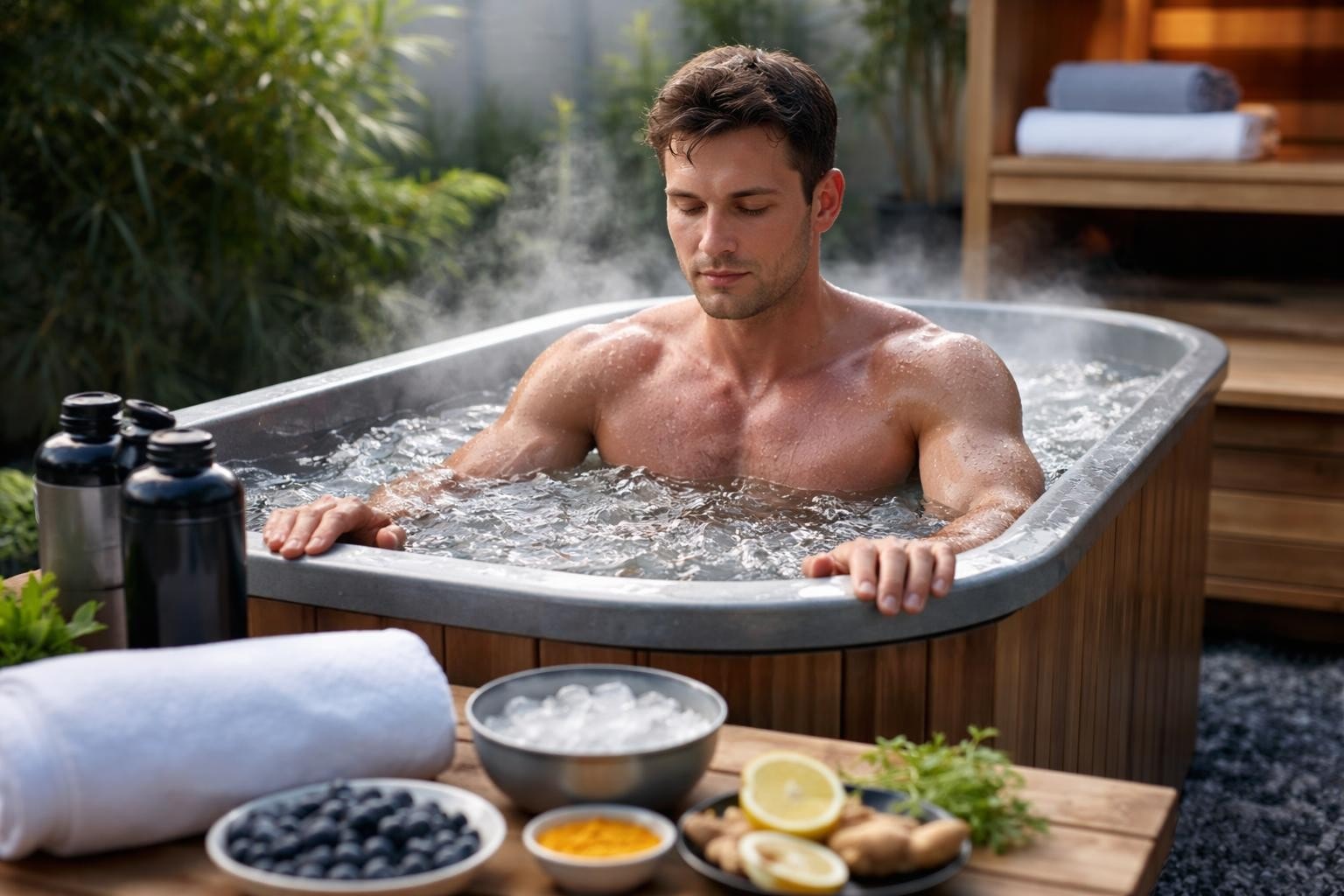
Cold exposure therapy has evolved from an elite athlete's secret to a mainstream wellness practice. A plunge cold tub brings this powerful recovery tool directly into your home, eliminating the need for ice baths, gym memberships, or wellness center appointments. Whether you're an athlete chasing faster recovery times, a biohacker optimizing your health span, or someone looking to improve mental clarity and sleep quality, understanding what makes a quality plunge cold tub is essential before making this significant investment.
What Is a Plunge Cold Tub?
A plunge cold tub is a specialized water immersion system designed to maintain consistently cold temperatures, typically between 37°F and 55°F (3°C to 13°C). Unlike traditional bathtubs filled with ice, these systems use integrated cooling technology to keep water at precise temperatures for extended periods.
Modern plunge cold tubs come equipped with powerful chillers, filtration systems, and digital controls. The best models maintain temperature accuracy within one or two degrees, ensuring you get the same therapeutic benefits every single session. This consistency matters because research shows that cold water immersion produces measurable physiological responses that depend on both temperature and duration.
How Plunge Cold Tubs Work
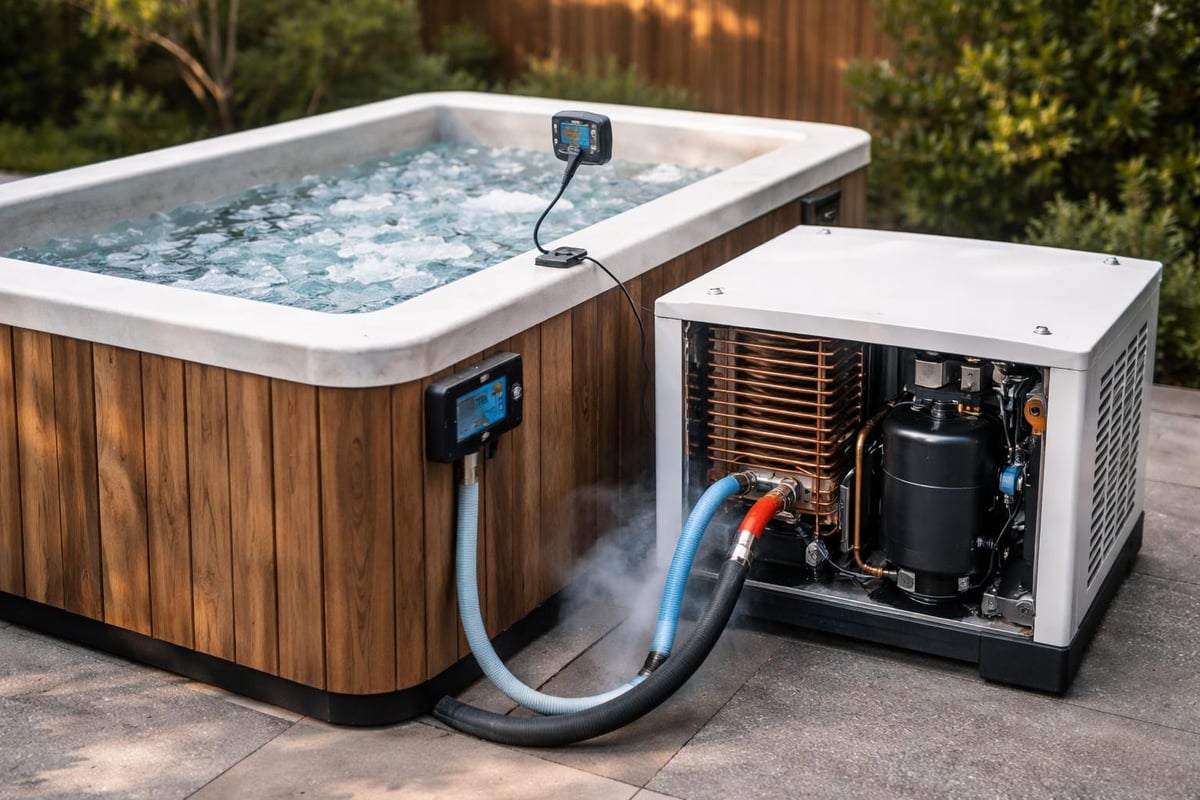
The core component of any quality plunge cold tub is its chilling system. Professional-grade units use refrigeration technology similar to air conditioners, circulating water through a heat exchanger that removes thermal energy. This process runs continuously or cycles on demand to maintain your target temperature.
Key components include:
- Chiller unit (typically 1HP to 2HP for residential use)
- Filtration system (removes debris and maintains water clarity)
- Digital thermostat (precise temperature control)
- Circulation pump (ensures even temperature distribution)
- Insulated shell (reduces energy consumption)
The entire system works together to create an environment where you can practice cold exposure therapy daily without the hassle of buying ice or waiting for water to cool down.
Science-Backed Benefits of Cold Plunge Therapy
Cold exposure triggers multiple physiological responses that contribute to improved health and performance. Understanding these mechanisms helps you maximize the benefits of your plunge cold tub investment.
Medical professionals at Henry Ford Health have documented several key advantages. When you immerse yourself in cold water, your body initiates vasoconstriction, narrowing blood vessels to preserve core temperature. Upon exiting, vasodilation occurs, flooding tissues with fresh, oxygenated blood.
Physical Recovery and Performance
Cold water immersion accelerates muscle recovery by reducing inflammation and flushing metabolic waste products. Athletes use this principle to bounce back faster between training sessions.
| Benefit | Mechanism | Typical Timeline |
|---|---|---|
| Reduced muscle soreness | Decreased inflammation markers | 24-48 hours post-exercise |
| Improved circulation | Vascular training response | Immediate and cumulative |
| Enhanced immune function | Increased white blood cell production | Weeks to months of regular use |
| Better sleep quality | Regulated cortisol and melatonin | Same day, evening sessions |
The inflammation reduction happens because cold temperatures slow cellular metabolism and decrease the production of inflammatory cytokines. This isn't just theory. Studies measuring C-reactive protein and other inflammation markers show measurable decreases in regular cold plunge users.
Mental Clarity and Mood Enhancement
Cold exposure stimulates the release of norepinephrine, a neurotransmitter associated with focus and attention. Regular users report sharper mental clarity that lasts for hours after their session.
The mood benefits stem from multiple pathways. Cold water triggers endorphin release, creating a natural high. It also activates the sympathetic nervous system in a controlled way, building resilience to stress over time. Research on mental health benefits suggests that this controlled stress exposure may help manage anxiety and depression symptoms.
Short sessions of two to three minutes can elevate dopamine levels by up to 250%, an effect that lasts several hours. This neurochemical boost explains why many people report feeling energized and motivated after their morning plunge.
Is a Plunge Cold Tub Worth the Investment?
Price tags on quality plunge cold tubs range from $4,000 to $15,000 depending on size, materials, and features. That's a significant investment that deserves careful consideration.
Cost-Benefit Analysis
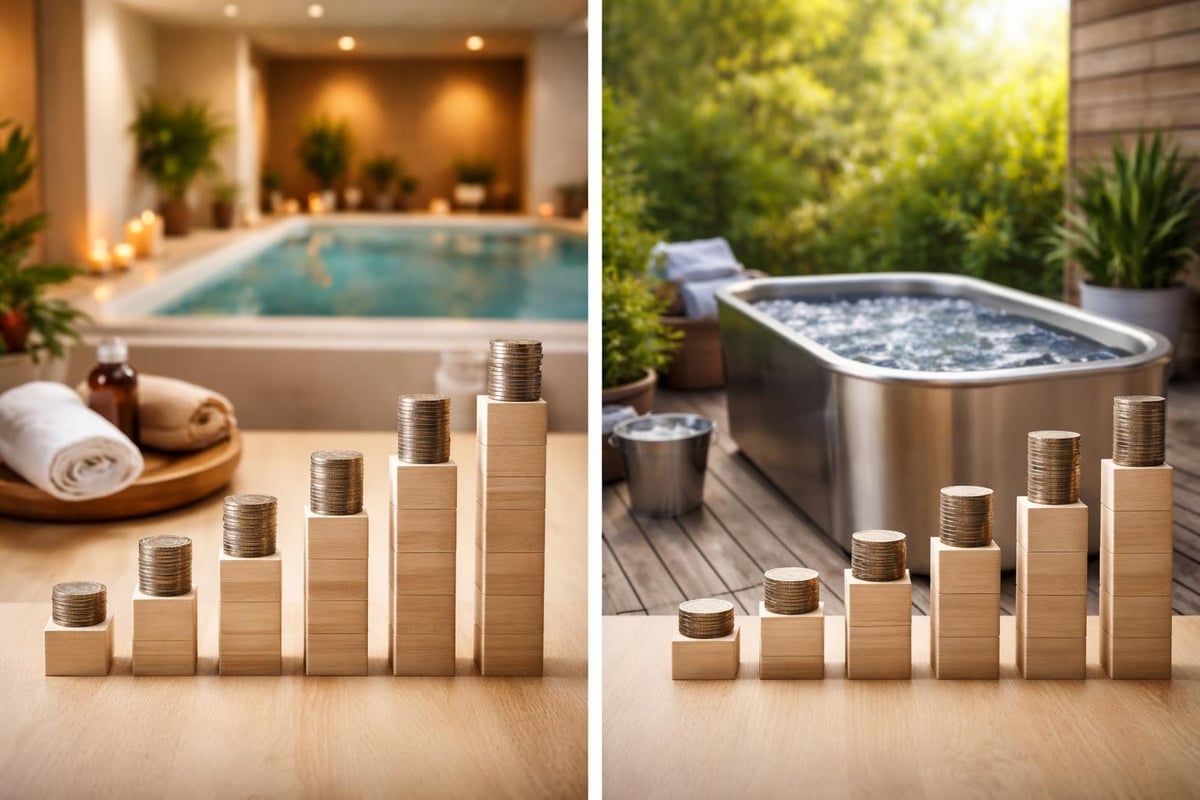
Compare the upfront cost against ongoing expenses for alternative cold therapy options. A single cryotherapy session costs $50 to $100. If you use these services three times per week, you'll spend $7,800 to $15,600 annually.
Monthly membership alternatives:
- Wellness center cold plunge access: $150-300/month ($1,800-3,600/year)
- Cryotherapy studio packages: $200-400/month ($2,400-4,800/year)
- High-end gym with recovery amenities: $150-250/month ($1,800-3,000/year)
A home plunge cold tub typically pays for itself within 18 to 36 months if you're currently paying for similar services. Beyond the financial return, you gain convenience and consistency that dramatically improve adherence to your recovery routine.
Long-Term Value Considerations
Quality matters tremendously when evaluating long-term value. A well-built plunge cold tub should last 10 to 15 years with proper maintenance. Look for models constructed from durable materials like stainless steel, high-grade acrylic, or premium Canadian cedar.
Operating costs remain relatively low. Most units consume similar electricity to a standard refrigerator, adding $30 to $60 monthly to your energy bill. Water treatment requires minimal chemicals since cold temperatures naturally inhibit bacterial growth.
Who Should Buy a Plunge Cold Tub?
Not everyone needs a dedicated cold plunge system. Understanding whether this investment aligns with your goals and lifestyle prevents buyer's remorse.
Ideal Candidates
Athletes and active individuals who train four or more days weekly benefit most from daily cold exposure. If you're dealing with recurring muscle soreness, inflammation, or extended recovery times, a plunge cold tub becomes a performance enhancement tool rather than a luxury.
Biohackers and wellness enthusiasts committed to optimizing their health span find tremendous value in consistent cold exposure. The metabolic benefits, mitochondrial biogenesis, and hormetic stress adaptation require regular practice over months and years.
People with specific health goals including inflammation management, improved sleep quality, or enhanced mental clarity often see measurable improvements within weeks of establishing a cold plunge routine.
When to Wait
Consider postponing your purchase if you're new to cold exposure and haven't established a consistent practice. Start with cold showers or occasional ice baths to verify you'll actually use a dedicated system. If you're recovering from cardiovascular surgery or have certain medical conditions, consult healthcare professionals before beginning cold therapy.
Budget constraints matter too. If the investment stretches your finances uncomfortably thin, explore the range of cold plunge options at different price points or save until you can purchase a quality unit without financial stress.
What to Look for When Buying a Plunge Cold Tub
Shopping for a plunge cold tub requires evaluating multiple factors beyond price. Focus on features that directly impact your user experience and long-term satisfaction.
Chiller Power and Temperature Range
The chiller determines how effectively your tub maintains cold temperatures, especially in warm climates or during summer months. A 1HP chiller works adequately for most residential applications, cooling water to 39°F to 45°F reliably.
Larger tubs or users in hot climates benefit from 1.5HP or 2HP systems. These more powerful chillers recover temperature faster after use and maintain colder settings even when ambient temperatures exceed 90°F.
Temperature range considerations:
- Standard range (39°F to 55°F): Suitable for most recovery and wellness applications
- Extended cold (37°F to 45°F): Preferred by experienced users and serious athletes
- Dual-purpose (37°F to 108°F): Offers both cold plunge and contrast therapy options
Build Quality and Materials
Construction quality directly correlates with longevity and maintenance requirements. Premium materials withstand temperature extremes, resist corrosion, and maintain structural integrity for years.
| Material | Pros | Cons | Typical Lifespan |
|---|---|---|---|
| Stainless Steel (304) | Extremely durable, easy to clean, corrosion-resistant | Higher cost, shows water spots | 15+ years |
| Acrylic | Smooth surface, retains heat well, affordable | Can scratch, may discolor over time | 10-12 years |
| Canadian Cedar | Beautiful aesthetic, natural insulation, antimicrobial | Requires maintenance, susceptible to weathering | 12-15 years with care |
| HDPE Plastic | Budget-friendly, lightweight, weather-resistant | Less premium appearance | 8-10 years |
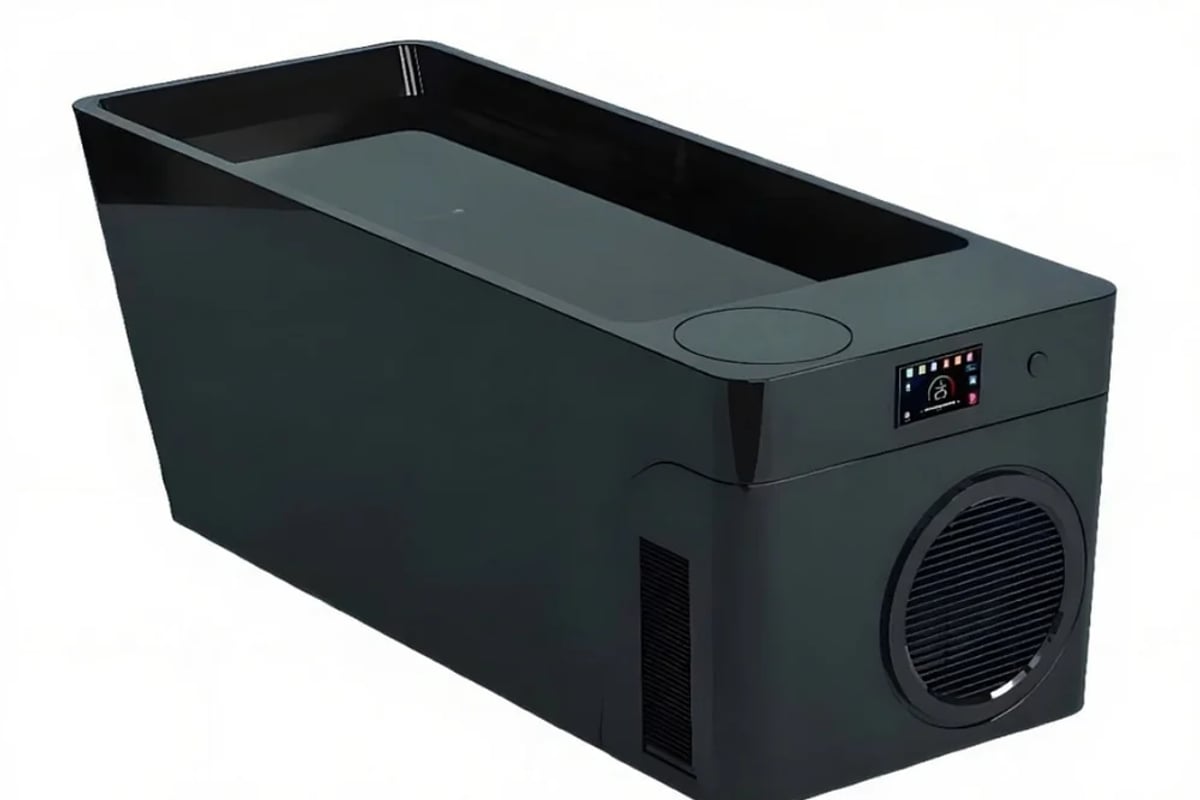
The Orivon Frost Cold Plunge Tub showcases modern design with premium acrylic construction and a powerful 1HP integrated chiller. It maintains precise temperatures between 37°F and 108°F, making it ideal for users who want both cold therapy and occasional warmer recovery sessions. The sleek rectangular design fits seamlessly into contemporary home environments while delivering professional-grade performance.
Filtration and Maintenance Systems
Proper filtration keeps water clean between regular changes, reducing maintenance time and chemical costs. Look for multi-stage filtration that includes mechanical filtering for particles and optional UV or ozone sterilization.
Maintenance-friendly designs feature easily accessible filter cartridges, drain valves positioned for quick emptying, and smooth interior surfaces that resist biofilm buildup. Budget extra time every month for basic maintenance including filter cleaning, water testing, and occasional shocking.
Size and Space Requirements
Measure your available space carefully before selecting a tub size. Most residential plunge cold tubs range from 60 to 90 inches in length and require additional clearance for equipment access and safe entry.
Common dimensions:
- Compact (60-70 inches): Suitable for individual use, fits in smaller spaces
- Standard (70-80 inches): Comfortable for most users, allows full submersion
- Large (80-90+ inches): Multiple users or taller individuals, requires significant space
Don't forget to account for electrical requirements, drainage solutions, and whether you plan indoor or outdoor installation. Outdoor units benefit from natural ventilation but require weatherproof construction and possible additional insulation in extreme climates.
Common Mistakes Beginners Make
Understanding typical pitfalls helps you avoid frustration and maximize benefits from day one. These errors slow progress or create negative experiences that reduce adherence.
Starting Too Cold or Too Long
The most common mistake involves jumping into extremely cold water for extended periods immediately. This approach creates unnecessary suffering and may trigger negative associations that reduce long-term adherence.
Progressive adaptation protocol:
- Week 1-2: 50°F to 55°F for 1-2 minutes
- Week 3-4: 45°F to 50°F for 2-3 minutes
- Week 5-6: 40°F to 45°F for 3-5 minutes
- Week 7+: 37°F to 42°F for 3-8 minutes based on goals
Your body needs time to adapt to cold stress. Rushing this process increases cortisol unnecessarily without providing additional benefits. Build tolerance gradually while focusing on controlled breathing and relaxation techniques.
Inconsistent Practice
Cold exposure benefits accumulate through regular practice. Users who plunge sporadically see minimal improvements compared to those maintaining a consistent schedule.
Aim for three to five sessions weekly minimum. Daily practice produces optimal results for recovery and metabolic benefits. Morning sessions boost alertness and set a productive tone for your day. Evening sessions may interfere with sleep for some individuals, though others find cold exposure improves sleep quality.
Neglecting Breathing Techniques
Proper breathing transforms the cold plunge experience from uncomfortable endurance test to controlled practice. Many beginners hold their breath or hyperventilate, increasing stress rather than building resilience.
Practice box breathing before and during your session: inhale for four counts, hold for four counts, exhale for four counts, hold for four counts. This pattern activates the parasympathetic nervous system, reducing the shock response and allowing you to stay calm in cold water.
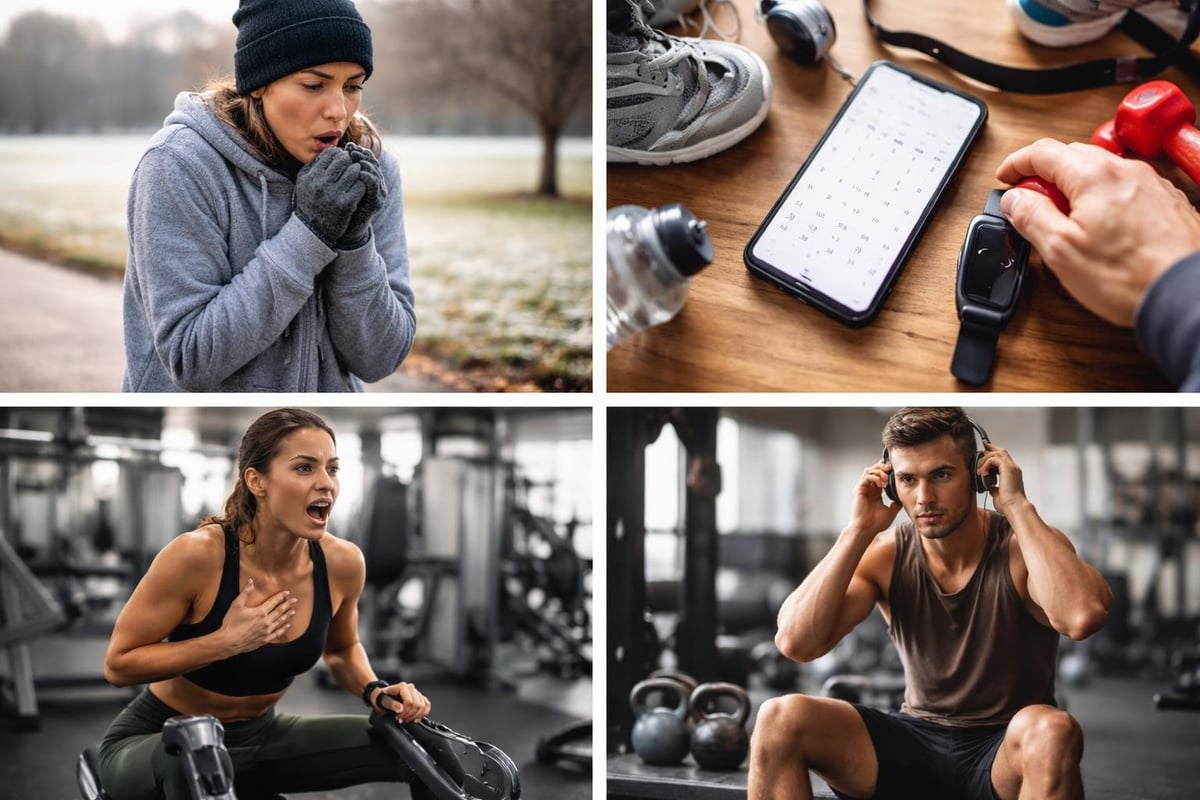
Skipping the Warm-Up
Entering a plunge cold tub when you're already cold amplifies discomfort unnecessarily. Light movement before your session increases core temperature slightly and improves your cold tolerance.
Spend five to ten minutes on gentle cardio, dynamic stretching, or bodyweight exercises. This pre-session warm-up also enhances the cardiovascular benefits of cold exposure by creating a greater temperature differential and vascular response.
Installation and Setup Considerations
Proper installation ensures optimal performance and prevents costly problems down the road. Whether you're placing your tub indoors or outdoors, several factors require attention.
Electrical Requirements
Most residential plunge cold tubs require a dedicated 220V circuit for the chiller system. This installation requires a licensed electrician and appropriate permits in most jurisdictions. Budget $500 to $1,500 for electrical work depending on the distance from your breaker panel to the tub location.
Some compact models operate on standard 110V circuits, but these typically have less powerful chillers that struggle to maintain very cold temperatures in warm environments. Verify your home's electrical capacity before purchasing to avoid upgrade costs.
Drainage Solutions
You'll need to change water every four to eight weeks depending on use frequency and filtration quality. Plan for water disposal through floor drains, sump pumps, or gravity drainage to an appropriate outdoor location.
Indoor installations benefit from proximity to existing floor drains. Outdoor setups can drain onto landscaping areas if local codes permit. Some users collect and reuse plunge water for gardens since it contains minimal chemicals.
Climate Considerations
Outdoor installations in cold climates require insulated models and possibly supplemental heating to prevent freezing during winter months. The chiller works harder in hot climates, increasing energy costs and potentially reducing its lifespan.
Indoor placement solves many climate challenges but requires adequate ventilation to prevent moisture problems. Dedicated rooms with vapor barriers, proper ventilation, and moisture-resistant finishes work best. You can explore various cold plunge models designed for different climate conditions and installation environments.
Maintenance and Operating Costs
Understanding ongoing costs helps you budget accurately and maintain your investment properly. Well-maintained plunge cold tubs deliver consistent performance for many years.
Monthly Operating Expenses
Energy consumption varies based on climate, insulation quality, and temperature settings. Expect these approximate monthly costs:
Electricity: $30-60 for chiller operation Water and chemicals: $10-20 for regular changes and treatment Filter replacements: $5-15 amortized monthly cost Total: $45-95 per month average
These costs remain significantly lower than ongoing wellness center memberships while providing unlimited access and complete scheduling flexibility.
Routine Maintenance Tasks
Weekly:
- Test and balance water chemistry
- Skim surface debris
- Check filter pressure
Monthly:
- Clean or replace filter cartridge
- Inspect and clean chiller coils
- Verify all connections and seals
Quarterly:
- Complete water change
- Deep clean interior surfaces
- Inspect electrical connections
Annually:
- Professional service check
- Replace worn components
- Evaluate chiller refrigerant levels
Regular maintenance prevents expensive repairs and ensures your system operates efficiently. Most owners handle routine tasks themselves, calling professionals only for annual inspections or specific repairs.
Frequently Asked Questions
How cold should my plunge cold tub be?
Most users target 45°F to 50°F initially, gradually working down to 37°F to 42°F as tolerance improves. The ideal temperature depends on your goals, experience level, and personal preference. Colder isn't always better. Focus on consistency at a manageable temperature rather than extreme cold for short periods.
How long should I stay in a cold plunge?
Beginners should start with one to two minutes and gradually increase to three to five minutes as adaptation occurs. Experienced users often extend sessions to eight to ten minutes. Research suggests benefits plateau around ten minutes, with longer sessions providing minimal additional advantage while increasing hypothermia risk.
Can I use a plunge cold tub daily?
Yes, daily use is safe for most healthy individuals and provides optimal benefits. Many athletes and wellness enthusiasts plunge every morning as part of their routine. Listen to your body and reduce frequency if you experience excessive fatigue or compromised immune function.
Do I need to add chemicals to the water?
Cold water naturally inhibits bacterial growth, but you'll still need minimal water treatment. Use a small amount of bromine or chlorine weekly and test pH regularly. Proper filtration reduces chemical needs significantly compared to hot tubs.
How often should I change the water?
Change water completely every four to eight weeks depending on use frequency and filtration effectiveness. Single-user tubs with excellent filtration can extend changes to eight weeks. Multiple users or less robust filtration systems require more frequent changes.
Will a cold plunge help me lose weight?
Cold exposure increases metabolic rate and activates brown adipose tissue, which burns calories for heat production. While this contributes to overall metabolic health, cold plunging alone won't cause significant weight loss. Combine it with proper nutrition and exercise for best results.
Can cold plunges improve my immune system?
Regular cold exposure has been shown to increase white blood cell counts and improve immune markers in several studies. However, excessive cold stress can temporarily suppress immunity. Moderate, consistent practice appears most beneficial for immune function.
A plunge cold tub represents a significant investment in your long-term health, recovery, and performance optimization. Understanding the science, selecting quality equipment, and implementing proper protocols ensures you maximize these benefits while avoiding common beginner mistakes. Whether you're an athlete seeking faster recovery or a wellness enthusiast optimizing your health span, the right cold plunge system delivers measurable improvements that justify the investment. Plunge N' Tubs offers premium cold plunge systems crafted from high-quality Canadian wood, trusted by athletes and wellness professionals throughout North America, with fast and free delivery to bring professional-grade recovery directly to your home.
Share:
Cold Plunge Inflatable: Complete Buying Guide 2026
At Home Cold Plunge: Complete 2026 Buyer's Guide