



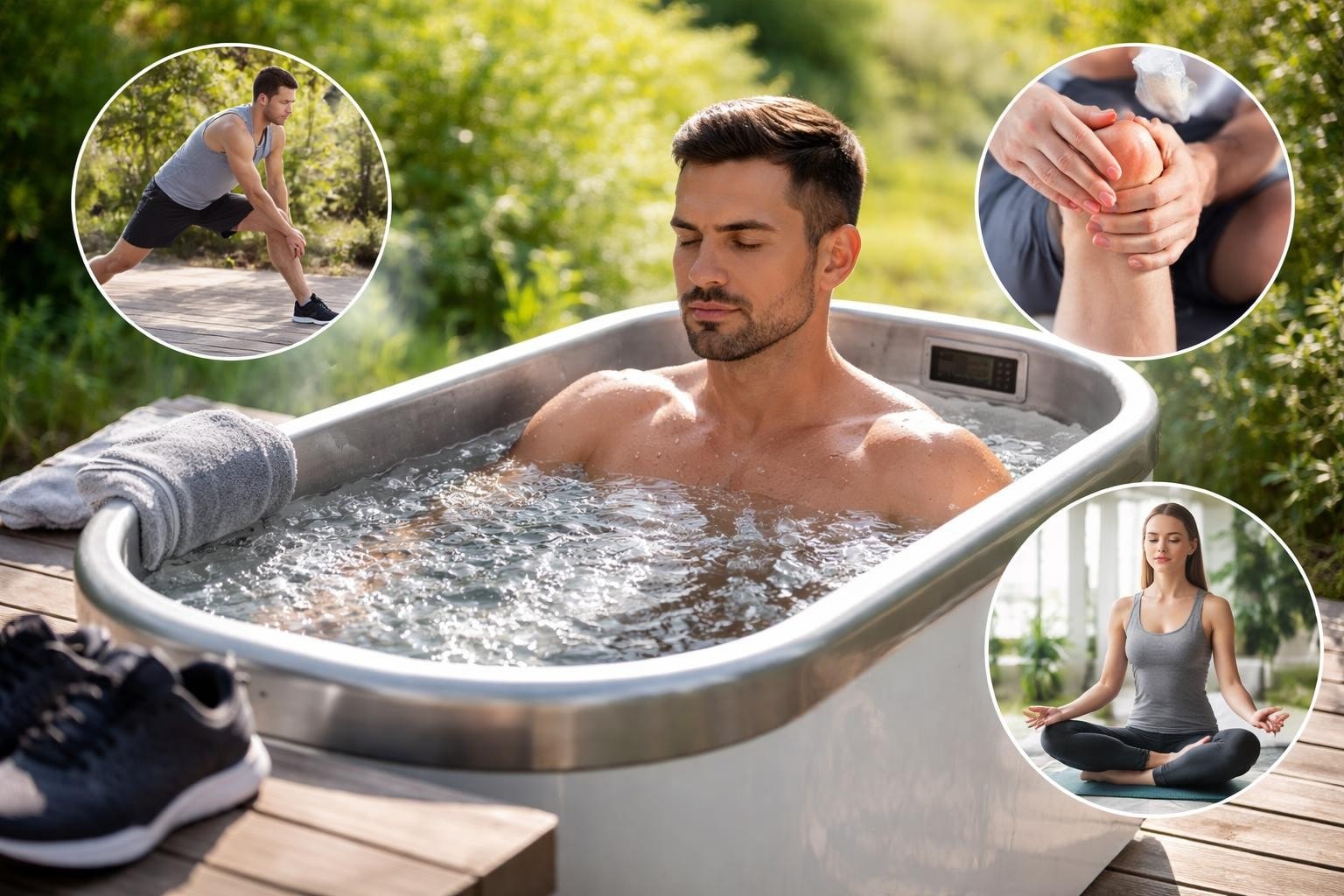
A cold therapy tub has become one of the most popular wellness investments for athletes, biohackers, and anyone serious about recovery. What started as a trend among professional sports teams has rapidly moved into homes across North America. The appeal is straightforward: consistent cold exposure that fits your schedule, no gym membership required, and measurable benefits for both body and mind.
The science behind cold water immersion continues to evolve. While some research challenges traditional recovery methods, the growing body of evidence supports cold therapy for inflammation reduction, improved circulation, and mental resilience. Understanding what a cold therapy tub can realistically deliver helps you make an informed decision.
What Makes a Cold Therapy Tub Different
A dedicated cold therapy tub differs significantly from improvised solutions like stock tanks or bathtubs filled with ice.
The primary distinction lies in temperature control. Purpose-built systems maintain water between 37°F and 55°F consistently, eliminating the guesswork and constant ice replenishment. This consistency matters because therapeutic benefits require specific temperature ranges maintained over time.
Key Components That Matter
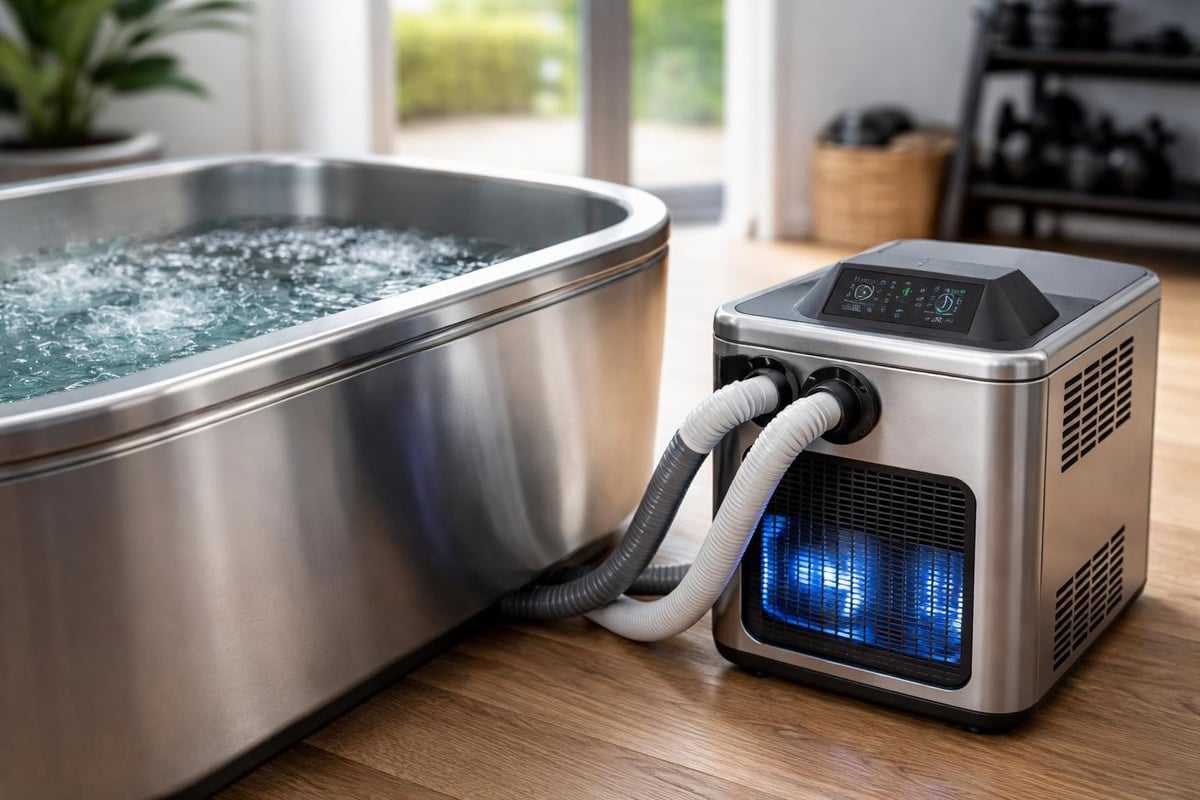
Modern cold therapy tubs include several essential features:
- Integrated chilling systems that maintain precise temperatures
- Filtration systems that keep water clean for weeks
- Insulation that reduces energy costs and maintains cold temperatures
- Durable materials designed for daily use and outdoor conditions
- Digital controls for easy temperature adjustment
Professional-grade units also include ozone or UV sanitation, which extends water life and reduces maintenance. These features transform cold plunging from an occasional practice into a sustainable daily habit.
The Real Benefits of Regular Cold Plunging
Cold exposure triggers multiple physiological responses. Understanding these mechanisms helps set realistic expectations.
Inflammation reduction occurs through vasoconstriction, where blood vessels narrow in response to cold. This process helps reduce swelling after intense workouts or injury. Many athletes report faster recovery between training sessions when using a cold therapy tub regularly.
Improved circulation happens during the rewarming phase. As your body returns to normal temperature, blood flow increases, delivering oxygen and nutrients more efficiently. This enhanced circulation supports overall cardiovascular health and tissue repair.
Mental benefits deserve equal attention. Research suggests cold plunging may improve mood and mental health, likely through the release of endorphins and norepinephrine. Regular users report sharper mental clarity, reduced anxiety, and better stress management.
Temperature and Duration Guidelines
| Experience Level | Temperature Range | Duration | Frequency |
|---|---|---|---|
| Beginner | 50-60°F | 2-3 minutes | 2-3x weekly |
| Intermediate | 45-55°F | 5-8 minutes | 4-5x weekly |
| Advanced | 39-50°F | 10-15 minutes | Daily |
These ranges provide a starting framework. Individual tolerance varies significantly based on body composition, cold adaptation, and health status. Understanding optimal cold plunge temperatures and durations helps maximize benefits while maintaining safety.
Sleep quality improvements represent another compelling benefit. Cold exposure affects core body temperature regulation, which plays a crucial role in sleep cycles. Many users report falling asleep faster and experiencing deeper sleep when cold plunging occurs 2-3 hours before bedtime.
Is a Cold Therapy Tub Worth the Investment?
This question depends entirely on your specific situation and goals.
Calculate the cost comparison. A cryotherapy clinic session costs $40-$80 and lasts 3-5 minutes. If you visit twice weekly, that's $4,160-$8,320 annually. A quality cold therapy tub costs $3,000-$8,000 upfront but eliminates ongoing session fees.
Beyond direct cost savings, consider the convenience factor. Home access means no commute, no scheduling conflicts, and the ability to cold plunge exactly when your body needs it most. After morning workouts, late-night training sessions, or whenever inflammation spikes.
The investment makes sense if you meet these criteria:
- Train intensely 4+ days per week
- Currently spend money on recovery services
- Value the mental clarity and stress reduction benefits
- Have space for permanent installation
- Commit to consistent use (3+ times weekly)
Break-even typically occurs within 12-18 months for active users who would otherwise pay for cryotherapy or spa access. The long-term value extends well beyond initial payback, especially with durable materials built to last decades.
Who Should Buy a Cold Therapy Tub
Certain groups gain disproportionate value from cold therapy tub ownership.
Competitive athletes training for endurance events, strength sports, or team athletics benefit from accelerated recovery. The ability to reduce inflammation immediately after training preserves performance across back-to-back sessions. CrossFit athletes, marathon runners, and powerlifters represent ideal users.
Weekend warriors pushing hard during limited training windows also see significant benefits. When you only have Saturday and Sunday to train, minimizing recovery time between sessions becomes critical. A cold therapy tub helps you train harder more frequently without accumulated fatigue.
Biohackers and wellness enthusiasts focused on longevity optimization appreciate the metabolic effects. Cold exposure activates brown fat, potentially supporting metabolic health and weight management. The mental resilience built through regular cold exposure translates to other life areas.
People managing chronic inflammation conditions may find therapeutic value, though medical consultation remains essential before starting any cold therapy protocol. Never use cold therapy as a replacement for professional medical treatment.
What to Look for When Buying a Cold Therapy Tub
Material selection impacts both durability and long-term satisfaction.
Premium wood construction, particularly Eastern White Cedar from Canada, offers natural durability and insulation properties. Cedar naturally resists rot and insect damage, making it ideal for outdoor installations. The aesthetic appeal of real wood also integrates beautifully with outdoor living spaces and sauna setups.
Stainless steel interiors provide superior hygiene and longevity compared to plastic alternatives. Food-grade 304 stainless steel resists corrosion, maintains temperature efficiently, and requires minimal maintenance. While more expensive initially, stainless steel eliminates concerns about plastic degradation or chemical leaching.
Essential Features Checklist
When evaluating different models, prioritize these specifications:
- Chiller power: Minimum 1HP for consistent performance
- Temperature range: 37-108°F for both cold and cool-down options
- Water capacity: 80+ gallons for full-body immersion
- Filtration system: Ozone or UV for extended water life
- Insulation quality: Reduces operating costs significantly
- Warranty coverage: Minimum 2 years on components
The Flow Cold Plunge exemplifies these principles with its combination of Canadian-crafted White Cedar exterior and choice of stainless steel or HDPE interior. Professional-grade construction means the tub arrives ready for immediate use, eliminating complex installation requirements while providing consistent cold therapy whenever your recovery schedule demands it.
Assembly requirements vary dramatically between brands. Some require extensive plumbing knowledge and multiple days of installation. Premium options arrive fully assembled, requiring only a level surface and power connection. Consider total setup time and complexity when comparing prices.
Ongoing operational costs matter as much as purchase price. Energy-efficient chillers with quality insulation cost $30-$60 monthly to operate. Poor insulation or undersized chillers can double or triple these costs. Request energy consumption specifications before purchasing.
Common Mistakes Beginners Make
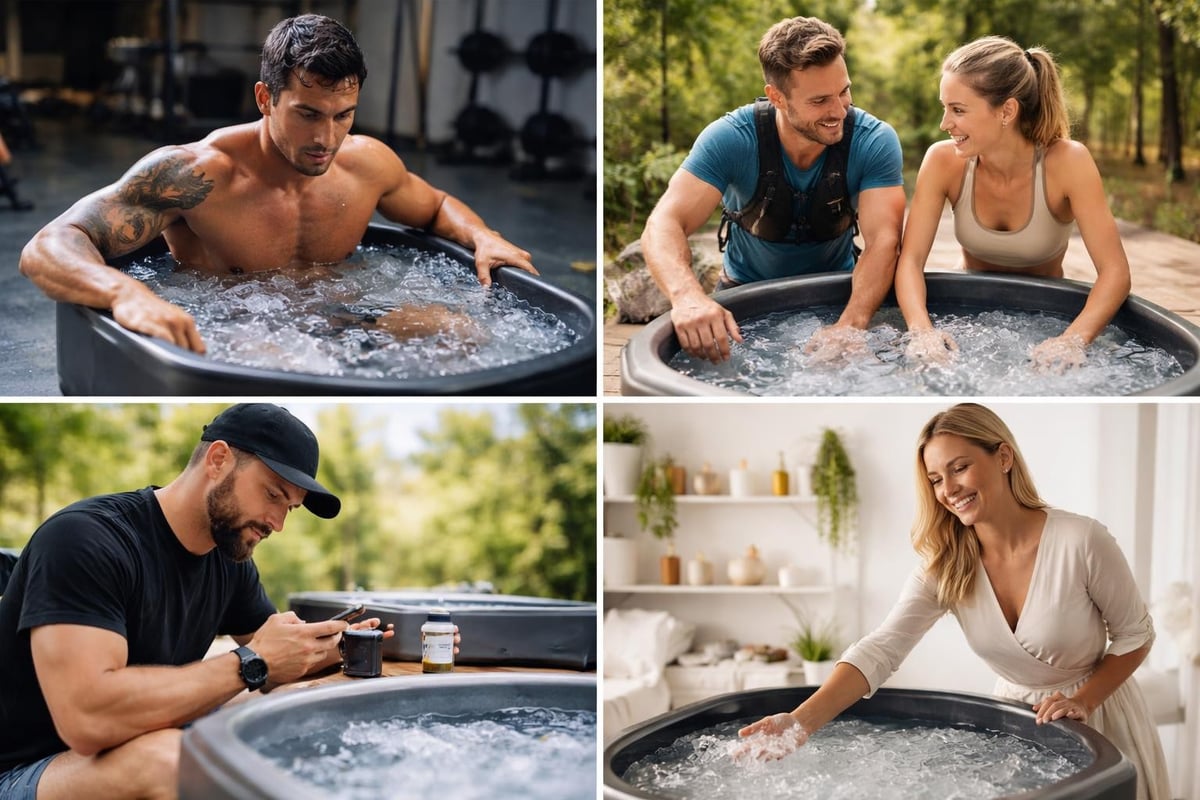
New cold therapy tub owners frequently make avoidable errors that compromise results or safety.
Starting too cold, too long ranks as the most common mistake. Jumping directly into 39°F water for 10 minutes causes unnecessary misery and creates negative associations. Begin at 55-60°F for just 2-3 minutes. Gradually decrease temperature and increase duration over several weeks. Cold adaptation occurs progressively, not overnight.
Inconsistent practice undermines potential benefits. Cold therapy rewards consistency far more than occasional heroic efforts. Three focused 5-minute sessions weekly outperform sporadic 15-minute attempts. Build the habit before chasing duration records.
Ignoring proper breathing technique creates panic responses. Controlled breathing prevents hyperventilation and manages the initial cold shock. Practice box breathing: inhale for 4 counts, hold for 4, exhale for 4, hold for 4. Repeat this pattern throughout your session.
Safety Considerations
Cold plunge safety requires specific precautions. Never cold plunge alone when starting. Have someone nearby who can assist if needed. Avoid alcohol before sessions, as it impairs temperature regulation and judgment.
Medical conditions require consultation before beginning cold therapy:
- Cardiovascular disease or high blood pressure
- Raynaud's syndrome or circulation disorders
- Pregnancy
- Recent surgery or acute injuries
- Respiratory conditions like asthma
Listen to your body consistently. Shivering is normal and beneficial, but violent shaking, numbness, or confusion signals immediate exit. Set a timer and honor it, especially when pushing boundaries.
Water quality maintenance prevents illness and extends tub longevity. Test pH weekly, maintain proper sanitizer levels, and drain completely every 4-6 weeks depending on usage. Proper filtration systems reduce maintenance frequency but don't eliminate it entirely.
Installation and Placement Considerations
Location selection impacts both usability and long-term satisfaction.
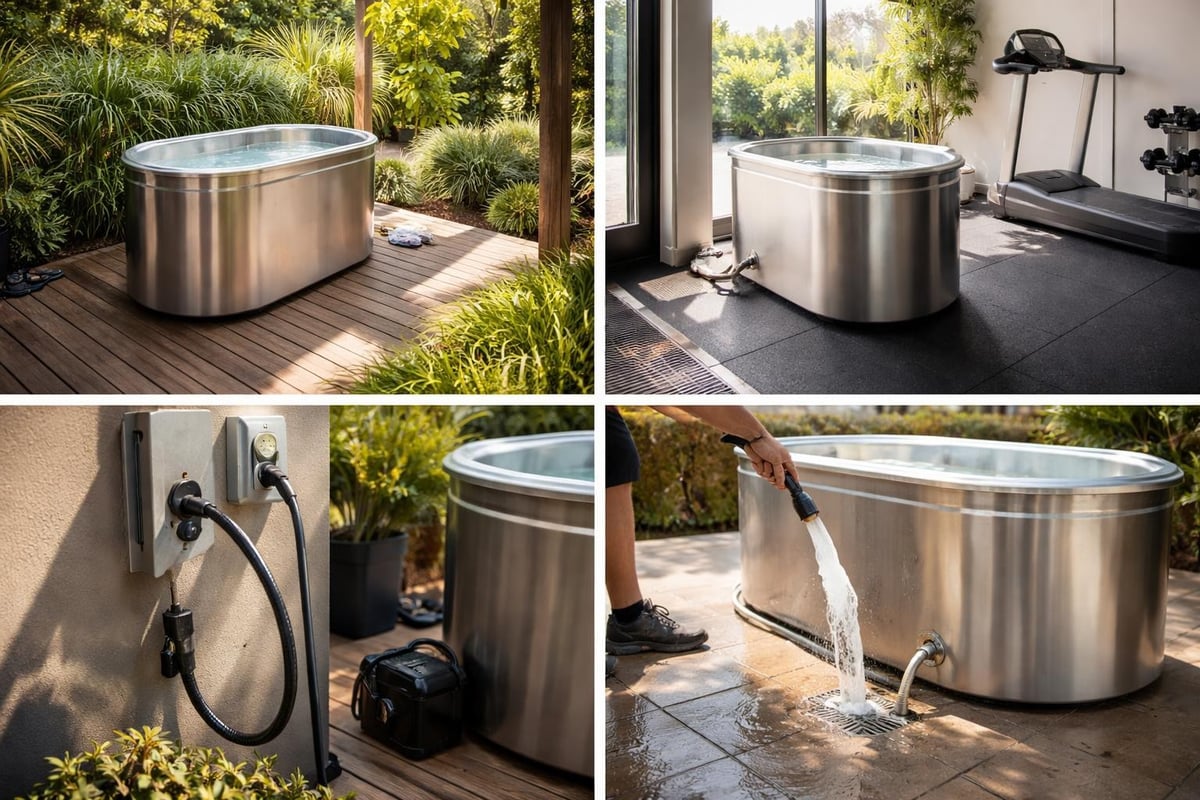
Outdoor placement offers the most authentic experience, especially in colder months. Natural cold air enhances the therapeutic effect and creates a more invigorating environment. However, outdoor installations require weatherproof materials and protection from direct sun exposure, which can warm water excessively.
Indoor installations provide year-round climate control and privacy. Basements, dedicated wellness rooms, or converted garages work well. Ensure adequate ventilation to manage humidity and prevent moisture damage. Floor reinforcement may be necessary, as filled tubs weigh 800-1,200 pounds.
Electrical requirements typically include dedicated 220V circuits for chiller systems. Professional electrician consultation ensures code compliance and safe operation. Budget $300-$800 for electrical work depending on distance from your main panel.
Drainage planning prevents maintenance headaches. Position tubs near floor drains or ensure you can route a hose to appropriate drainage areas. Pumps accelerate draining, reducing downtime between cleaning cycles.
Comparing Different Price Points
Cold therapy tub pricing ranges from $2,500 to $15,000 based on features and construction quality.
Entry-level systems ($2,500-$4,500) typically use stock tanks or basic tubs with drop-in chillers. These require ice supplementation during hot weather and offer limited temperature precision. Suitable for occasional use or testing commitment before upgrading.
Mid-range options ($4,500-$8,000) include integrated chilling systems, basic filtration, and purpose-built construction. These represent the sweet spot for serious home users who want consistent performance without premium features.
Premium systems ($8,000-$15,000) feature superior materials like marine-grade stainless steel, advanced filtration, ozone sanitation, and extensive warranties. Designed for daily use and decades of service.
| Price Range | Typical Features | Best For |
|---|---|---|
| $2,500-$4,500 | Basic cooling, manual controls | Beginners, occasional use |
| $4,500-$8,000 | Integrated chiller, digital controls, filtration | Serious athletes, daily users |
| $8,000-$15,000 | Premium materials, advanced features, long warranties | Professional facilities, luxury homes |
Used market considerations: Cold therapy tubs hold value reasonably well, but inspect chillers and filtration systems carefully. Replacement chillers cost $800-$2,000, potentially eliminating any savings from used purchases.
Maximizing Your Cold Therapy Results
Strategic timing enhances cold therapy benefits significantly.
Post-workout timing remains most popular for athletic recovery. Cold exposure within 30-60 minutes after training provides maximum inflammation reduction. However, emerging research questions cold therapy's impact on muscle growth, suggesting heat may be superior for hypertrophy goals.
For mental clarity and energy, morning sessions offer powerful effects. A 3-5 minute cold plunge stimulates alertness more effectively than caffeine for many users. The catecholamine release creates sustained energy without the crash associated with stimulants.
Progressive adaptation protocols build cold tolerance systematically:
- Week 1-2: 55-60°F for 2-3 minutes
- Week 3-4: 50-55°F for 3-5 minutes
- Week 5-6: 45-50°F for 5-7 minutes
- Week 7+: 39-45°F for 8-15 minutes
Adjust this timeline based on individual response. Some people adapt quickly, others require more gradual progression. Neither pace indicates superior results or commitment.
Combining cold therapy with heat exposure creates powerful contrast therapy. Alternating between hot and cold stimulates circulation more intensely than either modality alone. Many users pair their cold therapy tub with a sauna for comprehensive recovery protocols.
Maintenance and Long-Term Ownership
Proper maintenance ensures decades of reliable service from quality cold therapy tubs.
Weekly tasks include water testing, surface cleaning, and filter inspection. Chemical balance prevents algae growth and maintains water clarity. Most systems require 15-20 minutes weekly for basic upkeep.
Monthly maintenance involves deep filter cleaning, drain line flushing, and exterior wood treatment for wooden tubs. Cedar naturally resists deterioration, but annual sealing extends life and maintains appearance.
Seasonal considerations affect outdoor installations significantly. Winter operation in freezing climates requires insulated covers and possibly enclosures. Summer heat increases chiller workload, potentially requiring shade structures in extremely hot regions.
Water replacement frequency depends on usage and filtration quality:
- Light use (2-3 sessions weekly): Every 6-8 weeks
- Moderate use (4-5 sessions weekly): Every 4-6 weeks
- Heavy use (daily): Every 3-4 weeks
Ozone or UV systems extend these intervals by continuously sanitizing water. Initial investment in superior filtration reduces long-term maintenance burden significantly.
Integration with Broader Wellness Routines
Cold therapy tubs complement other wellness practices synergistically.
Breathing work amplifies cold exposure benefits. Wim Hof method practitioners report enhanced cold tolerance and mental control through specific breathing patterns. Practice breathwork before, during, and after cold exposure for maximum effect.
Meditation during cold plunging builds extraordinary mental resilience. The discomfort provides a perfect environment for practicing equanimity and presence. Start with breath focus, then expand to body scanning or visualization techniques.
Nutrition timing around cold therapy sessions affects results. Some evidence suggests cold exposure activates brown fat more effectively in a fasted state. Others prefer light carbohydrates beforehand to fuel thermogenesis. Experiment to discover your optimal protocol.
Recovery stacking combines multiple modalities for comprehensive regeneration. A typical protocol might include foam rolling, cold plunge, light stretching, and targeted nutrition. Understanding how different recovery methods interact helps design effective personal protocols.
Frequently Asked Questions
How long should I stay in a cold therapy tub? Beginners should start with 2-3 minutes at 55-60°F. Experienced users typically range from 5-15 minutes at 39-50°F. Duration matters less than consistency and proper temperature.
Can cold therapy tubs help with weight loss? Cold exposure activates brown fat and increases metabolic rate temporarily. While this burns additional calories, the effect is modest. Cold therapy supports weight management as part of comprehensive fitness programs, not as a standalone solution.
How often should I use a cold therapy tub? Most users benefit from 3-5 sessions weekly. Daily use is safe for adapted individuals. Listen to your body and adjust frequency based on recovery needs and stress levels.
Is it safe to use a cold therapy tub while pregnant? Pregnant women should avoid cold therapy without explicit approval from their healthcare provider. Temperature regulation changes during pregnancy, increasing risk from cold exposure.
What temperature should I set my cold therapy tub? Start at 55-60°F and gradually decrease to 45-55°F over several weeks. Advanced users often prefer 39-45°F. Therapeutic benefits occur across this entire range.
Do I need to add ice to a cold therapy tub? Quality cold therapy tubs with integrated chillers maintain temperature without ice. Entry-level systems may require ice supplementation during hot weather.
How much does it cost to run a cold therapy tub? Expect $30-$60 monthly for electricity with efficient systems. Poor insulation or undersized chillers can increase costs to $80-$120 monthly. Initial investment in quality equipment reduces operating expenses significantly.
A cold therapy tub represents a significant wellness investment that pays dividends through improved recovery, mental clarity, and long-term health optimization. The key lies in choosing quality construction, committing to consistent practice, and understanding realistic expectations based on current science. Whether you're an athlete seeking competitive advantages or a wellness enthusiast pursuing longevity, the right cold therapy tub transforms abstract health goals into daily practice. Plunge N' Tubs delivers premium cold plunge systems crafted from Canadian wood, offering athletes and wellness professionals the quality and reliability needed for serious recovery work, with fast and free delivery across North America to bring professional-grade cold therapy directly to your home.
Share:
At Home Cold Plunge: Complete 2026 Buyer's Guide
Cold Tub for Sale: Expert Buying Guide for 2026