



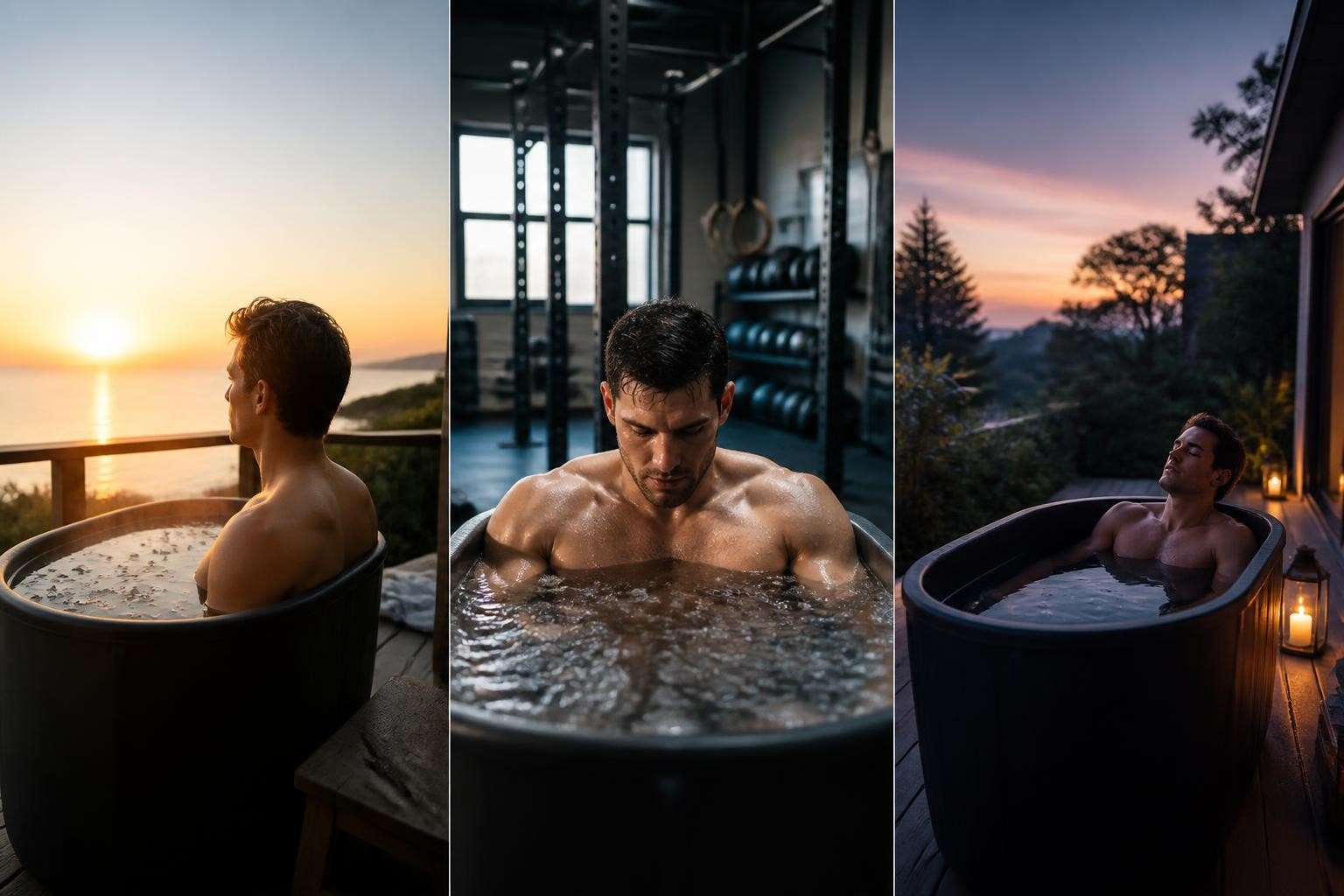
Timing matters more than most people realize when it comes to cold water therapy. While cold plunging offers proven benefits regardless of when you do it, research shows that the best time to cold plunge depends entirely on your specific goals. Whether you're chasing metabolic benefits, optimizing athletic recovery, or simply trying to feel more energized throughout your day, understanding when to take the plunge can significantly impact your results.
Morning Cold Plunges: The Energy and Metabolism Window
Starting your day with cold exposure creates a powerful physiological response that sets the tone for hours ahead.
Why Morning Sessions Boost Energy
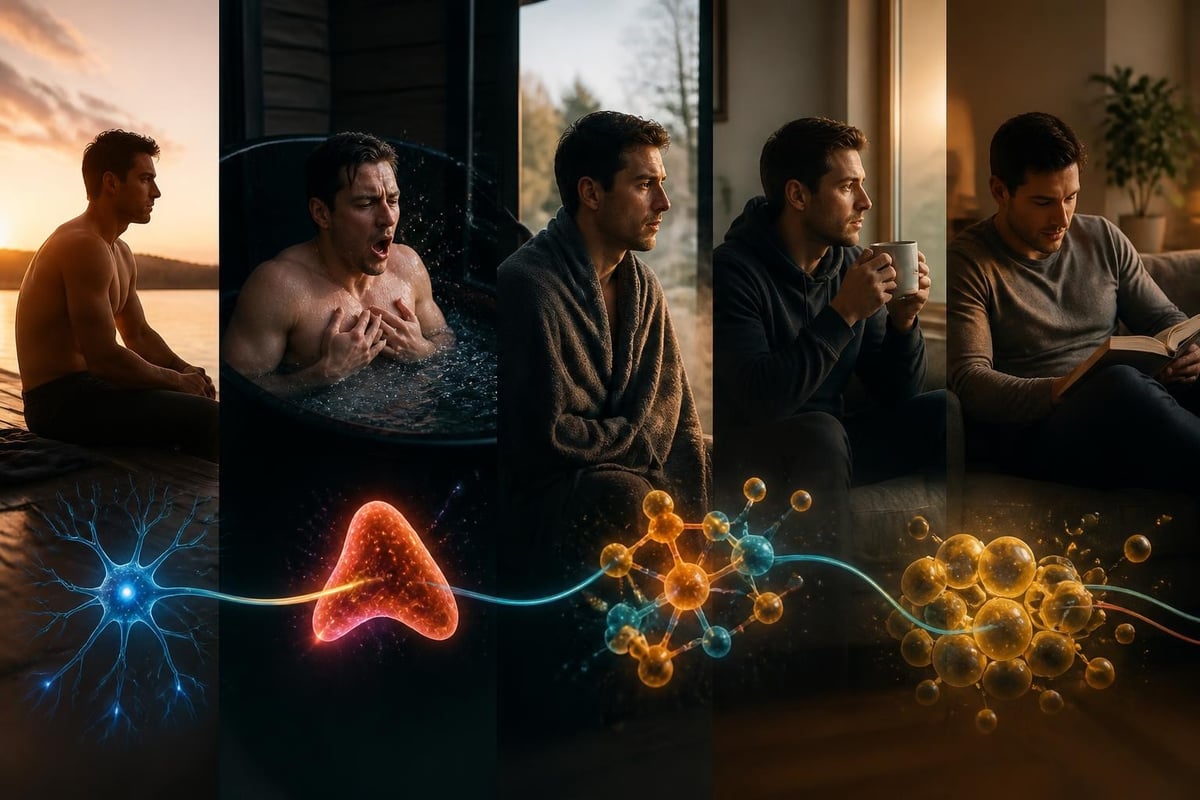
Morning cold plunges trigger an immediate surge of noradrenaline, the neurotransmitter responsible for alertness and focus. This natural stimulant effect rivals your morning coffee, but without the crash.
Key benefits of morning cold plunging include:
- Elevated mental clarity for 4-6 hours post-session
- Increased core body temperature throughout the day
- Enhanced metabolic rate that persists into afternoon
- Natural cortisol alignment with circadian rhythm
A 2025 crossover study published in Scientific Reports compared morning (8-10 AM) versus evening (5-7 PM) ice baths and found that morning sessions produced significantly higher plasma fatty acid levels, suggesting enhanced fat mobilization during this window.
Metabolic Advantages of Early Sessions
If fat loss or metabolic optimization ranks among your goals, morning represents the best time to cold plunge for these specific outcomes.
Cold exposure activates brown adipose tissue (BAT), which burns calories to generate heat. Research indicates this activation peaks when combined with the body's natural morning cortisol rise, creating a synergistic effect on metabolism.
| Time of Day | Fatty Acid Release | Noradrenaline Surge | BAT Activation |
|---|---|---|---|
| Morning (8-10 AM) | High | Very High | Peak |
| Afternoon (2-4 PM) | Moderate | Moderate | Moderate |
| Evening (5-7 PM) | Moderate | High | Lower |
The metabolic window extends beyond the immediate session. Many athletes and wellness professionals report sustained energy and reduced food cravings throughout the morning after establishing a consistent cold plunge routine.
Post-Workout Cold Plunging: Recovery vs. Adaptation Trade-offs
The timing of cold water immersion relative to training sessions creates one of the most debated topics in sports science.
Immediate Post-Exercise Benefits
Taking a cold plunge within 10-20 minutes after training provides measurable recovery benefits. Research on cold water immersion for muscle soreness demonstrates that early immersion significantly reduces delayed onset muscle soreness (DOMS) and accelerates perceived recovery.
Optimal post-workout protocol:
- Complete your training session
- Wait 5-10 minutes for heart rate to normalize
- Enter cold water at 50-59°F for 10-15 minutes
- Exit and allow natural rewarming
- Hydrate and refuel normally
The American College of Sports Medicine notes that timing relative to workouts matters significantly depending on your training phase and goals.
When to Avoid Post-Workout Cold Plunges
Here's the critical consideration: cold water immediately after resistance training may blunt muscle adaptation and hypertrophy gains.
The same anti-inflammatory effect that reduces soreness can also interfere with the inflammatory signaling required for muscle growth. If you're in a strength or hypertrophy phase, this represents a real trade-off.
Skip immediate post-workout cold plunges when:
- Training specifically for muscle hypertrophy
- In off-season strength building phases
- Following high-volume resistance sessions
- Prioritizing maximum adaptation over rapid recovery
Use post-workout cold plunges when:
- Managing competition schedules with multiple events
- Recovering from high-intensity conditioning
- Dealing with acute injury or excessive inflammation
- Training for endurance rather than size
A 2026 systematic review and network meta-analysis evaluated cold water immersion protocols across resistance, endurance, and team sports, finding that timing recommendations differ substantially based on exercise type and recovery priorities.
Evening Cold Plunges: Sleep and Hormonal Considerations
Evening sessions offer unique benefits but require careful timing to avoid sleep disruption.
The Paradox of Evening Cold Exposure
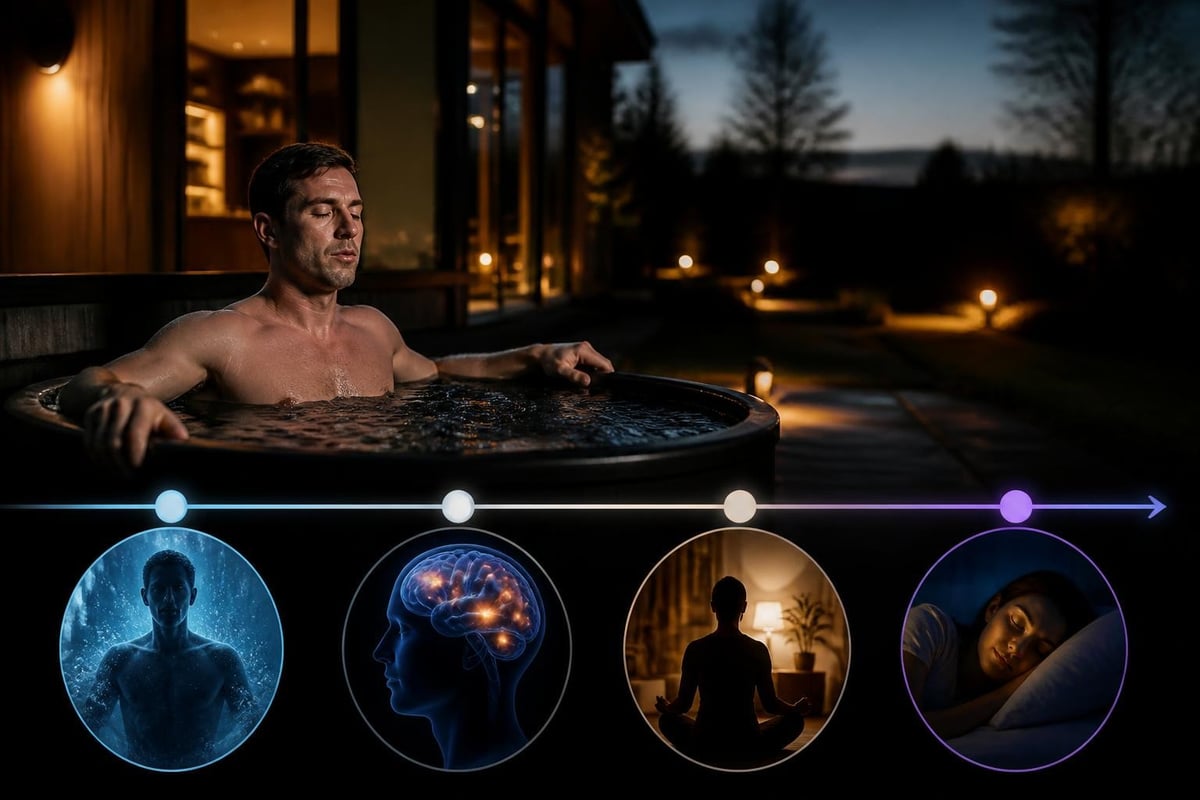
Cold plunging naturally increases alertness, which seems counterintuitive before bed. However, when timed correctly, the subsequent rebound effect can actually promote deeper sleep.
The key is finishing your session at least 2-3 hours before bedtime. This allows the initial stimulation to pass while taking advantage of the parasympathetic recovery that follows.
Hormonal Benefits of Evening Sessions
Recent research on evening cold exposure found that evening sessions produced larger increases in FGF21, a hormone associated with cardiometabolic health benefits.
Evening may not be the best time to cold plunge for fat burning, but it offers distinct hormonal advantages related to metabolic health and glucose regulation.
| Benefit Category | Morning Session | Evening Session |
|---|---|---|
| Immediate Energy | Excellent | Moderate |
| Fat Mobilization | Excellent | Good |
| Sleep Quality | Good (indirect) | Excellent (timed right) |
| FGF21 Response | Moderate | High |
| Stress Reduction | Good | Excellent |
For those seeking relaxation and mental reset after a stressful day, a properly timed evening plunge can create a clear psychological boundary between work and rest.
Timing Around Training Cycles and Competition
Your training phase should influence when you prioritize cold plunging throughout your week.
Off-Season and Base Building
During hypertrophy-focused training blocks, consider separating cold plunges from resistance sessions by at least 4-6 hours. Morning plunges work well here, with evening strength training sessions.
Alternatively, reserve cold plunging for rest days or after low-intensity recovery sessions to maintain the metabolic and psychological benefits without interfering with adaptation.
Competition Season and Peak Performance
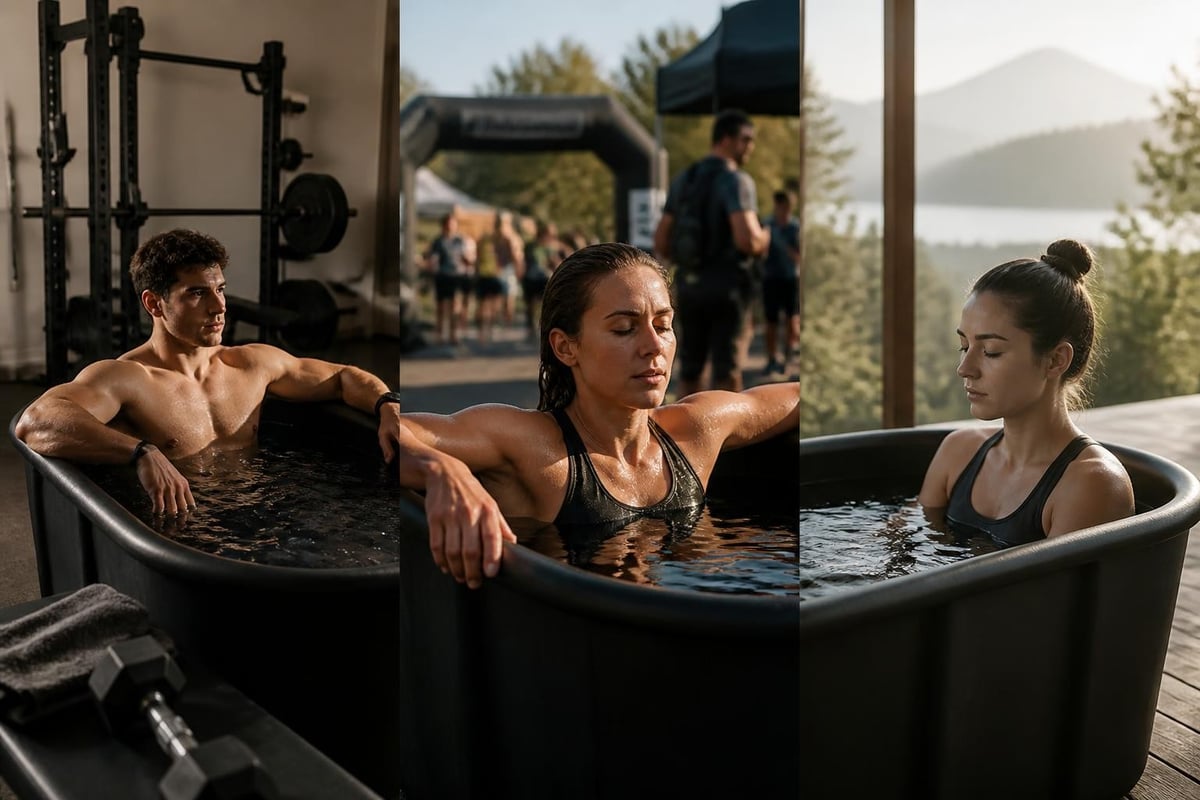
When performance and recovery between events takes priority over long-term adaptation, the best time to cold plunge shifts to immediately post-competition or post-training.
Competition season cold plunge strategy:
- Morning sessions on non-training days for energy and focus
- Immediate post-event sessions for rapid recovery
- Between-session recovery during tournament play
- Strategic use during taper periods to manage training load
Athletes competing in multi-day events or tournaments find that consistent timing creates predictable recovery patterns, allowing for better performance planning.
Deload Weeks and Recovery Periods
Planned recovery weeks represent an ideal time to experiment with different cold plunge timing to find what works best for your individual response. Many users of premium cold plunge systems report that consistent daily sessions during deload weeks enhance overall recovery while maintaining the habit.
Individual Response Patterns and Optimization
While research provides general guidelines, individual variation in cold response is substantial.
Testing Your Personal Response
The best time to cold plunge for you may differ from general recommendations based on your chronotype, training schedule, work demands, and stress patterns.
Steps to find your optimal timing:
- Commit to 3 weeks of consistent morning sessions
- Track energy, mood, sleep quality, and recovery metrics
- Switch to evening sessions for 3 weeks with same tracking
- Compare results and adjust based on clear patterns
- Consider post-workout timing separately based on training goals
Signs You've Found Your Ideal Timing
You'll know the timing works when you experience consistent benefits without negative effects. Look for sustained energy without disrupting sleep, improved recovery without feeling overtrained, and mental clarity without anxiety or jitteriness.
Poor timing reveals itself through disrupted sleep patterns, excessive fatigue later in the day, or resistance to maintaining the habit.
Common Mistakes That Undermine Timing Benefits
Even with perfect timing, certain mistakes can reduce the effectiveness of your cold plunge practice.
Inconsistent Scheduling
Random, sporadic cold plunging prevents your body from adapting and optimizing its response. The circadian benefits of morning sessions require consistency to entrain your biological clock.
Plunging Too Close to Bedtime
Evening sessions within 90 minutes of sleep trigger alertness that conflicts with natural melatonin production. This represents one of the most common timing errors among beginners.
Ignoring Training Goals
Using aggressive post-workout cold plunges during hypertrophy phases because it "feels good" may cost you gains. Match your timing to your current training priorities.
Inadequate Duration at Optimal Times
Taking a 2-minute plunge during the ideal metabolic window delivers minimal benefit. Most research showing timing-specific benefits used sessions of 10-15 minutes.
Common timing mistakes to avoid:
- Rushing morning sessions before full alertness
- Skipping rest days and over-using cold therapy
- Plunging immediately before important meetings or events (initial shock period)
- Using cold water as punishment rather than strategic recovery
Is Timing Really Worth Optimizing?
The honest answer is: it depends on how seriously you take your training and recovery.
For casual users seeking general wellness benefits, the best time to cold plunge is simply whenever you'll actually do it consistently. Habit adherence matters more than perfect timing optimization.
For serious athletes, competitive performers, or those with specific metabolic goals, strategic timing can represent a 10-20% improvement in desired outcomes. That margin often separates good results from exceptional ones.
Who Should Care Most About Cold Plunge Timing?
Certain groups benefit significantly more from timing optimization than others.
Timing matters most for:
- Competitive athletes with periodized training programs
- Individuals specifically targeting fat loss or metabolic health
- People with demanding work schedules requiring peak cognitive performance
- Those struggling with sleep quality or circadian rhythm issues
- Biohackers tracking detailed performance metrics
Timing matters less for:
- General wellness users without specific performance goals
- Beginners still building the basic habit
- Those with highly variable daily schedules
- People primarily seeking stress relief and mental health benefits
Understanding where you fall on this spectrum helps determine how much energy to invest in optimizing your cold plunge timing versus simply maintaining consistency. For those ready to make cold therapy a permanent part of their recovery routine, investing in a quality system makes timing optimization much easier to maintain. The Flow Cold Plunge provides professional-level recovery at home, allowing you to control water temperature precisely and stick to your optimal timing schedule without the hassle of gym memberships or ice management.
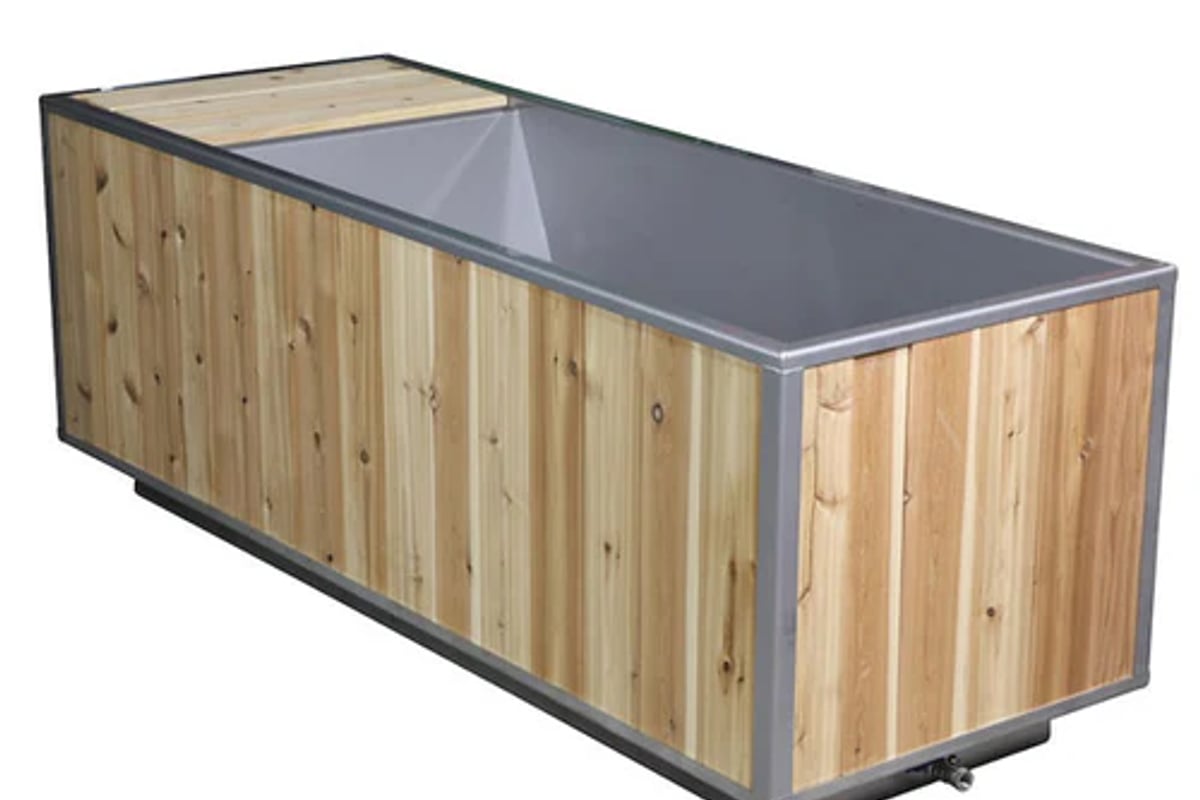
What to Look for When Choosing a Cold Plunge for Timing Flexibility
Your equipment can either support or sabotage your timing strategy.
Temperature Control and Consistency
If morning metabolic benefits drive your practice, you need reliable temperature maintenance. Waking up to find your plunge has warmed overnight destroys consistency.
Look for systems with integrated chillers that maintain precise temperatures 24/7. This allows true schedule flexibility rather than spending 30 minutes adding ice before your optimal timing window passes.
Quick Access and Convenience
The best time to cold plunge is worthless if setup hassle causes you to skip sessions. Home systems eliminate the barrier of driving to facilities, making it practical to hit those specific timing windows consistently.
Indoor vs. Outdoor Placement
Outdoor tubs face temperature fluctuation challenges that affect timing reliability, especially during summer months. Indoor installations offer year-round consistency but require proper drainage and climate consideration.
Frequently Asked Questions
Is morning or evening better for cold plunging?
Morning sessions provide better metabolic and energy benefits, while evening sessions (completed 2-3 hours before bed) offer superior hormonal health markers and stress reduction. Choose based on your primary goal.
How long should I wait after exercise to cold plunge?
For maximum recovery from soreness, plunge within 10-20 minutes post-exercise. For maximum muscle adaptation, wait at least 4-6 hours or save cold plunges for non-training days during hypertrophy phases.
Can I cold plunge every day?
Yes, daily cold plunging is safe for most people when duration and temperature are appropriate. Consistency at the same time each day enhances benefits, particularly for metabolic and circadian rhythm improvements.
Does it matter what time of day I cold plunge for fat loss?
Yes, research indicates morning sessions between 8-10 AM produce higher fatty acid mobilization compared to evening sessions, making morning the best time to cold plunge for fat loss goals.
Should I eat before or after my cold plunge?
For morning metabolic benefits, plunge fasted. For post-workout recovery, plunge before eating to maximize the recovery response. Then refuel normally 20-30 minutes after exiting the cold water.
How do I know if my timing is working?
Track consistent metrics including energy levels, sleep quality, workout recovery, and mood. Effective timing produces noticeable patterns within 2-3 weeks of consistent practice at the same time daily.
Finding the best time to cold plunge depends on aligning your sessions with your specific goals, whether that's metabolic optimization, athletic recovery, or cognitive performance. By understanding how your body responds to cold exposure at different times and matching that to your training and lifestyle demands, you can maximize the significant benefits this practice offers. Plunge N' Tubs provides premium cold plunge systems crafted from the highest quality Canadian wood, giving you the reliability and temperature control needed to maintain your optimal timing schedule with professional-grade equipment delivered free across North America.
Share:
Cold Plunge Systems: Complete Buyer's Guide for 2026
Plunge Tubs: Complete 2026 Buyer's Guide & Recovery Tips