



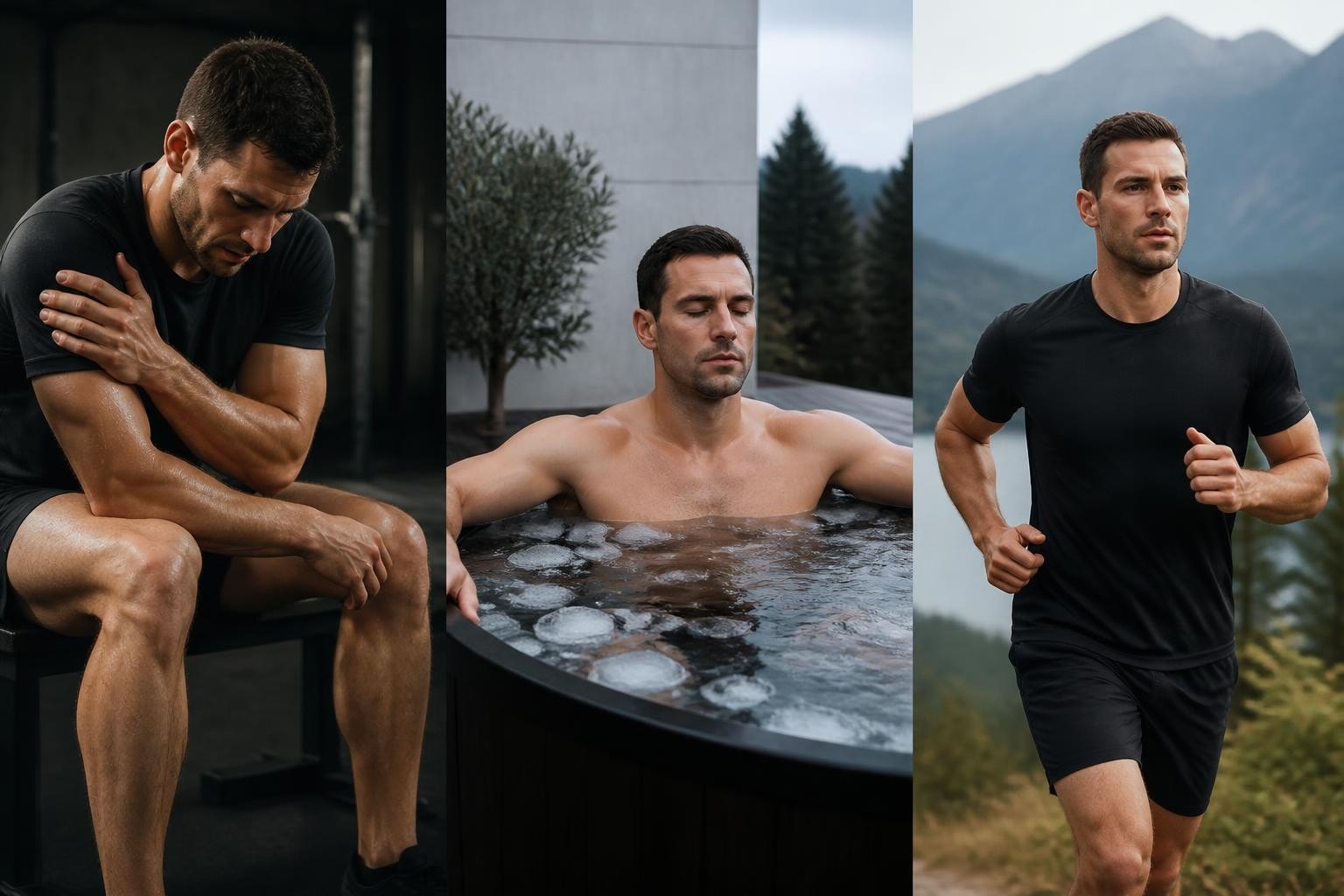
Cold therapy has evolved from an elite athlete's secret to a mainstream wellness practice available in your backyard. Plunge tubs represent the convergence of ancient recovery wisdom and modern manufacturing, delivering consistent cold exposure without monthly spa memberships or gym access. Whether you're recovering from marathon training, managing chronic inflammation, or optimizing your mental clarity, understanding how to select and use a quality cold plunge system makes the difference between a worthwhile investment and an expensive lawn ornament.
What Makes Plunge Tubs Different From Ice Baths
Traditional ice baths require constant preparation, tons of ice, and offer inconsistent temperatures. Plunge tubs solve these problems through purposeful design and integrated temperature control.
Key distinctions include:
- Consistent temperature regulation through chillers or insulation systems
- Durable construction using materials like cedar, stainless steel, or HDPE plastic
- Ready-to-use convenience without filling bathtubs or sourcing ice
- Year-round outdoor capability in most North American climates
A proper cold plunge system maintains water between 39°F and 55°F, the therapeutic range supported by research on cold-water immersion. Standard bathtubs lose temperature rapidly, while dedicated plunge tubs maintain consistency through insulation or active cooling.
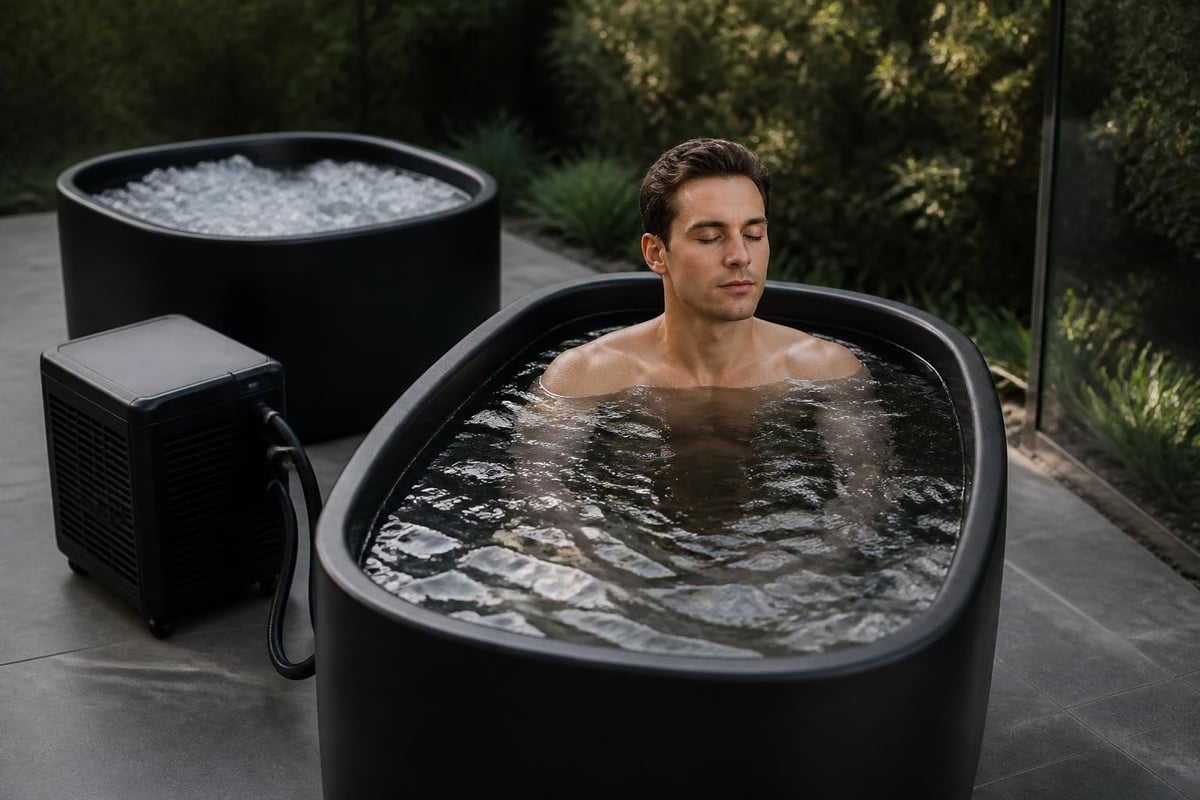
Understanding Construction Materials
Material choice directly impacts longevity, maintenance requirements, and user experience. Premium plunge tubs use materials selected for specific performance characteristics.
| Material | Benefits | Considerations |
|---|---|---|
| Eastern White Cedar | Natural antimicrobial properties, outdoor durability, premium aesthetics | Requires periodic sealing, higher initial cost |
| Stainless Steel (304) | Zero maintenance, medical-grade hygiene, temperature stability | Industrial appearance, higher heat conductivity |
| HDPE Plastic | Chemical resistance, lightweight, cost-effective | Less aesthetic appeal, UV degradation over years |
| Acrylic | Modern look, good insulation, easy cleaning | Can scratch, requires chemical balance |
Cedar construction offers particular advantages for outdoor installations. The wood naturally resists moisture damage and provides excellent insulation, reducing energy costs for heated recovery protocols. Many wellness professionals prefer the aesthetic integration cedar provides when paired with sauna systems or outdoor wellness spaces.
Who Should Buy Plunge Tubs
Cold therapy delivers measurable benefits, but certain groups experience outsized returns on their investment.
Athletes and Active Individuals
Competitive athletes and serious fitness enthusiasts use cold plunging to accelerate recovery between training sessions. The Cleveland Clinic confirms that cold water immersion reduces muscle soreness and inflammation after intense exercise.
Primary benefits for athletes:
- Reduced delayed onset muscle soreness (DOMS)
- Faster recovery between training sessions
- Decreased systemic inflammation markers
- Improved training consistency through reduced fatigue
Weekend warriors and recreational athletes also benefit, particularly those training for events or managing heavy workout schedules. The ability to plunge at home eliminates the scheduling friction that derails recovery protocols.
People Managing Chronic Inflammation
Inflammation underlies numerous chronic conditions, from arthritis to metabolic disorders. Regular cold exposure activates anti-inflammatory pathways throughout the body.
Cold plunging won't replace medical treatment, but it complements comprehensive inflammation management strategies. Users report reduced joint pain, improved mobility, and decreased reliance on anti-inflammatory medications. Always consult healthcare providers before modifying treatment plans.
Mental Performance Optimizers
Cold therapy triggers significant neurological responses. The acute stress of cold exposure releases norepinephrine and dopamine, improving focus, mood, and mental clarity for hours afterward.
Professionals working in high-stress environments use morning cold plunges to enhance cognitive performance throughout the day. The practice combines physical stress adaptation with mental resilience training, creating compounding benefits over time.
What to Look for When Buying Plunge Tubs
Smart purchasing requires evaluating specifications beyond marketing claims. Focus on factors that impact daily use and long-term satisfaction.
Temperature Control Systems
Temperature management separates casual cold baths from therapeutic plunge systems. You have three primary options:
- Active chilling systems maintain precise temperatures electronically
- Passive insulation relies on thermal mass and ambient conditions
- Hybrid approaches combine insulation with manual ice addition
Active chillers cost more initially but deliver consistency year-round, particularly in warmer climates. The Polar Plunge Tub features options for both stainless steel and HDPE interiors, allowing users to choose between maximum durability and cost-effectiveness while maintaining Canadian-crafted quality standards.
Passive systems work well in northern climates where ambient temperatures support cold water naturally. Hybrid systems offer flexibility, allowing budget-conscious buyers to start simple and add active cooling later.
Size and Capacity Specifications
Proper sizing ensures full-body immersion, which maximizes therapeutic benefits. Inadequate depth or width compromises the cold exposure experience.
Critical dimensions:
- Depth: Minimum 30 inches for shoulder immersion while seated
- Interior width: At least 28 inches for comfortable positioning
- Foot space: Adequate legroom prevents cramped positioning during extended sessions
Taller individuals should verify interior dimensions accommodate their frame. Some manufacturers list exterior dimensions prominently while interior space determines actual usability. For those exploring different cold plunge options for home use, measuring your available space before purchasing prevents costly return shipping.
Assembly and Installation Requirements
Complexity varies dramatically between systems. Some arrive fully assembled, while others require significant construction.
Consider these factors:
- Pre-assembled units: Higher shipping costs but immediate usability
- Modular designs: Lower shipping fees, assembly time required
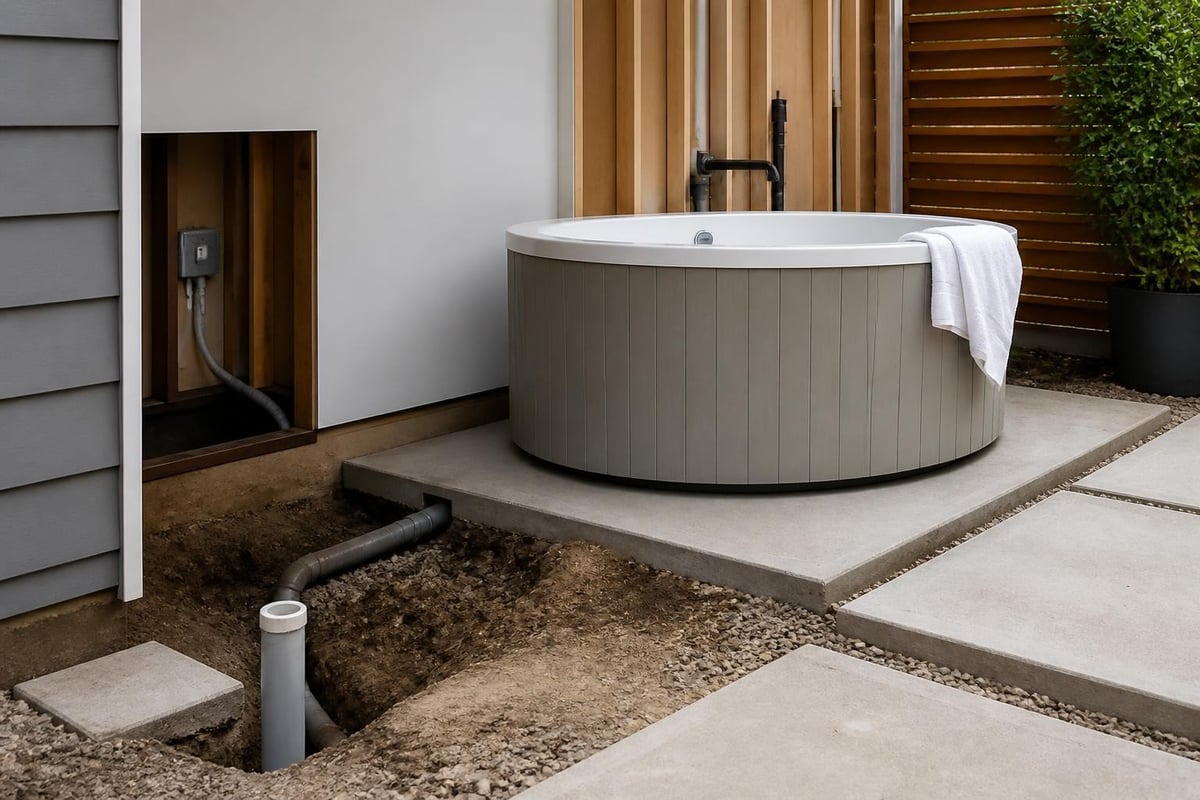
- Electrical requirements: 120V versus 240V for chiller systems
- Water source access: Proximity to outdoor faucets or hose connections
- Drainage planning: Where wastewater goes during cleaning and water changes
Outdoor installations need level surfaces supporting 1,500 to 2,500 pounds when filled. Concrete pads, reinforced decking, or compacted gravel beds provide adequate foundations. Indoor installations require waterproofing considerations and ventilation planning.
Common Mistakes Beginners Make
First-time cold plungers often sabotage their success through preventable errors. Avoiding these pitfalls accelerates your adaptation and maximizes benefits.
Starting Too Cold or Too Long
Jumping into 39°F water for 10 minutes on day one creates miserable experiences that discourage continued practice. Progressive adaptation builds sustainable habits.
Recommended progression:
- Week 1: 55°F water for 2 minutes
- Week 2: 50°F water for 3 minutes
- Week 3: 45°F water for 4 minutes
- Week 4+: 39-42°F water for 5-8 minutes
Individual tolerance varies significantly. Some people adapt quickly while others need months to reach therapeutic temperatures comfortably. The goal is consistent practice, not suffering through unbearable sessions. Understanding optimal cold plunge duration helps establish realistic expectations.
Neglecting Water Maintenance
Cold water inhibits bacterial growth but doesn't eliminate contamination risks. Proper sanitation protects health and extends equipment lifespan.
The Newfoundland Environmental Health Guidelines specify minimum standards for cold plunge hygiene. While residential use allows more flexibility than commercial facilities, basic protocols prevent problems:
- Weekly water testing: pH, sanitizer levels, and clarity checks
- Bi-weekly shocking: Oxidizes organic contaminants
- Monthly deep cleaning: Drain, scrub, and refill
- Filter maintenance: Clean or replace according to manufacturer specifications
Cedar tubs require additional care. Annual application of food-grade wood sealant maintains water resistance and prevents degradation. Stainless steel and plastic systems need less maintenance but still require regular cleaning.
Ignoring Safety Protocols
Cold water immersion stresses cardiovascular and respiratory systems. Most healthy adults tolerate this stress well, but risks exist for certain populations.
Contraindications include:
- Uncontrolled high blood pressure
- Heart rhythm disorders
- Raynaud's disease or severe circulation problems
- Pregnancy (consult your physician)
- Open wounds or active infections
Even healthy individuals should follow basic safety practices. Never plunge alone if possible. Keep a timer visible. Exit immediately if you experience dizziness, chest pain, or severe discomfort beyond normal cold sensation.
The Washington State Department of Health guidelines emphasize supervision and safety signage for public facilities. Home users should maintain similar awareness, particularly when introducing family members or guests to cold plunging.
Is It Worth It?
Value depends on usage frequency, alternative costs, and personal recovery needs. Breaking down the economics clarifies the investment picture.
Cost Analysis Over Time
Quality plunge tubs range from $3,000 to $12,000 depending on materials, size, and temperature control systems. Compare this to ongoing costs of alternatives:
| Recovery Option | Monthly Cost | Annual Cost | 5-Year Total |
|---|---|---|---|
| Gym membership with cold plunge | $150 | $1,800 | $9,000 |
| Spa cold therapy sessions (2x/week) | $320 | $3,840 | $19,200 |
| Cryotherapy studio (3x/week) | $480 | $5,760 | $28,800 |
| Home plunge tub (mid-range) | $50* | $600* | $6,000** |
*Operating costs (water, electricity, sanitizer)
**Includes $3,000 initial purchase plus 5 years operating costs
The break-even point typically occurs within 12-24 months for regular users. Infrequent users may never justify the investment through cost savings alone, but convenience and recovery benefits often tip the scales.
Measuring Recovery Benefits
Quantifying cold therapy results helps evaluate ongoing value. Track these metrics:
- Training volume: Can you maintain higher frequency without overtraining symptoms?
- Sleep quality: Recovery apps or wearables show objective improvement data
- Subjective recovery: Daily readiness scores or perceived soreness levels
- Performance metrics: Training outputs, competition results, or strength gains
Many users report improved recovery within two weeks of consistent cold plunging. Harvard Health highlights that regular cold water immersion supports stress reduction and sleep quality, benefits that compound over months and years.
For those evaluating whether cold therapy tubs fit their lifestyle, consider the intangible value of convenience. Having recovery tools at home eliminates friction, increasing consistency dramatically.
Types of Plunge Tubs Available
The market offers diverse systems optimized for different priorities. Understanding category distinctions helps match products to needs.
Traditional Wood-Constructed Systems
Cedar and other hardwood plunge tubs emphasize aesthetics, natural materials, and outdoor durability. These systems appeal to users who value craftsmanship and visual integration with outdoor living spaces.
Advantages:
- Premium appearance that complements outdoor wellness areas
- Natural insulation properties reduce operating costs
- Antimicrobial characteristics of certain woods
- Long lifespan with proper maintenance
Considerations:
- Higher initial investment
- Periodic sealing and maintenance required
- Heavier weight complicates relocation
Wood systems work particularly well when paired with traditional saunas or as part of comprehensive outdoor wellness installations. The thermal contrast between hot sauna sessions and cold plunges maximizes recovery benefits.
Modern Acrylic and Plastic Designs
Contemporary materials emphasize ease of use, minimal maintenance, and modern aesthetics. These systems often integrate advanced temperature control and filtration.
Acrylic plunge tubs offer smooth surfaces that clean easily and resist bacterial growth. Built-in chillers maintain precise temperatures regardless of ambient conditions, making them suitable for year-round use in any climate.
Plastic systems using HDPE or similar materials provide cost-effective entry points. While less visually striking than wood or acrylic, they deliver full therapeutic benefits with minimal upkeep. For buyers comparing cold tubs for sale, material selection often represents the primary price differentiator.
Hybrid and Portable Options
Inflatable and collapsible plunge tubs serve temporary needs or space-constrained situations. These systems sacrifice durability and insulation for portability and storage convenience.
While portable options cost less initially, they typically require constant ice addition and lack the temperature stability of permanent installations. They work well for experimentation before committing to a full system, or for seasonal use in vacation properties.
Optimizing Your Plunge Tub Experience
Proper technique and protocol design multiply the benefits of cold therapy. Small adjustments yield significant improvements in comfort and results.
Breathing Techniques During Cold Exposure
Controlled breathing prevents panic responses and extends comfortable immersion duration. Most beginners hyperventilate initially, triggering stress responses that make cold exposure unnecessarily difficult.
Effective breathing pattern:
- Take slow, deep breaths before entry
- Focus on complete exhalations during immersion
- Maintain steady 4-count inhales, 6-count exhales
- Avoid breath-holding or gasping
The first 30 seconds present the greatest challenge. Controlled breathing through this initial shock period makes the remaining time manageable. Many users find the experience becomes almost meditative once past the entry shock.
Timing and Frequency Recommendations
Optimal scheduling depends on training status, recovery needs, and adaptation level. General guidelines provide starting points for customization.
For athletic recovery:
- Plunge within 1-2 hours post-training
- 5-8 minutes at 39-45°F
- 3-5 sessions per week on heavy training days
For general wellness:
- Morning sessions for mental clarity and energy
- 3-5 minutes at 45-50°F
- 3-4 sessions per week
For sleep improvement:
- Evening sessions (4-6 hours before bed)
- 5-7 minutes at 50-55°F
- 3-4 sessions per week
Consistency matters more than perfection. Four sessions weekly at moderate temperatures outperform sporadic extreme exposures. The recovery blog resources provide additional protocol guidance for specific goals.
Contrast Therapy Protocols
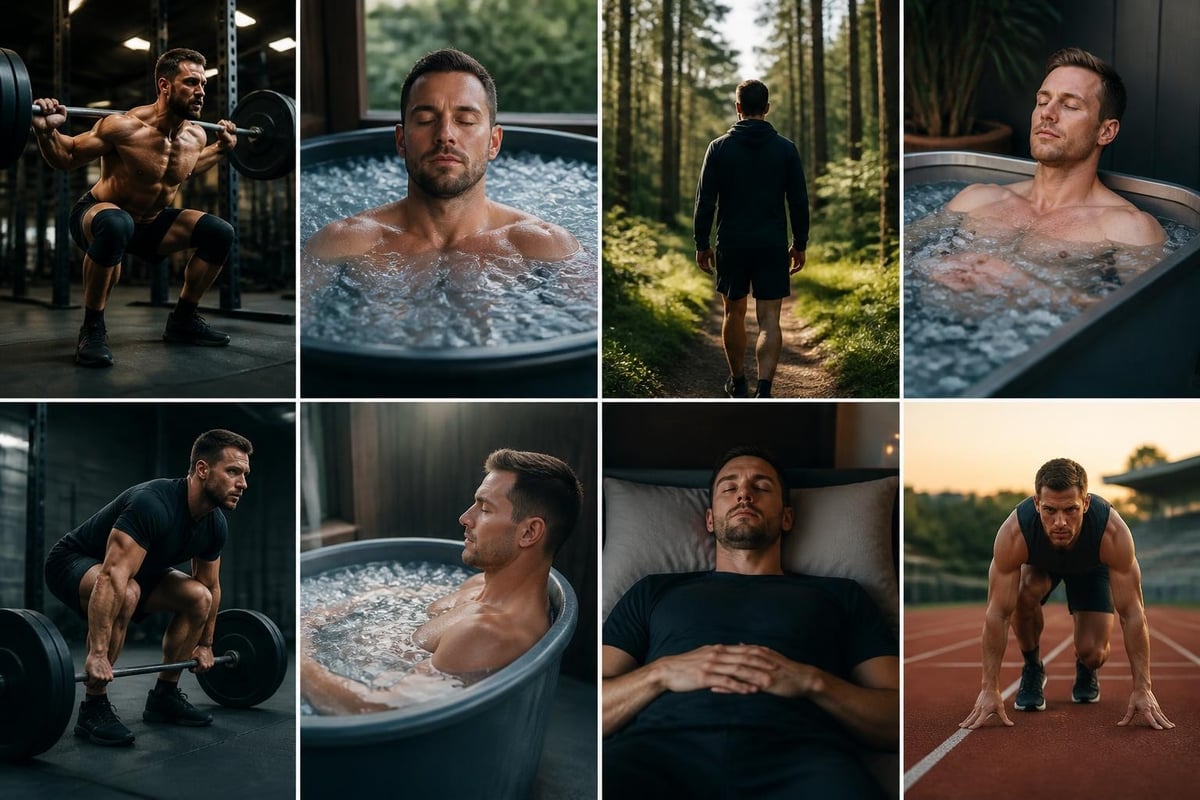
Alternating between hot and cold exposure amplifies recovery benefits. This technique, popular among professional athletes, leverages temperature differential to enhance circulation and waste removal.
Basic contrast protocol:
- Hot exposure (sauna or hot tub): 10-15 minutes at 160-180°F
- Cold plunge: 3-5 minutes at 40-50°F
- Repeat cycle 3-4 times
- Always end with cold exposure
The physiological response includes vascular pumping that flushes metabolic waste products and delivers fresh nutrients to recovering tissues. Users report reduced soreness and faster recovery compared to cold therapy alone.
Contrast therapy requires both hot and cold systems. Those investing in cold plunging often add complementary heat therapy within 12-24 months after experiencing the benefits of temperature-based recovery.
Maintenance and Long-Term Care
Proper maintenance protects your investment and ensures safe, hygienic use for years. Systematic care prevents expensive repairs and extends system lifespan.
Seasonal Considerations for Outdoor Systems
Winter operation in freezing climates requires planning. Water expands when frozen, potentially cracking shells or damaging plumbing.
Winterization options:
- Continuous operation: Maintain circulation and temperature control year-round
- Complete drainage: Remove all water and protect internal components
- Partial drainage with antifreeze: Protect plumbing while maintaining some water mass
Canadian winters make year-round operation challenging but not impossible. Insulated covers and adequate heating capacity allow cold plunging even in sub-zero conditions. The operational cost increases, but many dedicated users accept this for uninterrupted access.
Alternatively, seasonal drainage and storage extends equipment life with minimal winter operating costs. Spring recommissioning requires thorough cleaning and system checks before resuming use.
Water Chemistry Management
Balanced water chemistry prevents equipment corrosion, maintains hygiene, and ensures comfortable immersion.
Target parameters:
- pH: 7.2-7.6
- Total alkalinity: 80-120 ppm
- Sanitizer (chlorine or bromine): 1-3 ppm
- Hardness: 150-250 ppm
Test water weekly using reliable test strips or digital meters. Adjust chemistry gradually, allowing time for circulation before retesting. Extreme swings in pH or sanitizer levels stress materials and create uncomfortable immersion conditions.
Cedar tubs require lower sanitizer levels to prevent wood degradation. Bromine works better than chlorine for wooden systems, as it's gentler on natural materials while maintaining effective sanitation.
Component Replacement Schedules
Even quality systems require periodic component replacement. Planning for these costs prevents surprise expenses.
| Component | Replacement Frequency | Approximate Cost |
|---|---|---|
| Filter cartridges | 3-6 months | $30-80 |
| Circulation pump | 5-7 years | $200-400 |
| Chiller compressor | 8-12 years | $600-1,200 |
| Cedar exterior sealing | Annually | $50-100 (DIY) |
| HDPE liner (if applicable) | 10-15 years | $400-800 |
Proactive replacement based on performance degradation costs less than emergency repairs. Monitor filter pressure, temperature maintenance consistency, and unusual noises that signal developing problems.
Frequently Asked Questions
How long should I stay in a cold plunge tub?
Beginners should start with 2-3 minutes and gradually build to 5-8 minutes as adaptation occurs. Most therapeutic benefits occur within this timeframe. Sessions exceeding 10-12 minutes rarely provide additional benefits and may increase hypothermia risk.
What temperature should plunge tubs be set to?
Therapeutic ranges span 39-55°F. Beginners should start at 50-55°F and progress to 39-45°F over several weeks. Colder isn't always better; consistency and duration matter more than extreme temperatures.
Can I use a plunge tub every day?
Yes, daily use is safe for most healthy adults once adapted. Many athletes plunge 5-7 days per week during heavy training periods. Listen to your body and reduce frequency if you experience excessive fatigue or other negative symptoms.
Do plunge tubs require special electrical hookups?
Systems with active chillers typically require dedicated 120V or 240V circuits depending on chiller capacity. Passive systems without electrical cooling require only standard outlets for filtration pumps. Consult electricians for proper installation.
How often do you need to change the water?
With proper filtration and chemistry management, water changes every 3-4 months suffice for residential use. Heavy use or inadequate sanitation may require monthly changes. Always change water if it becomes cloudy or develops odors despite proper chemical treatment.
Are plunge tubs better than ice baths?
Plunge tubs offer consistency, convenience, and precise temperature control that traditional ice baths cannot match. The initial investment is higher, but long-term ease of use and reliable therapeutic temperatures make dedicated systems superior for regular use.
Investing in quality cold therapy equipment transforms recovery from an occasional luxury to a daily practice. The combination of reduced inflammation, faster recovery, and enhanced mental clarity delivers measurable improvements in performance and wellbeing for committed users. Plunge N' Tubs manufactures premium cold plunge systems from Canadian-sourced materials, delivering professional-grade recovery solutions with free shipping across North America to bring therapeutic cold exposure directly to your home.
Share:
Best Time to Cold Plunge for Maximum Recovery