



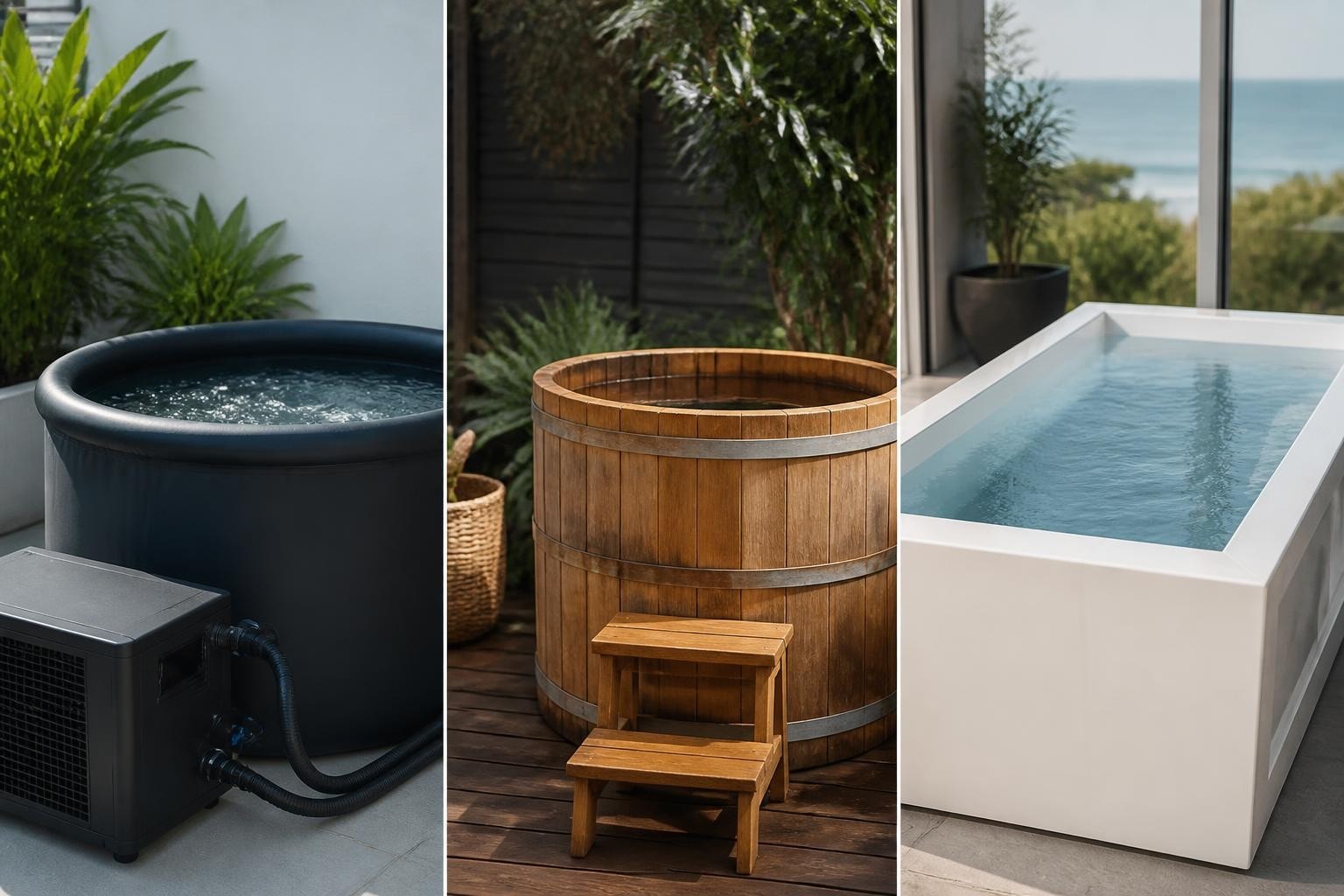
Cold plunge systems have transformed from exclusive wellness center equipment to accessible home recovery tools. Athletes, biohackers, and health-conscious individuals now install these systems in their backyards, garages, and bathrooms to access daily cold therapy benefits without monthly memberships or travel time. Understanding the different types, features, and considerations helps you choose a system that matches your recovery goals and budget.
What Are Cold Plunge Systems and How Do They Work
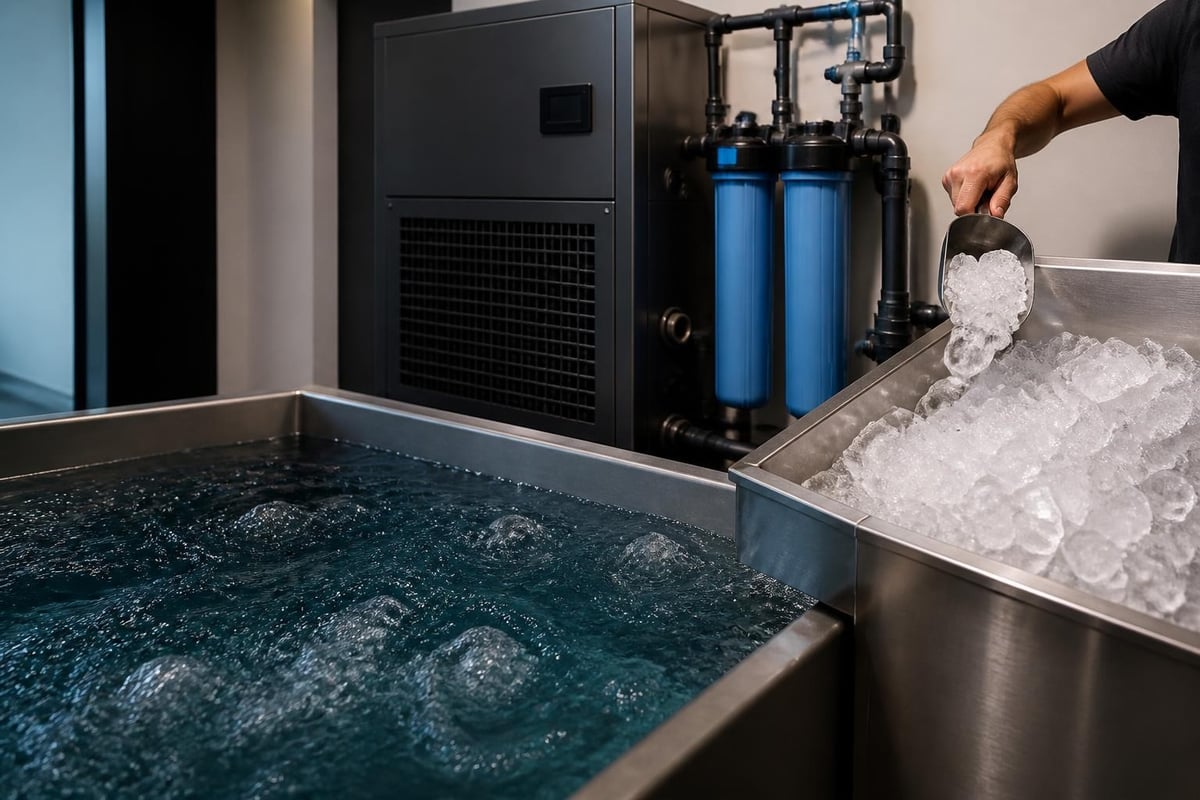
Cold plunge systems are specialized tubs designed to maintain water temperatures between 37°F and 55°F for therapeutic cold immersion. Unlike filling a bathtub with ice, these systems use either electric chillers or insulated designs to keep water consistently cold.
Core Components of Modern Systems
Most cold plunge systems include several key elements:
- Insulated tub structure (wood, acrylic, or stainless steel)
- Temperature control mechanism (electric chiller or ice-based cooling)
- Filtration system to keep water clean between uses
- Water circulation to maintain even temperature throughout
The distinction between systems lies primarily in how they achieve and maintain cold temperatures. Electric chiller systems plug into standard outlets and regulate temperature automatically, while traditional systems rely on adding ice or connecting to external cooling units.
Types of Cold Plunge Systems Available in 2026
The market offers several distinct categories, each with specific advantages.
Premium Wood Systems
Wooden cold plunge systems use naturally insulating materials like Eastern White Cedar or Pacific Cedar. These systems combine traditional craftsmanship with modern cooling technology, offering both aesthetic appeal and functional performance.
Benefits of wood construction:
- Natural insulation reduces energy costs
- Outdoor-rated durability for year-round use
- Premium appearance that complements outdoor spaces
- Real wood materials withstand temperature extremes
Many cold plunge enthusiasts prefer wood systems because they integrate seamlessly into backyard wellness setups alongside saunas and hot tubs.
Acrylic and Composite Systems
Modern acrylic systems provide sleek, contemporary designs with integrated technology. These units often feature digital controls, LED lighting, and smartphone connectivity.
| Feature | Wood Systems | Acrylic Systems |
|---|---|---|
| Insulation | Natural wood properties | Foam-backed construction |
| Maintenance | Periodic sealing | Wipe-clean surfaces |
| Aesthetic | Traditional, rustic | Modern, minimalist |
| Installation | Often assembled on-site | Plug-and-play |
Portable and Inflatable Options
Budget-conscious users often start with portable systems. These lightweight options work well for testing cold therapy before investing in permanent installations, though they typically lack advanced temperature control.
Key Benefits Backed by Research
Cold plunge systems deliver measurable physiological effects when used consistently. Understanding these benefits helps set realistic expectations.
Physical Recovery and Performance
Cold water immersion reduces inflammation by constricting blood vessels, then promoting fresh blood flow when you warm up. Athletes report faster recovery between training sessions, with studies showing reduced muscle soreness 24-72 hours after intense exercise.
Recovery timeline after cold plunge:
- 0-5 minutes: Initial vasoconstriction reduces inflammation
- 5-15 minutes: Core temperature drops, triggering adaptive responses
- Post-plunge: Rewarming increases circulation and nutrient delivery
- 24-48 hours: Reduced soreness and improved range of motion
Mental Clarity and Stress Response
Regular cold exposure trains your nervous system to handle stress more effectively. The controlled discomfort of cold plunging builds mental resilience that transfers to daily challenges.
Many users report improved focus for 2-4 hours following morning plunges. The release of norepinephrine during cold exposure enhances attention and mood, creating a natural alternative to caffeine dependence.
Sleep Quality Improvements
Evening cold plunges (completed at least 2 hours before bed) can improve sleep quality by resetting your body's temperature regulation. The post-plunge warming effect triggers relaxation responses that prepare your body for rest.
What to Look for When Buying a Cold Plunge System
Making the right choice requires evaluating several critical factors beyond initial price.
Temperature Control Capabilities
The most important specification is how the system maintains cold temperatures. Electric chiller systems provide consistent results but add $800-$3,000 to the base price. Consider whether you want:
- Set-and-forget automation with digital controls
- Manual ice addition for occasional use
- Hybrid systems that work with or without chillers
Systems with built-in chillers typically maintain temperatures within 1-2 degrees of your target, while ice-based systems fluctuate more widely.
Material Quality and Durability
Cold plunge systems face harsh conditions-freezing water, outdoor weather, and daily temperature cycling. Premium materials justify higher costs through longevity.
Material comparison:
- 304 Stainless Steel: Corrosion-resistant, long lifespan, industrial appearance
- Eastern White Cedar: Natural rot resistance, beautiful aging, requires maintenance
- Marine-grade Acrylic: Scratch-resistant, modern look, excellent insulation
- HDPE Plastic: Budget-friendly, lightweight, less premium feel
For those investing in long-term wellness routines, premium cold plunge options using quality materials deliver better value over 5-10 years than cheaper alternatives requiring replacement.
Size and Installation Requirements
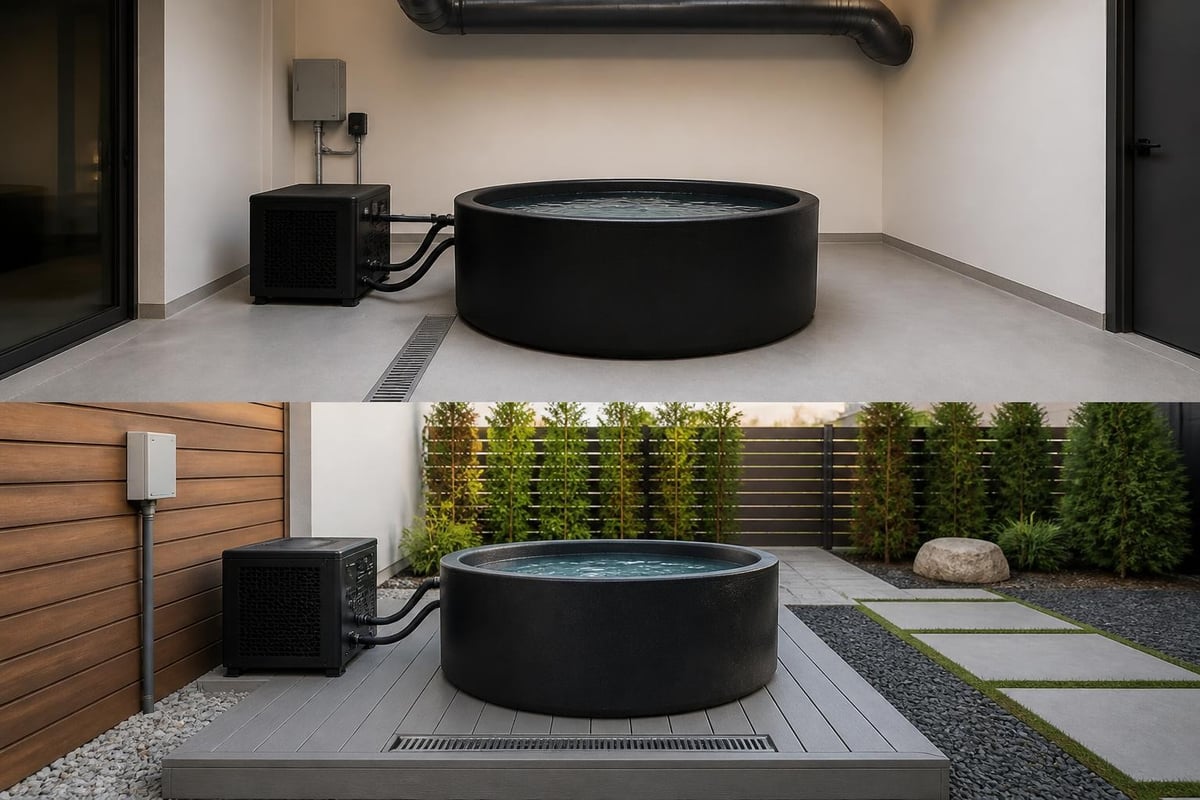
Measure your available space carefully before purchasing. Most systems require:
- Floor space: 4-6 feet in diameter or length
- Electrical access: 110V or 220V outlet within 10 feet
- Drainage: Nearby access for water changes
- Ventilation: Important for indoor installations
Consider whether you want a sit-down design (more compact) or a full-body immersion system (better coverage but larger footprint).
Filtration and Water Maintenance
Clean water is non-negotiable for health and safety. Quality systems include:
- Multi-stage filtration removing particles and contaminants
- Ozone or UV sanitization reducing chemical needs
- Circulation pumps preventing stagnant water
- Easy-access filter cleaning
Budget an additional $20-50 monthly for filter replacements, sanitizing chemicals, and electricity for pumps and chillers.
Is a Cold Plunge System Worth the Investment?
This depends entirely on your usage frequency and available alternatives.
Cost-Benefit Analysis
A quality cold plunge system costs $3,000-$12,000 installed. Compare this to:
- Gym memberships with cold plunge: $100-300/month = $1,200-3,600 yearly
- Recovery center sessions: $30-80 per visit = $780-4,160 yearly (for 2x weekly use)
- Ice and cooler method: $10-20 weekly = $520-1,040 yearly
If you plan to cold plunge 3+ times weekly, a home system pays for itself within 1-3 years while offering convenience that improves consistency.
Break-Even Timeline by Usage Frequency
| Usage Pattern | Break-Even Point | Annual Savings After |
|---|---|---|
| Daily (365x/year) | 12-18 months | $2,000-4,000 |
| 4x weekly (208x/year) | 18-30 months | $1,200-2,400 |
| 2x weekly (104x/year) | 30-48 months | $600-1,200 |
The non-financial benefits-avoiding commutes, plunging on your schedule, and maintaining consistency-often matter more than pure cost savings.
Who Should Buy a Cold Plunge System
Cold plunge systems serve specific user profiles better than others.
Ideal Candidates
Athletes and active individuals who train 4+ days weekly benefit most. Cold plunging becomes part of a structured recovery protocol alongside sleep, nutrition, and stretching. The time savings alone justify the investment when recovery quality impacts training volume.
Biohackers and wellness enthusiasts tracking performance metrics find cold plunging integrates well with other optimization practices. Many report it as the single highest-ROI wellness investment alongside quality sleep.
People with inflammatory conditions often experience symptom relief with regular cold exposure, though you should consult healthcare providers before starting cold therapy for medical conditions.
Who Should Wait or Choose Alternatives
If you're still exploring whether cold therapy works for your body, start with ice baths or gym facilities. Investing thousands before confirming you'll maintain consistency wastes money.
People with limited space or frequent relocations benefit from portable systems or gym memberships offering flexibility.
Common Mistakes Beginners Make
Avoiding these errors saves money and frustration.
Oversized Systems for Available Space
The biggest mistake is buying a system that doesn't fit your actual space. Measure twice, order once. Account for:
- Door widths if moving through your home
- Ceiling height for indoor installations
- Access to electrical and water connections
- Space around the tub for safe entry and exit
Underestimating Operating Costs
Cold plunge systems consume electricity for chillers and pumps. Budget $30-80 monthly for:
- Chiller operation: $25-60 depending on ambient temperature
- Pump and filtration: $5-15
- Water and chemicals: $5-10
Systems without adequate insulation in hot climates cost significantly more to operate.
Skipping Water Chemistry Education
Clean water requires basic maintenance knowledge. Learn about:
- pH balancing (target 7.2-7.6)
- Sanitizer levels (chlorine or bromine)
- Filter cleaning schedules
- Complete water changes every 3-6 months
Poor water maintenance leads to skin irritation, equipment damage, and premature system failure.
Temperature Too Extreme Initially
Starting at 40°F when you've never cold plunged guarantees misery and potential dropout. Begin at 55-60°F for 2-3 minutes, gradually working toward colder temperatures and longer durations over weeks.
Your body adapts to cold exposure, but forcing extreme conditions before adaptation builds dread instead of habit.
Setting Up Your Cold Plunge Routine
Consistency matters more than intensity for long-term benefits.
Optimal Timing and Duration
Most research supports:
- Morning plunges: Increase alertness and energy for 2-4 hours
- Post-workout: Reduce inflammation within 30-60 minutes of training
- Evening plunges: Complete at least 2 hours before bed to avoid sleep disruption
Duration guidelines by experience:
| Experience Level | Temperature | Duration | Frequency |
|---|---|---|---|
| Beginner | 55-60°F | 2-3 minutes | 2-3x weekly |
| Intermediate | 45-55°F | 5-8 minutes | 4-5x weekly |
| Advanced | 39-45°F | 10-15 minutes | Daily |
Breathing and Mental Techniques
Controlled breathing transforms cold plunging from suffering to meditation. Practice:
- Pre-plunge: 5-10 deep breaths to calm nervous system
- Entry: Slow, controlled breathing through initial shock
- Immersion: Focus on extending exhales to activate parasympathetic response
- Exit: Gradual rewarming without shivering excessively
Mental techniques like counting breaths or focusing on relaxing specific muscle groups help manage discomfort.
Integration with Other Recovery Modalities
Cold plunge systems work synergistically with other wellness practices.
Contrast Therapy Protocols
Alternating between cold and heat provides enhanced benefits. The classic protocol involves:
- Hot tub or sauna: 10-15 minutes
- Cold plunge: 3-5 minutes
- Repeat cycle 3-4 times
- End with cold for anti-inflammatory effects
This practice dramatically improves circulation and lymphatic drainage. Many users position their cold plunge systems near existing hot tubs or saunas for convenient contrast therapy.
Recovery Stack for Athletes
Comprehensive recovery combines multiple modalities:
- Cold plunge: Acute inflammation reduction
- Compression therapy: Lymphatic drainage
- Stretching/mobility: Range of motion maintenance
- Sleep optimization: Tissue repair and adaptation
- Nutrition timing: Glycogen replenishment and protein synthesis
Cold plunging represents one component of holistic recovery, not a complete solution.
Frequently Asked Questions
How often should I change the water in a cold plunge system?
With proper filtration and chemistry, change water every 3-6 months. Systems with ozone or UV sanitization extend this to 6-12 months. Monitor water clarity and odor as indicators.
Can I use a cold plunge system indoors?
Yes, but ensure adequate ventilation and waterproof flooring. Indoor systems need drainage access and may increase humidity. Consider a dehumidifier in enclosed spaces.
What's the ideal temperature for beginners?
Start at 55-60°F for 2-3 minutes. This provides therapeutic benefits while allowing adaptation. Drop temperature by 2-3 degrees every 1-2 weeks as tolerance builds.
Do I need a dedicated circuit for the chiller?
Most 1HP chillers run on standard 110V outlets drawing 10-12 amps. Larger systems may require 220V dedicated circuits. Check manufacturer specifications before installation.
How long does it take to cool water initially?
Chiller systems typically cool water at 3-5°F per hour depending on starting temperature and ambient conditions. Plan 6-12 hours for initial cooldown from tap temperature to 45°F.
Will cold plunging help with weight loss?
Cold exposure increases metabolic rate modestly (200-300 calories over several hours) through thermogenesis. However, this shouldn't be the primary motivation. Recovery and mental benefits provide more reliable value.
Cold plunge systems represent a significant but worthwhile investment for people committed to regular recovery and wellness practices. Understanding the different types, knowing what features matter most, and avoiding common beginner mistakes helps you choose a system that delivers value for years. Plunge N' Tubs offers premium cold plunge systems crafted from Canadian Eastern White Cedar, combining traditional craftsmanship with modern cooling technology. With fast, free delivery across North America and products trusted by athletes and wellness professionals, Plunge N' Tubs makes bringing professional-grade recovery home both accessible and reliable.
Share:
Wood Burning Jacuzzi: Complete Guide for 2026
Best Time to Cold Plunge for Maximum Recovery