

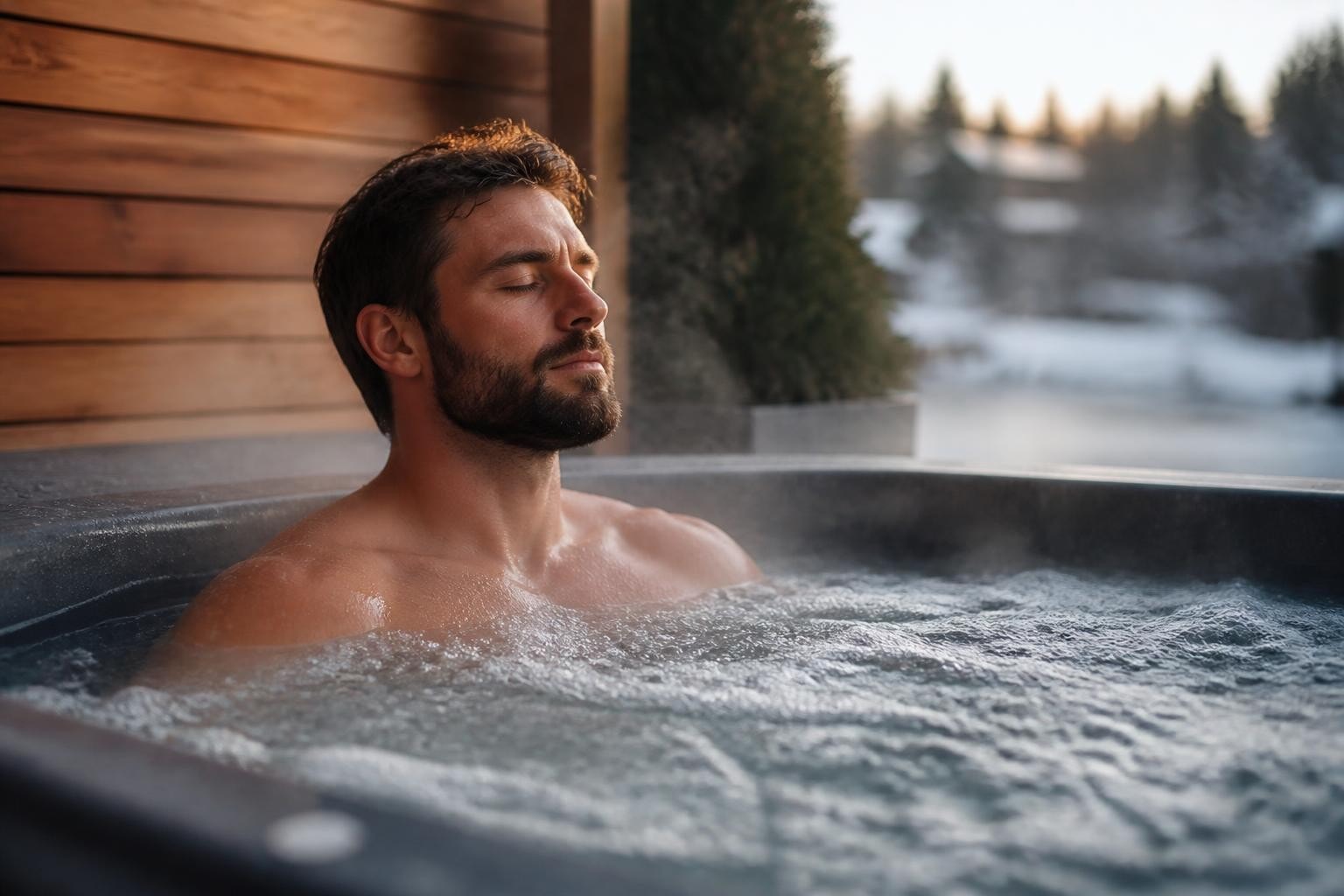
A cold jacuzzi is rapidly becoming the go-to recovery tool for athletes, biohackers, and wellness enthusiasts who want professional-grade cold therapy at home. Unlike traditional hot tubs, these systems maintain frigid temperatures between 37-55°F, delivering intense cold exposure that triggers powerful physiological responses. The science is clear: regular cold immersion reduces inflammation, accelerates muscle recovery, enhances circulation, and sharpens mental focus. What was once reserved for elite training facilities is now accessible for home use, and the results speak for themselves.
What Is a Cold Jacuzzi and How Does It Work
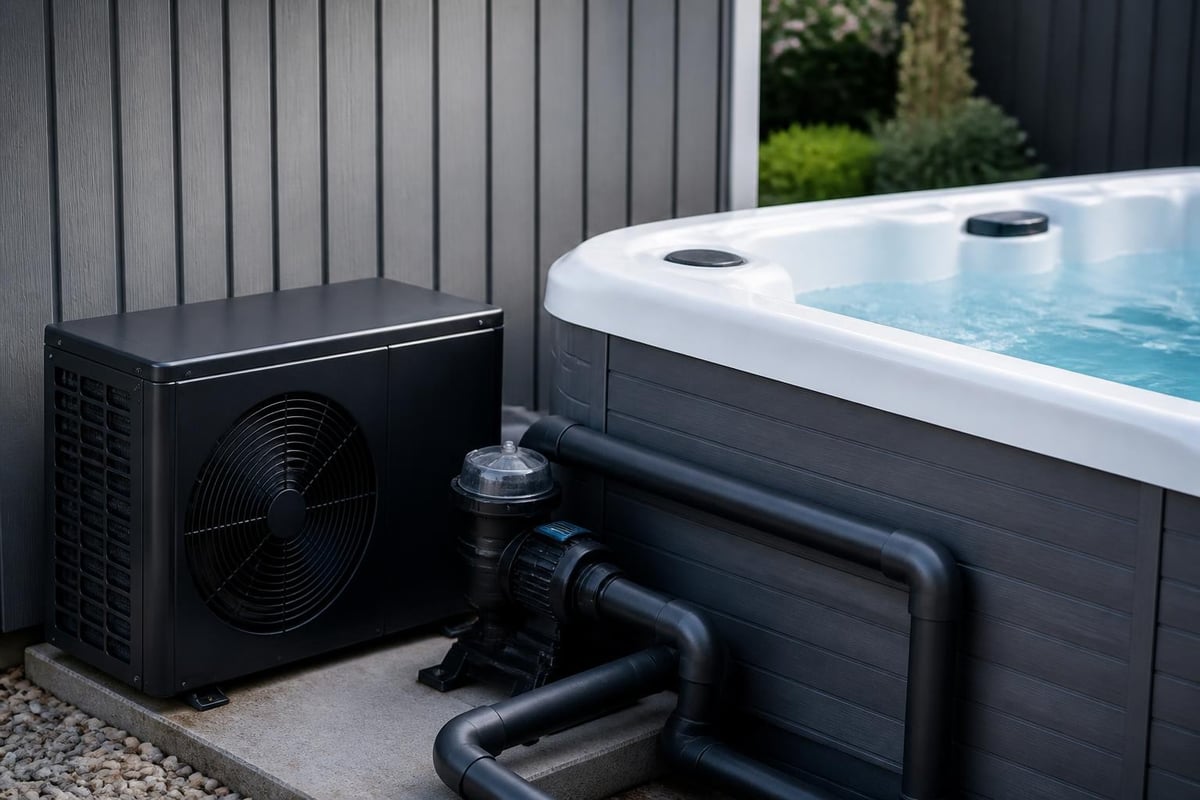
A cold jacuzzi is a specialized tub designed to maintain cold water temperatures for therapeutic immersion. Most systems feature integrated chillers, insulated walls, and filtration systems that keep water clean and consistently cold without constantly adding ice.
The mechanism is straightforward. A refrigeration unit circulates water through a cooling system, similar to how an air conditioner works. The thermostat maintains your target temperature, typically between 37-55°F, while the filtration system removes debris and maintains water quality.
Key components include:
- Chiller unit (typically 1-2 HP for residential use)
- Insulated tub construction (acrylic, stainless steel, or wood)
- Digital temperature control
- Water filtration and sanitization system
- Drainage and circulation pumps
Unlike ice baths that require constant refilling and ice purchasing, a cold jacuzzi operates continuously. You set your temperature once, and the system maintains it indefinitely. This consistency matters because effective cold therapy requires precise temperature control and extended exposure times that ice baths cannot reliably provide.
The Science Behind Cold Water Immersion
Cold exposure triggers a cascade of biological responses that extend far beyond simple muscle cooling. When you submerge in cold water, your body initiates vasoconstriction (blood vessel narrowing) to preserve core temperature. This process forces blood toward vital organs, then upon exiting, vasodilation occurs, flooding tissues with oxygen-rich blood.
Research from Harvard Health documents several measurable benefits from cold water immersion, including improved circulation and reduced muscle soreness. The physiological stress of cold exposure also activates brown fat tissue, which burns calories to generate heat, potentially supporting metabolic health.
The immune system responds aggressively to cold stress. Studies show regular cold plungers experience increased white blood cell counts and improved immune markers. Cleveland Clinic outlines how cold exposure may enhance the body's ability to fight infections and reduce systemic inflammation.
Mental health benefits are equally compelling. Cold immersion stimulates norepinephrine release, a neurotransmitter associated with focus, attention, and mood regulation. Many users report lasting improvements in mental clarity and reduced anxiety symptoms after establishing a consistent cold therapy routine.
Optimal Temperature and Duration
The sweet spot for cold jacuzzi therapy sits between 45-55°F for beginners and 37-45°F for experienced users. Duration matters as much as temperature. Start with 2-3 minute sessions and gradually build toward 10-15 minutes as your tolerance increases.
| Experience Level | Temperature Range | Session Duration | Frequency |
|---|---|---|---|
| Beginner | 50-55°F | 2-3 minutes | 2-3x per week |
| Intermediate | 45-50°F | 5-8 minutes | 4-5x per week |
| Advanced | 37-45°F | 10-15 minutes | Daily |
Consistency trumps intensity. Three 5-minute sessions weekly deliver better results than one brutal 15-minute plunge followed by a week off. Your nervous system adapts to regular cold exposure, making each session more comfortable while maintaining therapeutic benefits.
Cold Jacuzzi vs. Ice Bath: Which Is Better
Ice baths require constant preparation. You need 40-80 pounds of ice per session, a suitable container, and 20-30 minutes for water to reach target temperature. The ice melts during your session, creating uneven temperatures that compromise results. After one use, you drain everything and start over tomorrow.
A cold jacuzzi eliminates this hassle entirely. Set your temperature once, and it maintains that exact temperature 24/7. No ice purchases, no preparation time, no cleanup beyond basic filtration maintenance. The water stays clean through filtration, and you can use it multiple times daily if desired.
Cost comparison over one year:
- Ice bath: 300 sessions × 60 lbs ice × $3 per bag = $5,400
- Cold jacuzzi: $0 in ice + ~$50-80 monthly electricity = $600-960
The convenience factor cannot be overstated. With a cold jacuzzi, you remove the barrier to entry that causes most people to skip sessions. When recovery is as simple as stepping outside or into your garage, compliance skyrockets. That consistency is what delivers real results.
Temperature stability matters for therapeutic outcomes. Research published by Healthline suggests that consistent cold exposure provides more reliable benefits than fluctuating temperatures. A cold jacuzzi's precision control ensures every session delivers the same physiological stimulus.
Is a Cold Jacuzzi Worth the Investment
The upfront cost ranges from $3,000-15,000 depending on size, materials, and features. That seems steep until you calculate the alternatives. Cryotherapy clinics charge $50-100 per session. At three sessions weekly, you're spending $7,800-15,600 annually. A home cold jacuzzi pays for itself within 6-18 months.
But the real value extends beyond money. Time saved commuting to facilities, scheduling flexibility, and the ability to plunge exactly when your body needs it most, these factors multiply the return on investment exponentially.
Hidden costs to consider:
- Electricity: $50-80 monthly for chiller operation
- Water treatment: $10-20 monthly for sanitizers
- Maintenance: Filter replacements every 3-6 months ($30-60)
- Initial installation: $0-500 for electrical hookup if needed
Athletes who train hard 5-6 days weekly see dramatic improvements in recovery speed. Muscle soreness diminishes, sleep quality improves, and training capacity increases. For serious competitors, these performance gains justify the investment on their own merit.
Wellness-focused users report different but equally valuable benefits. Stress reduction, improved mood, enhanced mental clarity, and better immune function contribute to overall quality of life in ways that transcend dollar values. Many users describe their cold jacuzzi as life-changing, not just beneficial.
Who Should Buy a Cold Jacuzzi
Athletes and fitness enthusiasts represent the primary market, but the benefits extend much wider. Anyone dealing with chronic inflammation, recovery challenges, or seeking mental health improvements can benefit from cold therapy.
Ideal candidates include:
- Competitive athletes requiring rapid recovery between training sessions
- Weekend warriors experiencing prolonged muscle soreness
- Individuals managing inflammatory conditions (with physician approval)
- Biohackers optimizing performance and longevity
- High-stress professionals seeking daily mental reset
- People struggling with sleep quality or mood regulation
Age is less relevant than commitment. Cold therapy demands consistency and mental fortitude. The discomfort is real, though it diminishes with practice. If you struggle to stick with wellness routines, a cold jacuzzi might collect dust. But if you're disciplined about health practices, the returns are exceptional.
Medical considerations matter. Anyone with cardiovascular issues, Raynaud's disease, or cold sensitivity should consult physicians before beginning cold immersion therapy. The Associated Press examines both benefits and risks of cold water therapy, emphasizing the importance of proper medical guidance.
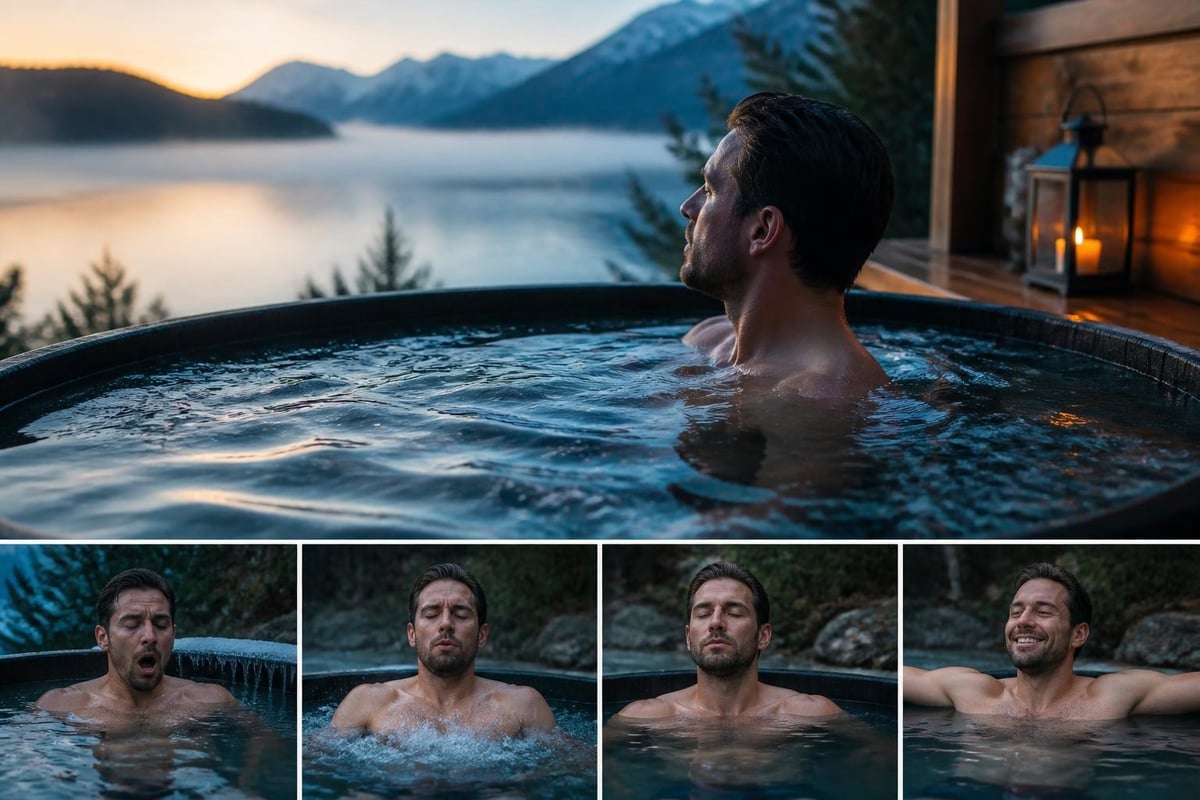
What to Look for When Buying a Cold Plunge Tub
Material quality determines longevity and maintenance requirements. Premium options include stainless steel (most durable, highest cost), acrylic (good balance of durability and price), and wood (beautiful aesthetic, requires more maintenance). Each material offers distinct advantages depending on your priorities and climate.
Chiller capacity directly impacts performance. A 1 HP chiller suffices for most residential tubs up to 100 gallons in moderate climates. Warmer regions or larger tubs (150+ gallons) require 1.5-2 HP units to maintain consistent temperatures. Undersized chillers run constantly, increasing electricity costs and reducing equipment lifespan.
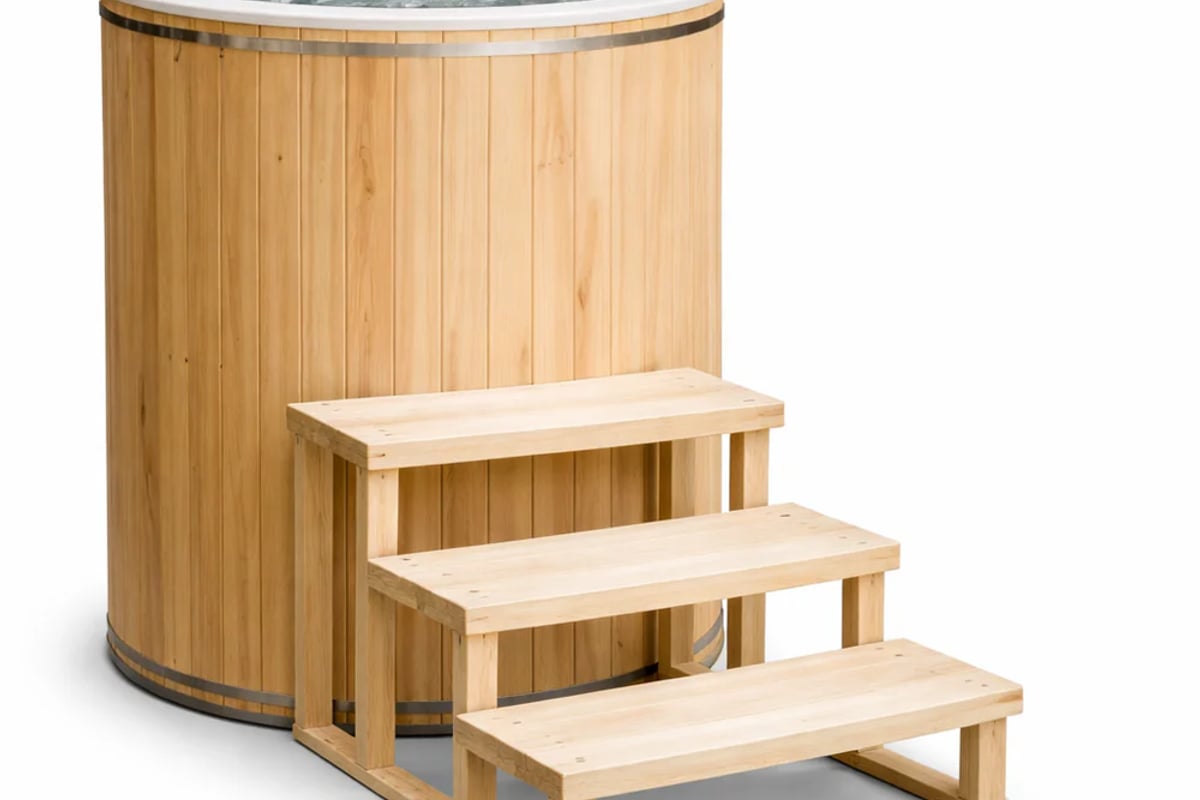
For those seeking premium cold therapy built from quality Canadian wood, The Baltic Plunge Tub offers exceptional durability with Eastern White Cedar construction. It arrives fully assembled and works with either an electric chiller for consistent temperature control or ice for occasional use, adapting to your specific recovery routine.
Critical Features Checklist
| Feature | Why It Matters | What to Look For |
|---|---|---|
| Insulation | Energy efficiency & temp stability | R-value of 10+ or 2+ inch foam walls |
| Filtration | Water clarity & hygiene | Minimum 50 GPM flow rate |
| Temperature Range | Versatility | 37-108°F for cold and contrast therapy |
| Warranty | Long-term protection | 3+ years on shell, 1+ year on chiller |
| Drainage | Convenience | Bottom drain with standard hose connection |
Size considerations balance space constraints with usage patterns. Solo users function well in 50-80 gallon tubs. Two-person capacity or taller individuals benefit from 100-150 gallon models. Anything larger becomes difficult to maintain and expensive to operate unless you're running a commercial facility.
Installation requirements vary significantly. Some units need dedicated 220V electrical circuits for the chiller, while others operate on standard 110V outlets. Water access for filling and drainage location for emptying matter more than most buyers initially realize. Plan the logistics before purchasing.
Common Mistakes Beginners Make
Jumping into 37°F water on day one is the fastest way to quit cold therapy forever. The shock overwhelms your nervous system, triggering panic responses that create negative associations. Start at 55-60°F for short sessions, then gradually decrease temperature as your body adapts. This progressive approach builds sustainable habits.
Neglecting breathing technique compromises the entire experience. When cold water hits your skin, your natural response is rapid, shallow breathing or breath holding. Instead, practice slow, controlled breathing before entering. Continue deliberate nasal inhales and extended exhales throughout your session. This maintains calm and extends your duration.
Beginner mistakes that sabotage success:
- Skipping warm-up movement before cold exposure
- Entering the water too quickly instead of gradual immersion
- Setting unrealistic duration goals that lead to failure
- Ignoring post-plunge warming protocols
- Plunging at inconsistent times instead of establishing routine
- Not tracking sessions to measure progress
Timing matters more than most realize. Morning plunges energize and improve focus for the day ahead. Evening sessions can interfere with sleep for some users due to the alertness response. Experiment with timing to find what supports your goals. TIME magazine discusses how cold exposure timing affects various physiological responses.
Poor water maintenance creates health risks and equipment damage. Test and balance water chemistry weekly, replace filters on schedule, and drain the tub every 2-3 months for deep cleaning. These simple practices prevent bacterial growth and extend equipment lifespan significantly.
Setting Up Your Cold Therapy Routine
Establishing a sustainable routine requires structure without rigidity. Choose 3-4 specific days weekly when cold plunging fits naturally into your schedule. Morning after waking, post-workout, or during lunch breaks work well for most people. Consistency matters more than daily use, especially when starting.
Pre-plunge preparation enhances both safety and results. Perform 5-10 minutes of light movement to elevate core temperature slightly. This makes cold entry less shocking while providing mental preparation time. Some users find meditation or breathing exercises helpful for managing the initial discomfort.
Sample Weekly Protocol
- Monday - Post-workout recovery: 6 minutes at 48°F
- Wednesday - Morning energy boost: 5 minutes at 50°F
- Friday - End-of-week reset: 8 minutes at 48°F
- Sunday - Recovery session: 7 minutes at 48°F
Post-plunge protocol deserves attention. Avoid immediately jumping into hot showers, which can trigger dizziness from rapid temperature changes. Instead, towel dry and allow your body to rewarm naturally or through light movement for 10-15 minutes. This extends the metabolic benefits of cold exposure.
TechRadar highlights research showing that proper recovery protocols maximize the immune and mood benefits of cold plunging. The adaptation period matters as much as the cold exposure itself.
Integration with Other Recovery Methods
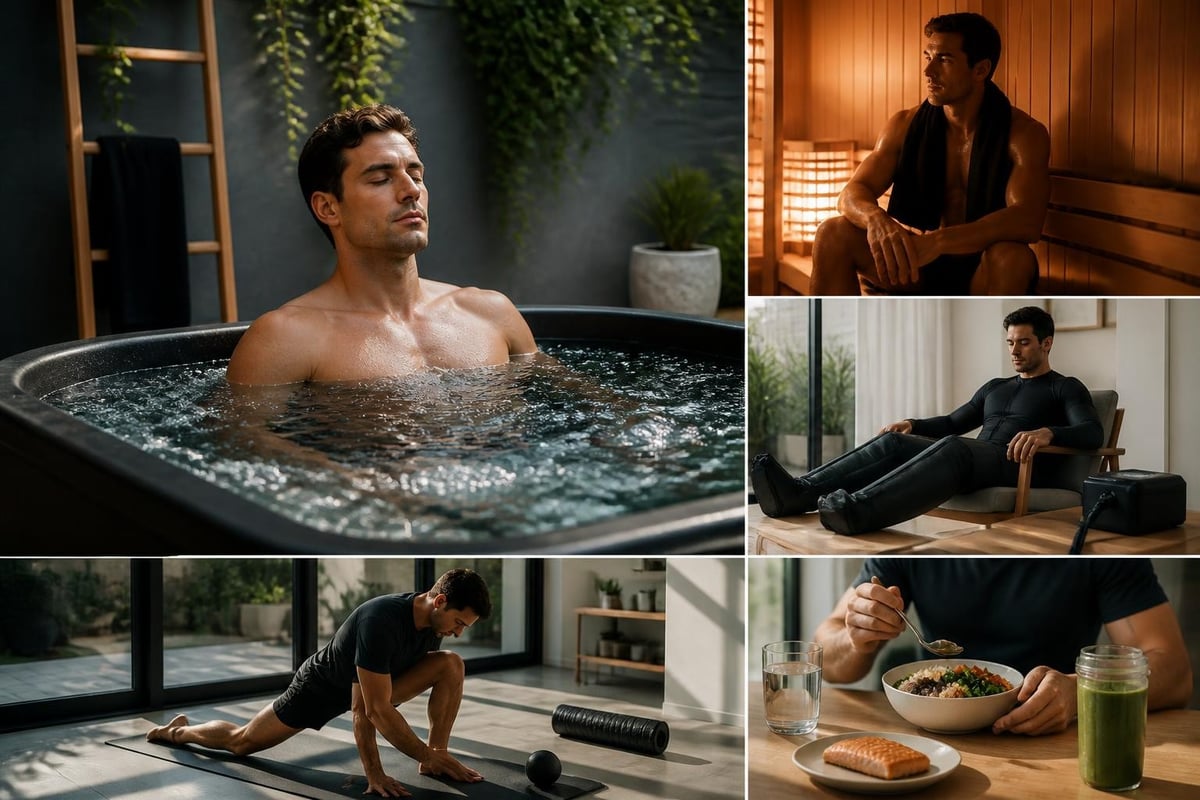
Cold jacuzzi therapy complements other modalities exceptionally well. Contrast therapy alternates between cold plunge and heat exposure (sauna or hot tub), creating powerful vascular pumping that accelerates recovery. The protocol: 3 minutes cold, 15 minutes heat, repeated 3-4 times, ending with cold.
Combining cold therapy with compression, massage, or stretching multiplies benefits. Many athletes plunge immediately post-workout, then perform mobility work once rewarmed. This sequence reduces inflammation while addressing muscular tension and range of motion limitations.
Sleep optimization represents another powerful synergy. Cold exposure 3-4 hours before bedtime can improve sleep quality by reducing core body temperature, a signal that promotes deeper rest. Avoid plunging within 90 minutes of bedtime, as the alertness response may interfere with falling asleep.
Nutrition timing around cold exposure affects results. Plunging in a fasted state may enhance fat burning through increased norepinephrine, though the evidence remains preliminary. Post-plunge protein intake supports the recovery processes that cold therapy accelerates.
Maintenance and Long-Term Care
Water chemistry management prevents bacterial growth and equipment corrosion. Test pH and sanitizer levels weekly, adjusting as needed to maintain pH between 7.2-7.8. Unlike hot tubs, cold water requires less sanitizer due to reduced bacterial growth at low temperatures, but consistent monitoring remains essential.
Filter maintenance directly impacts water quality and chiller efficiency. Rinse filters weekly with a hose to remove debris. Deep clean monthly by soaking in filter cleaner solution overnight, then rinsing thoroughly. Replace filters every 3-6 months depending on usage frequency and water conditions.
Seasonal maintenance checklist:
- Spring: Deep clean tub, check all connections, test chiller performance
- Summer: Monitor water temperature stability in heat, increase filtration cycles
- Fall: Inspect insulation, prepare for temperature drops, clean thoroughly
- Winter: Consider winterization in freezing climates or maintain year-round use
Chiller units require annual professional inspection for optimal performance. Refrigerant levels, electrical connections, and cooling fins all need checking. This preventive maintenance prevents costly failures and maintains energy efficiency. Most manufacturers recommend professional service every 12-18 months.
Wood tubs demand additional care. Apply appropriate sealant annually to prevent cracking and maintain water resistance. Eastern White Cedar and other premium woods naturally resist rot, but proper treatment extends lifespan from years to decades. For expert guidance on maintaining premium cold plunge systems, Plunge N' Tubs provides detailed care instructions with every purchase.
Frequently Asked Questions
How cold should my first cold jacuzzi session be? Start at 55-60°F for 2-3 minutes. This temperature provides therapeutic benefits while remaining manageable for newcomers. Gradually decrease temperature by 2-3 degrees weekly as your tolerance builds.
Can I use a cold jacuzzi daily? Yes, daily use is safe for most healthy adults and provides compounding benefits. However, 3-4 times weekly delivers excellent results while allowing rest days. Listen to your body and adjust frequency based on how you feel.
How long does it take to see results? Most users notice improved energy and reduced muscle soreness within 1-2 weeks. Significant changes in recovery speed, sleep quality, and mental clarity typically appear after 4-6 weeks of consistent use.
What if I have high blood pressure or heart conditions? Consult your physician before beginning cold therapy. Cold immersion increases blood pressure temporarily and stresses the cardiovascular system. Many people with managed conditions safely use cold therapy under medical supervision, but individual assessment is critical.
How much does it cost to run a cold jacuzzi monthly? Expect $50-80 in electricity costs for the chiller, plus $10-20 for water treatment chemicals. Actual costs vary based on local electricity rates, ambient temperature, and usage frequency.
Do I need to change the water frequently? With proper filtration and chemical balance, change water every 2-3 months. More frequent changes may be necessary with heavy use or if water quality degrades despite proper maintenance.
A cold jacuzzi transforms recovery from an afterthought into a competitive advantage, delivering measurable improvements in performance, mental clarity, and overall wellness when used consistently. Whether you're an athlete pushing physical limits or someone seeking better health through proven therapeutic methods, cold immersion therapy offers real, science-backed benefits that compound over time. Plunge N' Tubs provides premium cold plunge systems crafted from the highest quality Canadian wood, with fast and free delivery across North America, making professional-grade recovery accessible for your home.
Share:
Cold Spas: Benefits, Buyer's Guide & Expert Tips
Cheapest Ice Baths: Budget Cold Plunge Options 2026