

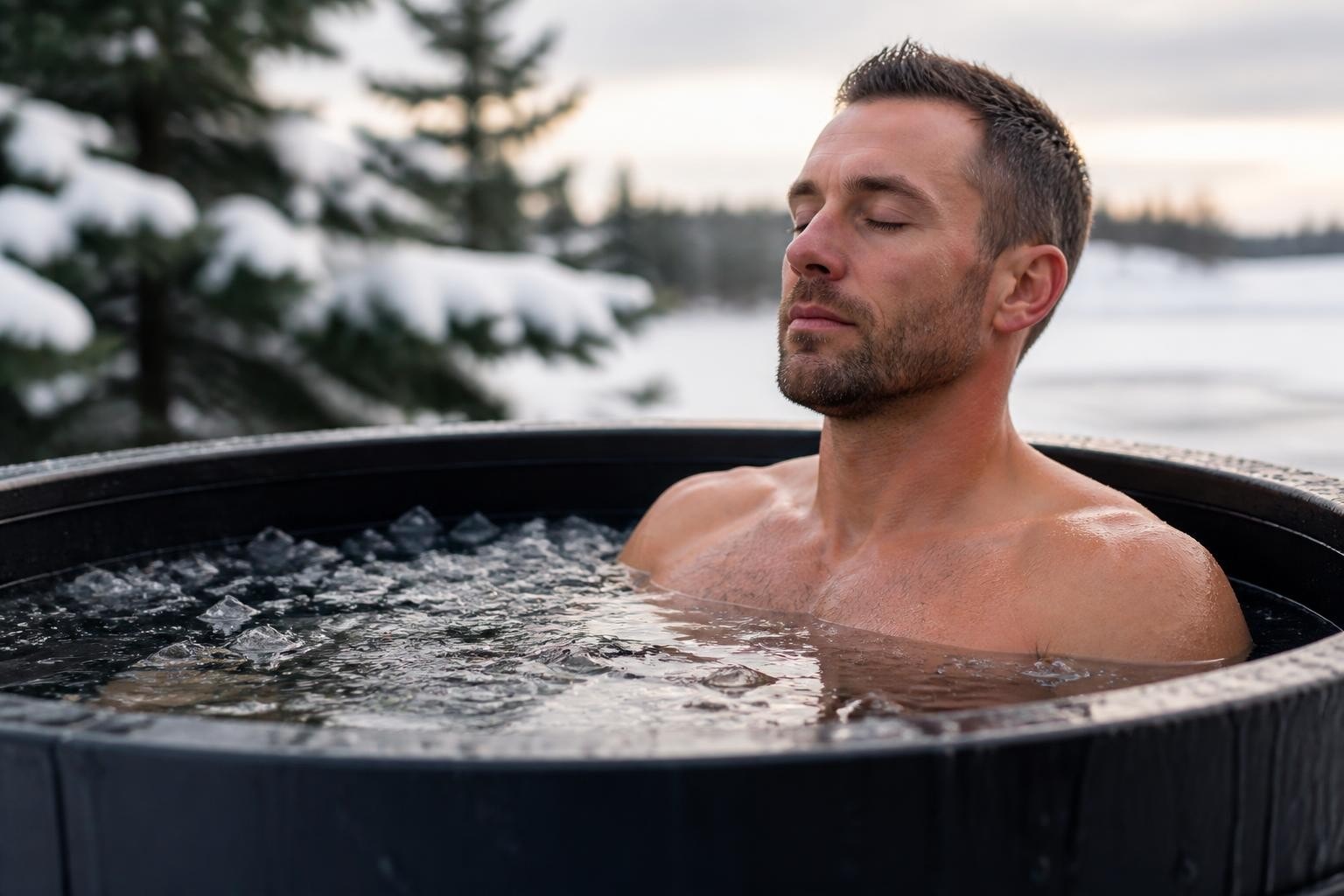
Cold spas have transformed from a niche recovery tool used exclusively by elite athletes into a mainstream wellness solution for anyone seeking better recovery, reduced inflammation, and improved mental performance. These specialized cold water immersion systems maintain precise temperatures between 37°F and 55°F, providing therapeutic benefits that regular ice baths simply cannot match. Whether you're an athlete looking to accelerate recovery, a wellness enthusiast exploring biohacking, or someone managing chronic inflammation, understanding how cold spas work and what to look for can help you make an informed investment in your health.
Understanding Cold Spas and How They Work
Cold spas differ significantly from traditional ice baths or freezing plunge pools. These systems use advanced chilling technology to maintain consistent water temperatures, eliminating the hassle of constantly adding ice and ensuring predictable therapeutic effects every session.
The Science Behind Cold Water Therapy
When you immerse yourself in cold water, your body triggers several physiological responses that contribute to recovery and wellness. Blood vessels constrict, reducing inflammation in muscles and joints. Your nervous system activates, releasing norepinephrine and endorphins that improve mood and mental clarity. Research from Harvard Health highlights how cold water immersions can improve circulation and reduce muscle soreness after intense physical activity.
The cardiovascular system also responds to cold exposure by improving blood flow efficiency. As your body works to maintain core temperature, it strengthens the connection between your circulatory and metabolic systems. This process, known as cold thermogenesis, can even support metabolic health over time.
Key Components of Modern Cold Spas
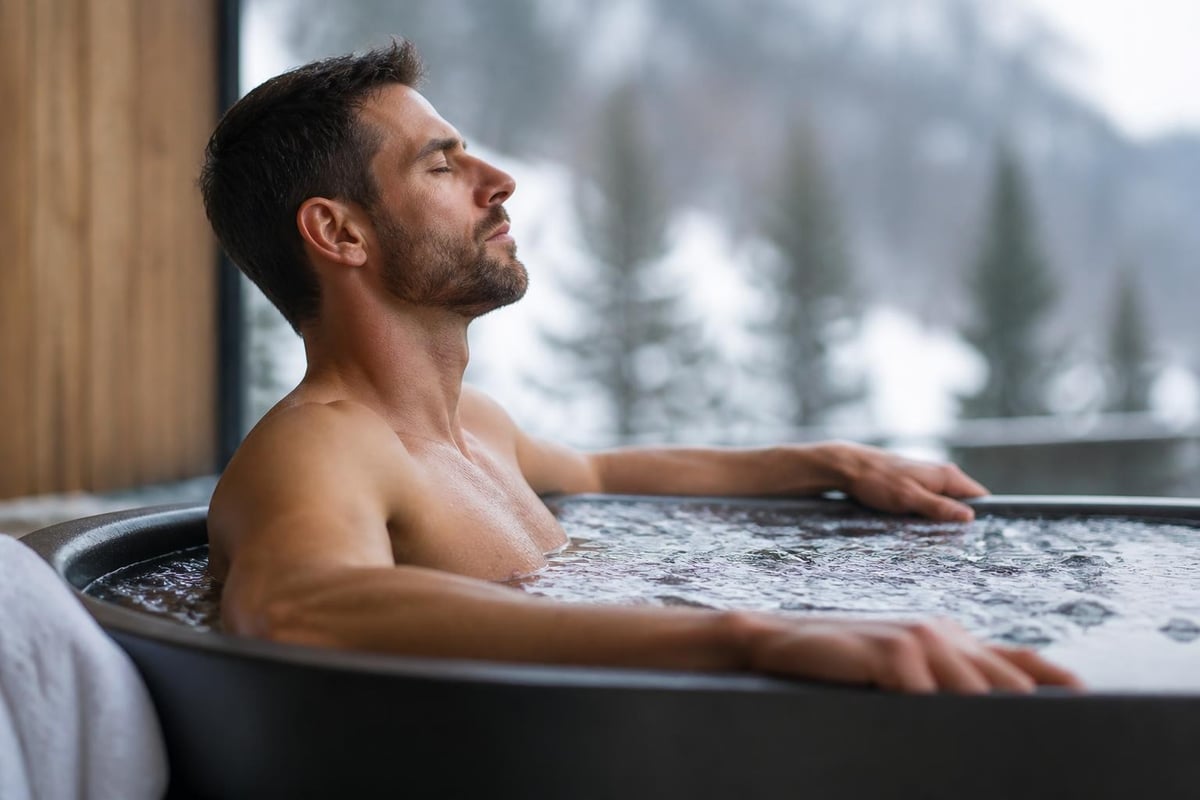
Quality cold spas incorporate several critical features that separate them from makeshift solutions:
- Integrated chilling systems that maintain precise temperatures without ice
- Filtration and sanitation to keep water clean between sessions
- Insulated construction to minimize energy consumption
- Digital controls for temperature monitoring and scheduling
- Durable materials like stainless steel, acrylic, or premium wood
The Plunge N' Tubs collection showcases various models featuring these components, each designed to meet different space requirements and usage patterns.
Benefits of Regular Cold Spa Use
Cold spas deliver measurable improvements across multiple aspects of health and performance. Understanding these benefits helps you set realistic expectations and track your progress.
Physical Recovery and Performance
Athletes and fitness enthusiasts have long recognized the recovery advantages of cold water immersion. Cold spas reduce delayed onset muscle soreness (DOMS) by decreasing inflammation and clearing metabolic waste products from muscle tissue. Sessions lasting 10-15 minutes at temperatures between 50°F and 55°F provide optimal recovery benefits without excessive stress on the body.
According to the Cleveland Clinic's overview of cold plunges, regular cold water immersion can enhance muscle recovery and improve overall athletic performance when incorporated into a consistent routine.
| Recovery Benefit | Mechanism | Recommended Duration |
|---|---|---|
| Reduced muscle soreness | Decreased inflammation markers | 10-15 minutes |
| Faster recovery time | Improved waste removal | 3-5 sessions per week |
| Enhanced circulation | Vasoconstriction followed by dilation | 8-12 minutes |
| Joint pain relief | Reduced swelling and inflammation | 12-15 minutes |
Mental Health and Cognitive Benefits
Beyond physical recovery, cold spas offer significant mental health advantages. The controlled stress of cold exposure trains your nervous system to handle adversity more effectively. Many users report improved focus, reduced anxiety, and better stress management after establishing a regular cold spa routine.
The release of endorphins during cold immersion creates a natural mood elevation that can last for hours. This effect, combined with the accomplishment of completing a challenging practice, builds mental resilience over time. Research cited by Healthline suggests that cold water therapy may help reduce symptoms of depression and anxiety.
Sleep Quality and Metabolic Effects
Cold spas influence sleep architecture by lowering core body temperature in the evening, which signals your body to prepare for rest. Users who plunge 2-3 hours before bedtime often report falling asleep faster and experiencing deeper sleep stages.
The metabolic boost from cold exposure comes from brown fat activation. Unlike regular fat cells, brown fat burns calories to generate heat, potentially supporting long-term metabolic health when cold spa use becomes habitual.
Is a Cold Spa Worth the Investment?
The question of value depends on your specific goals, usage frequency, and current alternatives. Breaking down the costs and benefits provides clarity.
Cost Comparison Over Time
Consider what you currently spend on recovery and wellness. Gym memberships with cold plunge access typically cost $150-300 monthly. Cryotherapy sessions run $50-100 each. A quality home cold spa represents a significant upfront investment but eliminates ongoing fees.
Year One Comparison:
- Premium cold spa system: $3,000-8,000 (one-time)
- Gym with cold plunge access: $2,400 annually
- Weekly cryotherapy: $2,600-5,200 annually
By year two, most home systems have paid for themselves compared to recurring service costs. The convenience factor amplifies this value, as you eliminate travel time and can plunge on your schedule.
Who Benefits Most from Cold Spas
Certain groups see exceptional returns from cold spa ownership:
- Athletes and fitness enthusiasts training 4-6 days weekly
- People managing chronic inflammation from conditions like arthritis
- High-stress professionals seeking daily reset rituals
- Biohackers and longevity enthusiasts optimizing health metrics
- Recovery-focused individuals balancing intense training with proper restoration
If you fall into multiple categories, the value proposition strengthens considerably. Someone training daily while managing work stress will use a cold spa 7-14 times weekly, maximizing their investment.
Evaluating Your Commitment Level
Honest self-assessment matters. A cold spa gathering dust represents poor value regardless of its features. Ask yourself:
- Will I use this at least three times weekly?
- Do I have space for permanent installation?
- Am I committed to the discomfort of cold exposure?
- Have I tried cold showers or ice baths consistently?
Starting with cold showers for 30 days provides valuable insight into your tolerance and commitment before investing in a full system.
What to Look for When Buying a Cold Plunge Tub
Selecting the right cold spa requires understanding key specifications and how they align with your needs. Not all systems deliver equal performance or longevity.
Essential Features and Specifications
Temperature control stands as the most critical feature. Look for systems that can maintain temperatures between 37°F and 55°F consistently. The chilling capacity, measured in horsepower or BTUs, determines how quickly the system cools water and maintains temperature during use.
Critical Specifications:
| Feature | Minimum Standard | Premium Standard |
|---|---|---|
| Chiller power | 0.5 HP | 1.0+ HP |
| Temperature range | 45-55°F | 37-108°F |
| Water capacity | 60 gallons | 80-100 gallons |
| Filtration system | Basic cartridge | Multi-stage with UV/ozone |
| Energy efficiency | Standard insulation | R-20+ insulation value |
Construction materials dramatically impact durability and maintenance requirements. Stainless steel interiors offer exceptional longevity and easy cleaning. Premium wood exteriors like Canadian cedar provide natural insulation and aesthetic appeal. Acrylic systems deliver modern designs with excellent temperature retention.
For those prioritizing Canadian craftsmanship and natural materials, The Polar Plunge Tub combines white cedar construction with professional-grade components. Its stainless steel or HDPE plastic interior options provide flexibility for different preferences, while the durable exterior withstands year-round outdoor use. This model eliminates the need for gym memberships or spa visits, bringing cold therapy directly to your home on your schedule.
Size and Space Considerations
Cold spas range from compact single-person units to larger models accommodating full immersion for taller individuals. Measure your available space carefully, accounting for:
- Footprint dimensions including access for maintenance
- Clearance requirements for ventilation and equipment access
- Doorway and pathway dimensions for delivery and installation
- Electrical requirements for chiller and control systems
- Drainage access for water changes and winterization
Indoor installations require floor reinforcement to support 800-1,200 pounds when filled. Outdoor installations need level ground and weather protection considerations. The shipping information provided by quality manufacturers details these requirements thoroughly.
Maintenance and Operating Costs
Understanding ongoing costs prevents surprises. Electricity consumption varies based on chiller efficiency, insulation quality, and climate. Well-insulated units in temperate climates may add $30-60 monthly to electrical bills. Less efficient systems in hot climates can exceed $100 monthly.
Water treatment requires filtration media replacement, sanitation chemicals, and occasional deep cleaning. Budget approximately $20-40 monthly for maintenance supplies. Premium filtration systems with UV or ozone reduce chemical needs but increase upfront costs.
Common Mistakes Beginners Make with Cold Spas
New users often make predictable errors that diminish results or create unnecessary discomfort. Avoiding these mistakes accelerates your adaptation and maximizes benefits.
Starting Too Cold, Too Long
The most common beginner mistake involves attempting extreme sessions immediately. Starting at 40°F for 10 minutes when your body has no cold adaptation creates excessive stress without additional benefit. This approach often leads to abandoning the practice entirely.
Proper Progression Protocol:
- Week 1-2: Start at 60°F for 3-5 minutes
- Week 3-4: Reduce to 55°F for 5-7 minutes
- Week 5-6: Drop to 50°F for 8-10 minutes
- Week 7+: Experiment with 45-50°F for 10-15 minutes
Listen to your body throughout this progression. Shivering is normal, but intense pain or numbness signals excessive exposure. The cardiovascular considerations discussed by Harvard Health emphasize the importance of gradual adaptation, especially for those with heart conditions.
Neglecting Pre-Plunge Preparation
Jumping into cold water without preparation increases discomfort and reduces effectiveness. Proper preparation includes:
- Light movement or exercise to elevate core temperature slightly
- Controlled breathing practice to manage stress response
- Hydration to support circulation and temperature regulation
- Mental preparation through visualization or intention setting
Many experienced users perform 2-3 minutes of breathing exercises before entering, which significantly improves their tolerance and experience quality.
Inconsistent Usage Patterns
Cold adaptation requires consistent exposure. Using your cold spa sporadically prevents your body from developing beneficial adaptations. Users who plunge only once or twice weekly see minimal improvements compared to those maintaining 4-6 sessions weekly.
Establishing a routine helps tremendously. Morning plunges before work, post-workout recovery sessions, or evening wind-down rituals create sustainable habits. Schedule sessions in your calendar like any important appointment.
Ignoring Recovery Signals
While consistency matters, overuse creates problems. Daily cold exposure exceeding 20 minutes can suppress immune function and increase cortisol chronically. Adequate warm-up afterward matters too. Spending 10-15 minutes allowing natural rewarming, ideally with light movement, prevents blood pressure spikes and supports healthy recovery.
Watch for signs of excessive stress: persistent fatigue, irritability, disrupted sleep, or declining performance. These signals indicate the need to reduce frequency or duration temporarily.
Choosing Between Chiller-Based and Ice-Based Systems
The decision between powered chiller systems and ice-based models impacts your daily experience and long-term costs.
Chiller System Advantages
Chiller-based cold spas maintain precise temperatures automatically, providing consistent sessions without manual intervention. You set your desired temperature, and the system handles the rest. This convenience factor significantly improves adherence rates.
Modern chillers from quality manufacturers operate efficiently and quietly. Energy-efficient models feature programmable schedules, running during off-peak hours to minimize costs. The ability to heat water in some models adds year-round versatility.
- Consistent temperature control
- No ice purchasing or storage
- Lower long-term operating costs
- Multi-season functionality
- Hands-off operation
Ice-Based System Considerations
Ice-based systems offer lower upfront costs but require ongoing effort and expense. You'll need approximately 20-40 pounds of ice per session to achieve therapeutic temperatures, which costs $3-8 depending on your source. This adds up to $90-240 monthly for daily users.
The manual process of adding ice and monitoring temperature creates friction that reduces usage frequency for many people. However, ice-based systems work well for occasional users who prefer minimal equipment complexity.
Temperature consistency presents the primary challenge. Water warms gradually during your session unless you add ice continuously. This variability makes tracking progress and optimizing protocols more difficult.
Maximizing Results from Your Cold Spa
Getting the most from your investment requires strategic implementation beyond simply purchasing quality equipment.
Optimal Session Timing
When you plunge significantly impacts the benefits you receive. Morning sessions elevate alertness and mood for the day ahead. The norepinephrine release provides natural energy without caffeine dependence. Many high performers replace morning coffee with cold exposure.
Post-workout plunges target muscle recovery specifically. Timing within 30-90 minutes after training maximizes inflammation reduction and waste removal. However, some research suggests delaying cold exposure 4-6 hours after strength training may preserve muscle growth signaling.
Evening sessions 2-3 hours before bed lower core body temperature, facilitating faster sleep onset and deeper sleep architecture. Avoid plunging within 60 minutes of bedtime, as the initial activation can delay sleep temporarily.
Breathing Techniques for Better Tolerance
Controlled breathing transforms the cold spa experience from merely tolerable to genuinely beneficial. Box breathing (4-count inhale, 4-count hold, 4-count exhale, 4-count hold) calms the nervous system and improves CO2 tolerance.
Practice these techniques before entering:
- 2-3 minutes of box breathing to establish calm baseline
- 30 deep breaths to hyperventilate slightly (increases cold tolerance)
- Continuous nasal breathing throughout the session
- Extended exhales if anxiety or discomfort arises
The breathing focus provides mental distraction while actively supporting physiological adaptation. Over time, you'll notice improved breath control extending to other stressful situations.
Tracking Progress and Adjusting Protocols
Quantifying your experience helps optimize protocols and maintain motivation. Track these variables in a simple journal or app:
- Water temperature
- Session duration
- Time of day
- Subjective discomfort (1-10 scale)
- Post-session energy and mood
- Sleep quality that night
- Recovery markers (soreness, stiffness)
After 30 sessions, patterns emerge showing your optimal temperature, duration, and timing. Adjust one variable at a time to isolate effects and refine your approach.
Integrating Cold Spas into Comprehensive Wellness
Cold spas deliver maximum value when integrated thoughtfully with other recovery and wellness practices rather than used in isolation.
Complementary Recovery Methods
Combining cold therapy with other modalities creates synergistic effects. Heat exposure through saunas or hot tubs before cold plunging, known as contrast therapy, amplifies circulation benefits. The dramatic temperature shift forces blood vessels to dilate and constrict repeatedly, training cardiovascular responsiveness.
Active recovery through light movement, foam rolling, or massage complements cold spa use by addressing different recovery aspects. Cold therapy manages inflammation while mobility work maintains tissue quality and range of motion.
Nutrition timing around cold exposure matters too. Consuming protein and carbohydrates within 30 minutes after cold plunges may support optimal recovery by providing building blocks during the enhanced absorption window.
Building a Sustainable Routine
Long-term success requires sustainable integration into your lifestyle. Start by identifying natural trigger points in your existing schedule. If you shower every morning, position your cold spa nearby and plunge before showering. If you train in the evening, establish a post-workout plunge ritual.
Accountability mechanisms improve consistency. Some users join online communities sharing daily cold exposure. Others partner with family members or friends for shared sessions. The social element adds enjoyment while reinforcing commitment.
Seasonal adjustments prevent abandonment. Summer heat makes cold plunging effortless and appealing. Winter requires additional motivation and potentially shorter sessions at slightly warmer temperatures. Accepting this natural variation rather than forcing year-round consistency prevents burnout.
Frequently Asked Questions About Cold Spas
How cold should the water be for therapeutic benefits?
Most therapeutic benefits occur between 50°F and 55°F. Colder temperatures don't necessarily provide superior results and may create excessive stress. Beginners should start at 60°F and gradually decrease as adaptation occurs.
How long should I stay in a cold spa?
Effective sessions typically last 8-15 minutes. Beginners should start with 3-5 minutes and progressively increase duration. Sessions exceeding 20 minutes rarely provide additional benefits and may suppress immune function.
Can I use a cold spa every day?
Most people tolerate daily sessions well when keeping duration moderate (10-15 minutes). However, 4-6 sessions weekly often provides similar benefits with lower stress load. Listen to your body and adjust frequency based on recovery markers.
Should I plunge before or after workouts?
Post-workout plunging (within 30-90 minutes) targets muscle recovery effectively. Pre-workout cold exposure may reduce performance temporarily. For strength training specifically, some research suggests waiting 4-6 hours post-workout to preserve muscle growth signaling, though evidence remains mixed.
Are cold spas safe for everyone?
Cold spas are generally safe for healthy individuals but may pose risks for those with cardiovascular conditions, Raynaud's disease, or cold urticaria. Medical News Today's overview of cold shower benefits also discusses important safety considerations. Pregnant women and individuals with serious health conditions should consult healthcare providers before starting cold water therapy.
What maintenance do cold spas require?
Regular maintenance includes checking and cleaning filters weekly, testing and balancing water chemistry, and performing deep cleans monthly. Drain and refill the system every 3-6 months depending on usage frequency. Well-maintained systems require minimal intervention between sessions.
Do cold spas help with weight loss?
Cold exposure activates brown fat, which burns calories to generate heat. However, this effect is modest and shouldn't be considered a primary weight loss strategy. The metabolic benefits accumulate over months and years of consistent practice rather than producing dramatic short-term results.
Cold spas represent a powerful tool for recovery, wellness, and mental resilience when chosen carefully and used consistently. By understanding the science, avoiding common mistakes, and integrating cold therapy strategically into your routine, you can maximize the significant benefits these systems provide. Whether you're an athlete seeking faster recovery or a wellness enthusiast optimizing daily performance, investing in a quality cold spa from Plunge N' Tubs brings professional-grade cold therapy to your home. With premium Canadian craftsmanship, free delivery across North America, and systems trusted by athletes and wellness professionals, you can begin your cold therapy journey with confidence and convenience.
Share:
Hot Cold Plunge: The Ultimate Guide for 2026
Cold Jacuzzi: Recovery Benefits & Buying Guide 2026