



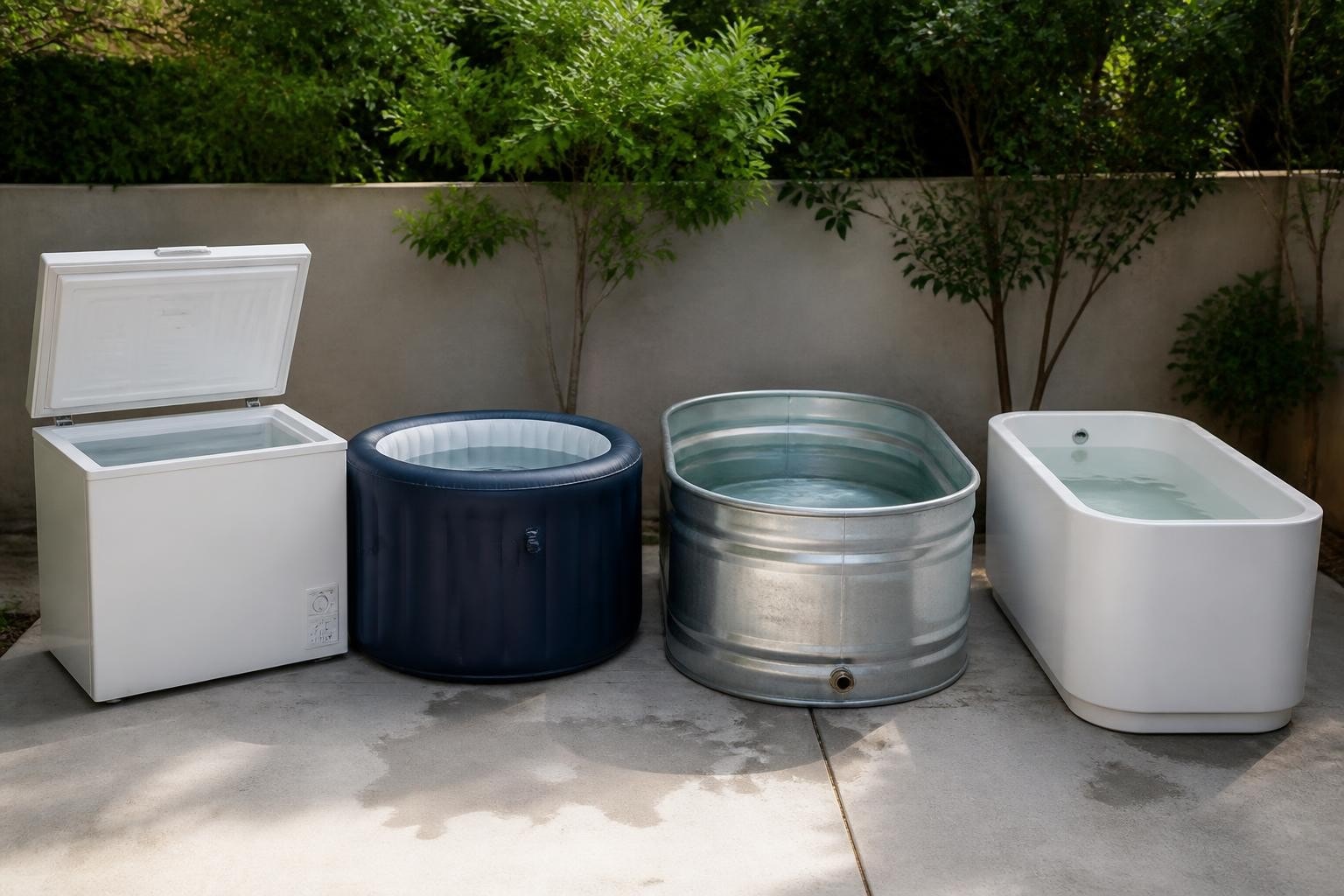
Cold plunging has exploded in popularity over the past few years, with everyone from elite athletes to weekend warriors jumping into ice-cold water for recovery and mental clarity. But when you start researching options, the prices can be shocking. High-end cold plunge systems easily run five thousand dollars or more. That doesn't mean you need to drain your savings account to experience the benefits of cold therapy. Understanding the cheapest ice baths available in 2026 helps you start your cold plunging journey without breaking the bank while still getting real results.
Understanding Your Cold Plunge Budget Options
When searching for the cheapest ice baths, you need to understand what drives costs up or down. The main factors include materials, temperature control systems, durability, and whether you're building or buying. A DIY approach using household items can cost under two hundred dollars, while budget-friendly manufactured options range from four hundred to fifteen hundred dollars.
The key is matching your budget to your actual needs. If you plan to plunge once or twice weekly, your requirements differ significantly from someone using cold therapy daily for athletic recovery.
Breaking Down Cost Categories
| Price Range | What You Get | Best For |
|---|---|---|
| Under $200 | DIY setups, bathtub conversions, large containers | Beginners testing cold therapy |
| $200-$600 | Stock tanks, chest freezer conversions, basic inflatables | Regular home users on a budget |
| $600-$1,500 | Entry-level manufactured tubs, portable options | Committed users wanting convenience |
| $1,500+ | Premium systems with chillers and insulation | Daily users and serious athletes |
DIY Ice Baths: The Most Affordable Starting Point
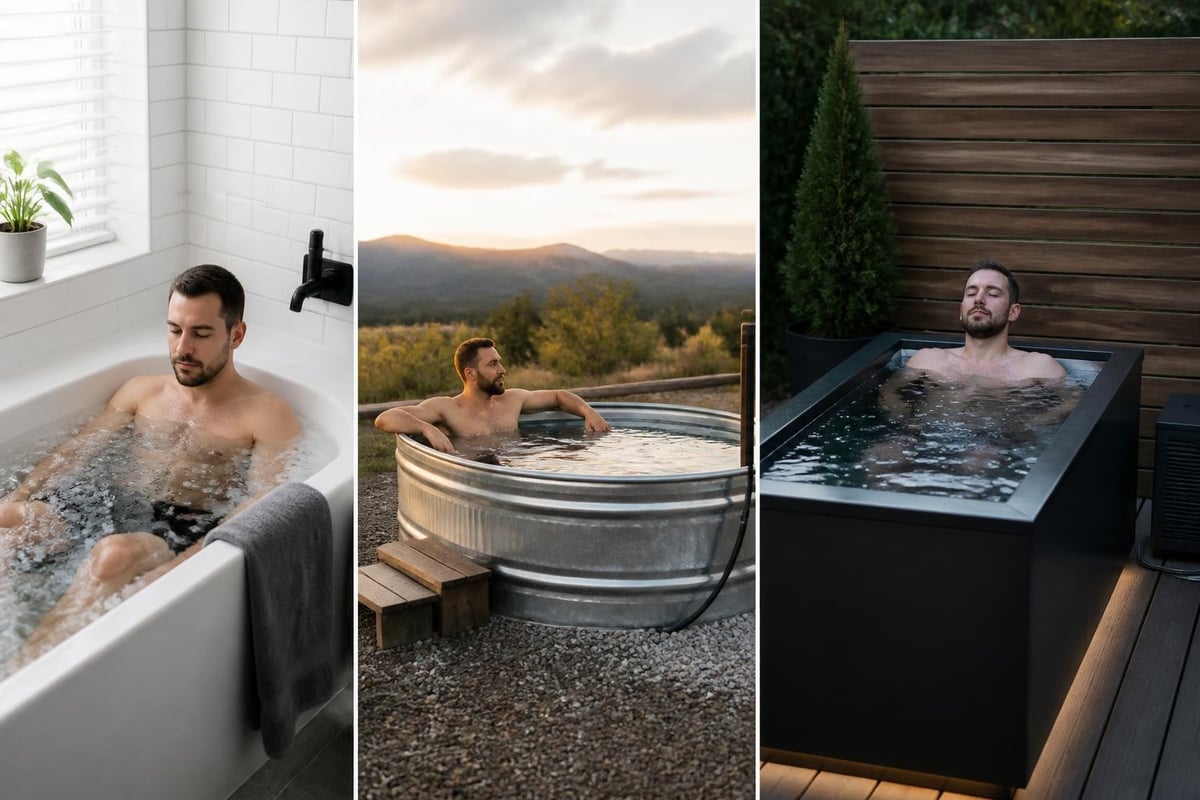
The absolute cheapest ice baths involve repurposing items you might already own or can purchase for minimal investment. Your standard home bathtub works perfectly for cold plunging if you have one available. Simply fill it with cold water and add ice from your freezer or bags purchased from a convenience store.
For those without bathtub access or wanting a dedicated setup, a large Rubbermaid stock tank represents the most popular budget option. These agricultural water troughs cost between one hundred fifty and three hundred dollars depending on size. They're durable, hold temperature well, and fit most body types comfortably.
Building Your Own Cold Plunge System
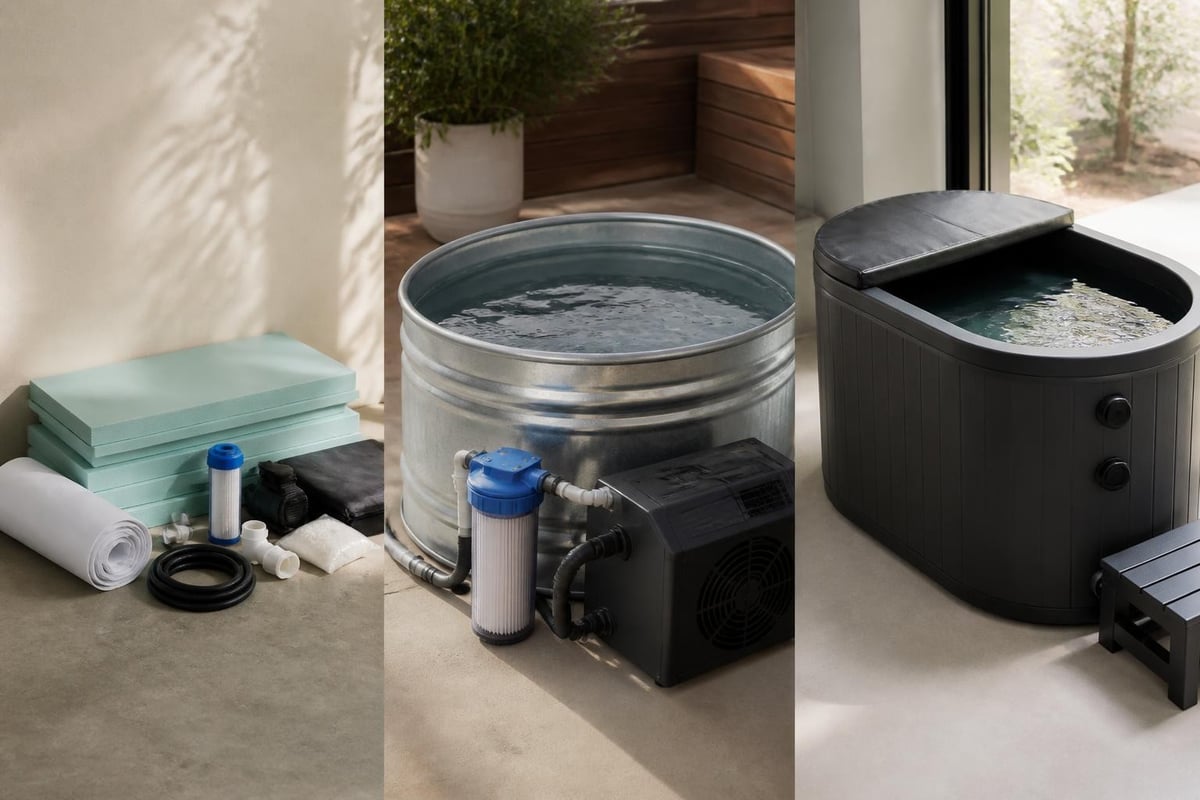
A DIY cold plunge setup requires basic planning but delivers substantial savings:
- Choose your container (stock tank, large cooler, or chest freezer)
- Add insulation if using a non-insulated container
- Install basic filtration to keep water clean between sessions
- Determine ice sourcing (bags, ice maker, or freezer method)
- Create access steps if your container has high walls
The chest freezer conversion method has gained massive traction among cold plunge enthusiasts. You purchase a used chest freezer for one hundred to three hundred dollars, ensure it's watertight, and fill it with water. Some users keep the freezer unplugged and add ice manually, while others modify the temperature controls for precise cooling. This video guide demonstrates building a DIY cold tub for approximately one hundred forty dollars.
Budget-Friendly Manufactured Options
If DIY doesn't appeal to you, several manufacturers now offer affordable entry points into cold plunging. These options cost more than building your own but provide convenience, better aesthetics, and often superior insulation.
Inflatable cold plunge tubs represent the newest budget category, ranging from three hundred to eight hundred dollars. These portable options set up in minutes, pack away for storage, and work well for renters or people with limited space. However, they typically lack active cooling systems and require regular ice additions.
Comparing Entry-Level Cold Plunge Tubs
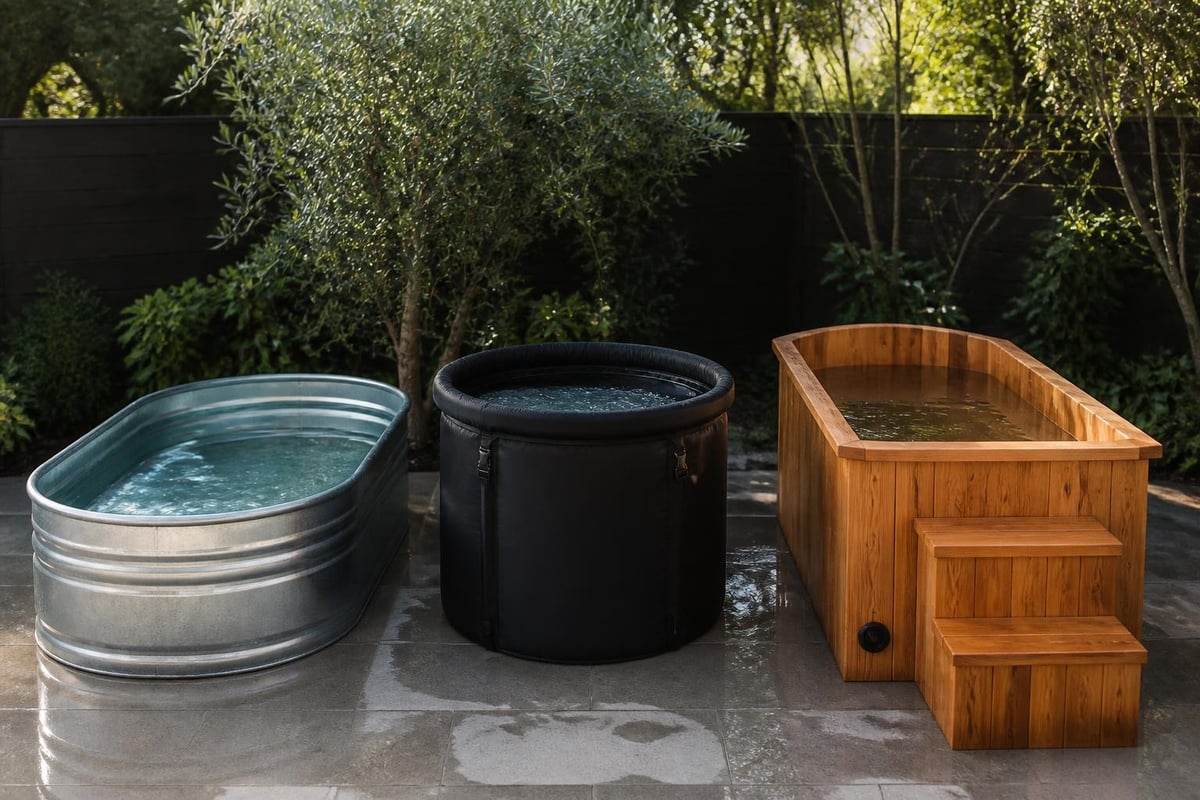
Stock tanks modified specifically for cold plunging now come with steps, seats, and drainage systems built in. These upgraded versions cost between four hundred and seven hundred dollars but save you modification time. Budget cold plunge tub reviews highlight several models that balance affordability with functionality.
For those seeking a more permanent solution, basic cold plunge tubs without active cooling systems start around one thousand dollars. These typically feature better insulation than stock tanks and more comfortable ergonomics but still require manual ice additions or connection to a separate chiller unit.
Active Cooling: When to Invest in a Chiller
The biggest cost jump in cold plunge systems comes from active cooling units. Chillers maintain consistent water temperature without ice, running between eight hundred and three thousand dollars as standalone units. For the cheapest ice baths approach, you'll skip this initially and use ice instead.
However, understanding the long-term math matters. If you plunge daily and buy ice bags at five dollars each, you're spending one hundred fifty dollars monthly or eighteen hundred annually. A basic chiller pays for itself within a year while providing more consistent temperatures and eliminating the ice-buying hassle.
Ice vs Chiller Cost Analysis
- Ice method: Low upfront cost, ongoing expenses, temperature fluctuates
- Chiller system: High initial investment, minimal operating costs, precise temperature control
- Hybrid approach: Insulated tub with occasional ice, chiller added later
Many cold plunge users start with the cheapest ice baths using manual ice additions, then upgrade to a chiller once they've confirmed their commitment to the practice. This staged approach minimizes financial risk while you're still experimenting.
What to Look for When Buying a Cold Plunge Tub
Beyond price, several factors determine whether a cheap ice bath delivers value or becomes a frustrating money pit. Focus on these essential elements when evaluating options.
Material durability matters significantly. Cheap plastic cracks in freezing temperatures, while quality materials withstand years of use. Stock tanks made from galvanized steel or heavy-duty polyethylene offer excellent durability for the price. For manufactured tubs, look for cedar, acrylic, or commercial-grade plastics.
Insulation quality directly impacts how much ice you'll need and how long your water stays cold. A well-insulated container might maintain temperature for forty-eight hours, while a poorly insulated one warms up within six hours. Even among the cheapest ice baths, prioritize options with decent insulation or plan to add your own.
Essential Features Checklist
- Minimum forty-five gallons capacity for full-body immersion
- Drain valve for easy water changes
- Non-slip bottom surface for safety
- Comfortable entry and exit method
- Weather-resistant materials for outdoor placement
- Easy-to-clean surfaces that resist algae
Size considerations depend on your body type and available space. Taller individuals need at least sixty inches of length to sit comfortably with legs extended. Width should allow you to sit without feeling cramped, typically thirty inches minimum.
Common Mistakes Beginners Make
New cold plungers often make preventable errors that waste money or create safety issues. Learning from others' mistakes saves you significant frustration.
Buying too small represents the most common regret. That cute two-hundred-dollar inflatable pod might look perfect in photos, but if you can't submerge properly, you won't get full benefits. Measure your space and body dimensions before purchasing.
Neglecting water maintenance turns your cheap ice bath into a bacteria breeding ground. Even budget setups need basic filtration or regular water changes. Plan for this ongoing maintenance cost and time commitment from day one. Understanding cold water immersion tub maintenance requirements prevents unpleasant surprises.
Many beginners also underestimate ice requirements. A seventy-five-gallon tub might need forty pounds of ice to reach optimal temperature, especially in warm climates. Calculate your actual ice needs using this formula: container volume in gallons × 0.5 = approximate pounds of ice needed for twenty-degree temperature drop.
Safety Mistakes to Avoid
- Starting with water too cold (begin at sixty degrees, work down)
- Plunging alone without nearby assistance available
- Staying in too long initially (start with two minutes maximum)
- Ignoring signs of excessive shivering or numbness
- Skipping the gradual warmup after exiting
Temperature monitoring seems basic but matters enormously. Invest in a waterproof thermometer regardless of which budget option you choose. Guessing temperatures leads to ineffective sessions or potentially dangerous cold exposure.
Is It Worth It? The Value Equation
Whether the cheapest ice baths deliver worthwhile value depends entirely on your goals and commitment level. Cold plunging provides scientifically supported benefits including reduced inflammation, improved recovery, enhanced mood, and better sleep quality. These benefits don't require expensive equipment.
A two-hundred-dollar stock tank delivers identical physiological effects as a five-thousand-dollar premium system when both reach the same temperature. The difference lies in convenience, aesthetics, and durability. If you're testing cold therapy or only plunge occasionally, budget options make perfect sense.
Who should buy the cheapest ice baths:
- Beginners exploring cold therapy benefits
- Occasional users who plunge weekly or less
- People with strict budget constraints
- Athletes supplementing gym or facility access
- Renters needing portable solutions
Who might want premium options instead:
- Daily cold plungers requiring consistency
- People prioritizing aesthetic integration with outdoor spaces
- Users in extreme climates needing superior insulation
- Those valuing convenience over cost savings
The at-home cold plunge movement has proven that regular cold exposure delivers transformative results regardless of equipment cost. Your consistency matters far more than your container's price tag.
Upgrading Your Setup Over Time
One smart strategy involves starting with the cheapest ice baths and upgrading components as your practice develops. This phased approach minimizes upfront investment while building toward your ideal system.
Begin with a basic container and manual ice. After three months of consistent use, add a small pump and filter to reduce water change frequency. Six months in, consider insulation upgrades or a larger container if needed. After a year of daily plunging, investing in a chiller system makes financial sense.
This progression allows you to learn exactly what features matter most to you before spending serious money. You might discover that a simple stock tank meets all your needs permanently, saving thousands of dollars you would have wasted on unnecessary features.
Smart Upgrade Path
| Timeline | Investment | Total Cost |
|---|---|---|
| Month 1 | Stock tank + thermometer | $200 |
| Month 3 | Basic pump and filter | $100 |
| Month 6 | Insulation improvements | $75 |
| Month 12 | Entry-level chiller | $1,000 |
| Total | Phased investment | $1,375 |
Compared to buying a complete premium system upfront for four thousand dollars or more, this staged approach cuts costs by over sixty percent while ensuring each upgrade addresses a real pain point you've actually experienced.
Balancing Budget and Quality
While focusing on the cheapest ice baths makes sense financially, avoid options that compromise safety or fail within months. A one-hundred-dollar inflatable that tears after ten uses costs more per plunge than a four-hundred-dollar stock tank lasting five years.
Calculate cost per use rather than just purchase price. A six-hundred-dollar tub used daily for two years equals roughly eighty cents per session. That represents extraordinary value for equipment supporting your health and performance.
Quality manifests in subtle ways. Better seals prevent leaks. Smoother edges prevent scrapes. Proper drainage systems save cleanup time. These conveniences might not seem crucial initially but significantly impact whether you maintain your cold plunge practice long-term.
For those ready to invest in quality construction without premium pricing, options like The Flow Cold Plunge deliver professional-grade recovery at home with Canadian-sourced materials built to last. While not among the absolute cheapest ice baths, it provides substantial value through durability and craftsmanship that budget alternatives can't match.
Seasonal Considerations and Climate Impact
Your location dramatically affects which budget cold plunge option works best. Cold climate residents face easier temperature maintenance but need weather-resistant materials. Warm climate users spend more on ice but can use lighter-weight containers.
Winter cold plunging in northern regions might not require ice at all. Tap water temperatures drop to forty degrees naturally, delivering perfect cold exposure without any ice cost. However, you need containers that won't crack when water freezes solid during unused periods.
Summer cold plunging in hot climates demands excellent insulation and potentially more ice than you'd expect. Outdoor water temperatures easily reach eighty degrees, requiring massive ice quantities to reach therapeutic levels. Some budget users in warm areas only plunge early morning when ambient temperatures help ice work more efficiently.
Indoor placement solves many climate challenges but requires waterproofing considerations and space most people lack. Outdoor setups dominate the budget cold plunge landscape because they're simply more practical for most homes.
Maintenance Costs Nobody Mentions
Initial purchase price represents just one component of total ownership costs. The cheapest ice baths often carry hidden ongoing expenses that add up quickly.
Ice costs vary dramatically by location and sourcing method. Convenience store bags run four to six dollars for ten pounds. Ice vending machines charge two dollars for twenty pounds. Home ice makers require electricity and produce limited quantities. Budget serious cold plungers often invest in commercial ice makers costing three hundred to six hundred dollars.
Water and chemical costs remain relatively low but deserve mention. Depending on water change frequency, expect five to fifteen dollars monthly in water costs. Basic sanitizers, pH balancers, and cleaning supplies add another ten to twenty dollars monthly.
Electricity costs for pumps and filters run minimal, typically under five dollars monthly. Chillers consume significantly more power, adding thirty to sixty dollars monthly depending on usage and efficiency.
Monthly Operating Cost Comparison
- Ice-only method: $100-150 in ice purchases
- Home ice maker method: $30-50 in electricity and water
- Chiller system: $40-70 in electricity
- Hybrid approach: $40-80 depending on frequency
These ongoing costs change the value equation considerably. What seems like the cheapest ice baths upfront might cost more annually than a mid-range option with better efficiency.
Finding Deals and Discounts
Smart shopping timing can slash costs on budget cold plunge equipment. Several strategies help you find the cheapest ice baths without sacrificing quality.
Off-season purchasing brings significant savings. Cold plunge demand peaks in spring and early summer, with prices reflecting that surge. Buying during fall and winter often yields twenty to thirty percent discounts as retailers clear inventory.
Used equipment offers tremendous value if you're patient and careful. Stock tanks, chest freezers, and even manufactured cold plunge tubs appear regularly on marketplace platforms. Inspect thoroughly for cracks, leaks, and structural integrity before purchasing.
Package deals sometimes bundle containers with basic filtration or accessories at reduced total costs. While individual components might not represent the absolute cheapest option, the combined savings can be substantial. Check cold plunge collections for seasonal promotions and bundled offers.
Agricultural supply stores often price stock tanks lower than specialty wellness retailers selling identical products marketed as "cold plunge tubs." Don't pay extra for branding when the actual product is identical.
Making Your First Purchase Decision
With all this information, how do you actually choose among the cheapest ice baths available? Start by answering these critical questions honestly.
How often will you realistically plunge? If you're testing the waters (literally), start with bathtub sessions before buying anything. Once you've plunged consistently for a month using your existing bathtub, you know you'll actually use dedicated equipment.
What's your total budget including setup? Don't forget costs beyond the container itself. You'll need a thermometer, possibly a step stool, cleaning supplies, and your ice source. Budget an extra hundred dollars beyond container costs for these necessities.
Where will it go? Measure your space precisely. That perfect stock tank doesn't help if it won't fit through your gate or in your intended location. Consider drainage too-you need somewhere for seventy-five gallons of water to go.
Who else might use it? Family members or housemates using your cold plunge affect size and feature requirements. Multiple users make durability and larger capacity more important.
For comprehensive guidance on starting your practice, review this complete ice bath preparation checklist before making final decisions.
FAQ: Cheapest Ice Baths
What is the absolute cheapest way to start cold plunging?
Use your existing bathtub with tap water and ice from your freezer. This costs nothing beyond ice if you already own a thermometer. It's perfect for testing whether you'll stick with cold plunging before investing in dedicated equipment.
How long do budget cold plunge setups last?
Quality stock tanks and chest freezers easily last five to ten years with basic maintenance. Inflatable options typically survive one to three years depending on usage frequency and storage practices. Manufacturing defects usually appear within the first few months.
Can I use a cold plunge without a chiller?
Absolutely. Millions of people use ice-only methods successfully. You'll spend more time managing ice and won't achieve precise temperature control, but the physiological benefits remain identical. Many serious athletes use ice-only approaches permanently.
How much ice does a typical session require?
For a seventy-five-gallon tub, expect thirty to fifty pounds of ice to drop temperature from sixty to forty degrees. Larger tubs or warmer starting temperatures require more. Well-insulated containers need ice less frequently.
Are DIY cold plunges safe?
When built properly with food-safe materials and basic safety precautions, DIY setups are perfectly safe. Ensure electrical components stay clear of water, test for leaks before filling completely, and never plunge alone initially. The proper ice bath protocol covers essential safety practices.
What temperature should beginners target?
Start at fifty-five to sixty degrees Fahrenheit for two to three minutes. As you adapt over several weeks, gradually decrease temperature to forty-five to fifty degrees and extend duration to five minutes. Individual tolerance varies significantly.
Do cheap cold plunges work as well as expensive ones?
For actual cold therapy benefits, yes. A forty-degree ice bath delivers identical physiological effects regardless of container cost. Expensive systems offer convenience, aesthetics, precise temperature control, and durability, but don't provide superior therapeutic results.
How often should I change the water?
Without filtration, change water every three to five plunges or weekly, whichever comes first. With basic filtration and sanitizer, extend to every two weeks. Signs you need a change include cloudiness, odor, or visible debris.
Finding the cheapest ice baths that actually work requires balancing immediate costs against long-term value, but quality cold plunging doesn't demand premium prices. Whether you start with a simple stock tank or invest in a well-built entry-level system, consistent cold exposure delivers powerful recovery and wellness benefits. When you're ready to move beyond budget options to premium craftsmanship, Plunge N' Tubs offers Canadian-made cold plunge and hot tub systems built from the highest quality materials, with fast and free delivery across North America for serious athletes and wellness enthusiasts committed to long-term recovery.
Share:
Cold Jacuzzi: Recovery Benefits & Buying Guide 2026
Ice Bath Tub Near Me: Your 2026 Buying Guide