




The market for at-home cold therapy has exploded over the past few years, and for good reason. Athletes, biohackers, and wellness enthusiasts have discovered what professional sports teams have known for decades: consistent cold exposure drives real recovery benefits. If you're searching for a cold plunge for sale, you're likely weighing investment against value, trying to separate marketing hype from actual results, and wondering which features truly matter. This guide cuts through the noise to help you make an informed decision based on science, practical experience, and what actually works for home users.
Why Cold Plunges Have Become Essential Recovery Tools
Cold water immersion isn't a wellness trend that appeared overnight. The practice has roots in Nordic traditions, athletic training protocols, and even ancient healing practices. What changed recently is accessibility.
You no longer need a gym membership or spa appointments to access cold therapy. Home systems now deliver the same benefits professional athletes rely on, with technology that maintains consistent temperatures and filtration that keeps water clean for months.
The science backs up the enthusiasm. Research has shown that cold-water immersions can reduce stress and improve sleep quality, among other documented benefits. Regular cold exposure triggers physiological responses that go beyond simple muscle recovery.
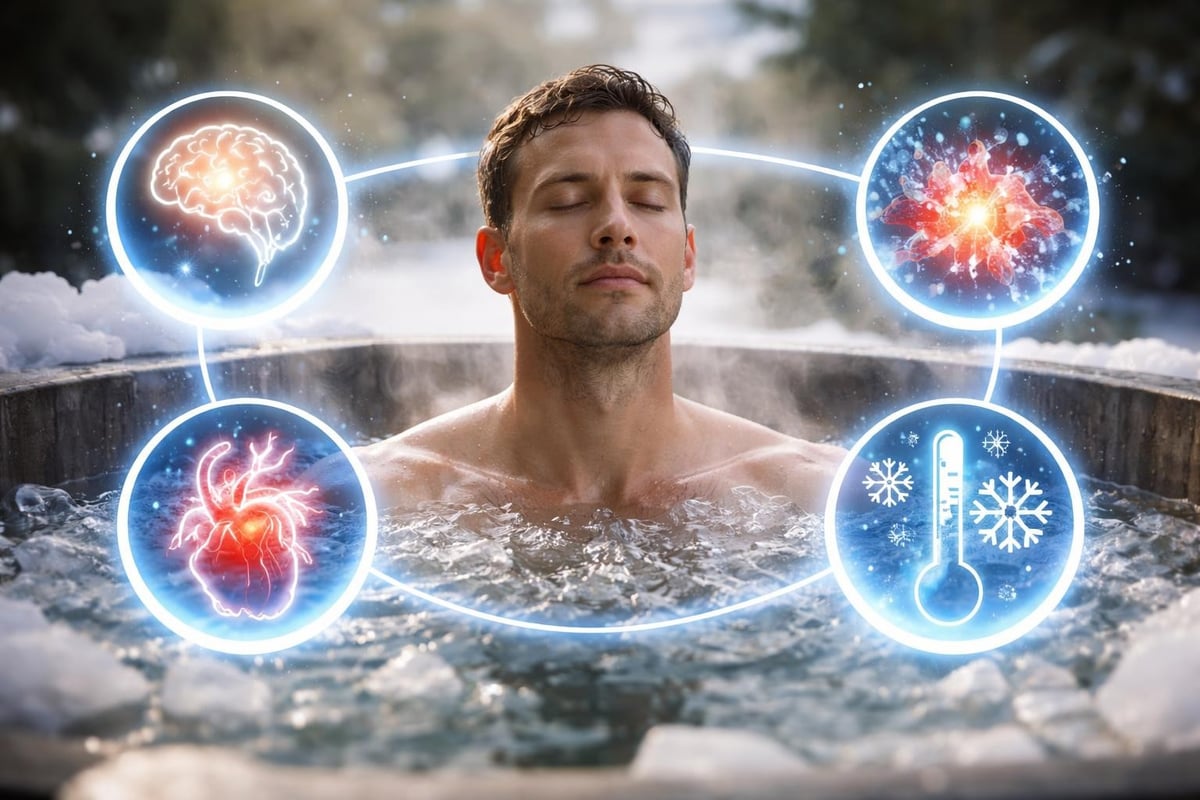
What Happens When You Immerse in Cold Water
Your body responds to cold in predictable, beneficial ways:
- Vasoconstriction reduces blood flow to extremities, flushing metabolic waste from muscles
- Norepinephrine release improves focus and mood for hours after exposure
- Brown fat activation increases metabolic rate and supports long-term health
- Vagal tone improvement enhances parasympathetic nervous system function
The temperature matters. Most benefits occur between 50-59°F (10-15°C), though some people prefer colder. Time matters too. Studies suggest 3-10 minutes delivers optimal results for most people, though benefits like stress reduction may be short-lived without consistent practice.
Is a Cold Plunge Worth the Investment?
This question deserves a honest answer because quality cold plunge systems represent a significant purchase.
Let's break down the math. A monthly spa membership with cold therapy access costs $150-300 in most cities. Over three years, that's $5,400-10,800. Quality cold plunge tubs for home use range from $3,000-8,000 depending on features and materials.
You break even in roughly 18-24 months. After that, you're saving money while gaining something more valuable: daily access on your schedule.
But financial ROI only tells part of the story. The real value shows up in consistency. When your cold plunge sits 20 feet from your bedroom instead of 20 minutes across town, you actually use it. Daily use compounds benefits that occasional spa visits simply can't match.
Who Should Buy a Cold Plunge Tub?
Not everyone needs a dedicated cold plunge for sale at home. Some people thrive with cold showers or ice bath alternatives. But specific groups see outsized benefits from owning their own system:
Athletes and serious fitness enthusiasts who train 5+ days weekly benefit most. Cold immersion supports faster recovery between sessions, reduces inflammation from high-volume training, and helps maintain consistent performance. Runner's World notes that cold plunges show particular promise for reducing inflammation and supporting exercise recovery.
People managing chronic inflammation or pain find regular cold exposure reduces reliance on anti-inflammatory medications and provides natural pain management. This includes arthritis sufferers, people with autoimmune conditions, and those recovering from injuries.
Biohackers and performance optimizers use cold exposure as part of comprehensive wellness protocols. The mental clarity and stress resilience from regular cold plunging supports better decision-making and sustained focus.
Shift workers and people with sleep challenges often report improved sleep quality with afternoon or early evening cold plunges. The parasympathetic activation helps transition from work stress to rest mode.
| User Type | Primary Benefits | Recommended Frequency |
|---|---|---|
| Athletes | Faster recovery, reduced soreness | 5-7 times weekly |
| Chronic pain | Natural inflammation reduction | 3-5 times weekly |
| Biohackers | Mental clarity, stress resilience | Daily |
| Sleep optimization | Better sleep quality, parasympathetic activation | 4-6 times weekly |
What to Look for When Buying a Cold Plunge Tub
The market has flooded with options ranging from inflatable ice baths to premium cedar systems. Understanding what differentiates good from great helps you avoid expensive mistakes.
Temperature Control Systems
This separates serious recovery tools from glorified bathtubs. Quality systems maintain precise temperatures without constant ice additions.
Integrated chillers offer the most convenience. Look for units with at least 1HP cooling capacity. These can drop water to 37°F and maintain it there regardless of ambient temperature. The best systems include both cooling and heating, allowing temperature adjustments between cold therapy (37-55°F) and cool recovery (60-75°F).
Ice-based systems work but demand more effort. You'll spend $3-8 daily on ice plus time managing it. Calculate that over a year: $1,095-2,920 just for ice, plus the hassle factor.
Material Quality and Durability
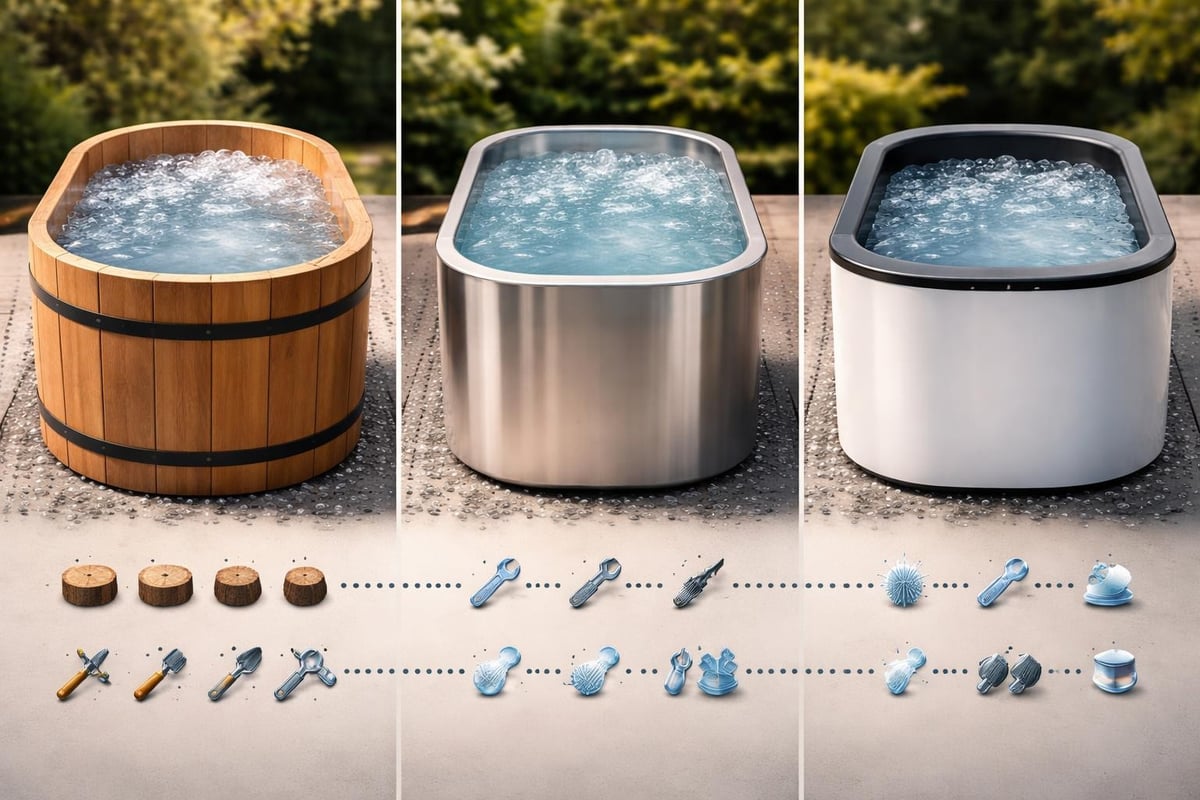
Your cold plunge will hold hundreds of gallons of water. Material choice affects longevity, maintenance, and aesthetics.
Premium cedar construction offers natural antimicrobial properties, beautiful appearance, and excellent insulation. Canadian-sourced Eastern White Cedar resists rot and weathers gracefully outdoors. These systems often last 15+ years with basic maintenance.
Stainless steel interiors provide durability and easy cleaning. 304-grade stainless resists corrosion even in constantly wet environments. Combined with cedar exteriors, this delivers both performance and visual appeal.
Acrylic and plastic systems cost less upfront but may not age as gracefully. Quality varies dramatically. Premium acrylic with proper UV protection holds up well. Cheaper plastics become brittle and crack within 3-5 years.
Size and Capacity Considerations
Bigger isn't always better, but too small defeats the purpose.
Full immersion matters. Your cold plunge should accommodate sitting with water covering your shoulders. This typically requires 48-60 inches of length and 28-36 inches of depth. Taller users (over 6'2") need the longer end of that range.
Single vs. multiple users affects capacity needs. Solo use works fine with 60-80 gallon systems. Couples or families benefit from 100-150 gallon models that accommodate multiple people or require less frequent water changes.
Filtration and Water Management
Changing hundreds of gallons weekly wastes water and time. Quality filtration extends water life to 3-6 months.
Look for systems with:
- Multi-stage filtration including particle filters and UV sterilization
- Ozone or mineral sanitization that reduces chemical needs
- Easy drain systems for eventual water changes
Common Mistakes Beginners Make
New cold plungers often sabotage their own success through preventable errors.
Starting Too Cold, Too Long
Enthusiasm leads people to jump into 38°F water for 10 minutes on day one. This creates miserable experiences that kill motivation.
Start warmer and shorter. Begin at 60°F for 2 minutes. Add one minute weekly and drop temperature 2-3 degrees as comfort improves. Most people find their sweet spot around 50-55°F for 4-6 minutes after 4-6 weeks of adaptation.
Inconsistent Practice
Buying a cold plunge for sale then using it sporadically wastes the investment. Benefits compound with consistency.
Commit to a minimum effective dose: 3 sessions weekly for at least 30 days. Schedule it like any other health practice. Morning plunges energize your day. Post-workout sessions maximize recovery benefits.
Ignoring Proper Breathing
Hitting cold water triggers gasping and hyperventilation. This stress response undermines the calming benefits you're seeking.
Practice breath control before entering. Take 5-10 slow, deep breaths. Once immersed, focus on controlled breathing: 4-count inhale, 6-count exhale. This activates your parasympathetic nervous system and transforms the experience from torture to therapy.
Neglecting Maintenance
Water quality degrades without attention. Cloudy, smelly water isn't just unpleasant, it's unsanitary.
Test and balance weekly. Check pH (target 7.2-7.6) and sanitizer levels. Clean filters monthly. These 10-minute tasks prevent bigger problems and extend water life from weeks to months.
Understanding the Different Types of Cold Plunge Systems
The cold plunge market offers several distinct categories, each with specific advantages and limitations.
Plug-and-Play Electric Systems
Modern electric cold plunges handle everything automatically. The Orivon Frost Cold Plunge Tub exemplifies this category with its 1HP integrated chiller that maintains precise temperatures between 37-108°F. These systems deliver consistent results without the hassle of ice management or complex setup.
You fill them, set your temperature, and they maintain it indefinitely. Premium acrylic construction provides durability while the thermostat ensures you get the exact cold exposure you're targeting.
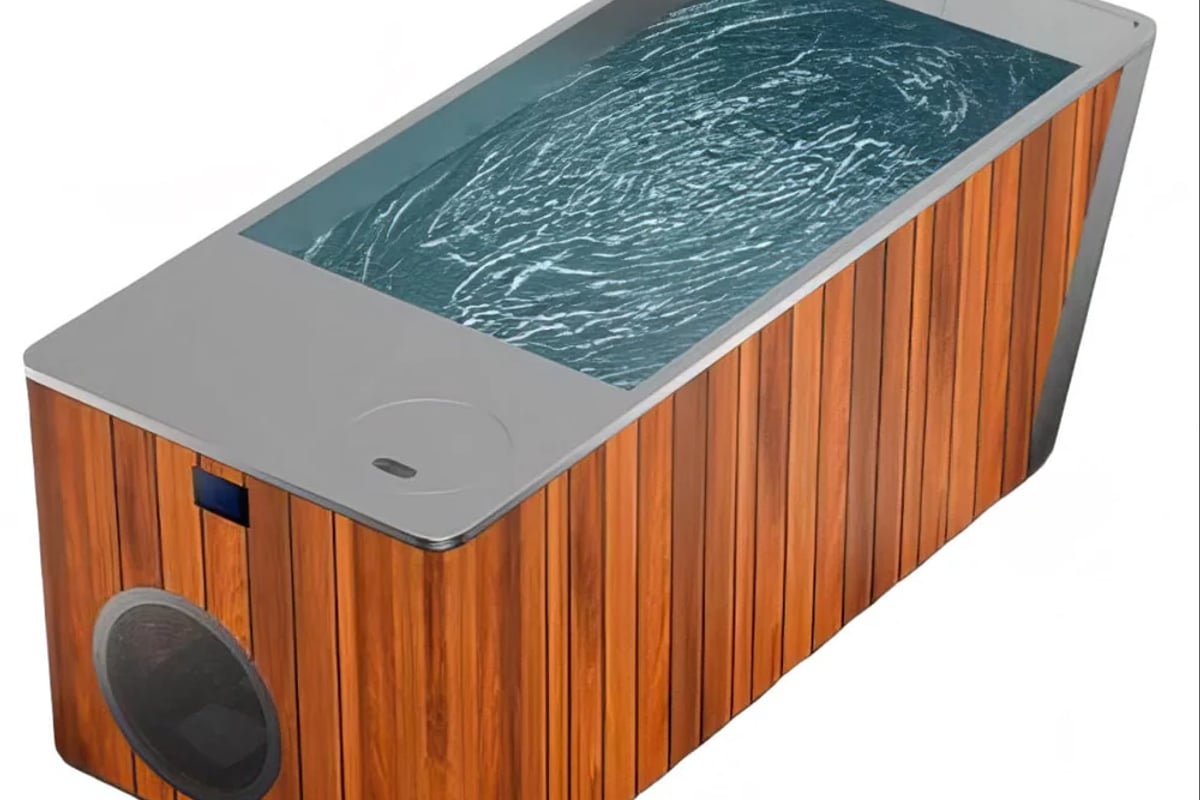
Premium Cedar Tub Systems
Traditional craftsmanship meets modern cold therapy in premium wood systems. These typically feature Canadian-sourced cedar exteriors paired with stainless steel or HDPE interiors.
They offer exceptional aesthetics for outdoor installations and natural insulation that reduces operating costs. Many accommodate both chiller-based cooling and ice-based protocols, giving you flexibility in how you manage temperature.
The Plunge N' Tubs collection showcases several premium cedar options that combine traditional materials with modern filtration and temperature control.
Portable and Inflatable Options
Budget-conscious buyers often consider inflatable cold plunge systems. These cost $200-800 and work well for trying cold therapy before committing to a permanent installation.
Limitations include:
- Manual ice addition required (ongoing cost and effort)
- Less insulation means ice melts faster
- Shorter lifespan (typically 1-3 years)
- Less comfortable seating and immersion
They serve as entry points but most serious practitioners upgrade within 6-12 months.
The Science Behind Cold Therapy Benefits
Understanding the physiological mechanisms helps you optimize your practice and set realistic expectations.
Inflammation and Recovery
Cold exposure reduces inflammation through multiple pathways. Vasoconstriction limits blood flow to affected areas, reducing swelling and metabolic waste accumulation. Once you warm up, vasodilation flushes those areas with fresh, oxygen-rich blood.
Research highlights that cold plunges may provide particular benefits for inflammation and exercise recovery, especially when used consistently as part of training protocols.
Mental Health and Stress Resilience
The mental benefits may ultimately exceed the physical ones. Cold exposure triggers a massive norepinephrine release, a neurotransmitter that improves focus, mood, and stress resilience.
Studies show norepinephrine levels can increase 200-300% during cold immersion. This neurochemical boost lasts 2-4 hours after your session. The mental health benefits of cold plunging include significant stress relief and mood improvement.
Regular practice also builds psychological resilience. Choosing discomfort strengthens your capacity to handle other stressors. This "voluntary stress inoculation" transfers to work challenges, difficult conversations, and other aspects of life.
Metabolic and Cardiovascular Effects
Brown fat activation deserves attention for long-term health. Unlike white fat (energy storage), brown fat burns calories to generate heat. Cold exposure activates and increases brown fat, boosting metabolic rate even hours after your session.
Cardiovascular adaptations include improved circulation and enhanced heart rate variability (HRV), a key marker of autonomic nervous system health. Cold therapy may support cardiovascular health through multiple mechanisms, though individual responses vary.
Setting Up Your Home Cold Plunge
Installation complexity depends on your system choice, but some principles apply universally.
Location Selection
Outdoor installations work well in most climates. Modern systems handle temperature extremes from -20°F to 100°F+. Place on level, stable surfaces with proper drainage. Consider proximity to electrical outlets for powered systems and water sources for filling.
Indoor placement requires floor load consideration. A 100-gallon system weighs roughly 900 pounds when filled. Ensure your floor structure handles the load, especially in upper-floor locations. Basement installations usually work without reinforcement.
Electrical and Plumbing Needs
Most electric cold plunge systems require dedicated 110V or 220V circuits depending on chiller power. Hire a licensed electrician for installation to ensure safety and warranty compliance.
Standard garden hoses work fine for filling. Quality systems include drain ports with standard hose connections for water changes. Consider a utility sink or floor drain nearby for convenience.
Creating the Right Environment
Your setup affects adherence. Make the space inviting rather than clinical.
Add these elements:
- Non-slip matting for safe entry and exit
- Towel storage within arm's reach
- Robe or warm clothing ready for post-plunge
- Timer visible from the tub (waterproof watches or wall clocks)
- Comfortable seating for breathing preparation
Cost Analysis: Initial Investment and Operating Expenses
Understanding total cost of ownership prevents surprises.
| Expense Category | Budget Option | Mid-Range | Premium |
|---|---|---|---|
| Initial purchase | $2,000-3,500 | $4,000-6,000 | $6,500-10,000 |
| Installation | $0-500 | $200-800 | $500-1,500 |
| Monthly electricity | $15-30 | $25-45 | $30-60 |
| Monthly maintenance | $10-20 | $15-30 | $20-40 |
| Annual total (Year 1) | $2,300-4,280 | $4,680-7,700 | $8,100-12,700 |
| Annual total (Years 2+) | $300-600 | $480-900 | $600-1,200 |
Premium systems cost more initially but often reduce operating expenses through better insulation and more efficient components. Over 5-10 years, total cost of ownership often favors quality construction.
Optimizing Your Cold Plunge Protocol
Owning the equipment is just the start. Proper use maximizes benefits and ensures safety.
Timing Your Sessions
Morning plunges energize and sharpen focus for the day ahead. The norepinephrine boost supports productivity and decision-making. Many users report this replaces or reduces caffeine needs.
Post-workout immersion within 30-60 minutes of training reduces muscle soreness and accelerates recovery. Wait 3-4 hours after strength training if hypertrophy is your primary goal, as immediate cold may slightly blunt muscle growth signals.
Evening sessions 3-4 hours before bed can improve sleep quality through parasympathetic activation. Avoid cold plunging within 2 hours of bedtime as it may be too stimulating for some people.
Temperature and Duration Guidelines
Individual response varies, but these ranges work for most people:
Beginners (Weeks 1-4):
- Temperature: 60-65°F
- Duration: 2-3 minutes
- Frequency: 3x weekly
Intermediate (Months 2-3):
- Temperature: 50-60°F
- Duration: 3-5 minutes
- Frequency: 4-5x weekly
Advanced (Month 4+):
- Temperature: 39-50°F
- Duration: 4-8 minutes
- Frequency: 5-7x weekly
Listen to your body. Some days you'll tolerate colder temperatures and longer durations. Other days, especially during illness or high stress, scale back.
Safety Considerations
Cold immersion is generally safe for healthy adults but requires common sense.
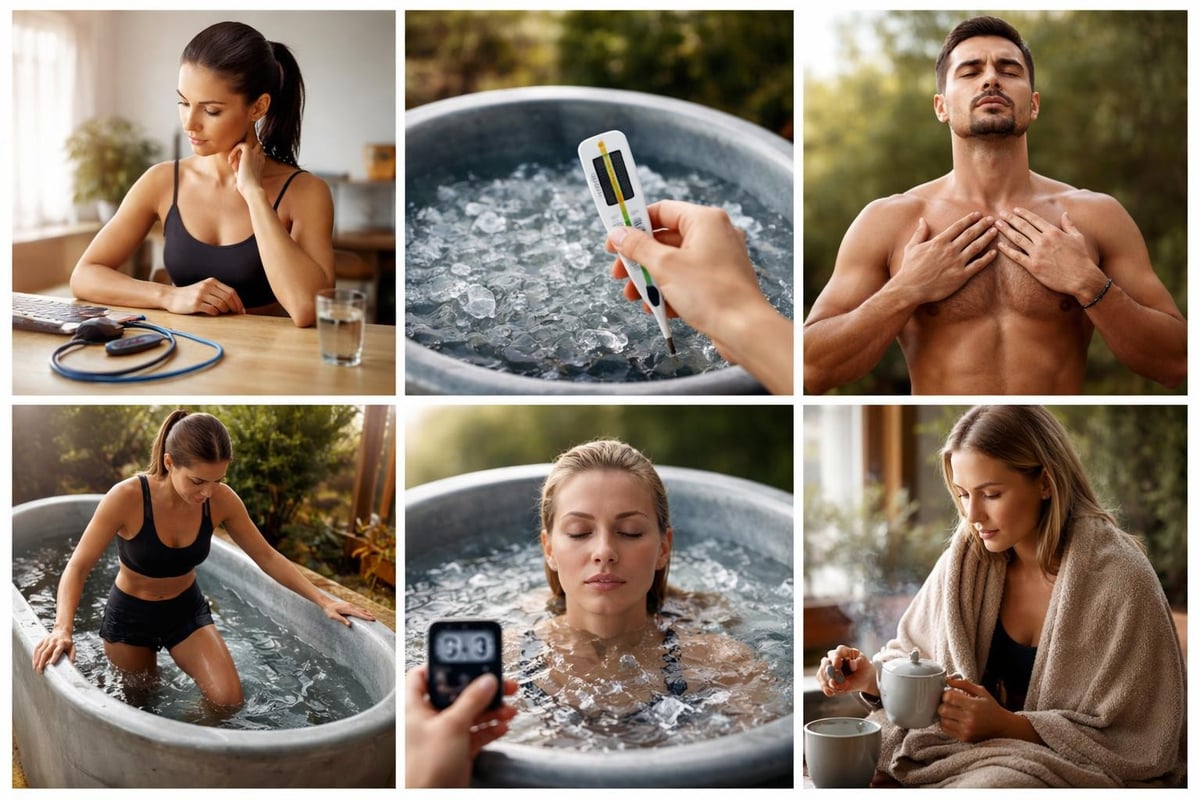
Never plunge alone if you have cardiovascular conditions, are new to the practice, or are pushing extreme temperatures/durations. Have someone nearby, at least initially.
Avoid alcohol before or during cold plunging. It impairs judgment and temperature regulation.
Exit immediately if you experience severe shivering, numbness, confusion, or chest pain. These signal your body has reached its limit.
Warm up gradually after exiting. Pat dry, dress in warm layers, and allow your body temperature to normalize naturally. Avoid hot showers immediately after as the extreme temperature swing stresses your cardiovascular system.
Finding Quality Cold Plunge Options
The market has matured significantly, making it easier to find reputable manufacturers and avoid subpar products.
Look for companies offering:
- Transparent specifications on materials, chiller capacity, and warranty terms
- Real customer results and testimonials from verified buyers
- Comprehensive support including installation guidance and maintenance resources
- North American manufacturing which often indicates quality control and easier service access
Companies like Plunge N' Tubs have built reputations on premium materials, particularly Canadian-sourced wood, and reliable delivery throughout North America. Check their customer results to see how real users integrate cold plunging into recovery routines.
Warranty and Support Considerations
A cold plunge represents a multi-year investment. Warranty coverage protects that investment.
Minimum acceptable coverage:
- 2+ years on chiller/electrical components
- 5+ years on structural elements
- Clear process for warranty claims
Premium warranty features:
- Extended coverage options
- In-home service for major issues
- Prorated coverage beyond initial period
Review warranty terms carefully. Some exclude damage from improper installation or maintenance, making professional setup worthwhile.
Frequently Asked Questions
How long does it take to see benefits from cold plunging?
Most people notice improved mood and energy within 1-3 sessions. Recovery benefits typically become apparent after 2-3 weeks of consistent use (3+ times weekly). Longer-term benefits like improved stress resilience and metabolic changes emerge after 4-8 weeks of regular practice.
Can I use a cold plunge for sale if I have high blood pressure?
Consult your doctor first. Cold immersion temporarily raises blood pressure as blood vessels constrict. For some people with controlled hypertension, this poses no problem. For others, it creates risk. Medical clearance is essential.
How often should I change the water?
With proper filtration and chemical balance, water lasts 3-6 months. Test weekly and maintain proper pH and sanitizer levels. Change water when it becomes cloudy, develops odors, or when testing shows imbalances you can't correct.
Do I need ice with a chiller system?
No. Quality chiller systems maintain target temperatures without ice. This is one of the main advantages of premium cold plunge options over budget alternatives.
What's the best temperature for cold plunging?
For most people, 50-55°F (10-13°C) delivers optimal benefits with manageable discomfort. Elite athletes and experienced practitioners sometimes go colder (39-45°F), while beginners often start warmer (60-65°F). WebMD provides guidance on safe cold plunge practices including temperature recommendations.
Can cold plunging replace ice baths?
Yes. A dedicated cold plunge system delivers the same benefits as traditional ice baths with better temperature control, less preparation time, and more consistency. The physiological response is identical.
How much does it cost to run a cold plunge monthly?
Electric costs typically range from $25-60 monthly depending on climate, insulation quality, and target temperature. Colder settings and hot climates increase costs. Chemical and filter maintenance adds another $15-30 monthly.
Will a cold plunge help me lose weight?
Cold exposure activates brown fat and increases metabolic rate, which can support weight loss as part of a comprehensive approach. However, it's not a standalone weight loss solution. The metabolic boost is real but modest, roughly 100-300 extra calories burned on plunge days. Studies suggest various metabolic benefits from cold exposure but emphasize it works best combined with proper nutrition and exercise.
Finding the right cold plunge for sale comes down to matching your recovery goals, space constraints, and budget with the system that delivers consistent results over years of use. Whether you prioritize premium materials, plug-and-play convenience, or maximum temperature control, quality construction and reliable support matter more than any single feature. Plunge N' Tubs specializes in premium cold plunge and hot tub systems crafted from Canadian-sourced wood, trusted by athletes and wellness professionals across North America, with fast and free delivery to bring professional-grade recovery directly to your home.
Share:
Ice Bath Tank: Complete Buyer's Guide for 2026
Cedar Cold Plunge: The Complete Buyer's Guide for 2026