



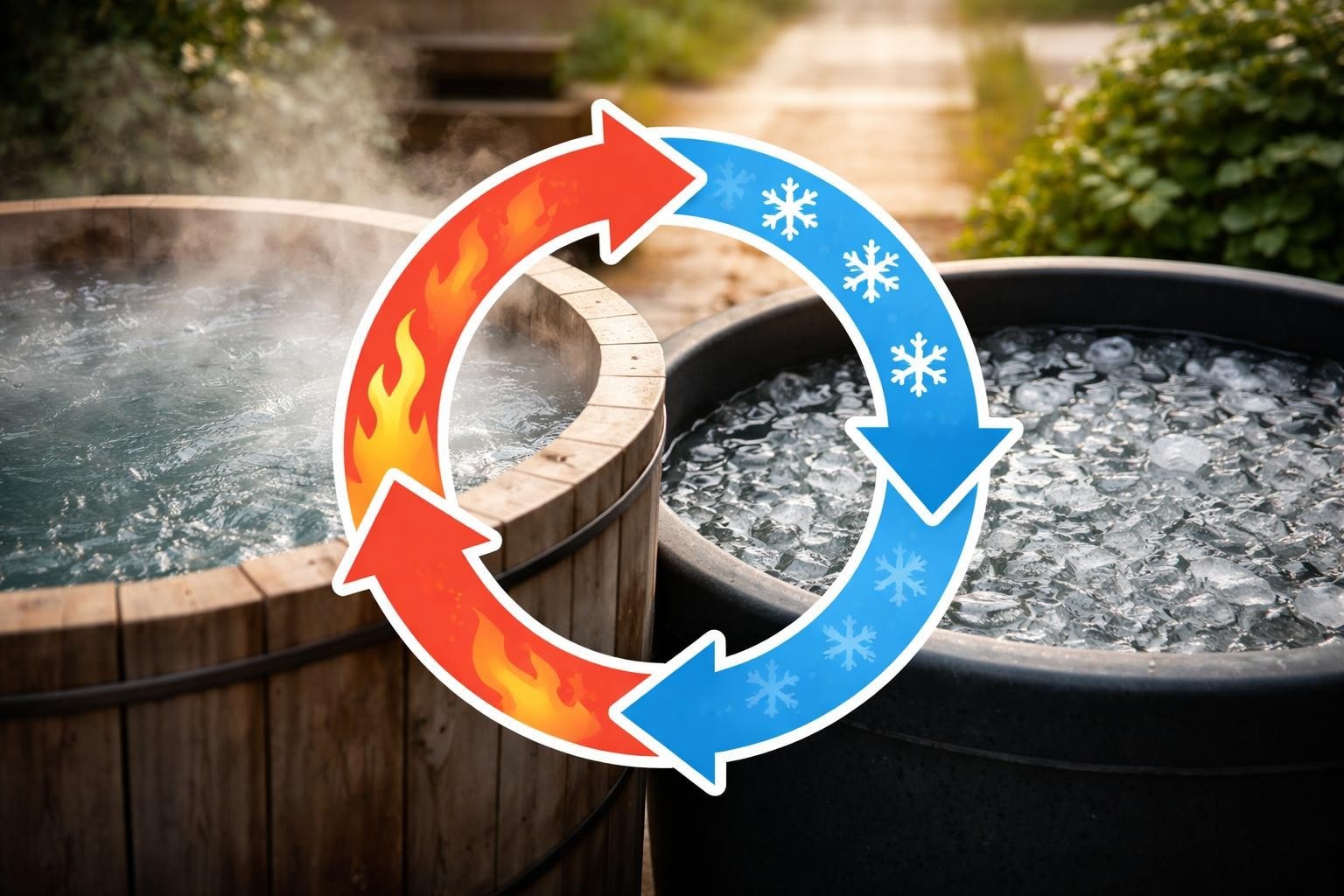
The hot and cold plunge method has become one of the most talked-about recovery techniques among athletes, biohackers, and wellness enthusiasts. This practice, also known as contrast therapy, involves alternating between hot water immersion and cold water exposure to trigger powerful physiological responses. While professional athletes have used this technique for decades, it's now accessible to anyone serious about optimizing their recovery, reducing inflammation, and improving overall performance at home.
What Is Hot and Cold Plunge Therapy?
Hot and cold plunge therapy is a recovery protocol that alternates between immersing your body in hot water (typically 100-104°F) and cold water (usually 50-59°F). The temperature contrast creates a pumping effect on your blood vessels, forcing them to dilate and constrict repeatedly.
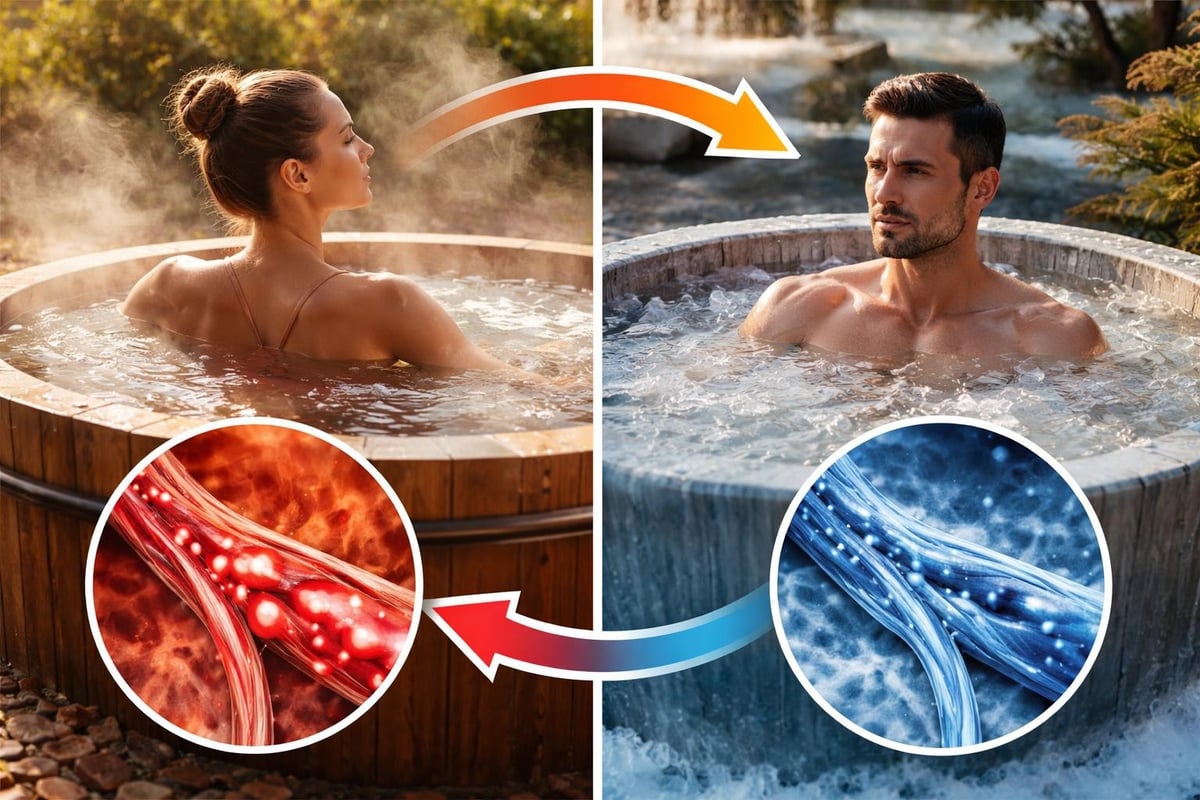
This vascular exercise does more than just feel invigorating. When you move from hot to cold, your blood vessels constrict, pushing blood toward your core organs. When you return to heat, they dilate again, flooding your tissues with fresh, oxygenated blood.
The practice has deep roots in Scandinavian wellness traditions, where sauna sessions followed by cold lake plunges have been standard for centuries. Today's contrast therapy protocols have refined these ancient techniques with specific timing, temperature ranges, and scientific backing.
The Science Behind Contrast Therapy
How Your Body Responds to Temperature Extremes
When you expose your body to extreme temperatures, several biological mechanisms activate simultaneously. Hot water increases core temperature, dilates blood vessels, and activates heat shock proteins that help repair damaged cells. Cold water triggers vasoconstriction, reduces inflammation, and stimulates the production of norepinephrine, a neurotransmitter linked to focus and mood.
Research on cold plunging shows that these temperature shifts can influence everything from immune function to metabolic rate. The key lies in the contrast itself, not just one temperature extreme.
Inflammation Reduction and Recovery
The primary reason athletes use hot and cold plunge therapy is to accelerate recovery after intense training. Cold exposure reduces inflammatory markers and limits the damage that occurs after muscle breakdown. Heat increases blood flow, delivering nutrients and removing metabolic waste products.
A study comparing hot versus cold water immersion found that while both offer benefits, the combination creates synergistic effects that neither achieves alone. The alternating temperatures work together to flush out inflammation while promoting tissue repair.
Mental Clarity and Mood Enhancement
Beyond physical recovery, the hot and cold plunge routine delivers significant mental benefits. Cold exposure triggers a massive release of dopamine and norepinephrine, creating an immediate mood boost that can last for hours. According to research on mental health benefits, regular cold exposure builds stress resilience and may reduce symptoms of anxiety and depression.
The practice also sharpens mental focus. That shock of cold water forces you into the present moment, training your nervous system to remain calm under stress.
Key Benefits of Hot and Cold Plunge
Recovery and Performance Benefits:
- Faster muscle recovery after training
- Reduced delayed onset muscle soreness (DOMS)
- Improved circulation and nutrient delivery
- Enhanced athletic performance over time
- Better joint mobility and flexibility
Health and Wellness Benefits:
- Reduced chronic inflammation
- Improved sleep quality and duration
- Stronger immune system response
- Better stress management
- Increased metabolic rate
Mental and Cognitive Benefits:
- Enhanced mood and reduced anxiety
- Sharper mental focus and clarity
- Greater stress resilience
- Improved discipline and willpower
- Better emotional regulation
Is Hot and Cold Plunge Worth It?
The investment in a home hot and cold plunge setup ranges from a few thousand dollars to over ten thousand, depending on quality and features. For most serious users, the return on investment comes quickly.
Consider the alternatives. A monthly gym membership with sauna and cold plunge access costs $100-300. Cryotherapy sessions run $40-80 each. Recovery center visits add up fast. Within 12-24 months, a home setup pays for itself while offering unlimited access on your schedule.
The real value extends beyond dollars. Having recovery tools at home means you'll actually use them consistently. Morning plunges before work, post-workout recovery sessions, evening stress relief-all possible without driving anywhere or scheduling appointments.
For athletes training 4-6 days per week, the performance gains alone justify the cost. Reduced recovery time means more quality training sessions. Less inflammation means fewer injuries. Better sleep means improved adaptation and growth.
Who Should Buy a Hot and Cold Plunge System?
Athletes and Active Individuals
If you train regularly and seriously, contrast therapy should be part of your recovery arsenal. Strength athletes, endurance runners, CrossFit enthusiasts, and competitive sports players all benefit from the enhanced recovery and reduced inflammation.
Biohackers and Performance Optimizers
People focused on optimizing every aspect of their health find tremendous value in daily hot and cold plunge routines. The metabolic benefits, cognitive enhancement, and longevity implications align perfectly with biohacking principles.
Chronic Pain and Inflammation Sufferers
Those dealing with arthritis, chronic back pain, or inflammatory conditions often experience significant relief from regular contrast therapy. The reduced inflammation and improved circulation can provide natural pain management without medication.
High-Stress Professionals
Executives, entrepreneurs, and anyone managing high-stress environments benefit from the mental clarity and stress resilience that comes from cold exposure. The practice builds mental toughness while providing a powerful reset mechanism.
What to Look for When Buying a Cold Plunge Tub
Build Quality and Materials
Premium cold plunge tubs use durable materials designed for years of daily use. Look for options constructed from solid wood like cedar or high-quality acrylic that resists cracking and maintains temperature efficiency.
Canadian-sourced cedar offers natural resistance to moisture, rot, and temperature extremes. It's the same material used in traditional saunas because it performs reliably in wet, temperature-variable environments.
Chiller Systems and Temperature Control
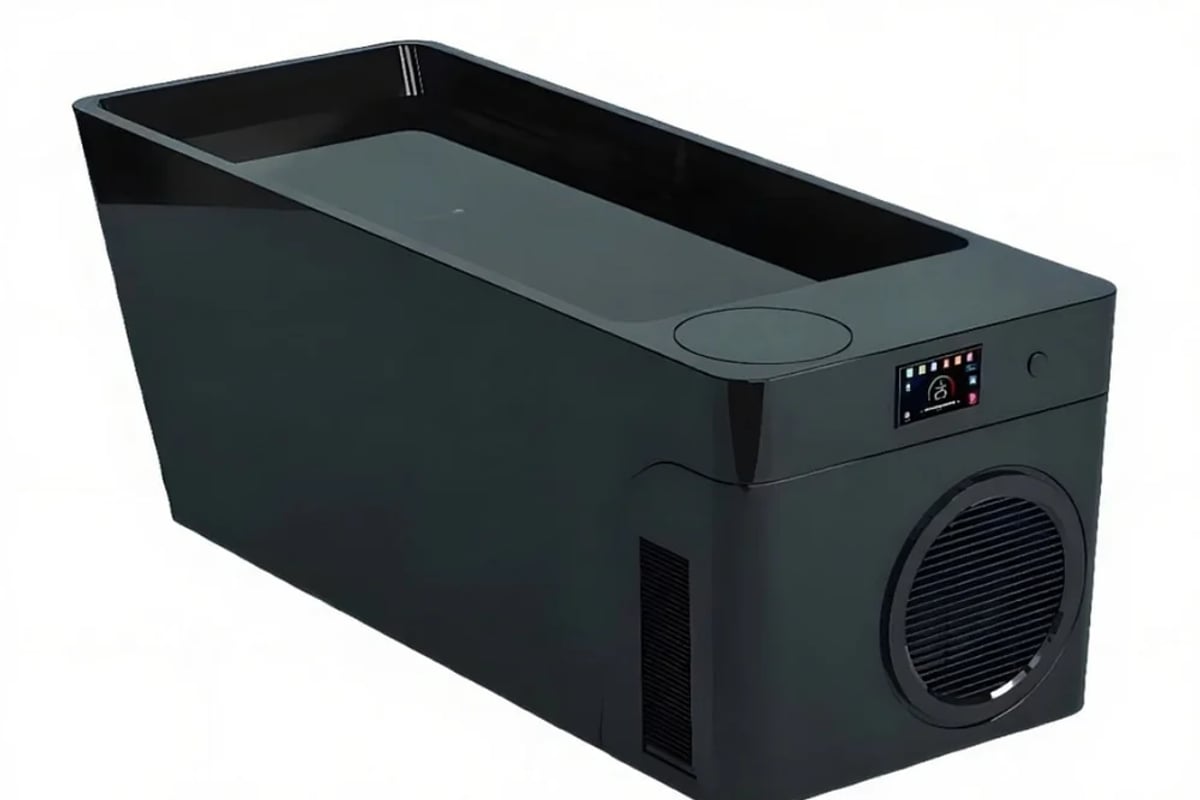
The chiller is the heart of any cold plunge system. A quality 1HP chiller can maintain water temperatures between 37-50°F consistently, regardless of ambient conditions. Weaker systems struggle in summer months or warmer climates.
Temperature control should be precise and reliable. Digital thermostats that allow you to set and maintain exact temperatures eliminate guesswork and ensure consistent protocols.
For those interested in premium systems, the Orivon Frost Cold Plunge Tub combines modern acrylic construction with a powerful 1HP chiller system that maintains temperatures between 37-108°F, making it versatile for both cold therapy and contrast protocols.
Size and Space Requirements
| Tub Type | Dimensions | Best For | Setup Difficulty |
|---|---|---|---|
| Compact Single | 60" x 30" x 30" | Individuals, small spaces | Easy |
| Standard Barrel | 40" diameter x 40" height | Solo use, outdoor setups | Moderate |
| Large Rectangle | 80" x 40" x 36" | Multiple users, families | Moderate to Hard |
| Premium Integrated | 90" x 50" x 40" | Full contrast setup | Professional recommended |
Consider your available space, both indoor and outdoor. Cold plunge tubs work well in basements, garages, patios, and decks. Ensure you have proper drainage and electrical access for chiller systems.
Filtration and Maintenance
Quality filtration systems keep water clean between changes, reducing maintenance time and costs. Look for multi-stage filtration that includes particle filters and UV or ozone sanitation.
Maintenance requirements vary significantly. Systems with automated filtration and sanitation need weekly monitoring and monthly deep cleans. Basic tubs without filtration require more frequent water changes.
Setting Up an Effective Hot and Cold Plunge Protocol
The Standard Contrast Protocol
Basic Timing Structure:
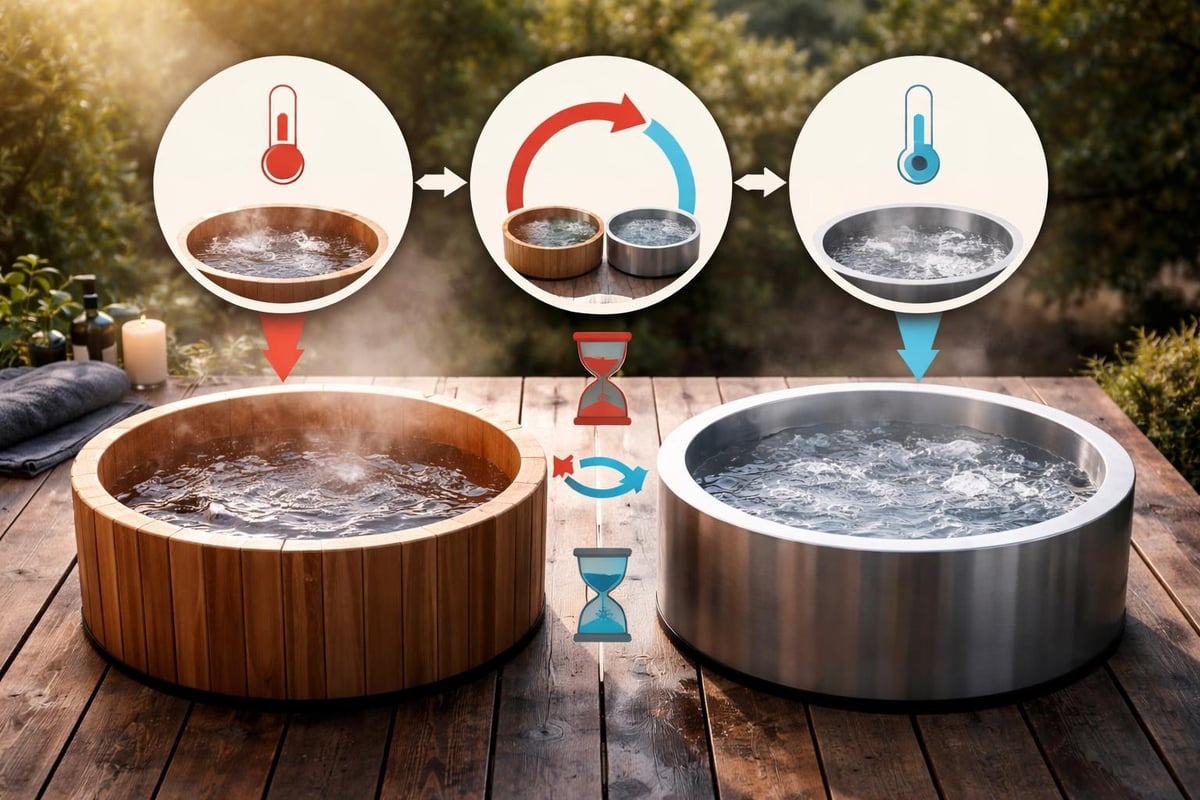
- Start with 10-15 minutes in hot water (100-104°F)
- Move immediately to cold plunge (50-59°F) for 2-3 minutes
- Return to hot water for 5-10 minutes
- Second cold plunge for 2-3 minutes
- Optional third round depending on goals
- Always end on cold for maximum benefit
This protocol, detailed in comprehensive contrast therapy guides, maximizes the vascular pumping effect while building cold tolerance progressively.
Beginner Modifications
New users should start conservatively and build tolerance over several weeks. Begin with warmer cold water (60-65°F) and shorter durations (1-2 minutes). The hot phase can remain standard as most people tolerate heat well.
Week-by-Week Progression:
- Week 1: 65°F water, 1 minute cold exposure
- Week 2: 60°F water, 1.5 minutes cold exposure
- Week 3: 55°F water, 2 minutes cold exposure
- Week 4+: 50°F water, 2-3 minutes cold exposure
Advanced Protocols for Athletes
Experienced users often extend sessions based on specific training goals. Post-competition recovery might involve 4-5 contrast cycles. Active recovery days might use gentler temperature extremes with longer durations.
Some athletes integrate breathing exercises during cold exposure, combining the benefits of controlled hyperventilation with cold adaptation. This advanced technique requires proper instruction and practice.
Common Mistakes Beginners Make
Staying Too Long in Cold Water Initially
The biggest mistake new users make is pushing too hard too fast. Extended cold exposure without proper adaptation can trigger excessive stress responses, potentially causing dizziness, rapid heart rate, or prolonged shivering.
Start with shorter sessions and build gradually. Your cold tolerance will improve rapidly over 2-4 weeks of consistent practice. There's no benefit to suffering through overly long sessions early on.
Incorrect Temperature Settings
Many beginners set water too cold or too hot, missing the optimal ranges for physiological benefit. Cold water below 45°F can be counterproductive for recovery, increasing injury risk and excessive stress. Hot water above 105°F raises core temperature dangerously high.
Stick to proven ranges: 100-104°F for hot, 50-59°F for cold. These temperatures provide maximum benefit with minimal risk.
Skipping the Warm-Up Phase
Jumping straight into cold water without warming your body first reduces the effectiveness of contrast therapy. The temperature differential drives the benefits. Starting warm and moving to cold creates the vascular response you're seeking.
If you don't have a hot tub, explore at-home cold plunge options that can still provide benefits when paired with a hot shower or other warming methods.
Poor Breathing Technique
When cold water hits your skin, the gasp reflex is natural but controllable. Many beginners hold their breath or breathe erratically, increasing stress and reducing session effectiveness.
Focus on slow, controlled breathing. Inhale deeply through your nose, exhale slowly through your mouth. This activates your parasympathetic nervous system, helping you stay calm and extend your session comfortably.
Inconsistent Practice
Sporadic use delivers minimal results. Your body adapts to regular cold exposure, building brown fat tissue, improving circulation, and enhancing stress response. These adaptations require consistency, ideally 3-5 sessions per week minimum.
Missing weeks or taking long breaks means starting over with adaptation. Treat your hot and cold plunge routine like training-consistent effort compounds into significant results.
Combining Hot and Cold Plunge with Other Recovery Methods
The hot and cold plunge method works synergistically with other recovery modalities. Many athletes combine contrast therapy with compression therapy, massage, and proper nutrition timing for optimal results.
Understanding cold therapy benefits helps you stack recovery tools effectively. Cold plunging pairs especially well with mobility work, as the increased circulation supports improved range of motion.
Sleep quality improves dramatically when you schedule your hot and cold plunge sessions 2-3 hours before bed. The temperature regulation that follows helps trigger your body's natural sleep mechanisms.
Home Setup Options and Considerations
Indoor vs. Outdoor Installation
Indoor setups offer year-round convenience and privacy but require proper ventilation, drainage, and moisture management. Basements work well for cold plunge tubs but need adequate drainage solutions.
Outdoor installations handle moisture naturally and often integrate beautifully into backyard wellness spaces. However, they require weatherproof equipment and consideration of seasonal temperature fluctuations.
Standalone vs. Integrated Systems
| Setup Type | Pros | Cons | Cost Range |
|---|---|---|---|
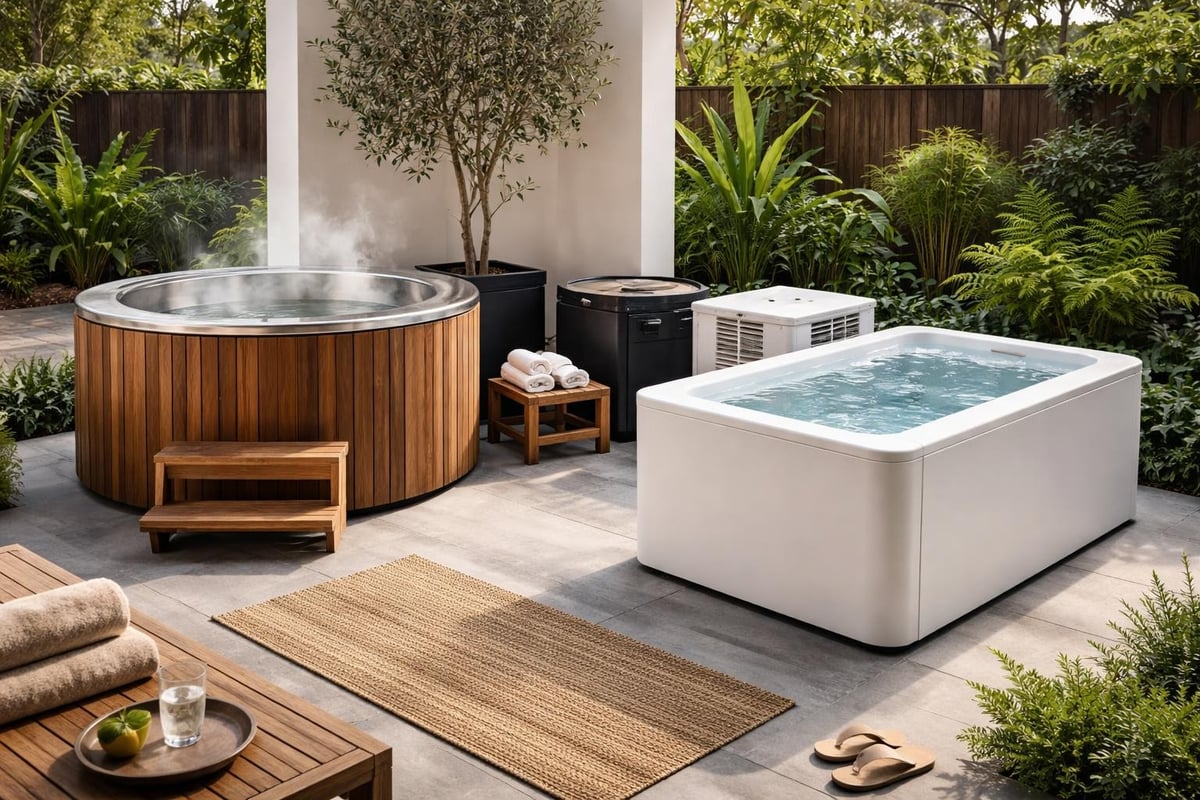
| Separate hot tub + cold plunge | Flexibility, optimal temperatures | More space required | $8,000-$20,000 |
| Integrated contrast system | Space-efficient, streamlined | Limited flexibility | $12,000-$25,000 |
| DIY cold plunge + portable hot tub | Most affordable | More maintenance | $3,000-$8,000 |
| Premium all-in-one | Best experience, automation | Highest investment | $20,000-$40,000 |
Electrical and Plumbing Requirements
Most chiller systems require dedicated 220V electrical circuits. Plan for professional electrical work unless you're qualified. Some portable options run on standard 110V outlets but offer less cooling power.
Plumbing requirements vary. Some systems need dedicated water lines and drainage. Others operate as standalone units that you fill and drain manually. Consider long-term convenience versus installation complexity.
For quality options made from premium materials, browse cold plunge solutions at Plunge N' Tubs to compare Canadian-crafted systems built for home use.
Maintenance and Operating Costs
Water Quality Management
Maintaining clean water in both hot and cold systems requires regular attention. Cold plunge tubs need weekly shocking and monthly deep cleaning. Hot tubs require more frequent chemical balancing due to higher temperatures promoting bacterial growth.
Quality filtration systems reduce chemical needs and maintenance time. UV sanitation systems eliminate most bacteria without harsh chemicals, appealing to those seeking natural approaches.
Energy Consumption
Running a chiller continuously costs approximately $30-60 monthly depending on local electricity rates and ambient temperature. Hot tubs typically cost $20-50 monthly when properly insulated and covered.
Energy-efficient models with superior insulation reduce operating costs significantly over time. The initial premium for better insulation pays back within 2-3 years through lower utility bills.
Long-Term Durability
Premium wood construction like Canadian cedar requires minimal maintenance when properly sealed and treated. Annual sealing protects against moisture damage and extends lifespan to 15-20 years or more.
Acrylic and fiberglass systems resist deterioration but may need surface refinishing after 10-15 years of heavy use. Stainless steel offers exceptional longevity but comes at a higher initial cost.
FAQ: Hot and Cold Plunge Questions Answered
How long should I stay in each temperature?
Start with 10-15 minutes hot and 2-3 minutes cold. As you adapt, you can extend cold exposure to 3-5 minutes. The key is consistency and progressive adaptation, not heroic suffering.
Can I do hot and cold plunge every day?
Yes, daily practice is safe for most people and provides cumulative benefits. However, listen to your body. If you feel excessively fatigued or notice declining performance, scale back to 4-5 days per week.
Should I eat before contrast therapy sessions?
Avoid heavy meals within 90 minutes of sessions. Light snacks are fine. The temperature extremes affect digestion, and full stomachs can cause discomfort. Many users prefer morning sessions before breakfast.
What temperature is best for cold plunging?
The optimal range is 50-59°F for most recovery benefits. Below 45°F increases risk without added benefit. Above 60°F reduces the physiological response you're seeking.
Can hot and cold plunge help with weight loss?
Cold exposure activates brown fat and increases metabolic rate slightly. While not a primary weight loss tool, regular practice supports overall metabolic health and may contribute to better body composition over time when combined with proper training and nutrition.
Is contrast therapy safe for everyone?
Most healthy adults can safely practice hot and cold plunge therapy. However, those with cardiovascular conditions, uncontrolled high blood pressure, or pregnancy should consult physicians first. Always start conservatively regardless of health status.
How does hot and cold plunge compare to ice baths alone?
While ice baths provide recovery benefits, combining hot tub and cold plunge creates superior circulation effects through the vascular pumping action. The alternating temperatures deliver synergistic benefits neither achieves alone.
Do I need special equipment beyond the tubs?
Basic accessories enhance safety and comfort: non-slip mats, thermometers, timers, and robes. Some users add steps for easier entry and exit. Nothing essential beyond the actual hot and cold water sources.
Hot and cold plunge therapy offers powerful benefits for recovery, wellness, and performance when practiced consistently with proper protocols. Whether you're an athlete seeking faster recovery or someone optimizing health and longevity, this accessible practice delivers measurable results at home. Ready to bring professional-grade recovery into your daily routine? Explore premium cold plunge and hot tub systems at Plunge N' Tubs, where Canadian-crafted quality meets fast, free delivery across North America.
Share:
Hot Tub with Wood: Complete Guide to Wood-Fired Tubs
Ice Bath Tank: Complete Buyer's Guide for 2026