




A cedar cold plunge represents one of the most effective investments you can make in your recovery and wellness routine. Unlike plastic or acrylic alternatives, cedar tubs combine natural durability with aesthetic appeal, creating a premium cold therapy experience that fits seamlessly into your backyard or wellness space. The material choice matters more than most people realize, affecting everything from water temperature retention to long-term maintenance requirements and overall longevity.
Why Cedar Is the Superior Material for Cold Plunge Tubs
Cedar brings unique properties to cold plunge construction that synthetic materials simply can't match. The natural oils in cedar wood provide inherent resistance to moisture, rot, and bacterial growth, making it ideal for constant water exposure.
Natural Insulation Properties
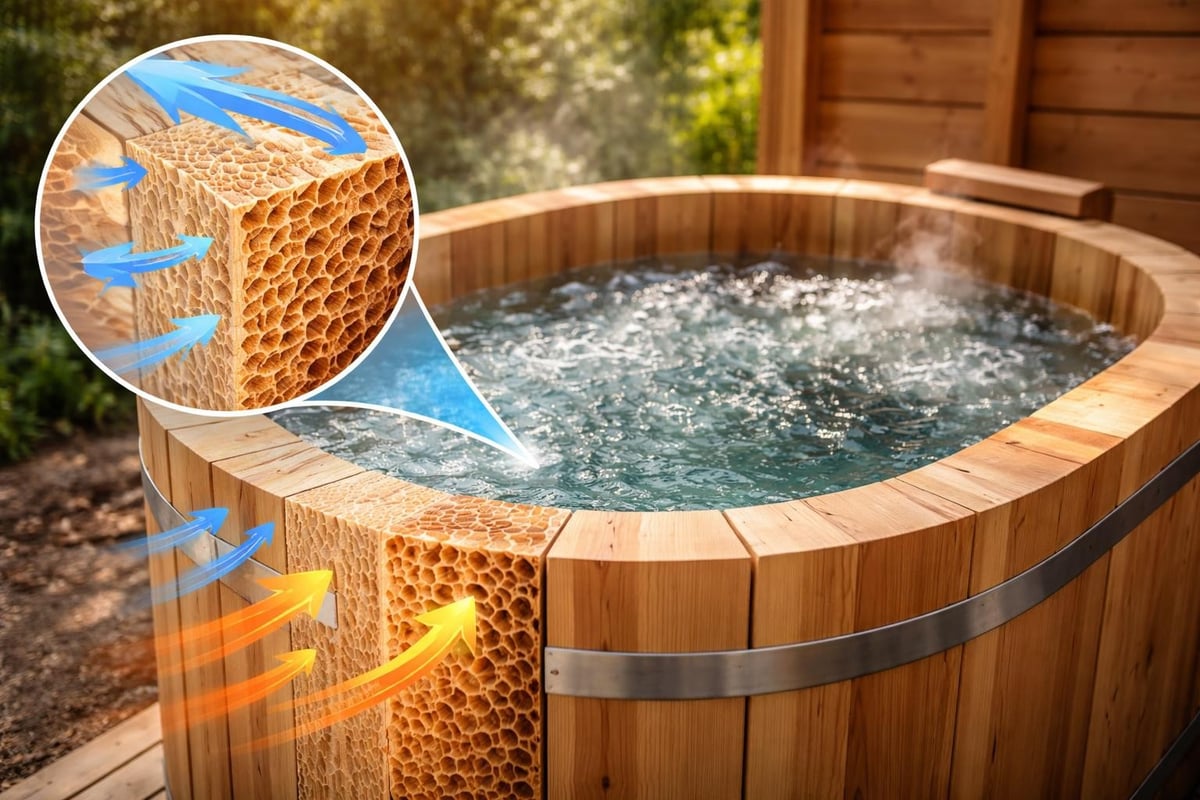
Eastern White Cedar, commonly sourced from Canada, offers exceptional thermal regulation. The wood's cellular structure creates natural insulation that helps maintain consistent water temperatures with less energy consumption. This translates to lower operating costs when you're running a chiller system.
Key benefits include:
- Temperature stability that reduces chiller workload
- Natural resistance to warping and cracking
- Beautiful aging process that enhances appearance over time
- Eco-friendly material from sustainable sources
The insulation factor becomes particularly important during winter months. A quality cedar cold plunge maintains its temperature better than plastic alternatives, meaning your chiller doesn't have to work overtime.
Is a Cedar Cold Plunge Worth the Investment?
This question depends entirely on your wellness goals and budget. Cedar cold plunge tubs typically cost more upfront than inflatable or basic plastic models, but the value proposition changes when you factor in longevity and daily use.
Consider this comparison:
| Factor | Cedar Cold Plunge | Plastic/Inflatable |
|---|---|---|
| Lifespan | 15-20+ years | 3-5 years |
| Maintenance | Minimal annual upkeep | Frequent repairs |
| Aesthetic Value | Increases property value | Temporary setup |
| Temperature Retention | Excellent | Poor to moderate |
| Durability | Weather-resistant | Prone to damage |
If you're serious about cold therapy and plan to use it multiple times per week, the investment pays for itself within a few years. Athletes, biohackers, and wellness enthusiasts who prioritize recovery typically find cedar tubs deliver better long-term value.
Real-World Cost Analysis
A premium cedar cold plunge ranges from $3,000 to $8,000 depending on size and features. Compare this to gym memberships with cold plunge access at $100-200 monthly. You break even within 2-3 years while gaining unlimited access at home.
The convenience factor alone justifies the cost for many users. No more driving to a wellness center, waiting for equipment, or working around someone else's schedule.
Who Should Buy a Cedar Cold Plunge?
Not everyone needs a permanent cedar installation. Understanding whether you're the right candidate helps avoid buyer's remorse.
Ideal candidates include:
- Athletes training 4+ days per week who need consistent recovery
- People dealing with chronic inflammation or joint pain
- Wellness enthusiasts building a complete home recovery setup
- Individuals with outdoor space who value aesthetic appeal
- Anyone replacing regular spa or gym cold therapy visits
You might want to reconsider if you're new to cold therapy and haven't established a consistent practice. Research-backed benefits of cold plunges are well-documented, but the commitment requires discipline.
Testing Before Buying
Start with basic cold showers or ice baths for 2-3 months. If you maintain consistency and notice genuine benefits, upgrading to a cedar cold plunge makes sense. This trial period helps you understand your tolerance and preferred temperature ranges.
What to Look for When Buying a Cedar Cold Plunge Tub
The market offers various cedar options, but quality varies significantly. Knowing what separates premium models from budget alternatives protects your investment.
Wood Quality and Construction
Cedar grade matters. Premium manufacturers use select-grade cedar with tight grain patterns and minimal knots. This ensures structural integrity and longevity. Ask about the cedar source and whether it's kiln-dried to specific moisture content.
Construction methods reveal quality. Look for:
- Stainless steel or marine-grade hardware
- Tongue-and-groove or interlocking panel design
- Multiple coats of food-safe sealant
- Reinforced base and structural supports
Cheaper models use lower-grade cedar or inadequate sealing, leading to premature deterioration. The Polar Plunge Tub exemplifies premium construction with Canadian-sourced Eastern White Cedar and professional-grade materials that withstand outdoor use year-round.
Interior Liner Options
Cedar tubs typically feature either stainless steel or HDPE plastic liners. Each has advantages:
| Liner Type | Pros | Cons |
|---|---|---|
| 304 Stainless Steel | Extremely durable, easy to clean, premium feel | Higher cost, conducts cold |
| HDPE Plastic | Affordable, good insulation, lightweight | Less premium appearance |
Both work well for cold therapy. Stainless steel offers superior longevity and easier sanitation, while HDPE provides better thermal properties at a lower price point.
Chiller System Compatibility
Not all cedar tubs come with integrated chillers. Some require separate purchases. Understand what's included and whether the system can maintain your target temperature range.
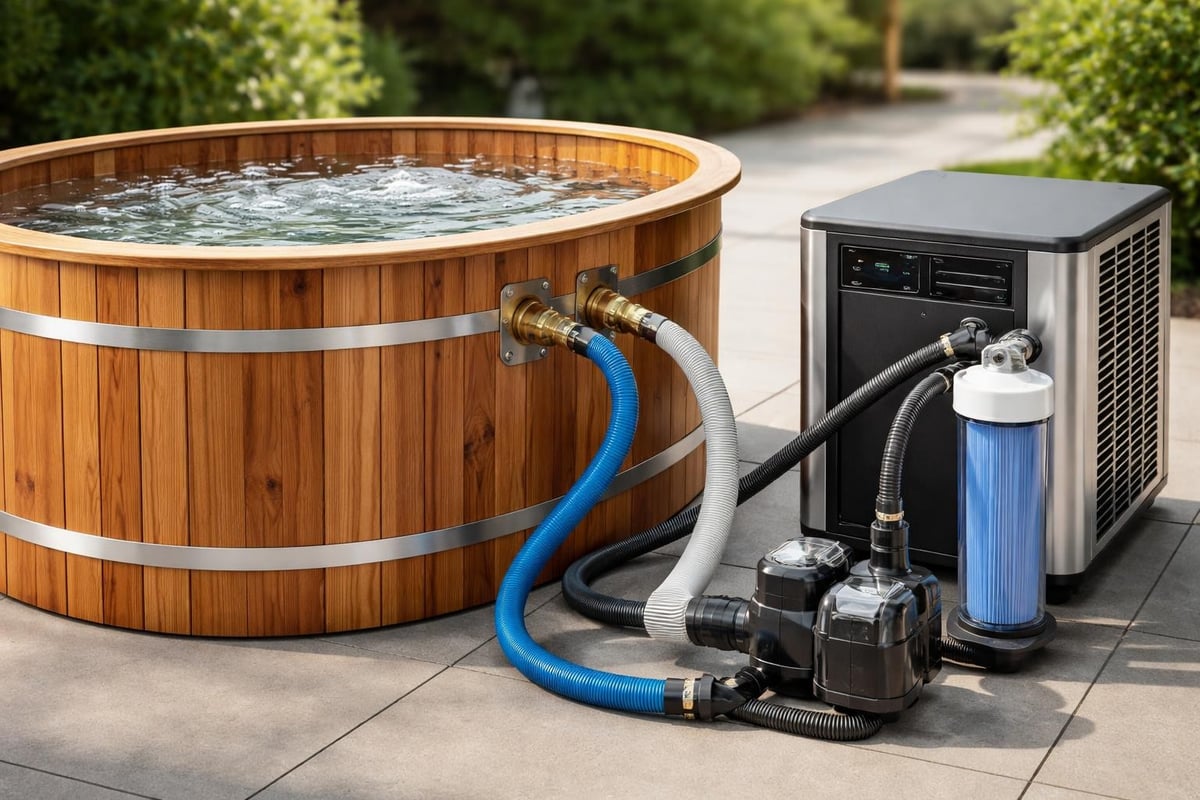
Quality chillers should maintain 37-50°F consistently, even in warm climates. Look for 1HP or stronger motors if you live in hot regions or plan year-round outdoor use.
Common Mistakes Beginners Make with Cedar Cold Plunges
First-time buyers often overlook crucial details that impact their experience. Avoiding these errors saves money and frustration.
Mistake #1: Ignoring Installation Requirements
Cedar tubs are heavy, especially when filled with water. A standard 6-foot tub holds 300-400 gallons, weighing over 3,000 pounds when full. Your installation site needs:
- Level ground or reinforced deck (check weight capacity)
- Electrical access for chiller systems
- Proper drainage solutions
- Protection from direct sunlight (extends wood life)
Many people underestimate site preparation costs. Budget an extra $500-1,500 for professional installation if you're not experienced with outdoor construction.
Mistake #2: Starting Too Cold, Too Long
Beginners often push too hard initially, leading to negative experiences that kill motivation. Safe cold plunge practices recommend starting at 55-60°F for 2-3 minutes, gradually working down to colder temperatures over weeks.
Your body needs adaptation time. Rushing the process increases risk of cold shock response or negative associations with the practice.
Mistake #3: Neglecting Water Maintenance
Cedar tubs require regular water care just like pools or hot tubs. Skipping maintenance leads to bacterial growth, cloudy water, and potential health issues.
Essential maintenance tasks:
- Test water chemistry weekly
- Use appropriate sanitizers (bromine or chlorine)
- Clean filters every 2-4 weeks
- Drain and refill every 3-4 months
- Apply wood sealant annually
Setting up a maintenance routine from day one prevents problems. The time investment is minimal compared to dealing with water quality issues later.
Mistake #4: Overlooking Recovery Timing
Cold plunging immediately before intense training can temporarily reduce muscle power output. Optimal timing places cold therapy sessions:
- 6-12 hours post-workout for recovery
- Morning sessions for mental clarity and energy
- Evening sessions 2+ hours before bed (allows body temp to normalize)
Understanding how cold plunge duration affects your physiology helps maximize benefits while avoiding interference with training adaptations.
Setting Up Your Cedar Cold Plunge for Optimal Results
Proper setup goes beyond physical installation. Creating the right environment enhances both the experience and results.
Temperature Zones for Different Goals
Different temperatures serve different purposes:
| Temperature Range | Primary Benefits | Best For |
|---|---|---|
| 50-60°F | Gentle recovery, daily use | Beginners, maintenance |
| 45-50°F | Inflammation reduction, mental clarity | Intermediate users |
| 37-45°F | Maximum recovery, performance | Advanced athletes |
Most users find their sweet spot between 45-55°F. This range delivers significant benefits without being excessively uncomfortable. Your home cold plunge setup should allow temperature flexibility based on daily needs.
Creating a Recovery Routine
Consistency matters more than intensity. Establish a realistic schedule you can maintain long-term:
Beginner protocol: 3 sessions per week, 2-3 minutes at 55°F Intermediate protocol: 4-5 sessions per week, 4-6 minutes at 48°F Advanced protocol: Daily sessions, 8-12 minutes at 40-45°F
Track your sessions, noting temperature, duration, and how you feel afterward. This data helps you optimize your protocol over time.
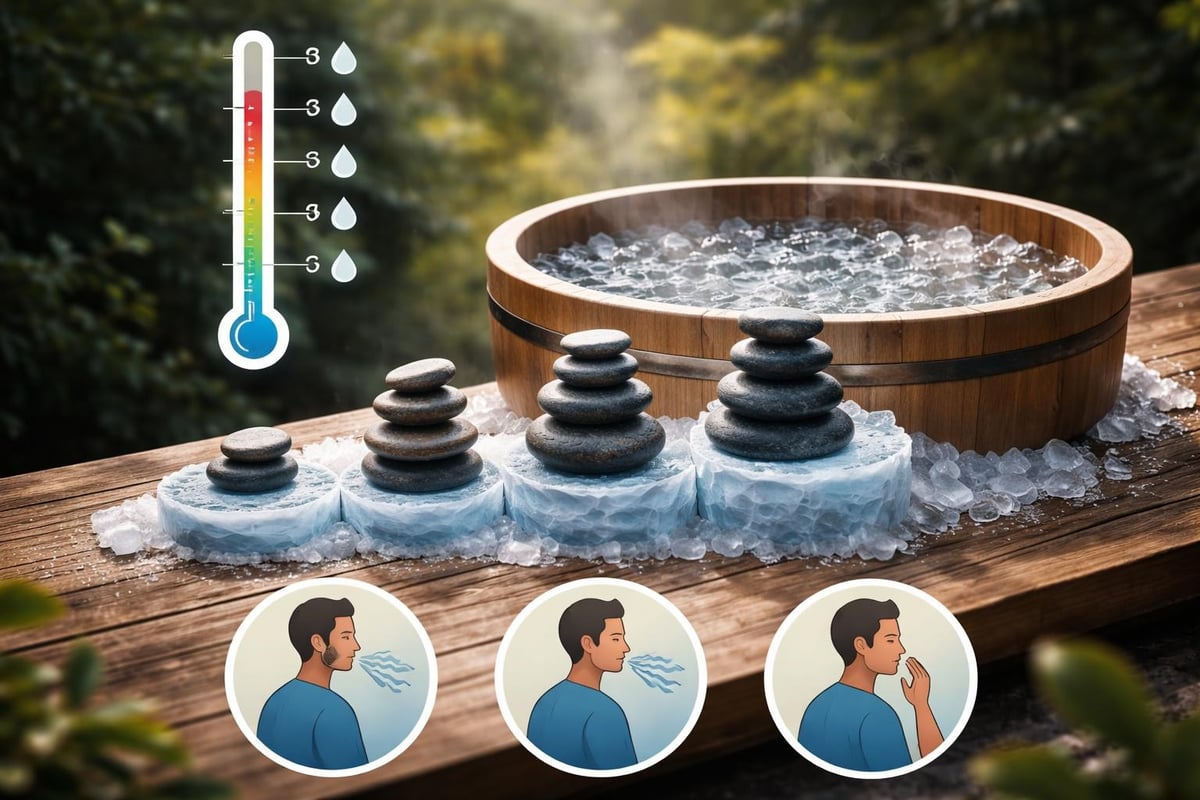
Breathing Techniques Matter
How you breathe during cold exposure significantly impacts the experience. Controlled breathing:
- Reduces shock response
- Lowers perceived discomfort
- Improves cold adaptation
- Enhances mental resilience
Practice box breathing (4-second inhale, 4-second hold, 4-second exhale, 4-second hold) before entering. Maintain steady, controlled breaths throughout your session.
Cedar Maintenance and Long-Term Care
Quality cedar requires minimal maintenance but consistent care ensures decades of service. Understanding seasonal needs prevents deterioration.
Annual Maintenance Schedule
Spring (April-May):
- Deep clean the entire tub
- Inspect seals and hardware
- Apply fresh wood sealant
- Check chiller system performance
Summer (June-August):
- Monitor water levels (evaporation)
- Increase filter cleaning frequency
- Shade tub if in direct sun
Fall (September-October):
- Clear debris from tub area
- Inspect drainage systems
- Prepare for winter use
Winter (November-March):
- Ensure chiller protection in freezing temps
- Monitor ice formation on exterior
- Reduce session frequency in extreme cold
Wood Preservation Techniques
Cedar naturally resists decay, but proper sealing extends lifespan significantly. Use food-safe, water-based sealants designed for constant water contact. Reapply annually or when you notice water absorption increasing.
The exterior benefits from UV-protective treatments if positioned in direct sunlight. Cedar naturally weathers to a silver-gray patina, which many find appealing, but UV protection maintains the original color if preferred.
Comparing Cedar to Other Cold Plunge Materials
Material choice fundamentally affects your experience, costs, and longevity. Understanding trade-offs helps you make informed decisions.
Cedar vs. Acrylic Systems
Acrylic cold plunges like modern chiller units offer plug-and-play convenience with integrated systems. They're easier to install and maintain precise temperatures. However, they lack the aesthetic appeal and natural properties of cedar.
Cedar provides a more authentic, spa-like experience. The wood feels warmer to touch (despite cold water), creating a less jarring entry experience. For those building complete wellness spaces, cedar integrates beautifully with saunas and outdoor living areas.
Cedar vs. Stainless Steel
Stainless steel offers ultimate durability and minimal maintenance. It's the choice for high-traffic commercial settings. For home use, the clinical appearance and higher cost often make cedar more appealing.
The tactile experience differs significantly. Cedar provides a natural, warm aesthetic that many users find more inviting for daily practice.
Using Cedar Hot Tubs for Cold Therapy
Some people explore converting hot tubs for cold plunge therapy, which works but presents challenges. Hot tub insulation designed to retain heat works against you when trying to maintain cold temperatures, increasing chiller demands.
Purpose-built cold plunge tubs optimize for temperature retention in the cold range. If you want both hot and cold therapy, separate units perform better than trying to convert between modes.
Frequently Asked Questions
How long does a cedar cold plunge last? With proper maintenance, quality cedar cold plunge tubs last 15-20+ years. The wood naturally resists rot and bacterial growth, while annual sealing protects against weathering. Many cedar tubs outlast their owners' use of them.
Do I need a chiller or can I use ice? Ice works for occasional use but becomes impractical for daily cold plunging. A 400-gallon tub requires 40-60 pounds of ice to drop temperature significantly. Chillers provide consistent temperatures and cost less long-term than buying ice regularly. Learn more about cold therapy tub options and their systems.
What temperature should beginners start at? Start at 55-60°F for 2-3 minutes. This allows your body to adapt without overwhelming your system. Gradually decrease temperature by 2-3 degrees weekly as you become comfortable. Most people find their optimal range between 45-50°F after several weeks of adaptation.
Can cedar cold plunge tubs stay outside year-round? Yes, quality cedar tubs are designed for outdoor use in all climates. The wood naturally withstands freezing temperatures, rain, and snow. Ensure your chiller has freeze protection if you live in areas with harsh winters. Some users cover their tubs during extreme weather for added protection.
How often should I change the water? With proper filtration and chemical balance, change water every 3-4 months. More frequent use may require more frequent changes. Monitor water clarity and smell as indicators. Regular filter cleaning and chemical testing extend water life between changes.
Is cold plunging safe for everyone? Most healthy adults can safely practice cold plunging, but consult your doctor first if you have cardiovascular conditions, high blood pressure, or pregnancy. Cold exposure creates physiological stress that, while beneficial for most, may be risky for certain conditions. Always start gradually regardless of health status.
A cedar cold plunge delivers premium recovery benefits while adding lasting value to your home wellness setup. The combination of natural durability, superior temperature retention, and aesthetic appeal makes cedar the top choice for serious cold therapy practitioners. Whether you're an athlete optimizing recovery or a wellness enthusiast building a complete home therapy space, investing in quality equipment ensures you'll actually use it consistently. Plunge N' Tubs offers premium cedar cold plunge systems crafted from Canadian-sourced materials, with fast and free delivery across North America to help you start your recovery journey with confidence.
Share:
Cold Plunge for Sale: Complete Buying Guide for 2026
Cold Plunge Bathtub: Complete 2026 Buying Guide