



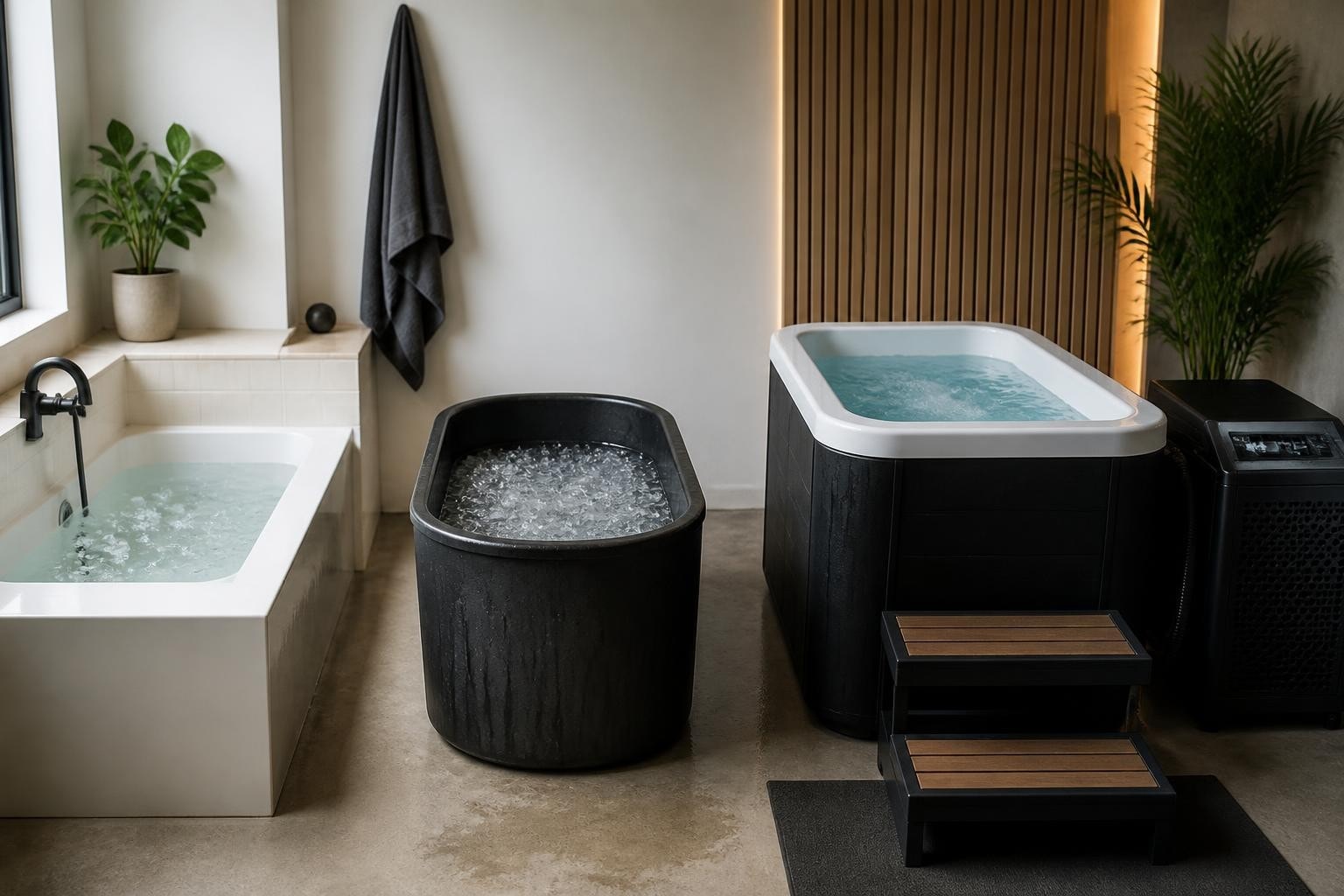
Transforming your bathroom into a recovery space has never been more accessible. A cold plunge in bath tub offers an entry point into cold therapy without the commitment of a dedicated system, making it an attractive option for those curious about cold exposure benefits. While this approach has limitations, understanding how to properly execute a bathtub cold plunge and when to upgrade can help you make informed decisions about your recovery routine.
Understanding the Cold Plunge in Bath Tub Method
Using your standard bathtub for cold therapy involves filling it with cold water and ice to achieve therapeutic temperatures. The goal is reaching water temperatures between 50-59°F (10-15°C), which research suggests provides optimal benefits for muscle recovery and inflammation reduction.
The basic process requires draining your tub, filling it with the coldest tap water available, then adding substantial amounts of ice. Most tap water sits around 50-60°F in winter months but can reach 70-80°F during summer, making ice supplementation essential year-round.
Temperature Challenges With Standard Tubs
Standard bathtubs present significant temperature control issues. Without insulation or chilling systems, water temperatures rise quickly, especially in heated bathrooms.
Common temperature problems include:
- Tap water rarely cold enough for therapeutic benefit
- Ice melts rapidly, raising water temperature within 5-10 minutes
- Porcelain and acrylic tubs conduct heat, accelerating warming
- Bathroom ambient temperature prevents sustained cold exposure
- Inconsistent temperatures between sessions make tracking progress difficult
Most users find they need 20-40 pounds of ice per session to achieve and maintain proper temperatures, creating both cost and convenience challenges. According to experts at Cleveland Clinic, maintaining consistent cold exposure temperatures is crucial for receiving therapeutic benefits.
Physical Benefits of Regular Cold Exposure
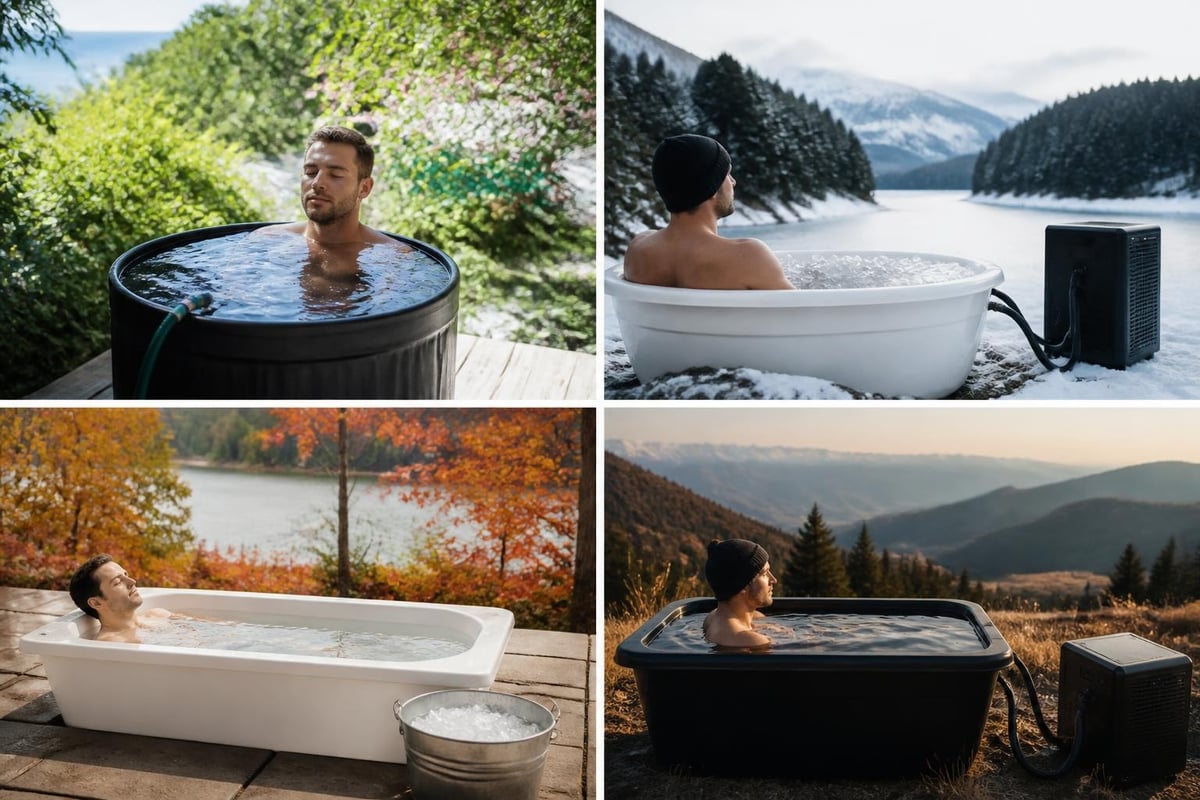
Cold water immersion triggers multiple physiological responses that support recovery and wellness. When executed properly, even a cold plunge in bath tub can deliver measurable benefits.
Primary recovery benefits:
- Reduced inflammation: Cold constricts blood vessels, limiting inflammatory response after training
- Faster muscle recovery: Decreased muscle soreness 24-72 hours post-exercise
- Improved circulation: Alternating vasoconstriction and vasodilation strengthens vascular function
- Enhanced mental clarity: Cold shock proteins support cognitive function and alertness
The Science Behind Cold Therapy
Cold water immersion activates your sympathetic nervous system, triggering a controlled stress response. This hormetic stress strengthens your body's adaptive capabilities over time.
Research detailed in scientific analyses of cold plunge benefits shows that regular cold exposure can improve metabolic function, boost immune response, and enhance mood through increased dopamine production. These benefits accumulate with consistent practice rather than occasional use.
Your body adapts to cold exposure through several mechanisms. Brown adipose tissue activation increases thermogenesis, burning calories to generate heat. Norepinephrine release sharpens focus while reducing pain perception. Regular practitioners often report improved stress resilience that extends beyond their plunge sessions.
Is a Bathtub Cold Plunge Worth It?
The value proposition depends entirely on your goals, commitment level, and timeline. A cold plunge in bath tub serves specific use cases well while falling short for others.
When bathtub plunges make sense:
- Testing cold therapy before investing in equipment
- Occasional recovery after intense training sessions
- Short-term use while researching permanent solutions
- Supplementing existing recovery protocols
- Traveling without access to dedicated systems
When bathtub plunges fall short:
- Daily recovery routines requiring consistency
- Precise temperature control for specific protocols
- Convenience and time efficiency priorities
- Shared bathrooms with family members
- Long-term commitment to cold therapy practice
| Factor | Bathtub Plunge | Dedicated System |
|---|---|---|
| Upfront Cost | $0-50 | $3,000-12,000 |
| Ice Cost/Session | $5-15 | $0 |
| Setup Time | 20-30 min | 2-5 min |
| Temperature Consistency | Poor | Excellent |
| Long-term Value | Low | High |
| Recovery Access | Limited | On-demand |
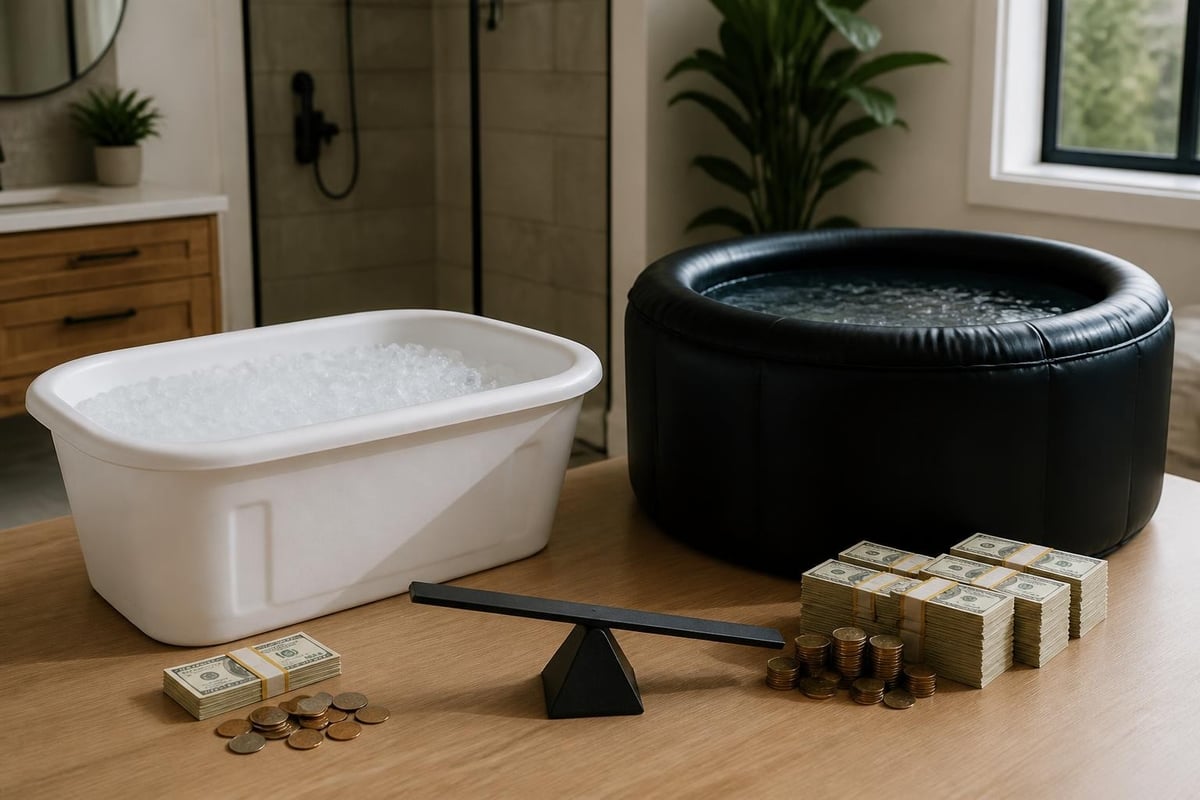
The math changes quickly with regular use. Daily bathtub plunges requiring ice purchases cost approximately $150-450 monthly. Within 6-12 months, a dedicated system becomes cost-effective for committed users.
Setting Up Your Bathtub for Cold Plunging
Proper setup maximizes results and minimizes safety risks. Follow this systematic approach for effective bathtub cold plunges.
Step-by-Step Setup Process
- Clean your tub thoroughly: Remove soap residue and oils that could irritate skin during prolonged immersion
- Close bathroom door: Minimize ambient heat and maintain privacy
- Fill with coldest tap water: Run cold water only until tub reaches appropriate depth
- Measure initial temperature: Use a waterproof thermometer for baseline reading
- Add ice strategically: Pour ice gradually while monitoring temperature
- Prepare exit strategy: Place towels and warm clothing within easy reach
- Set timer: Use waterproof timer or phone in protective case
The ideal water depth covers your shoulders while seated, typically 12-18 inches depending on tub dimensions and body size. Deeper water provides better immersion but requires more ice to cool effectively.
Safety Considerations for Home Use
Never plunge alone, especially during initial sessions. Cold shock response can cause hyperventilation, increased heart rate, and disorientation. Having someone nearby ensures help is available if needed.
Essential safety protocols:
- Start with shorter durations (1-2 minutes) before extending exposure
- Never consume alcohol before or during cold plunging
- Exit immediately if experiencing chest pain, excessive shivering, or numbness
- Keep bathroom door unlocked for emergency access
- Avoid plunging with open wounds or skin conditions
Individuals with cardiovascular conditions, Raynaud's disease, or cold urticaria should consult physicians before attempting cold plunges. The sudden temperature change creates cardiovascular stress that can be dangerous for certain conditions.
Who Should Use a Cold Plunge in Bath Tub?
This method serves specific user profiles better than others. Understanding whether you fit the ideal use case prevents wasted time and frustration.
Perfect Candidates for Bathtub Plunging
Athletes testing recovery protocols: Competitive and recreational athletes exploring cold therapy benefits before committing to dedicated equipment find bathtub plunges valuable. This allows experimentation with timing, duration, and frequency without financial commitment.
Occasional users with sporadic needs: Weekend warriors who train intensely but irregularly may find bathtub plunges sufficient. If you're plunging 1-3 times weekly rather than daily, the setup hassle remains manageable.
Budget-conscious beginners: Those unable to invest in dedicated systems but committed to experiencing cold therapy benefits can use bathtub plunges as an extended trial period. This provides months of experience informing future purchasing decisions.
Users Who Should Skip This Method
Daily recovery seekers need consistent, convenient access that bathtub plunges cannot provide. The 20-30 minute setup and cleanup process becomes unsustainable when practiced daily, leading to decreased adherence and lost benefits.
Busy professionals without dedicated bathroom access face practical limitations. Tying up the family bathroom for 45 minutes daily creates household friction that undermines consistency.
Serious biohackers requiring precise protocols find bathtub temperature variability problematic. Specific therapeutic targets (like 39°F for maximum brown fat activation) are nearly impossible to achieve and maintain without dedicated equipment.
What to Look for When Upgrading to a Dedicated System
Once you've validated cold therapy benefits through bathtub experimentation, upgrading to a dedicated system transforms your recovery practice. Understanding key features prevents costly mistakes.
Essential Features in Cold Plunge Systems
Temperature control precision: Look for systems maintaining temperatures within 1-2°F of target settings. Quality chillers cycle efficiently without constant monitoring or adjustment.
Build quality and materials: Premium systems use durable materials like white cedar, stainless steel, or high-grade acrylic. These materials withstand outdoor placement, temperature extremes, and years of regular use. Plunge N' Tubs specializes in premium Canadian-sourced wood construction that delivers both durability and aesthetic appeal.
Insulation effectiveness: Proper insulation dramatically reduces energy costs while maintaining consistent temperatures. Multi-layer insulation systems in walls and covers prevent heat transfer and minimize chiller runtime.
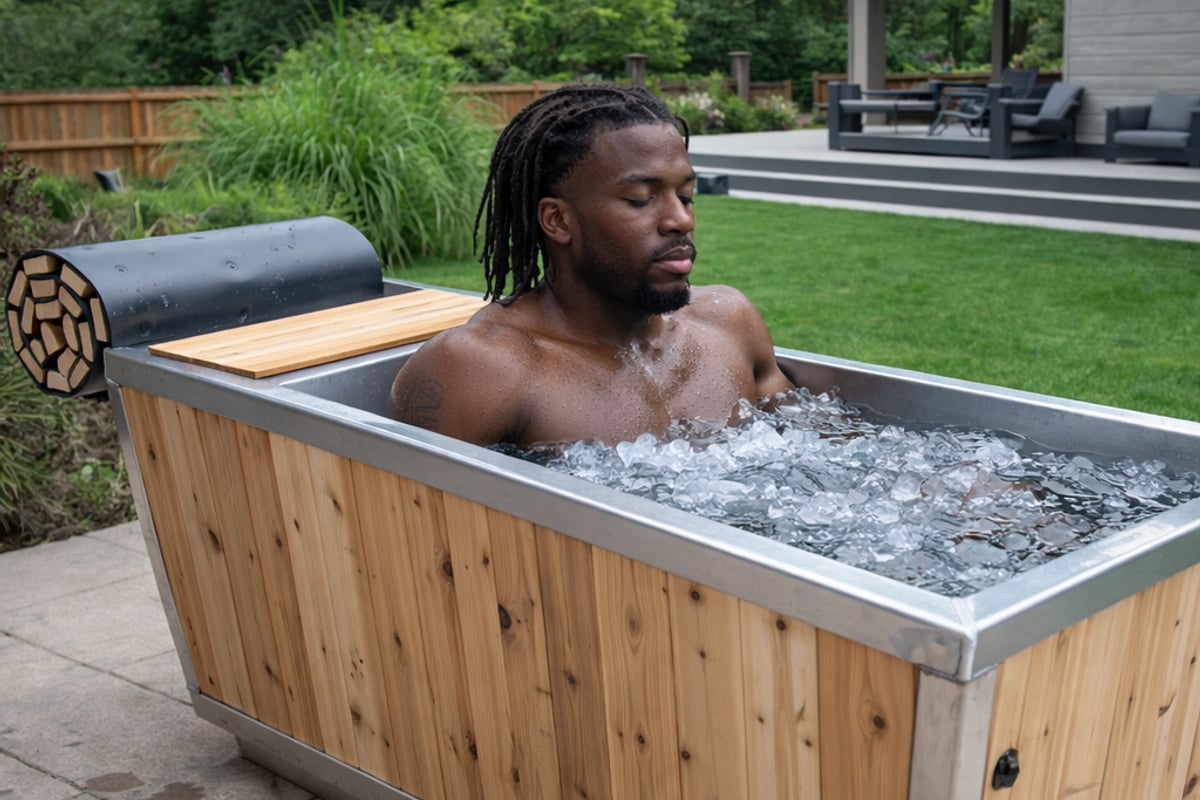
The Polar Plunge Tub offers a perfect example of premium construction meeting practical needs, featuring your choice of 304 stainless steel or white HDPE plastic interior paired with naturally durable white cedar exterior designed for year-round outdoor use.
Filtration and sanitation: Integrated filtration extends water life between changes while maintaining cleanliness. Ozone or UV sanitation systems reduce chemical requirements and maintenance frequency.
Sizing and Placement Considerations
Measure your available space before selecting a system. Standard cold plunge dimensions range from 4x3 feet for single users to 6x4 feet for shared use. Account for access clearance around all sides for maintenance and entry.
| Capacity | Dimensions | Best For | Water Volume |
|---|---|---|---|
| Single User | 4' x 3' x 3' | Individual recovery | 200-300 gallons |
| Couple/Shared | 5' x 4' x 3.5' | Partners, families | 400-500 gallons |
| Commercial | 6' x 4' x 4' | Gyms, facilities | 600-800 gallons |
Indoor placement requires drainage access and humidity management. Outdoor placement needs level ground, electrical access for chillers, and consideration for neighborhood aesthetics and privacy.
Climate matters significantly. Systems placed in extreme cold climates benefit from additional insulation or indoor placement. Hot climates demand more powerful chillers to overcome ambient temperature challenges.
Common Mistakes Beginners Make
Avoiding these frequent errors accelerates your cold therapy progress while preventing discouragement and safety issues.
Temperature and Duration Errors
Starting too cold, too long: New users often attempt extreme temperatures and extended durations based on social media content. This creates miserable experiences that discourage continued practice. Start at 60°F for 2-3 minutes, gradually decreasing temperature and extending duration over weeks.
Inconsistent practice: Sporadic plunging delivers minimal benefits. The documented advantages of cold plunges accumulate through regular exposure, not occasional extreme sessions. Commit to 3-5 weekly sessions minimum for measurable results.
Ignoring body signals: Competitive personalities push through warning signs like severe shivering, numbness, or cognitive impairment. These signals indicate dangerous core temperature drops requiring immediate exit and rewarming.
Setup and Safety Oversights
Inadequate ice preparation: Underestimating ice requirements leads to lukewarm plunges lacking therapeutic benefit. Calculate 20-40 pounds per session depending on tap water temperature and tub size.
Poor exit planning: Fumbling with towels or warm clothing while experiencing cold shock creates unnecessary stress and safety risks. Arrange everything before entering water.
Plunging on empty or full stomach: Empty stomachs can trigger nausea and dizziness during cold exposure. Very full stomachs cause discomfort during immersion. Eat a light meal 1-2 hours before plunging.
Recovery Protocol Mistakes
Jumping into hot showers immediately after plunging prevents continued calorie burning and brown fat activation. Allow 10-15 minutes of natural rewarming before warm water exposure.
Plunging immediately before bed affects some users' sleep quality despite cold therapy's reputation for improving rest. Experiment with timing, as cold exposure stimulates alertness in many practitioners. Morning or afternoon sessions typically work better for sleep optimization.
Frequently Asked Questions
How cold should the water be for a bathtub cold plunge?
Target temperatures between 50-59°F (10-15°C) for therapeutic benefits. Beginners should start at 60°F and gradually decrease as tolerance improves. Temperatures below 50°F offer minimal additional benefit while significantly increasing discomfort and safety risks.
How long should I stay in a cold plunge?
Start with 1-2 minutes for your first sessions, gradually extending to 3-5 minutes as your body adapts. Most benefits occur within this timeframe. Sessions beyond 10-15 minutes provide diminishing returns while increasing hypothermia risks.
Can I do cold plunges every day?
Daily cold plunging is safe for most healthy individuals and may provide optimal benefits. However, listen to your body and take rest days if experiencing excessive fatigue, persistent shivering, or decreased performance. Some practitioners find 4-5 weekly sessions more sustainable long-term.
Is ice bath the same as cold plunge?
The terms are often used interchangeably, though cold plunge typically refers to sustained cold water immersion while ice bath emphasizes the cooling method. Functionally, they provide identical benefits when temperatures and durations match.
Should I warm up before or after cold plunging?
Light movement before plunging (gentle stretching, walking) helps prepare your cardiovascular system. After plunging, allow natural rewarming for 10-15 minutes before using external heat sources. This extends metabolic benefits and brown fat activation.
How much ice do I need for a bathtub cold plunge?
Expect 20-40 pounds per session depending on tap water temperature, tub size, and target temperature. Summer months require more ice due to warmer tap water. Pre-chilling water overnight in covered containers reduces ice requirements.
What should I wear during a cold plunge?
Most users prefer minimal clothing (swimsuit) for maximum skin contact with cold water. Some wear neoprene booties to protect feet from extreme cold. Avoid cotton, as it retains water and prolongs uncomfortable wetness after exiting.
Regular cold exposure delivers measurable recovery and wellness benefits, whether you're starting with a cold plunge in bath tub or investing in a dedicated system. While bathtub plunges offer an accessible entry point, committed users quickly discover the limitations of inconsistent temperatures, time-consuming setup, and ongoing ice costs. If you're ready to move beyond makeshift solutions and experience professional-grade cold therapy at home, Plunge N' Tubs delivers premium cold plunge systems crafted from Canadian-sourced wood with fast, free delivery across North America, trusted by athletes and wellness professionals who demand reliable recovery on their own schedule.
Share:
Wood Soaking Tubs: Complete 2026 Buyer's Guide
Home Cold Plunge: Complete Guide to Benefits & Setup