



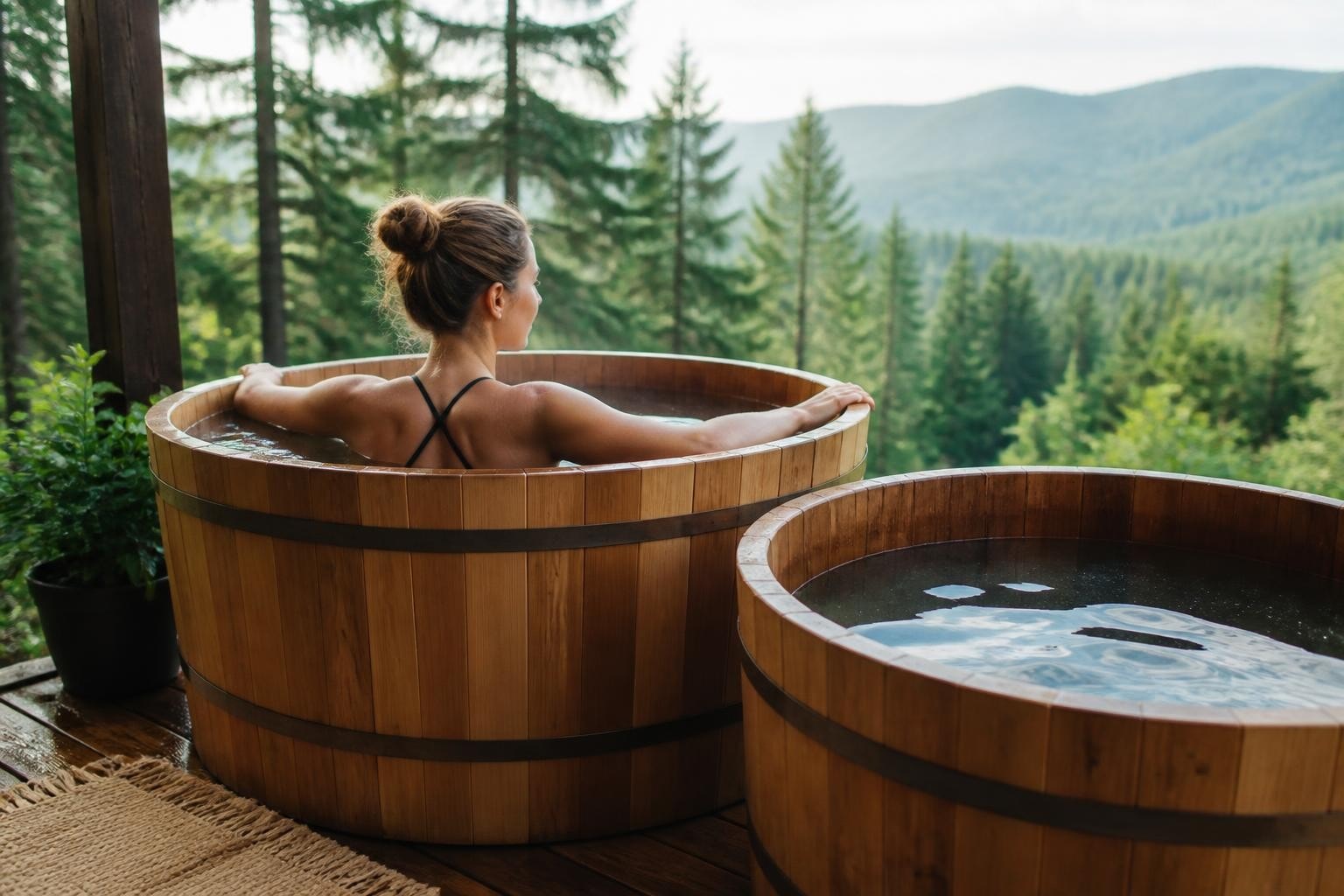
Wood soaking tubs have evolved from traditional Japanese ofuro baths into versatile wellness tools that support both relaxation and athletic recovery. These handcrafted vessels, typically constructed from premium cedar or other moisture-resistant woods, offer a natural alternative to acrylic and fiberglass options. Whether you're an athlete seeking cold therapy benefits or a wellness enthusiast looking to create a spa-like experience at home, understanding the unique properties of wood soaking tubs helps you make an informed purchase decision.
What Makes Wood Soaking Tubs Different
Wood soaking tubs stand apart from conventional bathtubs through their construction, thermal properties, and aesthetic appeal. The natural wood grain creates a visually striking centerpiece for any wellness space, while the material itself interacts with water in ways that synthetic alternatives cannot replicate.
Natural Material Advantages
Cedar, the most popular choice for wood soaking tubs, contains natural oils that resist moisture damage and prevent bacterial growth. This inherent antimicrobial property reduces maintenance requirements compared to other materials. The wood's cellular structure also provides natural insulation, helping maintain water temperature longer than metal or acrylic alternatives.
Key benefits of wood construction:
- Natural resistance to rot and decay
- Superior heat retention properties
- Chemical-free antimicrobial protection
- Unique aesthetic that improves with age
- Environmentally sustainable when sourced responsibly
The traditional practice of ofuro soaking emphasizes the connection between natural materials and wellness outcomes. Modern users appreciate how wood soaking tubs bridge ancient bathing traditions with contemporary recovery science.
Types of Wood Used in Soaking Tubs
Material selection directly impacts performance, longevity, and maintenance requirements. Understanding the characteristics of different woods helps match a tub to your specific climate and usage patterns.
| Wood Type | Durability | Heat Retention | Maintenance Level | Best For |
|---|---|---|---|---|
| Eastern White Cedar | Excellent | High | Low | All climates, outdoor use |
| Western Red Cedar | Excellent | High | Low | Wet climates, frequent use |
| Alaskan Yellow Cedar | Superior | Very High | Very Low | Premium builds, cold climates |
| Hinoki Cypress | Premium | Moderate | Moderate | Indoor use, traditional aesthetic |
| Redwood | Good | Moderate | Moderate | Dry climates, budget builds |
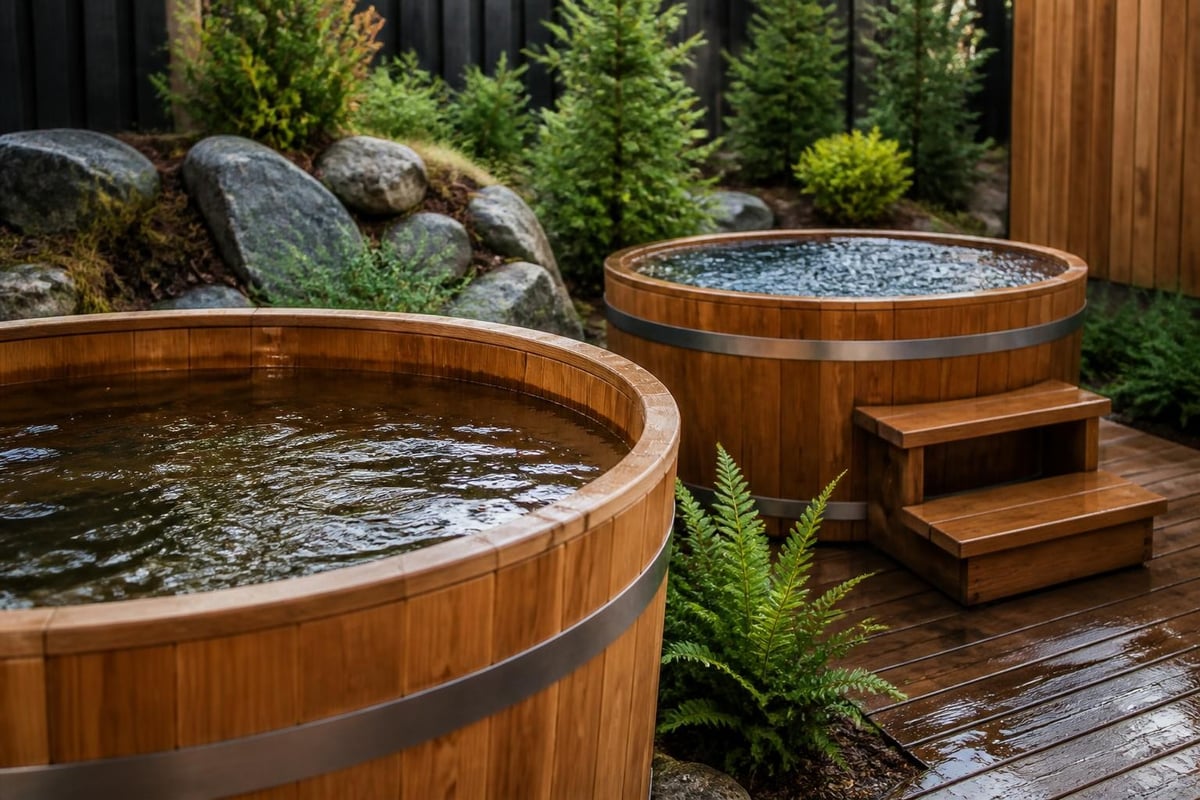
Eastern White Cedar dominates the North American market due to its ideal balance of performance and cost. This wood naturally expands when wet, creating watertight seals without synthetic sealants. Handcrafted cedar soaking tubs showcase traditional joinery techniques that maximize this natural property.
Premium Wood Options
Alaskan Yellow Cedar represents the pinnacle of tub construction materials. Its dense grain structure provides exceptional durability, and its natural oils offer superior resistance to moisture damage. While more expensive, this wood requires minimal maintenance over decades of use.
Hinoki cypress, prized in Japanese bathhouse culture, delivers a distinctive aromatic experience. The wood releases subtle fragrances when heated, enhancing the sensory aspects of soaking. However, it requires more careful maintenance and typically suits indoor installations better than outdoor placements.
Wood Soaking Tubs for Cold Plunge Therapy
Cold therapy enthusiasts increasingly choose wood soaking tubs for their cold plunge applications. The natural insulation properties of cedar help maintain consistent cold temperatures, reducing the energy required to keep water chilled between sessions.
Athletes and recovery-focused users appreciate several specific advantages:
Wood tubs accommodate both hot and cold protocols within the same vessel. You can use the same tub for contrast therapy, alternating between cold plunges and warm soaks without equipment changes. The thermal mass of thick wood walls stabilizes temperature fluctuations better than thin-walled alternatives.
For cold plunge applications, wood soaking tubs excel when paired with chiller systems or ice protocols. The natural material doesn't conduct cold as aggressively as metal, making entry and exit more comfortable. Your body contacts warm wood rather than freezing metal edges.
Cold plunge performance factors:
- Wall thickness (minimum 1.5 inches recommended)
- Interior volume (affects ice requirements)
- Insulated bottom construction
- Compatibility with chiller systems
- Drainage efficiency for water changes
The Baltic Plunge Tub represents modern engineering applied to traditional wood construction, offering flexibility for both chilled and ice-based cold therapy protocols.
What to Look for When Buying a Wood Soaking Tub
Smart purchasing requires evaluating multiple factors beyond initial cost. The right tub matches your space, usage patterns, and performance expectations while fitting your budget.
Construction Quality Indicators
Examine joinery methods carefully. Premium tubs use tongue-and-groove construction with stainless steel banding that allows natural wood expansion without compromising structural integrity. Avoid tubs relying solely on adhesives or mechanical fasteners that may fail as wood swells and contracts.
Quality checklist:
- Stave thickness (minimum 1.5 inches for outdoor use)
- Hardware materials (304 stainless steel preferred)
- Interior finish options (raw wood versus sealed)
- Band tightening mechanism accessibility
- Warranty coverage for wood-specific issues
Manufacturing origin matters significantly. Canadian-manufactured tubs using locally sourced cedar often demonstrate superior craftsmanship compared to imported alternatives. Domestic production also ensures wood appropriate for North American climate conditions.
Sizing and Placement Considerations
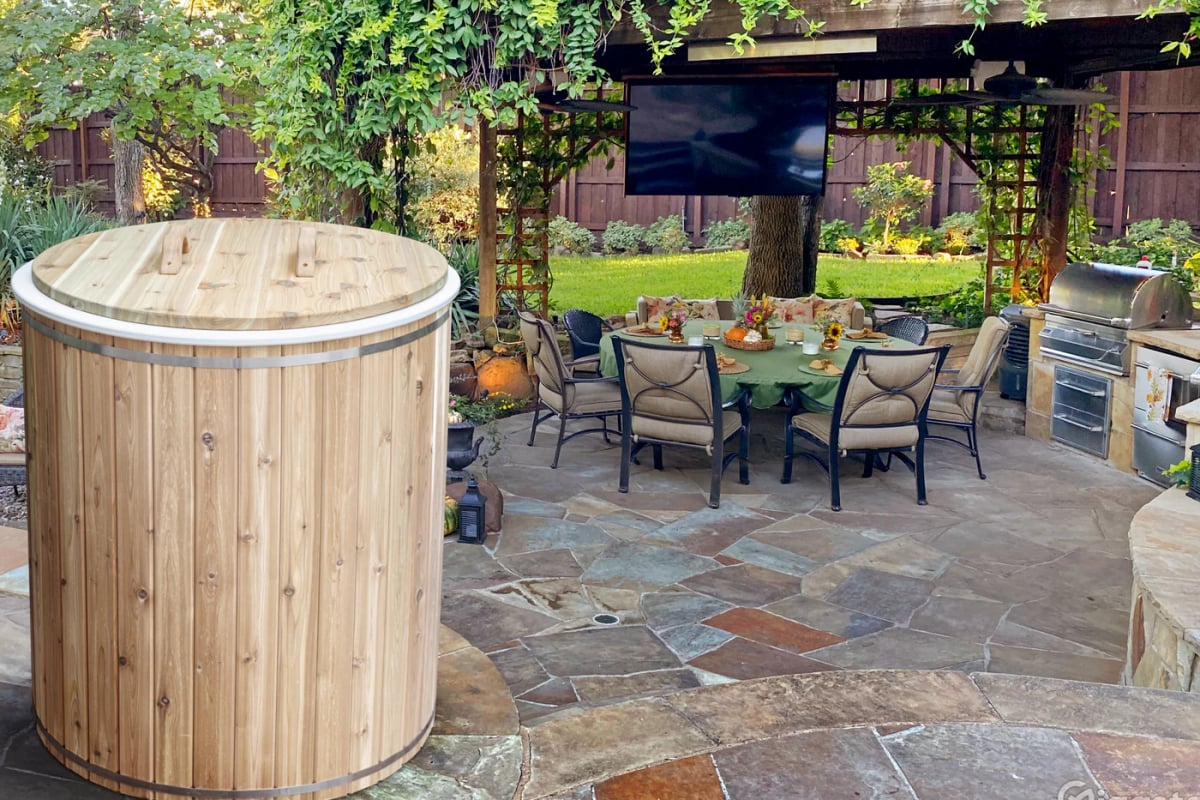
Measure your available space carefully, accounting for not just the tub footprint but also access requirements. Most wood soaking tubs ship fully assembled, requiring clear pathways for delivery and installation.
Standard round tubs range from 4 to 6 feet in diameter. Depth varies from 30 to 42 inches, with deeper models better suited for full-body immersion. Consider your height and whether you'll sit or fully submerge during use.
Is It Worth It?
Wood soaking tubs represent a significant investment, typically ranging from $3,000 to $12,000 depending on size, wood quality, and included features. The value proposition depends on your wellness priorities and usage frequency.
Cost-benefit analysis:
For frequent users (3+ sessions weekly), wood tubs deliver strong value over time. Unlike gym or spa memberships requiring ongoing payments, your tub provides unlimited access without recurring fees. Over a 10-year lifespan, this translates to mere dollars per session.
Recovery benefits justify the investment for serious athletes. Reduced inflammation, improved muscle recovery, and enhanced circulation contribute directly to performance gains. Mental health benefits, including stress reduction and improved sleep quality, add substantial value beyond physical recovery.
Maintenance costs remain minimal. Expect to spend $50-100 annually on cleaning supplies and occasional wood treatment. Energy costs vary based on whether you heat water or run a chiller, but wood-fired heating options eliminate electrical expenses entirely.
Resale Value Considerations
Quality wood soaking tubs maintain value better than acrylic alternatives. Well-maintained cedar tubs often sell for 50-70% of original price after several years of use. The natural aging process actually enhances aesthetic appeal in many cases, with weathered cedar developing attractive silvered patinas.
Who Should Buy a Wood Soaking Tub
Ideal buyers share specific characteristics and priorities that align with wood tub strengths and limitations.
Perfect candidates:
- Athletes and fitness enthusiasts using regular cold therapy for recovery
- Wellness practitioners incorporating hydrotherapy into daily routines
- Homeowners with outdoor space who value natural aesthetics
- People seeking chemical-free bathing options
- Those willing to perform basic maintenance tasks
Wood soaking tubs suit users who appreciate natural materials and don't mind occasional maintenance tasks. If you prefer set-and-forget automation, consider whether a wood tub aligns with your lifestyle.
Who Should Consider Alternatives
Certain situations favor different tub types. If you lack any outdoor space and cannot accommodate indoor installation requirements, portable or inflatable options might better suit your needs. Users requiring precise temperature control for therapeutic protocols may prefer electrically heated systems with digital controls.
Budget constraints also matter. If $3,000+ represents a significant financial stretch, explore whether starting with a more affordable option makes sense. You can always upgrade to a premium wood tub as your practice deepens and budget allows.
Common Mistakes Beginners Make
New wood tub owners frequently encounter preventable issues stemming from misunderstandings about wood behavior and maintenance requirements.
Mistake #1: Allowing the Tub to Dry Out Completely
Wood soaking tubs must remain wet to maintain watertight integrity. When wood dries completely, staves shrink and gaps open between boards. Beginners often drain tubs for extended periods, then face leaks when refilling.
Solution: Keep tubs filled or follow proper winterization procedures. If you won't use the tub for weeks, fill it monthly to prevent excessive drying. Some owners maintain minimum water levels year-round.
Mistake #2: Over-Tightening Stainless Steel Bands
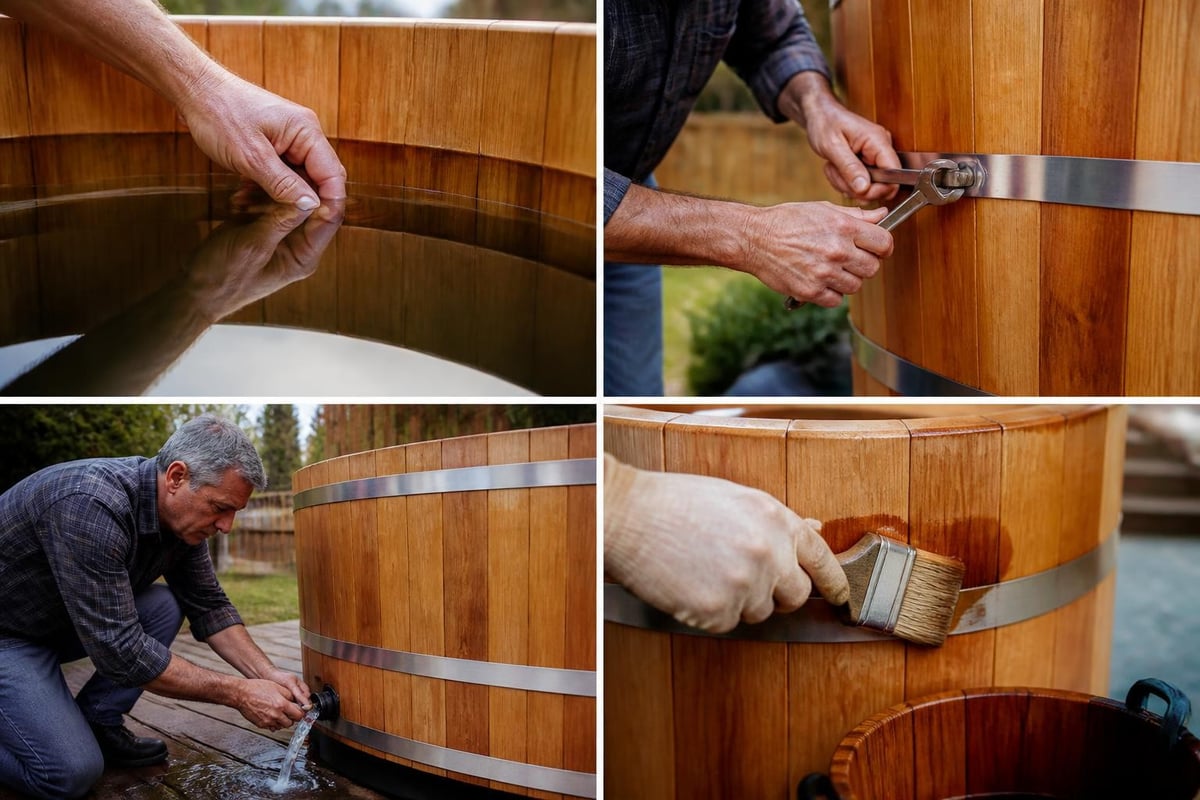
Enthusiastic owners sometimes overtighten bands thinking tighter equals better. This actually crushes wood fibers and creates permanent damage. Bands should apply gentle, even pressure allowing natural expansion when wet.
Solution: Tighten bands only until snug, then back off one-quarter turn. The wood itself creates the seal through expansion, not band compression.
Mistake #3: Using Harsh Chemicals
Standard pool chemicals damage cedar oils and accelerate wood degradation. Chlorine and bromine products commonly used in hot tubs prove too aggressive for wood surfaces.
Solution: Use hydrogen peroxide-based sanitizers or maintain water through frequent changes. For cold plunge applications, weekly water replacement often provides adequate sanitation without chemicals.
Mistake #4: Ignoring Drainage Requirements
Improper drainage causes standing water issues and promotes rot. Beginners sometimes place tubs on flat surfaces without adequate runoff paths.
Solution: Install tubs on gravel beds or elevated platforms allowing complete drainage. Ensure drain valves remain accessible and functional. Test drainage before first use.
Maintenance Requirements and Long-Term Care
Wood soaking tubs demand more hands-on maintenance than synthetic alternatives, but tasks remain straightforward and manageable for most owners.
Monthly maintenance tasks:
- Check and adjust band tension as needed
- Inspect drain fittings for leaks
- Clean waterline to prevent buildup
- Verify water level remains adequate
Seasonal maintenance:
- Deep clean interior surfaces (spring and fall)
- Apply wood treatment to exterior (annually)
- Inspect and replace worn gaskets or seals
- Check structural integrity of base and supports
The moisture behavior of wood explains why these maintenance steps matter. Wood continuously responds to humidity changes, expanding and contracting with seasonal variations. Regular attention prevents minor issues from becoming major repairs.
Winter Care Protocols
Cold climate owners face specific winterization decisions. You can maintain tubs year-round with proper insulation and heating, or drain and cover them during freezing months.
For year-round use in freezing climates, insulated covers and base heating prevent ice formation. Some owners integrate their cold plunge practice with winter conditions, using natural outdoor temperatures instead of chillers.
Seasonal shutdown requires complete drainage, band loosening to prevent wood splitting, and weatherproof covering. Refill tubs in spring several days before first use, allowing wood to swell gradually.
Integration with Recovery Routines
Wood soaking tubs fit seamlessly into comprehensive recovery protocols combining multiple therapeutic modalities. The versatility of wood construction supports various temperature applications within structured routines.
Sample recovery schedule:
- Post-workout cold plunge (10-15 minutes at 50-55°F)
- Evening warm soak (20-30 minutes at 100-104°F)
- Weekly contrast therapy (alternating 3-minute intervals)
Athletes appreciate the ability to customize protocols based on training intensity and recovery needs. Your tub becomes a central component of overall wellness strategy, supporting both physical recovery and mental relaxation.
Combining with Sauna Therapy
The classic Nordic cycle pairs hot sauna sessions with cold plunges, creating powerful cardiovascular and recovery benefits. Wood soaking tubs complement sauna installations perfectly, offering aesthetic continuity through matching materials.
Position your tub near your sauna for convenient transitions. The combination delivers maximum recovery benefits while creating an attractive outdoor wellness zone that enhances property value.
Cost Comparison and Budget Planning
Understanding total ownership costs helps set realistic budgets and prevents surprise expenses after purchase.
| Expense Category | Initial Cost | Annual Cost | 5-Year Total |
|---|---|---|---|
| Tub Purchase | $3,000-$12,000 | $0 | $3,000-$12,000 |
| Installation | $500-$2,000 | $0 | $500-$2,000 |
| Heating/Cooling | $0-$3,000 | $100-$600 | $500-$6,000 |
| Maintenance | $0 | $50-$150 | $250-$750 |
| Water/Utilities | $0 | $100-$300 | $500-$1,500 |
| Total | $3,500-$17,000 | $250-$1,050 | $4,750-$22,250 |
Budget-conscious buyers can minimize costs by choosing manual heating methods and performing their own maintenance. Premium buyers investing in automation and professional service will experience higher ongoing costs.
Compare these figures against gym memberships ($600-$1,200 annually) or regular spa visits ($100+ per session). Most dedicated users achieve payback within 2-3 years.
Installation and Setup Considerations
Professional installation ensures optimal performance and longevity, though capable DIYers can complete setup independently.
Site preparation requirements:
- Level, stable base (concrete pad or compacted gravel)
- Adequate drainage sloping away from tub
- Access to water source for filling
- Electrical connections if using pumps or chillers
- Privacy screening or landscaping as desired
Most wood soaking tub suppliers provide detailed installation instructions with purchases. Follow manufacturer guidelines carefully, as improper installation voids warranties and creates performance issues.
Factor delivery logistics into planning. Fully assembled tubs require forklift or crane access in many cases. Confirm delivery capabilities with your supplier before purchase to avoid unexpected complications.
Frequently Asked Questions
How long do wood soaking tubs last?
Properly maintained cedar tubs typically last 15-25 years, with premium woods like Alaskan Yellow Cedar exceeding 30 years. Longevity depends primarily on maintenance consistency and climate conditions.
Can I use a wood tub indoors?
Yes, but indoor installation requires waterproof flooring, adequate ventilation, and drainage systems. Most owners prefer outdoor placement due to simpler installation and moisture management.
Do wood tubs require chemicals?
No. Frequent water changes or hydrogen peroxide treatment maintain sanitation without harsh chemicals. Cold plunge users often rely solely on weekly water replacement.
How quickly does a wood tub heat or cool?
Heating time varies by method: wood-fired systems heat in 2-4 hours, electric heaters take 4-8 hours. For cold plunge use, chiller systems maintain desired temperatures automatically, while ice protocols cool water in 1-2 hours.
What's the best wood for outdoor use in cold climates?
Eastern White Cedar and Alaskan Yellow Cedar perform best in freezing conditions. Both resist splitting from freeze-thaw cycles and maintain structural integrity through temperature extremes.
Can I move a wood tub after installation?
Yes, but empty it completely first. Filled tubs weigh 2,000-4,000 pounds and require professional moving equipment. Plan placement carefully during initial installation.
Do wood tubs need special cleaning products?
Standard mild soap and water work well for routine cleaning. Avoid abrasive cleaners or harsh chemicals that damage wood oils. Some owners use diluted vinegar for mineral deposit removal.
Wood soaking tubs deliver exceptional versatility for home wellness routines, supporting everything from athletic recovery to daily relaxation rituals. Their natural construction, thermal properties, and aesthetic appeal create wellness experiences that synthetic alternatives cannot match. When you're ready to invest in premium recovery equipment built from the highest quality Canadian wood, explore how Plunge N' Tubs delivers professional-grade systems with fast, free shipping across North America, bringing spa-quality wellness directly to your home.
Share:
Cold Plunge Tubs Canada: Complete 2026 Buying Guide
Cold Plunge In Bath Tub: Complete Guide for Home Recovery