



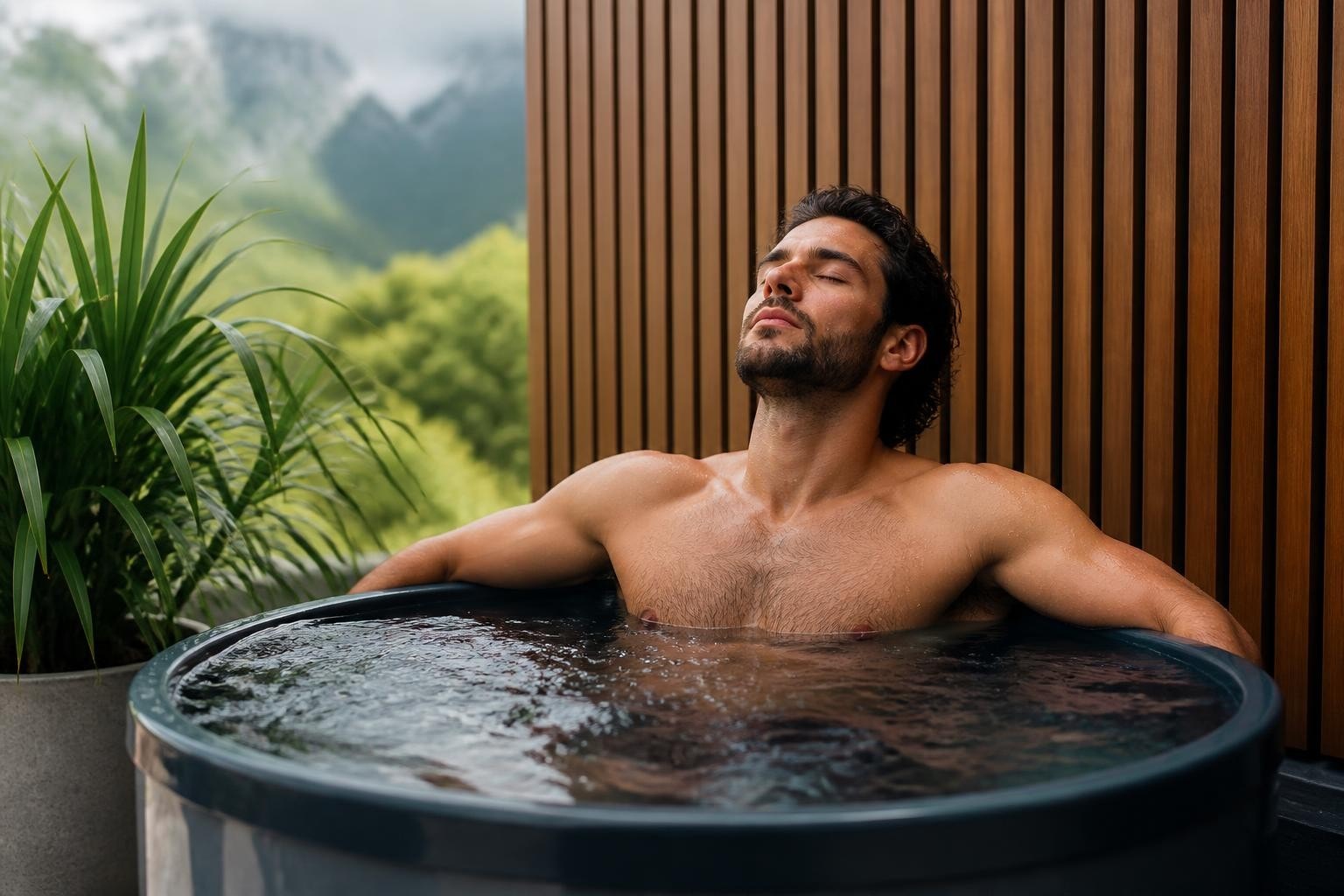
Cold therapy has moved from elite athletic facilities into residential spaces, with more people discovering the benefits of daily cold exposure. A home cold plunge eliminates the need for gym memberships or wellness center visits, putting recovery entirely in your control. Whether you're an athlete chasing faster recovery times, a professional managing stress, or someone exploring proven wellness protocols, understanding how to choose and use a cold plunge system properly makes all the difference.
Why Install a Home Cold Plunge
The science behind cold water immersion continues to evolve, but the core benefits remain consistent across research and user experience. According to Cleveland Clinic experts, regular cold exposure can influence muscle recovery, inflammation response, and mental state in measurable ways.
Physical Recovery Benefits:
- Reduces muscle soreness after intense training sessions
- Decreases inflammation markers in the body
- Improves circulation through vasoconstriction and vasodilation cycles
- Accelerates metabolic waste removal from tissues
- Supports joint health and mobility
Mental and Performance Benefits:
- Increases norepinephrine levels, improving focus and alertness
- Builds mental resilience through controlled stress exposure
- Enhances mood through endorphin release
- Improves sleep quality when used at optimal times
- Supports immune system function over time
The key advantage of a home cold plunge is consistency. Most benefits require regular exposure, typically 2-4 sessions per week at temperatures between 39-55°F for 2-10 minutes. When you have access at home, maintaining this schedule becomes realistic rather than aspirational.
Time and Cost Efficiency
Compare the annual cost of wellness center memberships, cryotherapy sessions, or spa visits against owning your own system. Most quality home cold plunge setups pay for themselves within 12-18 months when you factor in eliminated travel time and per-session fees.
A properly installed indoor cold plunge also adds functional value to your home, similar to a home gym or sauna. Athletes and wellness-focused buyers increasingly seek homes with recovery infrastructure already in place.
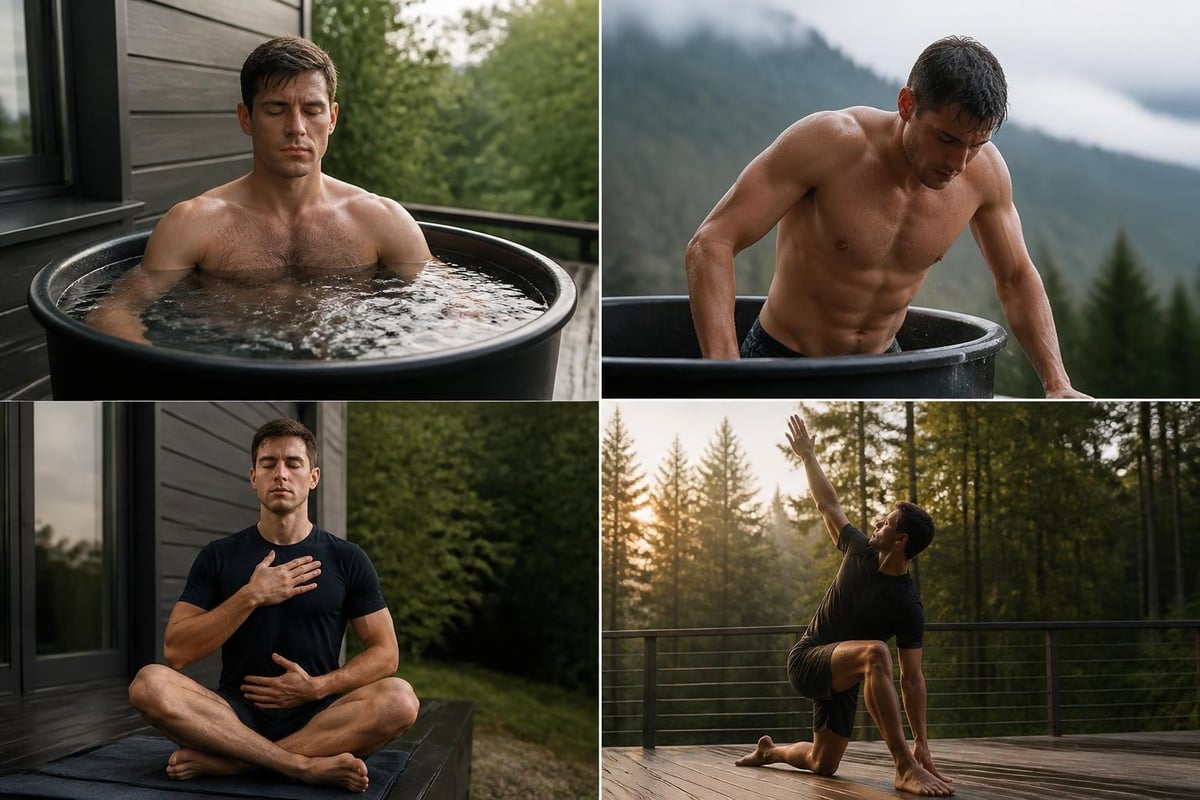
Is a Home Cold Plunge Worth It?
The honest answer depends on your current lifestyle, budget, and commitment to recovery protocols. Not everyone needs a dedicated cold plunge system, but certain profiles see outsized returns.
You'll Benefit Most If You:
- Train intensely 4+ days per week and deal with regular soreness
- Currently pay for cryotherapy, ice baths, or wellness memberships
- Have space (indoor or outdoor) for a permanent installation
- Value time efficiency and want recovery at home
- Follow established wellness or performance protocols
- Have budget flexibility for the initial investment ($2,000-$8,000+ depending on features)
You Might Want Alternatives If You:
- Exercise casually 1-2 times per week
- Have extremely limited space or unstable living situations
- Prefer variety in recovery methods rather than one dedicated approach
- Are still experimenting with whether cold therapy works for you
For those in the experimentation phase, portable or inflatable options can provide a lower-barrier entry point. However, serious users typically upgrade to permanent systems within 6-12 months due to convenience and temperature control limitations in temporary setups.
Real-World Use Cases
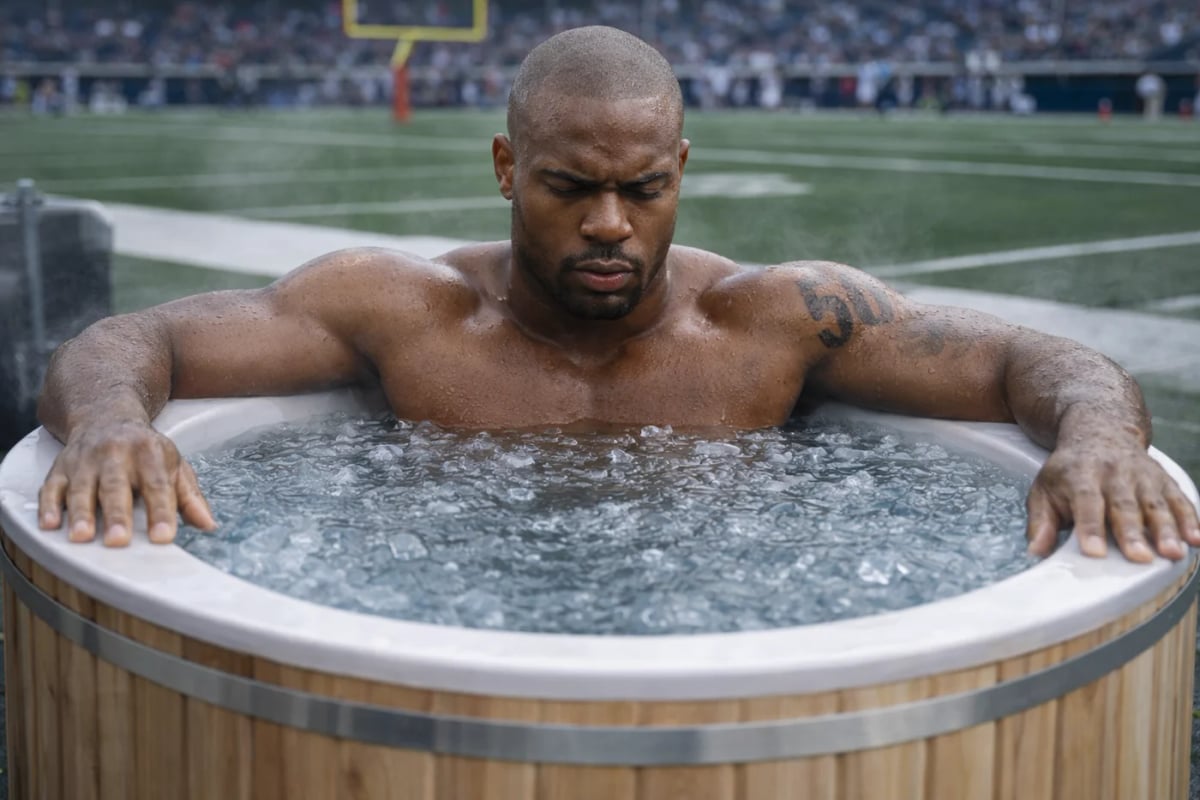
Professional athletes often install cold plunge systems as part of comprehensive home recovery setups. A typical protocol might include contrast therapy (alternating between hot tub and cold plunge), targeted cold therapy sessions after heavy training days, and maintenance sessions on rest days.
Entrepreneurs and executives use cold plunging for mental clarity and stress management, often timing sessions before high-stakes meetings or creative work. The norepinephrine spike from cold exposure can match or exceed the cognitive benefits of caffeine without the afternoon crash.
What to Look for When Buying a Cold Plunge Tub
The market offers dozens of options across wide price ranges, but certain features determine long-term satisfaction and effectiveness.
| Feature | Budget Options | Premium Systems |
|---|---|---|
| Temperature Control | Ice-dependent, manual | Dedicated chiller, precise digital control |
| Materials | Plastic liner, basic frame | Cedar, stainless steel, medical-grade acrylic |
| Insulation | Minimal, high ice consumption | Multi-layer, maintains temp 24+ hours |
| Filtration | Basic or none | Ozone, UV, multi-stage systems |
| Assembly | DIY required | Professional installation or pre-assembled |
| Warranty | 1 year limited | 3-5 years comprehensive |
Temperature Precision and Chiller Systems
The single most important feature is reliable temperature control. Systems without dedicated chillers require 20-40 pounds of ice per session, creating ongoing costs and inconvenience. A quality chiller maintains consistent temperatures between 39-50°F, which research suggests as the optimal range for recovery benefits.
Look for chiller systems rated at minimum 1 HP for tubs holding 80+ gallons. Underpowered chillers struggle to maintain temperature in warmer climates or with frequent use.
Chiller Checklist:
- Minimum 1 HP for standard residential tubs
- Digital temperature display with ±1°F accuracy
- Energy-efficient operation (check annual operating costs)
- Quiet operation if placing near living spaces
- Serviceable components (avoid proprietary parts)
Build Quality and Materials
Premium systems use materials chosen for durability in wet, cold environments. Eastern White Cedar and Red Cedar naturally resist rot and maintain structural integrity through temperature cycling. Stainless steel (304 grade minimum) provides the longest lifespan but comes at higher cost.
Avoid systems with thin plastic liners or composite materials not rated for outdoor use if you plan exterior installation. Temperature cycling and UV exposure degrade lower-quality materials within 2-3 years.
The Baltic Plunge Tub, crafted from Canadian Eastern White Cedar, exemplifies this approach to material selection. Designed to work with electric chillers or ice, it offers flexibility for users still determining their preferred cold therapy protocol while delivering the durability expected from premium construction.
Space and Installation Requirements
Measure carefully before purchasing. Most residential cold plunge tubs require:
- Footprint: 4-6 feet length, 2.5-4 feet width, 3-4 feet height
- Access: 36-inch doorways if installing indoors
- Drainage: Floor drain or pump system for water changes
- Electrical: Dedicated 110V or 220V circuit for chiller systems
- Ventilation: Moisture management for indoor installations
- Flooring: Water-resistant surface rated for 800-1,200 pounds when filled
When setting up a cold plunge in your home gym, consider proximity to changing areas and towel storage. The transition period immediately after cold exposure matters for maintaining benefits.
Common Mistakes Beginners Make
Understanding these pitfalls saves money, prevents injury, and accelerates progress toward your goals.
Mistake 1: Starting Too Cold, Too Long
New users often try to match protocols designed for experienced practitioners. Starting at 39°F for 10 minutes typically leads to panic, hyperventilation, or giving up entirely. Instead, begin at 55-60°F for 2-3 minutes, gradually decreasing temperature and extending time over 2-3 weeks.
Your body adapts to cold stress progressively. Rushing this adaptation process provides no additional benefit and increases injury risk.
Mistake 2: Inconsistent Session Timing
Cold plunging immediately before strength training can decrease muscle activation and power output. Understanding proper cold plunge timing matters for maximizing benefits and avoiding interference with training adaptations.
Optimal Timing Guidelines:
- After intense training: Wait 30-60 minutes post-workout to allow initial recovery processes
- Morning sessions: Excellent for mental clarity and energy without affecting performance
- Evening sessions: Time at least 3-4 hours before bed to avoid sleep disruption from elevated alertness
- Rest days: Anytime works for maintenance and recovery support
Mistake 3: Neglecting Water Quality
Cold temperatures slow bacterial growth but don't eliminate it. Without proper filtration and sanitation, biofilm develops in plumbing lines and surfaces. Change water weekly minimum, use ozone or UV sanitization systems, and test water chemistry monthly.
Poor water quality causes skin irritation, increases maintenance costs, and shortens equipment lifespan.
Mistake 4: Ignoring Safety Protocols
Cold plunge safety guidelines exist for legitimate reasons. Never plunge alone when first starting, avoid alcohol before sessions, and know the signs of excessive cold stress: uncontrollable shivering, confusion, loss of coordination, or numbness extending beyond normal cold sensation.
Have a rewarming plan ready: warm (not hot) towels, dry clothes, and a warm room. Jumping into a hot shower immediately after can cause dangerous blood pressure fluctuations.
Installation Options for Different Spaces
Your available space determines which cold plunge solutions work best. Each location type presents unique advantages and challenges.
Indoor Installations
Indoor setups provide year-round climate control and privacy. Basements, dedicated home gym spaces, and large bathrooms work well. However, indoor installations require attention to moisture management and proper drainage.
Install vapor barriers on walls and ceilings near the tub. Use dehumidifiers in enclosed spaces to prevent mold growth. Ensure flooring can handle 100% humidity levels and potential water spillage.
Indoor Advantages:
- Consistent ambient temperature
- Privacy and convenience
- No weather interference
- Easier integration with contrast therapy setups
Indoor Challenges:
- Moisture and mold risk without proper ventilation
- Requires dedicated drainage system
- Space competition with other home uses
- Higher installation complexity
Outdoor Installations
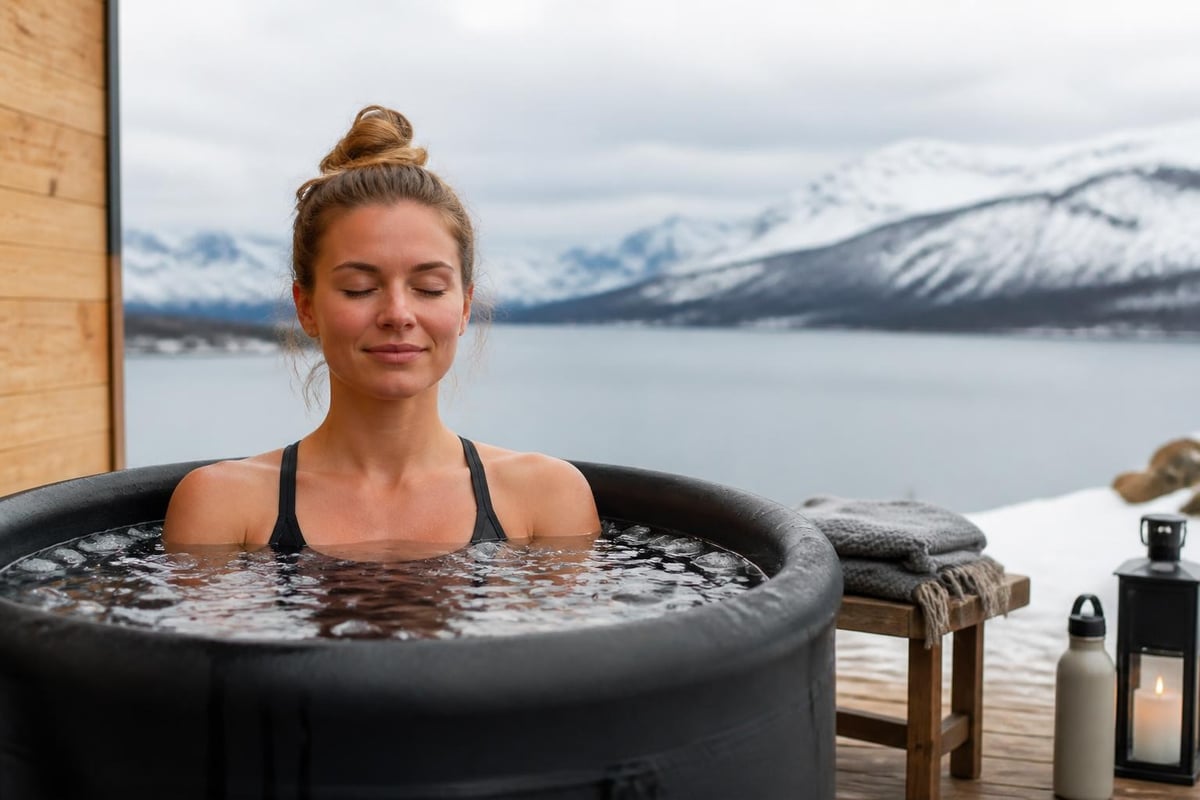
Outdoor placements simplify drainage and moisture concerns while providing connection to natural elements. Many users report enhanced mental benefits from outdoor sessions, particularly in natural settings.
Choose locations with level ground, privacy screening, and year-round access. Consider sun exposure as UV degrades some materials over time. Ensure electrical access for chiller systems and lighting.
For those exploring outdoor options, cold plunge equipment designed for outdoor use features enhanced insulation and weather-resistant materials that maintain performance across temperature extremes.
Garage and Covered Patio Solutions
These semi-protected spaces offer middle-ground solutions. You gain some weather protection while avoiding indoor moisture concerns. Garages work particularly well in moderate climates where subfreezing temperatures aren't common.
Insulate chiller units from extreme heat or cold. Provide adequate clearance for service access. Consider seasonal covers to reduce heat gain in summer months.
Who Should Buy a Home Cold Plunge
Certain user profiles consistently report high satisfaction and see measurable returns from home systems.
Competitive Athletes and Serious Trainers: If you train at high intensity multiple times weekly, cold plunge therapy supports faster recovery and reduced injury risk. CrossFit athletes, marathon runners, powerlifters, and team sport players form the core user base.
Biohackers and Wellness Optimizers: Those tracking HRV, sleep scores, inflammation markers, and cognitive performance metrics use cold exposure as a measurable intervention. The ability to control variables (time, temperature, frequency) matters for testing protocols.
Recovery-Focused Professionals: Physical therapists, sports medicine practitioners, and performance coaches install systems both for personal use and client demonstrations. Having direct experience with equipment improves client recommendations.
Busy Executives and Entrepreneurs: Time-compressed professionals value the mental clarity and stress management benefits. A 5-minute morning plunge can replace 30 minutes of meditation for some users while providing additional physical benefits.
Contrast Therapy Enthusiasts: Those with saunas or hot tubs find enormous value in adding cold plunge capability. The combination of heat and cold provides benefits neither offers alone.
Maintenance and Long-Term Costs
Understanding ongoing costs prevents surprises and helps evaluate total ownership expenses.
| Expense Category | Monthly Cost | Annual Cost |
|---|---|---|
| Electricity (chiller operation) | $15-$40 | $180-$480 |
| Water (weekly changes) | $8-$15 | $96-$180 |
| Sanitization chemicals | $10-$20 | $120-$240 |
| Filter replacements | $5-$10 | $60-$120 |
| Total Operating Costs | $38-$85 | $456-$1,020 |
These estimates assume residential water rates, moderate climate, and quality equipment. Costs increase in hot climates where chillers work harder, or with larger tubs requiring more water and chemicals.
Maintenance Schedule
Weekly Tasks:
- Check and adjust water chemistry
- Clean waterline and visible surfaces
- Inspect chiller operation and temperature accuracy
Monthly Tasks:
- Deep clean interior surfaces
- Check all connections for leaks
- Test GFCI and electrical safety features
- Review and clean filters
Quarterly Tasks:
- Drain and thoroughly clean entire system
- Inspect and lubricate pump components
- Check wood or material condition for any degradation
- Review chiller refrigerant levels (if applicable)
Annual Tasks:
- Professional inspection of electrical and chiller systems
- Replace UV bulbs or ozone generators
- Deep clean and treat all plumbing lines
- Evaluate and address any material wear
Proper maintenance extends system lifespan from 5-7 years to 12-15 years for quality equipment. Understanding warranty coverage for your specific system helps determine which maintenance tasks must be performed by certified technicians versus owner-serviceable items.
Frequently Asked Questions
How cold should a home cold plunge be?
Research suggests 39-55°F provides optimal benefits. Beginners start at 55-60°F and progress to colder temperatures as adaptation occurs. Water below 39°F increases risk without additional benefit for most users.
How long should I stay in a cold plunge?
Start with 2-3 minutes and build to 5-10 minutes over several weeks. Longer isn't necessarily better. Consistent short sessions (3-5 minutes) often produce better results than sporadic long exposures.
Can I use my home cold plunge daily?
Yes, daily use is safe for most healthy adults once adapted. Many athletes use cold plunges 5-7 days per week. Listen to your body and reduce frequency if you experience excessive fatigue or decreased training performance.
Do I need a chiller or can I just use ice?
Ice works for occasional use but becomes expensive and inconvenient for regular protocols. A dedicated chiller pays for itself within 6-12 months for users plunging 3+ times weekly. Temperature consistency also improves with chiller systems.
What's the difference between cold plunge and ice bath?
Cold plunge systems maintain consistent temperatures through filtration and chilling, while ice baths are temporary setups using tubs filled with ice and water. Cold plunges offer better temperature control, cleanliness, and convenience for regular use.
How much space do I need for a home cold plunge?
Most residential systems require a 5x4 foot footprint, plus clearance for entry and exit. Factor in additional space for chiller placement (typically 2x2 feet) and drainage access.
Will a cold plunge help me lose weight?
Cold exposure increases calorie burn through thermogenesis, but the effect is modest (50-100 additional calories per session). Weight loss benefits are indirect: improved recovery enables more consistent training, which drives fat loss more effectively than cold exposure alone.
Is cold plunging safe for everyone?
Consult healthcare providers before starting if you have cardiovascular conditions, high blood pressure, or cold sensitivity disorders. Pregnant women should avoid cold plunging. Most healthy adults tolerate cold exposure well when following proper protocols.
How do I know if the temperature is right?
Your body provides clear feedback. At appropriate temperatures, you'll feel uncomfortable but controlled. If you experience uncontrollable shivering, confusion, or panic, the water is too cold or exposure too long. Understanding your individual cold tolerance helps establish safe parameters.
A home cold plunge transforms recovery from something you schedule around your week into a daily practice you control completely. Whether you're an athlete seeking performance gains, a professional managing stress, or someone committed to evidence-based wellness practices, the right system delivers measurable benefits that compound over time. Plunge N' Tubs offers premium cold plunge systems crafted from Canadian wood, combining traditional craftsmanship with modern recovery science. With fast, free delivery across North America and systems trusted by athletes and wellness professionals, you can bring professional-grade cold therapy into your home and start experiencing the benefits on your own schedule.
Share:
Cold Plunge In Bath Tub: Complete Guide for Home Recovery
Wood Burning Jacuzzi: Complete Guide for 2026