



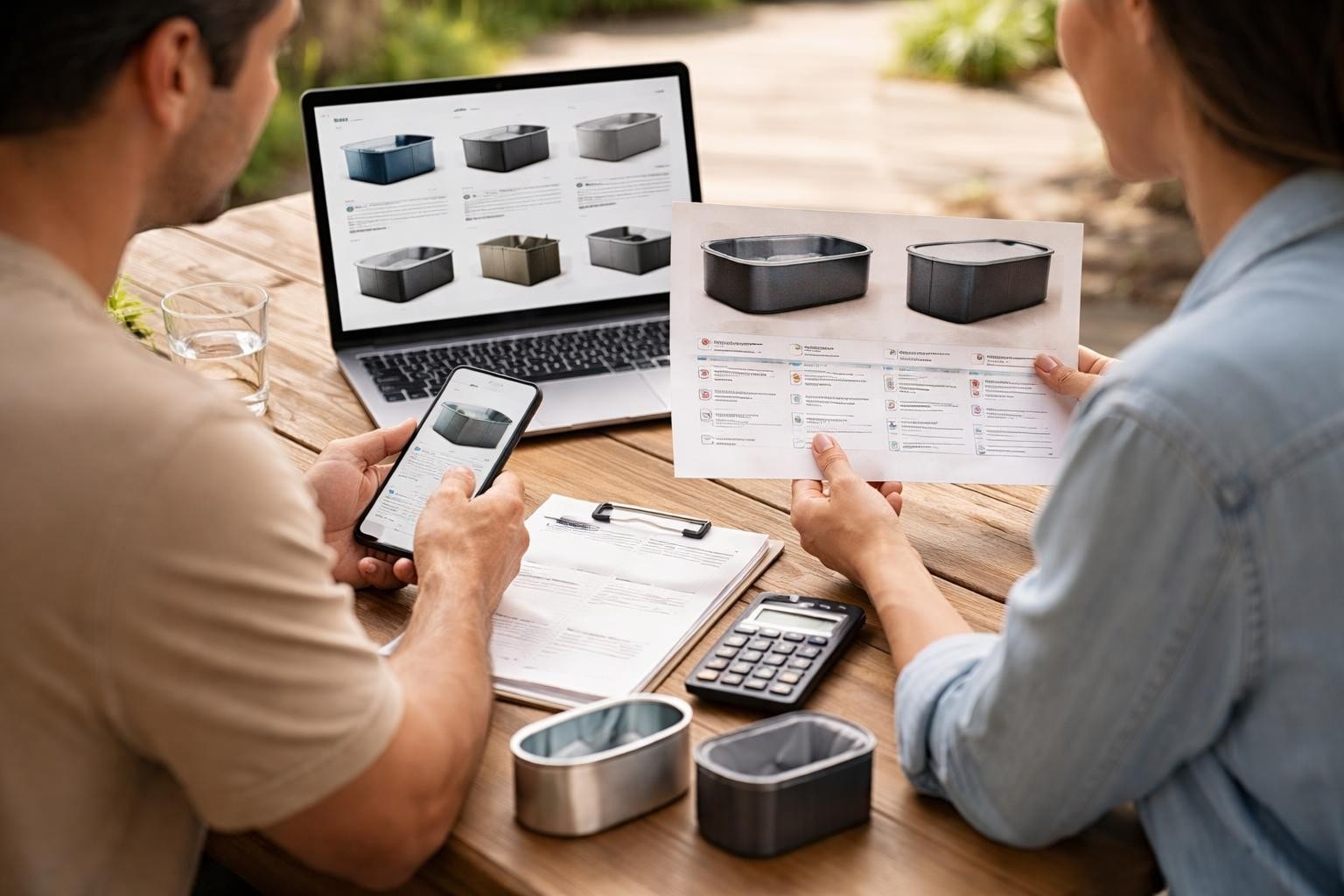
Finding the right cold plunge sale can feel overwhelming when you're ready to commit to cold therapy at home. Between inflatable options, premium wooden tubs, and modern acrylic systems, the choices multiply quickly. This guide cuts through the noise to help you make a smart buying decision, whether you're an athlete looking for faster recovery or someone exploring wellness practices like cold exposure. We'll cover what actually matters when shopping during a cold plunge sale, who benefits most from owning one, and the mistakes that cost beginners hundreds of dollars.
Understanding Cold Plunge Sales and Pricing
Cold plunge sales typically happen during major shopping periods like Black Friday, New Year fitness rushes, and mid-year clearance events. But understanding the real value requires looking beyond the discount percentage.
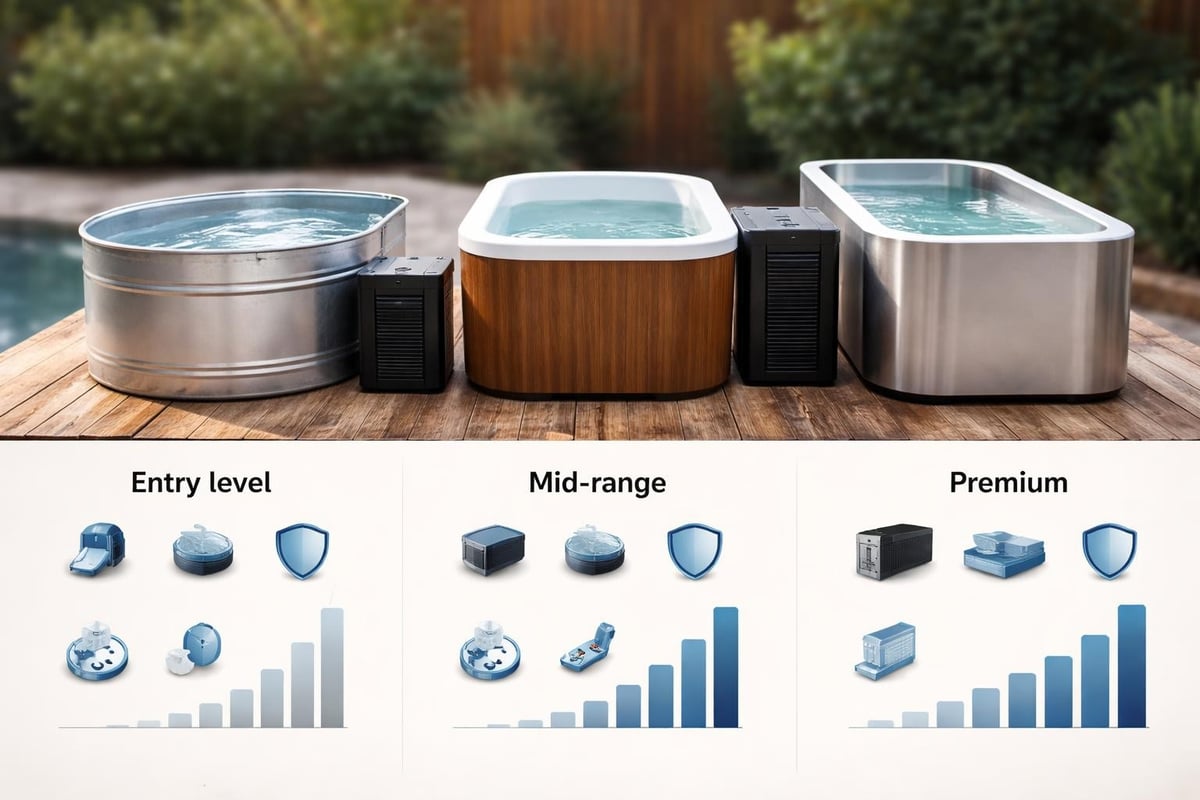
Premium cold plunge tubs range from $3,000 to $12,000 depending on materials, chiller systems, and construction quality. A legitimate cold plunge sale should offer 10-20% off retail pricing, though some manufacturers bundle accessories or upgrade materials at no extra cost.
What drives cold plunge pricing:
- Material quality: Cedar, acrylic, stainless steel, or plastic liners
- Chiller system: Integrated electric chiller versus ice-only options
- Manufacturing origin: Canadian or domestic craftsmanship versus imported units
- Warranty coverage: 1-year limited versus 3-5 year comprehensive protection
- Delivery costs: Free shipping versus $500+ freight charges
When you see a cold plunge sale advertised, calculate the total cost including delivery, installation requirements, and any necessary electrical work. A $4,000 tub with free shipping and easy setup often beats a $3,200 unit with $600 delivery fees and complex installation.
Sale Timing and Seasonal Patterns
Cold plunge sales follow predictable patterns. January sees the biggest discounts as manufacturers target New Year resolution buyers. Spring sales (March-April) coincide with outdoor setup season when customers prepare for summer use.
Fall promotions (September-October) help companies clear inventory before holiday shopping begins. Off-season purchases sometimes yield better negotiating power, especially on premium models that dealers want to move.
Is a Cold Plunge Worth the Investment?
The science supporting cold plunge benefits continues growing, but the financial question matters just as much as the health claims.
Calculate your current spending on recovery methods. Many athletes pay $30-50 per cryotherapy session, $100+ monthly for gym memberships with cold plunge access, or regular spa visits for contrast therapy. A quality cold plunge tub pays for itself within 12-18 months if you're currently spending on these alternatives.
Measurable benefits that justify the cost:
- Reduced muscle soreness and faster recovery between training sessions
- Improved sleep quality, particularly when used in evening routines
- Enhanced mental clarity and mood regulation through controlled stress exposure
- Lower inflammation markers in athletes and active individuals
- Significant time savings by eliminating drives to gyms or wellness centers
The investment makes sense when cold therapy becomes part of your daily routine. If you're experimenting or only interested in occasional use, waiting for a substantial cold plunge sale or considering entry-level models makes more financial sense.
Research from Runner's World on cold plunge effectiveness shows that consistent use (3-5 times weekly) produces the most significant recovery improvements. Sporadic use still provides benefits but reduces the cost-effectiveness of owning versus accessing through gym memberships.
Who Should Buy During a Cold Plunge Sale?
Not everyone needs to own a cold plunge tub, even at discounted pricing. Understanding whether you fit the ideal buyer profile prevents expensive mistakes.
Best candidates for cold plunge ownership:
- Serious athletes training 5-6 days weekly who need reliable recovery tools
- CrossFit enthusiasts and endurance athletes dealing with high training volumes
- Wellness-focused individuals committed to daily or near-daily cold exposure
- Home gym owners who've already invested in equipment and value convenience
- Biohackers experimenting with longevity and performance optimization protocols
You might want to wait if you're just starting cold therapy experimentation. Try public facilities, gym access, or even cold showers for 2-3 months first. This validates your commitment before spending thousands during a cold plunge sale.
People with certain health conditions should consult physicians before purchasing. Those with cardiovascular issues, uncontrolled hypertension, or pregnancy should get medical clearance. Safety considerations for cold plunges outline who should avoid this practice entirely.
Space and Climate Considerations
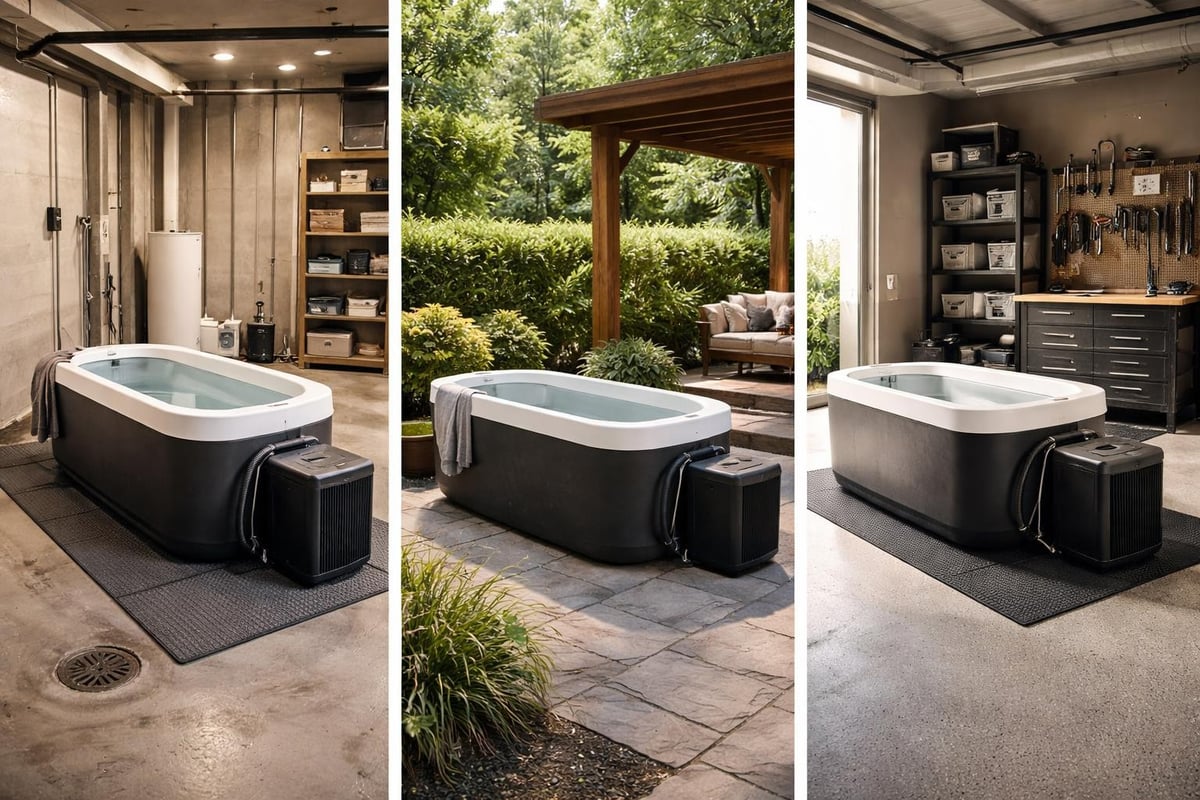
Your physical environment matters significantly. Cold plunge tubs require 4-6 feet of space, level ground, and in some cases, dedicated electrical circuits for chiller systems.
| Location Type | Ideal For | Challenges |
|---|---|---|
| Indoor basement | Year-round use, climate control | Requires waterproofing, drainage planning |
| Outdoor patio | Easy installation, no moisture concerns | Winter use in cold climates, UV exposure |
| Garage setup | Protected from elements, private | Temperature fluctuations, potential condensation |
Northern climates actually benefit from outdoor cold plunge installations. When ambient temperatures drop below freezing, natural cooling reduces chiller workload and energy costs. However, you'll need to prevent water from freezing solid, which can damage equipment.
What to Look for When Buying a Cold Plunge Tub
Smart shopping during a cold plunge sale requires knowing which features actually matter versus marketing fluff.
Material Quality and Longevity
Premium materials determine whether your tub lasts 3 years or 15 years. Canadian cedar offers natural rot resistance and handles outdoor exposure beautifully. Stainless steel interiors resist corrosion and maintain temperature better than plastic alternatives.
Acrylic tubs provide modern aesthetics with excellent insulation properties. They're lighter than wood options, making installation easier, though they lack the natural appearance many prefer. HDPE plastic liners work well as budget-friendly alternatives but may show wear faster with daily use.
Examine construction details. Are joints sealed properly? Does the manufacturer use marine-grade hardware? Will the wood naturally weather or require annual maintenance? These questions reveal long-term ownership costs that sales promotions rarely mention.
Chiller System Capabilities
The chiller determines your cold plunge's effectiveness. Cheap systems struggle maintaining temperatures below 50°F, especially in warm climates. Quality chillers maintain 37-42°F consistently, which research suggests provides optimal benefits.
Key chiller specifications:
- Cooling power: Look for 1HP or greater for tubs over 100 gallons
- Temperature range: 37-108°F allows both cold therapy and cool recovery options
- Energy efficiency: Modern units use 3-5 amps versus older 8-10 amp models
- Noise levels: Premium chillers operate under 55 decibels
- Filtration integration: Combined systems reduce equipment complexity
Some cold plunge sales feature ice-only tubs at steep discounts. These work for dedicated users willing to purchase 20-30 pounds of ice per session, costing $3-5 daily. Calculate this against electric chiller operating costs (roughly $30-50 monthly) over a year.
The Orivon Frost Cold Plunge Tub exemplifies modern chiller integration with its 1HP system maintaining precise temperatures between 37-108°F. This flexibility supports both intense cold exposure and gentler cool-down sessions depending on your recovery needs.
Assembly and Installation Requirements
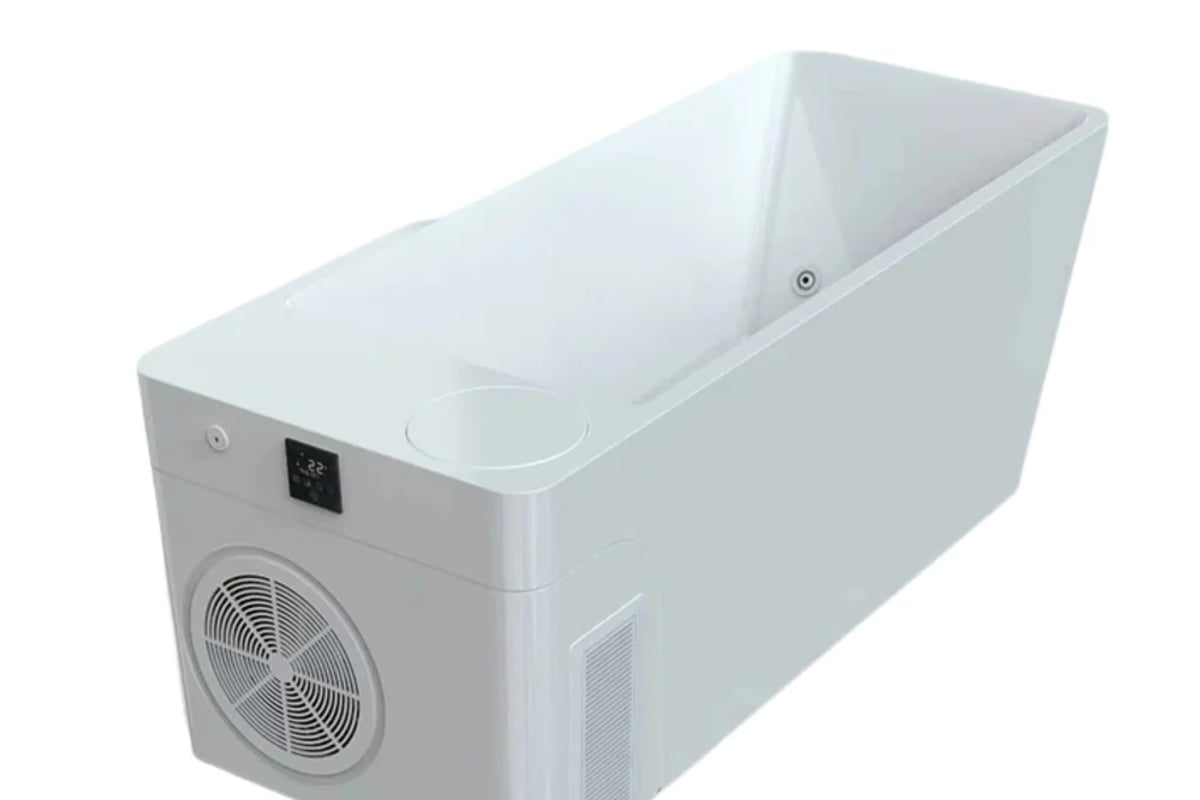
Cold plunge sales sometimes obscure installation complexity. Fully assembled units ship ready to fill and use. Partial assembly models require 2-4 hours of construction with basic tools. DIY kits demand carpentry skills and can take full weekends to complete.
Ask about electrical requirements before purchasing. Integrated chillers typically need 110V or 220V dedicated circuits. Hiring electricians adds $200-500 to total costs. Some portable units plug into standard outlets, offering easier installation at the cost of reduced cooling power.
Common Mistakes Beginners Make
First-time buyers during cold plunge sales frequently make preventable errors that diminish their experience or waste money.
Choosing Size Based on Price Instead of Use
The cheapest option during a cold plunge sale might be too small for comfortable use. A 60-gallon tub works for seated leg immersion but won't allow full-body submersion for most adults.
Optimal sizing guidelines:
- 100-150 gallons: Comfortable seated position with full torso immersion
- 150-200 gallons: Room for movement, better temperature stability
- 200+ gallons: Accommodates taller individuals or those wanting space to float
Larger tubs maintain temperature better because water volume stabilizes against ambient air temperature. They also accommodate two users, adding value for couples interested in shared wellness routines.
Ignoring Total Cost of Ownership
A dramatic cold plunge sale price means nothing if operating costs drain your budget. Calculate energy consumption, water treatment chemicals, and maintenance requirements.
| Expense Category | Monthly Cost Range | Annual Total |
|---|---|---|
| Electricity (chiller) | $30-60 | $360-720 |
| Water treatment | $10-20 | $120-240 |
| Filter replacements | $5-15 | $60-180 |
| Occasional maintenance | $10-30 | $120-360 |
Budget-conscious buyers should explore cold plunge options that balance upfront savings with reasonable operating costs. Paying slightly more for energy-efficient chillers and quality filtration saves hundreds annually.
Skipping the Acclimation Process
Owning a cold plunge doesn't mean immediately jumping into 38°F water for 10 minutes. This approach leads to miserable experiences that kill motivation.
Start with 55-60°F water for 2-3 minutes. Your body needs time adapting to cold exposure stress. Gradually decrease temperature by 2-3 degrees weekly while extending duration by 30-60 seconds. Most people reach comfortable 38-42°F sessions after 3-4 weeks of consistent practice.
The mental health benefits discussed in The Atlantic's analysis of cold plunging emphasize controlled exposure over extreme challenges. Building tolerance creates sustainable routines rather than abandoned equipment.
Overlooking Warranty and Support
Cold plunge sales featuring limited warranties signal potential quality concerns. Reputable manufacturers offer minimum 2-3 year coverage on structure and 1-2 years on electrical components.
Review what the warranty actually covers. Does it include labor costs or just parts? Will the company ship replacement chillers or require you to cover freight? Understanding warranty coverage before purchase prevents frustrating surprises when issues arise.
Customer support matters equally. Can you reach real humans for troubleshooting? Do they offer setup guidance beyond basic manuals? Premium cold plunge manufacturers provide phone support, video tutorials, and active user communities.
Comparing Sale Options: New Versus Used
Used cold plunge tubs occasionally appear at significant discounts, tempting budget-conscious buyers. Approach these opportunities carefully.
Used cold plunge checklist:
- Inspect for cracks, leaks, or structural damage in person
- Test chiller operation at target temperature (38-40°F) for 2+ hours
- Verify all electrical components function properly
- Check for water staining or mold indicating poor maintenance
- Request maintenance records and original purchase documentation
Used equipment rarely includes remaining warranty coverage. Factor repair costs into your evaluation. A $2,000 used tub needing a $800 chiller replacement costs more than a $2,500 new unit with 3-year warranty.
Demonstrations units from retailers sometimes offer 20-30% discounts with full warranty coverage. These represent better value than private party sales if available during a cold plunge sale period.
Maximizing Your Cold Plunge Investment
Ownership extends beyond the purchase. Proper use and maintenance protect your investment while delivering optimal benefits.
Creating Effective Cold Therapy Protocols
Random cold plunge sessions provide some benefits, but structured protocols maximize results. Athletes typically benefit from post-workout timing, while stress reduction seekers prefer morning sessions.
Research-supported protocols:
- Post-workout recovery: 10-15 minutes at 50-55°F within 2 hours of training
- Daily wellness: 3-5 minutes at 39-45°F each morning upon waking
- Performance enhancement: 2 minutes cold, 5 minutes rest, repeat 3 times
- Sleep improvement: 5-8 minutes at 50°F approximately 4 hours before bed
These approaches align with findings from research on cold exposure benefits showing that timing and temperature significantly impact outcomes.
Maintenance Best Practices
Premium cold plunge tubs require minimal maintenance but consistent attention. Weekly tasks take 10-15 minutes total.
Clean filters every 7-10 days depending on usage frequency. Monthly shock treatments prevent bacterial growth. Test water chemistry weekly using basic pool strips costing $15 for a six-month supply.
Drain and deep clean quarterly. Wipe down surfaces with mild cleaners avoiding harsh chemicals that damage materials. Inspect seals, connections, and electrical components for wear.
Winterization matters for outdoor installations in freezing climates. Either drain completely or maintain minimum temperatures preventing ice formation. Frozen water expands, cracking tubs and destroying chillers.
Evaluating Cold Plunge Sale Authenticity
Not all advertised sales represent genuine value. Some retailers inflate original prices before applying discounts, creating illusion of savings.
Research typical pricing for specific models before cold plunge sales begin. Check manufacturer suggested retail prices and compare across multiple dealers. Legitimate discounts reflect actual price reductions, not manipulated baselines.
Beware of pressure tactics. "Limited time" urgency combined with "only 2 left" scarcity often indicates aggressive sales techniques rather than genuine inventory situations. Quality manufacturers run scheduled promotions allowing time for informed decisions.
Read return policies carefully. Premium cold plunge sellers offer 30-60 day satisfaction guarantees. Strict "no returns" policies on expensive equipment suggest quality concerns or customer service issues.
Financing Options During Sales
Many cold plunge sales include financing promotions like 0% interest for 12-24 months. These can make premium models affordable if you pay the balance before promotional periods end.
Calculate total interest costs if you can't pay within promotional windows. A $5,000 tub at 18% APR costs an additional $1,400 over 36 months. Sometimes purchasing lower-priced models outright makes better financial sense than financing expensive options.
Some retailers partner with financing companies charging origination fees or prepayment penalties. Review all terms before committing. Personal loans from banks or credit unions sometimes offer better rates than retail financing.
Regional Considerations for Cold Plunge Purchases
Your location impacts both purchase options and long-term satisfaction. Shipping costs vary dramatically based on distance from manufacturers or distribution centers.
Regional factors affecting cold plunge ownership:
- Southern climates: Higher chiller workload increases energy costs 30-40%
- Northern regions: Natural winter cooling reduces operating expenses significantly
- Coastal areas: Salt air accelerates corrosion on metal components
- High humidity zones: Increased mold risk requires vigilant water treatment
- Dry climates: Faster evaporation demands more frequent water additions
Free shipping promotions during cold plunge sales matter most for distant buyers. Cross-country freight for 300-400 pound equipment runs $500-900. Ensure shipping policies clearly state whether "free delivery" means curbside or inside placement.
Frequently Asked Questions
How much should I expect to save during a cold plunge sale?
Legitimate sales offer 10-20% off retail pricing, translating to $400-1,200 savings on mid-range models. Exceptional promotions during major holidays might reach 25% off, though these typically apply to specific models rather than entire product lines.
Can I negotiate prices during a cold plunge sale?
Some dealers negotiate on already-discounted items, particularly for floor models or bundled purchases including accessories. Direct manufacturer sales rarely allow additional negotiation, but asking about price matching competitor offers sometimes works.
What's the minimum quality cold plunge worth buying?
Avoid anything under $2,000 for permanent installations. At this price point, you're typically getting inflatable temporary solutions or poorly constructed permanent units. The $3,000-5,000 range offers quality entry-level options with decent chillers and materials that last 5-10 years.
How long do cold plunge tubs typically last?
Premium wooden tubs with proper maintenance last 15-20 years. Acrylic and stainless steel options potentially longer. Budget models typically show significant wear within 3-5 years. Chillers usually require replacement every 7-10 years regardless of tub quality.
Should I buy from local dealers or online during sales?
Local dealers offer hands-on inspection and easier returns but typically stock limited models. Online shopping provides broader selection and often better cold plunge sale pricing, though shipping complexities increase. Established online retailers with strong customer service and comprehensive return policies minimize risk.
Shopping during a cold plunge sale requires balancing immediate savings against long-term value, quality, and your specific recovery needs. Focus on proven materials, reliable chiller systems, and manufacturers standing behind their products with strong warranties. When you're ready to bring professional-grade cold therapy home, Plunge N' Tubs offers premium Canadian-crafted cold plunge systems trusted by athletes and wellness professionals, with fast and free delivery across North America ensuring you start your recovery journey without delay.
Share:
Cold Plunge at Home: Setup, Benefits & Buying Guide
Cold Water Plunge Tub: Benefits, Buying Guide & Tips