



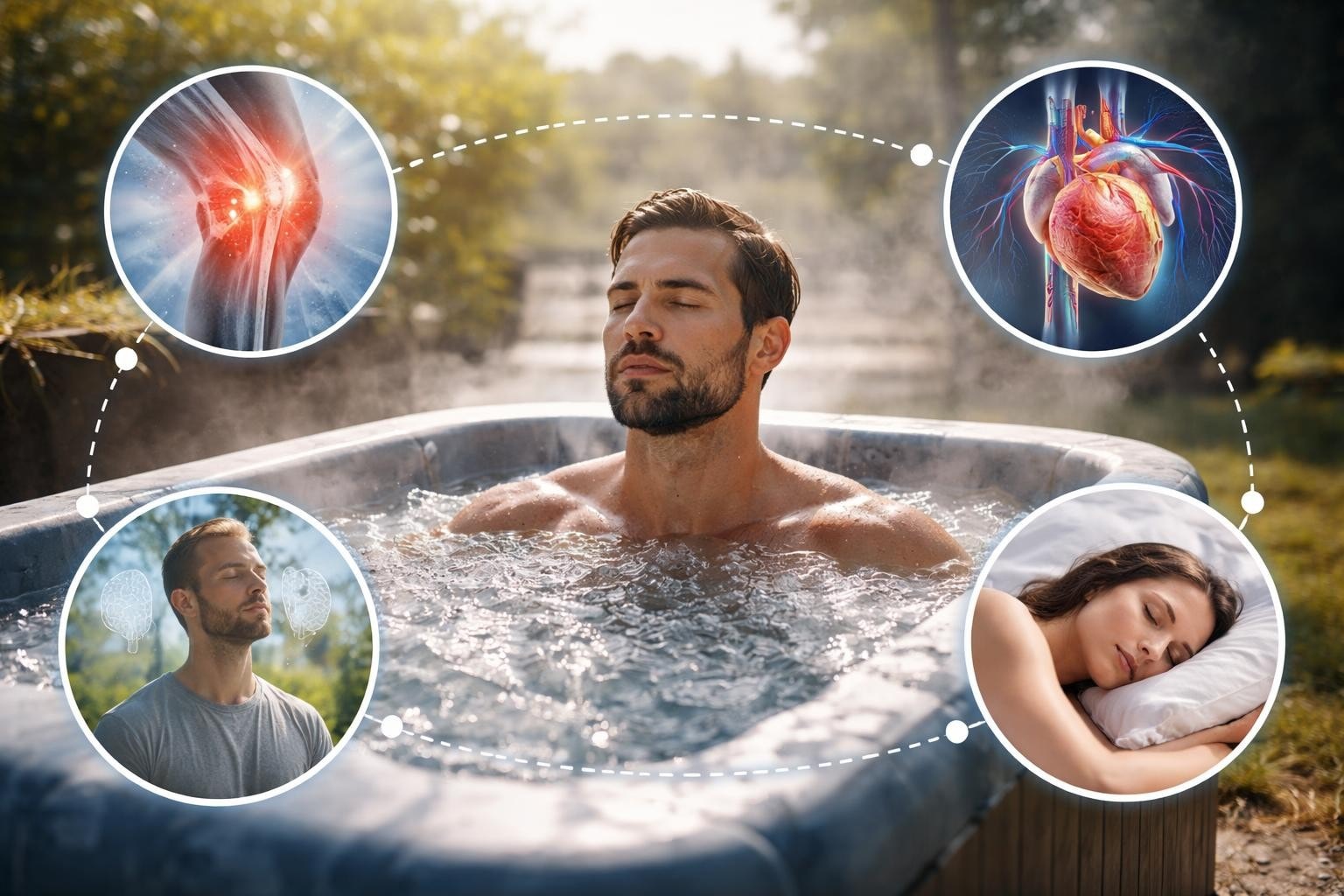
Cold water immersion has moved from elite athlete training facilities into homes across North America. A cold water plunge tub offers a convenient way to access proven recovery and wellness benefits without scheduling gym visits or paying recurring spa fees. Whether you're an athlete looking to speed up recovery, a professional seeking mental clarity, or someone exploring science-backed wellness practices, understanding what makes an effective plunge setup matters before you invest.
What Is a Cold Water Plunge Tub?
A cold water plunge tub is a dedicated vessel designed to maintain water temperatures between 37°F and 55°F for therapeutic cold exposure. Unlike standard bathtubs or makeshift ice bath setups, these systems often include integrated chillers, filtration, and insulation to keep water consistently cold.
Modern plunge tubs come in several configurations. Some models use electric chillers that maintain precise temperatures without adding ice. Others rely on natural cooling with optional ice supplementation. The best systems combine durability, temperature control, and materials built to withstand daily use.
How Cold Therapy Works
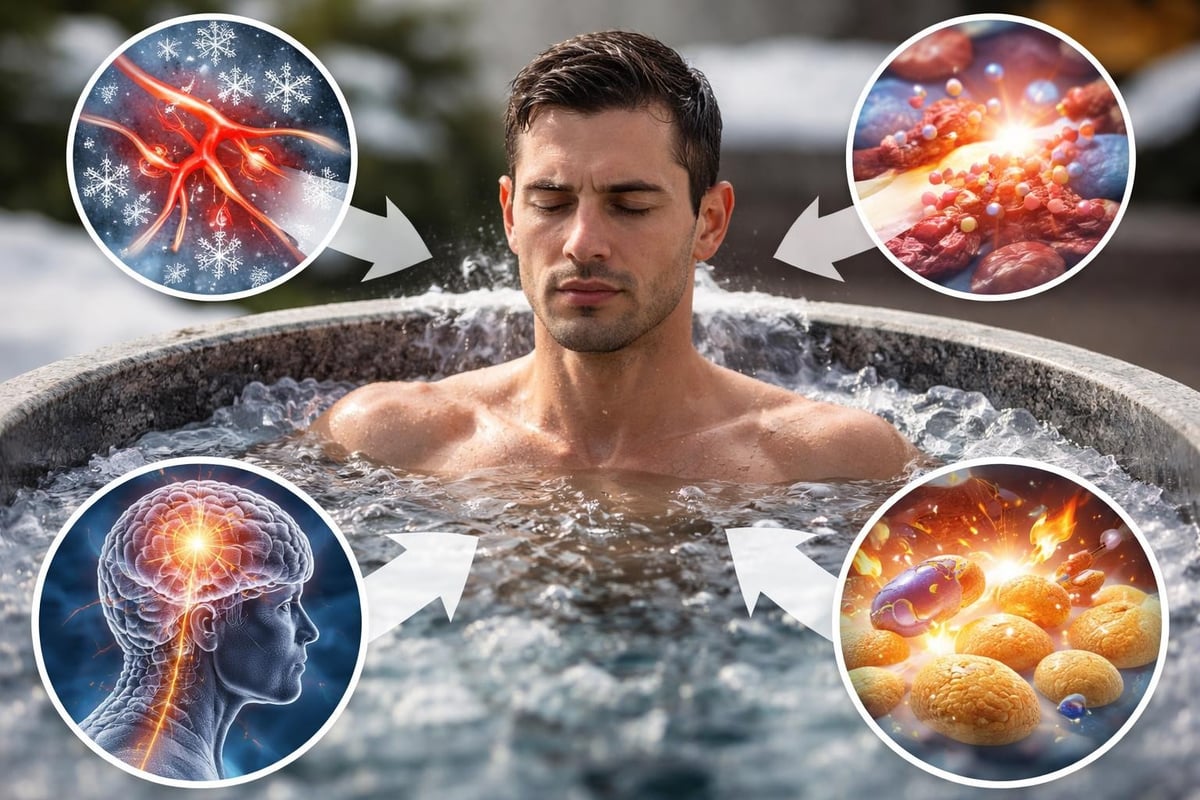
When you immerse yourself in cold water, your body triggers several physiological responses. Blood vessels constrict, reducing inflammation in muscles and joints. Your nervous system shifts into a heightened state of alertness. Core temperature drops temporarily, forcing your metabolism to work harder during recovery.
Research on cold-water immersion shows that regular exposure can reduce delayed onset muscle soreness (DOMS) after intense training. The practice also appears to support immune function and metabolic health when done consistently.
Benefits of Using a Cold Water Plunge Tub
Cold plunging delivers multiple benefits backed by scientific research and real-world results from athletes and wellness enthusiasts.
Physical Recovery Benefits:
- Reduces muscle soreness and inflammation after workouts
- Speeds up recovery time between training sessions
- Improves circulation through vasoconstriction and vasodilation cycles
- Supports joint health and reduces swelling
Mental and Cognitive Benefits:
- Increases mental clarity and focus
- Builds stress resilience through controlled discomfort
- Releases endorphins and dopamine for mood improvement
- Creates a meditative practice that sharpens discipline
According to WebMD's analysis of cold plunge benefits, regular cold exposure may also support better sleep quality. Many users report falling asleep faster and experiencing deeper rest on days they plunge.
Long-Term Wellness Impact
Beyond immediate recovery, consistent cold exposure trains your body to handle stress more effectively. This adaptation extends beyond the tub. You develop better temperature regulation, improved cardiovascular efficiency, and enhanced mental toughness.
| Benefit Category | Short-Term Effect | Long-Term Effect |
|---|---|---|
| Recovery | Reduced soreness within 24 hours | Faster baseline recovery time |
| Mental Health | Immediate mood boost | Greater stress resilience |
| Sleep | Deeper sleep that night | Improved sleep patterns |
| Metabolism | Temporary calorie burn increase | Enhanced metabolic efficiency |
Is a Cold Water Plunge Tub Worth It?
The value proposition depends on your specific situation and wellness goals.
You'll see strong ROI if you:
- Train intensely multiple times per week
- Currently pay for gym memberships primarily for cold plunge access
- Value convenience and consistency over scheduling spa appointments
- Have space for dedicated wellness equipment at home
The investment may not make sense if you:
- Only want to try cold therapy occasionally
- Have limited outdoor or indoor space
- Prefer variety in recovery methods
- Are on a tight budget with other priorities
Most serious users report that a quality cold water plunge tub pays for itself within 12 to 18 months when compared to monthly spa memberships or gym fees that include cold therapy access. The convenience factor alone justifies the purchase for many professionals who value time.
Who Should Buy a Cold Water Plunge Tub?
Several groups benefit most from home cold plunge systems.
Athletes and Active Individuals
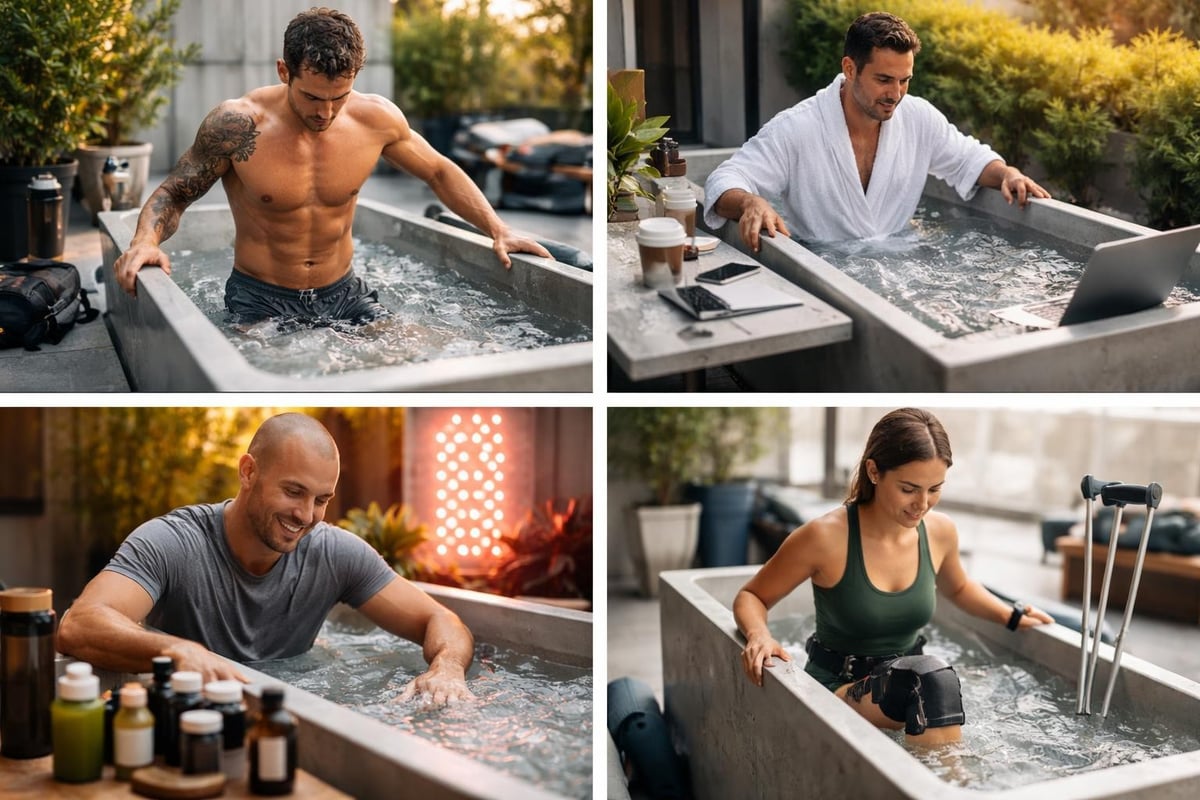
Runners, CrossFit enthusiasts, weightlifters, and team sport athletes use cold plunging to manage training volume. When you're pushing your body hard four to six days per week, recovery quality determines how much you can train. Having immediate access to cold therapy after workouts maximizes recovery benefits.
Wellness-Focused Professionals
Busy professionals dealing with high stress find cold plunging valuable for mental reset. A three-minute plunge before work provides mental clarity that lasts hours. The practice creates a non-negotiable wellness ritual that builds discipline.
Biohackers and Longevity Enthusiasts
People optimizing healthspan use cold exposure as part of broader wellness protocols. Combined with heat therapy, proper nutrition, and sleep optimization, regular cold plunging contributes to metabolic health and stress adaptation. Studies examined by TIME highlight the growing interest in cold exposure for overall health optimization.
Recovery-Focused Users
Anyone dealing with chronic inflammation, joint issues, or recovering from injury may benefit from controlled cold therapy. The anti-inflammatory effects provide relief without medication in many cases.
What to Look for When Buying a Cold Plunge Tub
Smart purchasing requires evaluating several key factors before committing.
Temperature Control and Chiller Quality
The chiller determines whether your plunge stays consistently cold or requires constant ice additions. Look for systems with at least 1HP chillers that can maintain temperatures between 37°F and 55°F. Weaker chillers struggle in warmer climates or with frequent use.
Temperature precision matters for consistency. A quality thermostat ensures you're getting the same cold exposure every session, which helps your body adapt properly.
Build Materials and Durability
Premium options use materials designed for longevity:
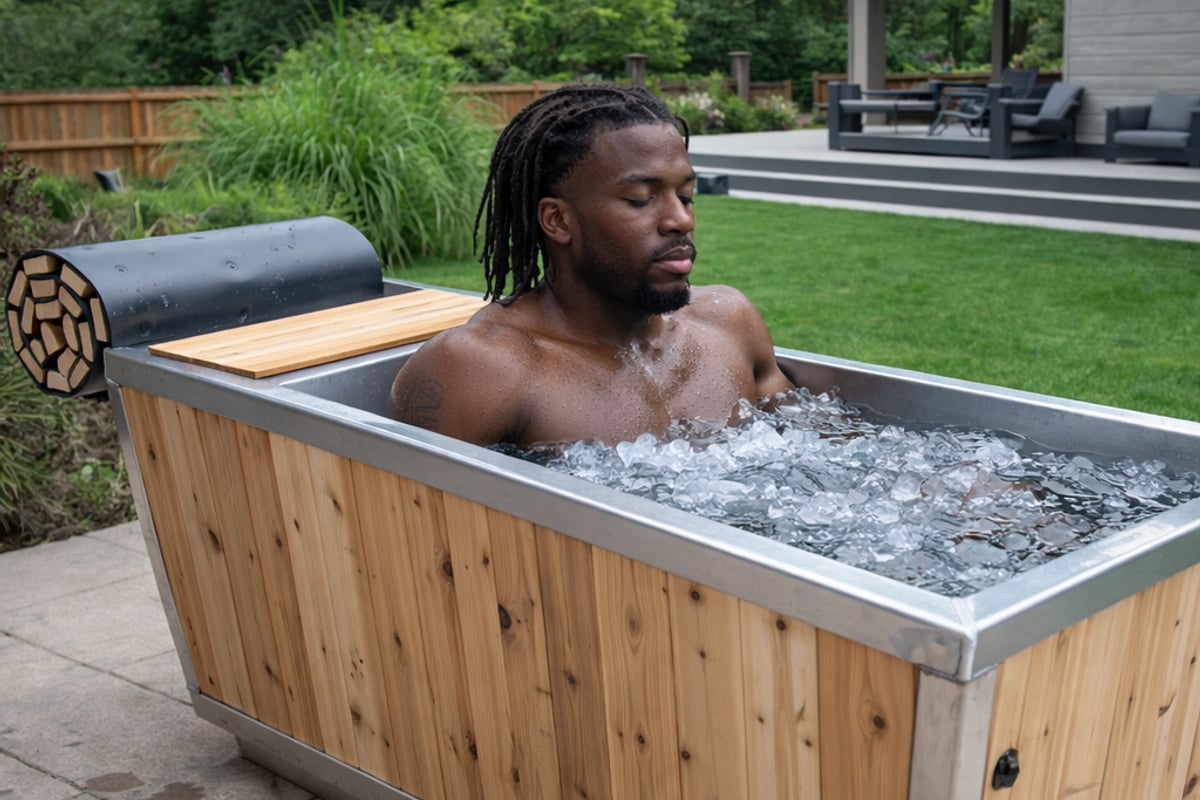
- Stainless steel interiors resist corrosion and maintain temperature well
- White cedar exteriors handle outdoor conditions naturally without treatment
- HDPE plastic offers durability at lower price points
- Acrylic construction provides modern aesthetics with good insulation
Avoid cheaply made plastic tubs that crack in cold weather or deteriorate under UV exposure. The best manufacturers source materials specifically rated for year-round outdoor use. Many top-quality systems feature Canadian-sourced wood chosen for its natural resistance to harsh weather.
Size and Capacity
Dimensions matter for both comfort and practical installation. Most adults need at least 27 inches of water depth to fully submerge shoulders. Width should allow comfortable sitting without cramped positioning.
Consider these measurements:
- Single-person tubs: 40-50 inches long, 27-32 inches wide
- Spacious models: 60+ inches long for taller users
- Depth: 30-36 inches for full shoulder immersion
Filtration and Maintenance
Good filtration systems keep water clean between changes. Look for:
- Integrated filtration with easy-access cartridges
- Ozone or UV sanitation options
- Simple drain systems for water changes
Plan to change water every 7 to 14 days depending on use frequency and filtration quality. Systems with better filtration extend time between full water changes.
For those committed to daily cold therapy and recovery at home, the Polar Plunge Tub combines Canadian-crafted durability with professional-grade materials designed for consistent performance across all seasons.
Common Mistakes Beginners Make
New users often stumble in predictable ways. Avoiding these errors accelerates your adaptation and enjoyment.
Starting Too Cold or Too Long
The biggest mistake is plunging into 39°F water for five minutes on day one. This creates a miserable experience that discourages continued use.
Better approach:
- Start at 55-60°F for 1-2 minutes
- Gradually decrease temperature by 2-3 degrees weekly
- Extend duration by 30 seconds every few sessions
- Target 3-5 minutes at 45-50°F after 4-6 weeks
Inconsistent Practice
Random cold plunging produces minimal adaptation benefits. Your body needs regular exposure to develop stress resilience and metabolic improvements.
Aim for at least three sessions per week minimum. Daily use produces better results for most people. Morning plunges energize your day, while evening sessions done 2-3 hours before bed can improve sleep.
Ignoring Breathing Technique
Panic breathing defeats the purpose of cold exposure training. When you gasp and hyperventilate, you're fighting the experience rather than adapting to it.
Proper breathing protocol:
- Take slow, controlled breaths before entering
- Maintain steady breathing during immersion
- Focus on exhaling completely to stay calm
- Use box breathing (4 counts in, 4 hold, 4 out, 4 hold) if needed
Skipping Warm-Up Movement
Jumping into cold water immediately after sitting still creates unnecessary shock. Light movement warms your body slightly and makes the transition easier.
Do 20-30 jumping jacks or a quick walk before plunging. This prep work activates your cardiovascular system and makes temperature adaptation smoother.
Poor Post-Plunge Recovery
What you do after exiting the tub matters. Many beginners immediately jump into hot showers, which reduces the beneficial stress adaptation your body is experiencing.
Effective post-plunge routine:
- Exit the tub and pat dry (don't rub vigorously)
- Put on warm, dry clothes
- Move gently to generate natural warmth
- Wait 10-15 minutes before hot showers if needed
- Hydrate with room temperature water
Setting Up Your Cold Water Plunge Tub
Proper installation ensures optimal performance and longevity.
Location Considerations
Outdoor placement works well for most climates. Choose a level surface with good drainage. Concrete pads, reinforced decking, or compacted gravel bases all work. Avoid direct soil contact, which can promote wood rot even in treated lumber.
Indoor installation requires floor load verification. A filled plunge tub weighs 1,500 to 2,500 pounds depending on size. Basement concrete floors handle this easily. Upper floors may need structural assessment.
Consider proximity to electrical outlets for chiller units. Most systems require dedicated 20-amp circuits for optimal performance.
Electrical Requirements
Modern cold water plunge tubs with integrated chillers need proper electrical service. Consult a licensed electrician for installation. Attempting DIY electrical work voids most warranties and creates safety hazards.
Some high-end models require 240V service, similar to hot tubs. Verify your home's electrical capacity before purchasing if choosing a powerful chiller system.
Water Source and Drainage
Position your tub near a water source for easy filling. Garden hoses work fine, though filling a 200-gallon tub takes 30-45 minutes.
Drainage matters equally. Most tubs include drain valves that connect to standard garden hoses. Route drainage to appropriate areas like lawns, gardens, or sewer cleanouts. Check local codes regarding water disposal.
Maintenance and Operating Costs
Understanding ongoing costs helps budget accurately.
Monthly Operating Expenses
| Expense Category | Monthly Cost Range | Notes |
|---|---|---|
| Electricity (chiller) | $30-$80 | Varies by climate and insulation |
| Water | $5-$15 | Depends on change frequency |
| Filtration supplies | $10-$25 | Cartridges and cleaning products |
| Sanitizers | $5-$15 | Minimal with good filtration |
Total monthly operating costs typically range from $50 to $135. Better insulation and efficient chillers reduce electricity costs significantly.
Routine Maintenance Tasks
Weekly:
- Check water chemistry and adjust sanitizer
- Rinse or clean filter cartridge
- Wipe down surfaces to prevent buildup
Every 1-2 weeks:
- Full water change
- Deep clean interior surfaces
- Inspect seals and connections
Quarterly:
- Replace filter cartridges
- Check chiller performance
- Inspect exterior wood (if applicable) and apply treatment if needed
Annually:
- Professional inspection of electrical and chiller systems
- Comprehensive cleaning and servicing
- Replace worn components
Proper maintenance extends the life of your cold water plunge tub significantly. Well-maintained units last 10 to 15 years with minimal issues. Customer results demonstrate the longevity and performance benefits of quality construction and regular care.
Maximizing Your Cold Plunge Results
Strategic use patterns enhance benefits substantially.
Optimal Timing Strategies
Post-workout plunging reduces inflammation and speeds recovery. Immerse within 30-60 minutes after training for maximum effect on muscle soreness. This timing captures peak inflammation response.
Morning routines boost alertness and mental clarity for the day ahead. A 3-5 minute cold plunge activates your nervous system more effectively than coffee for many users.
Evening protocols work differently. Plunge 2-3 hours before bed, allowing your body temperature to rebound naturally. This temperature fluctuation may enhance sleep quality according to research analyzed by The Atlantic.
Combining with Other Recovery Methods
Cold therapy works synergistically with other modalities:
- Contrast therapy: Alternate between cold plunge and sauna for enhanced circulation
- Compression: Use compression boots or sleeves after plunging
- Nutrition timing: Consume protein within 30 minutes post-plunge
- Mobility work: Light stretching after your body rewarms improves flexibility
Progressive Exposure Protocols
Adaptation requires progressive challenge. Once you comfortably handle 3 minutes at 50°F, adjust one variable:
- Decrease temperature by 2-3 degrees, OR
- Increase duration by 1 minute, OR
- Add breath-hold challenges during immersion
Never adjust multiple variables simultaneously. This allows your body to adapt systematically while maintaining safety.
Frequently Asked Questions
How cold should my plunge tub be?
For beginners, start at 55-60°F and gradually work toward 45-50°F. Experienced users often prefer 39-45°F. Colder isn't necessarily better. Consistency and duration matter more than extreme temperatures.
How long should I stay in a cold water plunge tub?
Start with 1-2 minutes and build toward 3-5 minutes over several weeks. Research suggests 11 minutes total per week (spread across multiple sessions) provides significant benefits. Most users find 3-4 minute sessions optimal.
Is cold plunging safe for everyone?
Most healthy adults can safely practice cold plunging. However, people with cardiovascular conditions, Raynaud's disease, or cold urticaria should consult physicians first. Pregnant women and young children should also seek medical guidance. According to the Associated Press, safety precautions are essential for anyone with pre-existing conditions.
Can I use my cold plunge tub year-round outdoors?
Quality tubs built from materials like white cedar or stainless steel handle year-round outdoor use in most North American climates. Insulation and powerful chillers maintain target temperatures even in summer heat. Winter use actually becomes easier in cold climates as ambient temperatures help maintain water coldness.
How often should I change the water?
With proper filtration and sanitation, change water every 7-14 days. High-use scenarios (multiple people or daily sessions) require more frequent changes. Poor filtration systems need changes every 3-5 days. Monitor water clarity and odor as indicators.
Do I need to add ice to my cold plunge tub?
Not if your system includes an adequate chiller. Quality chillers maintain set temperatures automatically. Ice-free operation saves money and effort long-term. Some users add ice occasionally for extra-cold sessions but it's not required for standard use.
What's the difference between a cold plunge tub and an ice bath?
Cold plunge tubs offer temperature control, filtration, and reusable water systems. Ice baths using standard tubs require constant ice purchases and water disposal after each use. Plunge tubs provide consistent temperatures and better long-term economics. Browse available cold plunge options to compare different systems and features.
A cold water plunge tub transforms recovery and wellness practices by delivering consistent, convenient cold therapy at home. Understanding key features, avoiding common beginner mistakes, and following progressive protocols maximizes your investment and results. Plunge N' Tubs offers premium cold plunge systems crafted from Canadian-sourced materials, designed for durability and performance. With fast, free delivery across North America, you can start building a sustainable recovery routine that fits your schedule and supports your health goals.
Share:
Cold Plunge Sale: How to Buy Your First Tub in 2026
Hot Tub with Wood: Complete Guide to Wood-Fired Tubs