

Cold therapy has moved from elite athlete training centers into everyday homes across North America. Setting up a cold plunge at home offers you complete control over your recovery routine without gym memberships or spa appointments. The practice involves immersing your body in cold water, typically between 39°F and 55°F, for two to ten minutes. Whether you're an athlete seeking faster recovery, a professional managing stress, or someone exploring wellness optimization, understanding how to properly implement this practice makes all the difference between temporary experimentation and lasting lifestyle change.
Why Cold Plunging Works for Recovery
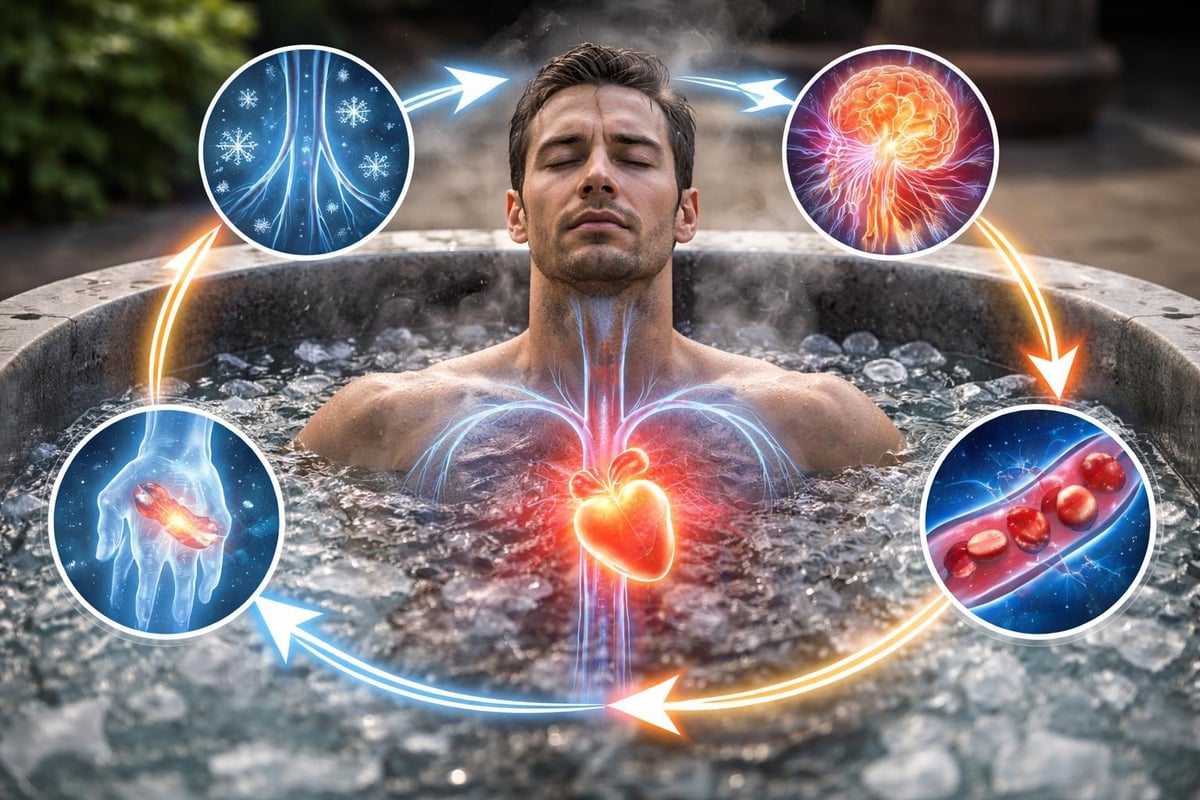
Cold water immersion triggers several physiological responses that support recovery and performance. When you step into cold water, your blood vessels constrict, reducing inflammation and flushing metabolic waste from your muscles. As you warm up afterward, fresh blood flows back, delivering oxygen and nutrients to recovering tissue.
Research demonstrates that regular cold exposure can reduce muscle soreness by up to 20% after intense training. The practice also activates your sympathetic nervous system, releasing norepinephrine and endorphins that improve mood and mental clarity for hours afterward.
Key benefits include:
- Reduced inflammation and muscle soreness
- Enhanced circulation and lymphatic drainage
- Improved mental resilience and stress tolerance
- Better sleep quality when practiced earlier in the day
- Increased metabolic rate and brown fat activation
The mental aspect proves equally powerful. Controlling your breathing in uncomfortable cold water builds psychological toughness that transfers to other challenging situations. Many practitioners report improved focus and decision-making throughout their day after morning plunges.
Setting Up Your Cold Plunge at Home
Getting started doesn't require a massive investment or complicated installation. Your setup depends on your budget, available space, and commitment level to the practice.
Budget-Friendly Starting Options
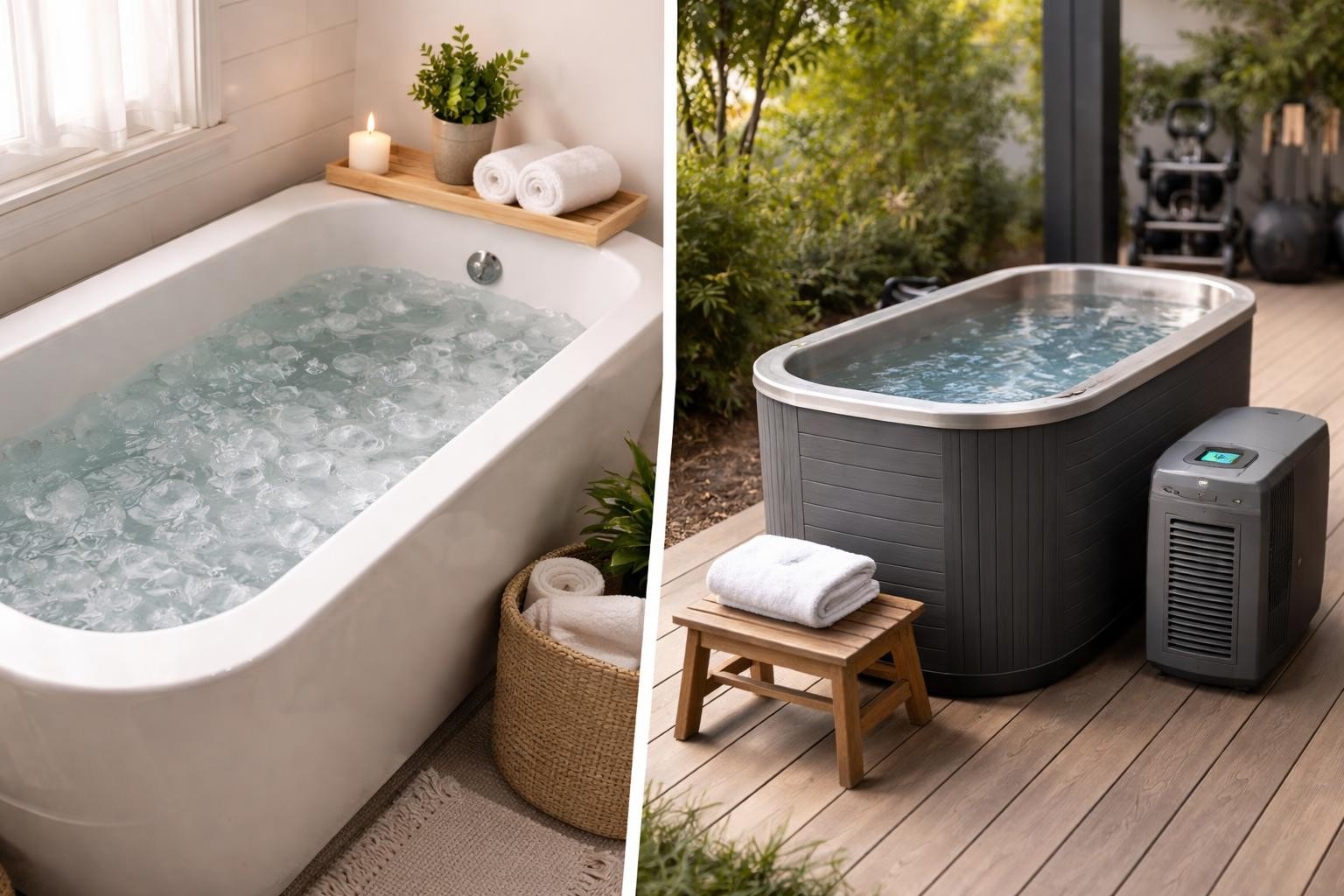
Most beginners start with their bathtub and ice from the store. Fill your tub with cold tap water and add 20-40 pounds of ice to reach temperatures between 50-60°F. This method costs just a few dollars per session and helps you determine if you'll stick with the practice.
A chest freezer converted into an ice bath offers the next step up. You'll need a 10-15 cubic foot freezer, pond liner, and timer to prevent freezing. Total cost runs $300-600, and you control temperature by adjusting freeze cycles. This DIY approach works well for dedicated practitioners on a budget.
Dedicated Cold Plunge Systems
Purpose-built units eliminate the hassle of ice purchases and temperature guesswork. Modern cold plunge tubs use integrated chillers to maintain consistent temperatures year-round, even in hot climates.
Quality systems feature:
- Built-in filtration and sanitation
- Precise temperature control (37-60°F typical range)
- Insulated construction for energy efficiency
- Durable materials designed for daily use
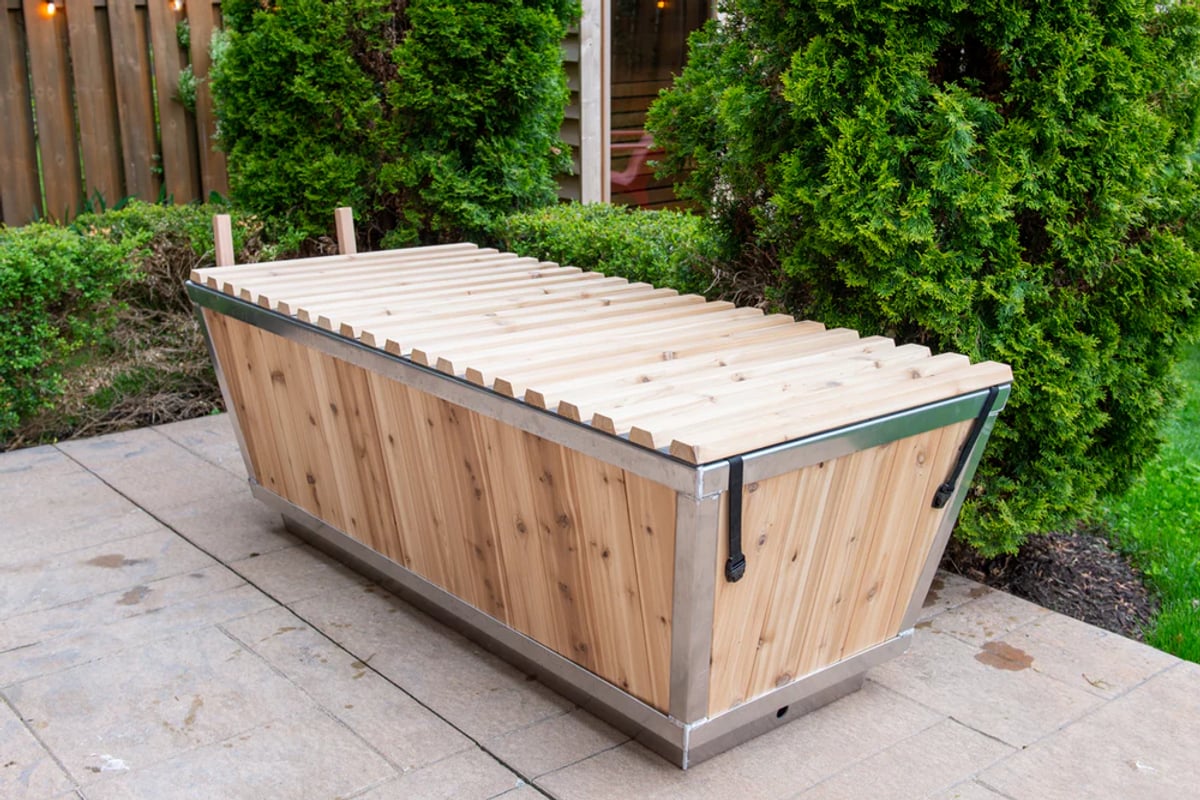
Premium wood construction from Canadian cedar or acrylic designs both offer distinct advantages. Cedar provides natural antimicrobial properties and classic aesthetics, while acrylic delivers modern styling with easier maintenance. According to this comprehensive cold plunge guide, consistent practice matters more than equipment perfection when starting out.
Is It Worth the Investment?
The value equation depends on your specific goals and current wellness spending. Calculate what you currently pay for recovery services like massage therapy, cryotherapy sessions, or gym access with cold plunge facilities.
| Recovery Method | Monthly Cost | Annual Cost |
|---|---|---|
| Cryotherapy (2x/week) | $240-400 | $2,880-4,800 |
| Gym with Cold Plunge | $80-150 | $960-1,800 |
| Home Ice Purchase | $40-60 | $480-720 |
| Dedicated Home Unit | $0 after purchase | $60-120 (electricity) |
A quality home unit typically costs $3,000-8,000 depending on features and construction. If you're currently spending $100+ monthly on recovery services, you'll break even within 2-3 years while gaining daily access.
The real value extends beyond dollars. Having a cold plunge at home eliminates the friction of scheduling appointments or driving to facilities. You can plunge immediately after training when it's most effective, or start your morning with cold exposure before work. This convenience dramatically increases adherence.
Athletes training 5-6 days weekly see the clearest returns. Your muscles recover faster between sessions, allowing higher training volume without increased injury risk. Understanding optimal cold plunge duration helps maximize these benefits without overdoing exposure time.
Who Should Buy a Home Cold Plunge System?
Dedicated systems make sense for specific user profiles. Understanding whether you fit these categories helps avoid purchasing equipment that sits unused.
Ideal candidates include:
Athletes training consistently 4+ days per week who need reliable recovery protocols. The reduced muscle soreness and inflammation directly support performance improvements and injury prevention.
Professionals managing high-stress careers benefit from the mental clarity and stress resilience that regular cold exposure builds. Many executives report better decision-making and emotional regulation.
Biohacking enthusiasts optimizing multiple health metrics appreciate the metabolic benefits, improved sleep quality, and enhanced immune function that cold therapy provides.
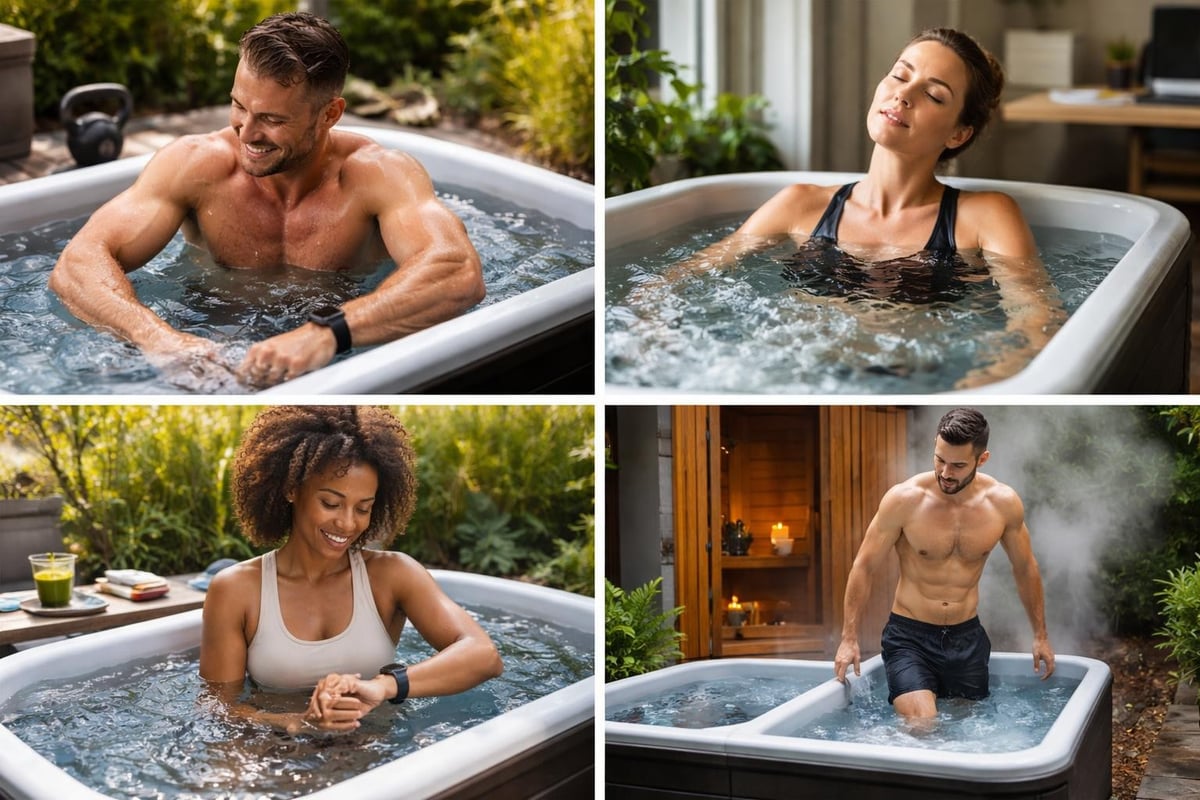
People with access to existing hot tub or sauna setups maximize value through contrast therapy. Alternating between hot and cold creates powerful cardiovascular benefits and deeper relaxation than either modality alone. You can explore hot tub options that complement your cold plunge routine.
Who Should Wait or Use Alternatives
Beginners uncertain about cold therapy commitment should start with ice baths or gym access before investing thousands. Three months of consistent practice proves you'll actually use a permanent system.
People with limited outdoor space or rental restrictions face installation challenges. Portable options exist but sacrifice the temperature consistency and filtration that make dedicated units valuable.
Those with certain cardiovascular conditions should consult physicians before starting cold immersion. The intense vasoconstriction can stress compromised systems. This cold plunge safety guide covers important medical considerations.
What to Look for When Buying a Cold Plunge Tub
Shopping for a home system requires evaluating several critical factors beyond price. The right choice depends on your climate, available space, and intended use frequency.
Temperature Control and Chiller Capacity
Your chiller determines whether your tub maintains proper temperatures year-round. In hot climates, you need at least 1 HP of cooling power to overcome ambient heat. Weaker chillers struggle during summer, leaving water too warm for therapeutic benefits.
Look for systems offering temperature ranges from 37°F to at least 55°F. Some units go up to 108°F, enabling hot water therapy in the same tub. This versatility supports contrast therapy without requiring separate equipment.
Construction Materials and Durability
Material choice affects longevity, maintenance requirements, and aesthetics. Common options include:
| Material | Pros | Cons | Lifespan |
|---|---|---|---|
| Cedar Wood | Natural antimicrobial, beautiful appearance | Requires occasional maintenance | 10-15 years |
| Stainless Steel | Extremely durable, easy cleaning | Higher cost, clinical appearance | 20+ years |
| Acrylic | Modern styling, good insulation | Can scratch, less natural aesthetic | 10-15 years |
| HDPE Plastic | Budget-friendly, weather-resistant | Basic appearance, less premium feel | 8-12 years |
Canadian-sourced cedar offers exceptional quality due to tighter grain structure from slower northern growth. This density provides better weather resistance and dimensional stability compared to southern woods.
Filtration and Sanitation Systems
Effective filtration prevents the constant water changes that waste money and time. Quality systems circulate and filter water multiple times daily, removing contaminants and maintaining clarity.
Sanitation options include:
- Ozone generators that oxidize organic matter without chemical taste
- UV sterilization killing bacteria and viruses through ultraviolet light
- Mineral systems reducing chlorine needs through natural sanitizers
The best systems combine multiple methods for comprehensive water treatment. Plan to change water every 3-4 months with proper filtration versus weekly with basic setups.
Energy Efficiency and Operating Costs
Insulation quality dramatically impacts electricity costs. Well-insulated tubs use 50-70% less energy than poorly designed alternatives. Check for foam insulation in walls and insulated covers that seal tightly.
Expect monthly electricity costs of:
- $30-50 for highly efficient systems in moderate climates
- $60-90 for standard efficiency in hot climates
- $100+ for poorly insulated units requiring constant chilling
Timer controls help reduce costs by limiting chiller operation to pre-plunge hours rather than 24/7 maintenance. This buying guide for cold plunge tubs provides detailed comparisons of top models available in 2026.
The Polar Plunge Tub from LeisureCraft exemplifies premium construction with your choice of stainless steel or HDPE interior paired with durable Canadian White Cedar exterior. Manufactured domestically and designed for all-season outdoor use, it delivers professional recovery on your schedule without ongoing spa fees or appointments.
Common Mistakes Beginners Make
New practitioners often sabotage their progress through avoidable errors. Understanding these pitfalls helps you build a sustainable practice.
Starting Too Cold, Too Long
The most common mistake involves jumping into 40°F water for five minutes on day one. This approach triggers panic, miserable experiences, and quick abandonment of the practice. Your body needs time to adapt to cold stress.
Proper progression:
- Week 1-2: 60°F water for 2 minutes
- Week 3-4: 55°F water for 3-4 minutes
- Week 5-6: 50°F water for 4-5 minutes
- Week 7+: 45°F water for 5-8 minutes
Dropping temperature by 5°F every two weeks allows physiological adaptation without overwhelming stress. Some people progress faster, others need more time. Listen to your body rather than forcing arbitrary timelines.
Ignoring Breathing Technique
Gasping and hyperventilating when entering cold water activates panic responses that override potential benefits. Controlled breathing maintains calm and allows longer, more effective sessions.
Practice box breathing: inhale for 4 counts, hold for 4, exhale for 4, hold for 4. This pattern before entering the water prepares your nervous system. Continue slow, deep breathing throughout your plunge rather than holding your breath or panting.
Plunging at the Wrong Time
Evening cold plunges disrupt sleep for many people due to the alertness-promoting norepinephrine release. The practice elevates core temperature for several hours afterward, interfering with the temperature drop your body needs for deep sleep.
Morning or early afternoon sessions work best for most practitioners. You'll experience the mental clarity benefits throughout your productive hours while avoiding sleep disruption. Athletes should plunge 2-4 hours after intense training rather than immediately, allowing some natural inflammation response before dampening it.
Inconsistent Practice
Sporadic cold plunging provides minimal adaptation benefits. Your cardiovascular system, metabolism, and mental resilience improve through regular exposure, not occasional experimentation. This step-by-step guide to cold plunging emphasizes building sustainable routines over aggressive but unsustainable approaches.
Commit to at least 3-4 sessions weekly for 8-12 weeks before evaluating results. Many benefits compound over time rather than appearing immediately.
Advanced Protocols for Maximum Benefit
Once you've built foundational cold tolerance, several advanced approaches amplify specific benefits.
Contrast Therapy
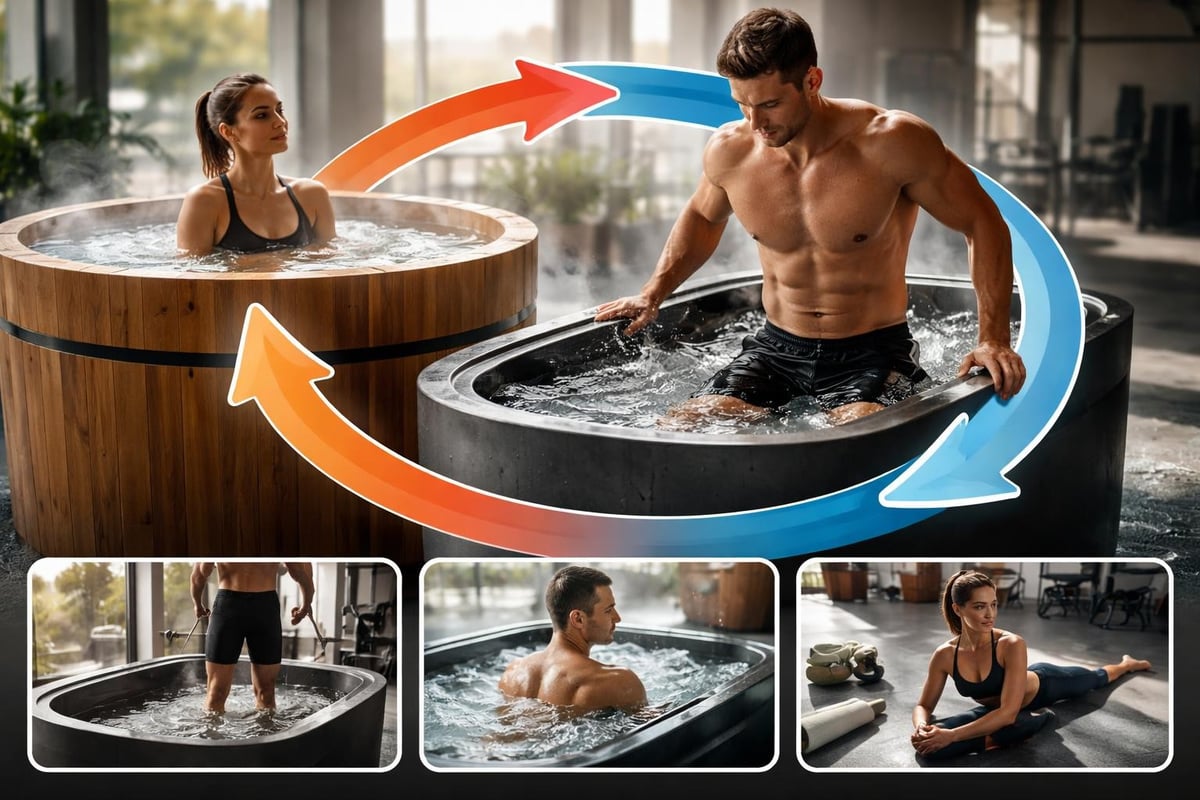
Alternating between hot and cold creates powerful cardiovascular training and deeper relaxation. Spend 10-15 minutes in a hot tub or sauna, then 3-5 minutes in your cold plunge. Repeat 3-4 cycles, always ending with cold.
This protocol dramatically increases circulation, flushes metabolic waste more effectively than cold alone, and provides exceptional muscle relaxation. The temperature differential should be at least 60°F for maximum effect.
Targeted Cold Therapy
Some practitioners use variable immersion depths for specific recovery needs. Shoulder-deep plunges emphasize upper body recovery after climbing or swimming. Waist-deep sessions focus on leg recovery after running or cycling while maintaining core warmth.
Localized cold application through shorter, colder exposure to specific areas (like knees or shoulders) can address particular injury recovery needs. Research on cold plunges for inflammation shows targeted approaches effectively reduce chronic pain and swelling.
Performance Enhancement Timing
Strategic timing relative to training maximizes specific adaptations:
- Pre-workout cold exposure (1-2 minutes at 50-55°F) increases alertness and power output for subsequent training
- Post-workout cold plunges (3-5 minutes at 45-50°F) reduce muscle damage and soreness
- Evening heat followed by morning cold optimizes sleep and next-day readiness
Breathing Techniques Integration
Combining Wim Hof breathing or other hyperventilation protocols before cold exposure enhances stress adaptation and extends comfortable immersion time. These practices require proper instruction and shouldn't be attempted alone initially.
Maintenance and Long-Term Care
Proper maintenance protects your investment and ensures safe, effective sessions. Neglected systems develop biofilm, scale buildup, and equipment failures that cost far more than preventive care.
Weekly Maintenance Tasks
Test and adjust water chemistry every 3-4 days. Maintain pH between 7.2-7.8 and sanitizer levels according to your system type. Cold water prevents bacterial growth better than hot tubs, but proper sanitation still matters.
Clean your filter weekly by rinsing with a garden hose. Monthly deep cleaning with filter cleaner removes oils and embedded debris. Replace filters every 12-18 months depending on use frequency.
Wipe down surfaces after each use to prevent body oil accumulation. A quick spray with diluted vinegar prevents water line buildup and keeps acrylic or steel surfaces pristine.
Seasonal Considerations
Winter operation in freezing climates requires either indoor installation or systems designed for extreme cold. Ensure your chiller includes freeze protection and that plumbing uses insulated lines. Some practitioners embrace outdoor winter plunging, though you'll need to prevent complete freezing between sessions.
Summer heat increases chiller workload. Ensure adequate ventilation around your chiller unit and consider shade structures to reduce solar heating. Well-insulated covers become crucial in hot months to minimize cooling costs.
When to Drain and Deep Clean
Complete water changes every 3-4 months maintain optimal quality. Drain your tub, clean all surfaces with appropriate cleaners for your material type, flush plumbing lines, and refill with fresh water.
Annual professional servicing for your chiller, pump, and electrical components prevents unexpected failures. This maintenance typically costs $150-300 but extends equipment life by years.
Frequently Asked Questions
How cold should the water be for a cold plunge at home?
Effective therapeutic temperatures range from 45°F to 55°F. Beginners should start at 55-60°F and gradually decrease as adaptation occurs. Water below 40°F provides minimal additional benefits while increasing risk.
How long should I stay in a cold plunge?
Start with 2-3 minutes and build to 5-10 minutes over several weeks. Sessions beyond 15 minutes provide diminishing returns and increase hypothermia risk. Quality and consistency matter more than duration.
Can I use my cold plunge daily?
Most people tolerate daily sessions well after adaptation. Some practitioners benefit from 5-6 days weekly with rest days. Monitor recovery, sleep quality, and energy levels to determine your optimal frequency. More isn't always better if it stresses your system excessively.
Do I need a chiller or can I just use ice?
Ice works for occasional use but becomes expensive and inconvenient for daily practice. A chiller maintains consistent temperatures automatically and proves more cost-effective within 6-12 months for regular users. Consider your commitment level and budget when deciding.
What's the best time of day to cold plunge?
Morning or early afternoon works best for most people, providing mental clarity benefits throughout the day without disrupting sleep. Avoid evening sessions within 4-5 hours of bedtime unless you've confirmed they don't affect your sleep quality.
Is cold plunging safe for everyone?
People with cardiovascular conditions, uncontrolled hypertension, or cold sensitivity disorders should consult physicians before starting. Pregnant women should avoid cold immersion. Healthy individuals can safely practice with proper progression and technique.
How much does it cost to run a cold plunge tub?
Electricity costs typically run $30-90 monthly depending on climate, insulation quality, and target temperature. Water costs remain minimal with proper filtration, requiring changes only every 3-4 months. Budget $50-120 monthly for total operating costs.
Can I install a cold plunge indoors?
Yes, though you'll need proper drainage, ventilation for the chiller, and moisture management. Indoor installation works well in basements, dedicated spa rooms, or garages. Ensure adequate floor support for water weight (roughly 500-800 pounds when filled).
Building a consistent cold plunge at home practice transforms recovery, mental resilience, and overall wellness when approached systematically. Start with proper equipment suited to your commitment level, progress gradually through temperature and duration increases, and maintain your system carefully for years of reliable use. Plunge N' Tubs delivers premium cold plunge systems crafted from the highest quality Canadian wood, trusted by athletes and wellness professionals across North America with fast, free delivery that brings professional-grade recovery directly to your home.
Share:
Wood Fired Wood Hot Tub Guide 2026 | Buyers & Setup Tips
Cold Plunge Sale: How to Buy Your First Tub in 2026