



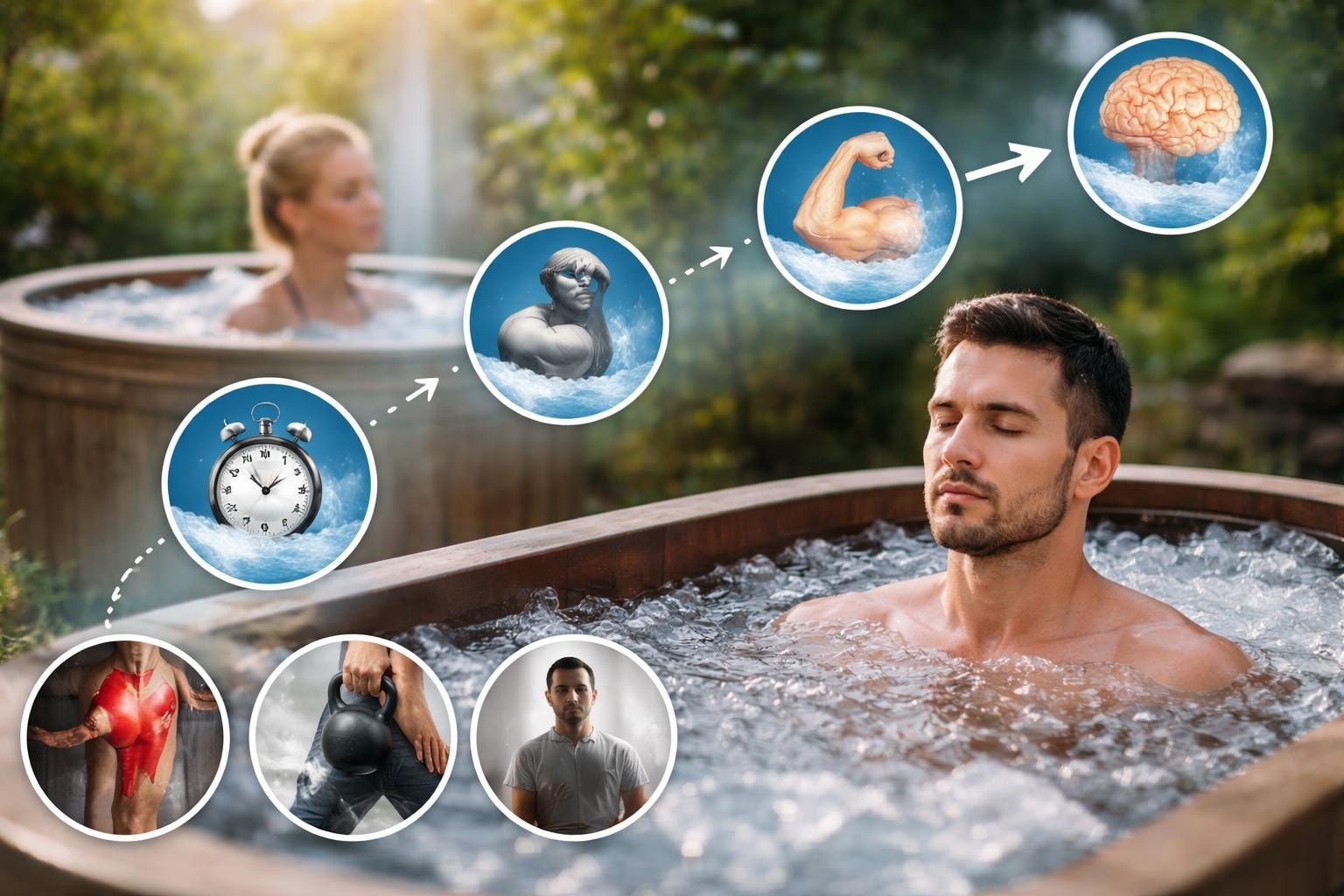
Getting your cold plunge time right matters more than you think. Too short and you miss the benefits. Too long and you risk hypothermia or unnecessary stress on your body. The difference between an effective cold therapy session and a wasted one often comes down to understanding how duration, temperature, and individual tolerance work together.
Most beginners jump into cold plunging without a clear plan for timing. They either bail out too quickly or push themselves dangerously long, trying to prove something. Neither approach works. Your body responds to cold exposure in specific ways at specific intervals, and knowing these patterns helps you maximize recovery, reduce inflammation, and build mental resilience without putting yourself at risk.
Understanding Cold Plunge Time Fundamentals
Cold plunge time refers to the duration you spend immersed in cold water, typically between 37°F and 59°F. This isn't arbitrary. Your body triggers distinct physiological responses based on how long you stay in cold water.
The initial 30 seconds activate your sympathetic nervous system. Your breathing quickens, heart rate spikes, and blood vessels constrict. This is normal and actually beneficial when controlled properly.
Between one and three minutes, your body starts adapting. Blood flow redirects to protect vital organs, inflammation markers begin dropping, and norepinephrine levels rise. Research shows these benefits become more pronounced with consistent practice.
The Science Behind Duration
Your cold plunge time directly influences which benefits you receive. Short exposures (1-2 minutes) primarily trigger acute stress responses and mental resilience. Moderate sessions (3-5 minutes) optimize recovery and inflammation reduction. Longer protocols (5-10 minutes) are typically reserved for experienced practitioners targeting specific adaptations.
Temperature plays a crucial role in determining safe duration. Water at 50°F allows for longer sessions than water at 39°F. The colder the water, the shorter your safe exposure window becomes.
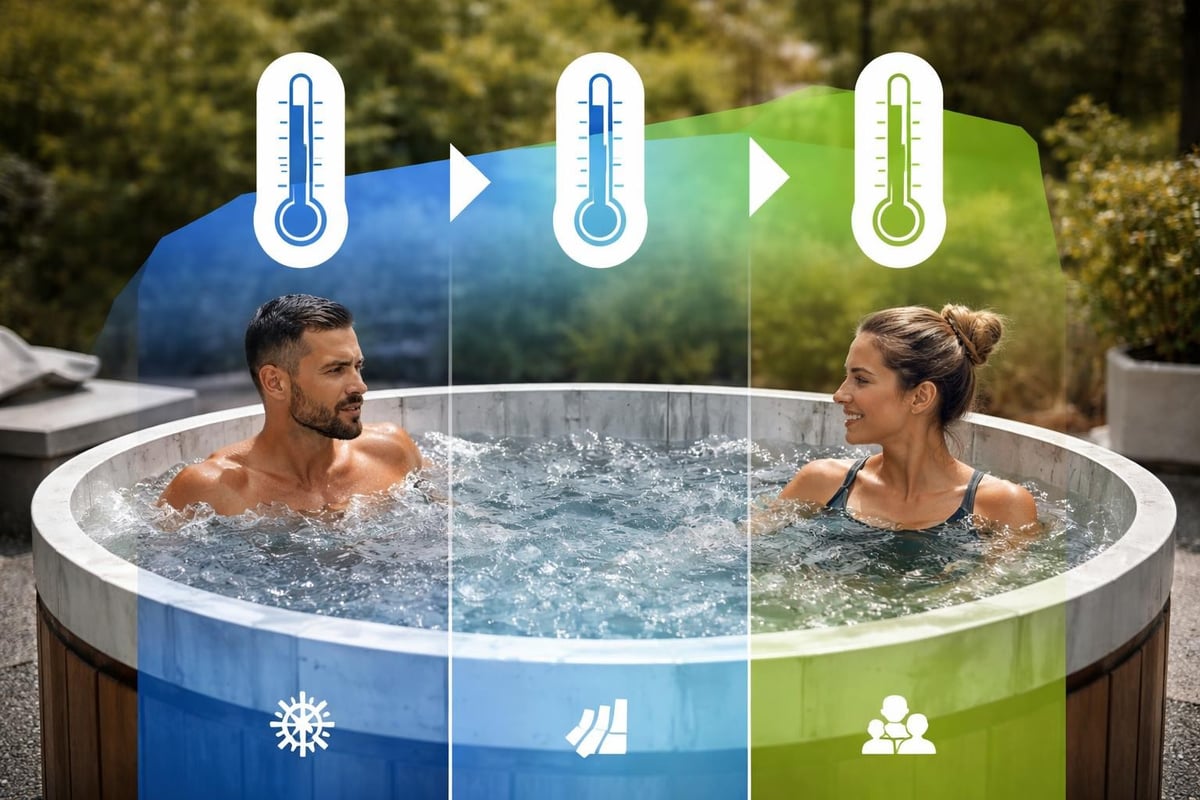
Most experts recommend starting conservatively. Safe cold plunge durations emphasize gradual progression, especially for newcomers to cold therapy.
Optimal Cold Plunge Time for Different Goals
Your target cold plunge time should match your specific objectives. Recovery-focused athletes need different protocols than someone using cold therapy for mental clarity or metabolic benefits.
For Muscle Recovery and Inflammation:
- Duration: 3-5 minutes
- Temperature: 50-59°F
- Frequency: Within 2 hours post-workout
- Best results: 3-4 sessions per week
For Mental Clarity and Stress Resilience:
- Duration: 2-3 minutes
- Temperature: 45-55°F
- Frequency: Morning sessions, 4-5 times weekly
- Best results: Consistent daily practice
For Metabolic Benefits and Fat Adaptation:
- Duration: 5-10 minutes
- Temperature: 50-59°F
- Frequency: 2-3 sessions per week
- Best results: Fasted morning sessions
The ideal cold plunge frequency varies by individual goals, but most people benefit from 3-4 sessions weekly. This allows adequate recovery between exposures while maintaining adaptation.
Beginner Protocol: Week by Week
New practitioners should build tolerance systematically. Start with 1-2 minutes at warmer temperatures (55-59°F) for the first week. Your body needs time to adapt to the stress response.
Week two, extend to 2-3 minutes if comfortable. Don't rush this progression. Building cold tolerance takes time, and forcing longer durations before you're ready increases injury risk and reduces adherence.
By week four, most beginners can comfortably handle 3-4 minutes at 50-55°F. This sweet spot delivers significant benefits without excessive stress. Listen to your body throughout this process. Shivering is normal, but uncontrollable shaking or numbness signals you've gone too long.
What Happens During Your Cold Plunge Time
Understanding the physiological timeline helps you maximize each session. Your body doesn't just "get cold." It activates specific systems at predictable intervals.
0-30 Seconds: Initial Shock Response
Your breathing pattern changes dramatically. Gasping is common and expected. Blood vessels constrict rapidly, redirecting blood flow toward your core. Heart rate increases 15-20 beats per minute on average. This isn't dangerous for healthy individuals, it's your sympathetic nervous system doing its job.
30-90 Seconds: Adaptation Phase
Breathing stabilizes as you gain control. Mental focus sharpens considerably. Many people report this is where cold therapy's psychological benefits emerge most clearly. You're training your stress response in real-time.
2-4 Minutes: Peak Benefit Window
Norepinephrine levels can increase 200-300% during this period. Inflammation markers begin dropping. Blood circulation patterns optimize for recovery. Most recovery and performance benefits occur within this timeframe, which is why 3-5 minutes is optimal for most people.
5+ Minutes: Advanced Territory
Extended exposures provide diminishing returns for most goals. Unless you're an experienced practitioner with specific objectives, staying beyond five minutes increases risk without proportional benefit. Cold adaptation does occur, but so does unnecessary stress on your cardiovascular system.
| Duration | Primary Benefits | Risk Level | Best For |
|---|---|---|---|
| 1-2 min | Mental clarity, stress adaptation | Low | Beginners, daily practice |
| 3-5 min | Recovery, inflammation reduction | Low-Moderate | Athletes, post-workout |
| 5-10 min | Advanced adaptation, metabolic | Moderate | Experienced practitioners |
| 10+ min | Limited additional benefit | High | Not recommended |
Common Mistakes Beginners Make With Cold Plunge Time
The biggest error? Comparing yourself to social media personalities who claim they do 15-minute ice baths daily. Those posts aren't showing you the years of adaptation behind those sessions, or the fact that many aren't actually measuring water temperature accurately.
Mistake 1: Starting Too Aggressively
Jumping straight into 5-minute sessions at 39°F is reckless. Your body needs gradual adaptation. Start with shorter durations at warmer temperatures. Progressive overload applies to cold therapy just like strength training.
Mistake 2: Ignoring Temperature Variables
Many beginners focus solely on duration while ignoring water temperature. A 3-minute plunge at 39°F creates vastly different stress than 3 minutes at 55°F. Temperature and duration interact to determine total cold exposure stress.
Mistake 3: Inconsistent Practice
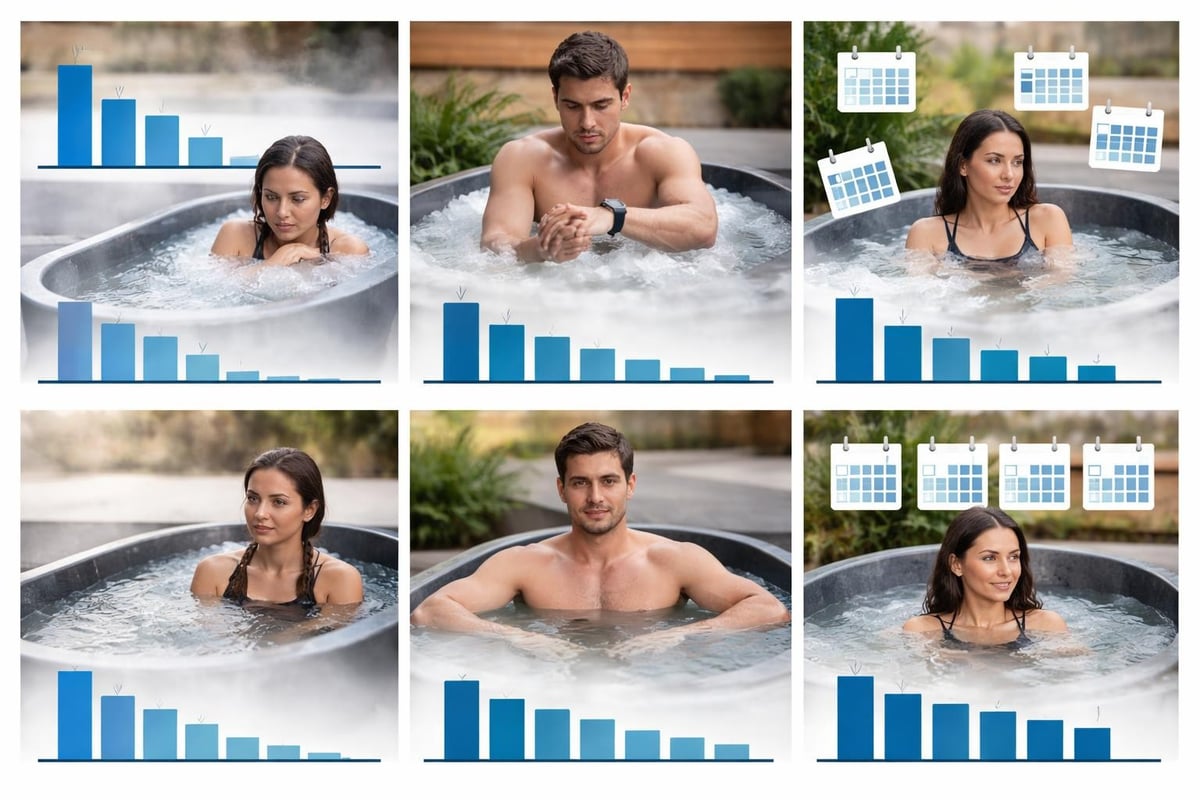
Doing one 10-minute session monthly doesn't build adaptation. Cold therapy benefits accumulate through regular, moderate exposure. Three 3-minute sessions weekly outperform one weekly 9-minute session for most goals.
Mistake 4: Poor Entry and Exit Strategies
Rushing into cold water spikes your stress response unnecessarily. Enter gradually, focus on controlling your breathing, and give yourself 10-15 seconds to settle before starting your timer. Similarly, exit slowly and warm up gradually. Jumping into a hot shower immediately can cause dangerous blood pressure swings.
Mistake 5: Neglecting Individual Factors
Your optimal cold plunge time depends on body composition, cardiovascular health, cold tolerance, and recovery needs. A 220-pound athlete with years of cold exposure can safely handle longer durations than a 140-pound beginner. Don't blindly follow generic protocols without considering your individual context.
Is Cold Plunge Time Worth the Investment?
For most people interested in recovery and wellness, yes. The time commitment is minimal compared to benefits received. A 3-4 minute session, done 3-4 times weekly, requires less than 30 minutes of total weekly time.
Compare this to other recovery modalities. Massage therapy requires 60-90 minute appointments plus travel time. Professional cryotherapy sessions run 2-3 minutes but require gym memberships or per-session fees. Home cold plunge systems eliminate these ongoing costs and scheduling hassles.
The question isn't whether cold plunge time is worth it. It's whether you'll use it consistently enough to justify the investment. If you're committed to regular practice, the return on time invested is substantial.
Quantifying the Benefits
Research participants who maintained consistent cold plunge protocols (3 minutes, 3-4 times weekly) reported measurable improvements across multiple areas. Reduced muscle soreness post-workout, better sleep quality scores, decreased perceived stress levels, and improved recovery markers all appeared within 4-6 weeks.
These aren't placebo effects. Documented health benefits include improved circulation, enhanced immune function, and mood elevation through neurotransmitter changes.
Who Should Prioritize Cold Plunge Time?
Certain groups benefit more from regular cold plunging than others. Understanding whether cold therapy aligns with your goals helps you make an informed decision.
Athletes and Active Individuals
If you train intensely 3+ times weekly, cold plunges become a valuable recovery tool. The anti-inflammatory effects help manage training load and reduce DOMS (delayed onset muscle soreness). Many professional athletes now consider cold therapy essential rather than optional.
Biohackers and Performance Optimizers
People interested in metabolic optimization, stress resilience, and cognitive performance find cold plunging particularly valuable. The hormetic stress response triggers adaptations that extend beyond the cold exposure itself.
People Managing Chronic Inflammation
While cold plunging isn't a cure for inflammatory conditions, it can help manage symptoms. The temporary reduction in inflammatory markers provides relief for some individuals dealing with chronic issues.
Individuals Seeking Mental Health Support
Cold therapy's impact on mood and anxiety shouldn't be overlooked. The controlled stress environment helps build psychological resilience. Many practitioners report using cold plunges as part of broader mental health strategies.
Who Should Avoid or Modify Cold Plunge Time?
People with cardiovascular conditions, Raynaud's disease, or cold urticaria should consult healthcare providers before starting. Pregnant women should avoid cold plunging unless cleared by their doctor. Anyone with compromised immune systems needs medical guidance on appropriate protocols.
What to Look for When Buying a Cold Plunge Tub
If you're committed to making cold therapy a regular practice, investing in a quality system makes sense. Not all cold plunge tubs are created equal, and the right features significantly impact your experience.
Temperature Control Capabilities
Look for systems that maintain consistent temperatures without constant ice addition. Built-in chillers provide convenience and precision. The ability to set and maintain specific temperatures (typically 37-59°F) ensures you can execute protocols consistently.
Build Quality and Materials
Premium materials matter for longevity and safety. Canadian-sourced wood offers natural durability and weather resistance for outdoor installations. Stainless steel interiors provide easy cleaning and maintenance. Avoid cheap plastic systems that crack in cold weather or degrade quickly.
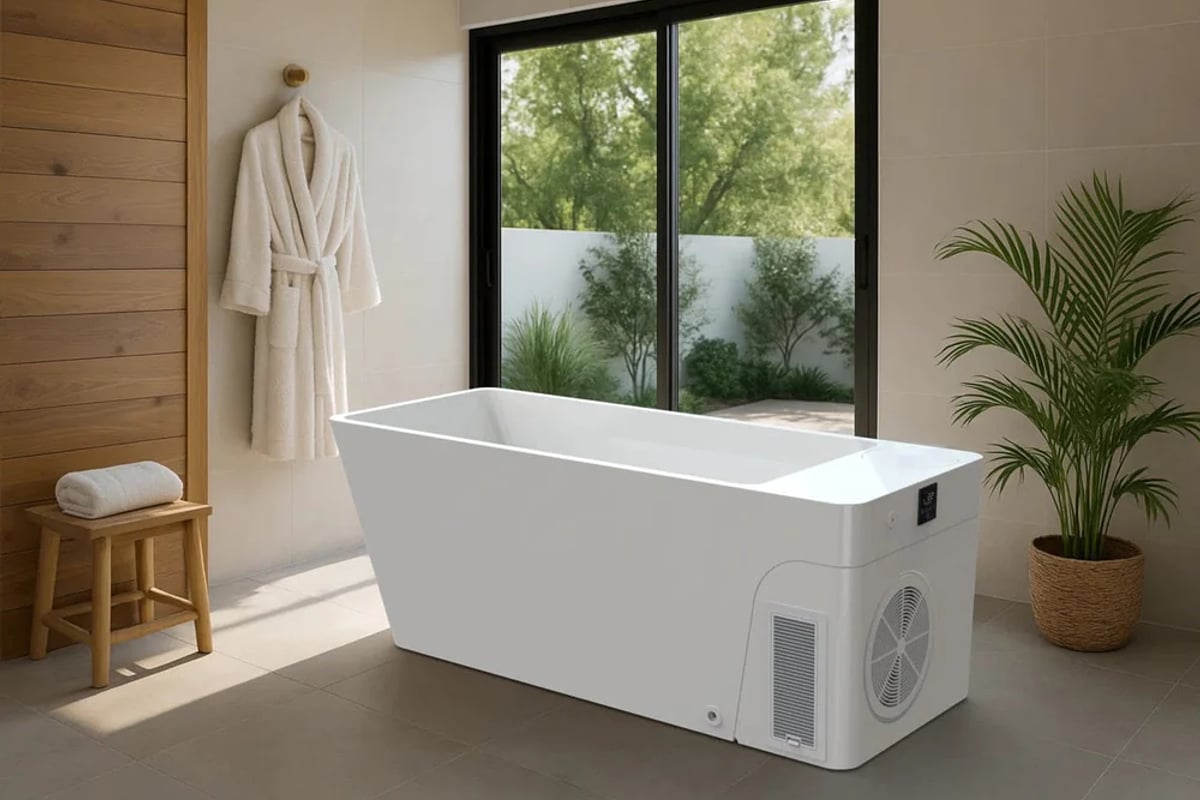
The Frost Cold Plunge Tub exemplifies what quality looks like in a modern cold plunge system. With its powerful 1HP integrated chiller maintaining precise temperatures between 37-108°F, you can dial in your exact cold plunge time and temperature combination for optimal results. The premium acrylic construction ensures durability while the included thermostat removes the guesswork from temperature management.
Size and Capacity
Your tub should accommodate full-body immersion up to your shoulders. Cramped positions reduce effectiveness and comfort. Standard tubs range from 60-80 gallons, providing adequate depth and width for most users.
Filtration and Sanitation
Quality filtration systems reduce maintenance requirements and keep water clean between sessions. Ozone or UV sanitation options minimize chemical use while maintaining water quality. Nobody wants to spend 30 minutes maintaining their cold plunge between 3-minute sessions.
Insulation Efficiency
Well-insulated tubs reduce energy costs and maintain temperature stability. This matters especially for outdoor installations where ambient temperature fluctuates. Poor insulation forces chillers to work continuously, increasing electrical costs and wear.
| Feature | Budget Options | Premium Options | Impact on Usage |
|---|---|---|---|
| Temperature Control | Ice required | Integrated chiller | High - consistency |
| Materials | Plastic | Cedar/Stainless | High - durability |
| Insulation | Minimal | Multi-layer | Medium - cost savings |
| Filtration | Basic | Advanced | Medium - maintenance |
| Size | 40-60 gal | 60-80 gal | Medium - comfort |
Frequently Asked Questions About Cold Plunge Time
How long should I stay in a cold plunge for recovery?
For post-workout recovery, 3-5 minutes at 50-59°F is optimal for most people. This duration provides inflammation reduction and recovery benefits without excessive stress. Beginners should start with 2-3 minutes and build gradually.
Can I do cold plunges every day?
Yes, but duration matters. Daily 2-3 minute sessions are safe for most healthy individuals. However, longer daily sessions (5+ minutes) may overstress your system without providing additional benefits. Most people see excellent results with 3-4 sessions weekly.
What temperature should my cold plunge be?
For beginners, start between 55-59°F. As you adapt, you can lower the temperature to 45-50°F. Advanced practitioners sometimes use 37-40°F, but this isn't necessary for achieving benefits. Temperature and duration trade off, colder water requires shorter exposures.
Should I cold plunge before or after workouts?
After workouts is generally better for recovery. Cold plunging before exercise can temporarily reduce power output and strength. Post-workout sessions help manage inflammation and accelerate recovery. Morning sessions on non-training days work well for mental clarity and metabolic benefits.
How do I know if I'm staying too long?
Uncontrollable shivering, numbness in extremities, confusion, or extreme discomfort signal you've exceeded safe duration. Your hands and feet will get cold, that's normal. But loss of sensation or inability to grip objects means you've pushed too far. Always err on the side of caution.
Does cold plunge time matter more than temperature?
Both matter, and they interact. A very cold plunge (39°F) for 2 minutes creates similar stress to a moderate plunge (55°F) for 5 minutes. Focus on finding a temperature-duration combination you can maintain consistently. Consistency drives results more than extremes.
How long does it take to see benefits from cold plunging?
Most people notice immediate effects like increased alertness and improved mood. Recovery benefits typically appear within 1-2 weeks of consistent practice. Metabolic and cardiovascular adaptations develop over 4-8 weeks. Mental resilience improvements become apparent quickly, often within days.
Should I time my breathing during cold plunges?
Focusing on controlled breathing helps manage the stress response. Try box breathing (4 seconds in, 4 hold, 4 out, 4 hold) during your cold plunge time. This keeps your parasympathetic nervous system engaged and prevents hyperventilation.
Can I use my cold plunge for contrast therapy?
Yes, alternating between cold and heat is an effective recovery protocol. Typical contrast therapy involves 3-5 minutes cold, 5-10 minutes heat, repeated 2-3 cycles. For insights on combining these approaches, check out customer results from combined therapy.
What should I do immediately after my cold plunge time ends?
Exit slowly, dry off, and allow your body to rewarm naturally through movement or light activity. Avoid immediate hot showers, as rapid rewarming can cause blood pressure swings. Light exercise or simply getting dressed in warm clothes works well. Your body continues benefiting from the cold exposure during the rewarming phase.
Getting your cold plunge time right transforms cold therapy from an uncomfortable challenge into a sustainable recovery tool that delivers real results. Whether you're targeting 2-minute mental clarity sessions or 5-minute recovery protocols, consistency and proper equipment matter more than extreme durations. Ready to bring professional-grade cold therapy home? Plunge N' Tubs offers premium cold plunge systems crafted from the highest quality Canadian wood, trusted by athletes and wellness professionals across North America with fast, free delivery to your door.
Share:
Inflatable Cold Plunge: Complete Guide & Buying Tips 2026
Cold Water Immersion Tub: Complete Buyer's Guide 2026