



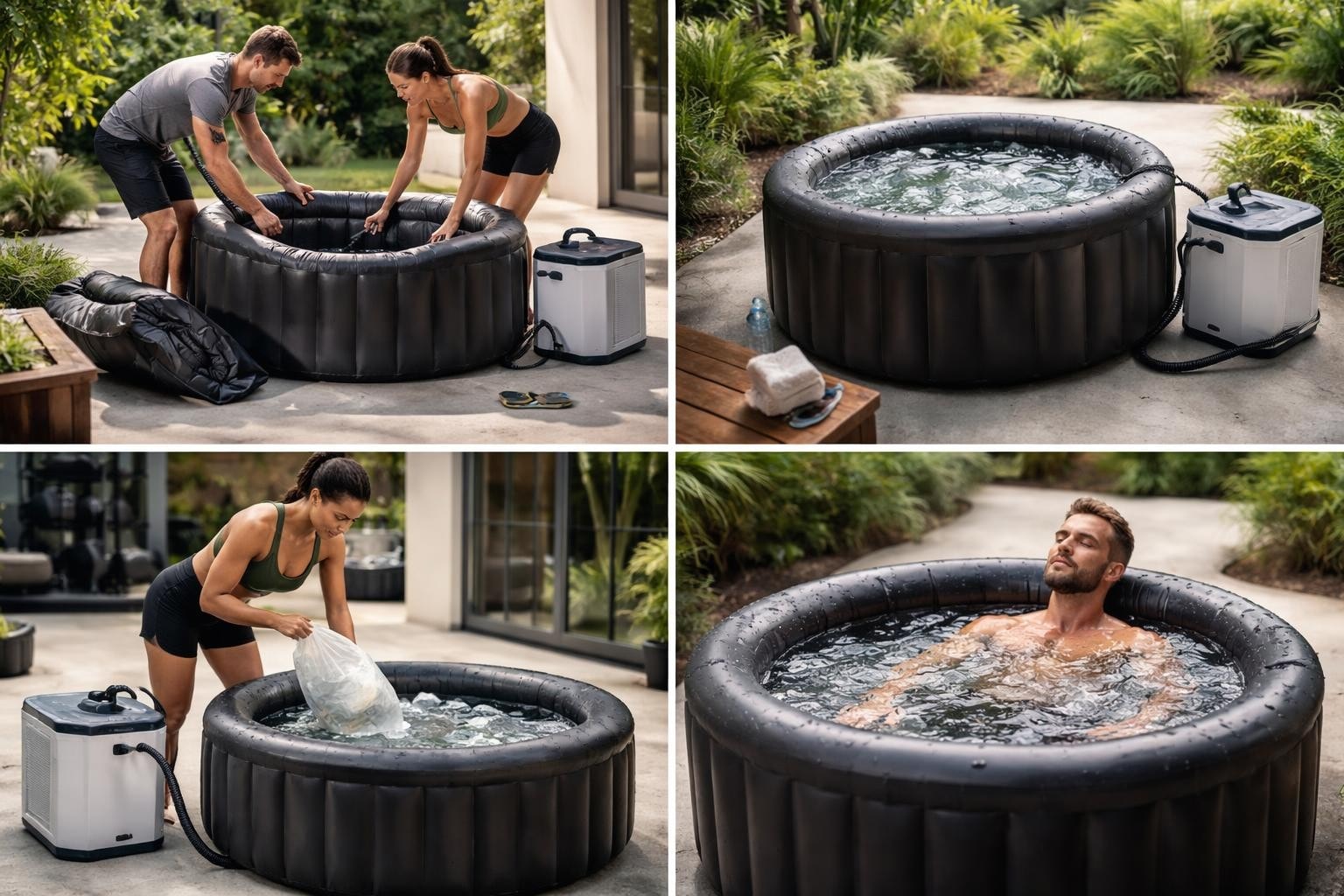
Cold exposure therapy has moved from elite athletic facilities into homes across North America, and the inflatable cold plunge has become one of the most accessible entry points for this wellness practice. These portable systems offer an affordable, space-saving alternative to permanent installations, making cold therapy available to anyone interested in recovery, mental clarity, and improved health. Whether you're an athlete looking to reduce muscle soreness or someone exploring biohacking for better sleep and energy, understanding what makes a quality inflatable system matters before you invest.
What Is an Inflatable Cold Plunge and How Does It Work?
An inflatable cold plunge is a portable tub made from durable PVC or similar materials that you fill with cold water for therapeutic immersion. Unlike traditional cold plunge tubs made from wood, acrylic, or stainless steel, these systems can be inflated, used, and deflated for storage or transport.
The basic setup involves inflating the tub, filling it with water, and cooling it to therapeutic temperatures, typically between 39°F and 59°F. Most users achieve these temperatures through one of three methods:
- Adding ice directly to the water
- Using a portable chiller unit
- Combining both methods for faster cooling
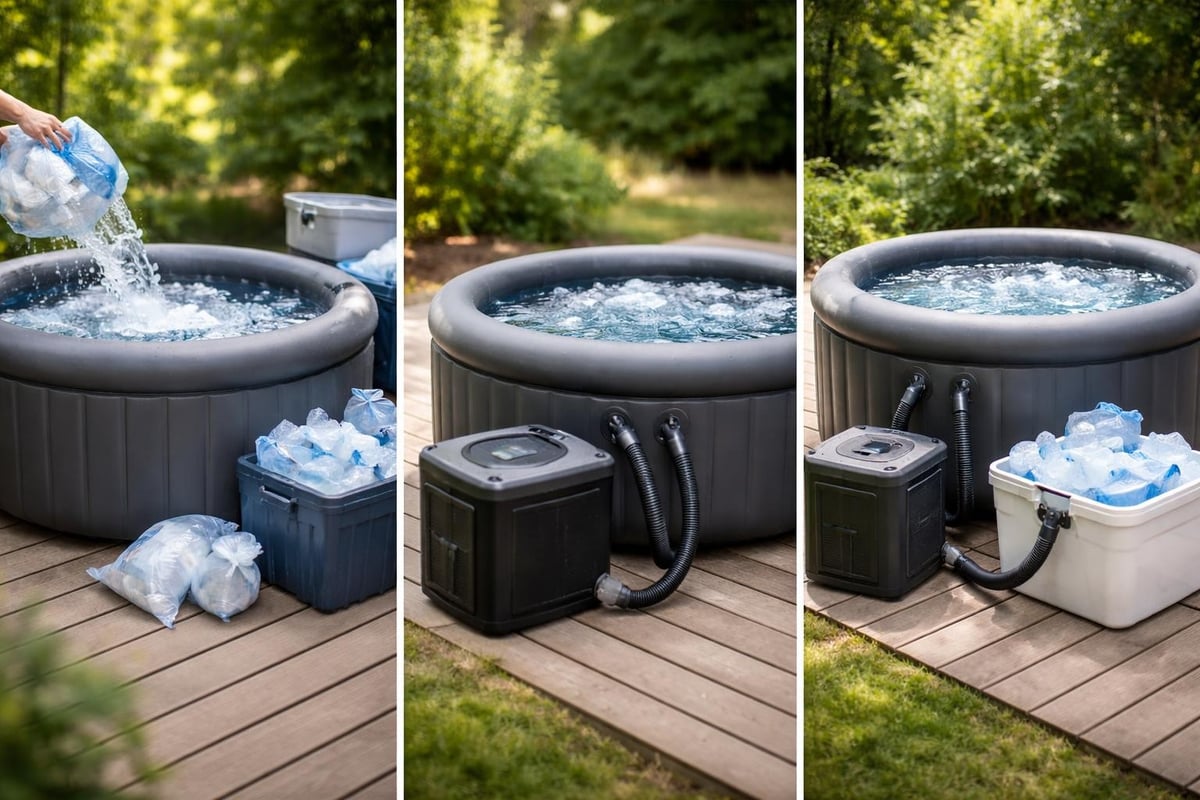
The insulation quality varies significantly between models. Higher-end inflatable options feature multiple layers with air pockets that help maintain temperature, while budget versions may lose several degrees per hour without active cooling.
Key Components That Matter
Wall thickness determines durability and insulation. Look for military-grade PVC at minimum 0.6mm thick. Anything thinner punctures easily and won't hold temperature well.
Insulation layers create the barrier between your cold water and ambient temperature. Quality models use 4-6 layers with thermal technology similar to what you'd find in high-performance coolers.
Size and depth affect the recovery experience. You want enough depth to submerge up to your shoulders while seated, typically 28-32 inches. Width should accommodate sitting comfortably without feeling cramped.
The Science Behind Cold Plunge Benefits
Cold water immersion triggers multiple physiological responses that support recovery and wellness. When you expose your body to cold temperatures, blood vessels constrict, pushing blood toward your core and vital organs.
After you exit the cold water, your blood vessels dilate, creating a rush of freshly oxygenated blood throughout your body. This process delivers nutrients to muscles and helps remove metabolic waste products that contribute to soreness and fatigue.
Research-backed benefits include:
- Reduced muscle soreness and inflammation within 24-48 hours post-exercise
- Improved circulation and cardiovascular function
- Enhanced mood through endorphin and norepinephrine release
- Better sleep quality when practiced 2-3 hours before bed
- Increased mental resilience and stress tolerance
The mental clarity aspect shouldn't be overlooked. Regular cold exposure activates your sympathetic nervous system in a controlled way, training your body's stress response. Over time, this builds mental toughness that transfers to other challenging situations.
Is an Inflatable Cold Plunge Worth It?
The value equation depends on your specific situation, budget, and long-term commitment to cold therapy.
| Factor | Inflatable Plunge | Permanent Tub |
|---|---|---|
| Initial Cost | $200-$800 | $2,000-$8,000+ |
| Installation | 15-30 minutes | Professional setup often required |
| Portability | Fully portable | Fixed location |
| Durability | 1-3 years typical | 10+ years |
| Temperature Control | Ice or portable chiller needed | Integrated chiller systems available |
| Space When Not in Use | Stores in closet | Permanent footprint |
For beginners testing whether cold therapy fits their routine, an inflatable cold plunge provides a low-risk entry point. You'll spend a fraction of what permanent tubs cost, and if cold plunging doesn't stick, you haven't made a major investment.
Inflatables make sense if you:
Need portability for travel or seasonal use. Renters who can't install permanent fixtures. Want to try cold therapy before committing to a premium system. Have limited outdoor or indoor space. Plan to use it 2-3 times per week or less initially.
They become less practical for daily users or those seeking professional-grade recovery. The setup and breakdown process, combined with ongoing ice costs or chiller expenses, adds friction that can reduce adherence over time.
Who Should Buy an Inflatable Cold Plunge?
This solution works best for specific user profiles. Understanding where you fit helps set realistic expectations.
Athletes in Training
If you're training 4-6 days per week, the recovery benefits justify the daily setup routine. Runners, CrossFit athletes, and martial artists report faster bounce-back between sessions. The portability also lets you take recovery on the road to competitions or training camps.
Wellness Enthusiasts and Biohackers
People optimizing sleep, stress management, and cognitive performance find value in the accessibility. Starting your morning with a 3-minute plunge provides mental clarity without gym membership fees or spa appointments.
Budget-Conscious Recovery Seekers
You get legitimate cold therapy benefits at a fraction of permanent tub costs. Even with ice expenses, monthly costs stay well below cryotherapy sessions or massage therapy.
Individuals Testing Cold Therapy
Maybe you've heard about benefits but want proof before investing thousands. An inflatable system lets you experiment with temperature ranges, duration, and timing to find what works for your body.
Less ideal for:
Daily users who'll find setup tedious. Those with unlimited budget seeking premium experience. People wanting set-and-forget temperature control. Anyone who values aesthetic design and home integration.
What to Look for When Buying an Inflatable Cold Plunge
Making the right purchase requires evaluating several critical factors beyond just price.
Material Quality and Construction
PVC grade matters. Military-grade or commercial-grade PVC withstands repeated inflation cycles and temperature extremes. Drop-stitch technology, borrowed from inflatable paddleboards, creates rigid walls that won't bulge when filled.
Check the seam construction. Heat-welded seams outlast glued versions. Look for reinforced seams at stress points where the walls meet the floor.
Insulation Performance
Quality insulation determines whether you're adding ice every 30 minutes or every few hours. Proper insulation also affects long-term maintenance requirements and overall user experience.
Test this before buying: Ask manufacturers for temperature retention data. A quality inflatable should maintain temperature within 5-7 degrees over 60 minutes in moderate ambient conditions.
Size and Ergonomics
Measure your available space first, then consider comfort. You need room to sit with knees bent, shoulders submerged, and some space to adjust position. Most adults need at least 32 inches of depth and 30 inches of width.
Drainage system isn't glamorous but impacts usability. A bottom drain valve lets you empty the tub without tipping or bailing. Side drains require less physical effort than bottom-only options.
Cover and Accessories
A quality insulated cover serves multiple purposes. It maintains water temperature between uses, keeps debris out, and reduces ice needs by 40-60% for users without chillers.
Essential accessories include:
- Insulated lid with secure fastening
- Repair kit for punctures and small tears
- Water treatment system or chemicals
- Accurate thermometer (digital preferred)
- Steps or ladder for safe entry/exit
Pump Quality and Inflation Speed
You'll inflate and deflate this regularly if you're storing it between uses. A quality pump inflates a standard tub in 5-8 minutes. Budget pumps take 15-20 minutes and fail faster.
Look for dual-action pumps that inflate and deflate. This speeds up both setup and storage while taking up less space than separate equipment.
Common Mistakes Beginners Make With Inflatable Cold Plunges
Learning from others' errors saves money, frustration, and potentially your safety.
Starting Too Cold, Too Long
The most common mistake is jumping into 39°F water for 10 minutes on day one. This approach triggers panic responses, creates negative associations, and increases injury risk from cold shock.
Proper progression:
- Week 1: 60°F for 2-3 minutes
- Week 2: 55°F for 3-4 minutes
- Week 3: 50°F for 4-5 minutes
- Week 4+: 45°F or below for 5-10 minutes
Your body needs time to adapt. Rushing this process makes cold plunging miserable instead of invigorating.
Neglecting Water Maintenance
Standing water breeds bacteria rapidly. Many beginners fill their inflatable cold plunge once and use it for weeks without treatment. This creates health risks and equipment damage from algae and biofilm.
Treat your water like a small pool. Use appropriate sanitizers, test regularly, and change water based on usage frequency. Understanding proper water care prevents most common issues.
Skipping the Cover
Every degree you lose means more ice or energy to restore temperature. An uncovered tub in 70°F ambient temperature can warm 10-15 degrees overnight. That's wasted ice and money.
Invest in a quality cover from day one. The $50-$150 expense pays for itself within weeks through reduced ice consumption.
Overinflating the Tub
More air pressure doesn't equal better performance. Overinflation stresses seams, increases puncture risk, and can cause wall separation. Follow manufacturer PSI recommendations precisely, typically 8-12 PSI for most models.
Use a pressure gauge instead of guessing. The tub should feel firm but still have slight give when pressed.
Ignoring Surface Preparation
Setting up on rough concrete, gravel, or decking without protection guarantees punctures. Even small pebbles or wood splinters can penetrate PVC under the weight of 150-200 gallons of water.
Proper surface prep:
Use a thick tarp or foam mat underneath. Inspect and clear the area of debris. Consider a dedicated plywood platform for regular outdoor use. Add cushioning foam for concrete or rough surfaces.
Setting Up Your Inflatable Cold Plunge for Success
Proper setup ensures safety and optimal performance from your first plunge onward.
Location Selection
Choose a level surface away from sharp objects. Outdoor setups need drainage consideration. You'll eventually need to empty 150+ gallons somewhere. Indoor setups work but require waterproof flooring and nearby drainage.
Outdoor considerations:
- Direct sunlight warms water quickly (shade preferred)
- Wind exposure increases evaporation and cooling
- Privacy from neighbors
- Distance to water source for filling
- Electrical access if using a chiller
Indoor options:
Bathrooms with proper drainage work well. Basements provide temperature stability. Garages offer privacy but may need heating in winter.
Water Quality Management
Start with clean source water. If using tap water, let chlorine dissipate for 24 hours or use a dechlorinator. Test pH levels and adjust to 7.2-7.6 for optimal sanitizer effectiveness.
Add sanitizer appropriate for cold water. Chlorine works slowly below 60°F, so bromine or non-chlorine shock often performs better. Test water before each use.
Temperature Control Strategy
If using ice, pre-chill water to 60-65°F, then add ice to reach target temperature. This uses less ice than starting with warm tap water. For a 150-gallon tub, expect to use 20-40 pounds of ice per session without a chiller.
Portable chillers eliminate ice costs but add upfront expense ($300-$800). They maintain consistent temperatures automatically and pay for themselves within 6-12 months for daily users.
For those ready to move beyond inflatable options, premium permanent systems like The Flow Cold Plunge offer professional-grade recovery with integrated cooling systems and Canadian-crafted durability.
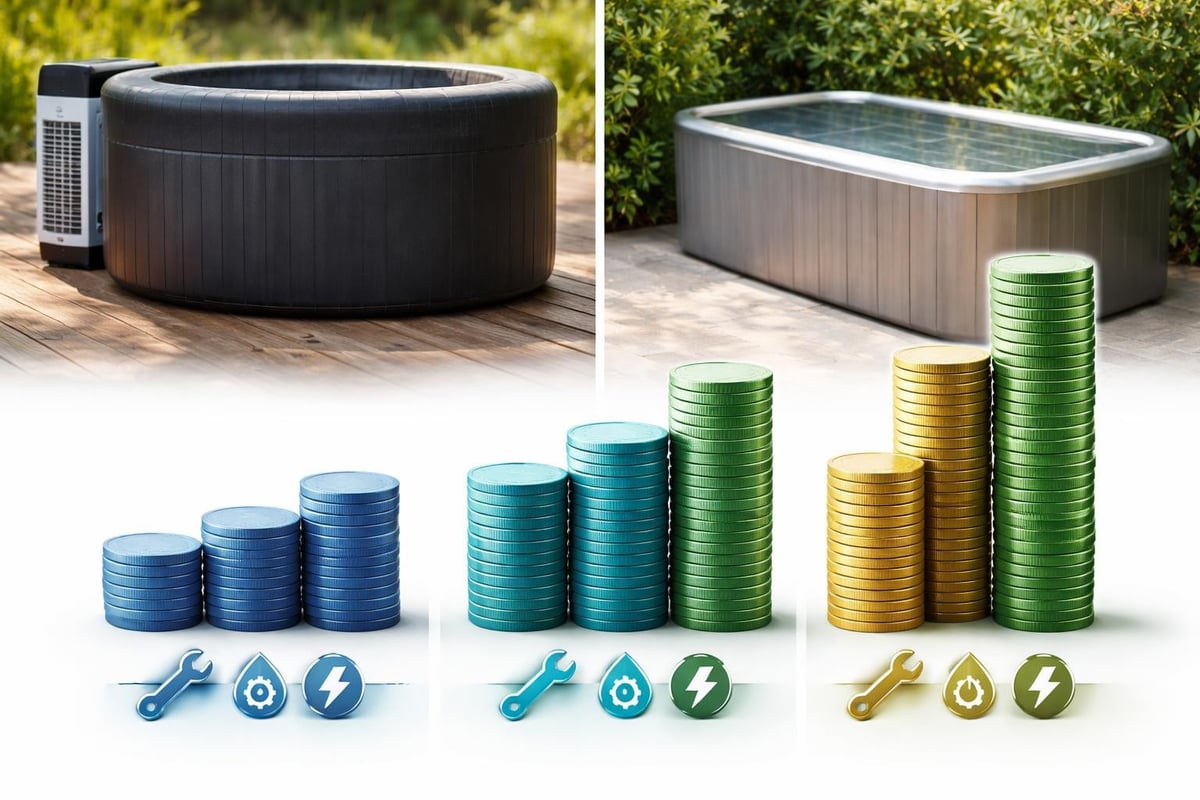
Cost Analysis: Initial Investment and Ongoing Expenses
Understanding total cost of ownership helps you budget realistically.
| Expense Category | One-Time Cost | Monthly Cost |
|---|---|---|
| Inflatable Tub | $300-$800 | - |
| Pump (if not included) | $30-$80 | - |
| Cover | $50-$150 | - |
| Ice (3x weekly, no chiller) | - | $60-$120 |
| Portable Chiller (optional) | $400-$800 | $15-$30 electricity |
| Water Treatment | $30-$50 | $10-$20 |
| Replacement Parts | - | $5-$15 |
Year one total without chiller: $900-$1,800 depending on usage frequency.
Year one total with chiller: $1,300-$2,000 but lower ongoing costs.
The break-even point for chiller investment occurs around month 6-8 for users plunging 4+ times weekly. The convenience factor and consistent temperature control add value beyond pure cost savings.
Maintenance and Longevity Tips
Proper care extends the life of your inflatable cold plunge from months to years.
Weekly maintenance tasks:
- Test and adjust water chemistry
- Wipe down interior surfaces
- Clean or rinse filter (if equipped)
- Inspect seams and valves for wear
- Remove debris from cover
Monthly deep cleaning:
Empty and scrub interior with non-abrasive cleaner. Inspect all connection points and valves. Check inflation pressure and adjust as needed. Clean and condition cover material.
Storage best practices:
Fully dry before deflating and storing. Store in cool, dry location away from sunlight. Avoid folding along same creases repeatedly. Keep away from rodents and pets. Apply UV protectant to exterior if storing long-term.
Most quality inflatable cold plunge units last 2-3 years with regular use and proper maintenance. Budget models may only survive 8-16 months. Premium options can exceed 4 years when well-maintained.
Inflatable vs. Permanent Cold Plunge: Making the Choice
For many users, an inflatable system serves as a stepping stone to permanent installation, but some find it meets their needs indefinitely.
Stick with inflatable if:
You use it 1-3 times per week. Portability matters for your lifestyle. You rent your home or move frequently. Budget constraints make permanent options unrealistic. You're still experimenting with cold therapy protocols.
Upgrade to permanent when:
Daily use makes setup/breakdown tedious. You want set-and-forget temperature control. Space allows permanent installation. Budget supports $2,000+ investment. You've committed to cold therapy long-term.
The Plunge N' Tubs cold plunge collection includes options for users ready to transition to permanent systems with superior insulation, integrated chillers, and premium Canadian wood construction.
Safety Considerations and Risk Management
Cold water immersion carries real risks that require awareness and precaution, as noted in cold plunge safety standards.
Medical contraindications:
Never use a cold plunge without physician approval if you have cardiovascular disease, high blood pressure, Raynaud's disease, cold urticaria, or are pregnant.
Safe practice protocol:
- Never plunge alone, especially when starting
- Keep sessions under 15 minutes
- Exit immediately if experiencing severe shivering, numbness, or confusion
- Warm up gradually after exiting
- Avoid alcohol before or after plunging
- Don't plunge within 90 minutes of eating a large meal
Entry and exit safety:
Use steps or a sturdy ladder. Keep a non-slip mat adjacent to the tub. Have warm, dry clothing ready immediately after. Consider a timer to track duration objectively.
Frequently Asked Questions
How long should I stay in an inflatable cold plunge?
Beginners should start with 2-3 minutes and gradually increase to 5-10 minutes over several weeks. Even experienced users rarely need more than 15 minutes to achieve benefits. Listen to your body and exit if you feel dizzy, excessively cold, or uncomfortable.
Can I use an inflatable cold plunge indoors?
Yes, with proper precautions. Ensure the floor can handle 1,500+ pounds of weight (water plus tub). Use waterproof flooring or protective barriers. Have drainage nearby for emptying. Consider humidity and ventilation to prevent moisture damage.
How often should I change the water?
With proper chemical treatment, water can last 1-2 weeks. If you're not using sanitizer, change water every 2-3 uses. Always change water if it appears cloudy, smells off, or feels slimy regardless of timeline.
What temperature should I target?
Therapeutic benefits occur between 39°F and 59°F. Beginners should start at 55-60°F and work down to 45-50°F. Temperatures below 45°F provide minimal additional benefit for most users and increase risk.
Do I need a chiller or can I just use ice?
Ice works perfectly fine for occasional users (1-3 times weekly). Daily users benefit from chillers through convenience and long-term cost savings. Consider your usage frequency, budget, and willingness to source ice regularly when deciding.
How much does it cost to run a chiller?
Portable chillers typically use 500-800 watts and run intermittently to maintain temperature. Expect $15-$30 monthly in electricity costs depending on your local rates and ambient temperature conditions.
Can I leave my inflatable cold plunge inflated all the time?
Yes, if protected from UV exposure and kept clean. However, many users deflate weekly or bi-weekly to deep clean and inspect for damage. Constant inflation accelerates material degradation from UV and environmental factors.
What's the best way to get in and out safely?
Use a sturdy step or ladder rated for wet conditions. Enter slowly, sitting on the edge first, then lowering yourself in. Exit the same way, moving deliberately. Keep a non-slip mat right next to the tub for wet feet.
An inflatable cold plunge offers an accessible, budget-friendly entry point into cold therapy with real recovery and wellness benefits when used consistently and safely. Whether you're testing the waters before investing in a permanent system or need a portable solution that fits your lifestyle, choosing quality materials, maintaining proper water care, and following safe practices ensures you'll get the most from your investment. When you're ready for a premium recovery experience with integrated cooling and craftsmanship built to last, Plunge N' Tubs delivers premium cold plunge systems with fast, free delivery across North America.
Share:
Hot Plunge Guide: Benefits, Risks & How to Use Safely
Cold Plunge Time: How Long to Stay for Maximum Benefits