



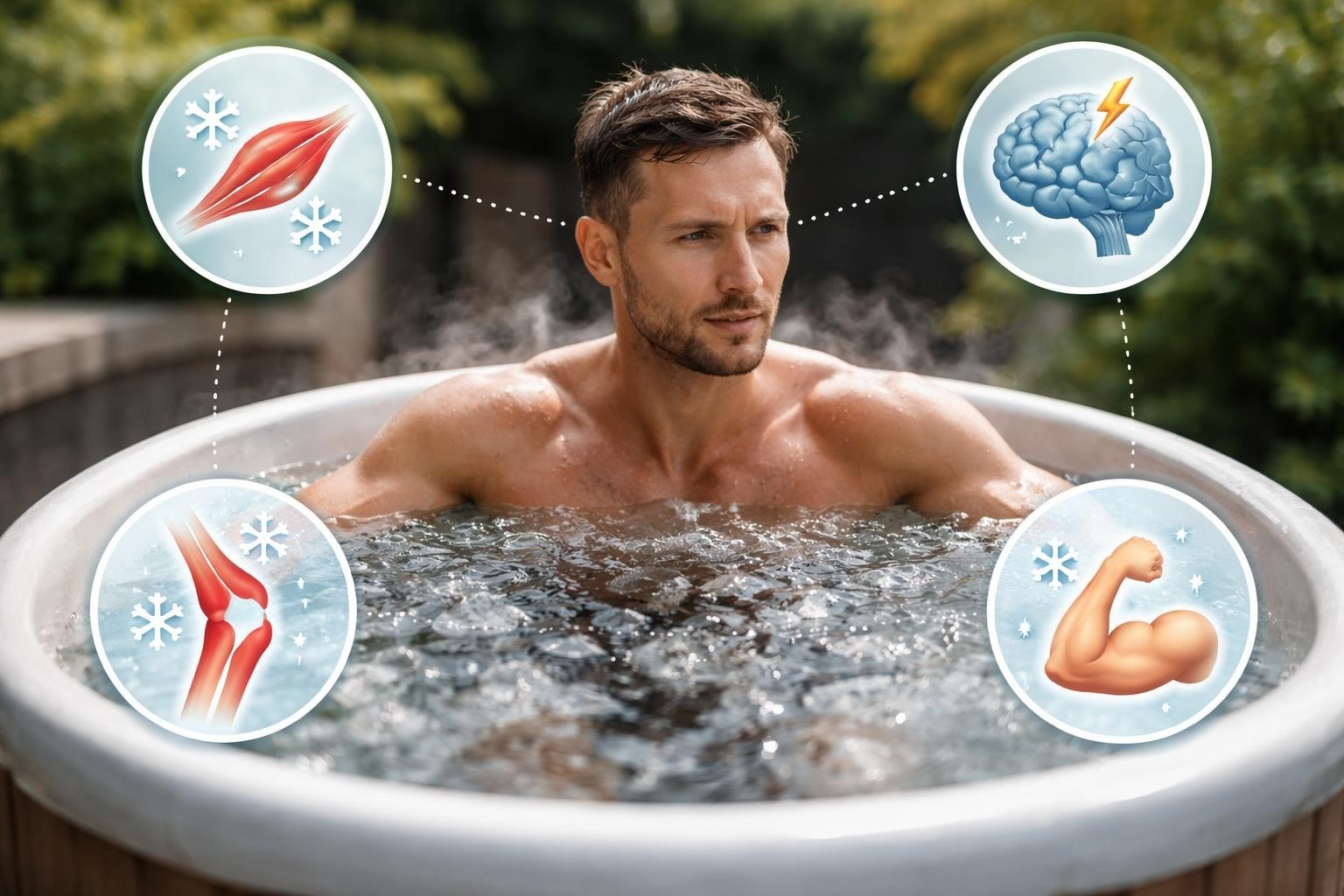
Cold water immersion has moved from elite athlete locker rooms into homes across North America. What was once reserved for professional recovery centers is now accessible to anyone serious about performance, wellness, and mental clarity. A cold water immersion tub offers controlled cold therapy on your schedule, without gym memberships or spa appointments.
The science is compelling, and the anecdotal evidence from athletes, biohackers, and wellness enthusiasts continues to grow. But buying your first tub requires understanding what actually works, what to avoid, and how to match your specific needs with the right setup.
What Makes a Cold Water Immersion Tub Different
A dedicated cold water immersion tub isn't just a bathtub filled with ice. These systems maintain precise temperatures, offer adequate depth for full-body immersion, and include materials built to withstand repeated cold exposure cycles.
Standard bathtubs fail at cold therapy for several reasons:
- Shallow depth prevents proper shoulder immersion
- Poor insulation wastes ice and makes temperature control difficult
- Materials not designed for sustained cold temperatures
- No integrated temperature management systems
Purpose-built cold plunge tubs solve these problems through thoughtful design. Most quality units feature insulated walls that maintain cold temperatures for hours, not minutes. Depth ranges from 30 to 36 inches, allowing adults to submerge up to their neck while seated.
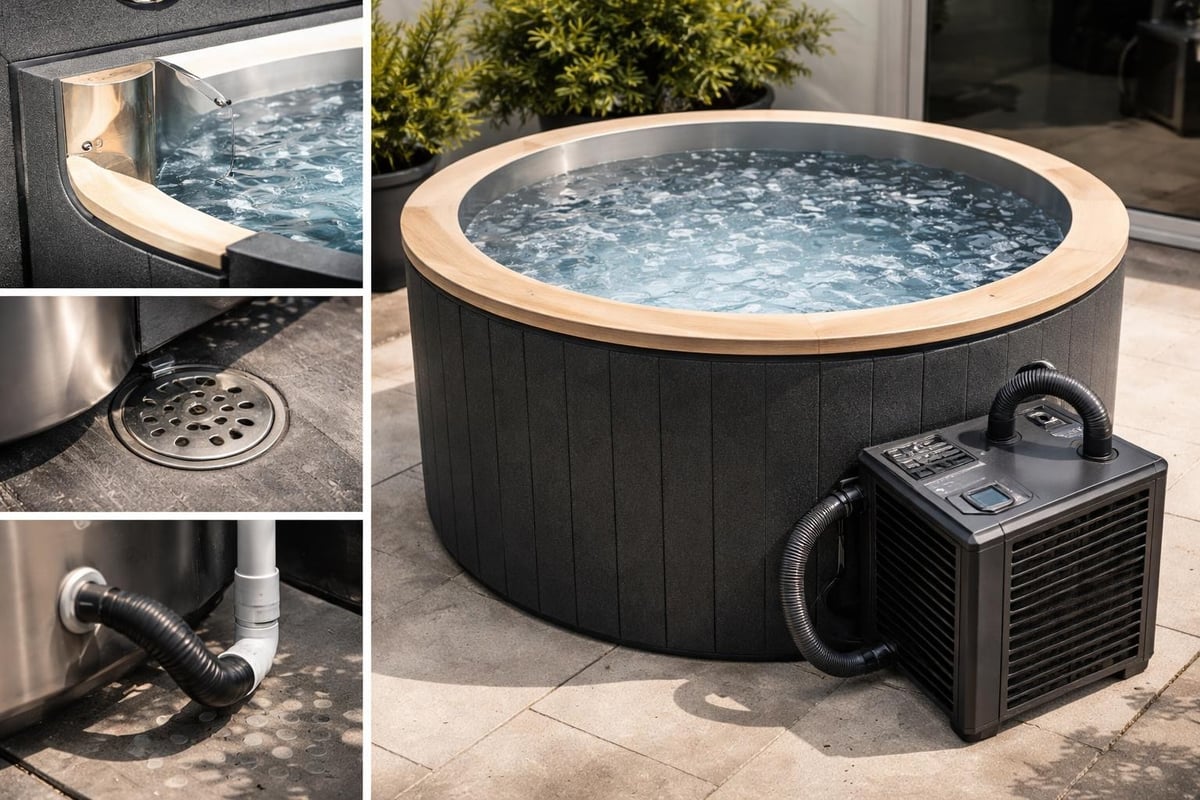
The best systems include either space for an external chiller connection or built-in cooling. Manual ice-based systems work too, but require ongoing ice purchases and temperature monitoring. For serious users who plunge daily, integrated chillers eliminate the ice hassle entirely.
Ice-Based vs. Chiller Systems
| Feature | Ice-Based System | Chiller System |
|---|---|---|
| Initial Cost | $1,500-$3,500 | $4,000-$8,000+ |
| Ongoing Cost | Ice purchases | Electricity only |
| Temperature Control | Manual monitoring | Automated precision |
| Setup Complexity | Minimal | Requires electrical |
| Best For | Occasional users | Daily users |
Ice systems appeal to beginners testing cold therapy without major investment. You control temperature by adding ice, which gives flexibility but demands attention. Chiller systems cost more upfront but deliver consistent temperatures between 37-55°F automatically.
Many users start with ice and upgrade to chillers after confirming they'll stick with the practice. That's a valid approach, especially if you're exploring whether cold plunge therapy fits your routine.
Science-Backed Benefits You Should Know
Research into cold water immersion continues to expand, with recent systematic reviews examining both immediate and long-term effects. The evidence supports several key benefits, though some popular claims still lack robust long-term data.
Proven short-term benefits include:
- Reduced muscle soreness after intense training
- Decreased inflammation markers
- Improved circulation
- Enhanced mood and mental alertness
- Better sleep quality in the hours following immersion
Harvard Health's research summary notes that cold water immersion shows promise for stress reduction and sleep improvement, though more high-quality long-term studies are needed.
The mental benefits often surprise new users more than the physical ones. The immediate surge in norepinephrine creates a natural high that many describe as clearer thinking and improved focus for hours afterward. This isn't placebo; it's measurable neurochemical change.
What the Latest 2026 Research Shows
Recent studies have begun separating hype from reality. Analysis published this year indicates benefits are most pronounced in the first few months of regular practice, with some effects diminishing over time as the body adapts.
For muscle recovery specifically, new research comparing hot versus cold immersion suggests that context matters. Cold works exceptionally well for reducing acute inflammation, while heat may be more effective for certain types of muscle damage.
The key takeaway: cold water immersion tubs deliver real, measurable benefits, especially for recovery, mental clarity, and acute inflammation management. Long-term metabolic effects and immune system claims need more research.
Is a Cold Water Immersion Tub Worth It?
This depends entirely on your goals, commitment level, and current spending on recovery.
You'll likely see positive ROI if you:
- Train intensely 4+ times per week
- Currently pay for cryotherapy, ice bath sessions, or recovery center access
- Struggle with sleep quality or stress management
- Have the discipline to use it consistently (3+ times weekly)
- Value time savings over gym or spa visits
The math changes significantly when you factor in eliminated monthly costs. Cryotherapy sessions run $40-80 each. Three sessions weekly equals $480-960 monthly. A quality cold water immersion tub pays for itself in 6-12 months for regular users.
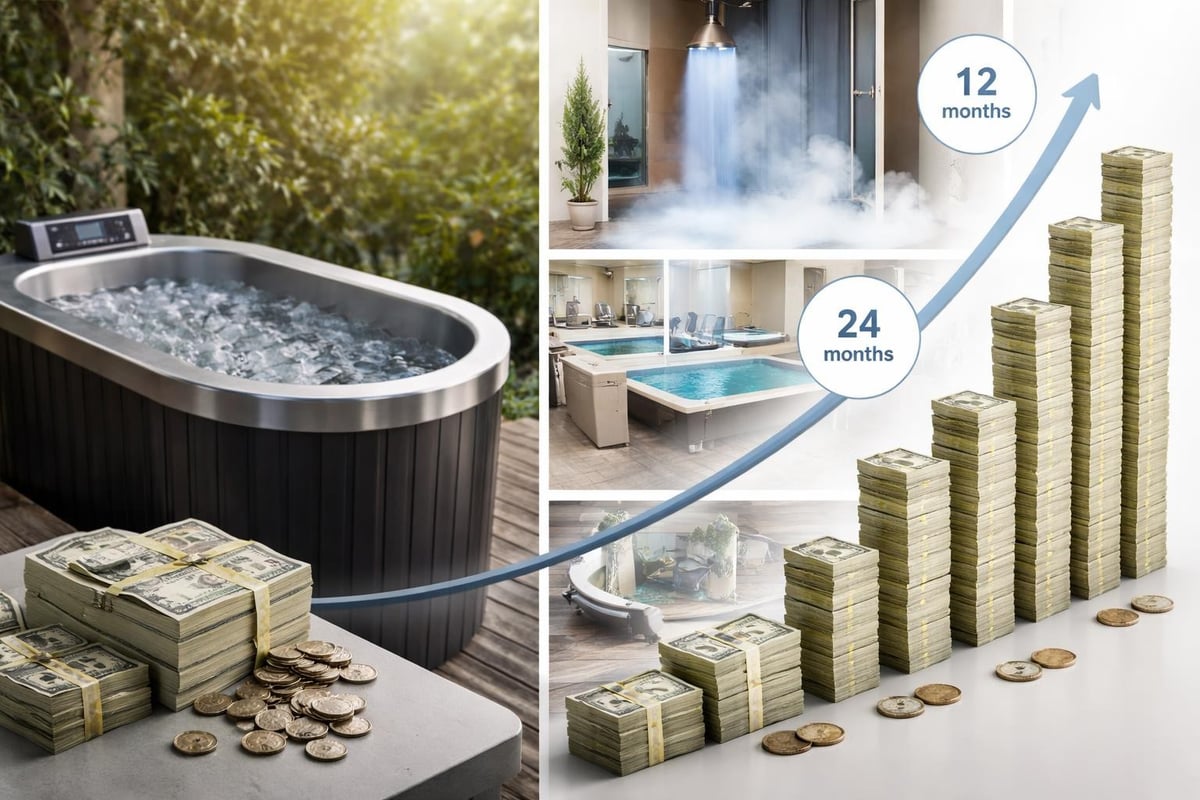
Beyond money, consider convenience. Morning plunges before work become possible. Post-workout recovery happens immediately, when it's most effective, not after a 30-minute drive to a facility.
You might want to wait if you:
- Haven't established a consistent training routine
- Live in a rental without outdoor space or drainage options
- Still experimenting with recovery methods
- Can't dedicate space for a permanent installation
Some users try inflatable cold plunge options first to test commitment before investing in premium permanent units. There's no shame in that approach.
Who Should Buy a Cold Water Immersion Tub
The ideal buyer combines commitment to regular use with specific recovery or wellness goals. This isn't a casual purchase; it's an investment in daily practice.
Athletes and Active Individuals
Anyone training at high intensity benefits most. CrossFit athletes, runners, cyclists, martial artists, and strength athletes use cold immersion to manage training volume and recover faster between sessions. Temple Health's overview confirms reduced muscle soreness and inflammation as primary athletic benefits.
Professional and semi-professional athletes often consider cold plunge systems essential infrastructure, equivalent to having a home gym or quality nutrition plan.
Biohackers and Wellness Enthusiasts
People optimizing sleep, focus, and stress management find value beyond athletic performance. The mental clarity boost alone justifies daily use for many. Cold exposure triggers hormetic stress, a controlled stressor that strengthens resilience over time.
This group often combines cold immersion with other practices like meditation, sauna use, and targeted supplementation. The tub becomes part of a comprehensive wellness stack.
Recovery-Focused Individuals
Those managing chronic inflammation, joint issues, or recovering from injuries use cold therapy as part of broader treatment plans. Always consult healthcare providers before using cold immersion for medical conditions, but many find it complements physical therapy and other interventions effectively.
What to Look for When Buying a Cold Water Immersion Tub
Smart buyers evaluate six critical factors before purchasing. Skipping this research leads to buyer's remorse and expensive fixes later.
Material Quality and Durability
Top-tier materials include:
- Canadian white cedar (naturally rot-resistant, beautiful aesthetic)
- 304 stainless steel (professional-grade durability)
- Marine-grade HDPE plastic (lightweight, chemical-resistant)
- Premium acrylic with reinforced walls
Cheap plastic cracks under temperature stress. Low-grade wood rots within a year outdoors. Material choice directly impacts lifespan. Quality tubs last 10+ years with minimal maintenance; budget options often fail within 2-3 years.
Look for thick walls (minimum 1 inch for wood, appropriate gauge for metal). Check whether construction uses marine-grade fasteners and sealed joints. Ask about UV resistance if placing outdoors.
Size and Immersion Depth
You need adequate depth for shoulder immersion while seated. Most adults require 30-34 inches of water depth. Length should allow comfortable positioning with knees bent.
| User Height | Recommended Tub Length | Minimum Depth |
|---|---|---|
| Under 5'6" | 48-55 inches | 30 inches |
| 5'6" to 6'0" | 55-65 inches | 32 inches |
| Over 6'0" | 65+ inches | 34 inches |
Single-person tubs typically hold 75-100 gallons. Larger models for couples or families hold 150-250 gallons, but remember you'll need to cool all that water.
Temperature Control Systems
This separates occasional users from serious practitioners. Built-in chillers maintain precise temperatures automatically. The Orivon Frost Cold Plunge Tub exemplifies modern integration, with a powerful 1HP chiller maintaining temperatures between 37-108°F through digital controls.
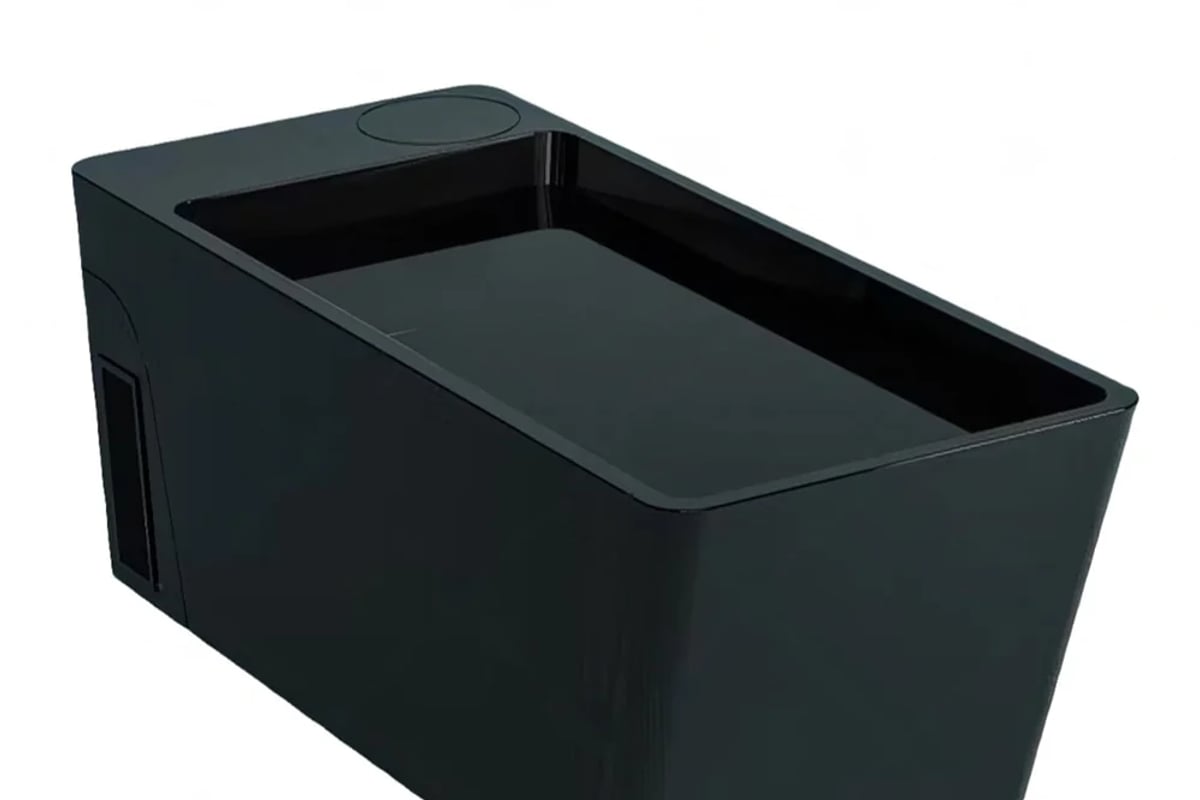
Manual systems require ice management. Calculate roughly 20-30 pounds of ice to drop 100 gallons by 10°F. Daily users quickly tire of ice runs and inconsistent temperatures.
High-quality chillers include:
- Digital thermostats with 1-degree precision
- Efficient compressors (look for 1HP minimum for tubs over 80 gallons)
- Ozone or UV filtration to minimize water changes
- Insulated plumbing lines to prevent efficiency loss
Filtration and Water Management
Keeping water clean between uses reduces maintenance hassle. Best systems combine mechanical filtration with either ozone or UV sanitation.
Essential filtration features:
- Micron-rated cartridge filters
- Circulation pumps rated for cold water
- Easy access for filter replacement
- Drain valves positioned for complete emptying
Without proper filtration, you'll change water every 3-5 uses. With it, monthly changes suffice for single users, weekly for families.
Installation Requirements
Most cold water immersion tubs need:
- Level surface (concrete pad, reinforced deck, or compacted gravel base)
- Drainage solution (nearby drain, French drain system, or suitable drainage area)
- Electrical connection for chiller systems (typically 110V or 220V dedicated circuit)
- Clearance for plumbing connections and maintenance access
Outdoor installations face weather exposure. Indoor installations need waterproof flooring and adequate ventilation. Factor installation costs into your budget; professional setup runs $500-1,500 depending on complexity.
Warranty and Support
Premium manufacturers back products with meaningful warranties. Look for:
- Minimum 2-year structural warranty
- 1-year minimum on electrical components
- Clear warranty terms without excessive exclusions
- Responsive customer support
- Replacement part availability
Companies offering fast, free delivery across North America (like quality Canadian manufacturers) demonstrate commitment to customer experience beyond the initial sale.
Common Mistakes Beginners Make
New users repeatedly make predictable errors. Learning from others' mistakes saves money, frustration, and potential health risks.
Starting Too Cold and Too Long
The most dangerous beginner mistake: jumping into 39°F water for 15 minutes on day one. This risks hypothermia, cold shock response, and cardiovascular stress.
Safe progression looks like:
- Week 1: 60°F water, 2-3 minutes
- Week 2: 55°F water, 3-5 minutes
- Week 3: 50°F water, 5-8 minutes
- Week 4+: 45-50°F water, 8-15 minutes
Your optimal time and temperature emerge through consistent practice. Most experienced users settle around 45-50°F for 10-12 minutes. Colder isn't automatically better; consistency matters more than extremes.
Understanding how long to stay in cold plunge water prevents both ineffective short dips and dangerous overexposure.
Ignoring Breathing Technique
Gasping and panic breathing defeats the purpose. Cold water triggers involuntary gasping, but controlled breathing maximizes benefits and improves safety.
Practice box breathing before entering: 4-second inhale, 4-second hold, 4-second exhale, 4-second hold. Maintain this pattern in the water. Controlled breathing signals your nervous system to adapt rather than panic.
Inconsistent Practice
Using your tub three times this week, then skipping two weeks kills momentum. Benefits compound with regular exposure. Your body adapts most effectively with consistent 3-5 sessions weekly.
Many buyers use tubs religiously for a month, then let them sit unused for months. This transforms an investment into expensive outdoor furniture.
Poor Warm-Up Afterward
Jumping into a hot shower immediately after cold immersion wastes the metabolic benefits and can cause dizziness. Allow natural rewarming through light movement and gradual temperature increase.
Optimal post-plunge routine:
- Exit water and dry off
- Put on warm, dry clothes
- Move gently (walk, light stretching) for 5-10 minutes
- Drink warm (not hot) beverage
- Allow 15-20 minutes before hot shower
This protocol maximizes the hormetic stress response and prevents the cardiovascular stress of rapid temperature swings.
Buying Based on Price Alone
The cheapest option rarely delivers the best value. Budget tubs use inferior materials, lack adequate insulation, and come with minimal warranties. Within two years, you're replacing the unit or paying for significant repairs.
Quality cold therapy tubs cost more initially but deliver lower total cost of ownership through durability and efficiency.
Setting Up Your Home Cold Plunge Practice
Success requires more than buying equipment. You need a sustainable routine that fits your lifestyle and goals.
Location Selection
Outdoor placement works well in most climates if you choose weather-resistant materials. Benefits include:
- Natural immersion in outdoor environment
- No indoor moisture concerns
- Easy drainage
- Combined sauna-plunge setups possible
Indoor placement offers convenience and privacy but requires waterproofing, ventilation, and drainage planning. Basements, dedicated wellness rooms, and enclosed patios work well.
Consider proximity to changing areas and your typical usage times. Morning plungers appreciate quick bedroom-to-tub access. Evening users might prioritize outdoor stargazing during immersion.
Creating the Right Environment
Ambiance affects consistency. Make your plunge space inviting rather than clinical. Simple additions help:
- Non-slip mat for safe entry and exit
- Nearby hooks for towels and robes
- Timer visible from the tub
- Bluetooth speaker for music or guided breathing
- Adequate lighting for early morning or evening use
Some users create complete at-home cold plunge wellness areas combining their tub with stretching space, meditation cushions, or outdoor shower access.
Tracking Progress and Adjusting Protocol
Keep a simple log noting:
- Water temperature
- Duration
- Time of day
- How you felt during and after
- Training load that day
- Sleep quality that night
Patterns emerge quickly. You'll discover your ideal temperature, timing, and frequency. Some people thrive on morning plunges for alertness; others prefer evening sessions for sleep benefits.
Adjust based on training intensity. Hard training days might warrant longer immersion; rest days might need shorter sessions or higher temperatures.
Maintenance and Long-Term Care
Proper maintenance extends tub life and ensures hygienic conditions. Requirements vary by system type but follow common principles.
Regular Water Care
Weekly tasks:
- Check and adjust sanitizer levels (if using)
- Test pH balance
- Inspect and clean filters
- Wipe down surfaces above waterline
Monthly tasks:
- Deep clean filters or replace cartridges
- Drain and refill water (frequency depends on usage and filtration quality)
- Inspect all fittings and connections for leaks
- Clean chiller coils and housing
Seasonal Considerations
Winter operation requires winterization in freezing climates unless running continuously. Drain completely and add antifreeze to plumbing lines if storing unused.
Summer use actually benefits from ambient heat helping chillers work less hard, reducing electricity costs.
Wood tubs need seasonal inspection for seal integrity. Apply appropriate wood sealant annually for maximum longevity.
Troubleshooting Common Issues
| Problem | Likely Cause | Solution |
|---|---|---|
| Water won't cool properly | Dirty chiller coils | Clean coils, check refrigerant levels |
| Cloudy water | Poor filtration or water chemistry | Shock treatment, filter cleaning |
| Leaking joints | Failed sealant | Re-seal with marine-grade sealant |
| Unusual noise from chiller | Failing pump or compressor | Professional service needed |
Most issues resolve with basic maintenance. Preventive care beats reactive repairs.
Frequently Asked Questions
How cold should the water be for a cold water immersion tub?
Most users find 45-55°F optimal for balancing benefits with tolerability. Beginners start warmer (55-60°F) and progress cooler over weeks. Athletes often use 39-45°F, but colder isn't necessarily better. Consistency at moderate temperatures beats occasional extreme cold exposure.
How often should I use my cold plunge tub?
Three to five times weekly delivers optimal results for most people. Daily use works well for serious athletes managing high training volume. Less than three times weekly provides minimal adaptation. More than once daily rarely adds benefits and may increase stress load.
Can I use a cold water immersion tub if I have health conditions?
Consult your doctor first if you have cardiovascular disease, high blood pressure, respiratory issues, or Raynaud's syndrome. Cold immersion creates significant cardiovascular stress. Recent reporting on mental health benefits and risks emphasizes the importance of medical clearance for those with pre-existing conditions.
Do I need a chiller or can I just use ice?
Ice works fine for occasional use but becomes impractical for daily plunging. A 100-gallon tub requires 30-40 pounds of ice to reach 45°F from tap temperature. That's $5-8 per session in ice costs alone. Chillers cost more upfront but eliminate ongoing ice expenses and maintain precise temperatures automatically.
How long does it take to see benefits?
Mental clarity and mood improvements appear immediately after your first session. Sleep benefits often show within 3-5 consistent sessions. Recovery and inflammation reduction become noticeable within 2-3 weeks of regular use. Metabolic adaptations require 6-8 weeks of consistent practice.
What's the difference between cold plunge tubs and traditional ice baths?
Cold plunge tubs maintain consistent temperatures through insulation and chillers, offer comfortable seating depth, and include filtration for multi-use water. Traditional ice baths are typically one-time use, require constant ice addition, lack comfortable immersion depth, and waste significant water. Purpose-built tubs deliver better experience and long-term value.
A cold water immersion tub transforms recovery, mental clarity, and daily wellness when chosen carefully and used consistently. The right system matches your space, budget, and commitment level while delivering years of reliable performance. Whether you're an athlete optimizing training recovery or a wellness enthusiast seeking better sleep and stress management, quality equipment makes the difference between a passing trend and lasting lifestyle change. Plunge N' Tubs offers premium cold plunge systems crafted from Canadian wood with fast, free delivery across North America, bringing professional-grade recovery directly to your home.
Share:
Cold Plunge Time: How Long to Stay for Maximum Benefits
Ice Bath Barrel Guide: Benefits, Buying Tips & Common Mistakes