



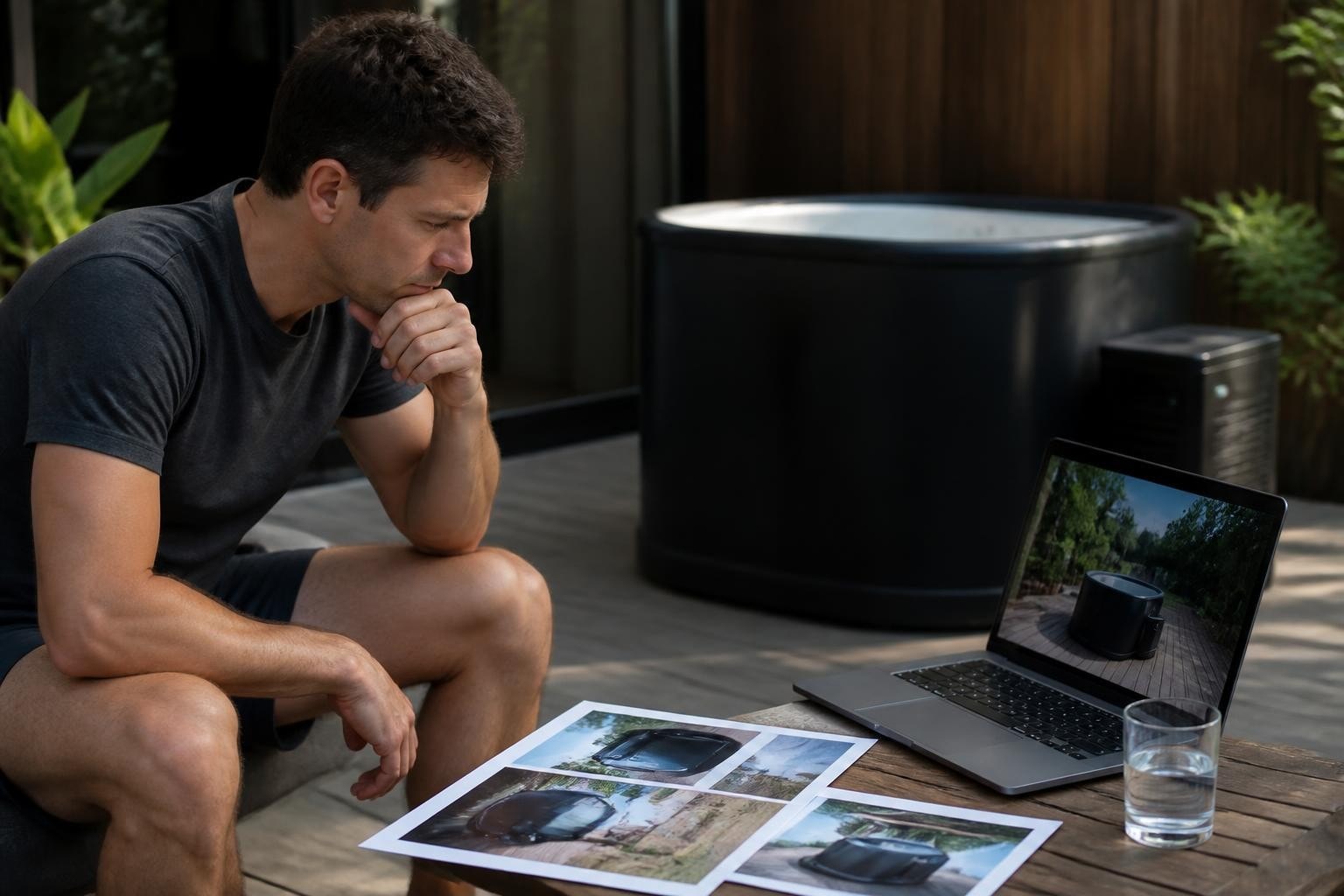
Searching for a "cold plunge tub near me" signals you're ready to bring professional recovery into your home. Whether you're an athlete looking to reduce soreness, a wellness enthusiast chasing mental clarity, or someone tired of gym memberships and spa appointments, finding the right cold plunge setup requires more than a quick search. This guide walks you through everything you need to know about selecting, buying, and using a cold plunge tub in 2026, with practical advice that helps you make an informed decision.
Why People Search for Cold Plunge Tubs Locally
The impulse to search "cold plunge tub near me" usually comes from wanting to see, touch, and evaluate a cold plunge before buying. That makes sense. You're investing in recovery equipment that will become part of your daily routine.
However, the local market often disappoints. Most retail stores don't stock premium cold plunge systems. You'll find inflatable pools, stock tanks, and basic setups, but rarely the kind of quality equipment trusted by athletes and wellness professionals.
What you actually need:
- Premium materials that withstand year-round outdoor use
- Precise temperature control or effective ice retention
- Durable construction that lasts years, not months
- Fast delivery and professional support
The better approach? Research specialized manufacturers who ship directly across North America with free delivery and professional setup guidance.

What to Look for When Buying a Cold Plunge Tub
Not all cold plunge tubs deliver the same experience. Understanding key features helps you avoid expensive mistakes and ensures your investment supports real recovery goals.
Material Quality and Construction
Premium cold plunge tubs use materials chosen for durability and performance. Eastern White Cedar, for example, offers natural resistance to moisture and temperature extremes. It's harvested in Canada specifically for outdoor wellness equipment.
Stainless steel interiors (304-grade) provide excellent temperature retention and easy cleaning. HDPE plastic offers a lighter alternative that still delivers professional results.
Material comparison:
| Material | Durability | Temperature Retention | Maintenance | Best For |
|---|---|---|---|---|
| Eastern White Cedar | Excellent | Very Good | Moderate | Outdoor, aesthetic appeal |
| 304 Stainless Steel | Excellent | Excellent | Low | Year-round use, easy cleaning |
| HDPE Plastic | Very Good | Good | Low | Budget-conscious, portable setups |
| Acrylic | Good | Excellent | Low | Modern designs, indoor/outdoor |
Temperature Control Options
You have two primary approaches to maintaining cold water: electric chillers and ice-based systems.
Electric chillers maintain consistent temperatures between 37°F and 42°F without manual intervention. Research shows that consistent cold exposure provides reliable benefits for muscle recovery and inflammation reduction.
Ice-based systems give you flexibility. Add ice when you want deeper cold therapy, or use ambient water temperature for milder sessions. This approach works well if you're testing cold plunge therapy or prefer occasional use.
According to experts at Cleveland Clinic, water temperatures between 50°F and 59°F effectively trigger the physiological responses that support recovery and mental wellness.
Size and Capacity Considerations
Cold plunge tubs range from compact single-person barrels to larger rectangular designs that accommodate full-body immersion with room to move.
Standard dimensions:
- Compact barrels: 30-36 inches diameter, suitable for vertical sitting
- Medium tubs: 48-60 inches length, allows comfortable positioning
- Large systems: 72+ inches, accommodates taller athletes or couples
Your height, available space, and whether you'll share the tub all factor into size selection. Measure your installation area carefully, accounting for access, drainage, and any electrical requirements for chiller units.
Is a Cold Plunge Tub Worth It?
Let's address the practical question: does owning a cold plunge tub justify the investment compared to gym memberships, spa visits, or DIY solutions?
Cost Analysis Over Time
A quality cold plunge tub represents a one-time investment that replaces ongoing expenses. Consider the math:
- Average gym membership with cold plunge access: $100-$200/month
- Spa cold therapy sessions: $30-$75 per visit
- Annual cost of external access: $1,200-$2,400
A home system pays for itself within 12-24 months while providing unlimited access on your schedule. No driving, no waiting, no monthly fees.
Recovery Benefits You Can Measure
The science behind cold plunge therapy continues to strengthen. Harvard Health examines how cold exposure affects cardiovascular function, noting benefits for healthy individuals when practiced correctly.
Documented benefits include:
- Reduced muscle soreness after intense training
- Decreased inflammation markers
- Improved circulation and blood flow
- Enhanced mental clarity and focus
- Better sleep quality
- Elevated mood and stress resilience
These aren't theoretical. Athletes and wellness professionals report measurable improvements in recovery time, training capacity, and overall well-being.
Convenience and Schedule Control
The real value of searching "cold plunge tub near me" is recognizing you want recovery on your terms. Morning plunges before work. Post-workout sessions. Late evening stress relief. You control timing, duration, and frequency.
That flexibility compounds benefits. Consistency drives results, and home access makes consistency achievable.
Who Should Buy a Cold Plunge Tub?
Cold plunge therapy isn't one-size-fits-all. Understanding who benefits most helps you determine if this investment aligns with your goals.
Athletes and Active Individuals
If you train regularly, compete, or push physical limits, cold plunge therapy accelerates recovery between sessions. Research highlighted by TechRadar shows reduced muscle soreness and faster return to training capacity.
Runners, cyclists, CrossFit athletes, and weightlifters particularly benefit from consistent cold exposure protocols.
Wellness Enthusiasts and Biohackers
The intersection of performance optimization and longevity science places cold therapy at the center of many wellness routines. It complements sauna use, breathwork, and other recovery modalities.
If you're already investing in sleep optimization, nutrition protocols, and stress management, a cold plunge tub extends that commitment to evidence-based wellness practices.
People Managing Inflammation and Pain
While not medical treatment, many users report reduced chronic pain and improved mobility. The anti-inflammatory effects of cold water immersion support overall comfort and function.
Always consult healthcare providers before starting cold therapy if you have existing health conditions.
Home Spa and Luxury Wellness Seekers
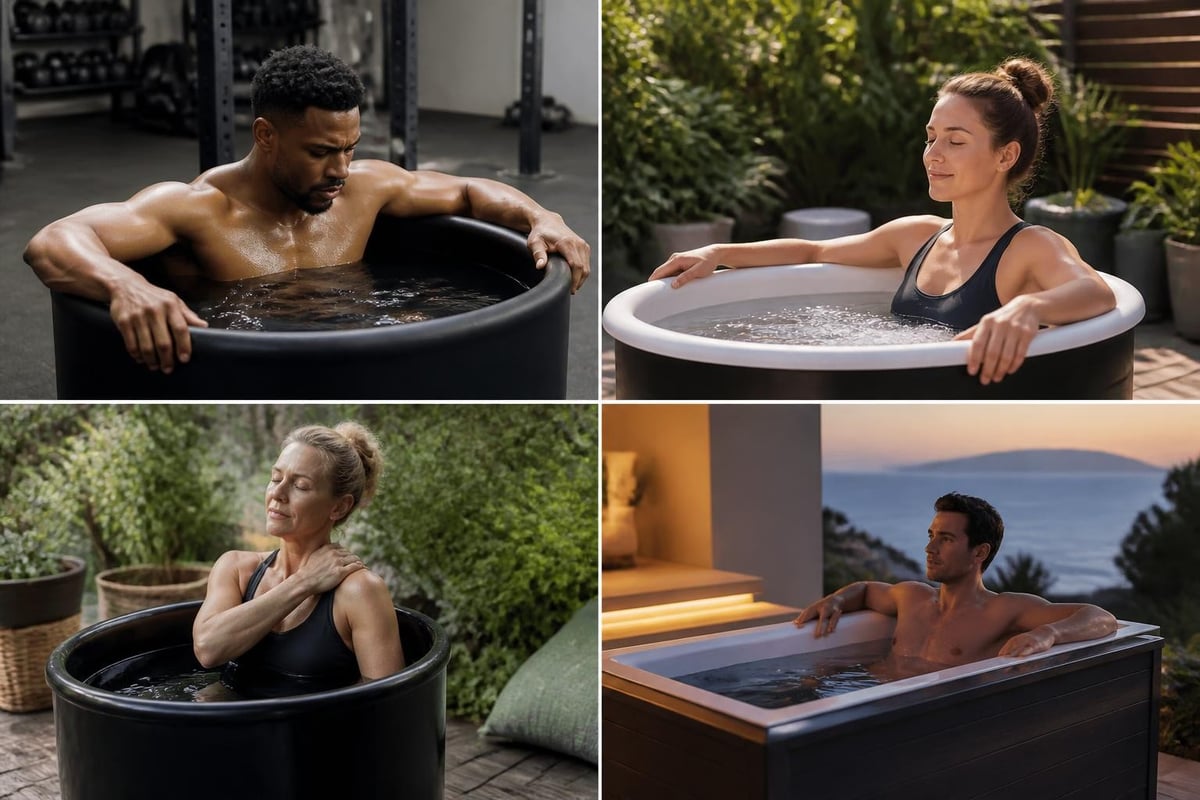
Beyond recovery, cold plunge tubs create resort-quality experiences at home. Paired with hot tubs or saunas, they deliver contrast therapy that rivals high-end wellness centers. Learn more about complete wellness setups and customer experiences.
Common Mistakes Beginners Make
Avoiding these errors saves money, frustration, and potential safety issues.
Starting Too Cold, Too Long
The biggest mistake? Jumping into 40°F water for 10 minutes on day one. That's miserable and potentially dangerous.
Proper progression:
- Start with 60°F water for 2-3 minutes
- Gradually decrease temperature by 5°F weekly
- Build duration slowly, adding 30-60 seconds per session
- Find your sweet spot (usually 3-7 minutes at 45-55°F)
Your body needs time to adapt to cold stress. Patience creates sustainable habits.
Ignoring Breathing Technique
Cold shock triggers rapid, shallow breathing. Learning to control your breath before entering water makes the experience manageable and safe.
Practice box breathing: 4-count inhale, 4-count hold, 4-count exhale, 4-count hold. Use this pattern during your first 60 seconds in the water.
Neglecting Post-Plunge Warming
Your core temperature continues dropping after you exit. Towel off, dress warmly, and move gently to stimulate circulation. Hot beverages help, but avoid immediate hot showers, which can cause dizziness.
Choosing Based on Price Alone
The cheapest option rarely delivers long-term value. Stock tanks rust. Inflatable pools puncture. Poorly constructed wooden tubs crack and leak.
Investing in quality construction using premium materials like Canadian-sourced cedar ensures years of reliable use. Check warranty and return policies to protect your investment.
Skipping Installation Planning
Where will your tub sit? How will you drain it? If using an electric chiller, do you have proper electrical access?
Measure twice, order once. Consider proximity to your home, privacy, ground levelness, and seasonal access. Plan drainage away from foundations.
Cold Plunge Tub Features That Matter Most
Beyond basic construction, specific features separate good cold plunge tubs from great ones.
Built-In vs. External Chillers
Integrated chiller systems offer clean aesthetics and simplified setup. External chillers provide more power and easier maintenance access.
For serious athletes using cold therapy daily, chiller capacity matters. Look for systems that maintain temperature even during extended use or warm weather.
Assembly and Delivery
Premium manufacturers ship fully assembled or partially assembled units with clear instructions. Fast and free delivery across North America makes the installation process straightforward.
Ask about delivery timelines, assembly requirements, and whether professional installation is available in your area.
Filtration and Water Quality
Maintaining clean, safe water requires proper filtration. Some systems include built-in filtration; others require separate components.
Plan for regular water changes or invest in filtration that reduces maintenance frequency. Ozone systems and UV filtration extend water life between changes.
Insulation and Energy Efficiency
If you live in cold climates, insulated construction reduces energy costs for chiller systems. Quality wooden tubs naturally insulate better than thin-walled plastic options.
Calculate operating costs based on your climate and intended usage frequency. Energy-efficient chillers save money over years of use.
Choosing Between Wood and Modern Materials
This decision affects aesthetics, maintenance, and long-term durability.
Wooden Cold Plunge Tubs
Premium cedar construction delivers natural beauty that enhances outdoor spaces. The material resists rot, repels insects, and ages gracefully.
Pros:
- Beautiful, natural aesthetic
- Excellent insulation properties
- Durable when properly maintained
- Blends with outdoor environments
Cons:
- Requires periodic sealing or oiling
- Heavier than synthetic alternatives
- Higher initial cost
One excellent example that combines professional recovery with premium Canadian cedar construction is The Flow Cold Plunge, which delivers gym-quality benefits without ongoing membership fees or complicated setup.
Stainless Steel and Acrylic Options
Modern materials offer sleek designs with minimal maintenance requirements.
Pros:
- Easy to clean and sanitize
- Excellent temperature retention
- Contemporary aesthetic
- Lightweight installation
Cons:
- Can feel industrial rather than natural
- May require more insulation in cold climates
- Limited customization options
Setting Up Your Cold Plunge Routine
Owning a cold plunge tub is one thing. Using it consistently for measurable results is another.
Optimal Timing and Frequency
Morning plunges boost alertness, elevate mood, and set a positive tone for your day. Many users report enhanced focus and productivity after early cold exposure.
Post-workout timing remains debated. Some research suggests immediate post-exercise cold plunges may blunt certain training adaptations. Waiting 4-6 hours preserves muscle-building responses while still capturing recovery benefits.
Evening sessions help some users sleep better, though others find cold exposure too stimulating before bed. Experiment to find what works for your body.
Most protocols recommend 3-5 sessions weekly for consistent benefits. Daily use works for experienced practitioners, but beginners should start with 2-3 times per week.
Duration Guidelines
Beginner protocol:
- Week 1-2: 2 minutes at 60°F
- Week 3-4: 3 minutes at 55°F
- Week 5-6: 4 minutes at 50°F
- Week 7+: 5-7 minutes at 45-50°F
Adjust based on comfort and adaptation. Some people thrive on longer sessions; others get full benefits from brief, intense exposure.
Combining with Other Recovery Methods
Cold plunge therapy stacks effectively with:
- Sauna or hot tub use (contrast therapy)
- Stretching and mobility work
- Massage or foam rolling
- Meditation and breathwork
- Quality sleep protocols
Creating a comprehensive recovery routine amplifies benefits beyond what any single modality provides.
Frequently Asked Questions
How cold should my cold plunge tub be?
Most benefits occur between 45°F and 59°F. Start warmer (around 60°F) and gradually decrease temperature as your body adapts. Colder isn't always better. Find a temperature that's challenging but sustainable.
Can I use a cold plunge tub year-round?
Yes. Quality construction withstands freezing temperatures and summer heat. In winter, water may freeze without active chilling, requiring you to break ice or use a chiller. In summer, achieving cold temperatures may require more powerful chilling capacity.
How often should I change the water?
With proper filtration and treatment, water can last 1-3 months. Without filtration, change water weekly or bi-weekly depending on usage. Monitor clarity and smell as indicators.
Is cold plunge therapy safe for everyone?
Most healthy adults tolerate cold plunge therapy well. However, people with cardiovascular conditions, high blood pressure, or circulatory issues should consult physicians before starting. Pregnant women should also seek medical guidance. The Atlantic examines both the benefits and limitations of current research.
Do I need a chiller or can I just use ice?
Either works. Chillers provide consistent temperature control for daily use. Ice offers flexibility and lower upfront costs but requires regular purchasing and manual temperature management. Your budget, usage frequency, and convenience preferences determine the best choice.
What's the difference between cold plunge tubs and ice baths?
Quality cold plunge tubs are designed specifically for cold therapy with proper materials, insulation, and often built-in temperature control. Ice baths typically refer to improvised setups using bathtubs, stock tanks, or other containers filled with ice. Purpose-built cold plunge tubs provide better experiences, easier maintenance, and longer lifespan.
How much space do I need for installation?
Compact barrels need roughly 3x3 feet of space. Larger rectangular tubs may require 6x3 feet or more. Account for access around the unit, drainage area, and any chiller equipment placement. Indoor installations need proper ventilation and waterproofing.
Can I finance a cold plunge tub purchase?
Many manufacturers offer financing options. Check available payment plans, interest rates, and terms. Some credit cards offer promotional financing periods that may provide better terms than manufacturer financing.
Searching for a "cold plunge tub near me" represents the first step toward professional recovery at home, but the best options rarely sit on local showroom floors. Understanding materials, features, and your specific recovery goals helps you choose equipment that delivers measurable results for years to come. If you're ready to bring premium cold therapy into your daily routine, Plunge N' Tubs offers Canadian-crafted systems with free delivery across North America, combining quality construction with the convenience of professional recovery on your schedule.
Share:
Plunge Tub Guide: Benefits, Buying Tips & What to Know
Tub Ice Bath: Complete Guide to Cold Plunge Recovery at Home