



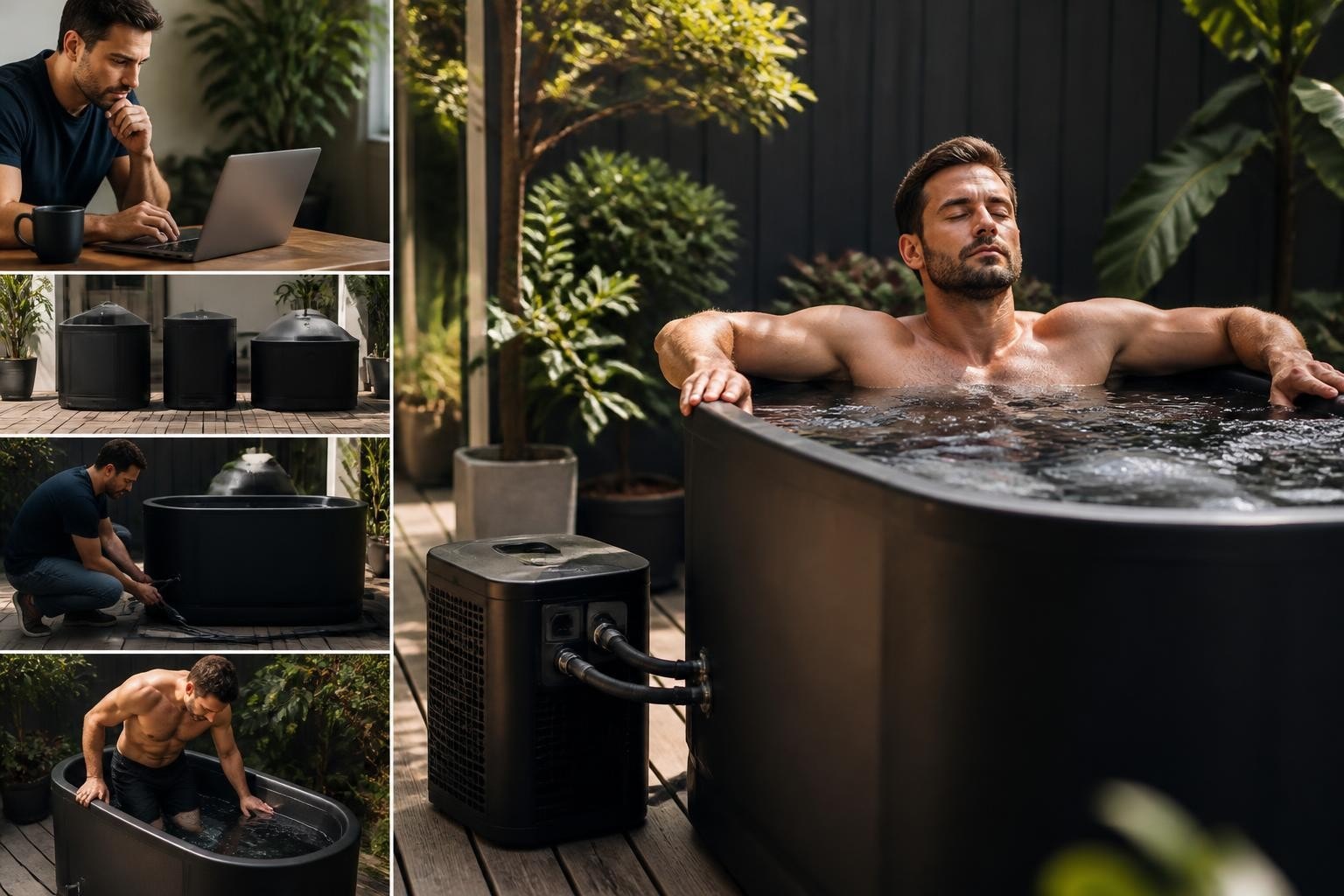
Cold therapy has moved from elite athletic facilities into home backyards across North America. A plunge tub provides accessible cold water immersion without gym memberships or spa appointments. This wellness tool offers proven benefits for recovery, inflammation reduction, and mental clarity, backed by research from leading health institutions.
Understanding what makes a quality plunge tub and how to use it effectively separates those who experience real benefits from those who abandon the practice after a few uncomfortable sessions. This guide covers everything from the science behind cold immersion to practical buying advice for 2026.
What Makes a Plunge Tub Different From Regular Tubs
A plunge tub is specifically designed for cold water immersion therapy, with features standard bathtubs lack. These systems maintain consistent cold temperatures between 37-55°F, allowing for effective cold exposure without constantly adding ice.
Key differences include:
- Temperature control systems that maintain precise cold water ranges
- Insulated construction to prevent heat transfer from ambient air
- Drainage systems designed for regular water changes
- Durable materials that withstand constant exposure to cold water and outdoor elements
Standard bathtubs lose temperature quickly, requiring 40-80 pounds of ice per session. A dedicated plunge tub with integrated chilling maintains target temperatures automatically, making daily practice sustainable.
The Core Components of Quality Systems
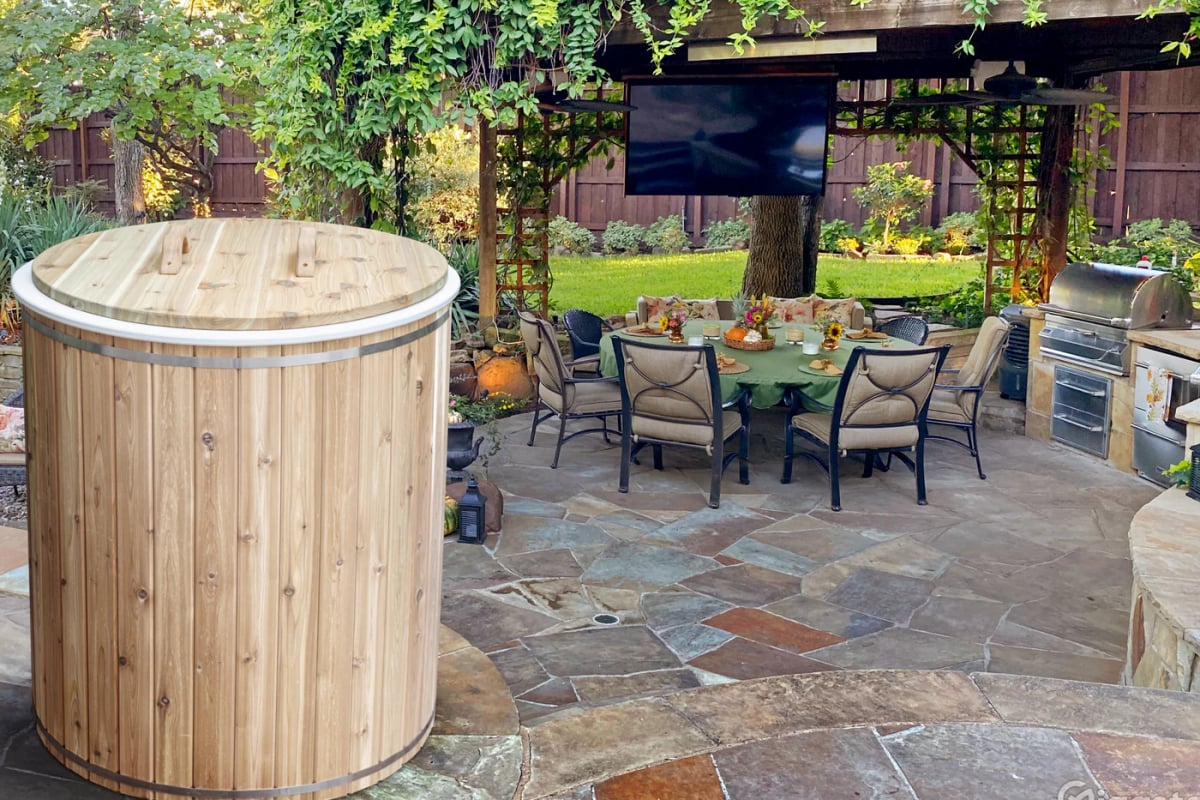
Premium systems use specific materials chosen for longevity and performance. Canadian-sourced cedar offers natural resistance to moisture and temperature fluctuations. Stainless steel interiors provide medical-grade durability and easy cleaning.
The chiller unit determines how well the system maintains temperature. A 1HP chiller handles most residential needs, cooling 50-100 gallons efficiently. Filtration systems keep water clean between changes, reducing maintenance frequency from daily to weekly.
Research-Backed Benefits of Cold Water Immersion
Cold plunge therapy triggers specific physiological responses that contribute to recovery and wellness. According to research on cold plunge benefits, regular cold exposure activates brown fat, improves circulation, and may strengthen immune function.
| Benefit Category | Effect | Optimal Duration |
|---|---|---|
| Muscle Recovery | Reduced inflammation and soreness | 3-5 minutes |
| Mental Clarity | Increased alertness and focus | 2-4 minutes |
| Circulation | Improved blood flow | 3-6 minutes |
| Mood Enhancement | Endorphin release | 2-5 minutes |
Inflammation reduction occurs through vasoconstriction, where blood vessels narrow in response to cold. This process helps flush metabolic waste from muscles after intense training sessions.
Understanding the Physiological Response
When you enter cold water, your body initiates a stress response that, over time, builds resilience. Your heart rate increases temporarily, breathing deepens, and norepinephrine levels spike. These responses improve with regular practice.
Cleveland Clinic's analysis of cold plunges notes that consistent cold exposure may support cardiovascular health in most individuals. However, those with existing heart conditions should consult physicians before starting cold therapy protocols.
The mental benefits stem from controlled stress exposure. Regular cold immersion teaches your nervous system to manage discomfort, potentially improving stress response in other life areas. Many users report enhanced mental clarity lasting several hours post-plunge.
What to Look for When Buying a Plunge Tub
Selecting the right system requires evaluating several critical factors. The decision impacts not just initial cost but long-term maintenance, effectiveness, and user experience.
Essential considerations:
- Material quality determines lifespan and maintenance needs
- Chiller capacity affects temperature consistency and recovery time
- Size and dimensions must fit your space and body comfortably
- Setup requirements including electrical needs and placement
- Warranty coverage protecting your investment
Canadian-manufactured systems using Eastern White Cedar or premium acrylics typically outlast cheaper alternatives. The material choice affects outdoor durability, especially in regions with temperature extremes.
Chiller vs. Ice-Based Systems
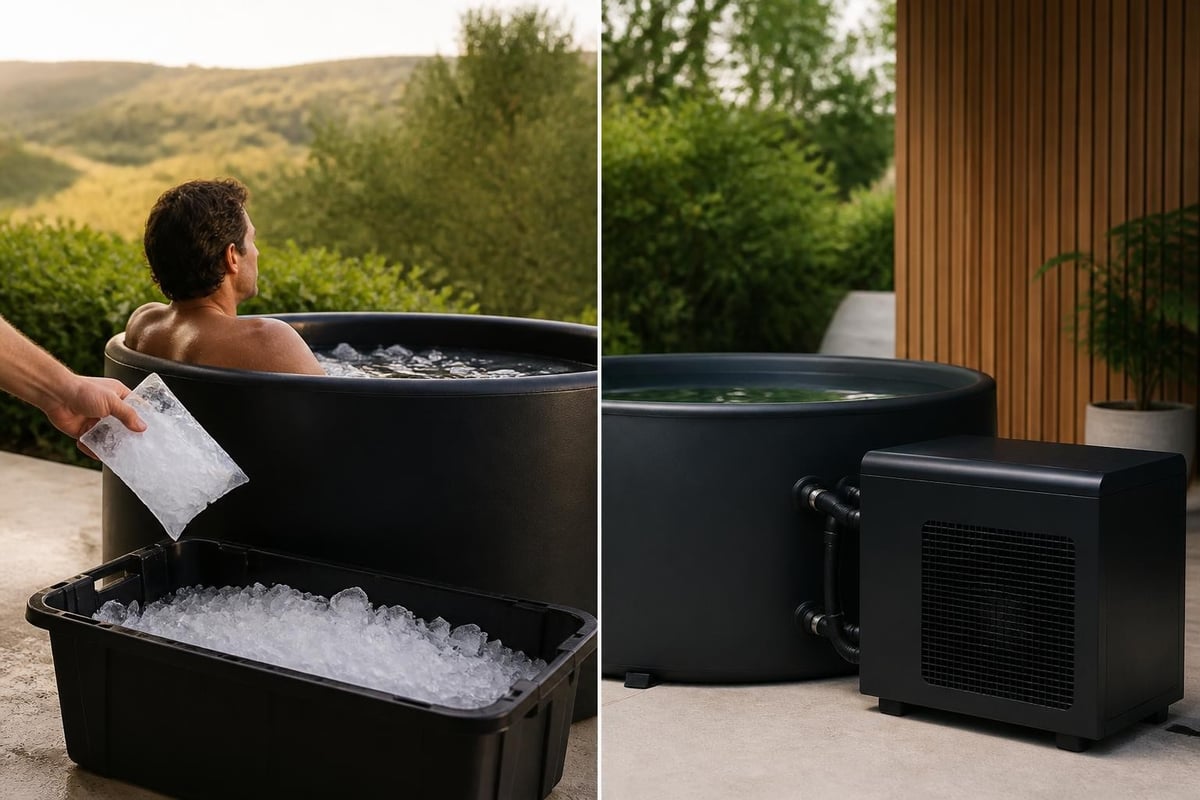
This represents the fundamental choice in plunge tub design. Electric chillers provide convenience and consistency but increase upfront costs. Ice-based systems offer lower entry prices but require ongoing ice purchases and manual temperature management.
For daily users, integrated chillers justify the investment within 6-12 months through ice cost savings. Occasional users may prefer manual ice systems with lower initial expenses.
The Baltic Cold Plunge Tub offers flexibility for both approaches, accommodating users who want to start with ice and upgrade to electric chilling later. This Canadian-crafted system uses Eastern White Cedar and ships fully assembled, eliminating complicated installation processes.
Space and Installation Requirements
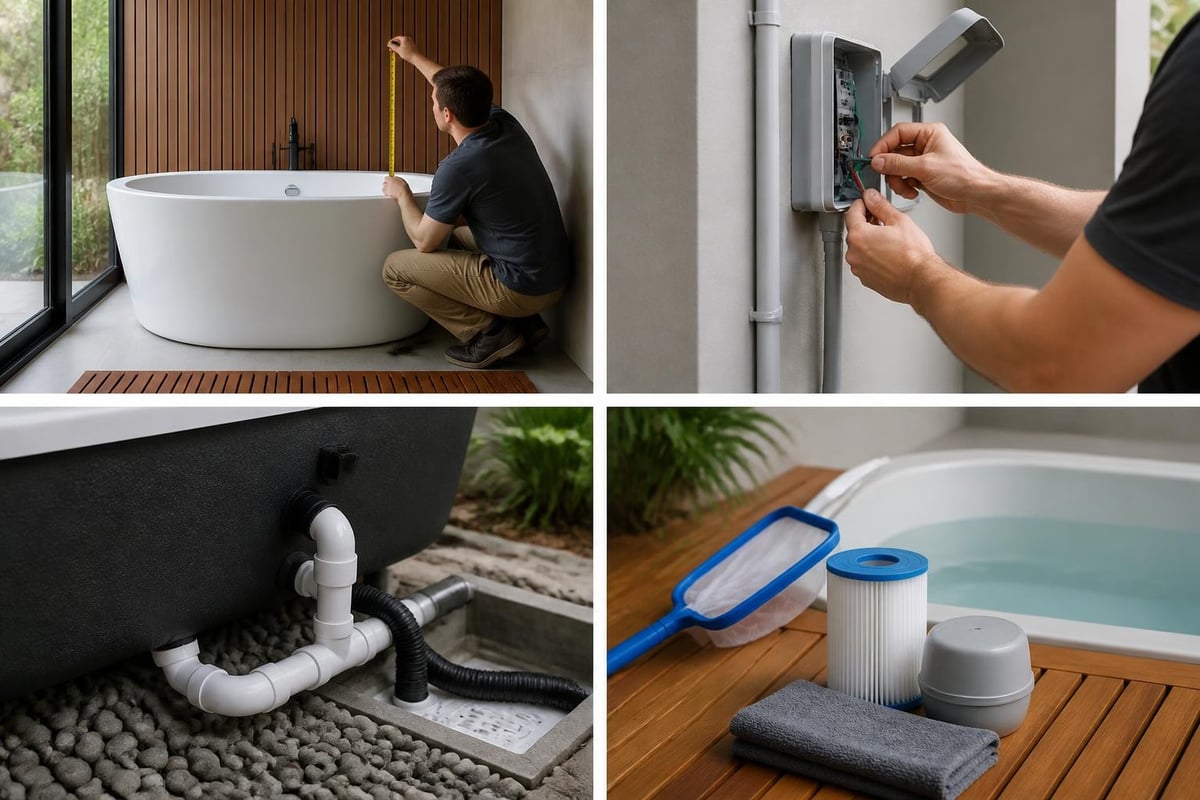
Indoor installations require proper drainage and ventilation. Condensation from cold water can damage flooring and walls without adequate moisture barriers. Outdoor setups need level surfaces supporting 500-800 pounds when filled.
Electrical requirements vary by chiller unit. Most residential systems operate on standard 120V outlets, while larger commercial units need 240V circuits. Check specifications before purchasing to avoid unexpected electrical work.
Is a Plunge Tub Worth the Investment?
The value equation depends on your current wellness spending and commitment level. Calculate what you spend annually on recovery services, spa visits, or gym memberships offering cold therapy.
Cost comparison over two years:
| Option | Year 1 | Year 2 | Total |
|---|---|---|---|
| Spa sessions (weekly) | $5,200 | $5,200 | $10,400 |
| Gym cold plunge access | $1,800 | $1,800 | $3,600 |
| Home plunge tub | $3,500 | $150 | $3,650 |
These numbers assume $100 weekly spa sessions, $150 monthly gym memberships with cold plunge access, and a mid-range home system with minimal operating costs. Many users discover that customer results justify initial investments through consistent daily use.
Beyond Financial Considerations
Convenience transforms consistency. Having a plunge tub at home eliminates the friction of driving to facilities, scheduling appointments, or waiting for equipment. This accessibility converts occasional users into daily practitioners.
Privacy matters for many users. Cold plunge practice involves vulnerable moments as your body adapts to temperature shock. Home systems allow you to focus on the experience without self-consciousness.
Who Should Consider Getting a Plunge Tub
Certain groups benefit most from dedicated cold therapy systems. Athletes using ice baths for recovery find home systems dramatically more convenient than bathtubs filled with bags of ice.
Ideal candidates include:
- Endurance athletes with regular high-intensity training schedules
- CrossFit and strength athletes managing muscle inflammation
- Executives and entrepreneurs seeking mental clarity and stress management
- Individuals with chronic inflammation conditions (with medical clearance)
- Wellness enthusiasts committed to biohacking and performance optimization
Anyone spending $50+ monthly on recovery services should evaluate whether a home system makes financial sense. The benefits of regular cold exposure compound with consistency, making daily access valuable.
When to Wait on Purchasing
If you've never tried cold immersion, experiment with cold showers or gym facilities first. Some people find cold therapy intolerable regardless of potential benefits. A $3,000+ investment makes sense only after confirming you'll use it consistently.
Budget constraints matter. Quality systems represent significant purchases. Saving for a premium unit that lasts 10+ years beats financing a cheaper model requiring replacement in three years.
Common Mistakes Beginners Make
New cold plunge users often sabotage their experience through preventable errors. Understanding these pitfalls helps establish sustainable practices.
The biggest mistakes:
- Starting too cold - Begin at 55-60°F, not 37°F
- Staying too long - Two minutes provides benefits; ten minutes risks hypothermia
- Irregular practice - Sporadic use prevents adaptation
- Poor breathing technique - Panic breathing increases discomfort
- Skipping warm-up - Light movement before plunging improves the experience
Temperature tolerance develops gradually. Dropping immediately to 37°F creates miserable experiences that discourage continued practice. Start warmer and decrease temperature by 2-3 degrees weekly as adaptation occurs.
Building Sustainable Habits
Consistency matters more than intensity. Three minutes at 50°F daily beats occasional 15-minute sessions at 37°F. Your nervous system adapts to regular, moderate stress more effectively than sporadic extreme exposure.
Time your sessions strategically. Morning plunges boost alertness and energy for the day ahead. Post-workout timing maximizes recovery benefits. Evening sessions may interfere with sleep for some individuals due to the alertness spike.
Learn more about optimal cold plunge duration to structure effective sessions without overdoing exposure time.
Setup and Maintenance Requirements
Proper setup ensures safety and longevity. Location selection impacts both user experience and equipment lifespan. Outdoor placements need protection from direct sunlight, which works against chilling systems and degrades materials over time.
Initial Installation Steps
- Prepare the base - Ensure level surface supporting full weight
- Install electrical - Dedicated circuit for chiller units
- Check drainage - Plan for water changes and overflow
- Fill and test - Run system 24 hours before first use
- Calibrate temperature - Set and verify target temperature
Most quality systems arrive pre-assembled or require minimal setup. Canadian manufacturers often ship fully assembled units, eliminating construction complexity. Shipping policies vary by manufacturer and location.
Ongoing Maintenance Tasks
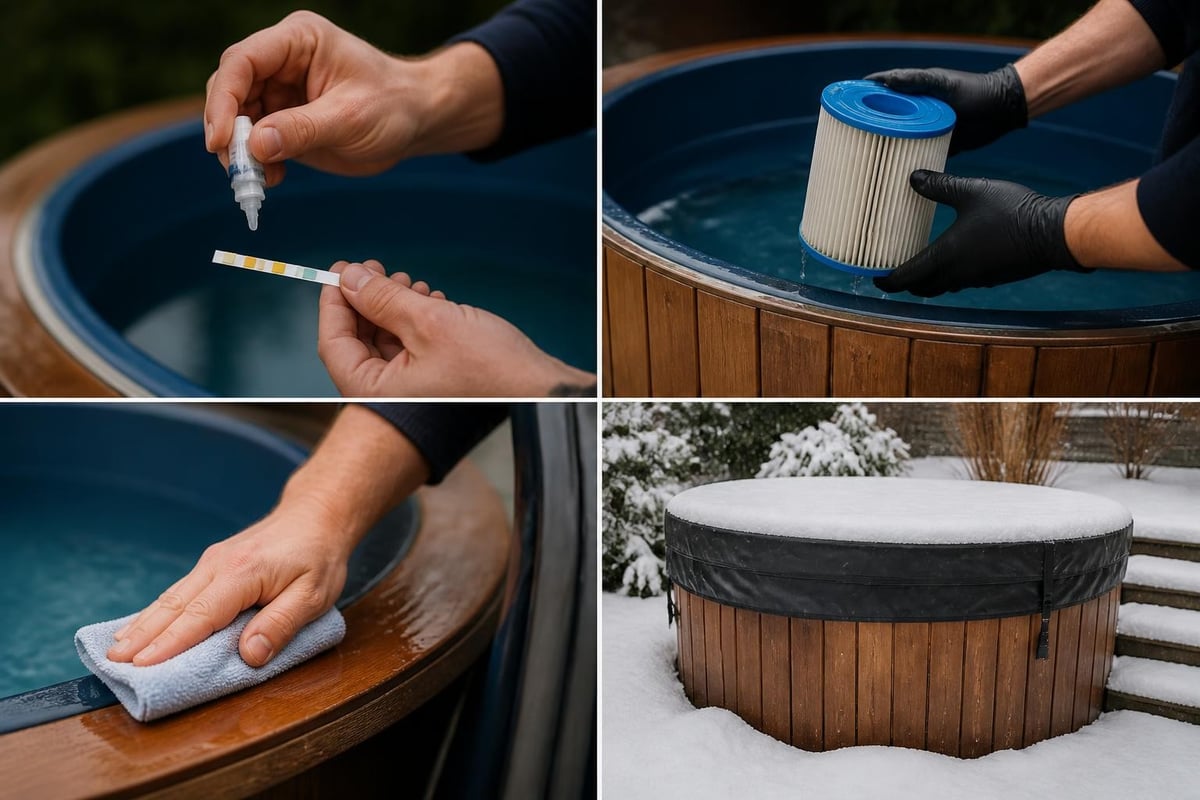
Water quality determines system cleanliness and health safety. Weekly testing for pH and sanitizer levels prevents bacterial growth. Filtration systems reduce but don't eliminate the need for chemical treatment.
Maintenance schedule:
| Task | Frequency | Time Required |
|---|---|---|
| Test water chemistry | Weekly | 5 minutes |
| Clean filter | Bi-weekly | 10 minutes |
| Full water change | Monthly | 30 minutes |
| Deep clean | Quarterly | 60 minutes |
| System winterization | Annually | 90 minutes |
Cedar and wood systems benefit from periodic treatment with wood preservatives. Stainless steel requires only basic cleaning. Follow manufacturer guidelines found in warranty documentation available through warranty information pages.
Temperature Guidelines and Safety Protocols
Safe cold therapy requires understanding temperature ranges and physiological limits. Harvard Health's guidance on cold plunges emphasizes gradual adaptation and awareness of cardiovascular responses.
Temperature progression for beginners:
- Week 1-2: 60-65°F for 2 minutes
- Week 3-4: 55-60°F for 3 minutes
- Week 5-6: 50-55°F for 3-4 minutes
- Week 7+: 45-50°F for 4-5 minutes
Never plunge alone if you're new to cold therapy. Having someone nearby during initial sessions provides safety backup if you experience unexpected reactions. Keep a timer visible to prevent exceeding planned exposure times.
Recognizing Warning Signs
Exit immediately if you experience chest pain, severe shivering, numbness in extremities, or mental confusion. These symptoms indicate your body's limits. Pushing through genuine distress differs from managing normal discomfort.
Pre-existing conditions require medical clearance. Cardiovascular issues, Raynaud's disease, or cold urticaria make cold therapy potentially dangerous. Consult physicians before starting any cold immersion program.
Comparing Different Plunge Tub Styles
The market offers several distinct design approaches, each with specific advantages. Understanding differences helps match systems to individual needs and preferences.
Popular design categories:
- Traditional barrel style - Compact footprint, deep immersion
- Rectangular modern - Easier entry/exit, sleek aesthetic
- Oval designs - Balance of space efficiency and comfort
- Custom-built - Tailored dimensions and features
Barrel designs provide excellent insulation due to curved surfaces and typically use less water. Rectangular models offer simpler construction and easier integration with modern outdoor spaces. Material choice intersects with style, as certain designs work better with specific construction materials.
Size matters for comfort. Taller individuals need deeper tubs for full shoulder immersion. Compact designs save space but may feel cramped during longer sessions.
Frequently Asked Questions
How often should I use a plunge tub?
Daily use provides optimal benefits for most people. Start with 3-4 sessions weekly and increase frequency as your body adapts. Consistency matters more than session length.
Can I use a plunge tub if I have high blood pressure?
Consult your physician first. Cold immersion temporarily increases blood pressure, which may pose risks for individuals with cardiovascular conditions. Medical clearance ensures safety.
What's the ideal temperature for recovery?
Research suggests 50-59°F offers the best balance of effectiveness and tolerability. Colder isn't necessarily better. Find the temperature where you can maintain good breathing and stay for your target duration.
How long does water last before changing?
With proper filtration and chemical treatment, water typically lasts 2-4 weeks. Usage frequency, outdoor placement, and debris exposure affect lifespan. Monthly changes represent a safe baseline.
Do plunge tubs work in winter?
Yes, though extremely cold climates may require weatherproofing or seasonal winterization. Check manufacturer guidelines for temperature limits. Some systems need draining and covering during freezing periods.
What's better: wood or stainless steel?
Both materials excel in different ways. Wood offers natural aesthetics, excellent insulation, and warmth underfoot. Stainless steel provides easier cleaning, longer lifespan, and modern appearance. Choose based on priorities.
Can I install a plunge tub indoors?
Indoor installation works with proper drainage, ventilation, and moisture barriers. Condensation management becomes critical. Many users prefer outdoor placement for convenience despite weather considerations.
Cold water immersion offers measurable benefits for recovery, mental clarity, and overall wellness when practiced consistently with the right equipment. A quality plunge tub transforms cold therapy from an occasional challenge into a sustainable daily practice.
If you're ready to experience the benefits of professional-grade cold therapy at home, Plunge N' Tubs offers premium systems crafted from Canadian-sourced wood and materials designed for lasting performance. With fast, free delivery across North America and systems trusted by athletes and wellness professionals, you can start your cold therapy journey with confidence and support.
Share:
Hot Cold Hot Tub: Ultimate Guide to Contrast Therapy at Home
Cold Plunge Tub Near Me: Your 2026 Buying Guide