



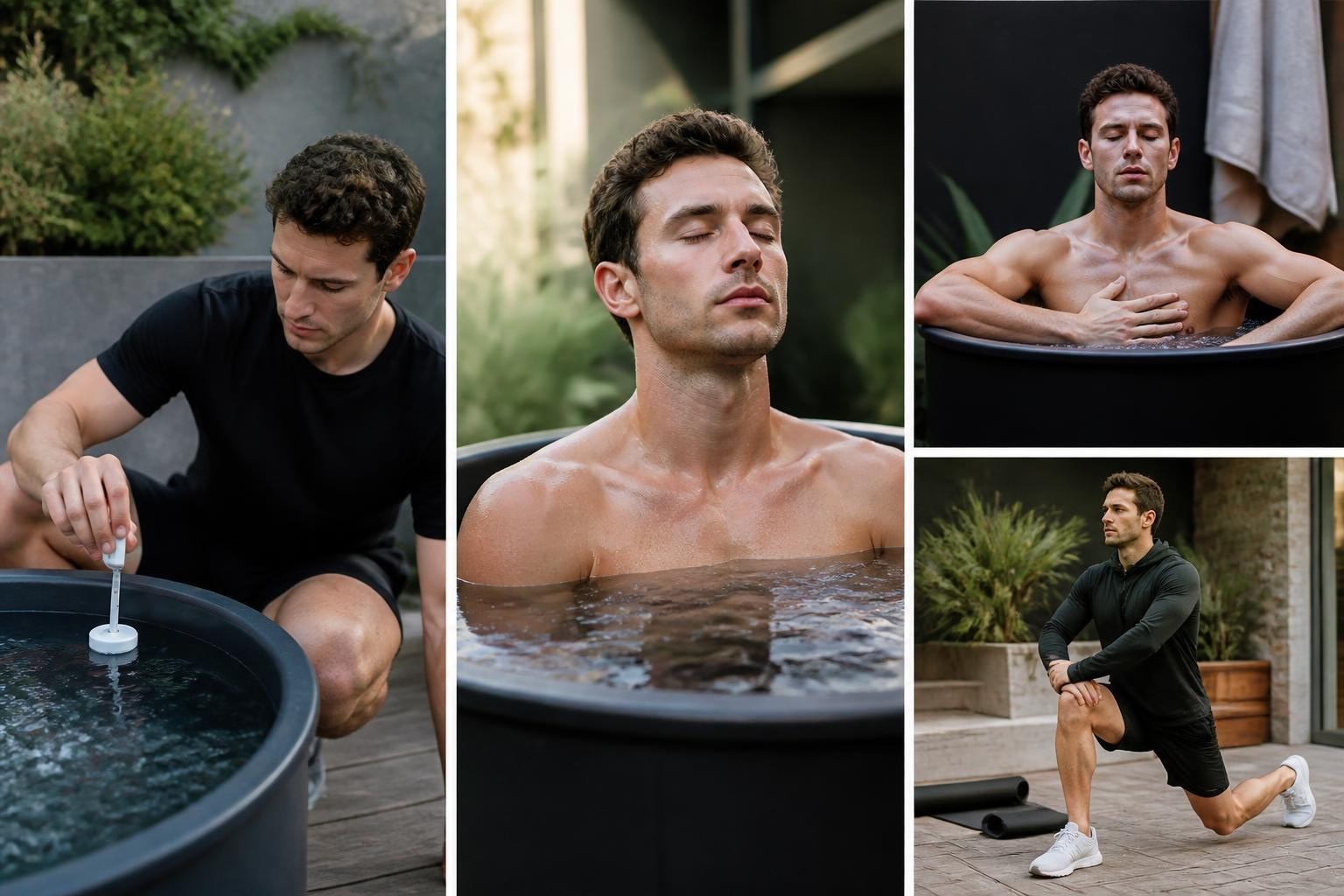
The tub ice bath has transformed from an elite athlete's secret to a mainstream wellness practice that anyone can implement at home. Whether you're recovering from intense training sessions, seeking mental clarity, or exploring biohacking strategies, understanding how to properly use a cold plunge tub can unlock significant health benefits. This comprehensive guide covers everything from the science behind cold water immersion to selecting the right system for your specific needs.
Understanding the Tub Ice Bath: Beyond the Basics
A tub ice bath isn't just about filling a container with cold water and ice. It's a systematic approach to cold therapy that involves precise temperature control, proper duration, and consistent practice. Modern cold plunge systems have evolved significantly from the makeshift solutions athletes used decades ago.
The fundamental principle remains straightforward: immersing your body in water temperatures between 39°F and 55°F triggers physiological responses that promote recovery and wellness. According to research on cold-water immersion benefits, these responses include vasoconstriction, reduced inflammation, and enhanced circulation once you exit the cold environment.
How Temperature Affects Your Cold Plunge Experience
Temperature precision matters more than most beginners realize. Here's how different temperature ranges impact your session:
| Temperature Range | Effect | Best For |
|---|---|---|
| 39°F - 45°F | Maximum cold stress, intense vasoconstriction | Advanced users, post-competition recovery |
| 46°F - 52°F | Moderate cold exposure, balanced benefits | Daily practice, general recovery |
| 53°F - 59°F | Gentle introduction, minimal shock | Beginners, morning sessions |
Starting too cold causes most people to quit before building a sustainable habit. Begin at the higher end of the temperature spectrum and gradually work your way down as your cold tolerance develops.
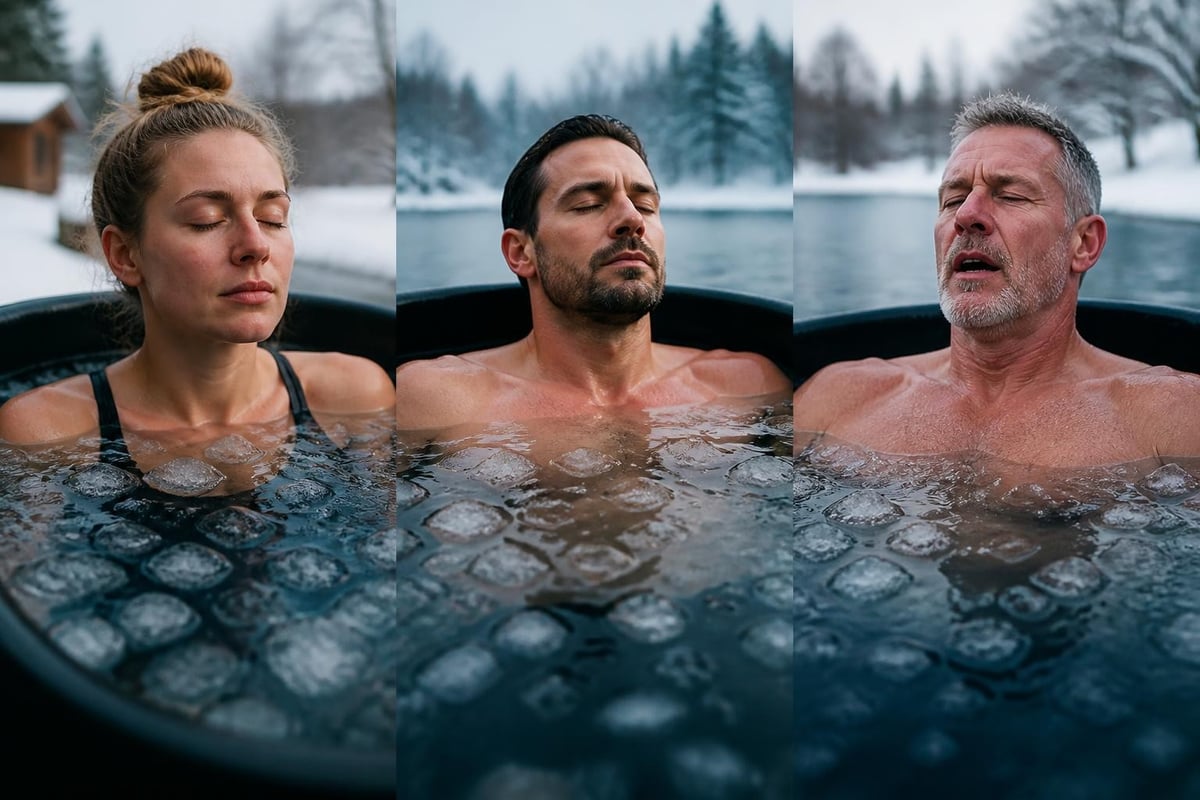
Science-Backed Benefits of Regular Ice Bath Practice
The tub ice bath delivers measurable physiological changes that extend far beyond the temporary discomfort. Understanding these mechanisms helps you maximize your practice and stay consistent.
Physical Recovery and Performance
When you immerse yourself in cold water, your body initiates a cascade of responses. Blood vessels constrict, reducing blood flow to extremities and decreasing metabolic activity in tissues. This process, combined with the hydrostatic pressure of water, helps flush metabolic waste products from muscles.
Studies on ice bath benefits demonstrate that regular cold water immersion can:
- Reduce delayed onset muscle soreness (DOMS) by 15-25%
- Decrease inflammation markers within 24 hours post-exercise
- Accelerate recovery between training sessions
- Improve power output in subsequent workouts
Athletes report returning to peak performance faster when incorporating cold plunges into their recovery protocols. The key lies in timing-using your tub ice bath within 1-2 hours post-training yields optimal results.
Mental Clarity and Stress Resilience
Beyond physical recovery, cold exposure creates significant neurological adaptations. The acute stress of cold water triggers norepinephrine release, a neurotransmitter linked to focus and attention. Regular practitioners report enhanced mental clarity that extends hours beyond their plunge session.
Cold plunge therapy also builds psychological resilience. Deliberately choosing discomfort in a controlled environment trains your nervous system to regulate stress responses more effectively. This translates to better emotional regulation in daily challenges.
Sleep Quality and Circadian Rhythm Support
Strategic timing of your tub ice bath can significantly impact sleep quality. Evening sessions (3-4 hours before bed) trigger a subsequent temperature drop that aligns with your body's natural sleep initiation process. The parasympathetic activation following cold exposure promotes deeper, more restorative sleep cycles.
Morning cold plunges serve a different purpose-they increase alertness, elevate cortisol appropriately for daytime energy, and establish a powerful morning ritual that sets your circadian rhythm.
What to Look for When Buying a Cold Plunge Tub
Purchasing a tub ice bath represents a significant investment in your health infrastructure. The right choice depends on your specific circumstances, space, and recovery goals.
Material Quality and Durability
Premium cold plunge systems use materials designed to withstand temperature extremes and constant moisture exposure. The best options include:
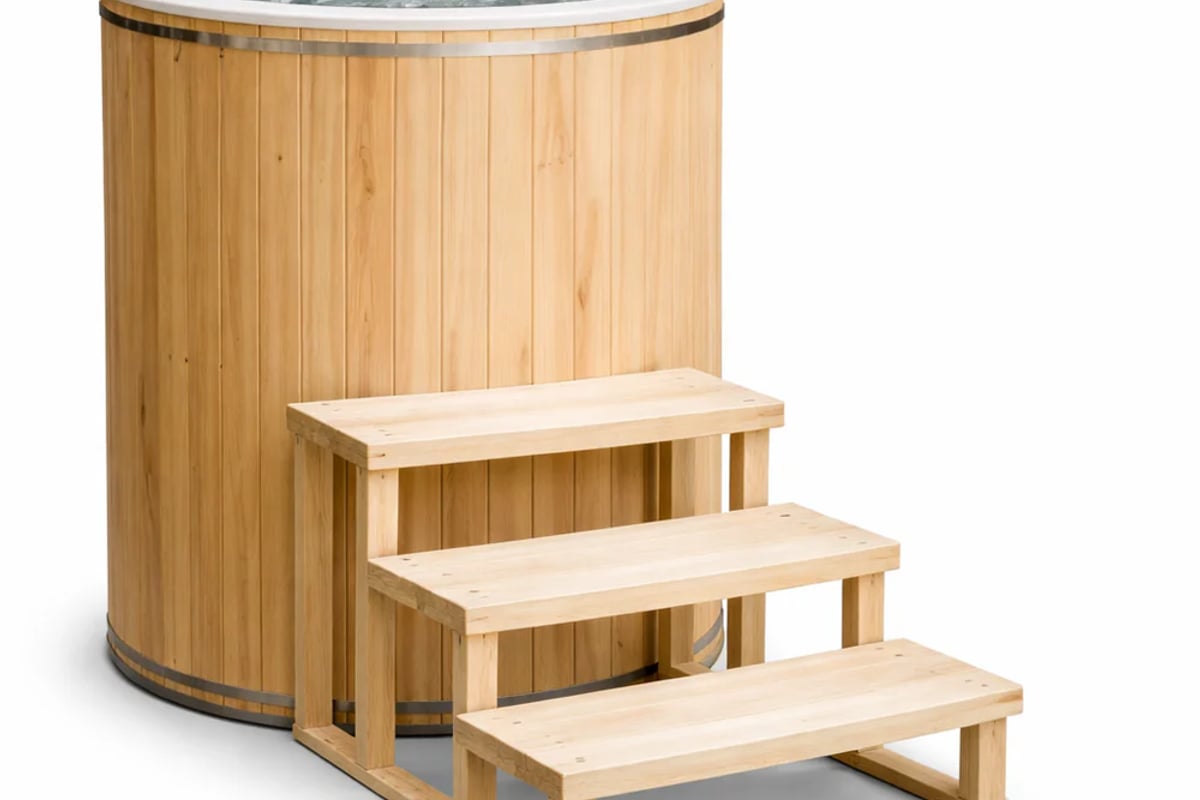
Canadian White Cedar: Naturally resistant to rot and moisture, aesthetically pleasing, and maintains temperature effectively. Cedar systems age gracefully when properly maintained.
304 Stainless Steel: Medical-grade durability, zero water absorption, and minimal maintenance requirements. Ideal for high-frequency users.
High-Density Polyethylene (HDPE): Cost-effective, lightweight, and excellent insulation properties. Perfect for portable or space-constrained setups.
Each material offers distinct advantages. Cedar provides natural beauty and integrates seamlessly with outdoor wellness spaces. Stainless steel delivers clinical performance and longevity. HDPE balances affordability with functionality.
Chiller vs. Ice: Understanding Your Options
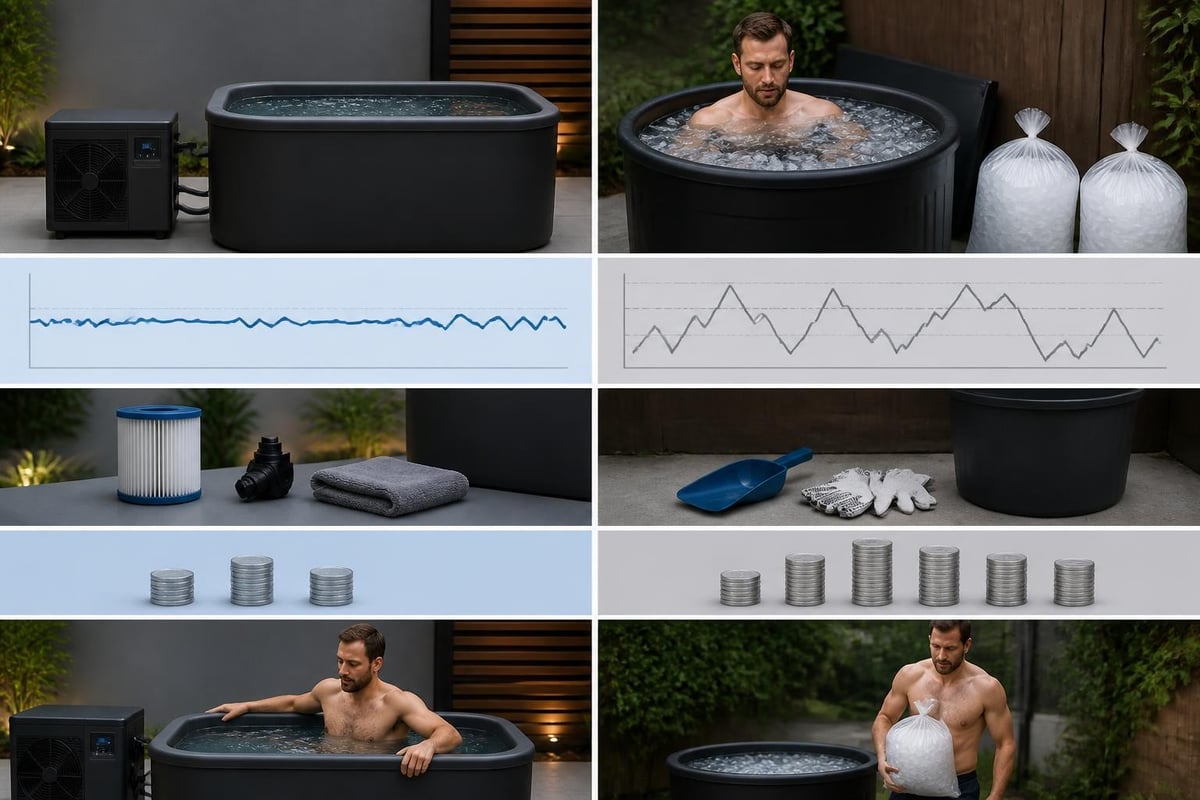
The tub ice bath can operate through two primary cooling methods, each with specific advantages:
Electric Chiller Systems:
- Maintain precise, consistent temperatures
- Eliminate ice purchasing and storage
- Enable year-round use regardless of ambient temperature
- Higher upfront cost, lower operational hassle
Ice-Based Cooling:
- Lower initial investment
- Simple, straightforward operation
- Effective for occasional use
- Requires ice sourcing and storage solutions
For dedicated daily practice, chiller systems provide unmatched convenience. The Baltic Plunge Tub exemplifies this versatility-designed to accommodate both electric chillers for consistent cold exposure and ice additions as needed, fitting seamlessly into daily recovery routines or occasional cold plunge sessions.
Size, Depth, and Space Considerations
Effective cold water immersion requires adequate depth and space. Your tub ice bath should allow:
- Water depth: Minimum 30 inches to cover shoulders while seated
- Interior diameter: At least 30 inches for comfortable positioning
- Entry accessibility: Steps or gradual entry for safe immersion
- Drainage system: Efficient water removal and cleaning capability
Consider your available space carefully. Indoor installations require proper drainage and ventilation. Outdoor placements need level ground, accessibility to power (for chiller systems), and consideration of privacy.
Common Mistakes Beginners Make With Ice Bath Tubs
Even with quality equipment, improper technique undermines the benefits of cold plunge therapy. Avoid these frequent errors to maximize your results.
Starting Too Cold, Too Long
The most common mistake? Jumping into 40°F water for 10 minutes on day one. This approach typically results in misery, discouragement, and abandonment of the practice.
Instead, build gradually:
- Week 1-2: 60°F for 2-3 minutes
- Week 3-4: 55°F for 3-5 minutes
- Week 5-6: 50°F for 5-8 minutes
- Week 7+: 45°F for 8-10 minutes
Your body needs time to develop cold adaptation. Rushing this process creates unnecessary suffering without additional benefits.
Neglecting Breathing Technique
Panic breathing when entering cold water activates your sympathetic nervous system, intensifying discomfort and reducing benefits. Experts recommend focusing on controlled breathing patterns:
- Slow nasal inhales (4 counts)
- Extended exhales (6-8 counts)
- Maintain rhythm throughout the session
- Use breathing to calm your nervous system response
This deliberate breath control transforms the experience from overwhelming to manageable. Many practitioners find this breathing practice as valuable as the cold exposure itself.
Inconsistent Practice Patterns
Using your tub ice bath sporadically prevents adaptation and limits benefits. Cold plunge therapy works through accumulated exposure-your body develops physiological responses over weeks and months of consistent practice.
Aim for:
- 3-5 sessions weekly for active recovery goals
- Daily sessions for maximum mental and metabolic benefits
- Same time each day to establish circadian rhythm support
- Scheduled sessions that become non-negotiable appointments
Ignoring Post-Plunge Protocol
What you do after exiting your cold plunge significantly impacts results. The rewarming process matters.
Proper post-plunge approach:
- Exit slowly and deliberately
- Pat dry without vigorous rubbing
- Allow natural rewarming through movement
- Dress in warm, dry layers
- Consume warm (not hot) beverages
- Avoid hot showers for 10-15 minutes
Letting your body generate heat naturally extends the metabolic benefits and builds greater cold resilience over time.
Is a Tub Ice Bath Worth the Investment?
The value equation for cold plunge therapy depends on your specific situation, goals, and commitment level.
Calculate Your Return on Investment
Consider the costs you're currently paying for recovery and wellness:
Annual comparison:
- Cryotherapy sessions: $75-150 per session × 104 sessions = $7,800-15,600
- Gym with cold plunge access: $150-300 monthly × 12 months = $1,800-3,600
- Sports massage: $100-150 per session × 24 sessions = $2,400-3,600
- Wellness spa memberships: $200-400 monthly × 12 months = $2,400-4,800
A quality tub ice bath system ranges from $3,000-8,000 for premium options, with minimal ongoing costs. The investment typically pays for itself within 12-18 months for regular users who would otherwise purchase these services. You can explore various cold plunge options to find the right fit for your budget and recovery needs.
Beyond Financial Returns
The real value extends past monetary calculations. Having a tub ice bath at home provides:
- Time savings: No commuting to facilities or scheduling appointments
- Consistency: Weather, travel, and facility hours never interrupt your practice
- Privacy: Practice without crowded spaces or time constraints
- Customization: Control every variable-temperature, duration, environment
- Family access: Multiple household members benefit from one investment
According to medical research on cold plunge benefits, the compound effects of consistent practice significantly outweigh sporadic professional treatments.
Who Should Buy a Cold Plunge Tub?
Not everyone needs to invest in a dedicated tub ice bath system. Understanding whether cold plunge therapy aligns with your lifestyle helps make an informed decision.
Ideal Candidates for Home Cold Plunge Systems
Athletes and Active Individuals: If you train 4+ days weekly, experience regular muscle soreness, or compete in sports, a cold plunge tub accelerates recovery and maintains performance. Runners, CrossFit athletes, weightlifters, and endurance competitors see particularly strong benefits.
Wellness Enthusiasts and Biohackers: Those committed to optimization protocols, longevity practices, or comprehensive wellness routines find cold therapy integrates perfectly into their existing systems. The mental clarity and metabolic benefits complement other biohacking interventions.
Remote Workers and Entrepreneurs: People working from home who value mental performance, stress management, and structured daily rituals benefit from having cold plunge access steps from their workspace. The midday reset capability proves invaluable for cognitive performance.
Recovery-Focused Individuals: Anyone managing chronic inflammation, seeking better sleep quality, or dealing with stress-related conditions may find regular cold exposure therapeutic when combined with appropriate medical care.
When to Wait or Choose Alternatives
Not ready for a full tub ice bath system? Consider these situations:
- Living in temporary housing or rental situations
- Budget constraints that make the investment challenging
- Uncertainty about long-term commitment to cold therapy
- Medical conditions requiring physician clearance first
- Limited space for permanent installation
For these circumstances, portable cold plunge options or gym memberships with cold therapy access provide good entry points to test your commitment before investing in home equipment.
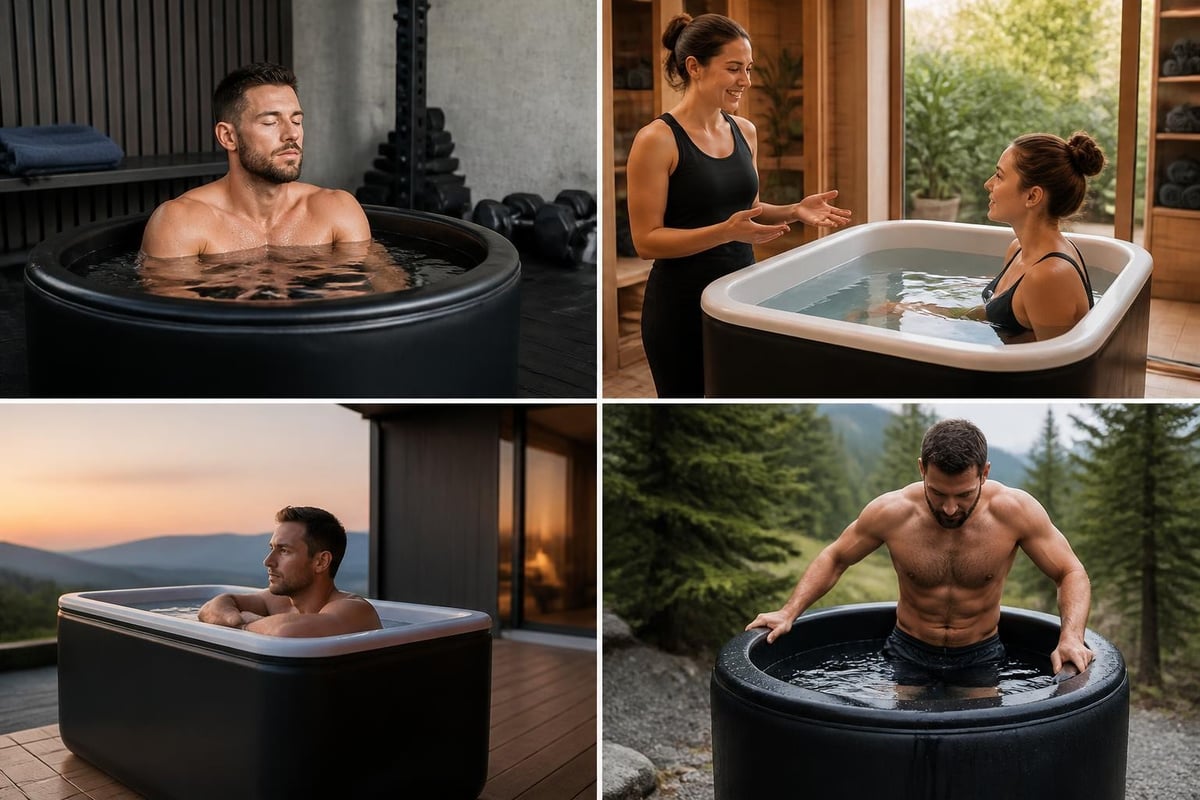
Setting Up Your Ice Bath Routine for Success
Owning a tub ice bath represents just the beginning. Developing an effective routine determines whether you'll still be using it six months from now.
Creating Your Baseline Protocol
Start with this foundational approach:
- Frequency: 3 sessions in week one, 4-5 by week four
- Duration: Begin at 3 minutes, progress to 8-10 minutes over 6 weeks
- Temperature: Start at 60°F, decrease 2-3°F weekly
- Timing: Morning for energy, evening for sleep support
- Documentation: Track sessions, noting temperature, duration, and subjective experience
Optimizing Around Your Training Schedule
For athletic recovery, timing your cold plunge relative to training matters:
High-intensity training days: Use your tub ice bath 1-2 hours post-workout when inflammation peaks. This timing maximizes recovery benefits without interfering with adaptation signals.
Rest or light training days: Morning cold plunges support alertness and mental clarity without recovery concerns. These sessions emphasize metabolic and neurological benefits.
Competition periods: Reduce frequency to 2-3 weekly sessions, maintaining recovery benefits while preserving peak performance capacity.
Building Sustainable Habits
Long-term success requires treating your cold plunge like any important health practice:
- Schedule sessions at identical times daily
- Prepare the night before for morning plunges
- Create environmental cues (towels laid out, robe ready)
- Link to existing habits (after workout, before breakfast)
- Track streaks and celebrate milestones
- Join online communities for accountability and support
The Plunge N' Tubs community and resources available at plungentubs.com provide ongoing education and motivation for maintaining your practice.
Maintenance and Longevity of Your Cold Plunge System
Proper care ensures your tub ice bath remains hygienic, functional, and aesthetically pleasing for years.
Water Quality Management
| Task | Frequency | Purpose |
|---|---|---|
| Test water chemistry | Weekly | Maintain safe pH and sanitizer levels |
| Add sanitizer | 2-3 times weekly | Prevent bacterial growth |
| Complete water change | Every 2-3 months | Remove accumulated contaminants |
| Filter cleaning/replacement | Monthly/Quarterly | Ensure proper circulation |
| System shock treatment | Monthly | Deep sanitization |
For non-chiller systems using ice, completely draining and refilling before each use eliminates water quality concerns while requiring more labor.
Seasonal Considerations
Summer months: Chiller systems work harder in high ambient temperatures. Ensure adequate ventilation and consider shade structures for outdoor installations. Monitor electricity usage during peak cooling demands.
Winter months: Insulated covers become essential to maintain temperature efficiently. Protect plumbing from freezing in extreme climates. Some users find winter outdoor plunges particularly invigorating.
Transitional seasons: Adjust temperature targets as ambient conditions change. Spring and fall often provide ideal conditions for outdoor cold plunge practice.
Material-Specific Care
Cedar tub ice bath systems require periodic treatment with appropriate sealers to maintain moisture resistance and appearance. Stainless steel needs minimal maintenance beyond regular cleaning. HDPE systems benefit from UV protection if placed in direct sunlight.
Frequently Asked Questions About Tub Ice Baths
How long should I stay in an ice bath?
Start with 2-3 minutes and gradually build to 8-10 minutes over several weeks. Longer isn't necessarily better-the goal is achieving therapeutic cold exposure, not endurance suffering. Most benefits occur within the first 5-8 minutes.
What temperature is best for cold plunge therapy?
Research from Harvard Health suggests 50-59°F provides an ideal balance for most users. Beginners should start at 60°F and gradually decrease. Advanced practitioners often use 39-45°F for maximum effect.
Can I use a tub ice bath every day?
Yes, daily cold plunge practice is safe for healthy individuals and often produces the best results. Your body adapts to regular cold exposure, developing increased resilience and more pronounced benefits over time. Listen to your body and reduce frequency if you experience excessive fatigue.
Should I cold plunge before or after workouts?
After workouts is generally optimal for recovery purposes. Cold exposure immediately before training may reduce performance and strength. Post-workout cold plunges (within 1-2 hours) effectively manage inflammation and accelerate recovery. Morning plunges on rest days provide excellent metabolic and mental benefits.
Do I need a special chiller or can I just use ice?
Both approaches work effectively. Ice provides simplicity and lower upfront costs but requires ongoing ice purchases and storage. Chiller systems offer convenience, consistency, and precise temperature control. Your choice depends on usage frequency, budget, and desired user experience.
How much does it cost to run a cold plunge chiller?
Operating costs typically range from $30-80 monthly depending on usage frequency, ambient temperature, insulation quality, and local electricity rates. Well-insulated systems in moderate climates generally cost less. Summer months in hot climates may see higher costs.
Is cold plunge therapy safe for everyone?
While generally safe, certain populations should consult physicians before starting: individuals with cardiovascular conditions, high blood pressure, Raynaud's syndrome, or cold urticaria. Pregnant women and those with compromised immune systems should seek medical guidance. Cleveland Clinic provides comprehensive safety guidelines for various health conditions.
How quickly will I see benefits from ice bath therapy?
Immediate effects include enhanced alertness and mood elevation. Physical recovery benefits typically become noticeable within 2-3 weeks of consistent practice. Metabolic improvements, improved sleep quality, and stress resilience develop over 4-8 weeks of regular use. Mental clarity and focus improvements often appear within the first week.
The tub ice bath represents more than recovery equipment; it's an investment in your long-term health, performance, and resilience. By understanding proper protocols, avoiding common mistakes, and maintaining consistent practice, you can unlock the full spectrum of benefits that cold water immersion provides. Whether you're an athlete seeking competitive advantage, a wellness enthusiast optimizing daily performance, or someone pursuing better health through proven therapeutic methods, a quality cold plunge system delivers measurable returns. Plunge N' Tubs offers premium cold plunge systems crafted from the highest quality Canadian wood, trusted by athletes and wellness professionals across North America, with fast and free delivery to bring professional-grade recovery directly to your home.
Share:
Cold Plunge Tub Near Me: Your 2026 Buying Guide
Hot Tub and Cold Plunge: Complete Guide for 2026