



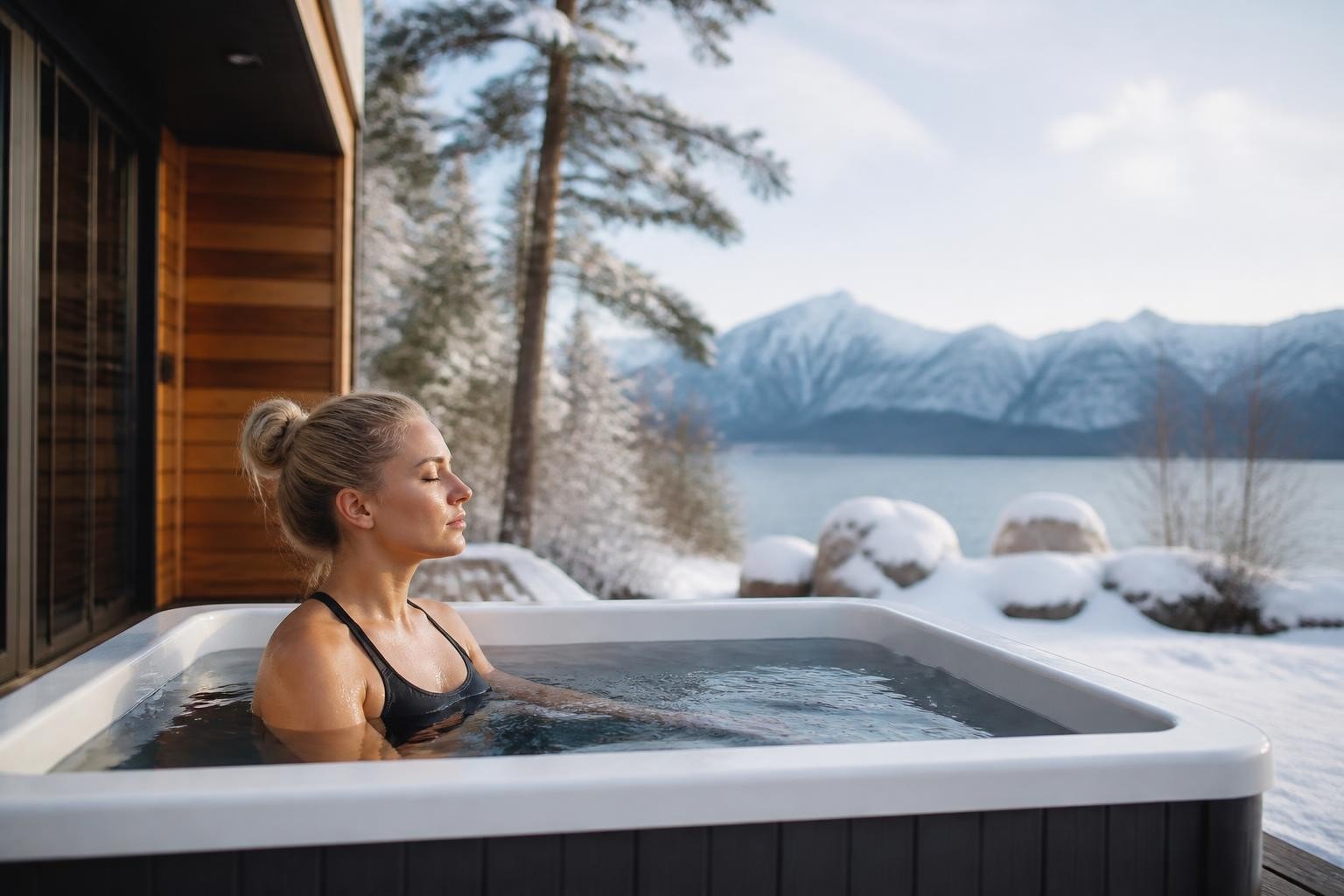
Cold plunge therapy has transformed from an elite athlete's secret to a mainstream wellness practice across Canada. With our naturally cold climate and growing focus on recovery and mental health, cold plunge tubs Canada homeowners are installing represent a significant shift in how we approach daily wellness. Whether you're recovering from intense training sessions, managing chronic inflammation, or seeking mental clarity through controlled stress exposure, understanding what makes a quality cold plunge tub worth the investment is essential for making the right choice.
Understanding Cold Plunge Therapy and Why It Works
Cold water immersion triggers a cascade of physiological responses that benefit both body and mind. When you submerge yourself in water between 37°F and 55°F, your body activates its survival mechanisms, constricting blood vessels and redirecting blood flow to vital organs. This process, called vasoconstriction, is followed by vasodilation when you exit the cold water, creating a pumping effect that reduces muscle soreness and supports faster recovery.
The science behind cold therapy continues to evolve. Research shows that regular cold exposure may:
- Reduce inflammation by decreasing pro-inflammatory cytokines
- Accelerate muscle recovery through improved blood flow and waste removal
- Enhance mental resilience by training stress response systems
- Improve sleep quality through temperature regulation and cortisol management
- Boost mood via endorphin and norepinephrine release
However, potential cardiovascular risks exist, particularly for individuals with heart conditions. The sudden cold exposure causes an immediate spike in heart rate and blood pressure, which is why gradual adaptation and medical clearance are crucial for beginners.

The Canadian Advantage for Cold Plunge Installation
Canada's climate presents unique opportunities for cold plunge enthusiasts. During winter months, maintaining cold temperatures requires minimal energy, and some users forego chillers entirely, relying on natural ambient temperatures. This creates significant cost savings compared to warmer climates where powerful refrigeration systems run year-round.
Canadian-made cold plunge tubs also benefit from construction designed for extreme weather. Premium manufacturers use materials like Eastern White Cedar and marine-grade stainless steel that withstand freeze-thaw cycles without degradation. These materials naturally resist moisture damage and maintain structural integrity through harsh winters.
What to Look for When Buying Cold Plunge Tubs Canada Offers
Selecting the right cold plunge tub requires understanding several critical factors that impact both immediate satisfaction and long-term value.
Construction Materials and Durability
The material composition determines how well your tub performs in Canadian conditions:
| Material | Pros | Cons | Best For |
|---|---|---|---|
| Cedar Wood | Natural insulation, aesthetic appeal, weather-resistant | Requires maintenance, higher initial cost | Outdoor installations, sauna pairings |
| Stainless Steel | Extremely durable, minimal maintenance, professional look | Higher cost, less insulation without additives | High-use environments, commercial settings |
| Acrylic | Lightweight, good insulation, modern appearance | Can scratch, UV exposure concerns | Indoor installations, climate-controlled spaces |
| HDPE Plastic | Affordable, corrosion-resistant, lightweight | Less premium appearance, insulation varies | Budget-conscious buyers, temporary setups |
Premium cold plunge tubs Canada manufacturers source materials specifically chosen for longevity. Eastern White Cedar, for instance, contains natural oils that repel moisture and resist rot without chemical treatment. This makes it ideal for year-round outdoor use in regions with temperature extremes.
Temperature Control Systems
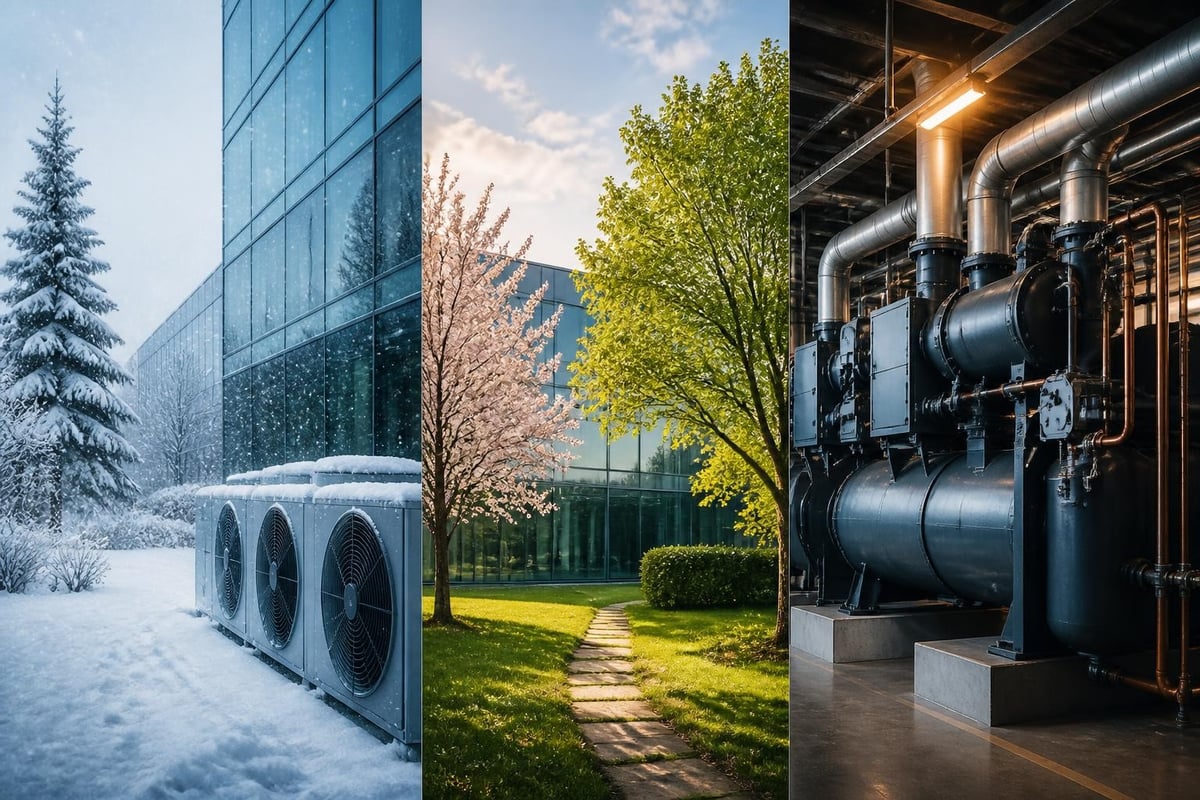
Temperature consistency separates quality systems from inadequate ones. When evaluating chillers, consider these specifications:
Cooling Capacity: Measured in BTUs or horsepower, this determines how quickly the system can cool water and maintain temperature during use. A 1HP chiller typically handles 80-100 gallons effectively, maintaining temperatures between 37°F and 108°F.
Energy Efficiency: Look for systems with programmable schedules that cool water during off-peak electricity hours. Energy Star-rated components reduce operating costs significantly over the tub's lifespan.
Temperature Range: The best systems offer precise control from 37°F to 108°F, allowing you to experiment with different protocols and transition to contrast therapy (alternating hot and cold).
Some Canadian users opt for non-chilled tubs during winter, adding a chiller unit later for summer use. This phased approach reduces upfront costs while maintaining year-round functionality. For detailed guidance on different cold plunge options, you can explore resources at Plunge N' Tubs.
Size and Capacity Considerations
Tub dimensions impact both comfort and installation requirements:
- Single-person tubs: 50-80 gallons, 4-5 feet length, ideal for apartments or small yards
- Standard models: 80-120 gallons, 5-6 feet length, accommodate most users comfortably
- Large format: 120+ gallons, 6+ feet length, suitable for taller individuals or shared use
Consider your available space, including clearance for entry and exit. Outdoor installations require level ground and proper drainage. Indoor setups need floor reinforcement to handle weight (water weighs 8.34 pounds per gallon plus tub weight).
Who Should Buy a Cold Plunge Tub?
Cold plunge tubs serve diverse user groups with specific recovery and wellness goals.
Athletes and Fitness Enthusiasts
Professional and amateur athletes use cold plunges to manage training load and accelerate recovery. The reduction in muscle soreness allows for more frequent high-intensity sessions without overtraining symptoms. Runners, CrossFit athletes, and strength trainers particularly benefit from consistent post-workout cold exposure.
Wellness-Focused Homeowners
Beyond athletic recovery, cold water immersion offers mental health benefits that appeal to professionals managing stress. The controlled stress of cold exposure trains your nervous system to handle everyday stressors more effectively, creating measurable improvements in anxiety and mood regulation.
Biohackers and Longevity Seekers
The intersection of cold therapy with broader longevity practices has created a dedicated user base focused on optimizing healthspan. These individuals track biomarkers, experiment with different protocols, and integrate cold plunges with other practices like sauna therapy, breath work, and targeted supplementation.
Who Should Avoid or Postpone Purchase
Certain health conditions require medical clearance before starting cold therapy:
- Cardiovascular disease or uncontrolled hypertension
- Raynaud's disease or severe cold sensitivity
- Pregnancy (consult with healthcare provider)
- Open wounds or active skin infections
Recent research highlights specific considerations for women, particularly regarding hormonal balance and stress levels. High-stress individuals may need to start with shorter, less frequent sessions.
Is a Cold Plunge Tub Worth the Investment?
The value proposition depends on your usage frequency, alternative options, and long-term health goals.
Cost Analysis and ROI
Initial investment for quality cold plunge tubs Canada residents purchase typically ranges from $3,000 to $12,000, depending on materials, size, and included features. Monthly operating costs include:
- Electricity: $20-60 for chiller operation (varies by season and electricity rates)
- Water: Minimal, as tubs are refilled monthly or quarterly
- Maintenance: $10-30 for cleaning supplies and occasional treatments
Compare this to alternative access methods:
| Option | Monthly Cost | Convenience | Long-term Value |
|---|---|---|---|
| Home Cold Plunge | $30-80 operating | Immediate access | Builds equity, unlimited use |
| Gym Membership (with plunge) | $80-150 | Travel required | No equity, limited hours |
| Spa Sessions | $200-400 | Appointment needed | No equity, highest ongoing cost |
| Ice Bath DIY | $5-20 | Setup/cleanup hassle | No equity, inconsistent temp |
For users plunging 3-4 times weekly, a home installation typically achieves cost parity with gym access within 12-18 months while offering superior convenience and consistency.
Intangible Benefits
Beyond financial calculations, home cold plunge access provides psychological advantages. The elimination of travel friction increases adherence to regular practice. Early morning plunges before work become feasible, and evening recovery sessions don't require gym hours or spa appointments.
The privacy factor matters for many users who find public facilities uncomfortable or distracting. Home installations allow for personal protocols, music choices, breathing exercises, and integration with other recovery modalities without external pressures or time constraints.
Common Mistakes Beginners Make with Cold Plunge Tubs
Avoiding these pitfalls ensures better results and safer experiences from the start.
Starting Too Cold, Too Long
The most frequent error is aggressive initial protocols. Beginners often attempt 10-minute sessions at 39°F, mimicking experienced users they've seen on social media. This approach triggers overwhelming stress responses and creates negative associations with the practice.
Recommended progression:
- Week 1-2: 50-55°F for 2-3 minutes
- Week 3-4: 45-50°F for 3-5 minutes
- Week 5-6: 40-45°F for 5-7 minutes
- Week 7+: 37-42°F for 8-11 minutes
Individual tolerance varies significantly. Listen to your body rather than following rigid protocols designed for different physiology or experience levels.
Neglecting Proper Breathing
Controlled breathing prevents hyperventilation and maintains composure during cold exposure. The cold shock response triggers rapid, shallow breathing that can lead to panic or premature exit.
Practice box breathing before entering: inhale for 4 counts, hold for 4, exhale for 4, hold for 4. Continue this pattern during immersion to override automatic stress responses and extend session duration comfortably.
Poor Timing Relative to Training
Cold's anti-inflammatory effects can potentially blunt adaptation signals from strength training when applied immediately post-workout. Current research suggests waiting 4-6 hours after resistance training before cold plunging, or using it strategically on non-lifting days.
For endurance athletes or those focused purely on recovery rather than hypertrophy, immediate post-exercise cold therapy remains beneficial for reducing soreness and accelerating return to training.
Inadequate Maintenance and Water Quality
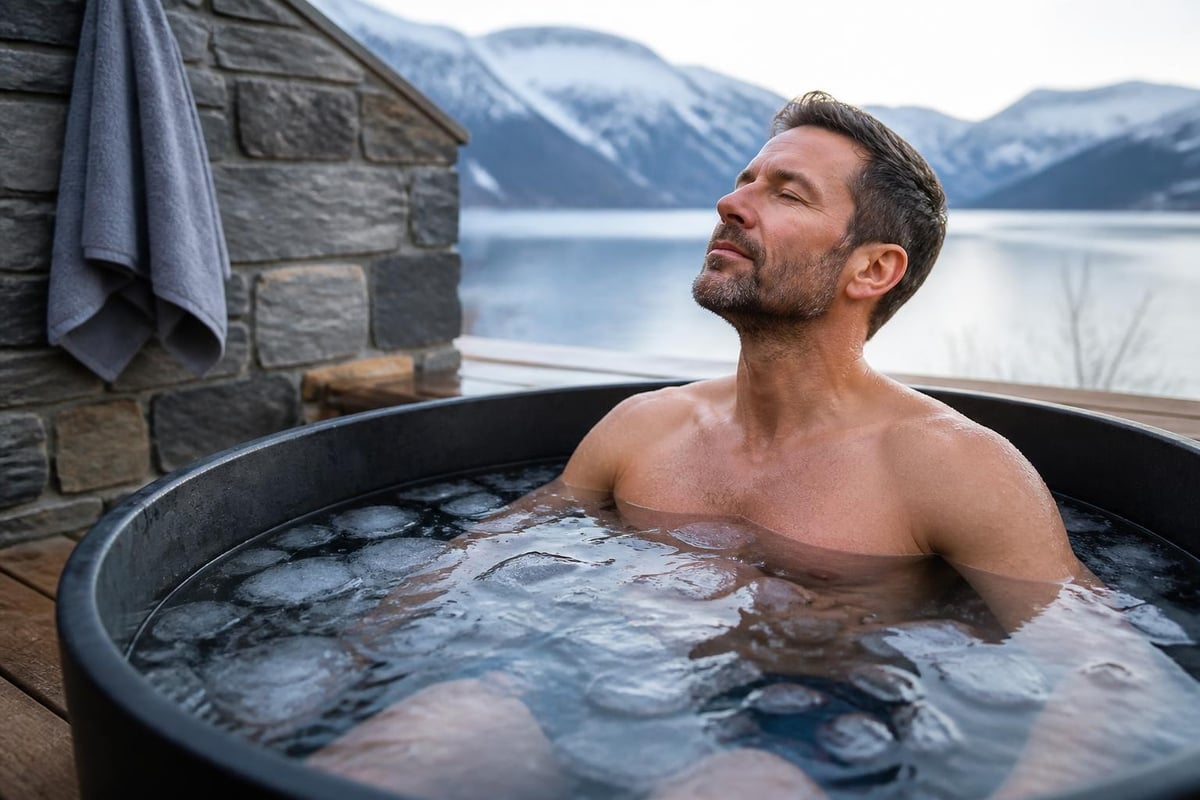
Neglecting water sanitation creates bacterial growth and equipment damage. Without proper filtration, cold plunge water requires complete changes every 1-2 weeks. Even with filtration, monthly water replacement and regular cleaning prevent biofilm buildup and maintain optimal conditions.
Use hydrogen peroxide or non-chlorine shock treatments specifically designed for cold plunge systems. Traditional pool chemicals can damage wood components and create harsh fumes in enclosed spaces.
Installation Considerations for Canadian Climates
Proper setup ensures year-round functionality and protects your investment from weather-related damage.
Outdoor Installations
Ground preparation prevents settling and structural stress. Create a level base using:
- Compacted gravel (4-6 inches deep)
- Patio pavers or concrete slab
- Reinforced deck structure rated for total weight
Ensure proper drainage slopes away from the tub. Standing water during freeze-thaw cycles damages surrounding structures and creates ice hazards. Position the tub with convenient access to electrical service and water supply while considering privacy and aesthetic integration with existing landscaping.
Wind protection significantly improves comfort during winter use. Natural barriers like hedges, strategic fence placement, or purpose-built screens reduce heat loss and create more pleasant conditions for pre- and post-plunge activities.
Indoor Setups
Floor load capacity becomes critical for indoor installations. A 100-gallon tub with water weighs approximately 1,200 pounds, concentrated in a small footprint. Basement concrete slabs typically handle this weight easily, but upper floors may require structural reinforcement.
Ventilation prevents moisture accumulation and protects building materials. Install exhaust fans or ensure adequate air circulation to remove humidity generated during use. Waterproof flooring prevents damage from splashing and dripping during entry and exit.
The Canadian-Made Advantage: LeisureCraft and Premium Manufacturing
Products manufactured in Canada specifically address the unique challenges of northern climates. Canadian craftsmanship in cold plunge construction reflects decades of experience with outdoor wellness products designed for extreme conditions.
For those seeking a premium option that combines Canadian manufacturing with proven durability, The Polar Plunge Tub - LeisureCraft offers professional-grade cold therapy built specifically for Canadian conditions. Manufactured with either 304 Stainless Steel or White HDPE plastic interiors paired with naturally durable White Cedar exteriors, it delivers recovery on your schedule without the need for gym memberships or spa appointments.
LeisureCraft's attention to detail includes pre-drilled drainage systems, weather-resistant hardware, and construction techniques that account for wood movement during seasonal temperature swings. Their manufacturing facilities in Ontario produce tubs that ship fully assembled or in modular sections, depending on size and access requirements.
Temperature Protocols and Recovery Strategies
Understanding how to structure your cold plunge practice maximizes benefits while minimizing risks.
Daily Recovery Protocol
For general wellness and recovery maintenance:
- Temperature: 50-55°F
- Duration: 3-5 minutes
- Frequency: 5-7 days per week
- Timing: Morning for energy, evening for sleep quality
This moderate approach provides consistent benefits without overtaxing your stress response systems. It's sustainable long-term and integrates easily into existing routines.
Intense Training Recovery
Following particularly demanding workouts or competitions:
- Temperature: 45-50°F
- Duration: 8-12 minutes
- Frequency: As needed (typically 2-4 times weekly)
- Timing: 4-6 hours post-workout for strength training, immediately after for endurance work
The colder temperature and extended duration address acute inflammation more aggressively, though this shouldn't become your daily standard due to potential adaptation interference.
Mental Clarity and Stress Management
When using cold therapy primarily for psychological benefits:
- Temperature: 42-48°F
- Duration: 3-6 minutes
- Frequency: 3-5 times weekly
- Timing: Morning sessions provide lasting mental sharpness
Focus on breathing and mindfulness during these sessions. The challenge of cold exposure trains stress resilience that transfers to other areas of life, improving emotional regulation and decision-making under pressure.
Frequently Asked Questions
How long should I stay in a cold plunge tub?
Beginners should start with 2-3 minutes and gradually progress to 8-11 minutes over several weeks. Most research-backed benefits occur within 3-5 minutes, making longer sessions unnecessary for general wellness. Listen to your body and exit if you experience excessive shivering, numbness, or mental fog.
What temperature should my cold plunge be?
Therapeutic benefits occur between 50-59°F for beginners and 39-50°F for experienced users. Temperatures below 39°F increase risk without proportional benefit increases. Start warmer and decrease temperature as adaptation occurs over weeks or months.
Can I use a cold plunge tub every day?
Yes, daily cold plunging is safe for most healthy individuals when practiced appropriately. Many users find 5-7 sessions weekly optimal for sustained benefits. Consider taking 1-2 rest days weekly if you notice increased fatigue, poor sleep quality, or elevated resting heart rate.
Do I need a chiller for cold plunge tubs Canada installations?
During winter months (November-March), many Canadian users maintain adequate cold temperatures without chillers through ambient air temperature. Summer months typically require mechanical cooling to stay below 60°F. Some users choose seasonal protocols, plunging naturally in winter and switching to contrast therapy or warm soaking in summer.
How much does it cost to run a cold plunge tub monthly?
Electricity costs range from $20-60 monthly depending on climate, chiller efficiency, target temperature, and local electricity rates. Winter operation costs significantly less in Canada due to reduced chiller runtime. Water costs remain minimal as tubs require changing only monthly or quarterly with proper maintenance.
What's the difference between cold plunge and ice bath?
Cold plunges use mechanically cooled or naturally cold water maintained at consistent temperatures (typically 39-55°F), while ice baths rely on adding ice to achieve temporary cold temperatures. Cold plunge tubs offer better temperature control, consistency, and convenience, though ice baths provide a more affordable entry point for experimenting with cold therapy.
Investing in a cold plunge tub represents a commitment to long-term wellness, recovery, and mental performance. The Canadian market offers exceptional options manufactured specifically for our climate, delivering durability and performance that justify the initial investment. Whether you're an athlete seeking competitive advantages through faster recovery, a wellness enthusiast exploring evidence-based health practices, or someone managing chronic inflammation and stress, the right cold plunge tub becomes an indispensable tool in your daily routine. Plunge N' Tubs provides premium cold plunge systems crafted from the highest quality Canadian wood, trusted by athletes and wellness professionals across North America with fast and free delivery to help you begin your cold therapy journey with confidence.
Share:
Cold Water Plunge Tank: Complete Buyer's Guide 2026
Wood Soaking Tubs: Complete 2026 Buyer's Guide