



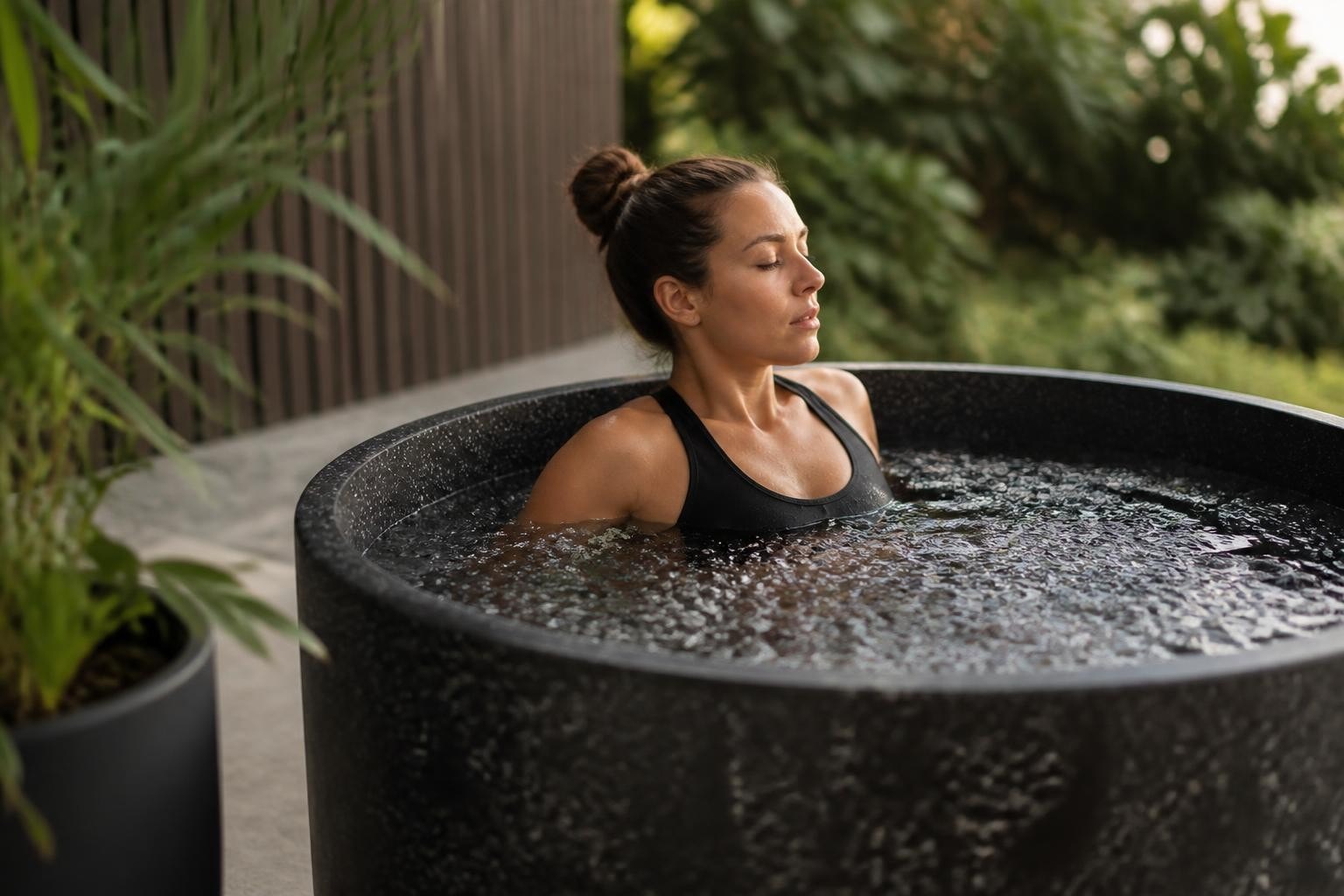
A cold water plunge tank has evolved from a luxury recovery tool used exclusively by professional athletes into an accessible home wellness system that delivers measurable health benefits. These specialized tubs maintain water temperatures between 37°F and 55°F, creating the optimal environment for cold water immersion therapy. Whether you're looking to reduce muscle soreness after training, improve circulation, or enhance mental resilience, understanding how these systems work will help you make an informed purchasing decision.
What Makes a Cold Water Plunge Tank Different from a Regular Tub
Standard bathtubs cannot maintain the consistent cold temperatures required for therapeutic cold exposure. A dedicated cold water plunge tank integrates temperature control systems that keep water cold without requiring constant ice refills.
The core difference lies in the cooling mechanism. Most modern units feature integrated chillers that circulate and cool water continuously, maintaining precise temperatures regardless of ambient conditions. This consistency delivers superior results compared to ice-filled alternatives.
Key Components of Professional-Grade Systems
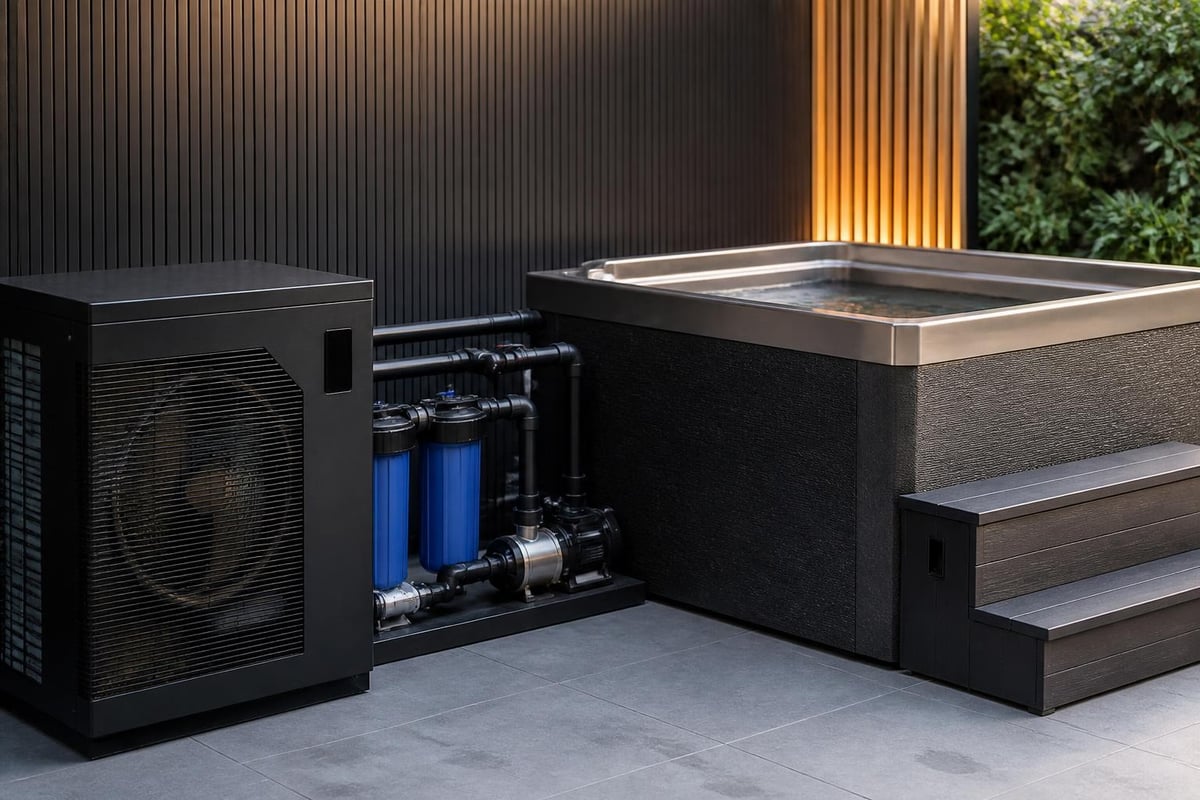
Every quality cold water plunge tank includes several essential elements:
- Integrated chiller unit with adjustable temperature controls
- Insulated walls to minimize heat transfer and reduce energy consumption
- Filtration system to maintain water quality between uses
- Durable construction materials designed for repeated thermal cycling
- Digital controls for precise temperature management
The construction quality directly impacts long-term performance. Premium materials like Eastern White Cedar or stainless steel resist degradation from constant exposure to cold water and chemicals. These materials also provide natural insulation properties that help maintain target temperatures more efficiently.
Health Benefits Backed by Research
Cold water immersion research continues to reveal measurable physiological responses that extend beyond simple muscle recovery. Regular use of a cold water plunge tank triggers adaptive responses throughout multiple body systems.
Physical Recovery and Performance
Cold exposure causes vasoconstriction, reducing blood flow to extremities and minimizing inflammation in damaged tissue. When you exit the cold water, vasodilation occurs, flooding tissues with fresh oxygenated blood that accelerates healing.
Athletes report reduced muscle soreness when incorporating cold plunges into their recovery routines. The temperature shock decreases metabolic activity in muscle tissue, limiting secondary tissue damage that occurs after intense training sessions.
Cardiovascular and Metabolic Impact
Regular cold exposure strengthens cardiovascular function through repeated vascular training. However, individuals with existing heart conditions should consult medical professionals before beginning cold plunge therapy, as cardiovascular risks exist for certain populations.
Cold immersion also activates brown adipose tissue, which generates heat through calorie burning. This metabolic activation may support weight management goals when combined with proper nutrition and exercise.
| Benefit Category | Typical Timeline | Research Support Level |
|---|---|---|
| Reduced muscle soreness | 24-48 hours post-exercise | Strong |
| Improved circulation | Immediate to 2 weeks | Moderate |
| Enhanced mood | Immediate to 30 minutes | Strong |
| Better sleep quality | 2-4 weeks consistent use | Moderate |
| Increased metabolic rate | 4-8 weeks regular use | Emerging |
Mental Health and Resilience
The psychological benefits of cold water immersion often surprise new users. The acute stress of cold exposure triggers endorphin release and activates the sympathetic nervous system, creating a natural mood elevation that persists for hours after a session.
Mental health research indicates that regular cold exposure builds stress resilience by training your body to manage acute stressors more effectively. This adaptation transfers to improved stress management in daily life situations.
Is a Cold Water Plunge Tank Worth the Investment?
The value equation depends on your specific circumstances and wellness goals. Cold water plunge tanks represent a significant upfront investment, typically ranging from $2,000 to $10,000 depending on features and construction quality.
Cost-Benefit Analysis for Home Use
Compare the investment against alternatives. Gym memberships with cold plunge access cost $100-$300 monthly. Spa appointments for cold therapy sessions run $50-$150 per visit. A home unit pays for itself within 12-24 months of regular use while providing unlimited access.
Recovery time also carries economic value. Athletes and active professionals who reduce injury downtime and maintain consistent training schedules often justify the investment through performance gains alone.
Who Benefits Most from Ownership
Specific user profiles gain maximum value from a cold water plunge tank:
- Competitive athletes requiring daily recovery protocols
- Fitness enthusiasts training 5-6 days weekly
- Individuals managing chronic inflammation or autoimmune conditions
- Biohacking enthusiasts optimizing multiple health markers
- Remote workers seeking accessible stress management tools
The convenience factor matters significantly. Having recovery therapy available in your home eliminates scheduling barriers and transportation time, dramatically increasing adherence rates compared to facility-based alternatives.
What to Look for When Buying a Cold Water Plunge Tank
Understanding key specifications helps you identify systems that match your requirements and budget constraints. Not all cold water plunge tank models deliver equivalent performance or durability.
Temperature Control Capabilities
Chiller power determines how quickly the system reaches target temperature and maintains it during use. Look for units with at least 1HP chillers for reliable performance. Higher-powered systems recover faster between sessions, critical for households with multiple users.
Temperature range matters for versatility. Quality systems offer adjustable settings from 37°F to 65°F, allowing you to customize cold exposure based on experience level and seasonal conditions. The Polar Plunge Tub exemplifies this flexibility, offering both stainless steel and HDPE interior options with precise temperature management for year-round outdoor use.
Construction Materials and Longevity
Material selection impacts both durability and user experience. Premium options include:
- Eastern White Cedar: Natural rot resistance, excellent insulation, aesthetically pleasing
- 304 Stainless Steel: Superior durability, easy maintenance, modern appearance
- HDPE Plastic: Budget-friendly, lightweight, good insulation properties
- Acrylic: Sleek finish, retains heat well, requires careful maintenance
Canadian-manufactured units often feature superior wood quality due to climate conditions that produce denser, more durable timber. This translates to longer lifespan and better thermal performance.
Filtration and Water Management
Maintaining water quality between plunge sessions requires effective filtration. Quality systems include multi-stage filtration that removes contaminants and reduces chemical requirements.
Consider maintenance frequency when evaluating options. Systems with larger filter cartridges and efficient circulation require less frequent servicing, reducing long-term ownership costs.
| Feature | Budget Models | Mid-Range Models | Premium Models |
|---|---|---|---|
| Chiller power | 0.5-0.75 HP | 1-1.5 HP | 1.5+ HP |
| Filtration stages | 1 | 2-3 | 3-4 |
| Insulation thickness | 1-2 inches | 2-3 inches | 3-4 inches |
| Warranty coverage | 1 year | 2-3 years | 3-5 years |
| Temperature precision | ±3°F | ±2°F | ±1°F |
Size and Installation Requirements
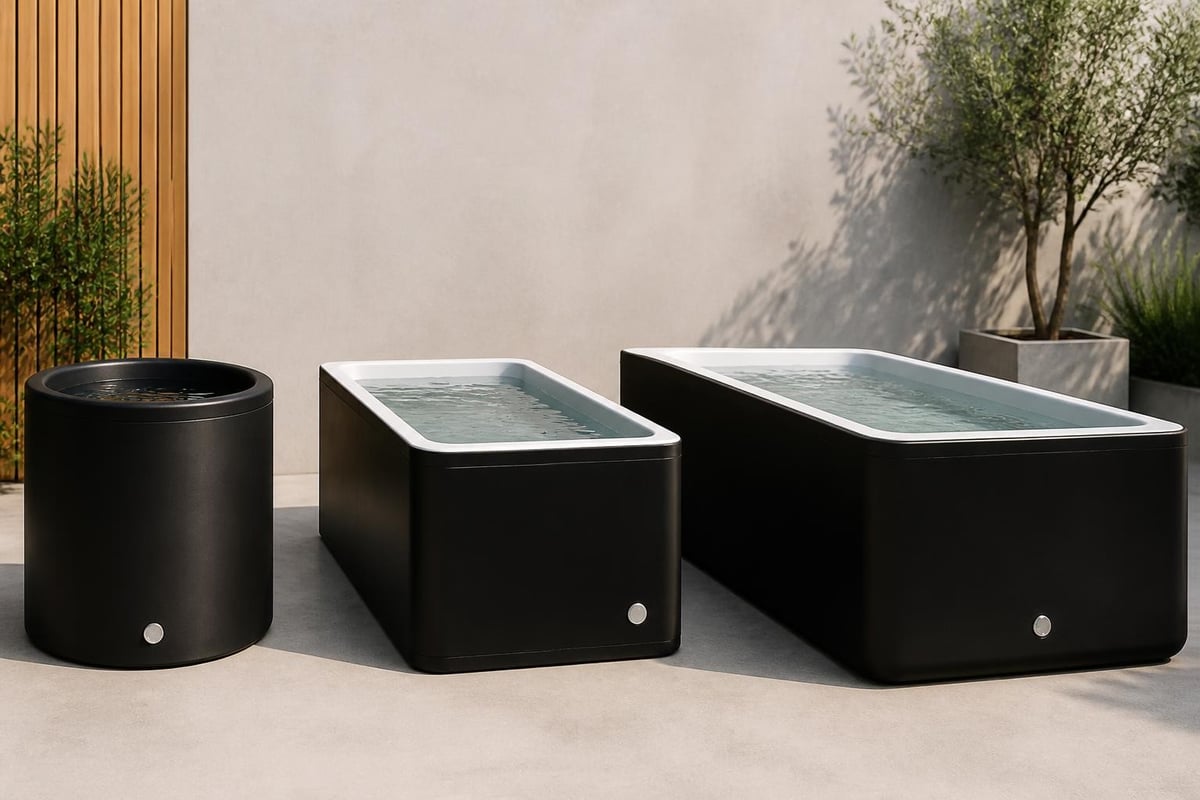
Measure your available space carefully before purchasing. Standard cold water plunge tank dimensions range from 4 feet to 8 feet in length. Smaller units work for individual use, while larger models accommodate taller users or multiple people.
Installation complexity varies significantly. Some units arrive fully assembled and require only electrical connection, while others need professional plumbing integration. Factor installation costs into your total budget.
Common Mistakes Beginners Make
New users consistently make several errors that diminish results or create safety concerns. Learning from these common pitfalls helps you maximize benefits while minimizing risks.
Starting Too Cold, Too Long
The most frequent mistake involves excessive initial exposure. Beginners often attempt professional-level protocols immediately, leading to negative experiences that discourage continued use.
Start with water temperatures around 60°F for 2-3 minutes maximum. This allows your body to adapt gradually to cold stress. Increase duration and decrease temperature slowly over 2-3 weeks as tolerance builds.
Ignoring Safety Considerations
Cold water immersion carries genuine risks when performed incorrectly. Safety guidelines emphasize controlled exposure and awareness of warning signs.
Never plunge alone, especially during early sessions. Have someone nearby who can assist if you experience difficulty exiting the tank or show signs of hypothermia. Learn to recognize dangerous symptoms:
- Uncontrolled shivering
- Confusion or disorientation
- Difficulty speaking clearly
- Loss of coordination
- Extreme skin discoloration
Neglecting Warm-Up Preparation
Entering a cold water plunge tank after sitting sedentary creates unnecessary cardiovascular stress. Light movement beforehand warms muscles and prepares your circulatory system for the temperature transition.
Five minutes of dynamic stretching or light cardio optimizes your physiological response and improves session comfort. This preparation also enhances the subsequent warming effect when you exit.
Inconsistent Practice Schedules
Benefits accumulate through regular exposure rather than occasional intense sessions. Sporadic use limits adaptive responses that produce long-term improvements in stress tolerance and recovery capacity.
Aim for 3-5 sessions weekly for optimal results. This frequency allows adequate recovery between exposures while maintaining stimulus consistency. Additional recovery insights can help you structure an effective protocol.
Who Should Buy a Cold Water Plunge Tank
Determining fit requires honest assessment of your wellness priorities, available space, and commitment level. A cold water plunge tank represents a significant lifestyle investment that delivers maximum value to specific user profiles.
Ideal Candidate Profiles
Athletes competing at any level gain measurable advantages from consistent cold exposure. The ability to perform recovery sessions immediately after training, without facility access delays, accelerates adaptation and reduces injury risk.
Wellness-focused individuals managing chronic inflammation conditions find cold therapy particularly valuable. The anti-inflammatory effects provide drug-free symptom management that complements medical treatment plans.
Busy professionals benefit from the mental clarity and stress resilience that regular cold exposure develops. The convenience of home access eliminates scheduling barriers that prevent facility-based therapy adherence.
When to Wait or Choose Alternatives
Several situations suggest delaying purchase or selecting alternative options:
- Limited space: Consider inflatable models for temporary setups
- Budget constraints: Start with ice bath protocols to test tolerance
- Medical contraindications: Certain conditions prohibit cold exposure
- Uncertain commitment: Rent or use facility access before investing
- Rental housing: Portable options prevent installation complications
Individuals new to cold therapy should experiment with simpler cold immersion methods before committing to a permanent installation. This testing period reveals whether you'll maintain consistent use that justifies the investment.
Setting Up Your Cold Water Plunge Tank for Success
Proper setup maximizes performance and extends equipment lifespan. Whether installing indoors or outdoors, attention to environmental factors prevents common problems.
Location Selection Criteria
Outdoor installations require level, stable surfaces with adequate drainage. Concrete pads or reinforced decking provide ideal foundations. Consider privacy, access to power sources, and protection from direct sunlight when selecting placement.
Indoor installations need waterproof flooring and sufficient ventilation to manage humidity. Basement locations work well due to cooler ambient temperatures that reduce chiller workload.
Electrical and Plumbing Considerations
Most cold water plunge tank systems require dedicated 220V electrical circuits for chiller operation. Hire licensed electricians for installation to ensure code compliance and safe operation.
Drainage planning prevents water damage during tank emptying. Direct drain connections simplify maintenance, while gravity drainage to suitable outdoor areas provides budget-friendly alternatives.
Temperature Programming Strategies
Program your chiller to maintain temperature continuously rather than cycling on demand. This approach ensures immediate readiness while reducing energy consumption compared to reheating protocols.
Seasonal adjustments optimize performance. Lower target temperatures in summer when ambient heat creates additional cooling demand. Slightly higher settings in winter reduce energy costs without sacrificing therapeutic benefits.
Maintenance and Operating Costs
Understanding ongoing expenses helps you budget accurately for long-term ownership. A cold water plunge tank requires regular maintenance and consumes electricity for cooling and filtration.
Monthly Operating Expenses
Electricity represents the primary recurring cost. Efficient units with quality insulation consume 50-150 kWh monthly depending on ambient temperature, usage frequency, and target water temperature. At average electricity rates, expect $10-$30 monthly.
Water treatment chemicals maintain sanitary conditions between water changes. Budget $15-$25 monthly for sanitizers, pH balancers, and clarifiers based on usage levels.
Filter replacements occur quarterly to annually depending on system design. Replacement filters cost $30-$80 per unit. Annual water changes add minimal expense, primarily involving time rather than materials.
Preventive Maintenance Tasks
Regular maintenance preserves performance and prevents costly repairs:
- Weekly: Test and adjust water chemistry
- Monthly: Clean filter cartridges or backwash systems
- Quarterly: Inspect seals and connections for leaks
- Annually: Deep clean tank interior and replace worn components
- Seasonally: Winterize outdoor units in freezing climates
Following manufacturer maintenance schedules typically extends equipment life beyond 10 years for quality systems. Neglecting routine care significantly shortens lifespan and increases repair frequency.
Frequently Asked Questions
How cold should my cold water plunge tank be?
Optimal therapeutic temperature ranges from 45°F to 55°F for most users. Beginners should start closer to 60°F and gradually decrease as tolerance builds. Temperatures below 40°F provide minimal additional benefit while increasing risk.
How long should I stay in a cold water plunge tank?
Duration depends on water temperature and experience level. Start with 2-3 minutes at warmer temperatures (55-60°F) and gradually work up to 5-10 minutes as adaptation occurs. Even experienced users rarely need sessions exceeding 15 minutes to achieve full benefits.
Can I use a cold water plunge tank every day?
Daily use is safe for most healthy individuals and often produces optimal results. However, listen to your body and reduce frequency if you experience excessive fatigue, sleep disturbances, or prolonged muscle soreness. Three to five sessions weekly provides excellent benefits for most users.
Do I need to drain and refill my cold water plunge tank regularly?
Proper filtration and chemical treatment allow water to remain usable for weeks or months between full changes. Most users drain and refill quarterly, though usage frequency and water quality testing determine actual intervals. Regular testing prevents bacterial growth between changes.
What's better for recovery: hot or cold water?
Research suggests different applications benefit from different approaches. Recent studies comparing heat and cold indicate heat may accelerate healing for certain injuries, while cold reduces acute inflammation more effectively. Many athletes alternate between hot and cold for contrast therapy benefits.
Are cold water plunge tanks safe for women?
Cold plunging provides benefits for all genders, though women may experience different effects related to hormonal fluctuations and body composition differences. Women should monitor how cold exposure affects menstrual cycles and adjust protocols accordingly. Pregnant women should avoid cold plunging without medical approval.
How much does a quality cold water plunge tank cost?
Entry-level units start around $2,000, mid-range systems cost $4,000-$7,000, and premium installations exceed $10,000. Price correlates with construction quality, chiller power, filtration sophistication, and additional features. Canadian-manufactured models using premium materials typically command higher prices but offer superior longevity.
A cold water plunge tank transforms home wellness routines by providing consistent access to therapeutic cold exposure that supports recovery, reduces inflammation, and builds mental resilience. Understanding what to look for in construction quality, temperature control, and long-term maintenance requirements helps you select a system that matches your specific needs and budget. Plunge N' Tubs offers premium cold plunge systems crafted from the highest quality Canadian wood, delivering professional-grade recovery experiences with fast and free delivery across North America for athletes and wellness enthusiasts ready to elevate their performance.
Share:
Commercial Ice Baths: Ultimate Buying Guide for 2026
Cold Plunge Tubs Canada: Complete 2026 Buying Guide