



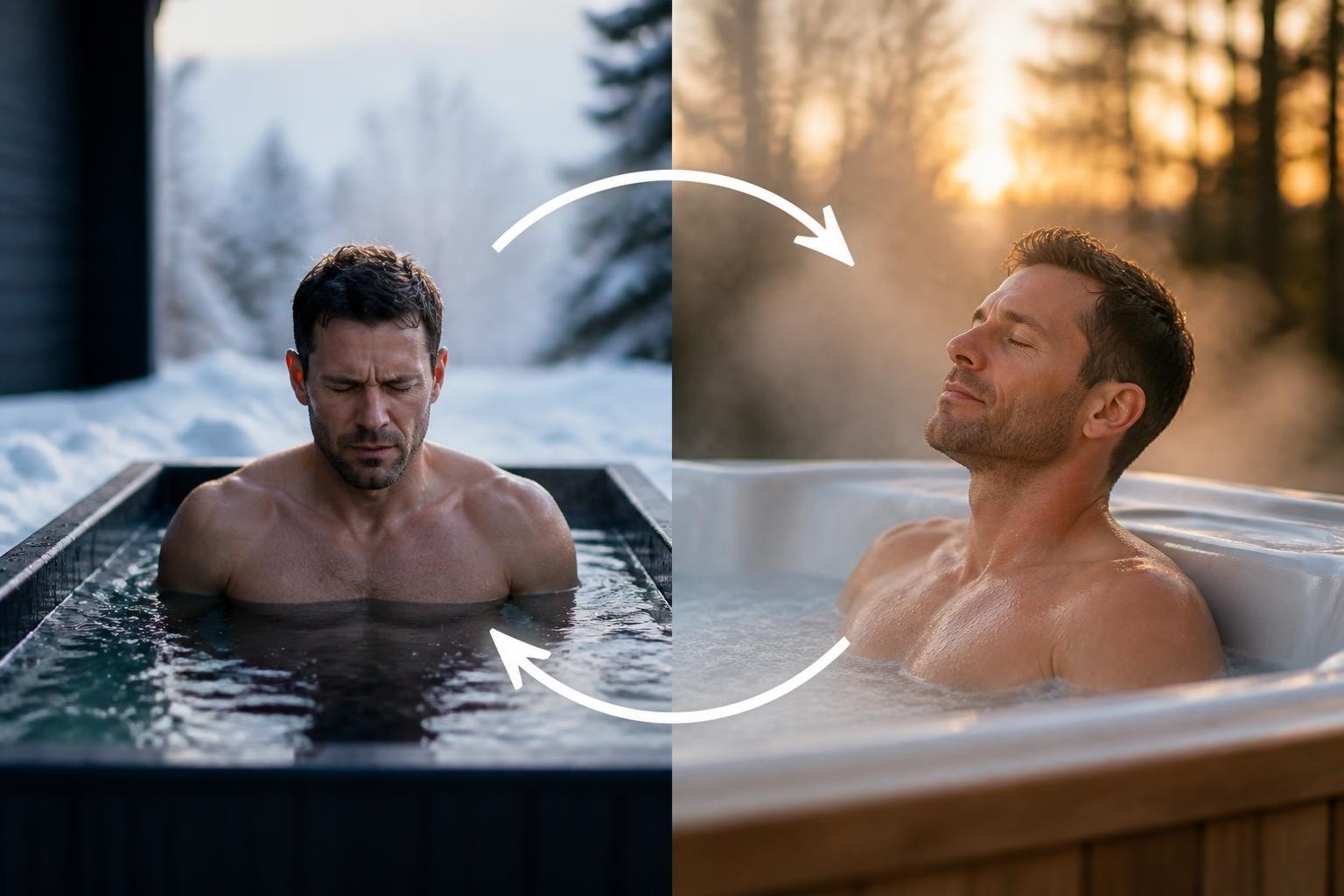
Contrast therapy, commonly known as hot cold plunge therapy, has evolved from an elite athlete recovery tool into a mainstream wellness practice embraced by health enthusiasts across North America. This method alternates between cold water immersion and hot water exposure, creating a powerful physiological response that enhances recovery, reduces inflammation, and improves overall well-being. Whether you're training for a marathon or simply looking to elevate your daily wellness routine, understanding the science and practice of hot cold plunge therapy will help you make informed decisions about integrating this powerful modality into your lifestyle.
What Makes Hot Cold Plunge Therapy Different
The hot cold plunge method leverages the body's natural response to temperature extremes. When you immerse yourself in cold water, blood vessels constrict, pushing blood toward your core organs. Switching to hot water causes vasodilation, where vessels expand and blood flows back to your extremities. This pumping action creates what researchers call the "vascular flush," which helps remove metabolic waste and deliver fresh oxygen to tissues.
Unlike single-temperature therapies, contrast bathing creates a dynamic recovery environment. The temperature shift triggers multiple beneficial responses simultaneously.
Key physiological benefits include:
- Enhanced circulation and lymphatic drainage
- Reduced muscle soreness and inflammation markers
- Improved nervous system regulation
- Accelerated recovery between training sessions
- Mental clarity and stress reduction
According to research highlighted by Harvard Health, cold water immersion shows promise for reducing muscle soreness and improving mood, though scientists continue studying optimal protocols.
The Science Behind Temperature Contrast
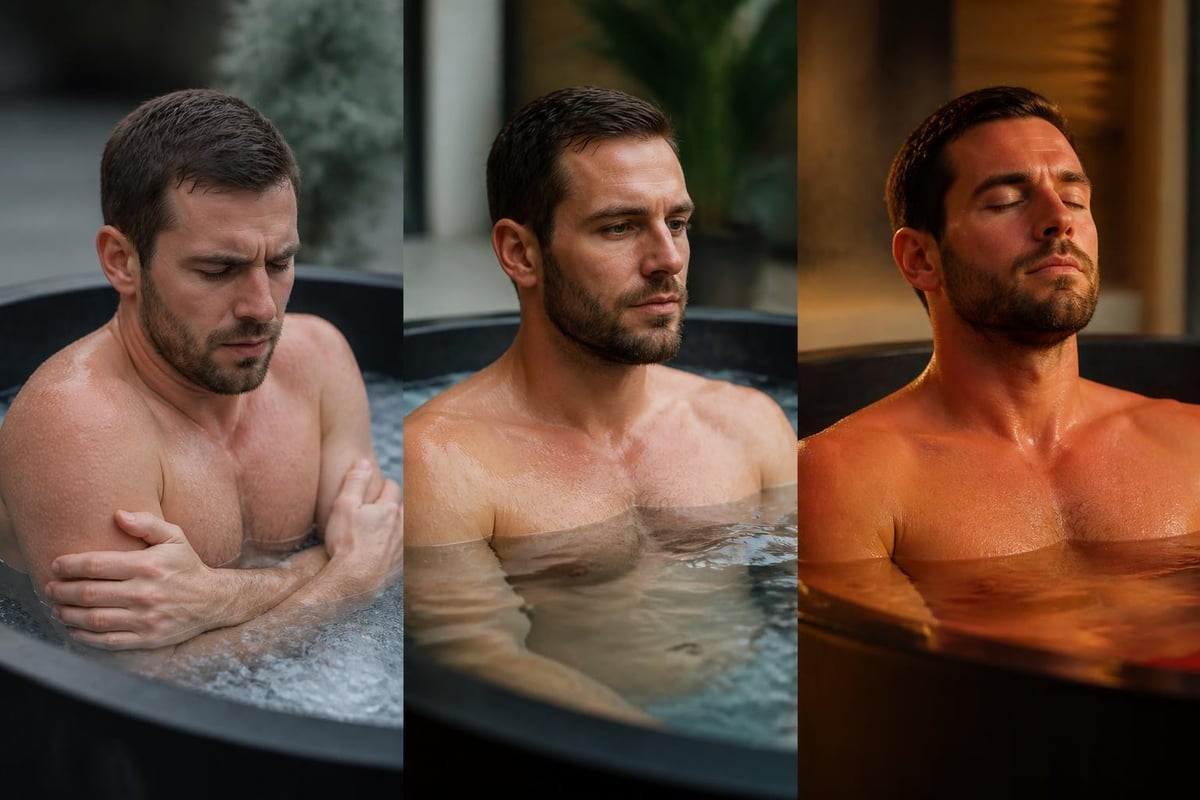
Your body interprets rapid temperature changes as a controlled stressor, activating adaptive mechanisms that strengthen resilience. Cold exposure stimulates norepinephrine release, a neurotransmitter linked to focus and alertness. Heat exposure activates heat shock proteins, which help cells repair damage and maintain function under stress.
Research timing typically suggests 3-5 minutes in cold water (50-59°F) followed by 10-15 minutes in hot water (100-104°F). This ratio allows sufficient cold stimulus without excessive stress while giving heat time to promote deep relaxation.
The contrast between temperatures matters more than absolute cold or heat levels. Even moderate temperature differences create beneficial effects, making this practice accessible to beginners who might find extreme temperatures intimidating initially.
Is Hot Cold Plunge Therapy Worth It?
For most people investing in wellness and recovery, contrast therapy delivers measurable returns. Professional athletes have used this method for decades, but the benefits extend far beyond elite performance. Anyone experiencing muscle tension, poor sleep quality, or high stress levels may find significant value.
Financial considerations:
| Investment Type | Upfront Cost | Monthly Cost | Convenience |
|---|---|---|---|
| Gym/spa access | $0-500 | $100-300 | Limited hours |
| Home system | $3,000-8,000 | $30-80 utilities | 24/7 access |
| Ice + bathtub | $0-200 | $20-40 ice | Manual setup |
A cold plunge system paired with a hot tub provides unlimited access without recurring membership fees or schedule constraints. For dedicated users, home systems typically pay for themselves within 18-24 months compared to spa memberships.
Beyond financial metrics, consider the convenience factor. Having equipment at home eliminates travel time, waiting for equipment, and working around facility hours. You can integrate sessions into your morning routine, post-workout recovery, or evening wind-down ritual.
Who Should Invest in Hot Cold Plunge Systems
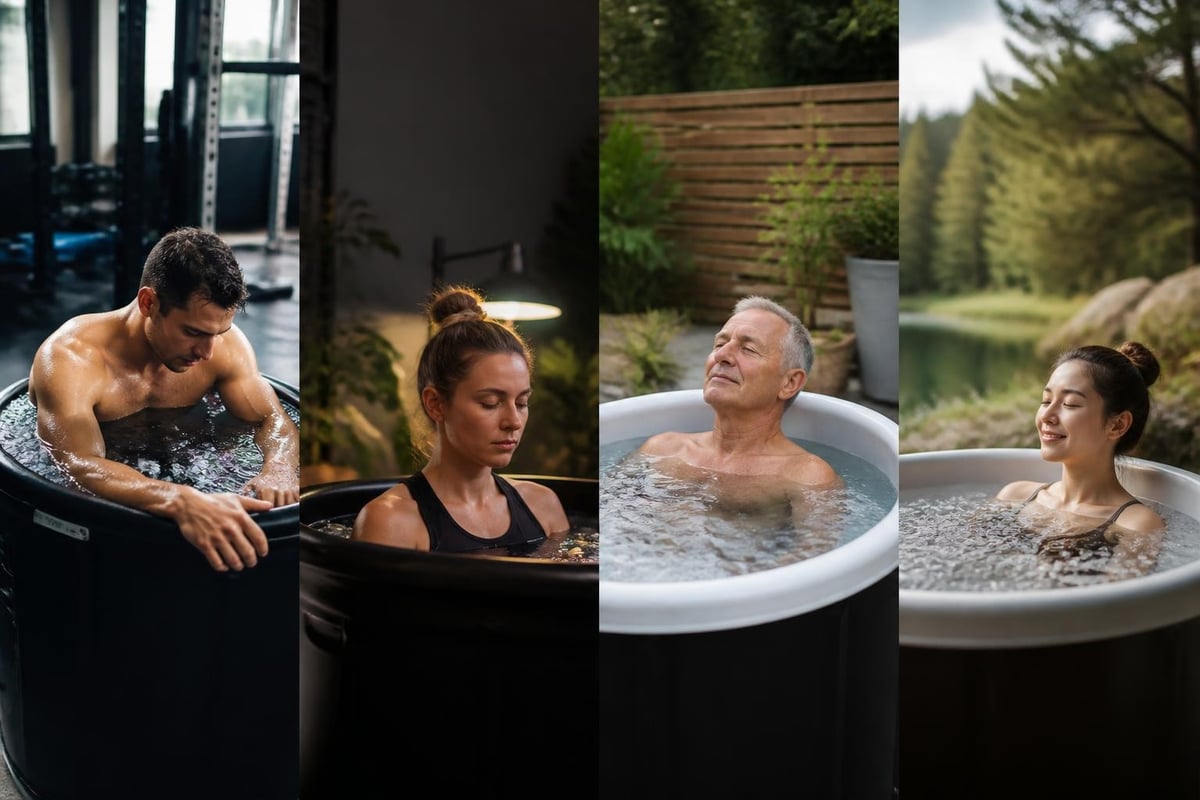
This therapy benefits specific groups particularly well. Athletes and fitness enthusiasts recovering from intense training see faster muscle recovery and reduced delayed-onset muscle soreness. Cleveland Clinic notes that cold plunges may help with muscle recovery and mood, though individuals should understand both benefits and risks.
Ideal candidates include:
- Endurance athletes managing high training volumes
- Strength trainers seeking faster recovery between sessions
- Individuals with chronic inflammation or joint discomfort
- High-stress professionals needing mental reset tools
- Wellness enthusiasts optimizing sleep and recovery
People with cardiovascular conditions should consult physicians before starting hot cold plunge therapy. The rapid temperature changes create cardiovascular stress that healthy individuals handle well but may pose risks for those with heart conditions, as Harvard Health advises regarding cold plunges and heart health.
What to Look for When Buying a Cold Plunge and Hot Tub System
Quality construction determines whether your investment lasts five years or fifteen. Premium materials withstand temperature extremes, outdoor conditions, and regular use without degrading. Canadian-sourced cedar offers natural durability and resistance to moisture, making it an excellent choice for both hot and cold applications.
Material Quality and Construction
Essential construction features:
- Food-grade stainless steel or HDPE interiors
- Eastern White Cedar or premium rot-resistant wood exteriors
- Marine-grade hardware resistant to corrosion
- Proper insulation for temperature maintenance
- Quality seals preventing leaks
Systems manufactured in North America typically meet stricter quality standards than imported alternatives. Canadian-made units benefit from craftsmanship traditions and access to superior wood sources.
For cold plunge specifically, look for systems compatible with chillers or designed for ice use. The Polar Plunge Tub offers both 304 stainless steel and white HDPE interior options, built with Canadian White Cedar that handles year-round outdoor use. This versatility means you can start with ice and upgrade to a chiller system as your practice evolves.
Size, Placement, and Practical Considerations
| Consideration | Cold Plunge | Hot Tub | Notes |
|---|---|---|---|
| Typical size | 4-6 ft length | 6-8 ft diameter | Plan for access space |
| Water capacity | 100-200 gallons | 300-500 gallons | Affects heating/cooling time |
| Power requirements | 110V (chiller) | 220V or wood-fired | Check electrical capacity |
| Placement | Indoor/outdoor | Outdoor preferred | Consider privacy, drainage |
Space planning extends beyond unit dimensions. Account for entry/exit areas, equipment access for maintenance, and proper drainage. Outdoor installations need level surfaces and consideration for seasonal weather impacts.
Water quality management differs between hot and cold systems. Cold water below 60°F inhibits bacterial growth, requiring less chemical treatment than hot tubs. However, you'll still need basic filtration and occasional cleaning to maintain hygiene.
For those starting their journey into cold therapy, exploring portable cold plunge options can provide flexibility before committing to permanent installations.
Setting Up Your Hot Cold Plunge Routine
Effective contrast therapy follows structured protocols that maximize benefits while minimizing risks. Start conservatively and build tolerance over time. Your first sessions should focus on adapting to temperature extremes rather than pushing limits.
Beginner Protocol
Week 1-2 baseline routine:
- Begin with warm water (85-90°F) for 5 minutes
- Transition to cool water (65-70°F) for 1-2 minutes
- Return to warm water for 5 minutes
- Repeat cycle 2-3 times
- Always end on warm to avoid excessive cooling
This gentle introduction lets your body adapt to temperature cycling without shock. As WebMD explains about cold plunge practices, proper technique matters for safety and effectiveness.
After two weeks of consistent practice, progressively lower cold temperatures and extend duration. Advanced practitioners typically reach 50-55°F for 3-5 minutes, but this takes time to develop tolerance.
Advanced Optimization Strategies
Timing your sessions strategically enhances specific benefits. Morning sessions boost alertness and metabolism, while evening sessions can improve sleep quality despite seeming counterintuitive. The key lies in allowing 2-3 hours between your final cold exposure and bedtime.
Timing considerations:
- Post-workout: Wait 4-6 hours to preserve strength adaptations
- Morning energy: Start with cold, end with warm
- Evening relaxation: Emphasize longer heat exposure
- Injury recovery: Focus on affected areas with targeted contrast
- Mental performance: Quick cold exposure for immediate alertness
Breathing technique amplifies results. Practice controlled breathing during cold immersion rather than gasping or hyperventilating. Slow, deliberate breaths through the nose help maintain composure and maximize parasympathetic nervous system benefits.

Common Mistakes Beginners Make
New practitioners often undermine results through avoidable errors. Understanding these pitfalls helps you maximize your investment and avoid frustration or injury.
Temperature and Duration Errors
The most common mistake involves starting too aggressively. Jumping into 40°F water for extended periods creates excessive stress rather than beneficial adaptation. Your body needs time to develop cold tolerance and cardiovascular resilience.
Frequent beginner errors:
- Staying in cold water until shivering uncontrollably
- Making water too hot (above 104°F risks cardiovascular strain)
- Irregular practice preventing adaptation
- Skipping warm-up phases before cold exposure
- Not hydrating adequately before and after sessions
Temperature verification matters more than subjective feel. Invest in a reliable thermometer for both your cold plunge and hot tub. Water temperature affects your body differently than air temperature, and accuracy ensures safety.
Recovery and Progression Issues
Pushing too hard too fast creates burnout or negative associations. Some people force themselves through miserable sessions, thinking suffering equals results. While contrast therapy involves discomfort, it shouldn't feel punishing.
Listen to your body's signals. Excessive fatigue, prolonged shivering, numbness, or dizziness indicate you've exceeded appropriate limits. Back off intensity and rebuild gradually.
According to research discussed in The Atlantic, while cold plunging has historical roots and psychological appeal, practitioners should maintain realistic expectations about health claims and focus on proven benefits.
Maintenance and Long-Term Care
Quality systems require minimal maintenance but benefit from consistent basic care. Proper upkeep preserves your investment and ensures optimal performance for years.
Water Quality Management
Cold water systems need less intensive treatment than hot tubs. Temperatures below 60°F naturally inhibit bacterial and algae growth. However, basic filtration and periodic water changes maintain clarity and hygiene.
Cold plunge maintenance schedule:
| Task | Frequency | Purpose |
|---|---|---|
| Check water clarity | Daily | Visual quality assessment |
| Test sanitizer levels | Weekly | Maintain safe levels |
| Full water change | Monthly | Reset water chemistry |
| Filter cleaning | Bi-weekly | Maintain flow and efficiency |
| System deep clean | Quarterly | Remove buildup |
Hot tubs require more active management due to higher temperatures promoting microbial growth. Regular sanitizer monitoring, pH balancing, and filtration cleaning become essential weekly tasks.
Wood and Hardware Care
Cedar exteriors develop natural patina over time, which actually enhances weather resistance. Avoid power washing or harsh chemicals that strip protective oils. Gentle cleaning with mild soap and water maintains appearance without damage.
Inspect hardware seasonally for corrosion or loosening. Marine-grade components resist rust better than standard fasteners, but exposure to chemicals and moisture still causes gradual wear. Tightening connections and applying protective coatings as needed prevents small issues from becoming major repairs.
Systems designed for year-round outdoor use, like those built from Eastern White Cedar, naturally withstand temperature cycling and moisture exposure better than softwoods or composite materials.
Frequently Asked Questions
How long should I stay in each temperature during a hot cold plunge session?
Standard protocols recommend 3-5 minutes in cold water followed by 10-15 minutes in hot water. Beginners should start with shorter cold exposures (1-2 minutes) and build tolerance gradually. Always end sessions with warm water to avoid excessive core cooling.
Can I do hot cold plunge therapy every day?
Most people benefit from 3-5 sessions weekly. Daily practice works well for experienced users, but beginners should start with 2-3 sessions per week, allowing recovery days between. Listen to your body and reduce frequency if you experience excessive fatigue or disrupted sleep.
What temperature should my cold plunge be?
Effective cold therapy typically ranges from 50-59°F. Beginners can start warmer (60-65°F) and progressively lower temperatures. Anything below 50°F provides minimal additional benefit while increasing risk, especially for newer practitioners.
Do I need a chiller for my cold plunge or can I use ice?
Both methods work effectively. Ice provides flexibility and lower initial investment but requires regular purchases and manual preparation. Chillers offer consistent temperature control and convenience, making them preferable for dedicated daily practice. Many users start with ice and upgrade to chillers as their practice becomes established. If you're looking for a system that accommodates both approaches, The Polar Plunge Tub delivers professional-grade construction that works with either ice or electric chillers, giving you flexibility as your needs evolve.
Is contrast therapy safe for people with high blood pressure?
Individuals with cardiovascular conditions should consult healthcare providers before starting. The rapid temperature changes create blood pressure fluctuations that healthy individuals tolerate well but may pose risks for those with existing heart conditions or uncontrolled hypertension.
How much does it cost to run a home hot cold plunge system?
Operational costs depend on your setup. Wood-fired hot tubs have minimal utility costs beyond wood purchase ($30-50 monthly). Electric chillers for cold plunges typically add $40-80 monthly to electricity bills. For those interested in traditional heating methods, exploring hot tub options can provide energy-efficient alternatives. Total monthly operating costs usually range from $70-130 for combined hot and cold systems.
What's the best time of day for hot cold plunge sessions?
Timing depends on your goals. Morning sessions boost energy and mental clarity for the day ahead. Post-workout sessions aid recovery but should wait 4-6 hours after strength training to preserve muscle adaptation. Evening sessions can improve sleep quality when completed 2-3 hours before bedtime, allowing core temperature to normalize.
Hot cold plunge therapy offers scientifically supported benefits for recovery, inflammation reduction, and overall wellness when practiced consistently and safely. Whether you're an athlete optimizing performance or a wellness enthusiast seeking daily resilience tools, contrast therapy delivers measurable results that justify the investment. Plunge N' Tubs provides premium Canadian-crafted systems designed for durability and performance, with fast and free delivery across North America to help you start your contrast therapy journey at home.
Share:
Flow Plunge: Complete Guide to Cold Therapy at Home
Cold Spas: Benefits, Buyer's Guide & Expert Tips