



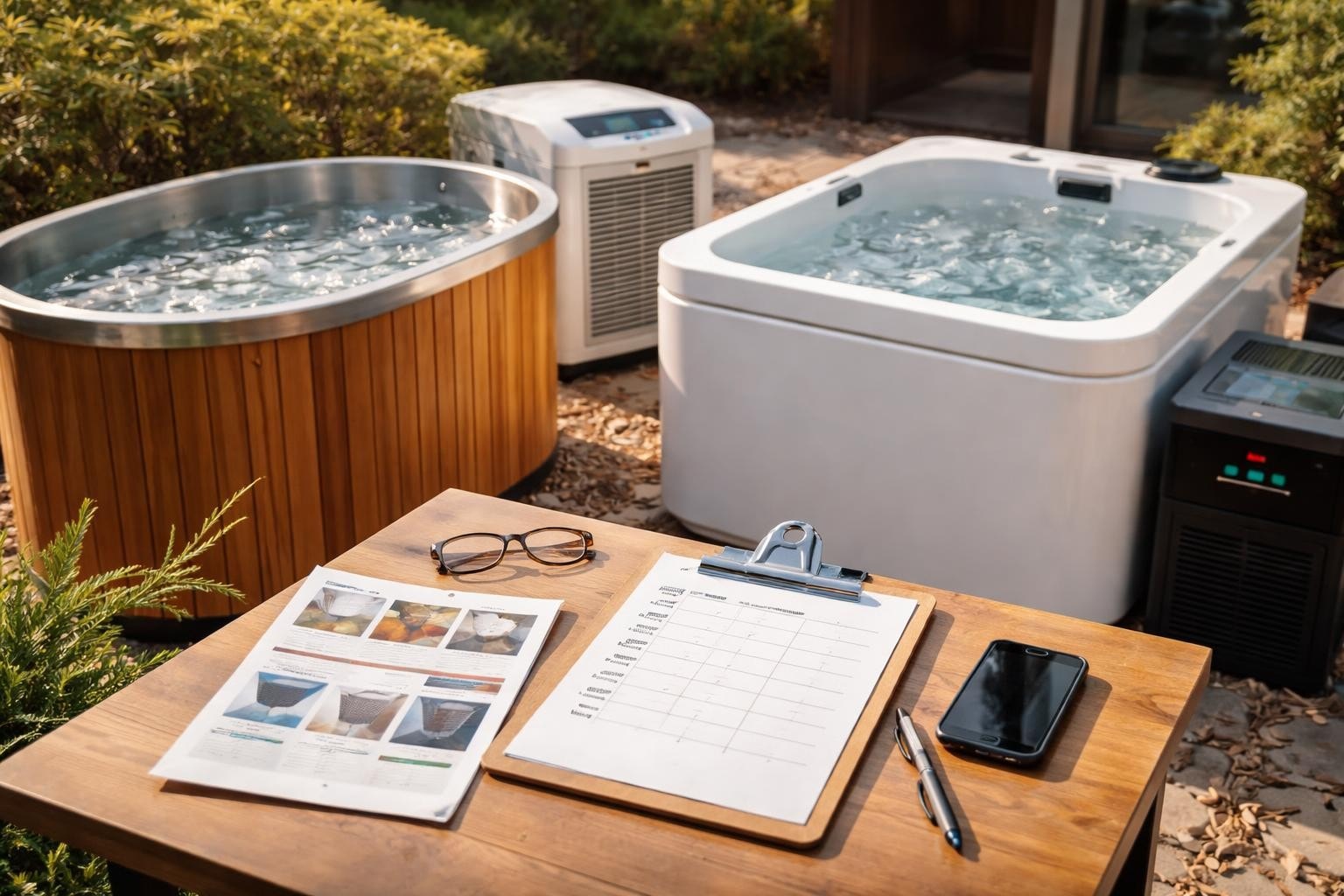
The cold plunge market has exploded in 2026, with more options available than ever before. Whether you're an athlete searching for faster recovery, a biohacker optimizing performance, or simply someone who wants better sleep and mental clarity, finding the right cold tub for sale requires understanding what separates premium systems from budget models. This guide walks you through everything you need to know before making a purchase, from essential features to common pitfalls that waste money.
What Makes Cold Plunge Therapy Worth the Investment?
Cold water immersion has moved from elite athletic facilities into home wellness routines for good reason. The physiological benefits are backed by growing research, though it's important to separate proven effects from marketing hype.
Proven Benefits of Regular Cold Exposure:
- Reduced muscle soreness and faster recovery after intense training
- Decreased inflammation throughout the body
- Improved circulation and cardiovascular function
- Enhanced mood and mental resilience
- Better sleep quality and deeper rest cycles
According to research highlighted by Runner's World, regular cold plunging may reduce inflammation markers and improve sleep quality. The practice triggers a cascade of hormonal responses that benefit both physical recovery and mental health.
The Real-World Impact on Your Routine
When you own a cold tub, you're not just buying equipment. You're investing in daily access to a recovery tool that professional athletes pay thousands for annually at training facilities.
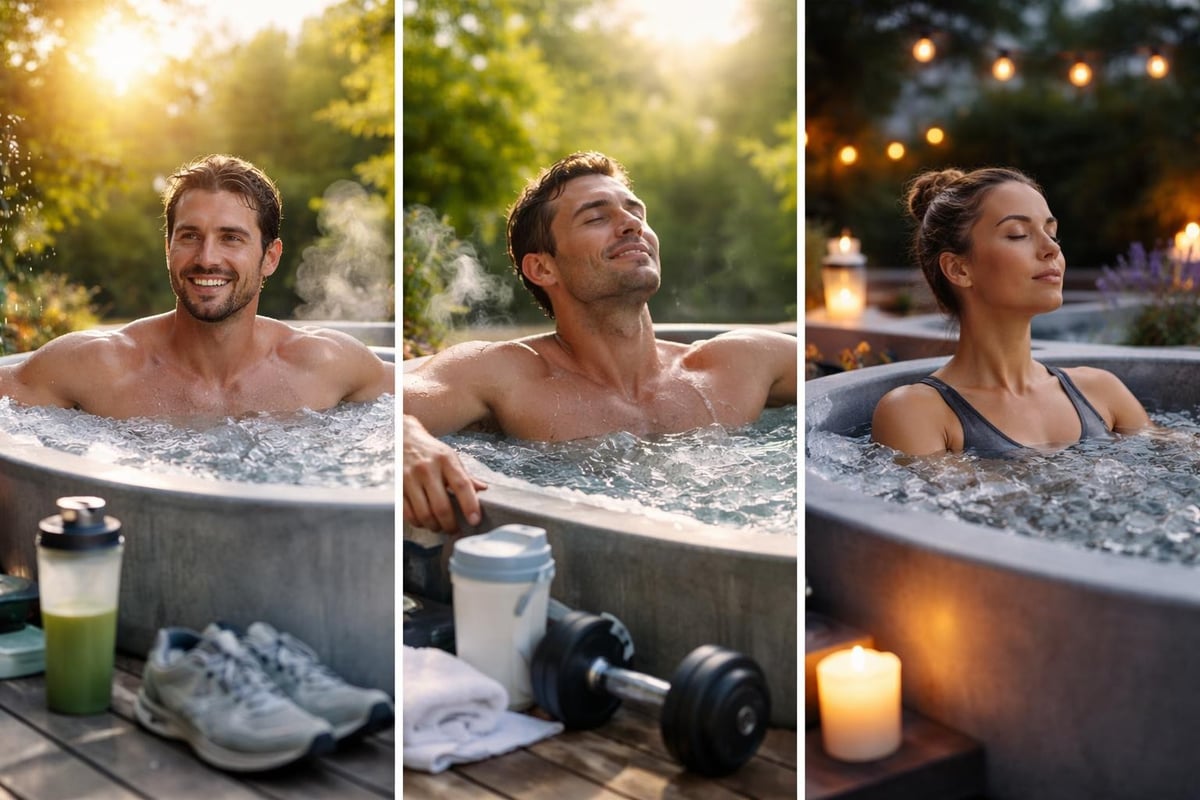
Instead of scheduling appointments or driving to wellness centers, you step outside and immerse yourself whenever your body needs it. Morning plunges increase alertness and energy. Post-workout sessions reduce soreness and speed recovery. Evening dips improve sleep quality.
Is Buying a Cold Tub for Sale Actually Worth It?
This question deserves a honest answer. Cold plunge tubs represent a significant investment, typically ranging from $3,000 to $15,000 depending on features and build quality.
Calculate Your Break-Even Point:
If you currently pay for gym memberships with cold plunge access ($100-200/month), recovery services at sports facilities ($50-150/session), or regular cryotherapy treatments ($45-75/session), a home cold tub pays for itself within 12-24 months.
Beyond financial savings, consider the convenience factor. Most people who rely on facilities only use cold therapy 1-2 times weekly due to scheduling constraints. Home ownership typically increases usage to 4-7 times weekly, multiplying the benefits.
Who Should Buy This?
Not everyone needs a cold tub. The investment makes the most sense for specific groups who will maximize its use and benefits.
Ideal Buyers Include:
- Serious athletes training 4+ days weekly who need consistent recovery
- CrossFit, running, or cycling enthusiasts with regular muscle soreness
- Biohackers optimizing performance, sleep, and longevity
- People with chronic inflammation or joint pain seeking natural relief
- Wellness professionals or coaches who practice what they teach
- Anyone currently spending $100+ monthly on recovery services
If you're curious but only plan to use it occasionally, start with ice baths in your regular tub. If you find yourself doing that consistently for 2-3 months, then investing in dedicated equipment makes sense.
What to Look for When Buying a Cold Plunge Tub
Shopping for a cold tub for sale means navigating dozens of options with wildly different quality levels. Focus on these critical factors that determine long-term satisfaction.
Chiller System Quality and Capacity
The chiller is the heart of any premium cold plunge system. It determines whether you maintain consistent temperatures or constantly add ice.
| Chiller Feature | Budget Models | Premium Models |
|---|---|---|
| Cooling Power | 1/4 - 1/2 HP | 1 HP or higher |
| Temperature Range | 50-60°F only | 37-108°F full range |
| Maintenance Cycle | Manual/frequent | Self-cleaning systems |
| Energy Efficiency | High operating cost | Optimized consumption |
| Noise Level | Often loud | Whisper-quiet operation |
A quality 1HP chiller maintains water between 37-42°F regardless of ambient temperature. This consistency matters because therapeutic benefits increase at colder temperatures, and you won't waste time managing ice.
Material Construction and Durability
The material determines how long your investment lasts and how well it handles outdoor conditions.
Premium Wood Construction:
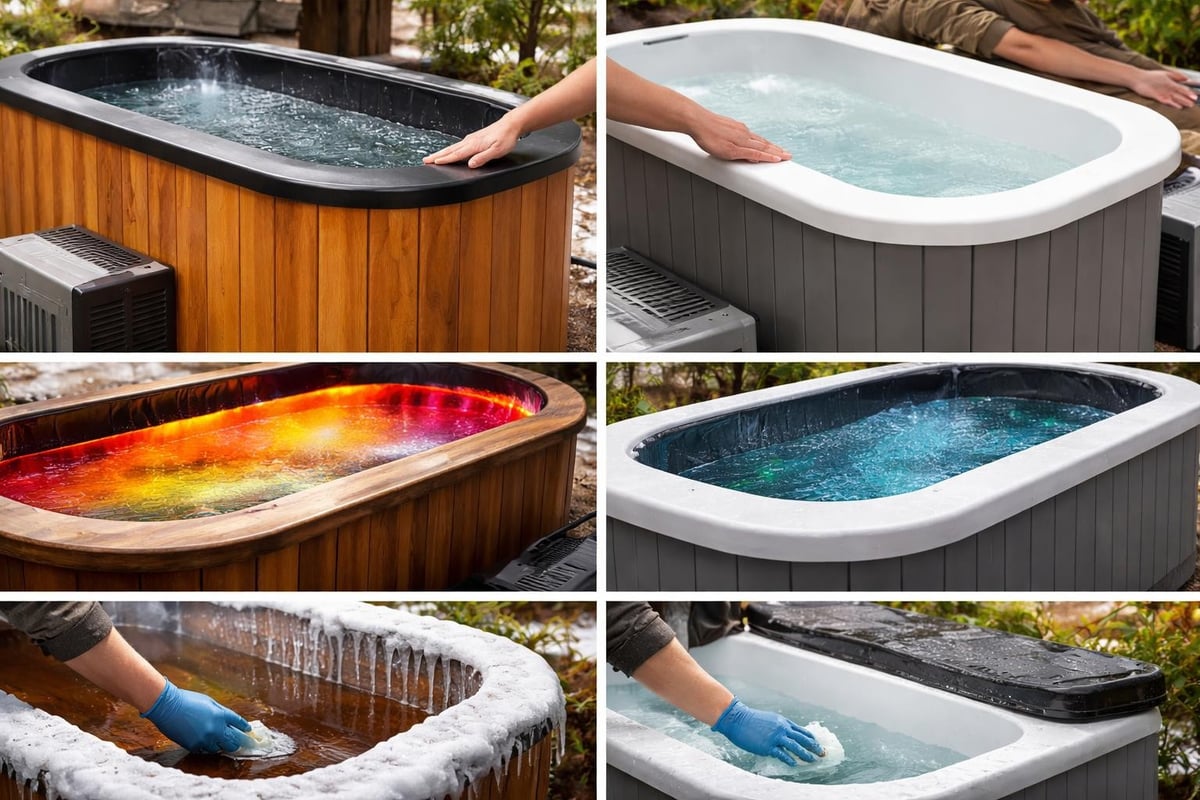
Cedar and other quality woods from Canada offer natural durability and weather resistance. They look beautiful in outdoor spaces and age gracefully when properly maintained. Wood requires occasional sealing but provides superior insulation compared to plastic.
Modern Acrylic Systems:
Premium acrylic provides sleek aesthetics with minimal maintenance. Quality acrylic resists UV damage and temperature fluctuations better than cheaper plastics. These systems often integrate seamlessly with modern home designs.
When you're browsing cold plunge options, pay attention to material thickness and construction methods. Cheap plastics crack in cold climates, while premium materials handle extreme temperatures for years.
Size and Capacity Considerations
Cold tubs range from compact single-person models to larger family-sized systems. Your space and usage patterns determine the right size.
Standard Dimensions:
- Compact: 50-60 gallons, suitable for one person, fits on small patios
- Medium: 75-100 gallons, comfortable single-person immersion with movement
- Large: 125+ gallons, accommodates taller users or multiple people
Deeper is often better than wider. You want full shoulder immersion to maximize vagus nerve stimulation and overall benefits. Measure your available space carefully, accounting for electrical connections and drainage access.
Filtration and Water Management
Quality filtration systems keep water clean for weeks or months between changes, saving time and money.
Look for systems with multi-stage filtration, ozone or UV sanitization, and easy-access filter compartments. The best systems require minimal chemical treatment and maintain crystal-clear water with simple weekly maintenance.
Common Mistakes Beginners Make When Shopping
First-time buyers often focus on the wrong factors, leading to regret and wasted money. Avoid these common pitfalls.
Choosing the Cheapest Option Available
Budget cold plunge systems under $2,000 typically lack adequate chillers, use thin plastic materials, and fail within the first year. The apparent savings disappear when you're constantly buying ice or replacing broken components.
According to Healthline's analysis of cold plunge benefits, consistent temperature control is essential for therapeutic effects. Cheap systems can't maintain this consistency.
Red Flags in Budget Systems:
- No integrated chiller or weak cooling capacity
- Thin plastic construction that cracks in cold weather
- Limited or no warranty coverage
- Poor insulation requiring constant energy use
- Minimal filtration leading to dirty water
Ignoring Space and Installation Requirements
Many buyers order a cold tub before confirming they have adequate electrical capacity or suitable placement locations. Most quality chillers require dedicated 20-amp circuits and GFCI protection.
Outdoor placement needs level ground, drainage solutions, and protection from extreme weather. Indoor installations require waterproofing and ventilation planning. Measure twice, order once.
Overlooking Long-Term Operating Costs
Purchase price is just one factor. Calculate monthly electricity costs (typically $30-80 depending on climate and insulation), water treatment supplies ($10-30), and maintenance requirements.
Premium systems with better insulation and efficient chillers cost more upfront but save hundreds annually in operating expenses. Over a 5-year ownership period, this difference compounds significantly.
Buying Before Experiencing Cold Therapy
If you've never done cold plunges regularly, start with ice baths or facility access before investing thousands. Some people love the practice immediately. Others need weeks to adapt and appreciate the benefits.
Try cold exposure for 30 days first. If you're still committed and using it regularly, then invest in home equipment. This approach prevents expensive impulse purchases that gather dust.
Key Features That Separate Premium from Budget Models
When comparing different cold tub for sale listings, certain features indicate serious quality and engineering versus basic functionality.
Temperature Control Precision
Premium systems maintain temperatures within 1-2 degrees of your target setting. Budget models fluctuate 5-10 degrees, which affects both comfort and therapeutic effectiveness.
Digital thermostats with smartphone control let you pre-cool the water before use and monitor temperature remotely. This convenience increases usage frequency because the tub is always ready when you are.
Build Quality and Warranty Coverage
Premium Warranty Standards:
- 3-5 years on structural components
- 2-3 years on chiller systems
- 1-2 years on electrical components
- Lifetime support and replacement parts availability
Companies confident in their construction offer substantial warranties. Short warranties (under 1 year) signal quality concerns and higher failure rates.
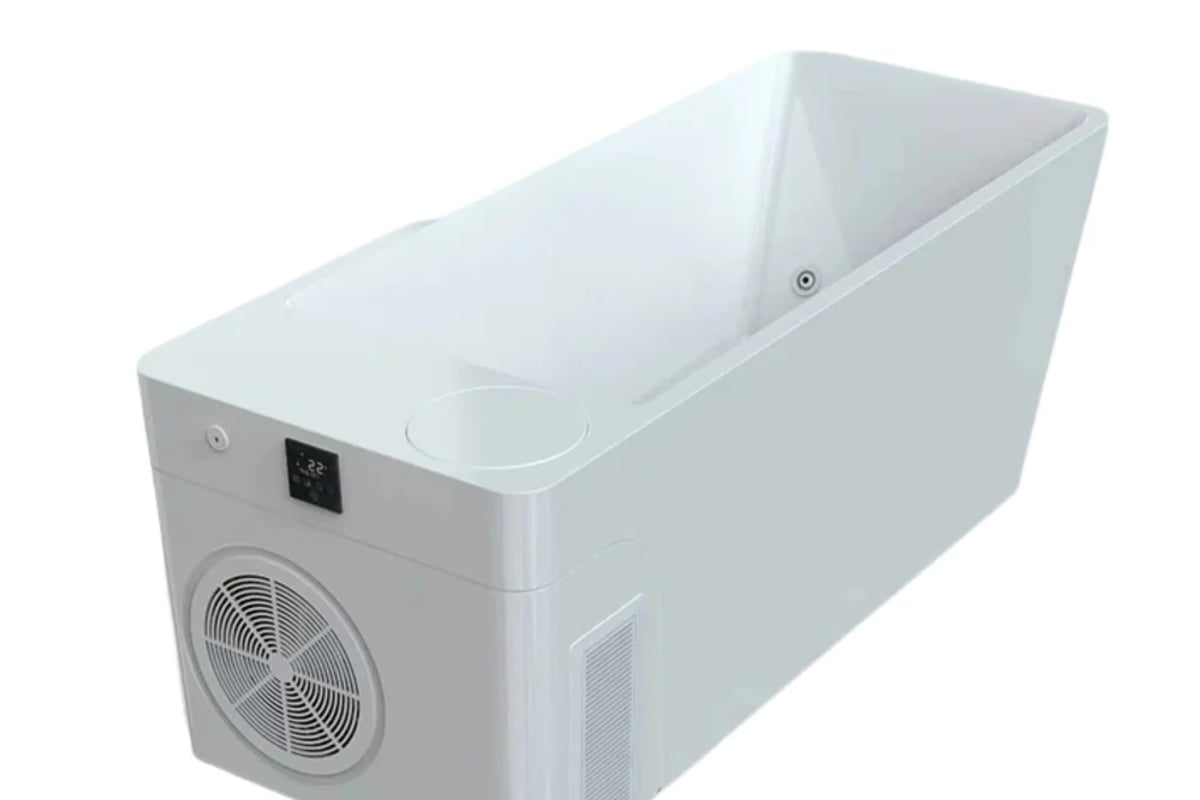
The Orivon Frost Cold Plunge Tub exemplifies premium construction with its powerful 1HP integrated chiller and precise temperature control between 37-108°F. Built from premium acrylic with a sleek rectangular design, it maintains consistent cold temperatures for optimal recovery benefits while requiring minimal maintenance. This combination of performance and durability makes it ideal for athletes and wellness enthusiasts who demand reliability from their recovery equipment.
Energy Efficiency and Insulation
Quality insulation reduces operating costs by 40-60% compared to poorly insulated models. Look for thick walls (2+ inches), insulated covers, and efficient chiller systems designed for continuous operation.
Energy-efficient models maintain temperature using less electricity than running a window air conditioner. Poor models consume as much power as a full-size refrigerator while struggling to stay cold.
Understanding Different Cold Tub Styles and Configurations
The market offers several distinct approaches to cold water therapy, each with specific advantages.
Chiller-Equipped vs. Ice-Only Systems
Chiller-equipped systems automatically maintain your target temperature year-round. You set it once and forget it. These systems cost more initially but eliminate the ongoing expense and hassle of ice purchases.
Ice-only systems work well in cold climates where ambient temperatures naturally keep water cold most of the year. They're more affordable upfront but require regular ice additions in warm weather, which becomes expensive and inconvenient.
Portable vs. Permanent Installation
Portable models offer flexibility if you move frequently or want to reposition the tub seasonally. They're typically lighter weight with simpler plumbing connections.
Permanent installations integrate with outdoor living spaces, often featuring custom decking, dedicated electrical runs, and professional plumbing. These create stunning focal points but require commitment to location.
Indoor vs. Outdoor Placement
Outdoor placement is most common, requiring weather-resistant materials and proper drainage. The experience of cold plunging under the sky adds psychological benefits many users value.
Indoor installation works well in basements or garage spaces, providing year-round climate control and privacy. This approach requires waterproofing and ventilation but eliminates weather concerns.
The Science Behind Effective Cold Therapy
Understanding the physiology helps you use your cold tub effectively and set realistic expectations.
Optimal Temperature Ranges for Different Goals
Research suggests different temperatures serve different purposes. According to WebMD's cold plunge guide, water temperature significantly impacts physiological responses.
| Temperature Range | Primary Benefits | Recommended Duration |
|---|---|---|
| 50-59°F | Gentle recovery, stress reduction | 5-10 minutes |
| 45-50°F | Moderate inflammation reduction | 3-7 minutes |
| 39-45°F | Maximum recovery, performance boost | 2-5 minutes |
| Below 39°F | Advanced users, extreme response | 1-3 minutes |
Colder isn't always better. Most benefits occur between 45-50°F with 3-5 minute exposure. Extremely cold water primarily adds discomfort without proportionally greater benefits for most users.
Duration and Frequency Guidelines
Consistency matters more than intensity. Regular 3-minute plunges five days weekly produce better results than occasional 10-minute sessions.
Beginner Protocol:
Start with 1-2 minutes at 55-59°F three times weekly. Gradually decrease temperature and increase duration as your body adapts. Most people reach comfortable 3-5 minute sessions at 45-50°F within 4-6 weeks.
Advanced Protocol:
Experienced users often perform daily 3-5 minute plunges at 39-45°F, timing sessions for specific benefits (morning for alertness, post-workout for recovery, evening for improved sleep).
Timing Your Cold Exposure
When you plunge affects what benefits you maximize. Morning sessions increase alertness and mental clarity through cortisol and adrenaline release, setting a positive tone for the day.
The Atlantic's exploration of cold plunging discusses how timing influences mental health benefits and overall wellness impacts.
Post-workout plunges (within 1-2 hours of training) reduce muscle soreness and accelerate recovery. However, some research suggests delaying cold exposure 4-6 hours after strength training may better preserve muscle growth adaptations.
Evening plunges 2-3 hours before bed improve sleep quality by triggering the body's natural temperature drop that promotes deeper rest.
Maintenance Requirements and Long-Term Care
Proper maintenance extends your cold tub's lifespan and ensures safe, clean water for every plunge.
Water Treatment and Filtration
Quality systems require minimal chemical treatment. Run filters 4-6 hours daily, clean filter cartridges weekly, and perform full water changes every 3-6 months depending on usage.
Basic Maintenance Schedule:
- Daily: Check temperature, skim debris
- Weekly: Clean filters, test water chemistry
- Monthly: Deep clean surfaces, inspect seals
- Quarterly: Full water change, system inspection
Most cold plunge systems need less chemical treatment than hot tubs because lower temperatures reduce bacterial growth. Simple oxidizers and minimal sanitizer maintain clean water easily.
Seasonal Considerations
Winter operation in cold climates is straightforward because ambient temperatures help maintain cold water. Ensure your chiller has freeze protection and keep the system running to prevent ice damage.
Summer operation requires more chiller runtime to combat heat. Premium insulated systems handle this efficiently, while budget models struggle and consume excessive electricity.
Component Longevity and Replacement
Chiller systems typically last 5-10 years with proper maintenance. Filter cartridges need replacement every 1-2 years. Seals and gaskets may require replacement after 3-5 years depending on climate exposure.
Budget for approximately $100-300 annually in maintenance and replacement parts for quality systems. Cheaper models often require more frequent and expensive repairs.
Frequently Asked Questions
How cold should my plunge tub be for recovery benefits?
Most recovery benefits occur between 45-50°F. Start warmer (55-59°F) as a beginner and gradually decrease temperature as you adapt. Colder isn't necessarily better-consistency and proper duration matter more than extreme temperatures.
Do I need a chiller or can I just use ice?
Chillers provide convenience and consistency but aren't absolutely necessary. In warm climates or for daily use, chillers quickly pay for themselves versus buying ice. In cold climates, ice-only systems work well 6-9 months yearly, though you'll still need ice during summer.
How long does it take to see benefits from cold plunging?
Many users notice improved mood and energy immediately. Recovery benefits become apparent within 1-2 weeks of consistent use. Inflammation reduction and sleep improvements typically develop over 3-4 weeks. Maximum benefits require 2-3 months of regular practice.
Can I use a cold plunge tub in winter?
Yes, quality outdoor systems function year-round. Winter operation is actually easier because ambient temperatures help maintain cold water. Ensure your system has freeze protection if temperatures drop below 20°F regularly. Many users find winter plunging particularly invigorating.
How often should I change the water?
With proper filtration and treatment, change water every 3-6 months. Higher usage requires more frequent changes. If water appears cloudy, smells unusual, or chemicals can't maintain proper balance, change it immediately regardless of schedule.
Are there risks to cold plunging?
Cold water immersion carries risks for people with cardiovascular conditions, uncontrolled high blood pressure, or certain medical conditions. According to Peloton's analysis of cold plunge safety, consulting your doctor before starting is essential, especially if you have any heart conditions. Never plunge alone, and exit immediately if you feel dizzy, extremely uncomfortable, or experience chest pain.
What's the difference between a cold plunge and an ice bath?
Cold plunge tubs maintain consistent temperatures through chiller systems and provide comfortable seating or standing positions. Ice baths in regular tubs require constant ice additions, lack temperature control, and are less comfortable. Both provide similar physiological benefits, but dedicated plunge tubs offer superior convenience and consistency.
Finding the right cold tub for sale means balancing features, build quality, and long-term value rather than simply choosing the cheapest option. Whether you're an athlete optimizing recovery or a wellness enthusiast exploring biohacking, investing in premium equipment pays dividends through consistent performance and durability. Plunge N' Tubs offers premium cold plunge systems crafted from the highest quality Canadian wood, trusted by athletes and wellness professionals across North America, with fast and free delivery that gets you started on your recovery journey quickly.
Share:
Cold Therapy Tub: Complete Guide to Benefits & Buying
Plastic Ice Bath Tub: Complete 2026 Buyer's Guide