



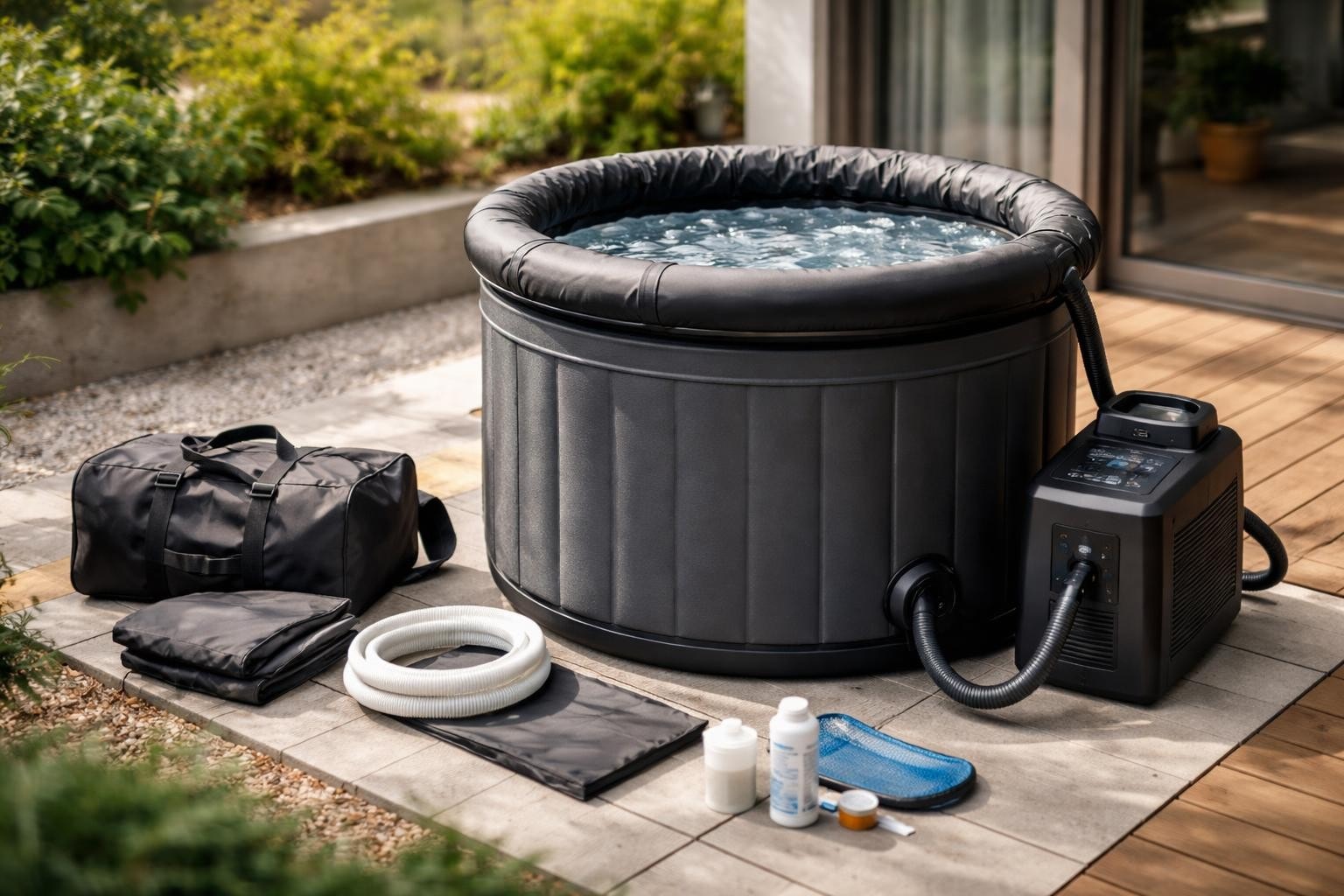
Cold therapy has evolved from elite athlete recovery rooms into home wellness routines across North America. The plastic ice bath tub represents one of the most accessible entry points into deliberate cold exposure, offering a balance between affordability, convenience, and proven recovery benefits. Whether you're chasing faster muscle recovery, enhanced mental clarity, or improved sleep quality, understanding what makes a quality plastic cold plunge matters before you invest.
Understanding Plastic Ice Bath Tubs
A plastic ice bath tub is a portable or semi-portable vessel designed specifically for cold water immersion therapy. Unlike traditional bathtubs, these units are engineered to maintain lower temperatures and withstand repeated exposure to ice and cold water.
Modern plastic ice bath tubs come in several materials. High-density polyethylene (HDPE) stands out as the industry standard due to its exceptional durability and resistance to temperature extremes. Acrylic options offer sleek aesthetics with similar performance characteristics.
Key Material Differences
The plastic composition directly impacts longevity and user experience. HDPE plastic resists cracking in freezing conditions while maintaining structural integrity during daily use. This makes it ideal for outdoor installations in climates with temperature fluctuations.
Premium acrylic versions provide superior aesthetics and smooth interior surfaces that simplify cleaning. Both materials outperform inflatable options in terms of temperature retention and overall durability.
What to Look for When Buying a Cold Plunge Tub
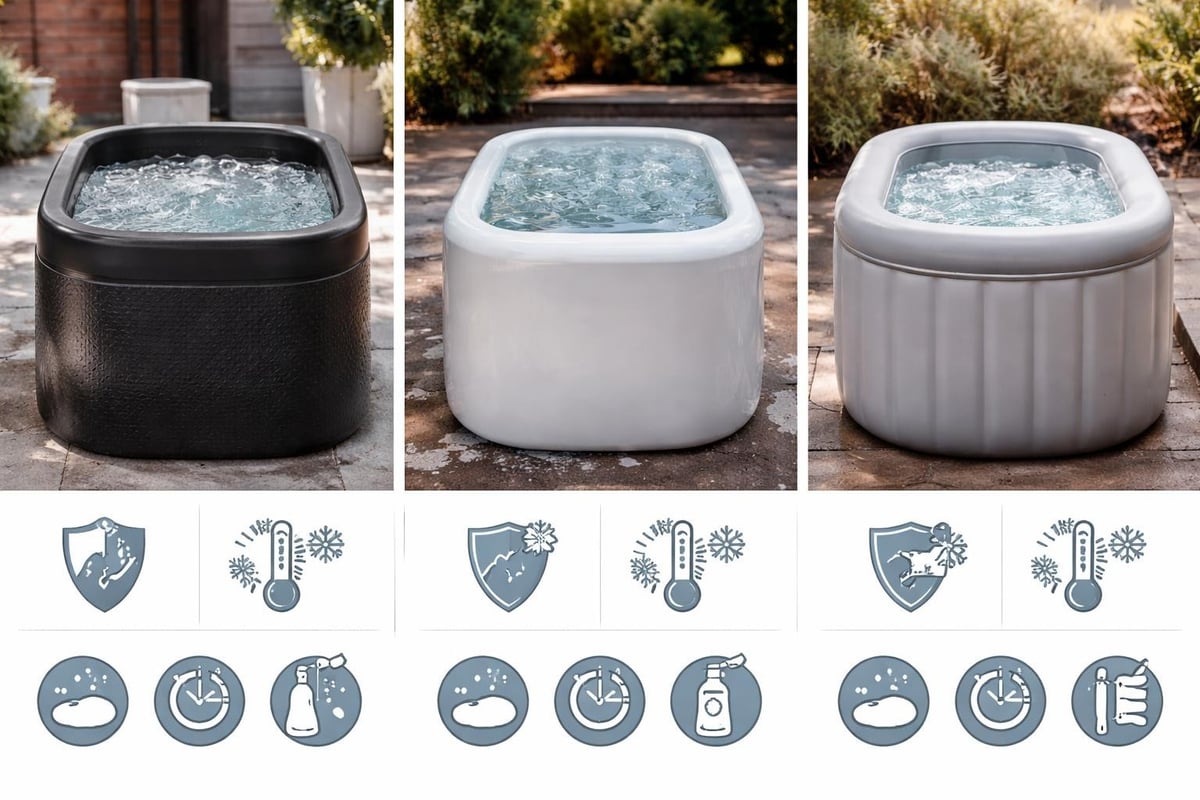
Shopping for a plastic ice bath tub requires evaluating several critical factors beyond initial price. Your investment should deliver years of reliable performance.
Essential Features:
- Capacity and dimensions that fit your space and body size comfortably
- Wall thickness (minimum 3mm for durability)
- Integrated filtration systems for water quality maintenance
- Insulation properties to reduce ice consumption
- Drainage systems that simplify water changes
Temperature control systems separate basic models from professional-grade units. A quality chiller maintains consistent water temperatures between 37-55°F without constant ice replenishment. This feature alone transforms occasional cold exposure into a sustainable daily practice.
Chiller Systems vs. Manual Ice Addition
The decision between integrated chillers and manual ice addition impacts both upfront costs and long-term convenience. Manual ice methods work well for beginners testing their commitment to cold therapy. However, purchasing ice bags three to five times weekly quickly exceeds the cost of a chiller system.
Integrated chillers provide temperature precision and eliminate the ice logistics entirely. They maintain your desired temperature 24/7, allowing spontaneous plunges without planning ahead. Professional athletes and serious biohackers consider this feature non-negotiable.
| Feature | Manual Ice | Integrated Chiller |
|---|---|---|
| Upfront Cost | Low ($200-800) | High ($2,000-5,000) |
| Ongoing Expense | $50-100/month | Minimal electricity |
| Temperature Control | Variable | Precise |
| Convenience | Planning required | Ready anytime |
| Best For | Testing commitment | Daily users |
Is It Worth It?
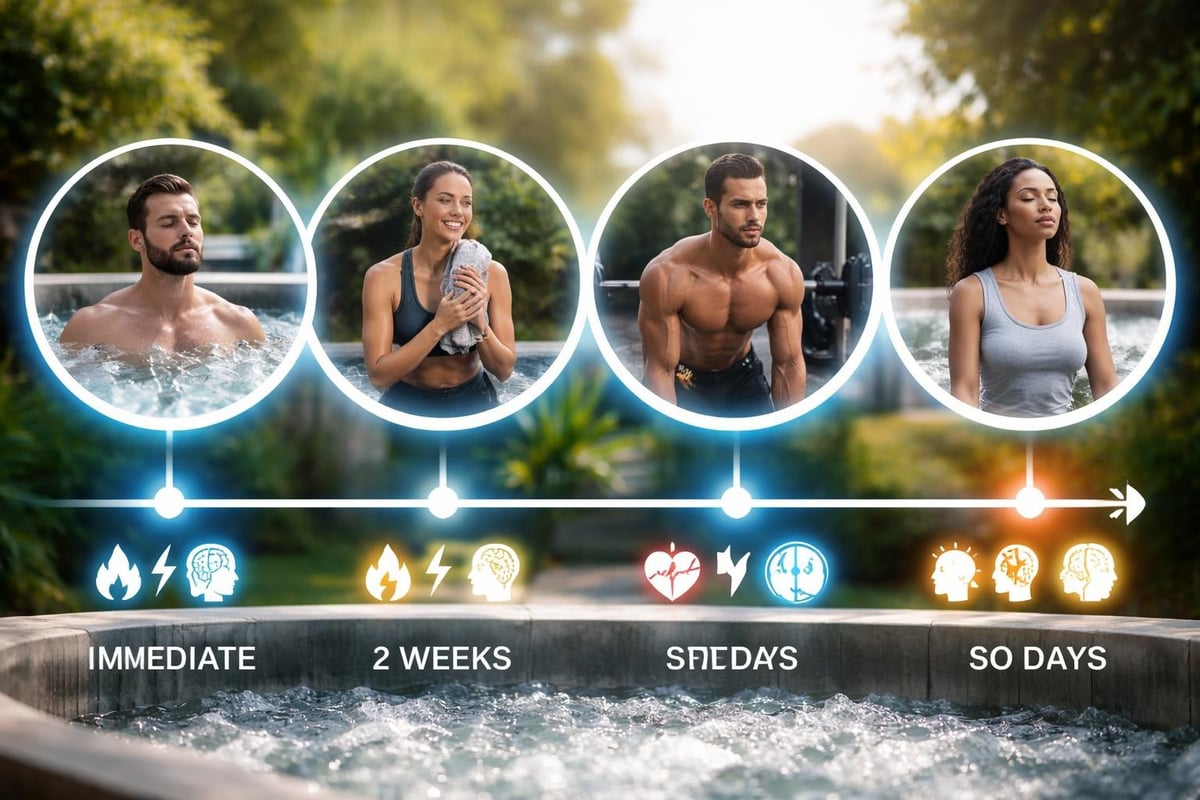
The value proposition of a plastic ice bath tub depends on your recovery goals and usage frequency. Athletes training five or more days weekly typically see measurable benefits within two weeks of consistent use.
Cold water immersion triggers vasoconstriction followed by vasodilation, which flushes metabolic waste from muscle tissue. This mechanism explains the reduced soreness athletes experience after intense training sessions. Research supports 11-15 minute sessions at 50-59°F for optimal recovery benefits.
Mental health improvements often surprise new users. Cold exposure activates the sympathetic nervous system, releasing norepinephrine and endorphins. Regular practitioners report enhanced focus, reduced anxiety, and improved stress resilience. These cognitive benefits extend well beyond physical recovery.
Sleep quality improvements stem from the body's temperature regulation response. Evening cold plunges trigger a subsequent warming phase that aligns with natural sleep preparation processes. Users consistently report falling asleep faster and experiencing deeper sleep cycles.
The financial calculation becomes straightforward when comparing alternatives. Cryotherapy studios charge $40-75 per session. Three weekly sessions cost $480-900 monthly. A quality plastic ice bath tub pays for itself within 3-6 months for regular users.
Who Should Buy This?
Plastic ice bath tubs serve specific user profiles exceptionally well. Understanding whether you fit these categories helps determine if this investment makes sense for your situation.
Ideal Candidates:
- Athletes training 4+ days weekly who need consistent recovery protocols
- Individuals managing chronic inflammation or autoimmune conditions
- Professionals seeking mental clarity and stress management tools
- Wellness enthusiasts building comprehensive recovery routines
- People with limited space who need portable solutions
Beginners benefit from starting with a basic plastic ice bath tub before investing in premium wood or stainless steel models. This approach allows you to establish a consistent practice without overcommitting financially. Many users upgrade to premium options like those available through Plunge N' Tubs after confirming their long-term commitment.
Space and Setup Considerations
Indoor installations require adequate ventilation and waterproof flooring. Bathrooms with proper drainage work well for smaller units. Garage or basement setups offer more flexibility for larger models but may need dedicated electrical circuits for chiller systems.
Outdoor installations demand weather-resistant materials and protection from direct sunlight. UV exposure degrades plastic over time, reducing lifespan significantly. Covered patios or dedicated enclosures extend the life of your investment while providing year-round access.
Benefits Beyond Muscle Recovery
Cold water immersion delivers scientifically validated benefits that extend into multiple health domains. Understanding these mechanisms helps set realistic expectations and track meaningful progress.
Inflammation reduction occurs through multiple pathways. Cold exposure decreases pro-inflammatory cytokines while increasing anti-inflammatory markers. This systemic effect benefits anyone dealing with chronic inflammatory conditions, from arthritis to digestive issues.
Metabolic enhancement represents another significant advantage. Regular cold exposure increases brown adipose tissue activity, which burns calories to generate heat. Studies show consistent cold therapy can boost metabolic rate by 16-25% for several hours post-immersion.
Immune System Modulation:
- Increased white blood cell production
- Enhanced lymphatic circulation
- Improved pathogen response capabilities
- Reduced frequency of common illnesses
The mental resilience gained through voluntary discomfort translates directly to other life challenges. Building the discipline to enter cold water daily strengthens your ability to handle uncomfortable situations with composure. This psychological benefit often proves more valuable than the physical adaptations.
For detailed insights into cold therapy benefits, explore the cold plunge benefits research available through leading wellness providers.
Common Mistakes Beginners Make
New cold plunge users frequently undermine their progress through preventable errors. Learning from these common mistakes accelerates your adaptation and improves overall experience.
Starting too cold too fast ranks as the most frequent mistake. Beginning at 50°F or below creates an overwhelming experience that discourages continued practice. Start at 60-65°F for 2-3 minutes, then gradually decrease temperature as your body adapts over several weeks.
Inconsistent practice prevents physiological adaptations from occurring. Your body needs regular exposure to develop improved cold tolerance and maximize recovery benefits. Aim for minimum three sessions weekly, preferably daily for optimal results.
Neglecting proper breathing techniques increases perceived discomfort significantly. Controlled nasal breathing maintains composure and prevents the hyperventilation response that makes cold exposure feel unbearable. Practice box breathing: four counts in, four counts hold, four counts out, four counts hold.
Maintenance Oversights
Ignoring water quality leads to bacterial growth and unpleasant experiences. Your plastic ice bath tub requires the same attention to water chemistry as a hot tub or pool. Regular sanitization prevents biofilm formation and extends equipment lifespan.
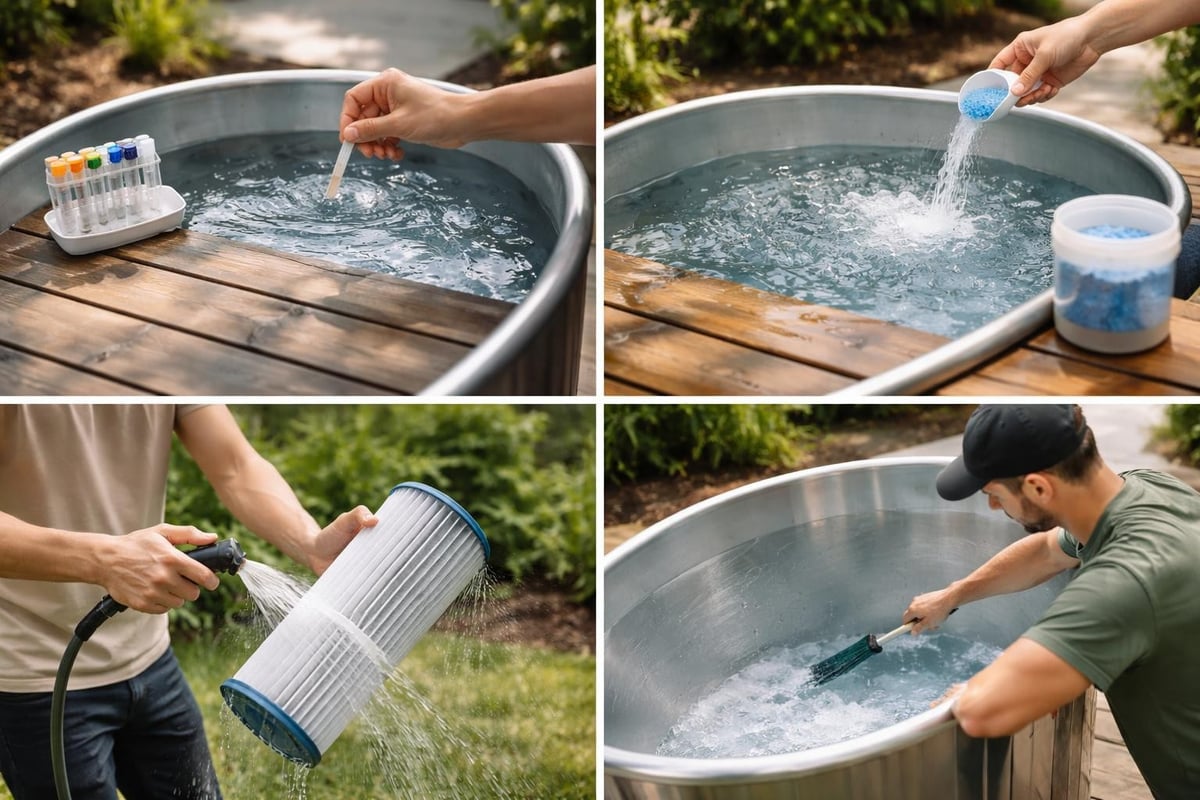
Water Maintenance Schedule:
- Test pH levels twice weekly (target 7.2-7.8)
- Add sanitizer according to manufacturer specifications
- Clean filters weekly or as recommended
- Perform complete water changes every 4-6 weeks
- Shock treat water monthly to eliminate organic buildup
Proper maintenance practices from resources like ice bath maintenance guides ensure your investment remains hygienic and functional for years. Skipping these protocols creates health risks and accelerates equipment degradation.
Choosing Between Plastic and Other Materials
Material selection impacts every aspect of your cold plunge experience from aesthetics to maintenance requirements. Plastic ice bath tubs offer distinct advantages over alternative construction materials.
Wood tubs provide unmatched natural aesthetics and exceptional insulation properties. Cedar and other premium woods create a spa-like atmosphere while maintaining temperature efficiently. However, wood requires more intensive maintenance and costs significantly more initially.
Stainless steel options deliver industrial durability and zero maintenance requirements beyond basic cleaning. These units never degrade or absorb odors but typically cost 2-3 times more than comparable plastic models.
The Polar Plunge Tub represents a hybrid approach, combining a durable HDPE plastic interior with a natural White Cedar exterior. This design delivers the aesthetic appeal of wood with the practical maintenance advantages of plastic, making it an excellent middle-ground option for users wanting both visual appeal and durability.
| Material | Durability | Maintenance | Insulation | Cost Range |
|---|---|---|---|---|
| HDPE Plastic | Excellent | Low | Good | $600-2,500 |
| Acrylic | Very Good | Low | Good | $1,500-4,000 |
| Cedar Wood | Good | High | Excellent | $3,000-8,000 |
| Stainless Steel | Excellent | Very Low | Fair | $4,000-10,000 |
Installation and Setup Requirements
Successful plastic ice bath tub installation requires planning electrical, plumbing, and spatial requirements before delivery arrives. Proper preparation ensures immediate usability and prevents costly modifications later.
Electrical requirements vary dramatically between manual and chiller-equipped units. Basic models need no electrical connection beyond optional LED lighting. Chiller systems typically require dedicated 110V or 220V circuits depending on unit specifications. Consult a licensed electrician for proper installation to avoid safety hazards.
Drainage Solutions
Permanent installations benefit from direct drain connections to household plumbing. This setup enables effortless water changes without manual pumping or hose management. Many users install a simple garden hose connection for drainage to existing floor drains or outdoor areas.
Portable units rely on included pumps or gravity drainage through standard garden hoses. Position your plastic ice bath tub near a suitable drainage point to simplify water changes and routine maintenance. Trying to move a filled unit causes damage and creates safety risks.
Floor preparation matters more than most users anticipate. Water spillage occurs regularly during entry and exit. Waterproof flooring or dedicated drainage mats protect underlying surfaces from moisture damage. Outdoor installations on concrete, pavers, or gravel eliminate this concern entirely.
For comprehensive guidance on getting started, check out detailed setup recommendations from experienced cold plunge providers.
Optimizing Your Cold Plunge Protocol
Maximizing benefits from your plastic ice bath tub requires more than simply sitting in cold water. Strategic timing, duration, and temperature create optimal physiological responses.
Post-workout timing significantly impacts recovery outcomes. Wait 1-2 hours after intense training before cold plunging. Immediate post-exercise cold exposure may blunt beneficial inflammatory adaptations that drive muscle growth. For pure recovery without hypertrophy concerns, immediate immersion works well.
Morning plunges provide sustained energy and mental clarity throughout the day. The norepinephrine release from cold exposure lasts 2-4 hours, creating natural focus and motivation. Evening sessions support sleep quality but should occur at least 2-3 hours before bedtime to allow body temperature normalization.
Duration recommendations vary by water temperature:
- 50-55°F: 5-8 minutes for experienced users
- 55-60°F: 8-12 minutes for intermediate practitioners
- 60-65°F: 10-15 minutes for beginners
Individual tolerance varies significantly. Listen to your body rather than forcing arbitrary timeframes. Shivering indicates you've reached your limit for that session.
Combining Hot and Cold Contrast Therapy
Alternating between hot and cold exposures amplifies recovery benefits through enhanced circulation. This practice, called contrast therapy, drives nutrient delivery to tissues while accelerating metabolic waste removal.
Effective contrast protocols involve 3-5 rounds of hot exposure (sauna or hot tub at 100-104°F) for 10-15 minutes followed by 2-3 minutes in your plastic ice bath tub. Always end with cold to close pores and reduce inflammation.
Athletes report enhanced recovery and reduced muscle soreness when implementing contrast therapy 2-3 times weekly. This approach complements rather than replaces standalone cold plunging for most users.
Maintaining Water Quality and Hygiene
Proper sanitation transforms your plastic ice bath tub from a potential bacterial reservoir into a clean, inviting recovery tool. Following proven ice bath maintenance protocols ensures safety and longevity.
Filtration systems continuously remove debris and particulates but require regular cleaning. Most plastic ice bath tubs use cartridge filters that need rinsing weekly and replacement every 2-3 months depending on usage frequency. Clogged filters reduce circulation efficiency and allow bacterial growth.
Sanitization Options:
- Chlorine tablets or granules (most common, effective, affordable)
- Bromine systems (gentler on skin, works better in varying temperatures)
- Mineral purifiers (lowest maintenance, higher initial cost)
- UV or ozone systems (premium option, chemical-free)
Water temperature below 60°F slows bacterial growth significantly compared to hot tubs. However, biofilm still develops without proper sanitization. The combination of human bacteria introduction and stagnant water creates ideal conditions for pathogen proliferation.
Testing water chemistry twice weekly prevents problems before they become visible. Inexpensive test strips provide adequate accuracy for home use. Maintain chlorine levels at 1-3 ppm and pH between 7.2-7.8 for optimal sanitization without skin irritation.
Complete water changes every 4-6 weeks refresh your system regardless of chemical balance. This practice removes dissolved solids and organic compounds that accumulate over time. More frequent changes benefit users with heavy usage or multiple household members sharing the tub.
Additional maintenance guidance from professional ice bath care resources provides detailed protocols for different usage scenarios.
Cost Analysis and Long-Term Value
Understanding the total cost of ownership for a plastic ice bath tub extends beyond the purchase price. Evaluating ongoing expenses and lifespan expectations reveals the true financial commitment.
Initial Investment Breakdown:
- Basic manual model: $600-1,200
- Mid-range with filtration: $1,200-2,500
- Premium with chiller: $2,000-5,000
- Professional-grade systems: $4,000-8,000
Operating costs for chiller-equipped units average $15-30 monthly in electricity depending on climate, insulation quality, and target temperature. Manual ice addition costs vary widely by region and usage frequency but typically range from $50-100 monthly for daily users.
The Orivon Frost Cold Plunge Tub exemplifies premium plastic construction with integrated temperature control. Its powerful 1HP chiller maintains precise temperatures between 37-108°F, eliminating ice costs entirely while providing consistent, ready-to-use cold therapy. For serious practitioners committed to daily cold exposure, this level of automation justifies the higher initial investment through convenience and reliability.
Replacement parts and periodic maintenance add minimal ongoing costs. Quality plastic ice bath tubs require filter replacements ($15-40 quarterly) and occasional sanitizer purchases ($20-40 monthly). These expenses remain consistent across price ranges.
Resale value for well-maintained units remains surprisingly strong. The growing popularity of cold therapy creates steady demand in secondary markets. Premium models with chillers retain 50-70% of original value after 2-3 years of use, similar to quality fitness equipment.
Expected lifespan for quality plastic ice bath tubs ranges from 5-10 years with proper maintenance. Premium materials and construction extend this to 10-15 years. This durability makes the per-use cost remarkably low for daily practitioners.
Troubleshooting Common Issues
Even quality plastic ice bath tubs occasionally present operational challenges. Recognizing and addressing these issues quickly prevents minor problems from becoming major repairs.
Temperature fluctuations in chiller-equipped units usually indicate filter obstructions or low refrigerant levels. Clean or replace filters first, as this resolves 80% of temperature control issues. Persistent problems require professional service to check refrigerant and compressor function.
Cloudy water despite proper chemical balance suggests inadequate filtration or high dissolved solids. Run your filtration system longer (12-18 hours daily vs. standard 8-12 hours) and perform a complete water change. If cloudiness persists, your sanitizer levels may need adjustment upward.
Surface algae growth indicates insufficient sanitization or excessive organic material. Shock treatment with elevated chlorine levels (5-10 ppm for 24 hours) typically eliminates visible algae. Prevent recurrence through proper chemical maintenance and regular filter cleaning.
Physical Damage and Repairs
Cracks or leaks in plastic shells require immediate attention to prevent progressive damage. Small cracks often respond to plastic welding or specialized repair kits designed for HDPE or acrylic. Larger structural damage may necessitate professional repair or replacement.
Prevent damage by:
- Supporting the tub properly on level, stable surfaces
- Avoiding impacts from hard objects
- Protecting from extreme temperature cycling when empty
- Using appropriate covers to prevent UV degradation
Most manufacturers offer replacement parts for common wear items. Gaskets, drain valves, and filter housings typically fail before the main shell requires attention. Maintaining relationships with suppliers ensures quick access to necessary components.
Detailed troubleshooting guidance from ice bath maintenance experts covers scenarios from minor adjustments to major system issues.
Frequently Asked Questions
How often should I change the water in my plastic ice bath tub?
Change water completely every 4-6 weeks for single users with proper sanitization. Multiple users or heavy usage (2+ sessions daily) requires more frequent changes every 3-4 weeks. Poor water quality despite chemical balance indicates an immediate need for fresh water.
Can I use a plastic ice bath tub outdoors year-round?
Quality HDPE plastic ice bath tubs withstand outdoor use in all climates. Ensure proper insulation and covers to maintain temperature efficiency. Extremely cold climates may require winterization protocols to prevent freeze damage in unused periods.
What's the ideal temperature for cold plunge beginners?
Start at 60-65°F for 2-3 minutes to build tolerance safely. Reduce temperature by 2-3 degrees weekly as adaptation occurs. Most users find 50-55°F optimal for recovery benefits after 4-6 weeks of consistent practice.
Do I need a dedicated electrical circuit for a chiller system?
Most residential chillers operate on standard 110V circuits but check your specific model's requirements. Larger commercial units may require 220V dedicated circuits. Consult a licensed electrician to ensure safe installation per local electrical codes.
How long does a quality plastic ice bath tub last?
Expect 5-10 years for standard models with proper maintenance, extending to 10-15 years for premium construction. UV protection, chemical balance maintenance, and avoiding physical impacts maximize lifespan significantly.
Can cold plunging replace other recovery methods?
Cold therapy complements but doesn't entirely replace other recovery modalities. Combine with proper nutrition, adequate sleep, stretching, and appropriate rest days for comprehensive recovery. Cold plunging enhances rather than substitutes for foundational wellness practices.
What's the difference between plastic and acrylic ice bath tubs?
Both fall under "plastic" categories but differ in properties. HDPE plastic offers superior impact resistance and temperature tolerance at lower costs. Acrylic provides smoother surfaces, better aesthetics, and slightly improved insulation at premium prices. Both deliver excellent performance for home use.
Investing in a plastic ice bath tub represents a commitment to consistent recovery and wellness that pays dividends across physical and mental performance domains. By understanding material options, maintenance requirements, and proper usage protocols, you set yourself up for years of effective cold therapy practice. Plunge N' Tubs specializes in premium cold plunge solutions crafted from the highest quality materials, delivered fast and free across North America to bring professional-grade recovery directly to your home.
Share:
Cold Tub for Sale: Expert Buying Guide for 2026
Hot Plunge Guide: Benefits, Risks & How to Use Safely