



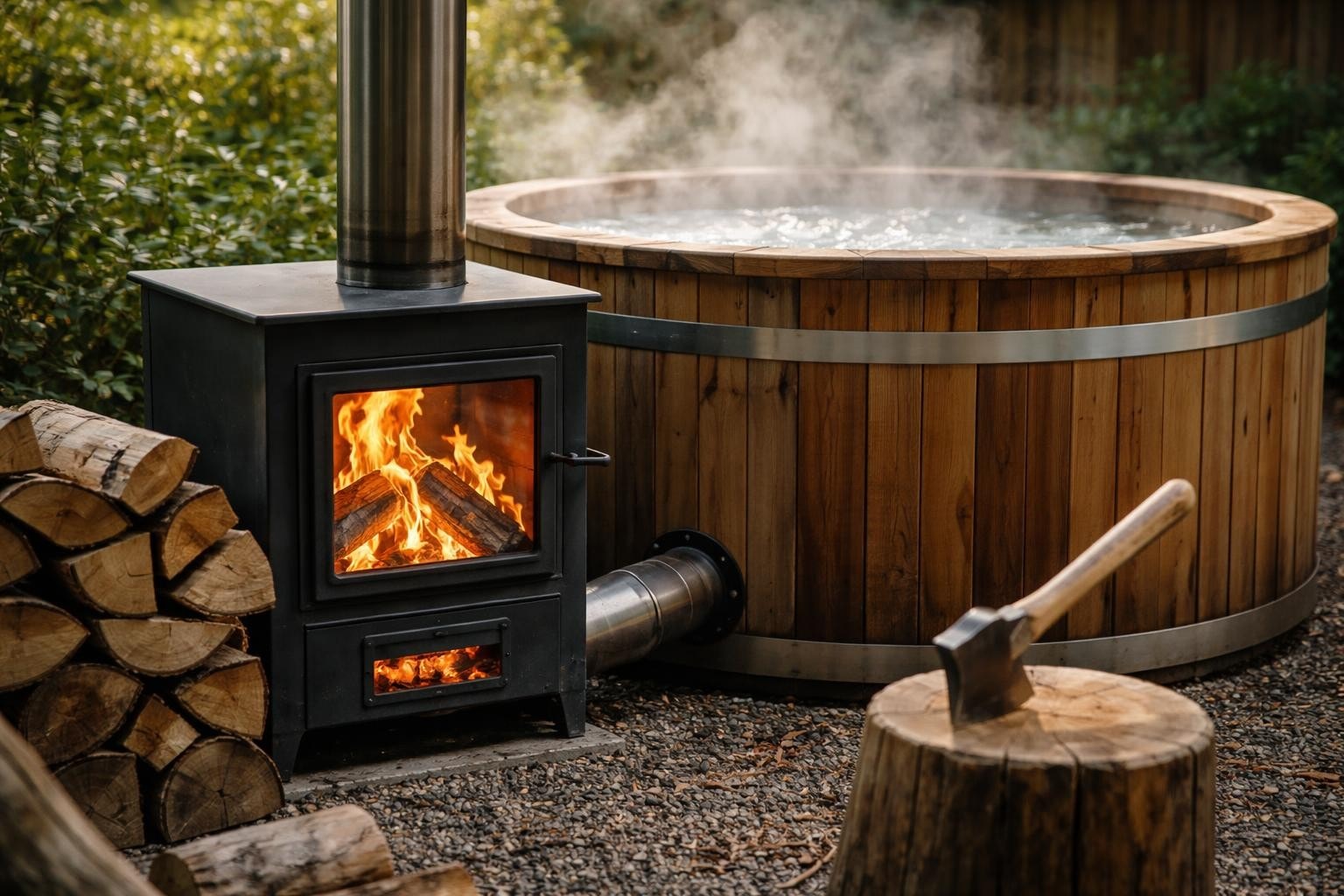
A hot tub with wood brings a unique combination of natural materials, sustainable heating, and therapeutic benefits that modern electric systems can't replicate. Whether you're looking at wood-fired heating systems or premium wood construction, understanding the fundamentals helps you make the right choice for your recovery needs. This guide breaks down everything from construction materials to maintenance requirements, giving you practical insights for choosing and maintaining a wood-based hot tub system.
Understanding Hot Tub with Wood Construction
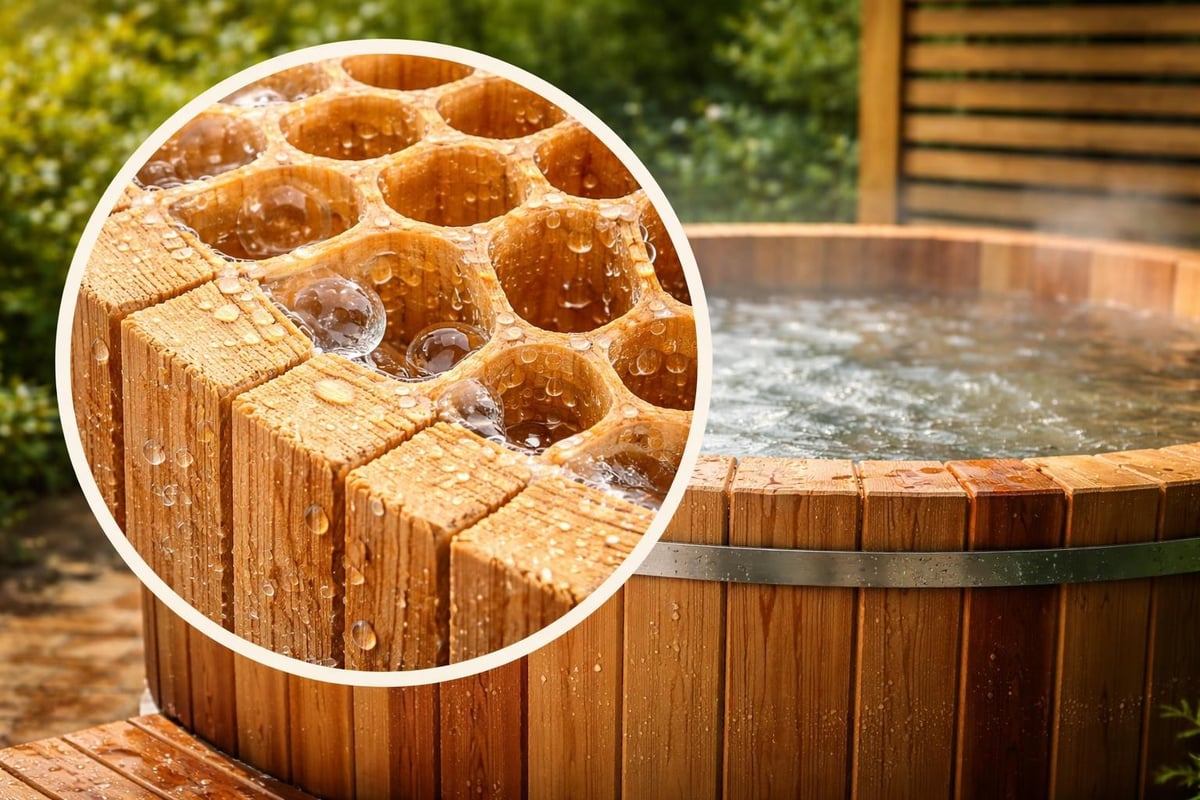
Premium wood construction transforms a standard hot tub into a durable, aesthetically pleasing recovery tool. The most common woods used include Eastern White Cedar, Western Red Cedar, and other sustainably sourced Canadian hardwoods.
These materials resist rot, naturally repel insects, and handle temperature extremes better than synthetic alternatives. Cedar contains natural oils that protect against moisture damage while releasing a subtle, pleasant aroma during use.
Wood Types and Their Benefits
Different wood species offer distinct advantages for hot tub construction:
- Eastern White Cedar: Lightweight, excellent insulation properties, naturally rot-resistant
- Western Red Cedar: Dense grain structure, superior durability, beautiful color that weathers well
- Canadian Hemlock: Cost-effective, strong structural integrity, readily available
The choice between these materials depends on your climate, budget, and aesthetic preferences. Cedar has become particularly popular for its combination of performance and visual appeal.
Wood-Fired vs. Wood-Constructed Systems
There's an important distinction to understand. A hot tub with wood can refer to either the heating method or the construction material.
Wood-fired systems use an integrated wood-burning stove to heat water naturally. No electricity required. You simply burn logs in the stove, and heat transfers through a heat exchanger into the tub water.
Wood-constructed tubs use premium wood for the shell and exterior but may use electric heaters. These systems prioritize the aesthetic and insulating properties of natural wood while offering convenience.
| Feature | Wood-Fired | Electric with Wood Construction |
|---|---|---|
| Energy Source | Firewood | Electricity |
| Heat-Up Time | 2-4 hours | 6-12 hours |
| Operating Cost | Low (just wood) | Higher (electricity) |
| Installation | Simpler | Requires electrical work |
| Temperature Control | Manual | Precise digital control |
Benefits of a Hot Tub with Wood Design
Natural wood construction provides thermal benefits you won't find in acrylic or plastic systems. Wood acts as a natural insulator, retaining heat longer and reducing energy consumption.
The aesthetic value matters too. A wood hot tub blends seamlessly into outdoor environments, complementing gardens, decks, and natural landscapes far better than synthetic shells.
Recovery and Wellness Advantages
Hot water therapy supports muscle recovery, reduces inflammation, and improves circulation. When combined with wood construction, the experience feels more grounding and connected to nature.
Athletes and fitness enthusiasts use hot tubs for post-workout recovery. The heat dilates blood vessels, increasing blood flow to sore muscles and accelerating healing.
Mental clarity benefits come from the ritual of firing up a wood-burning system or simply soaking in a natural wood environment. The process slows you down, creating mindfulness that electric push-button systems can't replicate.
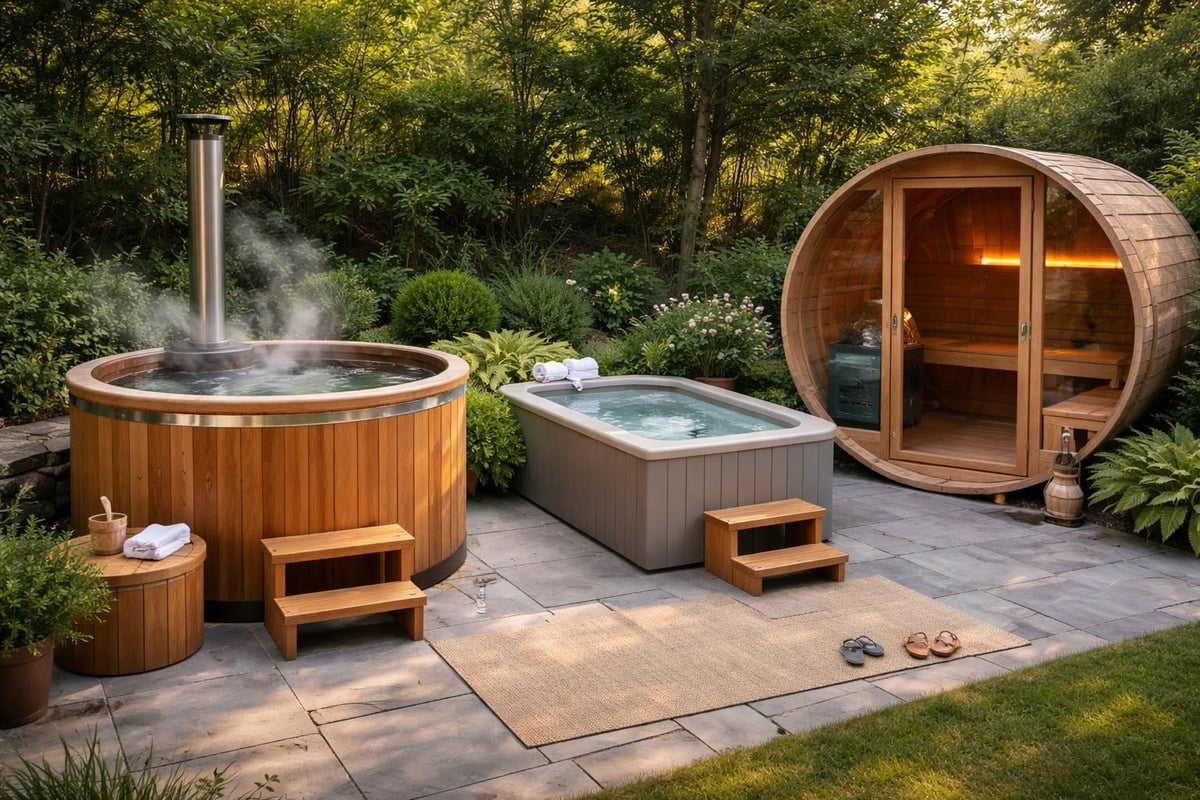
For those exploring contrast therapy, pairing a hot tub with wood construction alongside a cold plunge maximizes recovery benefits through temperature cycling.
Is a Hot Tub with Wood Worth It?
The value equation depends on your priorities, usage frequency, and long-term thinking.
Upfront costs for wood construction typically run higher than basic acrylic models. However, operational expenses tell a different story. Wood-fired systems eliminate electricity costs entirely, while wood-constructed tubs with electric heat still benefit from superior insulation.
Long-Term Value Calculation
- Energy savings: Wood insulation reduces heat loss by 30-40% compared to acrylic
- Durability: Quality cedar construction lasts 15-20 years with proper maintenance
- Resale value: Premium wood tubs hold value better than plastic alternatives
- Aesthetic appreciation: Natural materials increase property appeal
If you'll use your hot tub 3-4 times weekly, the investment pays off within 3-5 years through energy savings and avoided spa membership fees.
Environmental Considerations
Sustainably sourced wood represents a renewable resource. Companies prioritizing eco-friendly materials ensure minimal environmental impact while delivering superior products.
Wood-fired heating produces zero electrical consumption. You're burning a carbon-neutral fuel source that would decompose naturally anyway, making it one of the most sustainable heating methods available.
Who Should Buy a Hot Tub with Wood?
This type of system appeals to specific user profiles beyond just hot tub enthusiasts.
Athletes and active individuals who prioritize recovery will appreciate the therapeutic heat and natural environment. The combination supports faster muscle recovery and better sleep quality.
Wellness-focused individuals interested in biohacking and optimization find value in temperature therapy. Combining hot and cold exposure creates powerful physiological responses that support longevity and performance.
Ideal Candidates Include:
- Homeowners with outdoor space for installation
- People who value natural aesthetics over modern synthetic designs
- Those seeking off-grid or low-electricity solutions
- Individuals with regular recovery needs from training or physical work
- Anyone building a comprehensive home wellness setup
Budget-conscious buyers with long-term thinking benefit most. While initial costs are higher, operational savings and durability make wood construction economical over time.
What to Look for When Buying a Hot Tub with Wood
Quality varies dramatically across manufacturers. Knowing what separates premium from mediocre construction saves headaches and money.
Construction Quality Indicators
Wood grade matters most. Look for clear-grain, knot-free lumber in high-stress areas. Small knots in exterior panels are acceptable, but structural components need premium wood.
Joinery methods reveal craftsmanship. Tongue-and-groove construction creates watertight seals, while simple butt joints leak and fail prematurely. Ask manufacturers about their assembly techniques.
Stainless steel or marine-grade fasteners prevent rust and corrosion. Cheap hardware fails quickly in wet environments, creating maintenance headaches.
Key Features to Evaluate
| Feature | What to Look For | Why It Matters |
|---|---|---|
| Wood Type | Cedar (Eastern or Western) | Natural rot resistance, longevity |
| Interior Shell | Stainless steel or HDPE plastic | Durability, easy cleaning |
| Insulation | 2+ inches of foam or natural wood | Heat retention, energy efficiency |
| Stove (if wood-fired) | External or internal placement | Safety, heat-up time, efficiency |
| Drainage System | Bottom-mounted drain valve | Complete water changes, winterization |
| Seating Capacity | 2-6 people based on needs | Space efficiency, social use |
Warranty coverage indicates manufacturer confidence. Look for 5+ year warranties on wood components and 10+ years on structural elements.
Understanding different materials helps you make informed comparisons across brands and construction types.
Installation and Setup Considerations
Unlike drop-in acrylic spas, wood hot tubs require specific site preparation and installation approaches.
Foundation requirements depend on tub size and water capacity. A standard 6-person tub holds 500+ gallons, weighing over 4,000 pounds when filled. Your foundation must support this load without settling.
Installation Steps Overview
- Site selection: Level ground, good drainage, proximity to wood storage (for wood-fired)
- Foundation prep: Crushed stone base, concrete pad, or reinforced deck
- Plumbing setup: Fill line, drain routing, overflow management
- Stove installation: Chimney routing, clearance requirements (wood-fired only)
- First fill and treatment: Water chemistry balancing, leak checks
Most wood tubs arrive fully assembled or require minimal assembly. This simplifies installation compared to complex electric systems requiring extensive plumbing and electrical work.
Placement strategy affects both functionality and aesthetics. Consider privacy, wind protection, and accessibility from your home. You'll use your tub more often if it's convenient to reach.
Maintaining Your Hot Tub with Wood
Wood requires different maintenance than synthetic materials, but routines are straightforward once established.
Exterior Wood Care
Seasonal treatment protects wood from weathering. Apply wood oil or sealant 2-3 times annually to maintain color and prevent cracking. This takes 30-45 minutes and dramatically extends wood life.
Proper exterior maintenance prevents issues before they start. The natural oils in cedar provide baseline protection, but additional treatment optimizes performance.
- Clean exterior monthly with mild soap and soft brush
- Inspect for cracks or splits quarterly
- Reapply sealant when water no longer beads on surface
- Keep tub covered when not in use to minimize UV exposure
Water Management
Water maintenance for wooden hot tubs follows similar principles to conventional tubs but with wood-specific considerations.
Natural wood absorbs water, so maintaining proper chemistry prevents warping and degradation. Keep pH between 7.2-7.8 and sanitizer levels consistent.
Change water every 3-4 months depending on usage. More frequent changes benefit wood interiors by preventing biofilm buildup that can discolor wood surfaces.
Wood-Fired Stove Maintenance
If you have a wood-fired heating system, stove care matters. Remove ash weekly during active use. This improves combustion efficiency and prevents buildup that restricts airflow.
Inspect the chimney annually for creosote accumulation. Clean when buildup exceeds 1/8 inch thickness to prevent fire hazards and maintain draft efficiency.
Common Mistakes Beginners Make
New owners often repeat avoidable errors that create problems or reduce enjoyment.
Mistake #1: Neglecting wood treatment. Letting wood weather untreated causes premature aging, cracking, and water damage. Set calendar reminders for seasonal maintenance.
Mistake #2: Overfilling the tub. Water expands when bodies enter. Fill to 2-3 inches below the rim to prevent overflow when people get in.
More Critical Errors to Avoid
- Using harsh chemicals: Chlorine is fine, but avoid cleaners with solvents that damage wood finishes
- Ignoring small cracks: Small splits become big problems if not sealed promptly
- Inconsistent water testing: Test pH and sanitizer 2-3 times weekly, not monthly
- Burning treated wood: Only burn natural, untreated firewood in wood-fired stoves
- Skipping winter preparation: Drain completely and cover properly in freezing climates
Temperature mistakes waste energy and reduce enjoyment. Wood-fired systems heat gradually, so patience matters. Don't overfeed the fire trying to rush the process.
For electric systems with wood construction, setting temperature too high (above 104°F) wastes energy without therapeutic benefit. The ideal range for recovery sits between 98-102°F.

Pairing Hot and Cold Therapy
The most powerful recovery protocols combine heat and cold exposure. A hot tub with wood construction pairs perfectly with a cold plunge for contrast therapy.
The science backs this approach. Hot water dilates blood vessels, while cold constricts them. Alternating between temperatures creates a pumping action that flushes metabolic waste and delivers fresh nutrients to tissues.
Optimal Contrast Protocol
- Start with 10-15 minutes in hot water (98-102°F)
- Immediately transfer to cold plunge (50-55°F) for 2-3 minutes
- Return to hot tub for 5-10 minutes
- Repeat cycle 2-3 times, ending with cold
Athletes recovering from intense training sessions report significantly reduced muscle soreness and faster recovery when using this protocol consistently.
For those building a complete home wellness setup, combining quality wood construction in both systems creates a cohesive aesthetic while delivering premium performance. The natural materials enhance the sensory experience, making protocols feel less clinical and more enjoyable.
The Starlight Wood-Burning Hot Tub offers this authentic wood-fired experience with premium Eastern White Cedar construction. Its integrated wood-burning stove heats naturally without electricity, making it ideal for those who value sustainability and the ritualistic experience of tending a fire while preparing for recovery.
Cost Analysis and Budget Planning
Understanding total ownership costs helps set realistic expectations and budget appropriately.
Initial investment for a quality hot tub with wood construction ranges from $4,000 to $12,000 depending on size, wood quality, and features. Wood-fired systems typically cost less than electric equivalents because they eliminate heater and control system expenses.
Annual Operating Costs
| Expense Category | Wood-Fired | Electric/Wood Construction |
|---|---|---|
| Energy | $50-150 (firewood) | $300-600 (electricity) |
| Water | $60-120 | $60-120 |
| Chemicals | $100-200 | $100-200 |
| Maintenance | $100-200 | $150-300 |
| Annual Total | $310-670 | $610-1,220 |
Cost savings accumulate significantly over 10-15 years. A wood-fired system saves $3,000-5,500 in energy costs alone compared to electric heating over this timeframe.
Factor in avoided spa membership fees ($80-150 monthly), and your hot tub pays for itself within 2-3 years of regular use.
Integration with Home Recovery Setups
Modern wellness enthusiasts build comprehensive recovery systems at home. A hot tub with wood construction serves as the foundation for temperature therapy protocols.
Space planning matters. Ideally, position your hot tub within 10-15 feet of a cold plunge. This proximity supports contrast therapy without excessive transition time that reduces effectiveness.
Consider building a simple shelter or gazebo. This protects wood construction from harsh weather while creating a dedicated recovery space that enhances the experience.
Complete Home Wellness Stack
- Primary recovery: Hot tub for heat therapy and relaxation
- Cold exposure: Dedicated cold plunge tub for inflammation reduction
- Dry heat: Sauna for deep heat exposure and detoxification
- Support tools: Foam rollers, massage guns, stretching area
This comprehensive approach addresses recovery from multiple angles, supporting both physical performance and mental wellness.
Wood-Fired vs. Electric: Making the Choice
The heating method decision impacts your daily experience more than you might expect.
Wood-fired advantages include zero electricity costs, off-grid capability, and the sensory experience of fire. The crackling wood, rising smoke, and hands-on involvement create a ritual that many find deeply satisfying.
However, wood-fired systems require active management. You can't simply press a button and walk away. Temperature control is less precise, and heat-up time varies based on wood quality and outside temperature.
Electric systems with wood construction offer convenience and precision. Set your desired temperature and the system maintains it automatically. This consistency matters if you use your tub daily at specific times.
The tradeoff comes in operating costs and grid dependence. Power outages render electric systems useless, while wood-fired tubs function anywhere you have dry firewood.
Decision Framework
Choose wood-fired if you:
- Value sustainability and off-grid capability
- Enjoy hands-on involvement in heating process
- Use tub less than 4-5 times weekly
- Have reliable access to affordable firewood
- Want lowest possible operating costs
Choose electric with wood construction if you:
- Prioritize convenience and precise temperature control
- Use tub daily or multiple times daily
- Prefer automated maintenance and operation
- Live in areas with high firewood costs
- Want consistent performance regardless of weather
Sustainability and Environmental Impact
Choosing a hot tub with wood construction represents a more sustainable path than synthetic alternatives when sourced responsibly.
Renewable materials like cedar grow relatively quickly and sequester carbon throughout their life cycle. Responsible forestry practices ensure new trees replace harvested ones, creating a sustainable loop.
Material sourcing matters significantly. Look for manufacturers using certified sustainable wood from well-managed forests. Canadian wood sources typically follow strict environmental standards.
Wood-fired heating burns a carbon-neutral fuel. While combustion releases CO2, that carbon was recently absorbed from the atmosphere during tree growth, unlike fossil fuels that release ancient carbon.
Manufacturing impact is lower for wood construction. Processing wood requires less energy than producing acrylic shells, fiberglass components, or complex plastic moldings.
Frequently Asked Questions
How long does a hot tub with wood construction last?
With proper maintenance, quality cedar construction lasts 15-20 years. The wood naturally resists rot and insect damage. Regular sealing and basic care extend lifespan to 25+ years in some cases.
Can I use a wood hot tub year-round in cold climates?
Yes. Wood's natural insulation actually makes these tubs excellent for winter use. Wood-fired systems heat effectively even in freezing temperatures. For extended non-use periods, drain completely and cover to prevent freeze damage.
How difficult is wood hot tub maintenance?
Maintenance is straightforward but requires consistency. Expect 15-20 minutes weekly for water testing and chemical adjustment, plus 30-45 minutes quarterly for wood treatment. It's less complicated than maintaining a swimming pool.
What water temperature should I maintain?
For recovery and therapeutic use, maintain 98-102°F. Higher temperatures (103-104°F) are safe for healthy adults but offer no additional benefits. Lower temperatures (95-98°F) work well for longer soaking sessions.
Do I need a building permit for installation?
Requirements vary by location. Many jurisdictions treat hot tubs like swimming pools, requiring permits and inspections. Check with your local building department before installation. Wood-fired systems may have additional requirements related to the wood-burning stove and chimney.
How much firewood does a wood-fired hot tub use?
A typical heating session uses 15-25 pounds of dry hardwood to heat from ambient temperature to 100°F. Usage depends on starting water temperature, tub size, and outside temperature. Budget approximately one cord of wood per year for 3-4 weekly uses.
A hot tub with wood construction delivers authentic recovery benefits through natural materials, efficient heat retention, and sustainable operation. Whether you choose wood-fired heating or electric systems with premium wood construction, you're investing in long-term wellness and home value. Ready to bring professional-grade recovery home? Plunge N' Tubs offers premium wood hot tub and cold plunge systems crafted from the highest quality Canadian wood, with fast and free delivery across North America to start your recovery journey today.
Share:
Cold Water Plunge Tub: Benefits, Buying Guide & Tips
Hot and Cold Plunge: Ultimate Guide to Contrast Therapy