



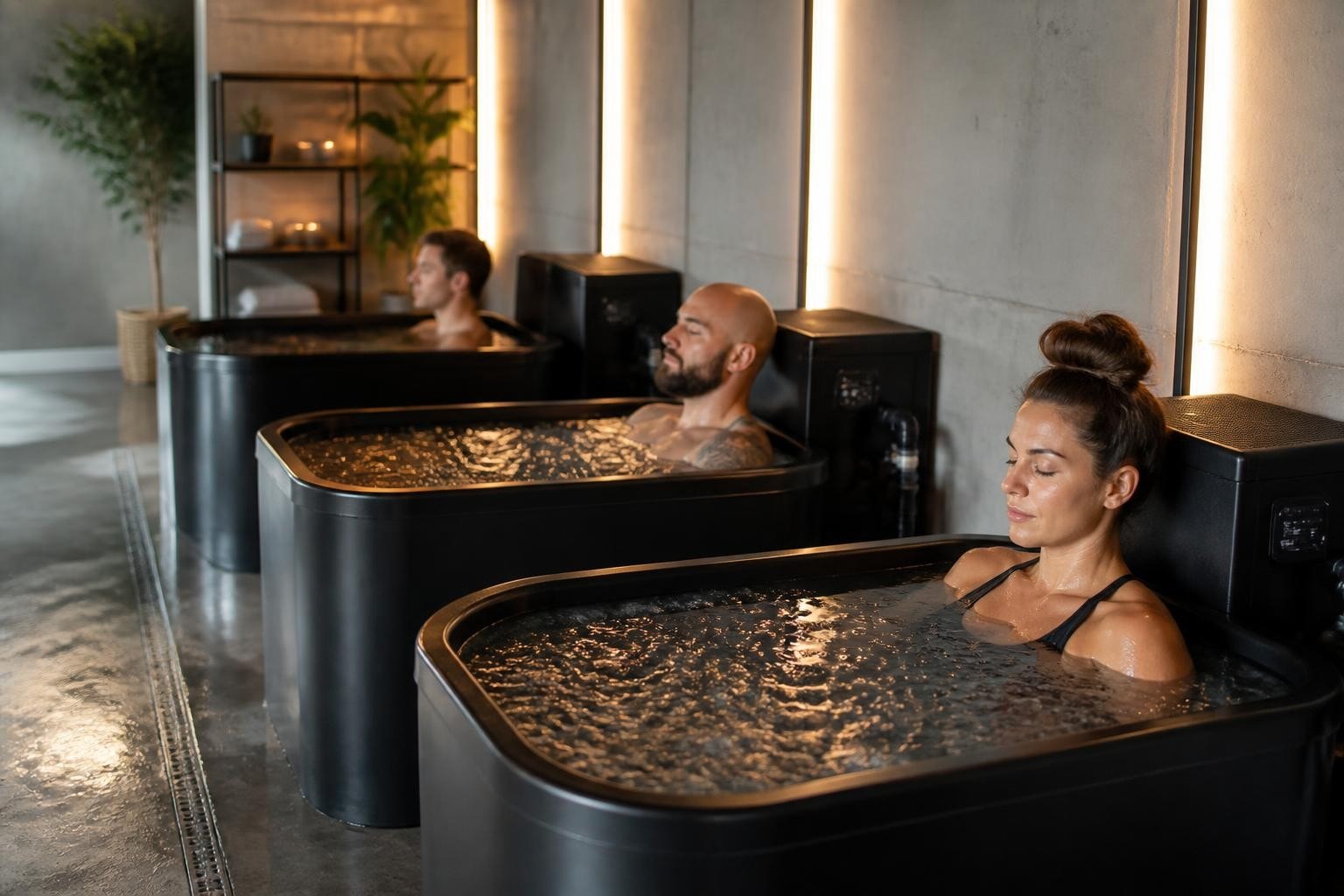
The wellness industry has witnessed a massive shift toward recovery-focused services, and commercial ice baths have emerged as one of the most sought-after amenities in gyms, sports facilities, wellness centers, and high-end hotels. Unlike residential units designed for personal use, commercial ice baths must withstand heavy daily usage, maintain consistent temperatures, and meet higher standards for durability and hygiene. Whether you're a gym owner looking to attract serious athletes or a wellness entrepreneur building a recovery-focused business, understanding the specifics of commercial-grade cold plunge systems will help you make an informed investment that pays dividends in member satisfaction and retention.
What Makes Commercial Ice Baths Different from Residential Units
Commercial ice baths differ fundamentally from home units in their construction, capacity, and operational requirements. These systems are engineered to handle multiple users per day, maintain precise temperature control under heavy use, and withstand the wear and tear of a public facility environment.
Key Distinctions:
- Durability: Commercial units use reinforced materials like 304 stainless steel or commercial-grade acrylic
- Capacity: Designed to accommodate multiple users throughout the day without performance degradation
- Filtration: Advanced systems that can handle higher contaminant loads
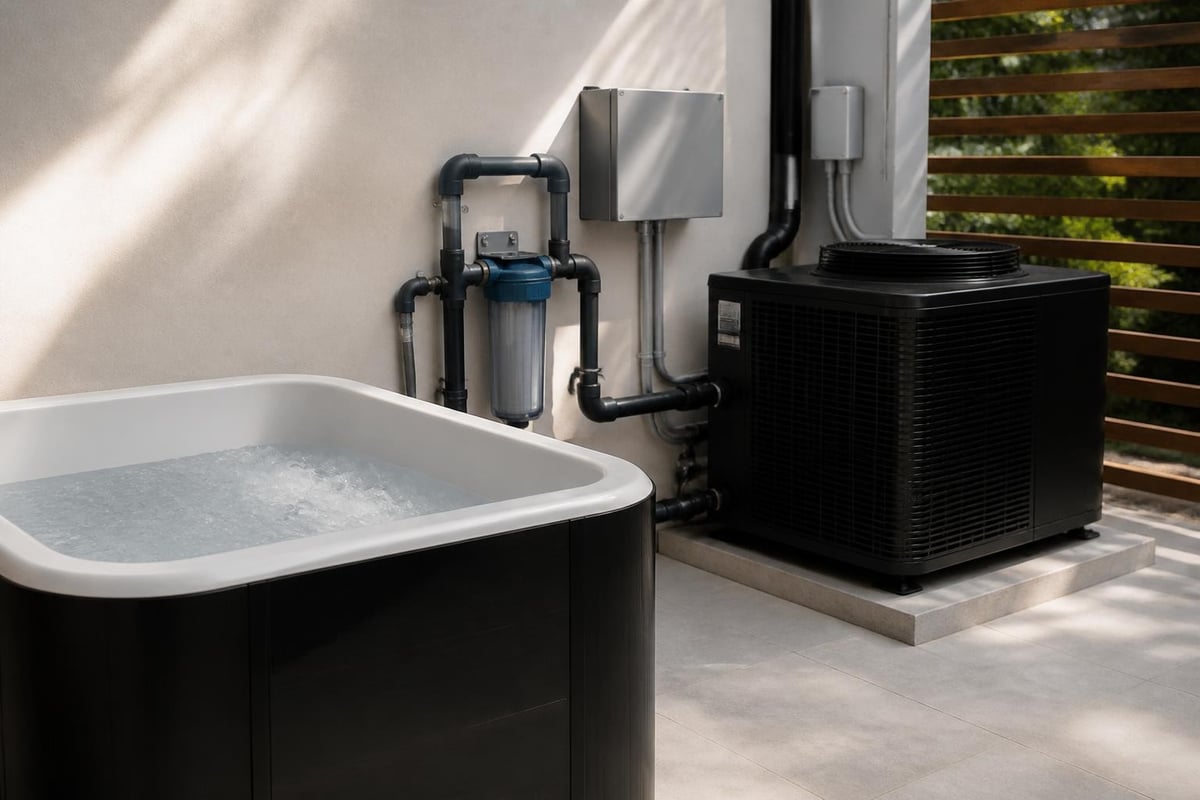
- Temperature consistency: Powerful chillers that maintain 37-50°F even with frequent door openings
- Sanitation: Enhanced cleaning protocols and materials that resist bacterial growth
The investment difference is substantial. While a quality residential cold plunge might cost between $3,000 and $8,000, commercial ice baths typically range from $8,000 to $30,000 depending on size, features, and chiller capacity. This premium reflects the engineering required to meet commercial demands.
Business Applications: Where Commercial Ice Baths Make the Most Impact
Understanding where commercial ice baths deliver the highest return on investment helps justify the initial expense. Different facilities leverage these systems in unique ways, each targeting specific customer needs and business models.
Athletic Training Facilities
Sports performance centers have led the adoption curve. Athletes understand the science behind ice bath benefits, particularly for reducing inflammation and accelerating recovery between training sessions. Commercial facilities serving this market need robust systems that can handle 15-30 uses per day during peak seasons.
Wellness Centers and Spas
Recovery-focused wellness businesses position commercial ice baths as part of a comprehensive treatment protocol. These facilities often combine cold exposure with sauna sessions, massage therapy, and guided breathing work, creating premium service packages that command higher prices.
CrossFit Boxes and High-Intensity Training Gyms
The CrossFit community has embraced cold therapy as a recovery tool. Box owners report that adding commercial ice baths increases member retention by 12-18% and serves as a powerful differentiator when competing for new members. The key is positioning the ice bath as a performance enhancement tool, not just a luxury amenity.
| Facility Type | Typical Daily Usage | Recommended Chiller Size | Average ROI Timeline |
|---|---|---|---|
| Boutique Gym | 8-15 uses | 1-1.5 HP | 18-24 months |
| Athletic Training Center | 20-40 uses | 2-3 HP | 12-18 months |
| Wellness Spa | 10-20 uses | 1.5-2 HP | 15-20 months |
| Hotel/Resort | 5-12 uses | 1 HP | 24-36 months |
Is It Worth It? The Real Economics of Commercial Ice Baths
The financial case for commercial ice baths extends beyond simple payback calculations. Smart operators view these systems as member acquisition and retention tools that generate value through multiple revenue streams.
Direct Revenue Opportunities:
- Membership upgrades: Premium tiers with ice bath access command $30-$80 more per month
- Day passes: Single-use cold plunge sessions sell for $25-$45 in most markets
- Recovery packages: Bundled services (sauna + ice bath + stretching) priced at $75-$150
- Corporate wellness contracts: B2B arrangements with local companies seeking employee benefits
One gym owner in Austin, Texas, reported that their $15,000 investment in a commercial ice bath generated $3,200 in additional monthly revenue through membership upgrades and day passes. At that rate, the system paid for itself in less than five months.
But the indirect benefits often matter more. Member retention improves because facilities offering recovery amenities create stronger habit loops. Members who use ice baths 2-3 times weekly are 40% less likely to cancel their memberships compared to those who only use cardio equipment and weights.
Hidden Costs to Consider
Operating commercial ice baths involves ongoing expenses that impact your bottom line:
- Electricity for chiller operation: $150-$400 monthly depending on usage and local rates
- Water and filtration supplies: $50-$100 monthly
- Sanitization chemicals and testing supplies: $75-$150 monthly
- Maintenance and occasional repairs: Budget $500-$1,000 annually
- Insurance adjustments: Some carriers increase premiums for aquatic amenities
What to Look for When Buying Commercial Ice Baths
Selecting the right commercial system requires evaluating technical specifications, understanding your usage patterns, and planning for long-term operational efficiency. The wrong choice leads to frustrated members, constant maintenance headaches, and wasted investment.
Chiller Capacity and Temperature Control
The chiller is the heart of any commercial ice bath system. Undersized chillers struggle to maintain temperature during peak hours, while oversized units waste electricity. Research on cold water immersion benefits shows that temperatures between 50-59°F deliver optimal results for most users, but your system needs the power to maintain that range even with frequent entries and exits.
Chiller Sizing Guidelines:
- Calculate daily usage: Number of sessions × average duration × recovery time between uses
- Factor in ambient temperature: Warmer climates need more chiller capacity
- Plan for growth: Size up one level to accommodate business expansion
- Consider dual-zone systems for facilities running both cold plunge and contrast therapy
Construction Materials and Longevity
Material choice directly impacts durability, maintenance requirements, and member experience. Commercial ice baths typically use one of three construction approaches:
Stainless Steel (304 or 316 Grade): Premium choice for high-volume facilities. Resists corrosion, easy to sanitize, and projects a professional image. The higher initial cost is offset by decades of reliable service.
Commercial Acrylic: Mid-range option offering good durability at a lower price point. Quality varies significantly between manufacturers, so inspect seams and thickness carefully.
Cedar or Wood Construction: Some facilities prefer the aesthetic appeal of natural materials. While wooden commercial units can work well, they require more maintenance and may not suit high-volume applications. For those interested in wooden options, Plunge N' Tubs offers premium Canadian cedar systems designed for serious users.
Filtration and Sanitation Systems
Health department regulations for commercial aquatic facilities are strict, and rightfully so. Your commercial ice bath needs filtration capacity that exceeds residential standards, with turnover rates fast enough to maintain water quality between sanitization cycles.
Look for systems with:
- Multi-stage filtration (sediment, carbon, and UV sterilization)
- Automated chemical dosing systems for consistent sanitation
- Easy-access filter cartridges that service staff can replace quickly
- Built-in water quality monitoring with temperature and pH sensors
Common Mistakes Beginners Make When Installing Commercial Ice Baths
First-time buyers often focus on upfront costs while overlooking factors that impact long-term success. Learning from others' mistakes saves money and frustration.
Mistake #1: Inadequate Space Planning
Commercial ice baths need more room than the unit's physical footprint. You need clearance for the chiller unit (which generates heat and requires ventilation), service access for maintenance, and adequate space for users to enter and exit safely. Many facilities also underestimate the need for changing areas, towel storage, and non-slip flooring around the unit.
Proper installation requires:
- Minimum 4-6 feet of clearance around the unit
- Dedicated electrical circuits (220V for most commercial chillers)
- Floor drains capable of handling overflow
- Ventilation for chiller heat exhaust
- Non-porous flooring that drains quickly
Mistake #2: Choosing Based on Price Alone
The cheapest commercial ice bath rarely delivers the best value. Systems at the bottom of the price range often use underpowered chillers, thin construction materials, and basic filtration that struggles with commercial usage levels. Within 12-18 months, these budget units develop problems that eat up the initial savings through repairs and member complaints.
Mistake #3: Ignoring Local Health Department Requirements
Commercial aquatic facilities face regulatory oversight that doesn't apply to home use. Before purchasing, contact your local health department to understand requirements for:
- Water testing frequency and documentation
- Chemical storage and handling protocols
- Signage requirements (temperature warnings, usage time limits)
- Emergency shut-off systems
- Accessibility standards under ADA guidelines
Some jurisdictions classify ice baths differently than pools or hot tubs, so don't assume standard pool regulations apply. Get clarification in writing before making your purchase.
Mistake #4: No Standard Operating Procedures
Commercial ice baths need clear usage guidelines and staff training. Without protocols, you'll face inconsistent water quality, equipment damage from improper use, and potential liability issues. Develop written procedures covering:
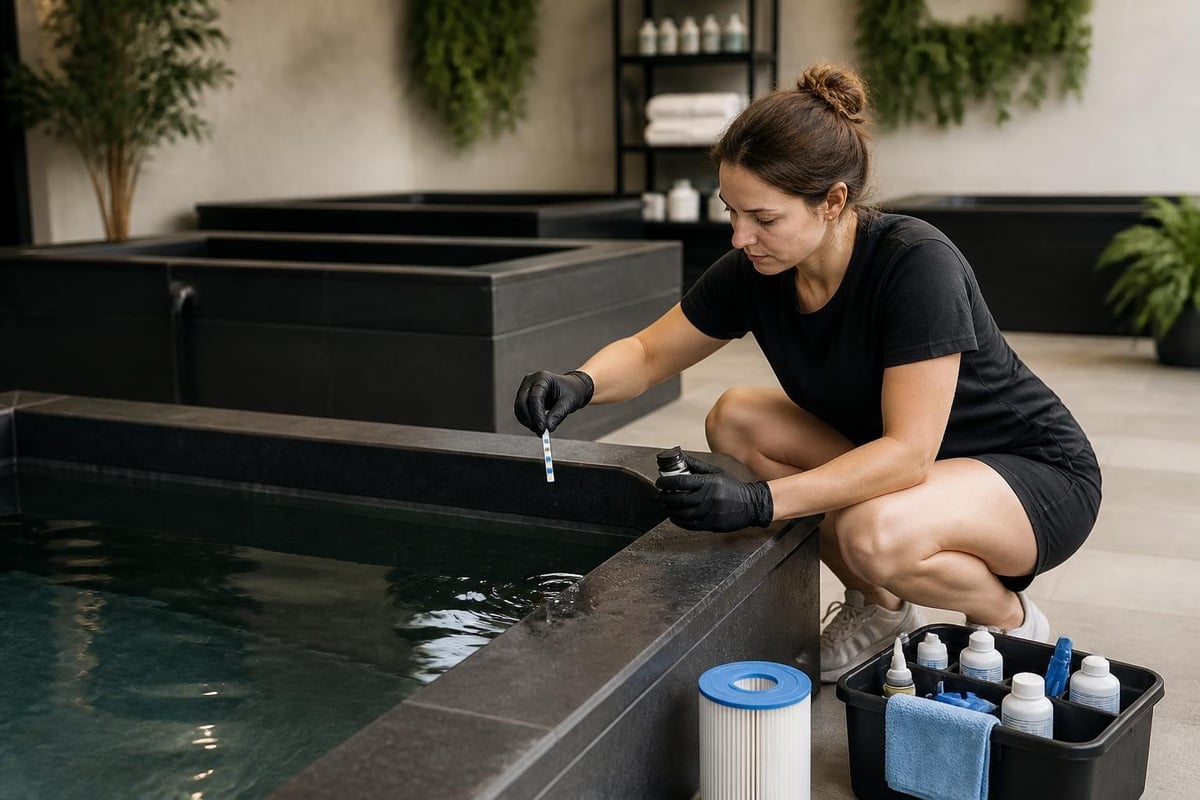
- Daily water quality testing and documentation
- Weekly deep cleaning protocols
- How to respond to equipment alerts or failures
- Member usage time limits and safety guidelines
- Emergency procedures for medical incidents
Who Should Buy Commercial Ice Baths?
Not every fitness facility benefits equally from adding commercial ice baths. The investment makes the most sense for businesses where the target demographic already understands and values recovery modalities.
Ideal Candidates:
- Performance-focused gyms serving serious athletes, CrossFitters, or endurance training groups
- Wellness centers building comprehensive recovery programs
- Physical therapy clinics incorporating cold therapy into treatment protocols
- High-end fitness clubs competing on amenities rather than price
- Hotels and resorts targeting wellness-conscious travelers
Questionable Fits:
- Budget gyms competing primarily on low membership fees
- Small studios with limited floor space and electrical capacity
- Facilities in regions where cold plunge therapy hasn't gained awareness
- Businesses without staff capacity to manage additional amenities
The decision often comes down to member demographics and competitive positioning. If your members already pay for cryotherapy sessions, massage therapy, or similar recovery services, they'll likely embrace commercial ice baths. If your business competes mainly on equipment quantity and low prices, the value proposition becomes harder to justify.
Maintenance and Operational Considerations
Commercial ice baths require consistent attention to maintain water quality, equipment performance, and member safety. The operational burden is manageable but non-negotiable. According to comprehensive maintenance guides, commercial facilities need structured protocols that go well beyond residential care requirements.
Daily Tasks:
- Test water temperature, pH, and sanitizer levels
- Inspect chiller operation and note any unusual sounds or performance issues
- Clean high-touch surfaces and entry/exit points
- Check filter pressure and clean if needed
- Document all readings in a maintenance log
Weekly Tasks:
- Deep clean the tub interior with approved sanitizers
- Inspect and clean filter cartridges
- Test and adjust total alkalinity and calcium hardness
- Check all electrical connections and safety systems
- Review usage logs and member feedback
Monthly Tasks:
- Replace filter cartridges per manufacturer specifications
- Inspect chiller components and refrigerant levels
- Deep clean circulation system with specialized cleaners
- Test all emergency shut-off systems
- Review maintenance costs and flag any concerning trends
For businesses considering portable options to test demand before committing to permanent installation, portable cold plunge systems offer a lower-risk entry point while you gauge member interest and refine your operational procedures.
Integration with Other Recovery Modalities
Commercial ice baths deliver maximum value when integrated into broader recovery protocols. Forward-thinking facilities combine cold exposure with complementary modalities to create premium service offerings that command higher prices and stronger member loyalty.
Contrast Therapy Protocols
Alternating between cold plunge and heat exposure amplifies the physiological benefits of each. Facilities offering both commercial ice baths and saunas can create structured contrast therapy sessions:
- 15-20 minutes in sauna (160-180°F)
- 3-5 minutes in ice bath (50-55°F)
- Repeat cycle 2-3 times
- End with cold exposure
Members report enhanced recovery, better sleep quality, and improved circulation from contrast therapy compared to ice baths alone. The service also justifies premium pricing, with many facilities charging $40-$60 per session.
Guided Recovery Programs
Passive access to commercial ice baths generates value, but structured programs create transformation. Consider offering:
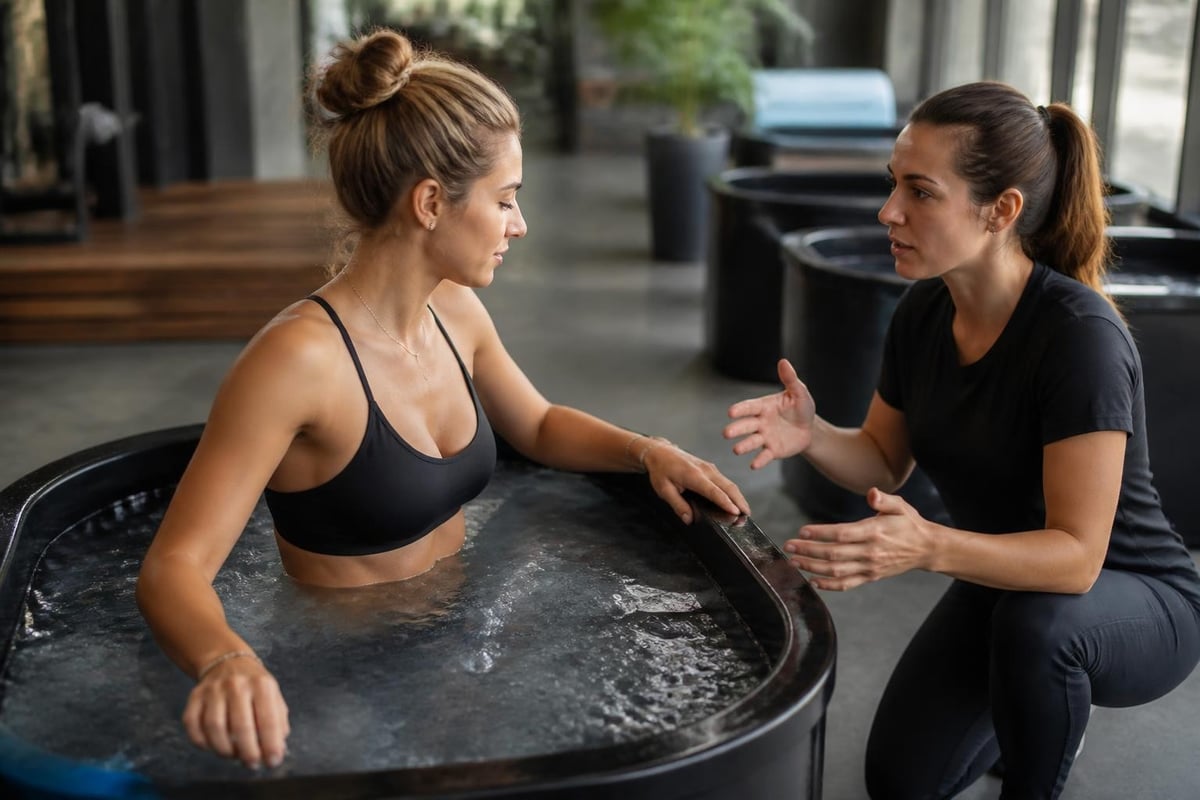
- Beginner cold therapy courses: 4-week programs teaching proper technique and progressive adaptation
- Athletic recovery packages: Post-workout protocols combining ice baths with stretching and compression therapy
- Wellness challenges: 30-day cold exposure programs with community support and tracking
These programs drive consistent usage, build community, and position your facility as a recovery education resource rather than just an equipment provider.
| Recovery Package | Components | Typical Pricing | Member Value |
|---|---|---|---|
| Basic Cold Access | Ice bath only, self-guided | $25-$35/session | Convenience, equipment access |
| Enhanced Recovery | Ice bath + sauna + stretching area | $45-$60/session | Comprehensive recovery, time efficiency |
| Guided Protocols | Coached sessions with breathing work | $75-$100/session | Education, accountability, optimization |
| Monthly Unlimited | All modalities, unlimited access | $150-$250/month | Best value for committed users |
The key is offering multiple entry points that serve different commitment levels while always creating a pathway to higher-value offerings.
Frequently Asked Questions
How cold should commercial ice baths be?
Most commercial facilities maintain temperatures between 50-55°F. This range delivers therapeutic benefits while remaining accessible to most users. More experienced athletes may prefer 45-50°F, but starting colder can discourage beginners. Many commercial systems offer temperature control allowing operators to adjust based on member preferences and time of day.
How often do commercial ice baths need water changes?
With proper filtration and chemical balance, commercial ice baths can operate 2-4 weeks between complete water changes. High-volume facilities using the unit 20+ times daily may need weekly changes, while lower-volume operations can extend the interval. Detailed maintenance protocols help operators develop schedules based on their specific usage patterns.
What's the ideal session length for commercial users?
Most facilities recommend 3-5 minute sessions for beginners and up to 10-15 minutes for experienced users. Posting clear guidelines near the unit helps members self-regulate and prevents overexposure incidents. Some operators use timers or staff oversight during peak hours to ensure fair access.
Do commercial ice baths require special permits?
Requirements vary by jurisdiction. Most areas classify them as commercial aquatic facilities requiring health department permits, regular inspections, and compliance with local sanitation codes. Contact your local health department early in the planning process to understand specific requirements for your location.
Can I finance commercial ice bath purchases?
Many manufacturers and specialty lenders offer financing for commercial wellness equipment. Terms typically range from 24-60 months with rates depending on your business creditworthiness. Some buyers prefer equipment leases that include maintenance and upgrades, particularly for facilities testing cold therapy demand before making a full commitment.
How do commercial ice baths compare to cryotherapy chambers?
Both offer cold exposure but through different mechanisms. Ice baths provide full-body immersion at moderate temperatures (45-55°F), while cryotherapy uses extremely cold air (-200°F to -300°F) for shorter durations. Ice baths are significantly less expensive to purchase and operate, require less specialized maintenance, and research suggests similar benefits for muscle recovery and inflammation reduction. The choice often comes down to available space, budget, and member preferences.
What happens if the chiller fails during business hours?
Quality commercial systems include backup protocols and alert systems. Most chillers have redundant components and can operate in degraded mode temporarily. Establish relationships with HVAC technicians familiar with commercial refrigeration systems before you need emergency service. Some operators keep backup ice supplies on hand for short-term temperature maintenance if mechanical systems fail.
Commercial ice baths represent a significant investment, but for the right facility serving the right market, they deliver measurable returns through new revenue streams, improved member retention, and competitive differentiation. Success requires careful system selection, proper installation planning, and commitment to consistent operational protocols. Plunge N' Tubs specializes in premium cold plunge systems crafted from the highest quality Canadian wood, with fast and free delivery across North America, helping wellness professionals and facility owners bring professional-grade recovery experiences to their members.
Share:
Cold Plunge System: Complete Buying Guide 2026
Cold Water Plunge Tank: Complete Buyer's Guide 2026