

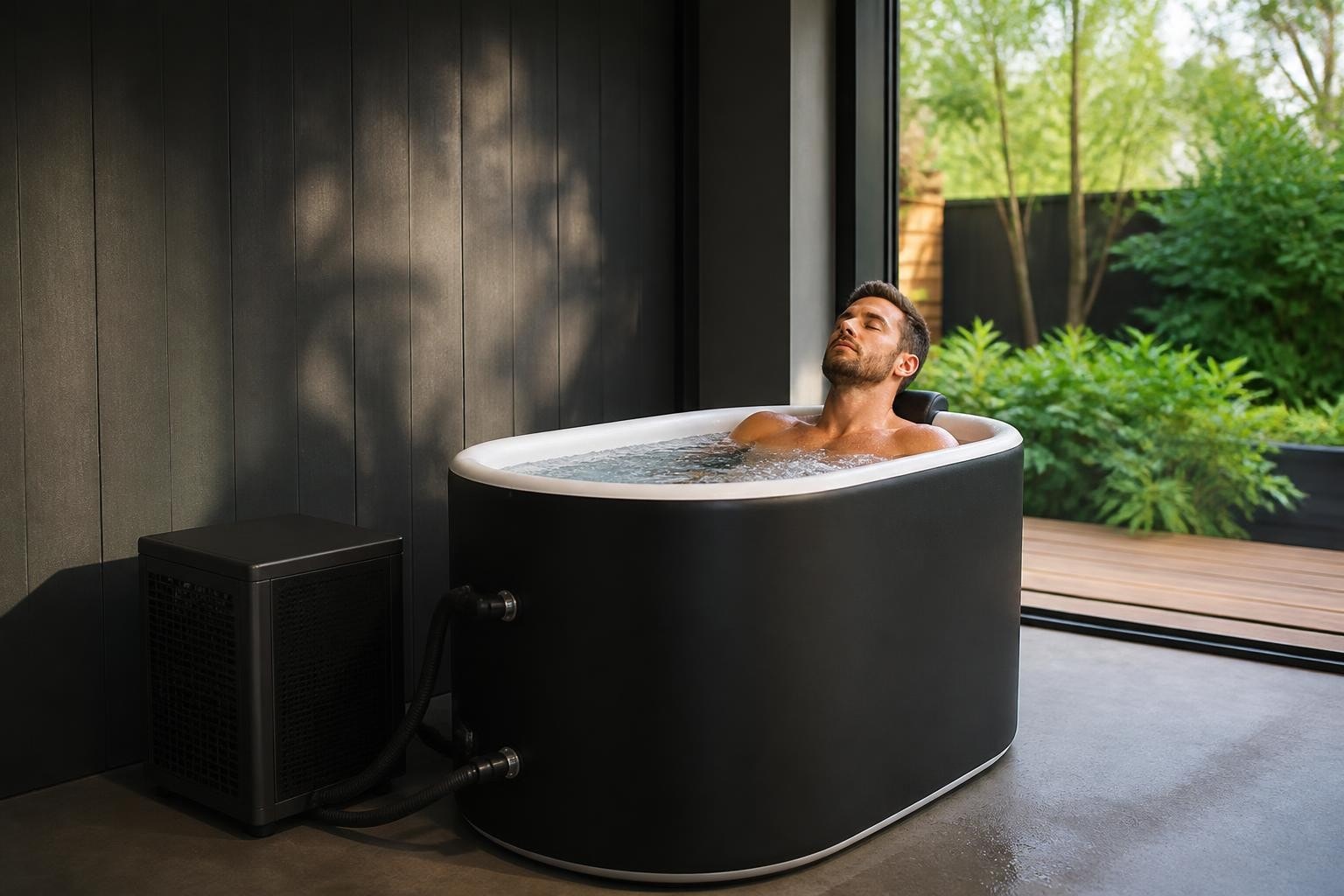
A cold plunge system brings professional-grade cold therapy into your home, eliminating the need for gym memberships, spa visits, or improvised ice baths. These dedicated units maintain precise water temperatures, typically between 37-55°F, allowing you to experience the documented benefits of cold water immersion on your own schedule. Whether you're an athlete focused on recovery, a wellness enthusiast exploring biohacking, or someone seeking mental clarity and improved sleep, understanding how these systems work will help you make an informed investment decision.
What Makes a Cold Plunge System Different from Regular Ice Baths
Traditional ice baths require constant monitoring, frequent ice purchases, and offer inconsistent temperatures that fluctuate as ice melts. A dedicated cold plunge system solves these problems through integrated cooling technology that maintains your target temperature automatically.
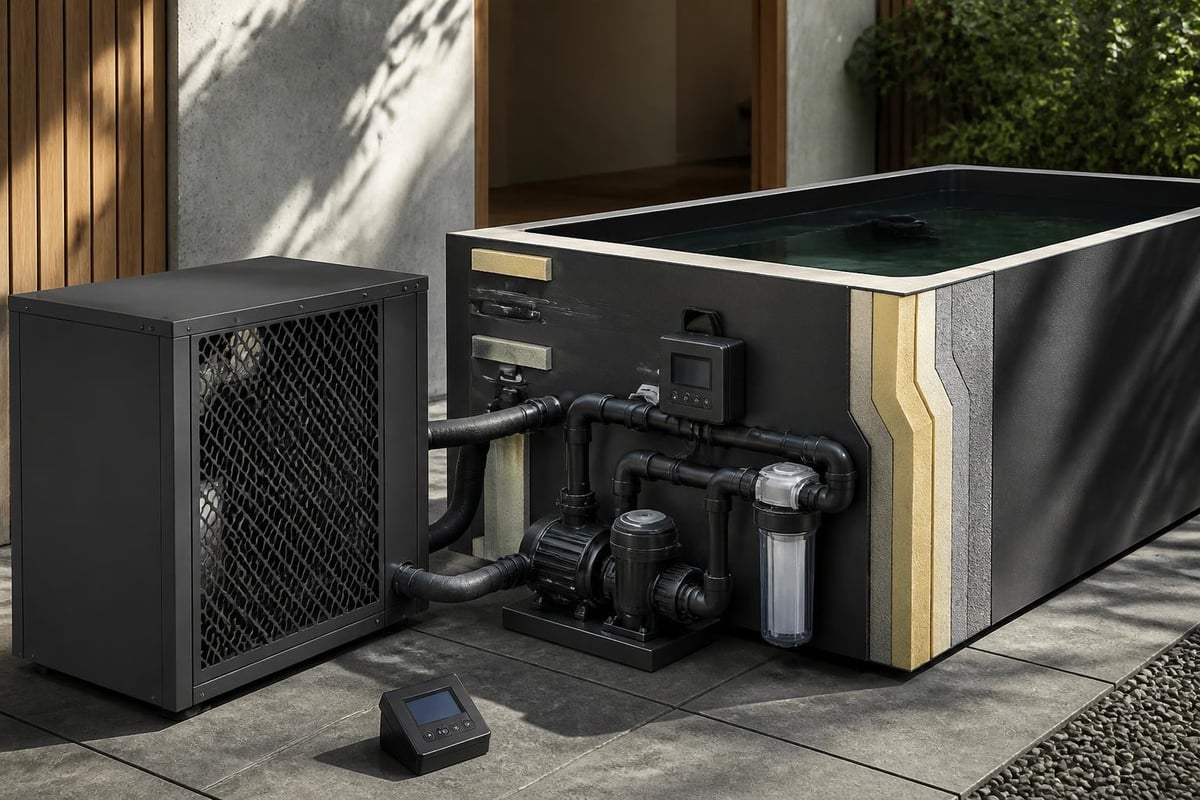
Key components that distinguish quality systems:
- Chiller units that actively cool water without ice
- Filtration systems that keep water clean for extended periods
- Insulated construction that reduces energy consumption
- Digital controls for precise temperature management
- Circulation pumps that distribute cold water evenly
The most significant advantage is consistency. Research on cold water therapy shows that regular exposure at controlled temperatures produces more reliable results than sporadic sessions with varying conditions.
Temperature Control and Maintenance
Professional cold plunge systems maintain water between 37-55°F, the range where most therapeutic benefits occur. Lower temperatures increase mental challenge and activate brown fat, while slightly warmer settings around 50-55°F provide comfortable entry points for beginners.
Quality systems cycle water through chillers continuously, similar to how hot tubs maintain heat. This process removes the guesswork and daily hassle of managing ice quantities or dealing with water that's too warm by afternoon.
Most units include filtration that allows you to change water monthly rather than after each use, saving both time and money. The initial investment pays dividends through reduced ongoing costs compared to buying ice bags or maintaining gym memberships for cold therapy access.
Is a Cold Plunge System Worth the Investment?
This question depends on your recovery needs, available space, and commitment to regular cold therapy. A cold plunge system represents a significant purchase, typically ranging from $3,000 to $15,000 depending on size, materials, and features.
Calculate your break-even point:
| Expense Type | Monthly Cost | Annual Cost | 3-Year Total |
|---|---|---|---|
| Gym membership with cold plunge | $150 | $1,800 | $5,400 |
| Spa cold therapy sessions (2x/week) | $320 | $3,840 | $11,520 |
| Ice for DIY baths (daily) | $90 | $1,080 | $3,240 |
| Home cold plunge system | $0 (after purchase) | $60 (electricity) | $180 |
Beyond financial considerations, the real value emerges from consistent use. Athletes who need daily recovery, individuals managing chronic inflammation, or anyone serious about performance optimization will extract maximum value from home access.
The convenience factor cannot be overstated. Morning cold plunges before work, post-workout recovery sessions, or evening routines for better sleep become effortless when your system is steps from your door. No driving, no scheduling, no crowds.
Performance and Recovery Benefits
Cleveland Clinic research on cold plunges confirms several physiological responses that support recovery and performance. Cold water immersion triggers vasoconstriction followed by vasodilation, improving circulation and reducing inflammation in muscles and joints.
Regular users report faster recovery between training sessions, reduced muscle soreness after intense workouts, and improved adaptation to physical stress. The mental clarity and mood enhancement many experience stem from norepinephrine release during cold exposure.
Sleep quality improvements occur when cold plunging happens 1-2 hours before bed, as the subsequent warming process signals your body to prepare for rest. These benefits compound over weeks and months of consistent practice.
Who Should Buy a Cold Plunge System?
Not everyone needs a dedicated cold plunge system, but specific groups will benefit significantly from the investment. Understanding whether you fall into these categories helps avoid buyer's remorse.
Ideal candidates for home cold plunge systems:
- Competitive athletes who train 5-6 days weekly and need consistent recovery protocols
- CrossFit enthusiasts managing high-intensity workload and frequent muscle soreness
- Runners and cyclists covering significant weekly mileage requiring inflammation management
- Weightlifters focused on strength gains who need faster recovery between sessions
- Wellness professionals who practice what they teach and value biohacking tools
- People with chronic inflammation seeking non-pharmaceutical management options
- Individuals with dedicated outdoor space for installation and regular access
Your commitment level matters more than your athletic ability. A weekend warrior who uses their system daily will see better results than an elite athlete who uses it sporadically. The Cleveland Clinic notes that consistency drives adaptation and maximizes benefits.
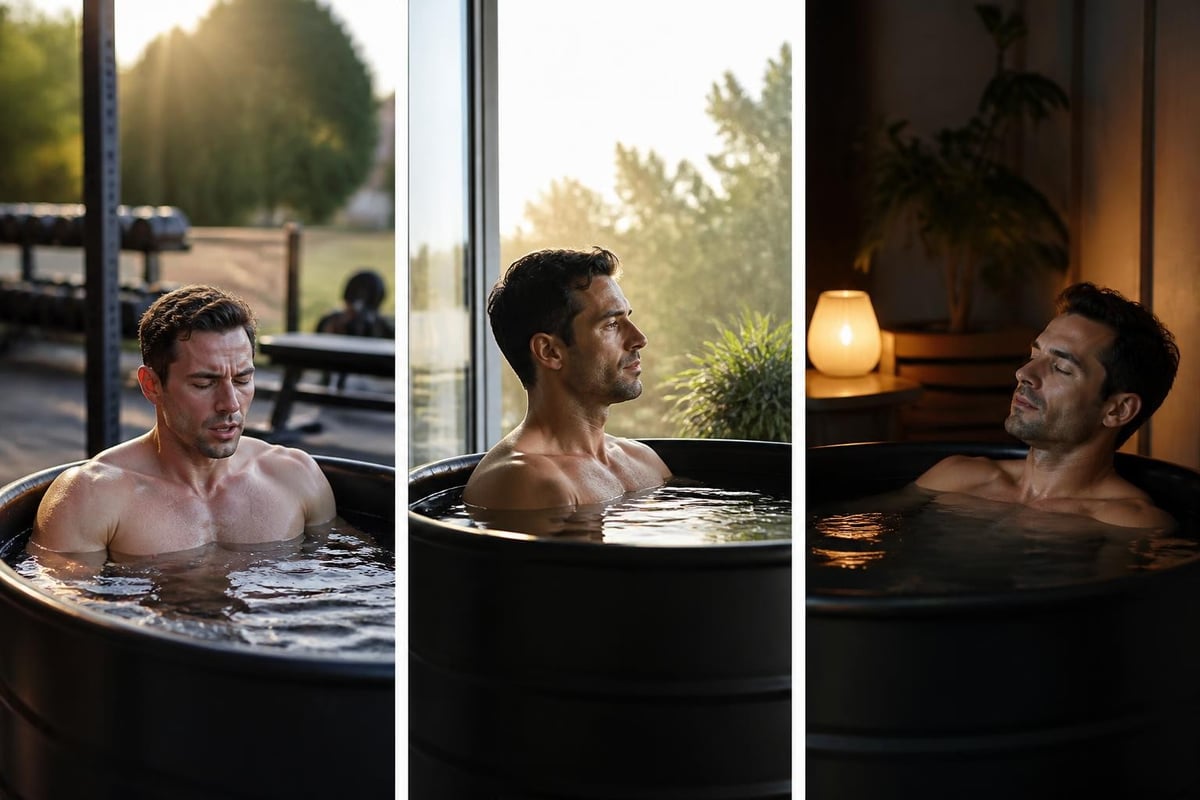
Space and Installation Requirements
Before purchasing, assess your available space honestly. Most cold plunge systems require 25-50 square feet of dedicated area, though exact dimensions vary by model. Indoor installations need proper drainage, ventilation for chiller units, and stable flooring that supports 500-1,200 pounds when filled.
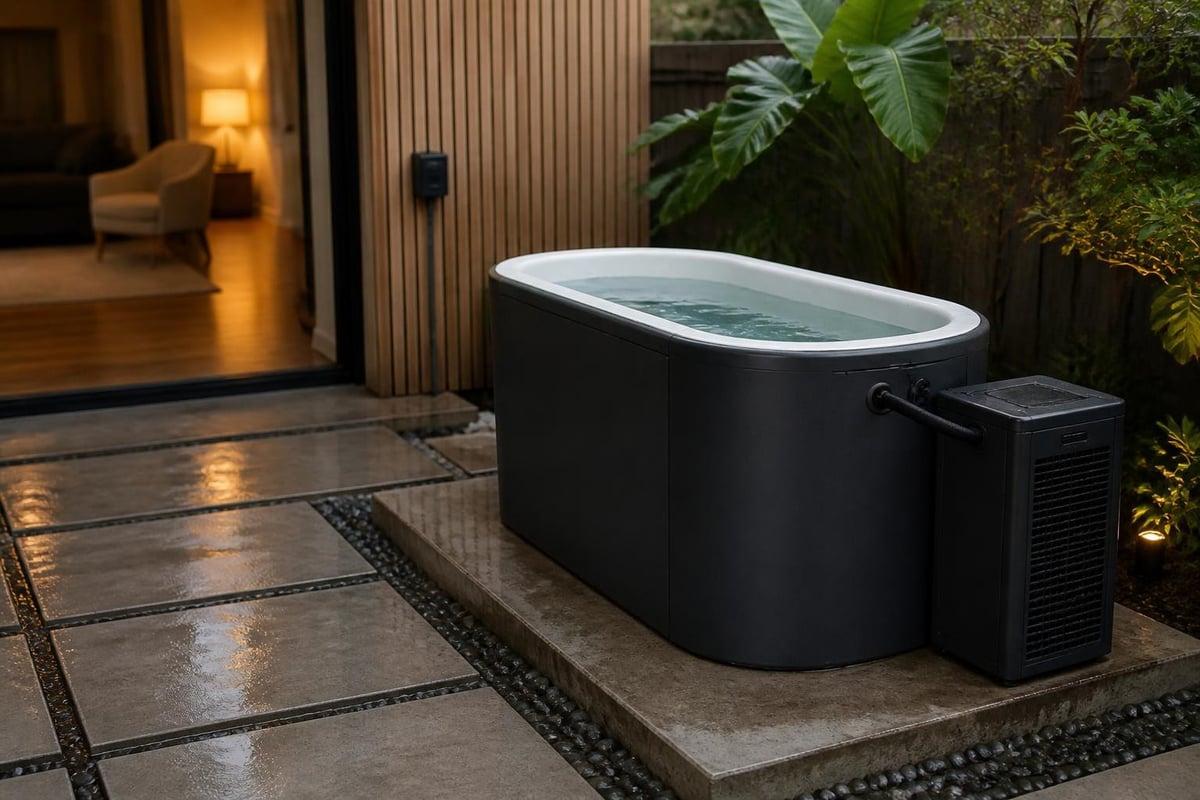
Outdoor installations offer more flexibility but require consideration of climate, access to electrical outlets, and protection from extreme weather. Installation guides detail specific requirements, but professional assessment prevents costly mistakes.
Electrical requirements typically include dedicated 110V or 220V circuits depending on chiller power. Most homeowners can accommodate this, but older homes may need electrical upgrades. Factor these potential costs into your budget planning.
What to Look for When Buying a Cold Plunge System
The market offers numerous options ranging from basic tubs requiring separate chillers to all-in-one units with integrated cooling and filtration. Understanding key features prevents overspending on unnecessary elements or choosing systems that won't meet your needs.
Construction Materials and Durability
Premium cold plunge systems use materials selected for longevity and temperature stability. Canadian-sourced white cedar, stainless steel, and high-density polyethylene represent the gold standard for different price points and aesthetic preferences.
Material comparison:
| Material | Durability | Insulation | Maintenance | Aesthetic |
|---|---|---|---|---|
| White Cedar | Excellent (15+ years) | Superior | Medium | Natural, premium |
| Stainless Steel | Excellent (20+ years) | Good | Low | Modern, clinical |
| HDPE Plastic | Good (10+ years) | Excellent | Very Low | Contemporary |
| Acrylic | Good (8-12 years) | Good | Low | Sleek, varied colors |
Wood systems require periodic sealing but offer natural insulation properties that reduce energy costs. Metal and plastic options deliver minimal maintenance while providing modern aesthetics that complement contemporary homes.
Insulation quality directly impacts operating costs. Well-insulated systems maintain target temperatures with less chiller runtime, reducing electricity consumption by 30-50% compared to poorly insulated alternatives.
Chiller Capacity and Temperature Range
Chiller power, measured in horsepower (HP), determines how quickly your system reaches target temperature and maintains it during use. Entry-level 1/2 HP chillers work for moderate climates and occasional use, while 1 HP or larger units handle daily use and extreme ambient temperatures.
For those committed to regular cold therapy, the Frost Cold Plunge Tub features a powerful 1HP integrated chiller that maintains precise temperatures between 37-108°F. This range allows both ice-cold recovery sessions and cool-down options, providing flexibility as your tolerance builds or your needs change throughout training cycles.
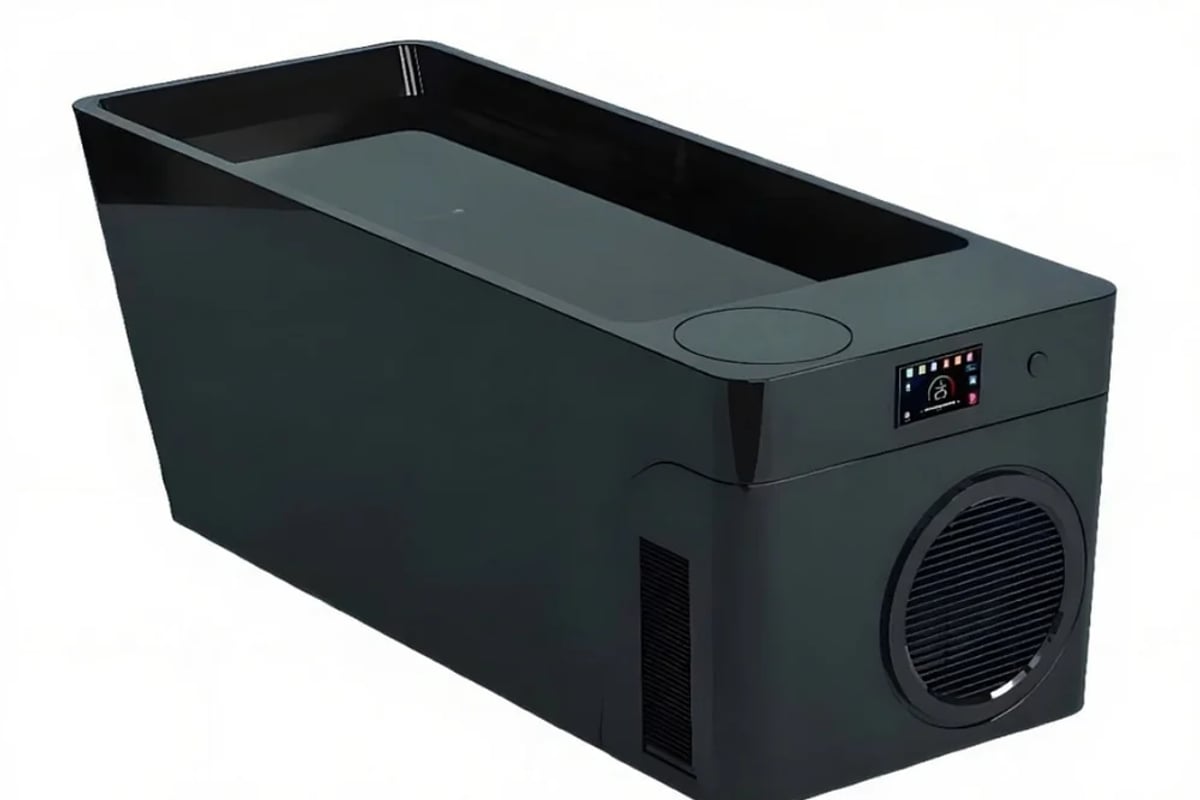
Temperature consistency matters more than you might expect. Systems that maintain ±2°F of your target deliver predictable adaptation, while units with wider fluctuations create inconsistent experiences that reduce therapeutic benefits.
Filtration and Water Quality Systems
Frequent water changes waste time and money. Quality filtration systems extend water life from days to 4-6 weeks, dramatically improving the ownership experience. Look for multi-stage filtration combining mechanical filters with ozone or UV sterilization.
Essential filtration features:
- Micron-rated filters (5-20 microns) that capture debris and particles
- Ozone generators that oxidize contaminants without harsh chemicals
- UV-C sterilization that kills bacteria and prevents algae growth
- Automated circulation schedules that maintain water quality between uses
Some systems integrate with smartphone apps for monitoring water quality, tracking usage patterns, and scheduling maintenance reminders. While not essential, these features enhance the user experience for tech-oriented buyers.
Common Mistakes Beginners Make with Cold Plunge Systems
New cold plunge owners frequently make avoidable errors that reduce their system's effectiveness or create unnecessary frustration. Learning from others' experiences saves time, money, and potential safety issues.
Temperature and Duration Errors
Starting too cold or staying too long represents the most common mistake. Beginners often set their system to 39°F and attempt 10-minute sessions, creating miserable experiences that discourage continued use. Expert advice on cold plunge duration recommends starting at 55-60°F for 2-3 minutes.
Progressive adaptation works better than extreme challenges. Lower temperature by 2-3 degrees weekly while gradually extending duration. This approach builds sustainable habits rather than creating aversion through suffering.
Your breathing pattern during immersion indicates whether you've exceeded your current capacity. Controlled breathing signals appropriate challenge, while gasping or panic responses mean the session is too intense for your adaptation level.
Placement and Installation Oversights
Installing systems on unstable surfaces, in areas with poor drainage, or without adequate electrical infrastructure creates ongoing problems. The weight of filled units requires stable, level foundations capable of supporting 800-1,200 pounds concentrated in small footprints.
Indoor installations without floor drains complicate water changes and increase flood risk if systems malfunction. Outdoor locations should consider sun exposure, as direct sunlight increases chiller workload and raises operating costs by forcing units to work harder maintaining temperature.
Accessibility matters for consistent use. Systems placed in inconvenient locations see reduced usage regardless of initial enthusiasm. Position your cold plunge system where you'll actually use it daily, not where it looks best but requires effort to access.
Maintenance Neglect
Skipping routine maintenance shortens system lifespan and degrades water quality. Weekly tasks include checking filter pressure, testing water chemistry, and inspecting chiller function. Monthly maintenance involves filter cleaning or replacement and thorough system inspection.
Chemical balance prevents biofilm buildup and maintains water clarity. Unlike hot tubs, cold plunge systems require minimal chemicals due to lower temperatures that discourage bacterial growth. Simple sanitizers and occasional shock treatments maintain pristine conditions.
Wood systems need annual sealing to prevent water absorption and maintain structural integrity. This simple task extends system life by years and preserves the natural beauty that makes wood options appealing. Maintenance guides provide specific schedules for different materials.
Setting Up Your Home Cold Plunge Routine
Establishing consistent protocols maximizes benefits while reducing the intimidation factor many people experience initially. Structure removes decision-making barriers that prevent regular use.
Sample weekly routine for beginners:
- Monday/Wednesday/Friday mornings - 3 minutes at 55°F after waking for mental clarity
- Tuesday/Thursday/Saturday post-workout - 5 minutes at 50°F for recovery
- Sunday evening - 4 minutes at 52°F for sleep preparation
Track your sessions using a simple log or smartphone app. Recording temperature, duration, and subjective experience helps identify patterns and progress. Most people notice adaptation within 2-3 weeks, with significant benefits emerging after 4-6 weeks of consistent practice.
Breathing techniques enhance the experience and improve stress tolerance. Box breathing (4-count inhale, 4-count hold, 4-count exhale, 4-count hold) helps manage the initial shock and maintains composure during longer sessions. Research on cold therapy shows controlled breathing amplifies benefits.
Optimal Timing for Different Goals
Cold plunge timing affects which benefits you emphasize. Morning sessions provide alertness and energy through norepinephrine and cortisol elevation. Post-workout timing within 1-2 hours maximizes recovery and inflammation reduction. Evening sessions 1-2 hours before bed support sleep quality through subsequent body warming.
Avoid cold exposure immediately before strength training, as it may temporarily reduce power output. Reserve pre-workout cold therapy for endurance activities or mental preparation rather than maximal strength sessions.
Experiment with timing to discover what works for your schedule and goals. Consistency matters more than perfect timing, so choose windows you can maintain reliably rather than optimal times you'll frequently miss.
Frequently Asked Questions
How cold should my cold plunge system be?
Beginners should start at 55-60°F and gradually work down to 45-50°F over several weeks. Advanced users often prefer 37-42°F, but therapeutic benefits occur across this entire range. Choose temperatures you can sustain comfortably for your target duration rather than the coldest possible setting.
How long does it take to see benefits?
Most people notice improved alertness after single sessions. Recovery benefits become apparent within 1-2 weeks of consistent use. Adaptations like improved cold tolerance, better sleep patterns, and enhanced mood typically manifest after 3-4 weeks of regular practice.
Can I use a cold plunge system year-round outdoors?
Quality systems with proper insulation and adequate chiller capacity function year-round in most climates. Extremely cold regions may require winterization or temporary indoor relocation. Covers reduce heat gain in summer and minimize freezing risks in winter, extending seasonal usability.
How often should I change the water?
Systems with proper filtration typically require water changes every 4-6 weeks. Monitor water clarity, smell, and chemical balance to determine optimal intervals. More frequent use or inadequate filtration may necessitate more frequent changes.
Do I need to add chemicals to my cold plunge system?
Minimal sanitization maintains water quality between changes. Chlorine, bromine, or non-chlorine shock treatments at reduced concentrations compared to hot tubs keep water clean. Test weekly and adjust as needed based on usage and water condition.
What's the difference between portable and permanent cold plunge systems?
Portable systems offer flexibility and lower initial costs but typically provide less insulation and may have limited chiller capacity. Permanent installations deliver superior temperature control, durability, and aesthetic integration but require dedicated space and professional installation. Choose based on your commitment level and space constraints.
Will a cold plunge system increase my electricity bill significantly?
Well-insulated systems with efficient chillers typically add $15-40 monthly to electricity costs depending on usage frequency, ambient temperature, and local energy rates. Poor insulation or oversized units can double these costs, making quality construction a smart long-term investment.
Integration with Other Recovery Modalities
Cold plunge systems complement other recovery tools rather than replacing them. Contrast therapy alternating between cold plunges and hot tubs or saunas provides enhanced circulation benefits. The dramatic temperature shifts force blood vessel dilation and constriction, improving vascular health and recovery speed.
Many athletes combine cold therapy with compression, massage, and proper nutrition for comprehensive recovery protocols. Research shows that cold plunging works synergistically with other recovery methods rather than producing benefits in isolation.
Stretching and mobility work after cold plunges capitalizes on reduced inflammation and improved circulation. The mental clarity many experience makes post-plunge periods ideal for visualization, meditation, or strategic planning related to training goals.
A cold plunge system transforms recovery from an occasional luxury into a daily practice that compounds benefits over time. Understanding the features that matter, avoiding common mistakes, and establishing consistent routines ensures you extract maximum value from your investment. When you're ready to bring professional-grade cold therapy home, Plunge N' Tubs offers premium systems crafted from Canadian-sourced wood, trusted by athletes and wellness professionals across North America. With fast, free delivery and expert support, your journey toward enhanced recovery and performance starts with choosing quality equipment built to deliver results for years to come.
Share:
Hot Tub and Cold Plunge: Complete Guide for 2026
Commercial Ice Baths: Ultimate Buying Guide for 2026