

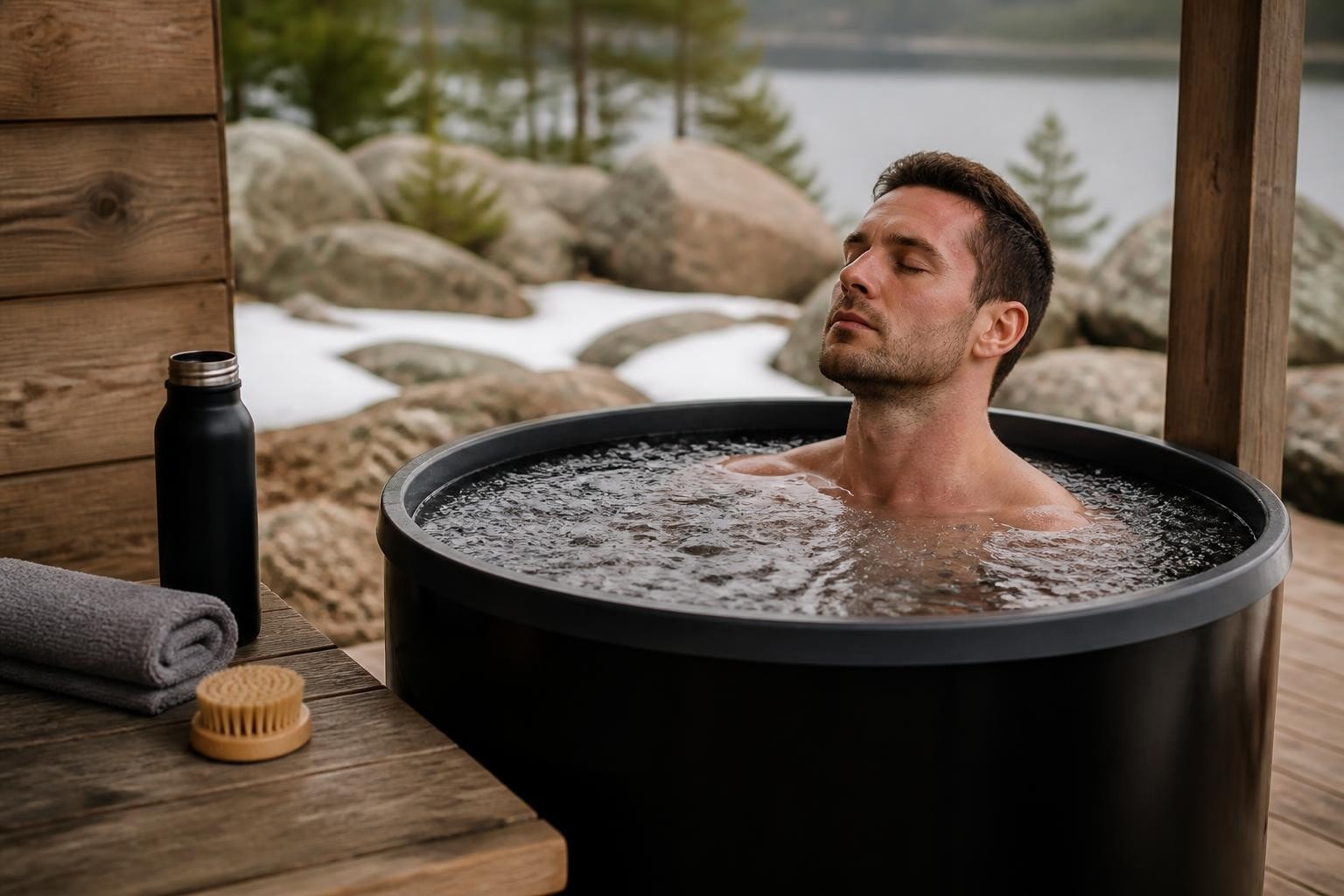
Cold plunge therapy has evolved from elite athlete recovery rooms to home wellness routines across North America. The flow plunge approach represents a systematic method of incorporating cold water immersion into daily life, focusing on consistent exposure, proper protocols, and measurable results. As more people discover the recovery and mental health benefits of regular cold therapy, understanding how to implement a sustainable flow plunge routine becomes essential for maximizing results while avoiding common pitfalls.
Understanding the Flow Plunge Method
The flow plunge concept centers on creating a seamless, repeatable cold therapy routine that fits naturally into your lifestyle. Unlike sporadic ice bath sessions or occasional cold showers, a proper flow plunge system emphasizes consistency, gradual adaptation, and intentional practice. This approach recognizes that the most significant benefits come from regular exposure rather than extreme, infrequent sessions.
Research published by Cleveland Clinic highlights how regular cold plunges can relieve sore muscles and improve sleep quality when practiced consistently. The flow plunge methodology takes these findings and structures them into practical daily or weekly routines that anyone can follow.
Core Principles of Flow Plunge Practice
A successful flow plunge routine depends on three fundamental elements: temperature control, exposure duration, and recovery timing. Temperature should remain consistent between 45-55°F for most users, allowing the body to adapt without excessive stress. Exposure duration typically ranges from 2-5 minutes for beginners, extending to 10-15 minutes as tolerance builds.
Key protocol components include:
- Pre-plunge breathing exercises to calm the nervous system
- Consistent water temperature maintained through proper equipment
- Post-plunge warming protocols to restore core temperature safely
- Daily or alternate-day scheduling for optimal adaptation
The timing of your flow plunge matters significantly. Morning sessions tend to energize and sharpen focus for the day ahead, while evening plunges can reduce inflammation after training sessions. Many practitioners find that establishing a specific time creates habit formation and ensures consistency.
Science-Backed Benefits of Regular Cold Plunge
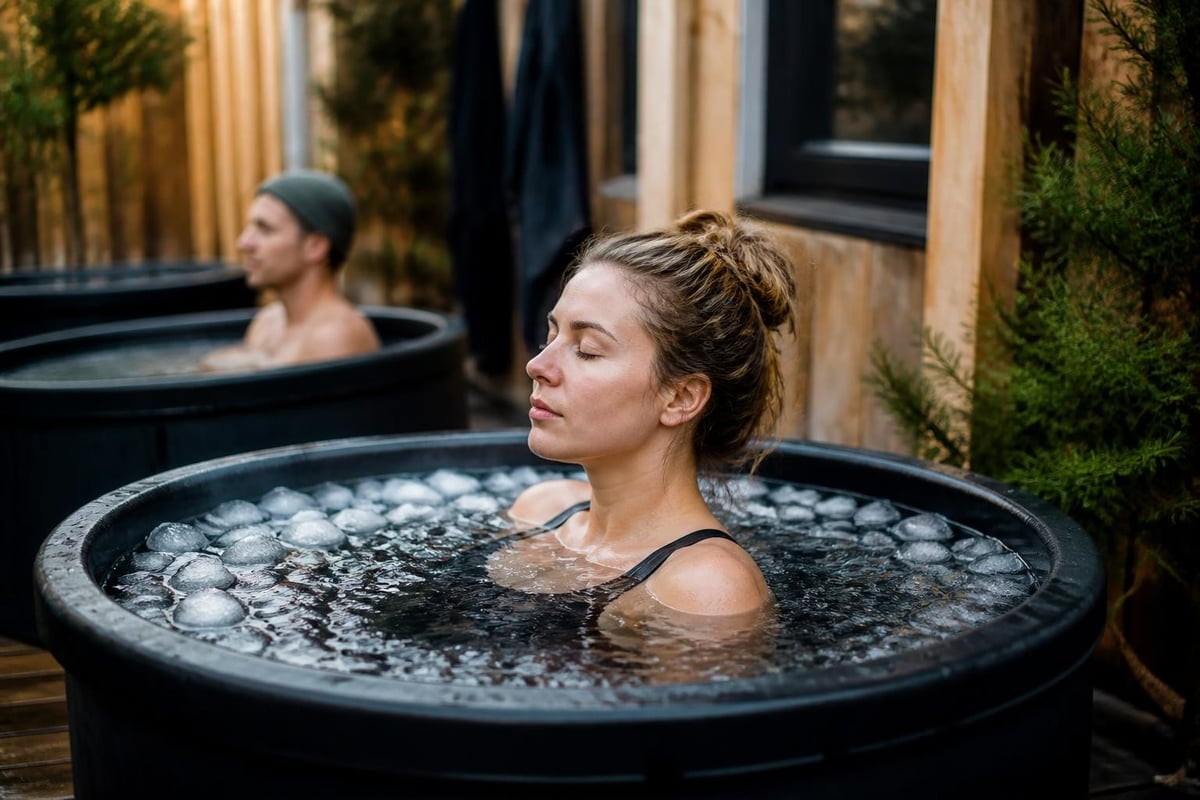
The physiological responses to cold water immersion create cascading benefits throughout multiple body systems. When you enter cold water, vasoconstriction occurs immediately, redirecting blood flow from extremities to core organs. Upon exiting, vasodilation creates a flushing effect that delivers fresh, oxygenated blood throughout the body. This cycle strengthens cardiovascular function and improves circulation over time.
Studies covered by Healthline demonstrate that cold plunges may enhance muscle recovery, improve mood, and support cardiovascular health, though researchers continue investigating optimal protocols. The flow plunge approach amplifies these benefits through regular, measured exposure that allows your body to adapt progressively.
Physical Recovery and Performance
Athletes and fitness enthusiasts adopt flow plunge routines primarily for recovery benefits. Cold water immersion reduces inflammation markers, decreases muscle soreness, and accelerates the removal of metabolic waste products like lactate. Professional sports teams have integrated cold therapy protocols for decades, and home systems now make these same benefits accessible.
| Recovery Benefit | Mechanism | Timeline |
|---|---|---|
| Reduced inflammation | Vasoconstriction limits fluid accumulation | Immediate to 24 hours |
| Decreased muscle soreness | Lower inflammatory markers | 24-48 hours post-session |
| Improved circulation | Vascular training through temperature contrast | Cumulative over weeks |
| Enhanced lymphatic drainage | Pressure changes stimulate fluid movement | During and after exposure |
The mental clarity benefits prove equally compelling. Cold exposure triggers norepinephrine release, a neurotransmitter that enhances focus, attention, and mood. Regular practitioners report sustained improvements in mental sharpness and emotional resilience that extend well beyond the immediate post-plunge period.
Is a Flow Plunge System Worth the Investment?
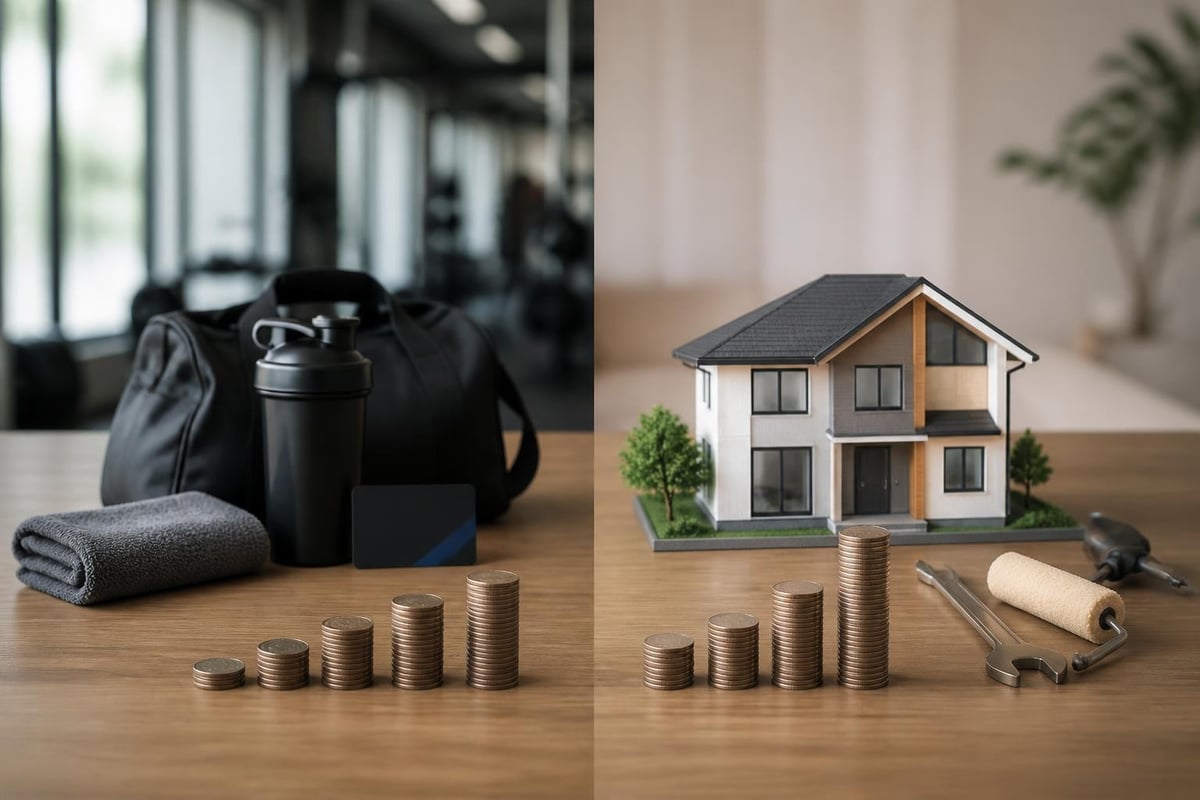
Determining whether a dedicated cold plunge setup makes financial sense requires honest assessment of your wellness priorities and current spending. Consider what you currently invest in gym memberships, physical therapy sessions, massage treatments, or spa visits. A quality home cold plunge system typically costs between $3,000 and $8,000, representing significant upfront investment but eliminating ongoing monthly fees.
The value equation shifts dramatically when you calculate long-term costs. If you currently spend $150 monthly on recovery services, a $5,000 cold plunge system pays for itself within three years while providing unlimited daily access. The convenience factor alone justifies the investment for many users who previously struggled to maintain consistency with facility-based cold therapy.
Cost-benefit considerations:
- Elimination of gym or spa membership fees for cold therapy access
- Unlimited family use versus per-session pricing
- Time savings from eliminating travel to facilities
- Privacy and comfort of home-based recovery
- Property value enhancement with premium wellness equipment
For serious athletes, frequent travelers dealing with jet lag, or anyone managing chronic inflammation, the flow plunge investment typically proves worthwhile within the first year. Casual users might explore portable cold plunge options before committing to permanent installations.
Who Should Invest in a Flow Plunge System?
The ideal flow plunge user maintains an active lifestyle and values recovery as much as training. Endurance athletes, CrossFit enthusiasts, weightlifters, and runners benefit tremendously from consistent cold therapy protocols. The anti-inflammatory effects help these populations train harder and recover faster, creating performance improvements that compound over months.
Beyond athletic performance, flow plunge systems serve anyone managing chronic pain, inflammation, or stress. People with autoimmune conditions, arthritis, or high-stress careers report significant quality-of-life improvements from regular cold exposure. The mental health benefits deserve particular attention, as research shows cold plunges can elevate mood through natural endorphin and neurotransmitter responses.
User Profiles That Benefit Most
Professional and amateur athletes represent the largest user group, but several other populations see exceptional results. Biohackers optimizing longevity metrics track improvements in heart rate variability, sleep quality, and inflammatory markers through consistent flow plunge practice. Entrepreneurs and executives use morning cold plunges to sharpen mental clarity before high-stakes decisions.
Recovery-focused users include physical therapy patients, post-surgery rehabilitation cases, and chronic pain management patients. The non-pharmaceutical approach appeals to people seeking natural interventions for inflammation and discomfort. Mental health applications show promise too, with practitioners using controlled cold exposure to build stress resilience and emotional regulation skills.
When to Skip Cold Plunge Investment
Certain health conditions require medical clearance before beginning any cold therapy protocol. People with cardiovascular disease, uncontrolled high blood pressure, or a history of heart arrhythmias must consult physicians before starting flow plunge routines. Pregnant women should avoid cold plunges entirely, as the stress response could affect fetal development.
Budget constraints matter too. If purchasing a quality system means incurring debt or sacrificing emergency savings, cheaper alternatives like cold showers or ice bath protocols offer entry points to cold therapy. Start simple, establish consistency, then upgrade equipment as finances allow.
What to Look for When Buying a Cold Plunge Tub
Material quality separates premium cold plunge systems from budget alternatives that fail within months. The best flow plunge tubs use marine-grade materials designed for constant water exposure and temperature fluctuations. Eastern White Cedar, Western Red Cedar, and 304 stainless steel represent top-tier choices that withstand years of daily use without degradation.
Essential features for optimal flow plunge systems:
- Integrated or compatible chiller systems maintaining precise temperatures
- Insulated construction reducing energy consumption and temperature drift
- Proper drainage systems for easy maintenance and water changes
- UV sanitation or ozone systems minimizing chemical use
- Ergonomic dimensions allowing full body submersion up to shoulders
Size considerations depend on your space and whether multiple users will share the system. Single-user tubs require roughly 80-100 gallons, while family systems need 150-200 gallons. Measure your installation location carefully, accounting for clearance around the tub for entry, exit, and maintenance access.
The Flow Cold Plunge exemplifies professional-grade design with durable Canadian construction and integrated temperature control. Built for daily use, it delivers consistent cold therapy without complicated setup, making it ideal for athletes and wellness enthusiasts serious about recovery.
Chiller Systems and Temperature Control
Professional results require precise temperature maintenance, making chiller quality your most critical consideration. Entry-level chillers struggle to maintain consistent temperatures, especially in warm climates or during heavy use periods. Quality systems use 1/2 HP or 1 HP compressors that recover quickly after use and handle ambient temperature swings.
| Chiller Feature | Why It Matters | Target Specification |
|---|---|---|
| Cooling capacity | Maintains temperature during use | 1/2 HP minimum, 1 HP preferred |
| Temperature range | Allows protocol variation | 37-65°F adjustable |
| Energy efficiency | Reduces operating costs | Energy Star rated when available |
| Noise level | Prevents disturbance | Under 50 decibels preferred |
| WiFi control | Enables scheduling and remote monitoring | App-based preferred |
Some flow plunge enthusiasts prefer ice-based systems without chillers, manually adding ice before each session. This approach works for occasional users but becomes impractical for daily practice. Calculate ice costs and storage logistics before choosing manual temperature control over automated systems.
Setting Up Your Flow Plunge Routine
Successful implementation begins with environmental preparation and protocol design. Select an installation location with adequate drainage, electrical access for chillers, and comfortable ambient temperature. Outdoor installations in covered areas work well in moderate climates, while indoor setups require proper ventilation and waterproof flooring.
Your initial protocol should prioritize adaptation over intensity. Begin with 2-minute sessions at 55-60°F, focusing on controlled breathing and mental calmness. The shock response diminishes rapidly with consistent practice, usually within 7-10 sessions. Track your sessions, noting duration, temperature, and subjective experience to identify optimal parameters.
Progressive Adaptation Protocol
Week one establishes baseline tolerance. Enter the cold plunge daily, staying only as long as you maintain controlled breathing. This might be 30 seconds initially. Exit before panic sets in, focusing on the accomplishment rather than arbitrary duration targets. Your nervous system adapts to cold stress remarkably quickly when exposed consistently.
- Weeks 1-2: Daily 2-minute sessions at 58-60°F, focus on breathing control
- Weeks 3-4: Increase to 3-4 minutes, drop temperature to 55-58°F
- Weeks 5-6: Extend to 5-7 minutes, reduce temperature to 50-55°F
- Weeks 7-8: Maintain 8-10 minutes at 45-50°F for advanced benefits
- Weeks 9+: Customize based on goals, some days intense, others moderate
Breathing techniques dramatically affect your experience. Practice slow, controlled breathing before entering the water. Continue deliberate breaths during immersion, avoiding gasping or hyperventilation. Research highlighted by TechRadar confirms that proper breathing maximizes cold plunge benefits while reducing perceived discomfort.
Common Mistakes Beginners Make
New practitioners typically make several predictable errors that limit results or create negative experiences. The most frequent mistake involves starting too aggressively, attempting 5-10 minute sessions at extreme temperatures on day one. This approach triggers intense stress responses, negative associations, and often abandonment of the practice entirely. Cold adaptation requires patience and progressive challenge.
Frequent beginner errors:
- Skipping pre-plunge breathing preparation
- Inconsistent practice schedules preventing adaptation
- Inadequate post-plunge warming protocols
- Competitive mindset prioritizing duration over quality
- Neglecting water maintenance and sanitation
Water quality represents another overlooked factor. Untreated cold plunge water becomes a bacterial breeding ground within days. Implement proper filtration, sanitation, and regular water changes according to manufacturer guidelines. Poor water quality causes skin irritation and unpleasant odors that discourage consistent use.
Safety Protocols and Risk Management
Never plunge alone during initial sessions or when experimenting with longer durations. Have someone nearby who can assist if you experience dizziness, confusion, or difficulty exiting. Set a timer rather than relying on subjective time perception, which becomes unreliable in cold water. Exit immediately if you experience chest pain, severe shivering, or numbness that prevents movement.
Post-plunge warming requires deliberate attention. Allow your body to rewarm naturally through movement and ambient temperature rather than jumping into hot showers. The gradual rewarming process extends many benefits of cold exposure while preventing thermal shock. Light exercise, warm clothing, and hot beverages support comfortable, safe temperature recovery.
Women should note that cold plunging affects hormonal balance differently based on menstrual cycle phases. Some practitioners adjust intensity during certain weeks, while others maintain consistent protocols year-round. Experiment to find what works for your body.
Maintenance and Long-Term Care
Quality cold plunge systems require minimal maintenance when properly designed, but neglecting basic care accelerates wear and creates hygiene issues. Establish weekly, monthly, and seasonal maintenance routines that keep your flow plunge system functioning optimally for years. Most tasks take minutes and prevent expensive repairs down the road.
Weekly maintenance checklist:
- Test and adjust water chemistry (pH, sanitizer levels)
- Clean waterline and remove debris
- Inspect and clean filters
- Verify chiller operation and temperature accuracy
- Check for leaks or unusual wear patterns
Monthly tasks include deep filter cleaning, full water chemistry testing, and equipment inspection. Seasonal maintenance varies by climate, with winterization essential in freezing regions. Drain systems completely or maintain operation with proper insulation to prevent freeze damage. Spring startup involves thorough cleaning, fresh water filling, and system testing before resuming regular use.
Integrating Flow Plunge with Other Recovery Modalities
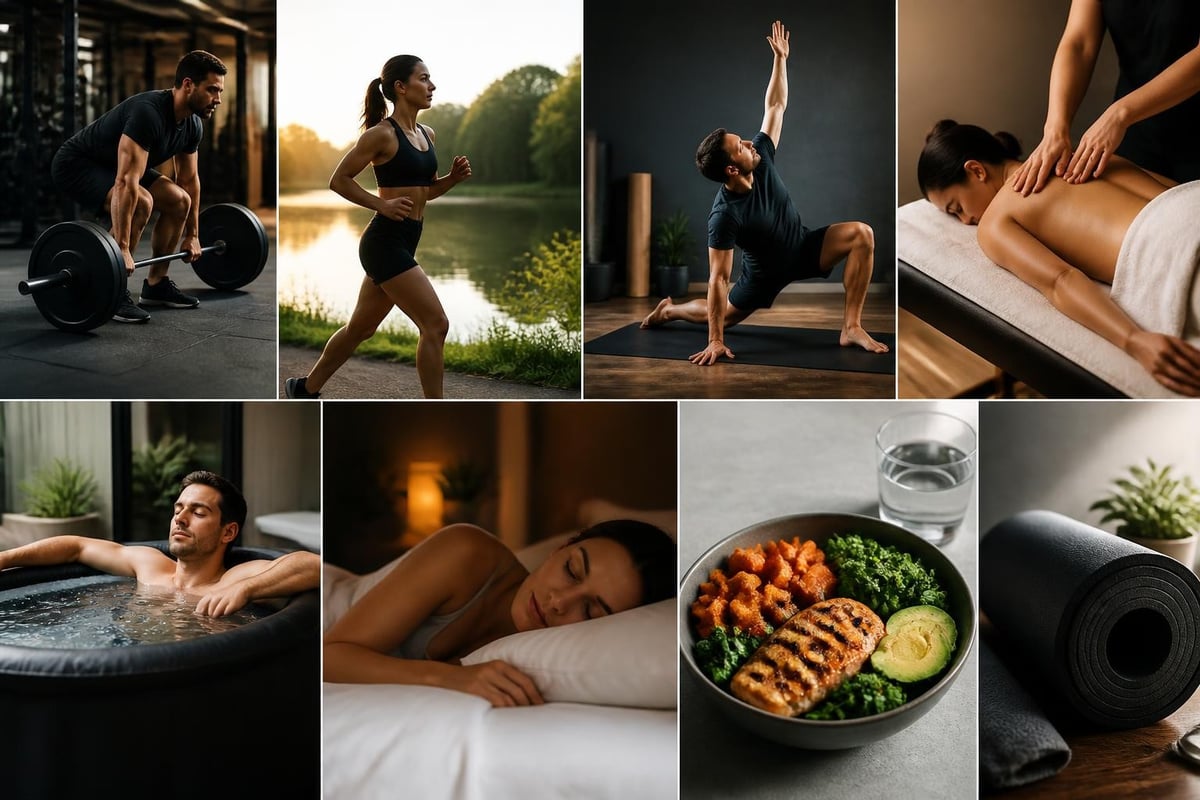
Cold plunge therapy complements other recovery practices when properly sequenced. The relationship between heat and cold exposure deserves particular attention, as contrast therapy amplifies benefits of both modalities. Practitioners alternate between hot tubs or saunas and cold plunges, creating powerful vascular training that improves circulation and accelerates recovery.
Standard contrast therapy protocols involve 10-15 minutes in heat followed by 2-5 minutes of cold exposure, repeated 3-4 times. Always end on cold to maximize anti-inflammatory benefits and prevent excessive vasodilation. Many wellness enthusiasts install both hot tubs and cold plunge systems, creating comprehensive home recovery centers.
Sleep quality improvements occur when cold plunging happens 2-4 hours before bedtime. The core temperature drop following cold exposure triggers natural sleep preparation mechanisms. Avoid plunging within 90 minutes of bedtime, as the adrenaline response might interfere with sleep onset. Morning sessions provide the opposite effect, delivering energy and alertness that rivals caffeine without the jitters.
Advanced Flow Plunge Techniques
Experienced practitioners develop sophisticated protocols that target specific adaptations. Some athletes use breathing exercises during cold exposure to enhance stress resilience and mental toughness. The Wim Hof Method combines specific breathing patterns with cold exposure, though research into optimal techniques continues. Experiment cautiously with advanced methods after establishing solid baseline practice.
Temperature variation throughout the week creates different stimulus types. Use colder temperatures (40-45°F) on heavy training days for maximum anti-inflammatory effect. Moderate temperatures (50-55°F) work well for maintenance sessions on lighter days. This periodization approach prevents excessive stress while maintaining adaptation.
Adding movement to your flow plunge sessions intensifies the challenge and provides unique benefits. Gentle range-of-motion exercises in cold water create novel stimuli for joint health and proprioception. Keep movements controlled and purposeful, avoiding vigorous activity that could cause injury in numbed extremities.
FAQ: Flow Plunge Questions Answered
How long should beginners stay in a flow plunge?
Start with 2 minutes at 55-60°F and progress gradually. Your breathing pattern indicates readiness better than arbitrary time goals. If you maintain calm, controlled breaths, you can extend duration. Exit when breathing becomes labored or uncontrollable.
Can I use a flow plunge system every day?
Daily use is safe and beneficial for most people once adapted. Many practitioners plunge 5-7 days weekly. Listen to your body and take rest days if you feel excessive fatigue or stress. Consistency matters more than perfection.
What temperature is best for cold plunge therapy?
Most users find optimal benefits between 45-55°F. Beginners should start warmer (55-60°F) and decrease temperature as tolerance builds. Individual preference varies, but colder than 40°F provides minimal additional benefit while increasing risk.
Do I need a chiller or can I use ice?
Chillers provide consistency essential for daily flow plunge routines. Ice works for occasional use but becomes expensive and impractical for regular practice. Quality chiller systems pay for themselves through convenience and precise temperature control within months.
When should I do my flow plunge for best results?
Morning sessions enhance mental clarity and energy. Post-workout timing maximizes recovery benefits. Evening sessions improve sleep when scheduled 2-4 hours before bed. Experiment to find what serves your goals and schedule best.
How do I clean and maintain my cold plunge tub?
Test water chemistry weekly and maintain proper sanitizer levels. Clean filters regularly and perform complete water changes monthly or as needed. Quality systems from manufacturers like Plunge N' Tubs include detailed maintenance guides specific to your model.
Can cold plunges help with weight loss?
Cold exposure activates brown fat and increases metabolic rate temporarily, but effects are modest. Focus on cold plunging for recovery, mental health, and performance benefits rather than primary weight loss strategy. Combined with proper nutrition and exercise, it supports overall wellness goals.
The flow plunge approach transforms cold therapy from an occasional wellness practice into a sustainable daily routine that delivers compounding benefits across physical recovery, mental clarity, and long-term health. By investing in quality equipment, following progressive protocols, and maintaining consistency, you create a foundation for peak performance and resilience that serves you for years. Plunge N' Tubs provides premium cold plunge systems crafted from Canadian wood, delivering professional-grade recovery experiences with fast, free delivery across North America so you can begin your flow plunge journey with confidence.
Share:
Best Cold Plunge Tubs for Recovery & Performance 2026
Hot Cold Plunge: The Ultimate Guide for 2026