



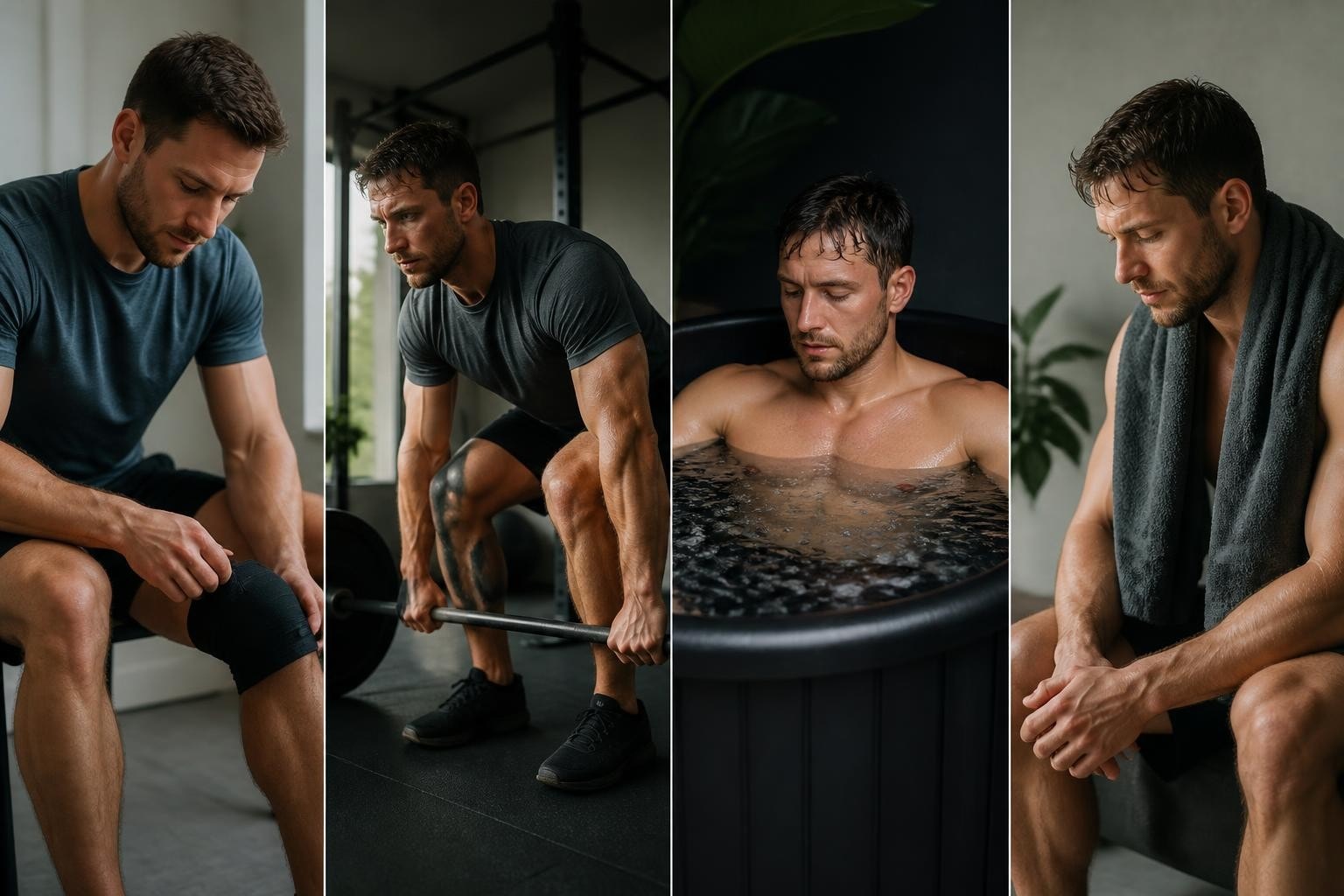
Cold plunge therapy has transformed from a niche recovery tool used by elite athletes into a mainstream wellness practice that anyone can access at home. Finding the best cold plunge tub for your needs means understanding what features actually matter, which materials last, and how to avoid costly mistakes that many first-time buyers make.
The market has exploded with options ranging from inflatable models to premium wood-crafted systems. This guide cuts through the marketing noise to help you make an informed decision based on real-world performance, long-term value, and your specific recovery goals.
Understanding Cold Plunge Benefits
Cold water immersion triggers a cascade of physiological responses that extend far beyond simple muscle recovery. When you immerse your body in water below 59°F (15°C), your blood vessels constrict, pushing blood toward your core organs. This process, called vasoconstriction, reduces inflammation and metabolic activity in your peripheral tissues.
Research shows that cold plunges offer measurable health benefits including improved circulation, reduced muscle soreness, and enhanced mental clarity. Athletes report faster recovery times after intense training sessions, while everyday users experience better sleep quality and increased energy levels throughout the day.
Key physiological benefits include:
- Reduced inflammation and swelling in muscles and joints
- Enhanced immune system function through cold shock proteins
- Improved mood and mental resilience via endorphin release
- Better cardiovascular health through improved circulation
- Accelerated metabolic rate lasting several hours post-immersion
The mental benefits deserve equal attention. Regular cold exposure builds psychological resilience by training your nervous system to handle acute stressors more effectively. Many users describe improved focus and a sense of clarity that persists for hours after their session.

What Makes the Best Cold Plunge Tub
Material quality determines longevity and maintenance requirements more than any other single factor. The best cold plunge tubs use materials that withstand constant water exposure, temperature extremes, and outdoor conditions without degrading or requiring extensive upkeep.
Premium Material Options
| Material Type | Durability | Maintenance | Temperature Retention | Best For |
|---|---|---|---|---|
| Eastern White Cedar | Excellent (20+ years) | Low | Very Good | Outdoor installations, aesthetic appeal |
| Stainless Steel (304) | Exceptional | Very Low | Excellent | Professional use, high-traffic environments |
| HDPE Plastic | Very Good | Very Low | Good | Budget-conscious buyers, portability |
| Acrylic | Good | Medium | Fair | Indoor use, integrated chiller systems |
Premium wood construction, particularly Eastern White Cedar from Canada, offers natural antimicrobial properties and superior insulation compared to plastic alternatives. Cedar contains natural oils that resist rot and insect damage without chemical treatments.
Temperature control systems separate casual options from serious recovery tools. The best cold plunge units maintain consistent temperatures between 37-55°F without requiring ice additions. This consistency matters because your body adapts to regular exposure at specific temperatures, making recovery protocols more effective.
Critical Features to Evaluate
Chiller capacity determines how quickly your unit recovers temperature after use. A 1HP chiller handles single-user daily sessions effectively, while shared or commercial applications require 1.5HP or greater capacity. Understand your usage patterns before investing in oversized equipment.
Filtration and sanitation systems prevent bacterial growth and reduce chemical requirements. Look for multi-stage filtration including mechanical straining, UV sanitization, and ozone generation. These systems minimize chlorine needs while maintaining water clarity for months between changes.
Insulation quality impacts operating costs significantly. Well-insulated units reduce chiller runtime by 40-60%, translating to lower electricity bills and extended equipment lifespan. Check for closed-cell foam insulation with R-values above 10 for optimal performance.
Top Cold Plunge Models for 2026
Professional-grade systems now deliver spa-level performance in residential formats. The market has matured beyond basic ice baths to include sophisticated temperature management and user-friendly designs that integrate seamlessly into daily routines.
Premium Wood-Crafted Systems
Canadian-manufactured options lead the market in build quality and material selection. These units prioritize natural materials, proven durability, and minimal maintenance requirements that justify their premium positioning.
When evaluating at-home cold plunge options, consider installation requirements and spatial constraints. Premium wood systems typically measure 6-8 feet in length and require level, stable foundations capable of supporting 800-1,200 pounds when filled.
Integrated Chiller Models
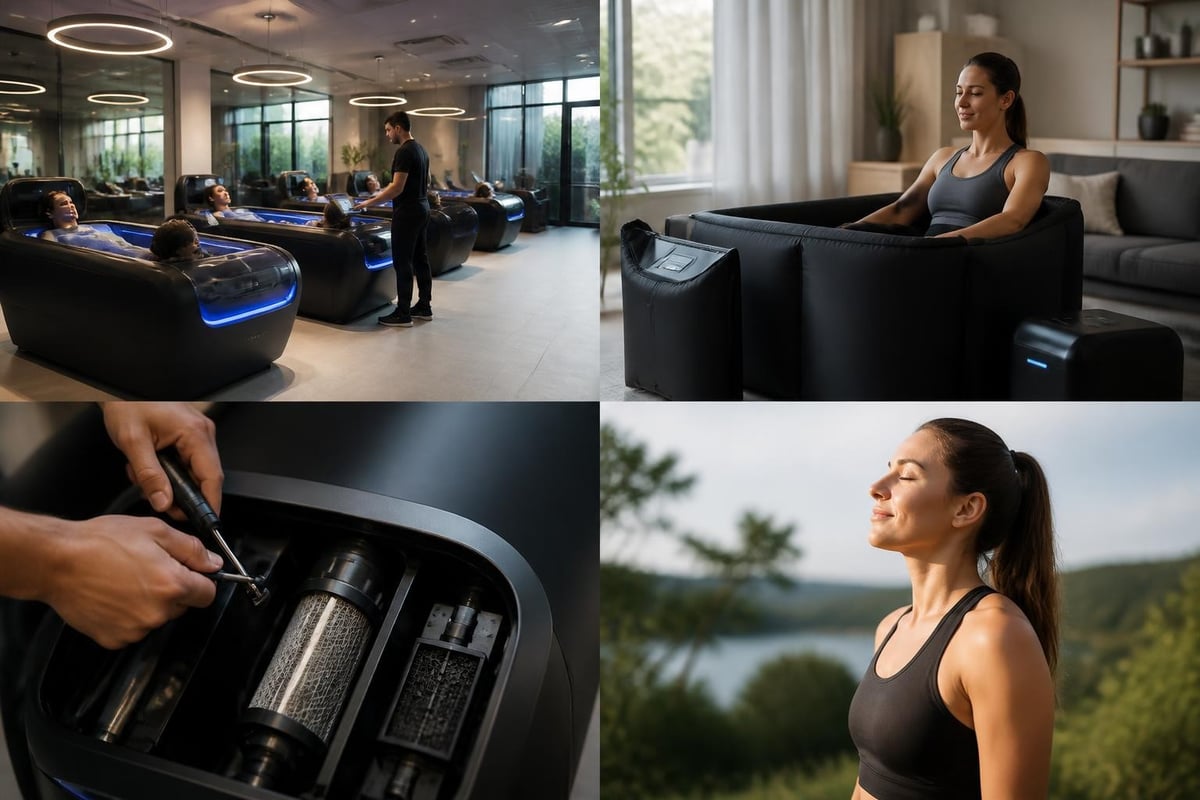
Modern acrylic systems with built-in chillers offer plug-and-play convenience for users prioritizing simplicity over aesthetics. These units typically include digital controls, automated filtration, and compact footprints suitable for indoor placement.
The Orivon Frost represents this category well, delivering precise temperature control between 37-108°F through a 1HP integrated system. This flexibility allows users to alternate between cold therapy and contrast bathing without separate equipment.
For those seeking a balance between traditional craftsmanship and modern recovery needs, systems combining premium wood exteriors with optional chiller integration provide the best cold plunge experience. These hybrid approaches preserve aesthetic appeal while delivering consistent performance year-round.
Who Should Buy a Cold Plunge Tub
Athletes training at competitive levels benefit most dramatically from daily cold immersion. The physiological demands of intense exercise create inflammatory responses that cold therapy addresses directly, shortening recovery windows and improving training consistency.
Ideal candidates include:
- Endurance athletes running 40+ miles weekly or cycling 150+ miles
- Strength athletes following high-volume programs with frequent muscle damage
- CrossFit and HIIT enthusiasts training 5-6 days per week
- Weekend warriors over 40 seeking faster recovery between sessions
- Individuals managing chronic inflammation or autoimmune conditions
- Biohackers optimizing performance through multiple wellness modalities
Beyond athletic applications, cold plunging addresses several common health challenges. People struggling with poor sleep quality often experience improvements within 2-3 weeks of consistent practice. The health benefits extend to cardiovascular function as well, though individuals with heart conditions should consult physicians before beginning cold exposure protocols.
Financial considerations matter too. Purchasing a home unit eliminates ongoing gym or spa fees while providing unlimited access. Calculate your break-even point by comparing monthly facility costs against equipment investment, typically 18-36 months for serious users.
Is a Cold Plunge Worth the Investment?
Cost analysis requires examining both immediate expenses and long-term value creation. Premium cold plunge systems represent significant upfront investment, typically ranging from $3,000 to $12,000 depending on size, materials, and features.
Return on Investment Factors
| Benefit Category | Annual Value | Notes |
|---|---|---|
| Eliminated Gym Spa Fees | $600-2,400 | Based on $50-200/month access costs |
| Reduced Recovery Time | $1,200-3,600 | Fewer missed workouts, improved consistency |
| Health Improvements | Variable | Reduced inflammation medication, better sleep |
| Convenience Value | $1,000+ | Time savings from home access |
The wellness industry charges premium rates for cold plunge access. High-end gyms and recovery centers bill $100-300 monthly for unlimited cold therapy sessions. Home ownership eliminates these recurring costs while providing greater flexibility in session timing and duration.
Health improvements compound over time. Users report reduced reliance on anti-inflammatory medications, fewer injury setbacks, and improved training capacity that translates to better athletic performance. These benefits prove difficult to quantify precisely but contribute substantially to quality of life.
Consider your commitment level before purchasing. If you struggle with consistency in other wellness practices, renting or accessing facility-based options makes more sense initially. Home ownership rewards daily practitioners who integrate cold therapy into established routines.
What to Look for When Buying
Material selection impacts every aspect of ownership from maintenance requirements to aesthetic integration. Wood-crafted systems demand different care protocols than plastic or acrylic alternatives, though properly maintained cedar units often outlast synthetic materials by decades.
Construction Quality Indicators
Examine joint construction in wood models carefully. Premium manufacturers use marine-grade stainless steel hardware and tongue-and-groove assembly that prevents leaks and maintains structural integrity through temperature cycles. Avoid units using standard screws or butt joints, which fail prematurely under stress.
Chiller specifications determine operational effectiveness and longevity. Look for compressors rated for continuous duty cycles rather than residential air conditioning components. Commercial-grade chillers cost more initially but reduce replacement frequency significantly.
Warranty coverage reveals manufacturer confidence in their products. Comprehensive warranties covering structural components for 5+ years and mechanical systems for 2+ years indicate quality construction. Read exclusion clauses carefully, as some manufacturers void warranties for outdoor installations or specific water chemistry conditions.
Temperature Management Systems
The best cold plunge units maintain target temperatures within ±2°F consistently. This precision requires properly sized chillers matched to water volume and ambient conditions. Undersized systems run continuously without reaching target temperatures, increasing energy costs and reducing equipment lifespan.
Consider climate factors in your location. Units operating in hot, humid environments require greater chiller capacity than those in moderate climates. Add 25-30% capacity buffer for installations in regions with summer temperatures exceeding 90°F.
Digital controls with smartphone integration provide useful convenience but add complexity and potential failure points. Evaluate whether app-based scheduling and monitoring justify additional cost and maintenance requirements for your use case.
Setting Up Your Cold Plunge System
Installation requirements vary significantly based on model type and installation location. Indoor placements need adequate floor support, nearby electrical service, and drainage solutions for water changes and overflow events.
Outdoor installations require:
- Level foundation of concrete, composite decking, or compacted gravel
- Dedicated 20-30 amp electrical circuit with GFCI protection
- Water source within 50 feet for filling and maintenance
- Drainage solution for water disposal during cleaning
- Weather protection or cover system to minimize debris accumulation
Electrical requirements deserve particular attention. Most chiller-equipped systems draw 10-15 amps during operation, necessitating dedicated circuits to prevent breaker trips. Hire licensed electricians for installation to ensure code compliance and safety.
Water chemistry management keeps your investment protected and hygienic. Start with test strips measuring pH, alkalinity, and sanitizer levels weekly. Maintain pH between 7.2-7.6 and alkalinity between 80-120 ppm to prevent equipment corrosion and ensure sanitizer effectiveness.
Ongoing Maintenance Protocols
Premium systems require minimal maintenance when properly operated. Weekly tasks include water testing, skimming debris, and cleaning waterline buildup. Monthly activities add filter cleaning or replacement depending on system design.
Complete water changes occur quarterly for most residential installations, though heavy use or poor water chemistry may necessitate more frequent changes. Research indicates proper maintenance extends equipment lifespan dramatically while ensuring safe, hygienic conditions.
Wood-specific care includes periodic inspection for loose hardware and applying protective sealants annually or biannually. Cedar naturally weathers to silver-gray patinas that many owners prefer, though clear sealers preserve original color if desired.
Common Mistakes Beginners Make
First-time buyers frequently overestimate their tolerance for cold exposure and purchase units optimized for extreme temperatures they never use. Start conservatively with target temperatures around 55°F and progress gradually to avoid abandoning the practice due to excessive discomfort.
Critical Errors to Avoid
Inadequate preparation causes many failures. Jumping directly into 3-5 minute sessions at 40°F creates negative experiences that discourage continued practice. Build tolerance progressively over 2-3 weeks, starting with 1-2 minutes at moderate temperatures.
Ignoring safety protocols creates genuine health risks. Never plunge alone initially, especially at temperatures below 45°F. Keep sessions under 15 minutes regardless of experience level, and exit immediately if you experience excessive shivering, numbness, or mental confusion.
Poor placement decisions lead to underutilization. Installing your unit in inconvenient locations increases friction in establishing daily routines. Position equipment near your normal morning routine path or post-workout shower area to maximize consistent use.
Neglecting proper foundation preparation causes structural issues and equipment damage. Unlevel installations stress joints and seals, creating leaks and premature failure. Invest in proper site preparation initially rather than addressing problems after installation.
Unrealistic expectations about immediate results disappoint many beginners. Cold plunge benefits accumulate through consistent practice over weeks and months. Track metrics like recovery time, sleep quality, and energy levels to identify improvements that might otherwise go unnoticed.
Optimizing Your Cold Plunge Practice
Session timing significantly impacts benefit delivery and adaptation speed. Morning plunges increase alertness and energy through cortisol modulation and sympathetic nervous system activation. Evening sessions may interfere with sleep for some individuals due to these stimulatory effects.
Effective protocol options include:
- Performance Recovery Protocol: 3-5 minutes at 50-55°F within 30 minutes post-workout
- General Wellness Protocol: 2-4 minutes at 55-60°F daily upon waking
- Advanced Metabolic Protocol: 8-12 minutes at 45-50°F for experienced practitioners
- Contrast Therapy Protocol: Alternating 3 minutes cold (50°F) with 3 minutes heat (100°F+) for 3-4 cycles
Breathing techniques enhance tolerance and maximize benefits. Practice controlled nasal breathing before entry and maintain steady respiration throughout your session. Avoid hyperventilating, which provides temporary comfort but reduces carbon dioxide levels excessively.
Progressive overload principles apply to cold exposure similarly to strength training. Gradually decrease temperature or increase duration every 7-10 days to continue driving adaptations. Track your sessions to identify optimal parameters for your goals and tolerance.
Frequently Asked Questions
How long should I stay in a cold plunge?
Beginners should start with 1-2 minutes and progress to 3-5 minutes over several weeks. Experienced users may extend sessions to 10-15 minutes, though additional time provides diminishing returns. Never exceed 15 minutes regardless of experience level.
What temperature is best for cold plunging?
Optimal temperature ranges from 50-59°F for most users. Athletes targeting aggressive recovery may use 45-50°F, while beginners should start at 55-60°F. Temperatures below 40°F increase risks without providing additional benefits for most applications.
Should I shower before or after cold plunging?
Shower before plunging to remove oils, lotions, and contaminants that affect water chemistry. Post-plunge showers are optional but many users prefer warming up naturally through movement and layered clothing to extend the metabolic benefits.
Can I use my cold plunge daily?
Yes, daily cold water exposure is safe for healthy individuals and provides optimal results. Some practitioners take rest days weekly, though consistent daily practice typically yields better outcomes than sporadic sessions.
How much does it cost to run a cold plunge?
Chiller-equipped systems typically cost $30-80 monthly in electricity depending on climate, insulation quality, and target temperature. Water costs remain minimal as complete changes occur only quarterly for most users.
Do I need a chiller or can I use ice?
Ice works for occasional use but becomes impractical and expensive for daily sessions. A dedicated chiller provides consistent temperatures, eliminates ongoing ice costs, and requires no pre-session preparation time. The best cold plunge systems include integrated chillers for this reason.
What are the risks of cold plunging?
Cold plunges carry specific risks including hypothermia, cold shock response, and cardiovascular stress. People with heart conditions, high blood pressure, or respiratory issues should consult physicians before beginning cold exposure therapy.
Selecting the best cold plunge tub depends on your specific recovery needs, available space, and commitment to consistent practice. Premium systems built from quality materials like Eastern White Cedar deliver decades of reliable performance while requiring minimal maintenance. Plunge N' Tubs offers Canadian-crafted cold plunge and hot tub systems trusted by athletes and wellness professionals across North America, combining superior construction with fast, free delivery to bring professional recovery capabilities directly to your home.
Share:
Plunge Cold Plunge: Complete 2026 Buyer's Guide
Flow Plunge: Complete Guide to Cold Therapy at Home