



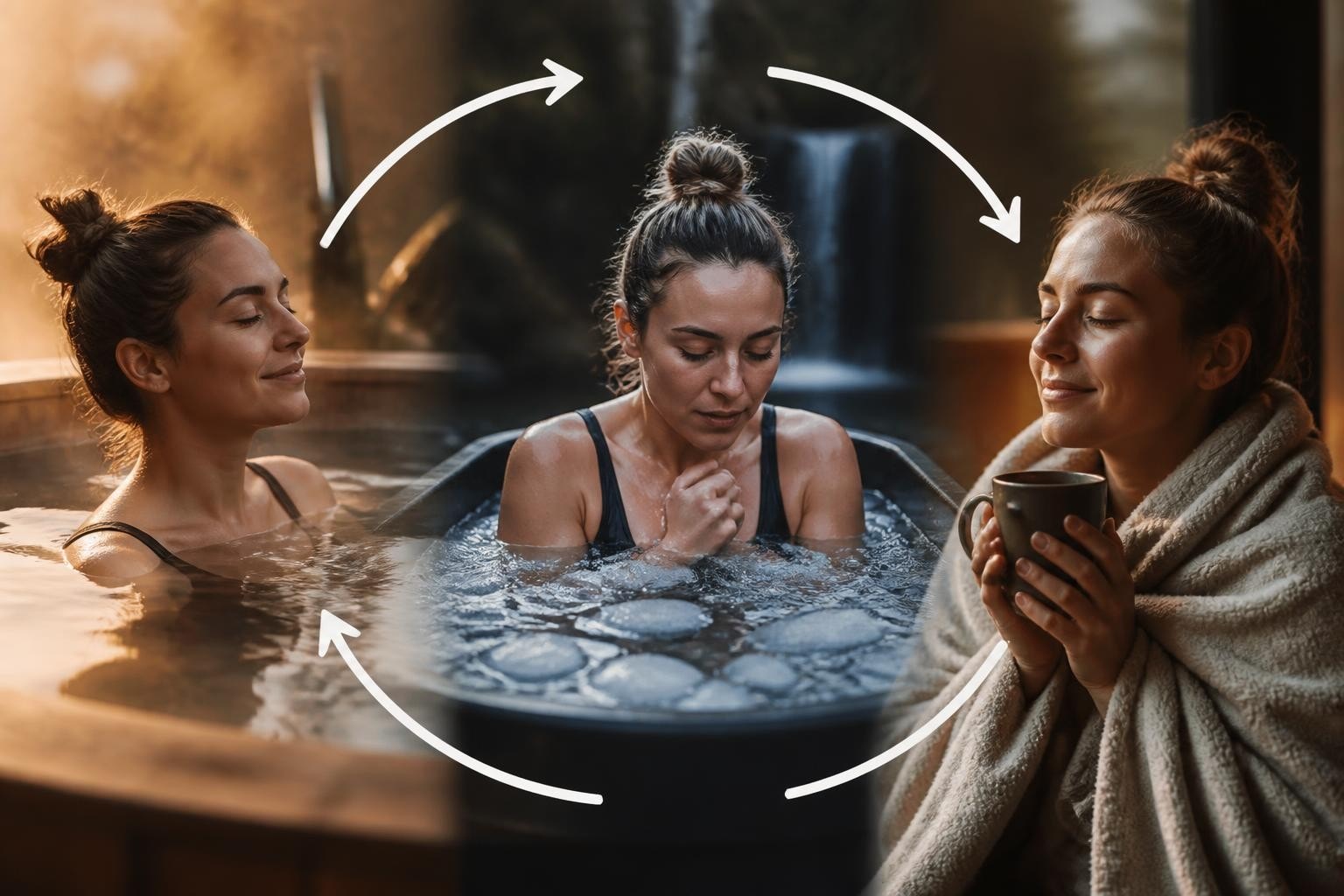
The practice of alternating between hot and cold water immersion has transformed from an ancient wellness ritual into a scientifically-backed recovery method embraced by professional athletes and wellness enthusiasts. A hot cold hot tub setup delivers this powerful contrast therapy right in your backyard, combining the therapeutic benefits of heat with the recovery advantages of cold exposure. This approach targets inflammation, circulation, and muscle recovery in ways that single-temperature therapy simply cannot match.
Understanding Hot Cold Hot Tub Therapy
A hot cold hot tub system involves cycling between heated water (typically 100-104°F) and cold water (typically 50-59°F) in deliberate intervals. This isn't simply about enjoying different temperatures. The rapid temperature changes trigger specific physiological responses that accelerate recovery and provide measurable health benefits.
The science behind this practice centers on vascular response. When you immerse yourself in hot water, your blood vessels dilate, increasing circulation and bringing oxygen-rich blood to muscles and tissues. Switching to cold water causes vasoconstriction, forcing blood back toward your core organs. This pumping action, repeated across multiple cycles, creates what researchers call a "vascular workout" that reduces inflammation markers and clears metabolic waste products more efficiently than passive recovery.
The Physiological Response Explained
Your body treats temperature extremes as controlled stressors. Hot water immersion raises core temperature, increases heart rate, and promotes sweating. Blood flow to the skin increases dramatically, sometimes by 50-70% over baseline levels. This enhanced circulation delivers nutrients and oxygen while removing cellular debris from intense training sessions.
Cold exposure triggers the opposite cascade. Blood vessels constrict, reducing blood flow to extremities while protecting core temperature. Your body releases norepinephrine, a neurotransmitter associated with focus and alertness. Heart rate drops, and anti-inflammatory pathways activate. The thermal shock also stimulates brown adipose tissue, which burns calories to generate heat.
When combined in the hot cold hot tub protocol, these opposing responses create a powerful recovery tool. The American Medical Association notes that contrast therapy may help reduce muscle soreness when applied correctly, though individual responses vary based on fitness level and health status.
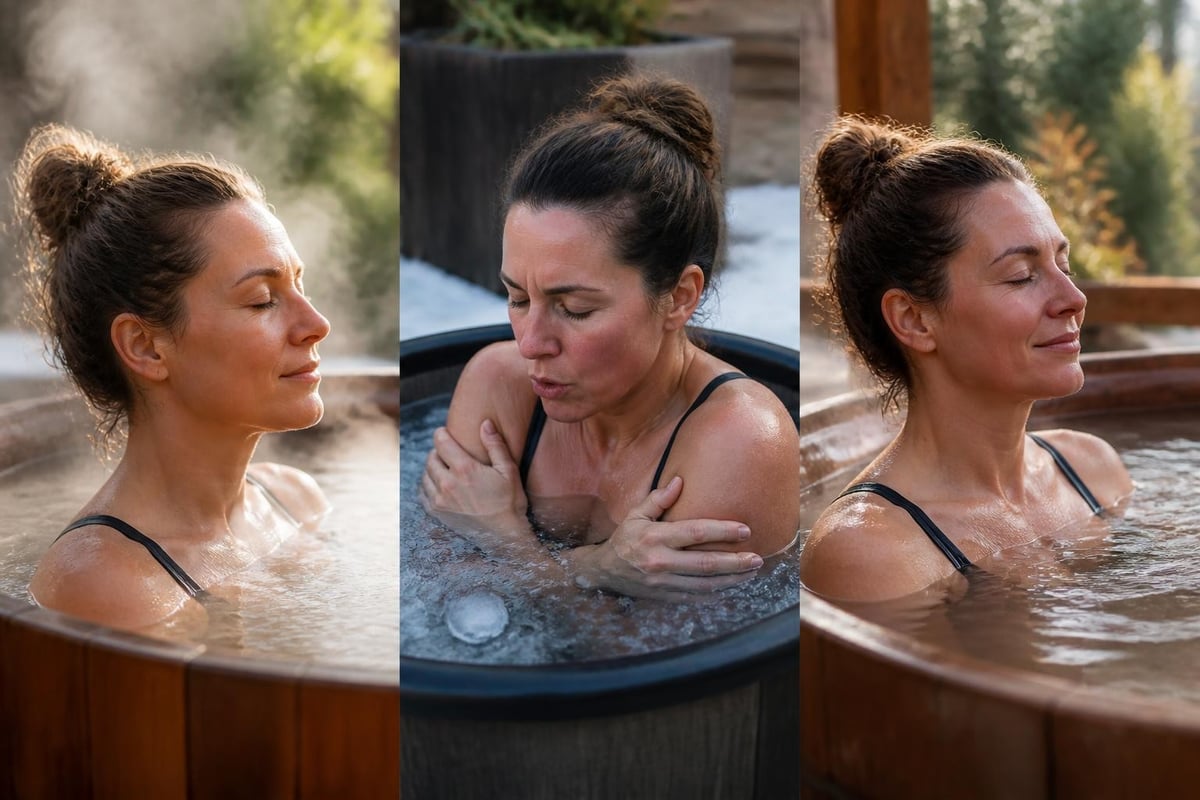
Setting Up Your Hot Cold Hot Tub System at Home
Creating an effective contrast therapy setup requires planning beyond simply placing a hot tub and cold plunge side by side. Successful installations balance proximity, temperature control, and user experience to maximize therapeutic benefits while minimizing logistical headaches.
Essential Components for Your Setup:
- Hot tub maintaining 100-104°F (electric or wood-fired heating)
- Cold plunge maintaining 50-59°F (chiller system or ice method)
- Non-slip pathway between vessels
- Adequate drainage for both units
- Covered or sheltered area (optional but recommended)
- Temperature monitoring system
- Timer for tracking intervals
The distance between your hot and cold vessels matters more than most people realize. Placing them too far apart breaks the thermal momentum that makes contrast therapy effective. Optimal spacing ranges from 3-8 feet, allowing quick transitions without losing the temperature gradient your body experiences.
Temperature consistency determines protocol effectiveness. Your hot cold hot tub experience falls apart if temperatures drift into moderate ranges. Hot water below 98°F loses therapeutic impact, while cold water above 60°F fails to trigger the full vascular response. Quality chiller systems maintain precise cold temperatures without the constant hassle of ice management.
Installation Considerations
| Factor | Hot Tub Requirements | Cold Plunge Requirements |
|---|---|---|
| Power | 240V electrical or wood fuel | Chiller requires 120V or 240V |
| Space | 6-8 feet diameter typical | 4-6 feet diameter sufficient |
| Water capacity | 300-500 gallons | 80-150 gallons |
| Maintenance frequency | Weekly chemical balance | Minimal with chiller system |
| Heat-up time | 3-4 hours (wood) or continuous (electric) | 2-4 hours to chill initially |
Athletes and wellness professionals prefer permanent installations that integrate with outdoor living spaces. The Flow Cold Plunge offers a reliable foundation for contrast therapy routines, delivering consistent cold temperatures without the ongoing expense and inconvenience of ice supplies or gym memberships.
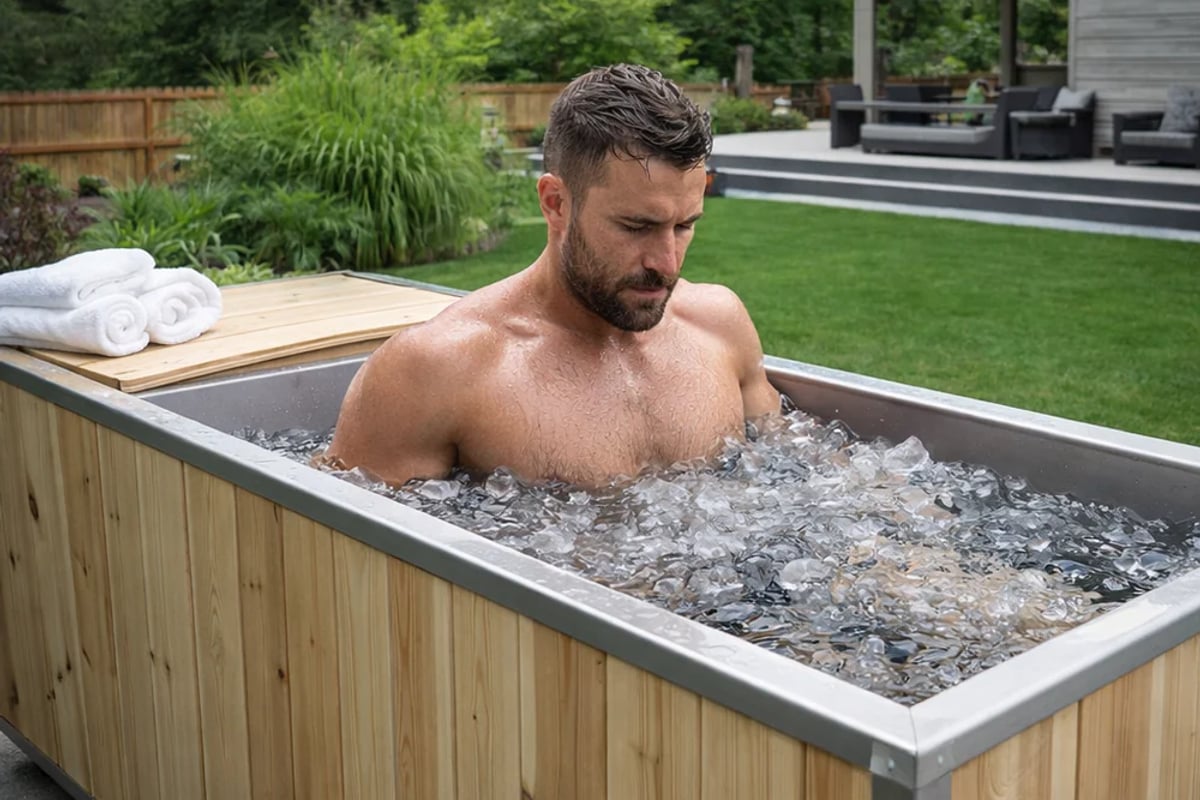
Optimal Hot Cold Hot Tub Protocols
Protocol structure separates effective contrast therapy from random temperature switching. Research and practical experience have identified specific timing patterns that maximize recovery benefits while minimizing stress on your cardiovascular system.
The standard hot cold hot tub protocol follows this pattern:
- Begin with 3-4 minutes in hot water (100-104°F)
- Switch to 1-2 minutes in cold water (50-59°F)
- Repeat the cycle 3-4 times
- End on cold exposure for maximum anti-inflammatory effect
- Total session time: 20-30 minutes
Advanced athletes sometimes extend hot periods to 5 minutes or add additional cycles, but beginners should start conservatively. Your first few sessions might feel intense as your body adapts to the temperature extremes. This adaptation process typically takes 2-3 weeks of consistent practice.
Timing Variables That Matter
The ratio between hot and cold exposure influences which benefits you emphasize. Longer hot periods (4-5 minutes) with shorter cold periods (1 minute) prioritize relaxation and general circulation. Equal timing (3 minutes hot, 3 minutes cold) targets inflammation reduction. Shorter hot periods (2-3 minutes) with longer cold periods (2-3 minutes) maximize the mental resilience and metabolic benefits associated with cold exposure.
Runner's World emphasizes that contrast therapy timing should align with your specific recovery goals, whether that's reducing delayed onset muscle soreness, improving joint mobility, or enhancing overall circulation.
Common Protocol Variations:
- Post-workout recovery: 3 min hot / 1 min cold / repeat 4x
- General wellness: 4 min hot / 2 min cold / repeat 3x
- Mental clarity focus: 2 min hot / 3 min cold / repeat 4x
- Inflammation reduction: 3 min hot / 3 min cold / repeat 3x
Morning sessions tend to energize and prepare you for the day ahead, while evening sessions promote relaxation and better sleep quality. Some practitioners split the difference, using hot cold hot tub therapy mid-day to break up sedentary work periods and restore mental focus.
Health Benefits Backed by Science
The physiological effects of contrast therapy extend well beyond subjective feelings of recovery. Multiple research studies have documented measurable improvements in markers related to inflammation, circulation, and athletic performance.
Reduced muscle soreness ranks among the most consistently reported benefits. The vascular pumping action created by hot cold hot tub cycles helps clear lactate and other metabolic byproducts that contribute to delayed onset muscle soreness (DOMS). Athletes report 30-40% reductions in perceived soreness when using contrast therapy within 2-4 hours post-training.
Inflammation markers show significant changes following contrast protocols. Studies measuring C-reactive protein and other inflammatory markers demonstrate that regular hot cold hot tub sessions help maintain healthier baseline inflammation levels. This matters not just for athletic recovery but for general health, as chronic inflammation contributes to numerous health conditions.
Documented Performance Improvements
| Benefit Category | Measurable Effect | Typical Timeline |
|---|---|---|
| Muscle soreness | 30-40% reduction | 24-48 hours post-session |
| Circulation boost | 50-70% increase during protocol | Immediate during session |
| Sleep quality | Deeper sleep cycles | Same night following session |
| Mental clarity | Improved focus scores | 1-2 hours post-session |
| Recovery speed | 15-25% faster return to baseline | 24-72 hours post-training |
Healthline's research review indicates that contrast bath therapy may reduce muscle fatigue and soreness more effectively than passive recovery alone, particularly when protocols are applied consistently over several weeks.
The mental health benefits deserve equal attention. Cold exposure triggers endorphin release and increases dopamine levels by up to 250% in some studies. The combination with heat therapy creates a unique stress-adaptation response that builds mental resilience. Regular practitioners report improved stress management, better mood regulation, and enhanced ability to handle challenging situations.
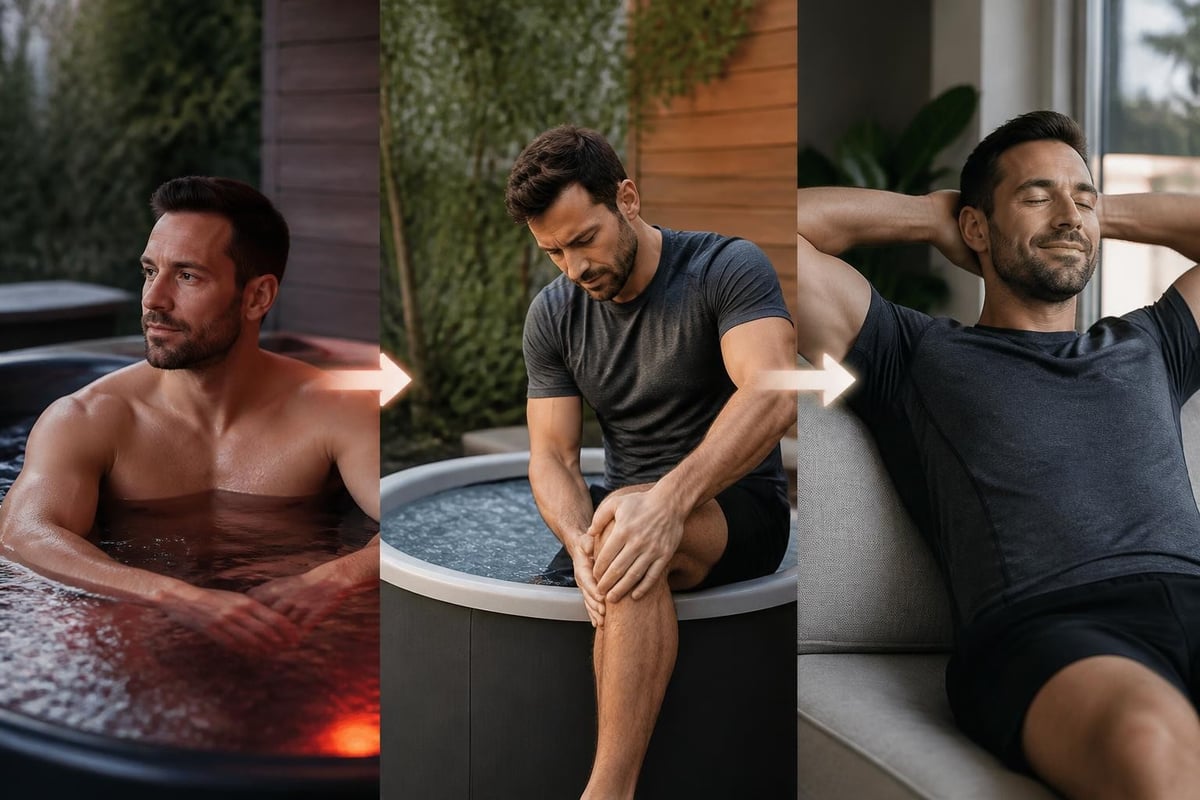
Who Should Use a Hot Cold Hot Tub
Contrast therapy benefits extend across diverse populations, though specific applications and expected results vary based on individual circumstances and health status.
Ideal Candidates:
- Competitive and recreational athletes seeking faster recovery
- Weekend warriors managing muscle soreness
- Individuals with chronic inflammation concerns
- Wellness enthusiasts optimizing health metrics
- People experiencing high stress levels
- Those seeking improved sleep quality
- Individuals focused on longevity and healthy aging
Athletes form the core user base for good reason. The ability to reduce recovery time between training sessions allows for higher training volumes without overtraining symptoms. Endurance athletes particularly benefit, as contrast therapy helps manage the cumulative fatigue from high-mileage training blocks.
When to Exercise Caution
Not everyone should jump immediately into hot cold hot tub protocols. Certain health conditions require medical consultation before starting contrast therapy:
- Cardiovascular disease or heart conditions
- Uncontrolled hypertension
- Pregnancy
- Open wounds or recent surgical sites
- Raynaud's disease or severe cold sensitivity
- Certain autoimmune conditions during active flares
The cardiovascular stress from temperature extremes, while beneficial for healthy individuals, can pose risks for those with compromised heart function. The Atlantic's examination of cold plunging trends and their health implications highlights the importance of understanding both benefits and limitations before incorporating these practices into your routine.
Age alone doesn't disqualify anyone from contrast therapy, but older adults should start with gentler temperature extremes and shorter sessions. Beginning with warmer "cold" water (65-70°F) and cooler "hot" water (95-98°F) allows adaptation without excessive cardiovascular demand.
What to Look for When Buying Equipment
Purchasing a hot cold hot tub system represents a significant investment in your health and recovery infrastructure. Quality differences between products dramatically affect long-term satisfaction, maintenance requirements, and therapeutic effectiveness.
Material construction determines durability and thermal efficiency. Premium options utilize Eastern White Cedar or other naturally rot-resistant woods that withstand outdoor conditions without degradation. These materials provide superior insulation compared to acrylic or plastic alternatives, reducing energy costs for heating and cooling. The Plunge N' Tubs collection features Canadian-sourced wood construction that exemplifies this quality approach.
Critical Feature Comparison
For Cold Plunge Units:
- Integrated chiller system vs. ice-only operation
- Temperature range and precision (look for 37-60°F capability)
- Insulation quality and R-value ratings
- Filtration and circulation systems
- Interior material (stainless steel, HDPE, or acrylic)
- Warranty coverage for mechanical components
For Hot Tub Units:
- Heating method (wood-fired, electric, or hybrid)
- Energy efficiency ratings
- Jet configuration and pump horsepower
- Control system sophistication
- Chemical treatment requirements
- Cover quality and heat retention
Size considerations go beyond simple capacity numbers. A cold plunge should allow full immersion up to your shoulders while seated, typically requiring 80-150 gallons. Hot tubs need sufficient space for comfortable positioning but shouldn't be so large that heating costs become prohibitive for regular use.
Maintenance requirements vary dramatically between systems. Wood-fired hot tubs like The Starlight eliminate electricity costs but require more active management of the heating process. Electric systems offer convenience but add to monthly utility expenses. Cold plunges with integrated chillers require minimal maintenance compared to ice-dependent systems that demand constant attention.
Common Mistakes Beginners Make
New practitioners frequently sabotage their hot cold hot tub results through avoidable errors. Understanding these pitfalls helps you establish effective protocols from day one.
Mistake #1: Starting too aggressive with temperature extremes
Jumping immediately into 50°F water and 104°F heat creates unnecessary stress that can trigger adverse reactions. Your cardiovascular system needs time to adapt to these demands. Start with moderate temperatures (65°F cold, 98°F hot) and gradually progress over 2-3 weeks.
Mistake #2: Inconsistent protocol application
Random timing patterns and irregular session frequency prevent your body from adapting efficiently. Contrast therapy works best with consistent application, ideally 3-5 sessions weekly on a regular schedule. Sporadic use delivers sporadic results.
Mistake #3: Neglecting hydration
Temperature extremes accelerate fluid loss through sweating and increased respiration. Dehydration compromises recovery and can cause dizziness or headaches. Drink 16-20 ounces of water before sessions and another 16-20 ounces afterward.
Protocol and Safety Errors
Ending sessions on hot rather than cold exposure misses the anti-inflammatory benefits that make contrast therapy distinctive. Always finish with cold immersion to maximize the reduction in inflammatory markers and prevent excessive vasodilation before returning to normal activity.
Ignoring your body's signals leads to overexposure and potential health risks. Dizziness, excessive shivering, numbness, or chest discomfort indicate you've pushed too far. Exit immediately if these symptoms appear and reduce intensity for future sessions.
Tom's Guide reports on recent findings suggesting that hot water immersion may be more effective than cold alone for certain recovery outcomes, but the combination therapy offers unique benefits that neither temperature alone can provide.
Is a Hot Cold Hot Tub Worth the Investment?
The financial commitment for quality contrast therapy equipment ranges from $3,000-$15,000 depending on features, materials, and heating systems. This upfront cost must be weighed against ongoing expenses for gym memberships, spa treatments, and professional recovery services.
A single contrast therapy session at a wellness facility typically costs $40-$75. Athletes using these services 3-4 times weekly spend $6,000-$15,000 annually. Home equipment pays for itself within 1-2 years while offering unlimited access and eliminating travel time.
Cost-Benefit Analysis:
| Factor | Professional Services | Home Hot Cold Hot Tub System |
|---|---|---|
| Initial investment | $0 | $5,000-$12,000 average |
| Annual operating costs | $6,000-$15,000 | $300-$800 (utilities/maintenance) |
| Access convenience | Limited by business hours | 24/7 availability |
| Family usage | Additional fees per person | Unlimited household use |
| Break-even timeline | N/A | 12-24 months typical |
Beyond financial metrics, consider the convenience factor. Professional facilities require scheduling, commuting, and conforming to business hours. Home systems eliminate these friction points, making it dramatically easier to maintain consistent protocols. This convenience translates directly to better results, as consistency drives adaptation.
The wellness and performance benefits add value that's harder to quantify. Improved sleep quality, reduced training downtime, better stress management, and enhanced recovery capacity all contribute to quality of life improvements. For serious athletes, faster recovery enables higher training volumes that can make the difference between good and exceptional performance.
Frequently Asked Questions
How long should I stay in each temperature for a hot cold hot tub session?
Standard protocols recommend 3-4 minutes in hot water followed by 1-2 minutes in cold water, repeated for 3-4 cycles. Total session time should range from 20-30 minutes. Beginners should start with shorter intervals and gradually build tolerance over 2-3 weeks.
Can I use a hot cold hot tub every day?
Most practitioners benefit from 3-5 sessions weekly rather than daily use. Your body needs time to adapt to the thermal stress. Daily sessions may lead to excessive fatigue or diminishing returns. Listen to your body and adjust frequency based on how you feel.
What temperature should the cold plunge be?
Optimal cold plunge temperatures range from 50-59°F for most users. Beginners can start at 60-65°F and work down as tolerance builds. Temperatures below 50°F offer minimal additional benefits while increasing discomfort and cardiovascular stress.
Is contrast therapy better than ice baths alone?
Research suggests contrast therapy provides unique benefits that cold immersion alone cannot deliver. The alternating temperatures create vascular pumping effects that enhance circulation and metabolic waste removal more effectively than sustained cold exposure.
How soon after exercise should I use my hot cold hot tub?
Timing matters for optimal results. Most athletes benefit from contrast therapy within 2-4 hours post-training, though some research supports immediate post-exercise application. Avoid sessions immediately before training, as they may temporarily reduce muscle activation.
Do I need any special equipment besides the tubs?
Basic accessories enhance the experience: a reliable thermometer for each vessel, a timer for tracking intervals, non-slip mats for safety, and quality robes or towels for transitions. Some users add waterproof speakers or reading materials for the hot tub portion.
Hot cold hot tub therapy delivers measurable recovery benefits when applied consistently with proper protocols and quality equipment. The combination of thermal stress and vascular training accelerates recovery, reduces inflammation, and builds mental resilience in ways that single-temperature therapy cannot match. Plunge N' Tubs provides premium cold plunge and hot tub systems crafted from Canadian-sourced wood, offering athletes and wellness enthusiasts the quality infrastructure needed for effective home contrast therapy with fast, free delivery across North America.
Share:
The Plunge Cold Plunge: Complete 2026 Buying Guide
Plunge Tub Guide: Benefits, Buying Tips & What to Know