



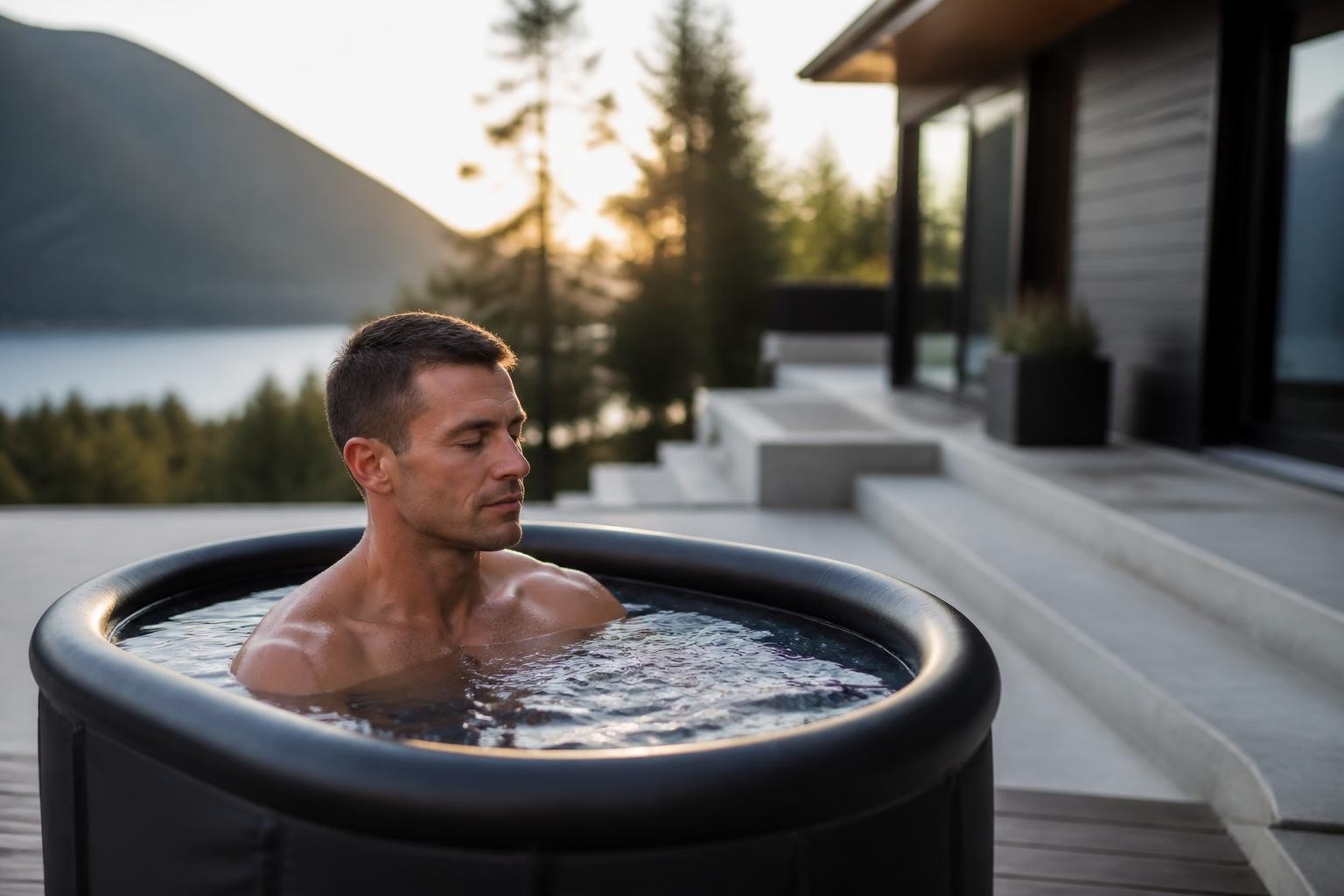
The growing interest in cold therapy has led thousands of athletes, wellness enthusiasts, and everyday people to explore the plunge cold plunge as a cornerstone of their recovery routines. What was once reserved for elite athletes and expensive wellness centers has become accessible for home use, offering consistent benefits without monthly memberships or travel time. Cold water immersion delivers measurable improvements in recovery, inflammation reduction, and mental performance when done correctly. The key is understanding what makes an effective cold plunge system, how to use it properly, and whether it fits your specific wellness goals.
What Makes The Plunge Cold Plunge Different
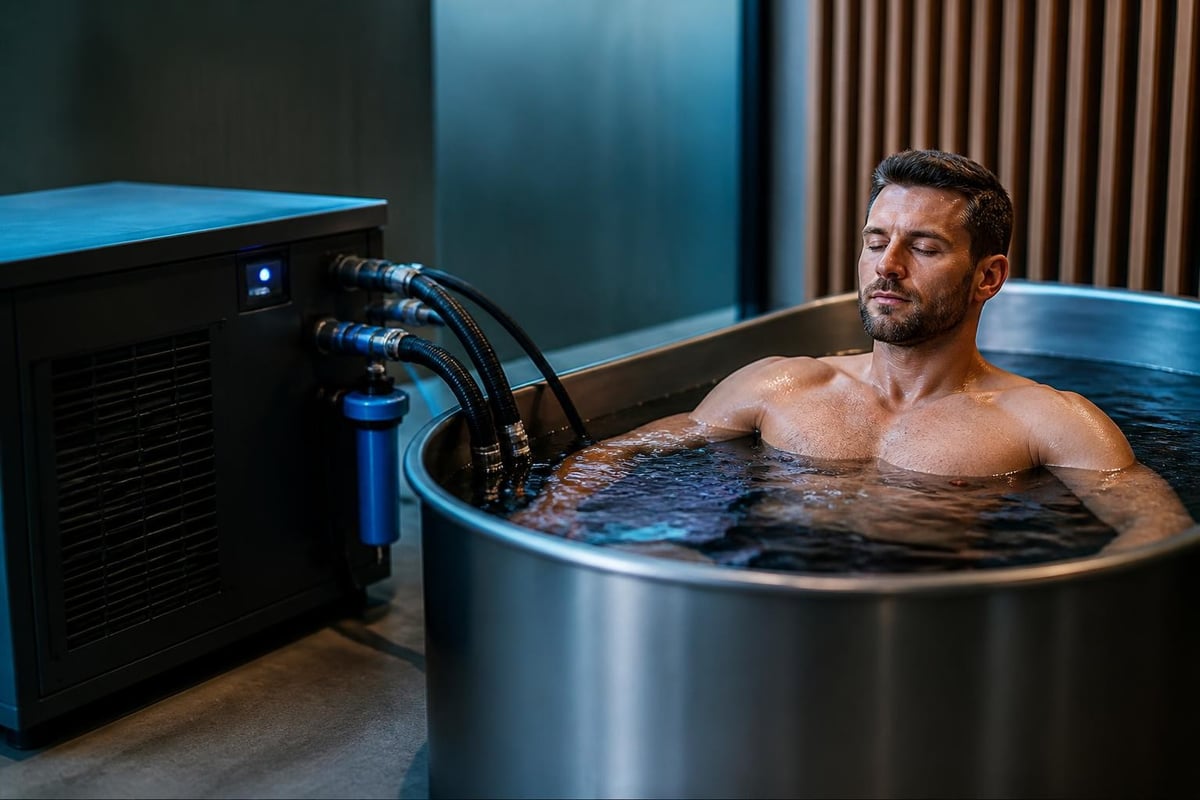
The plunge cold plunge represents a specific approach to cold water therapy that prioritizes consistent temperature control, durable construction, and user-friendly operation. Unlike filling a bathtub with ice or using inflatable pools, dedicated cold plunge systems maintain precise water temperatures between 37-50°F through integrated chiller units.
Traditional ice baths require constant ice replenishment, creating inconsistent temperatures and ongoing costs. The plunge cold plunge eliminates this hassle through electric cooling systems that circulate and chill water automatically. You set your target temperature once, and the system maintains it day after day.
Core Components That Matter
Every quality cold plunge system includes several critical elements that determine its effectiveness and longevity:
- Chiller capacity: Measured in horsepower, determines how quickly water cools and maintains temperature
- Insulation quality: Reduces energy consumption and improves temperature stability
- Filtration system: Keeps water clean for weeks between changes
- Material construction: Affects durability, maintenance needs, and outdoor weather resistance
- Digital controls: Allow precise temperature adjustment and monitoring
The materials used in construction significantly impact both performance and aesthetics. Premium Canadian wood construction offers natural insulation properties and visual appeal that complements outdoor wellness spaces, while acrylic and stainless steel options provide modern aesthetics with minimal maintenance requirements.
Science-Backed Benefits of Regular Cold Plunging
Research continues to validate what practitioners have experienced for years. Cold water immersion affects multiple body systems simultaneously, creating a cascade of physiological responses that support recovery and performance.
When you immerse yourself in cold water, blood vessels constrict rapidly, reducing inflammation and metabolic activity in tissues. Upon exiting, vessels dilate, flooding tissues with fresh, oxygen-rich blood. This process, called vasodilation, helps flush metabolic waste and delivers nutrients for repair.
Recovery and Performance Enhancement
Athletes have adopted the plunge cold plunge specifically for its impact on post-training recovery. Studies indicate that cold water immersion reduces delayed onset muscle soreness (DOMS) when used strategically after intense workouts.
| Benefit Category | Observable Effect | Optimal Timing |
|---|---|---|
| Muscle Recovery | 20-30% reduction in soreness | Within 2 hours post-exercise |
| Inflammation Control | Decreased inflammatory markers | Consistent daily use |
| Mental Clarity | Improved focus and alertness | Morning sessions |
| Sleep Quality | Better sleep depth | Evening use (4+ hours before bed) |
The mental health benefits deserve equal attention. Cold exposure triggers norepinephrine release, a neurotransmitter that improves mood, focus, and stress resilience. Regular users report enhanced mental clarity and reduced anxiety levels, though individual responses vary.
Metabolic and Immune System Impact
Cold water immersion activates brown adipose tissue (BAT), a specialized fat that generates heat by burning calories. This metabolic boost, while modest, contributes to overall energy expenditure when practiced consistently.
Immune system response to cold exposure remains an area of active research. Some studies suggest increased white blood cell counts and improved immune markers, though more research is needed to establish definitive protocols.
Is The Plunge Cold Plunge Worth the Investment?
The financial commitment for a quality cold plunge system ranges from $3,000 to $12,000 depending on size, features, and construction materials. This represents a significant upfront cost that requires careful consideration.
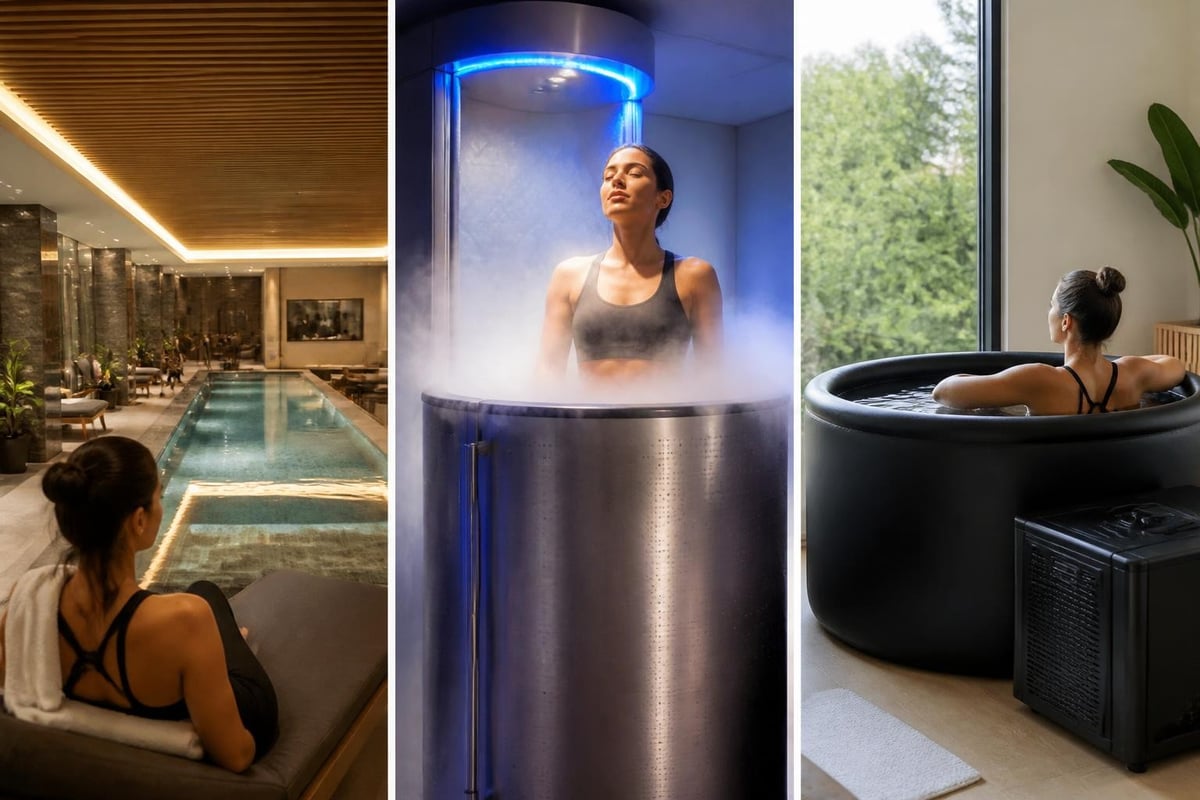
Compare this investment against ongoing wellness expenses. A monthly cryo chamber membership costs $200-400, totaling $2,400-4,800 annually. Spa cold plunge access runs $150-300 monthly. Within 12-24 months, a home system pays for itself while offering unlimited daily access.
Real-World Cost Analysis
Beyond the purchase price, factor in operational costs:
- Electricity: $30-60 monthly depending on usage frequency and climate
- Water: Minimal, changed every 2-4 weeks
- Maintenance: Filter replacements and occasional cleaning supplies
The convenience factor holds substantial value. Driving to wellness centers consumes time, gas, and mental energy. Home access means consistent use, which directly correlates with benefit accumulation. Morning routines, post-workout recovery, and stress management sessions happen on your schedule.
Who Should Buy The Plunge Cold Plunge
The ideal cold plunge owner falls into several distinct categories, each with specific use cases and expected outcomes.
Serious athletes training 5-6 days weekly benefit most from daily access. Professional and amateur competitors use cold therapy to maintain training volume while managing accumulated fatigue. Recovery protocols for athletes typically involve 3-10 minute sessions at 45-50°F immediately following intense workouts.
Wellness enthusiasts seeking mental health benefits and stress management find consistent cold exposure valuable. These users prioritize the neurological and mood-enhancing effects over pure physical recovery. Morning sessions before work create mental clarity and energy that carries through demanding days.
Biohackers and longevity-focused individuals view cold plunging as one component of comprehensive health optimization. They combine cold exposure with heat therapy, specific nutrition protocols, and performance tracking to maximize healthspan and cognitive function.
Who Should Wait or Reconsider
Cold plunging isn't appropriate for everyone. Individuals with cardiovascular conditions should consult physicians before starting cold therapy. The sudden vasoconstriction can stress compromised hearts.
Pregnant women should avoid cold plunging due to potential impacts on fetal development and maternal circulation. Anyone with Raynaud's disease or cold sensitivity disorders faces increased risk of adverse reactions.
Budget-conscious buyers still establishing their cold therapy habit might start with simpler methods before committing to the plunge cold plunge investment. Try cold showers or ice bath alternatives for 2-3 months to confirm you'll use a dedicated system consistently.
What to Look for When Buying a Cold Plunge Tub
The market offers numerous options at varying price points and quality levels. Understanding critical features helps you avoid expensive mistakes and choose a system that delivers long-term value.
Chiller Power and Temperature Range
Chiller capacity determines how effectively your system maintains cold temperatures, especially in warm climates or during frequent use. A 1HP chiller handles most residential needs, cooling water to 37-40°F and maintaining it through multiple daily sessions.
Under-powered chillers (0.5HP or less) struggle in summer heat or with back-to-back users. They run continuously, increasing electricity costs while failing to reach target temperatures. Invest in adequate cooling power for your climate and intended usage patterns.
Temperature range flexibility matters more than some buyers realize. Systems that only reach 50°F limit your ability to progress in cold tolerance or adjust protocols seasonally. Look for units capable of 37-108°F ranges, allowing both cold therapy and tepid recovery sessions.
Build Quality and Materials
Construction materials directly affect durability, maintenance requirements, and aesthetic integration with your space. Each option presents distinct advantages:
- Canadian cedar: Natural insulation, beautiful aging patina, requires periodic sealing
- Stainless steel: Virtually maintenance-free, excellent heat retention, modern appearance
- Acrylic: Lightweight, smooth surface, good insulation, various color options
- HDPE plastic: Durable, chemical-resistant, budget-friendly, utilitarian look
Premium systems like those built with Canadian wood offer superior insulation properties that reduce operational costs. The natural material withstands outdoor placement in all climates when properly maintained.
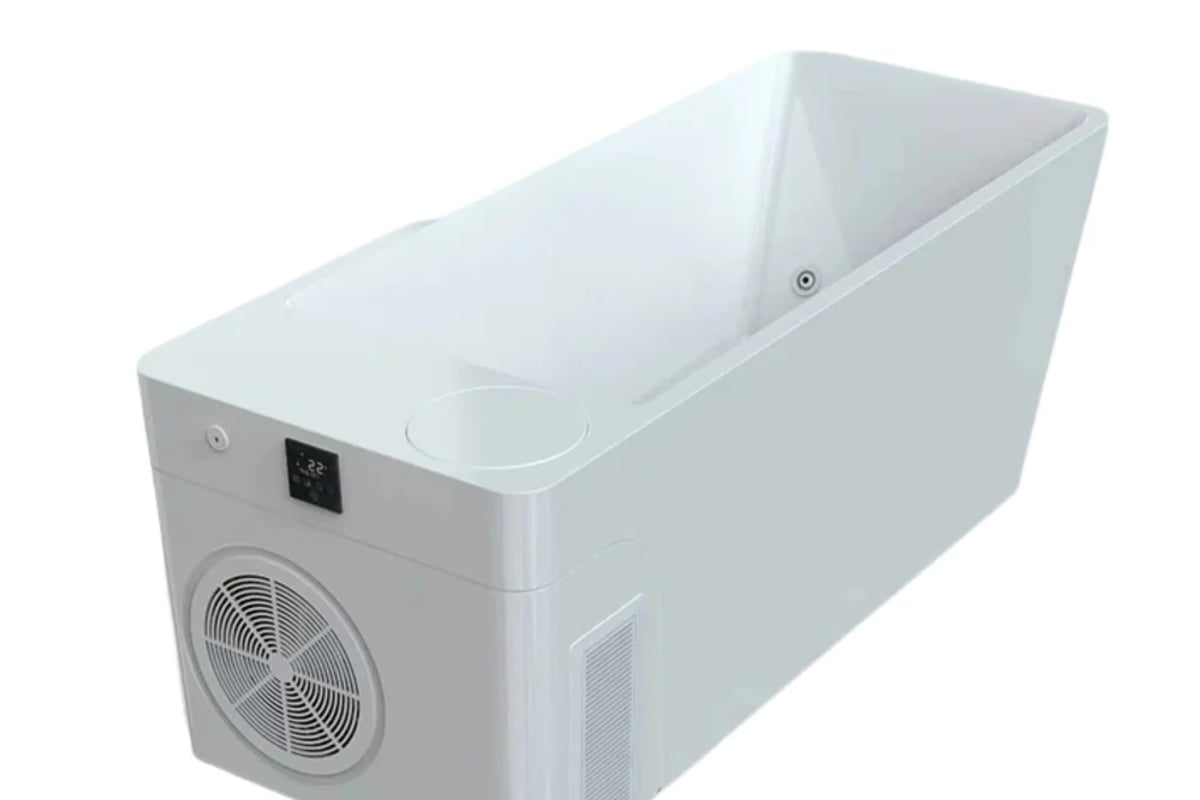
The Orivon Frost Cold Plunge Tub exemplifies modern cold plunge design with premium acrylic construction and precise temperature control between 37-108°F. Its integrated 1HP chiller delivers reliable performance for serious recovery needs.
Filtration and Water Management
Quality filtration extends water life from days to weeks, reducing maintenance burden and water costs. Multi-stage filtration systems remove particulates, organic matter, and microorganisms more effectively than basic cartridge filters.
| Filtration Type | Water Change Frequency | Maintenance Level | Cost |
|---|---|---|---|
| Basic Cartridge | 5-7 days | High | Low |
| Multi-Stage | 3-4 weeks | Medium | Medium |
| UV + Ozone | 4-6 weeks | Low | High |
Ozone or UV sterilization systems keep water pristine longer but add complexity and cost. For most users, a quality multi-stage filter with proper chemical balance provides adequate water management without excessive maintenance.
Common Mistakes Beginners Make
New cold plunge owners frequently make avoidable errors that reduce benefits, increase discomfort, or damage equipment. Learning from others' experiences accelerates your progress and protects your investment.
Temperature and Duration Errors
The most common mistake is starting too cold and staying too long. Beginners often set the plunge cold plunge to 37°F and force themselves through 10-minute sessions, creating negative associations that reduce long-term adherence.
Start at 55-60°F for 2-3 minutes. This provides significant stimulus without overwhelming your nervous system. Proper cold plunge duration increases gradually as adaptation occurs. After 2-3 weeks, drop temperature by 5°F and extend duration by 1-2 minutes.
Progressive adaptation builds cold tolerance while maintaining positive experiences. You should feel invigorated after sessions, not traumatized. Listen to your body's signals rather than following arbitrary protocols.
Inconsistent Use Patterns
Cold therapy benefits accumulate with consistent practice. Using the plunge cold plunge sporadically, like once weekly, provides minimal adaptation and limited results. Your body needs regular stimulus to develop physiological responses.
Aim for 3-5 sessions weekly minimum. Daily use accelerates benefits, though recovery days remain important for some athletes. Establish a routine that fits your schedule rather than attempting perfect adherence to an unrealistic plan.
Poor Breathing Technique
Many beginners hold their breath or breathe rapidly and shallowly when entering cold water. This activates stress responses and makes sessions harder than necessary. Controlled breathing maintains calm and extends comfortable immersion time.
Practice box breathing: inhale for 4 counts, hold for 4, exhale for 4, hold for 4. This pattern activates parasympathetic nervous system response, counteracting the initial shock. Start breathing control before entering the water and maintain it throughout your session.
Setting Up Your Cold Plunge System
Proper installation and setup prevent common problems and ensure optimal performance. Whether placing your unit indoors or outdoors, several considerations affect long-term satisfaction.
Location Selection
Outdoor placement provides natural ambiance and easier drainage but requires weather protection considerations. Choose level ground with adequate drainage to prevent standing water around the unit. Direct sunlight increases chiller workload, so shaded areas reduce operational costs.
Indoor installations need robust flooring that handles water weight (remember, water weighs 8.3 pounds per gallon). A 100-gallon cold plunge weighs over 800 pounds when filled. Ensure adequate ventilation to manage humidity, especially in colder months when temperature differentials create condensation.
Electrical requirements typically include dedicated 220V circuits for chiller operation. Professional installation ensures proper grounding and circuit protection. Never attempt electrical work without appropriate expertise.
Initial Setup and Water Chemistry
Fill your unit with fresh water and add appropriate sanitizers before starting the chiller. Most systems use either chlorine or bromine for basic sanitation. Test strips monitor pH, alkalinity, and sanitizer levels weekly.
Target ranges for optimal water chemistry:
- pH: 7.2-7.6
- Total alkalinity: 80-120 ppm
- Sanitizer (chlorine): 3-5 ppm
- Sanitizer (bromine): 4-6 ppm
Allow the chiller to run for 6-12 hours to reach target temperature before first use. This initial cooling period varies based on starting water temperature and ambient conditions.
Frequently Asked Questions
How long should I stay in the plunge cold plunge?
Start with 2-3 minutes at 55-60°F and gradually progress to 5-10 minutes at colder temperatures over several weeks. Individual tolerance varies significantly based on body composition, cold adaptation, and goals. Duration recommendations depend on your specific recovery needs and experience level.
What temperature is best for recovery?
Most research uses 50-59°F for post-exercise recovery. Colder temperatures (39-45°F) provide stronger anti-inflammatory effects but require more adaptation. Start warmer and progress cooler as tolerance develops.
Can I use the plunge cold plunge every day?
Daily use is safe for most healthy individuals and provides optimal benefits. Some athletes take rest days from cold therapy during easy training weeks. Listen to your body and adjust frequency based on how you feel.
How much does it cost to run monthly?
Expect $30-60 in additional electricity costs depending on usage frequency, ambient temperature, and chiller efficiency. Proper insulation and strategic placement reduce operational expenses. See customer experiences for real-world cost reports.
Should I shower before or after?
Shower before to remove lotions, oils, and dirt that affect water chemistry. Showering after is optional, though some users prefer warming up under hot water. Others enjoy the continued cold adaptation as body temperature naturally returns to baseline.
What's the difference between cold plunge and ice bath?
The plunge cold plunge maintains consistent temperatures through mechanical chilling, while ice baths require continuous ice addition and offer less temperature control. Dedicated systems provide better filtration, longer water life, and more convenient daily use compared to traditional ice bath approaches.
Maintenance and Long-Term Care
Proper maintenance extends equipment life and ensures clean, safe water for every session. Most owners spend 10-15 minutes weekly on basic care tasks.
Replace filter cartridges every 2-4 weeks depending on usage frequency and water quality. Clean the tub surface monthly with non-abrasive cleaners appropriate for your material type. Wood units benefit from periodic sealing to maintain water resistance and appearance.
Drain and refill the system every 3-4 weeks for optimal water freshness. Some users extend this to 6-8 weeks with excellent filtration and chemistry management, though complete water changes remain important for removing dissolved solids.
Winter preparation in cold climates requires either indoor storage or proper winterization. Drain all water, blow out lines, and add antifreeze to prevent freeze damage. Check warranty details for specific winterization requirements that maintain coverage.
The plunge cold plunge offers measurable benefits for recovery, performance, and mental wellness when used consistently and correctly. Understanding proper temperature progression, duration protocols, and equipment selection ensures you maximize your investment while avoiding common beginner mistakes. Plunge N' Tubs delivers premium cold plunge systems crafted from Canadian wood with integrated chilling systems, providing athletes and wellness enthusiasts across North America with professional-grade recovery tools for home use. Explore options that match your space, budget, and wellness goals to begin your cold therapy journey with equipment built to perform for years.
Share:
Ice Plunge Tubs: Complete 2026 Buyer's Guide
Hot Cold Hot Tub: Ultimate Guide to Contrast Therapy at Home