



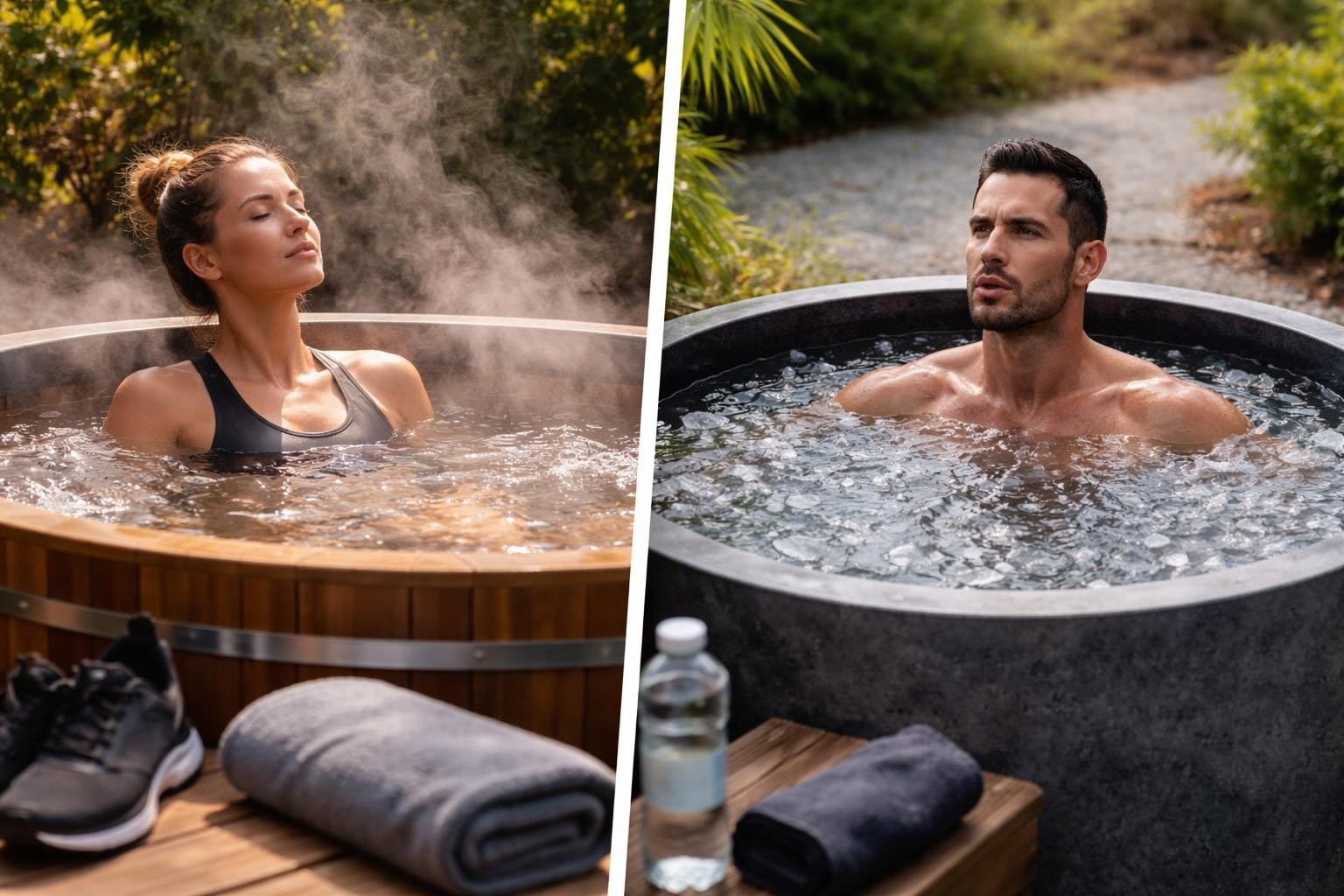
Heat therapy has been a cornerstone of recovery and wellness for centuries, but the hot plunge represents a specific approach that combines intense heat exposure with deliberate contrast therapy. Unlike passive heating methods, a hot plunge involves submerging your body in water heated to therapeutic temperatures, typically ranging from 100-108°F. This practice triggers distinct physiological responses that can support recovery, reduce muscle tension, and prepare your body for the powerful effects of cold water immersion. Understanding how to use hot plunge therapy safely and effectively can transform your recovery routine and maximize the benefits of contrast therapy protocols.
What Is Hot Plunge Therapy?
A hot plunge is a therapeutic practice where you immerse your body in heated water for specific durations to induce physiological changes. The temperature range typically sits between 100-108°F, though some protocols use slightly lower temperatures depending on individual tolerance and therapeutic goals.
The key difference between a hot plunge and a standard hot tub session lies in the intentional, structured approach. While hot tubs are often used for extended relaxation, hot plunge therapy involves calculated exposure times designed to trigger specific recovery responses without overheating the body.
How Heat Affects Your Body
When you enter heated water, your body initiates a cascade of responses:
- Vasodilation increases blood flow to the skin and extremities
- Heart rate elevation mimics moderate cardiovascular activity
- Muscle relaxation occurs as heat penetrates deep tissue
- Metabolic changes temporarily increase as your body works to regulate temperature
These physiological shifts create an environment conducive to recovery, particularly when combined with cold exposure. According to detailed research on hot plunge therapy, the controlled stress of heat exposure can stimulate adaptive responses similar to moderate exercise.
The Science Behind Hot and Cold Contrast Therapy
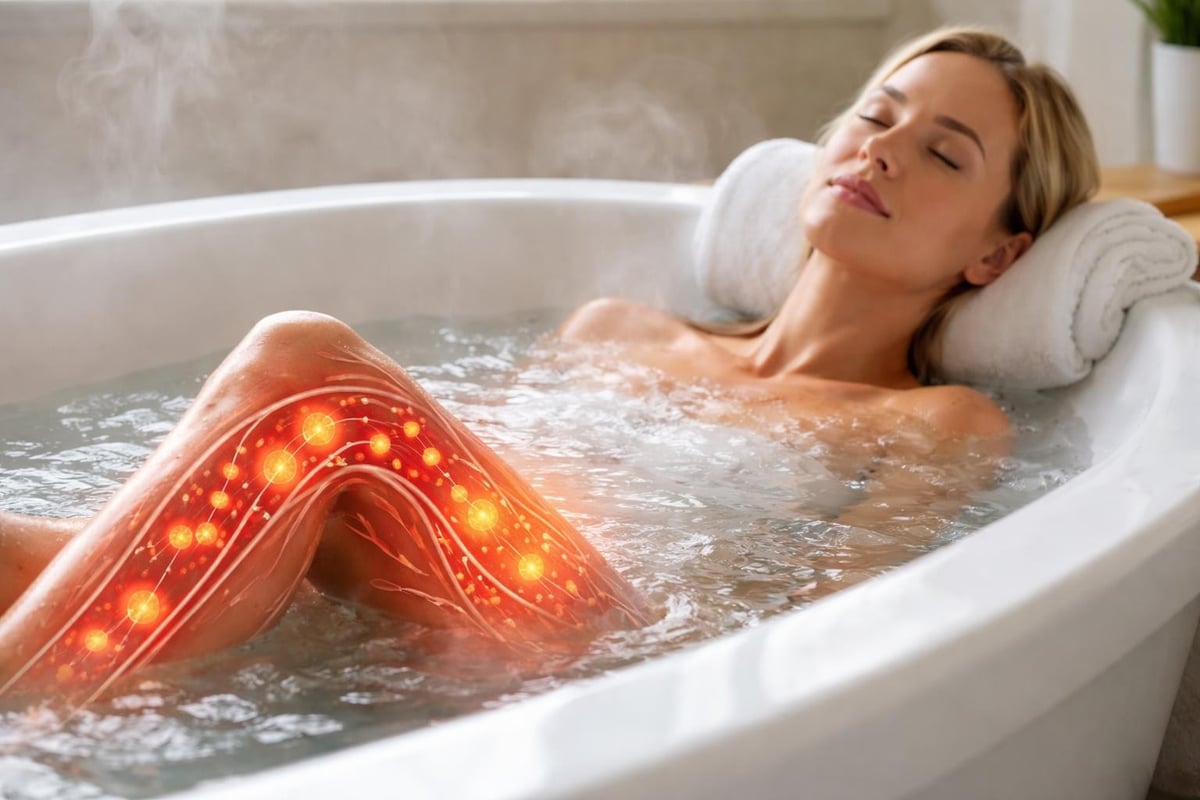
Contrast therapy alternates between hot plunge sessions and cold water immersion to create a pumping effect in your circulatory system. This practice has gained significant attention among athletes and recovery professionals for its potential to enhance recovery outcomes.
When you move from heat to cold, your blood vessels rapidly constrict after dilating, creating a flushing action that may help remove metabolic waste products from tissues. The temperature differential triggers your nervous system to adapt, potentially improving circulation over time.
Documented Benefits of Contrast Therapy
Research continues to explore the specific mechanisms, but several benefits have been observed:
- Reduced muscle soreness following intense training sessions
- Improved circulation through repeated vascular responses
- Enhanced recovery perception among athletes
- Potential reduction in inflammation markers
Studies on cold plunge benefits have shown promising results for inflammation reduction and sleep quality improvement. The addition of hot plunge exposure may amplify certain effects by creating stronger circulatory responses.
The contrast between temperatures matters significantly. A hot plunge session at 104°F followed by cold immersion at 50°F creates a roughly 54-degree differential that drives the physiological pumping effect.
Is Hot Plunge Therapy Worth It?
The value of incorporating hot plunge therapy depends entirely on your specific goals, health status, and commitment to consistent practice. For some users, the benefits justify the investment and routine integration. For others, simpler recovery methods may suffice.
Who sees the most value:
Athletes and active individuals who train intensively multiple times per week often report the greatest perceived benefits. The ability to accelerate recovery between sessions can enable higher training volumes and potentially reduce injury risk.
Recovery-focused individuals dealing with chronic muscle tension or mobility restrictions may find that regular hot plunge sessions help maintain tissue quality. The deep heat penetration can address tightness that stretching alone doesn't resolve.
Biohackers and wellness enthusiasts who track their health metrics frequently incorporate hot plunge therapy as part of comprehensive recovery protocols. The structured approach aligns well with data-driven optimization strategies.
| User Profile | Potential Value | Frequency Recommendation |
|---|---|---|
| Competitive Athletes | High | 3-5x weekly |
| Weekend Warriors | Moderate to High | 2-3x weekly |
| General Wellness | Moderate | 1-2x weekly |
| Chronic Pain Management | Variable | As tolerated, consult physician |
The return on investment becomes clearer when you calculate costs over time. Spa and recovery center visits can easily exceed $50-100 per session. Home systems from providers like Plunge N' Tubs enable unlimited use after the initial investment, dramatically reducing per-session costs for regular users.
Who Should Use Hot Plunge Therapy?
Hot plunge therapy benefits specific populations more than others. Understanding whether this practice aligns with your situation helps you make informed decisions about implementation.
Ideal candidates include:
- Endurance athletes managing high training volumes
- Strength athletes dealing with muscle tension and soreness
- Individuals with mobility restrictions seeking non-impact recovery
- Recovery-focused professionals (physical therapists, trainers)
- Those building comprehensive wellness routines
Who Should Avoid or Modify Hot Plunge Use
Certain conditions warrant caution or complete avoidance of hot plunge therapy:
Cardiovascular concerns: Individuals with heart conditions, high blood pressure, or circulatory disorders should consult physicians before beginning heat therapy. The cardiovascular stress of heat exposure can be significant.
Pregnancy: Elevated core body temperature during pregnancy carries risks. Pregnant women should avoid hot plunge therapy unless specifically cleared by their healthcare provider.
Acute inflammation: While chronic inflammation may benefit from contrast therapy, acute injuries with active swelling may worsen with heat exposure. Wait until the acute phase passes before introducing hot plunge sessions.
Heat sensitivity conditions: Those with multiple sclerosis or other heat-sensitive conditions may experience symptom exacerbation from hot plunge therapy.
Always prioritize safety over perceived benefits. If you're unsure about your suitability for hot plunge therapy, consultation with a healthcare professional provides clarity and peace of mind.
What to Look for When Buying a Hot Plunge System
Investing in a home hot plunge system requires careful evaluation of several critical factors. The right choice depends on your space, budget, and intended use patterns.
Temperature Control and Range
Premium systems maintain precise temperature control across a wide range. Look for units that can heat water to at least 104-108°F and hold that temperature consistently. Digital thermostats with accurate displays prevent guesswork and enable protocol consistency.
Some advanced systems offer both heating and cooling capabilities, allowing you to use a single unit for contrast therapy without multiple installations. This versatility can justify higher upfront costs for serious recovery enthusiasts.
Build Quality and Materials
Canadian-sourced wood products offer superior durability in outdoor conditions. Eastern White Cedar and other premium woods resist rot and weathering while providing natural insulation properties.
Interior materials matter equally. Stainless steel interiors provide longevity and easy maintenance, while HDPE plastic options offer lightweight durability at lower price points. Consider your climate and intended placement when evaluating material choices.
Energy Efficiency
Heating water demands significant energy. Well-insulated systems reduce operating costs dramatically over time. Look for thermal covers, insulated walls, and efficient heating elements that minimize standby heat loss.
Calculate estimated monthly operating costs based on your climate and usage patterns. A system that costs $200 more upfront but saves $30 monthly in energy becomes cost-effective within seven months.
Installation and Maintenance Requirements
Key considerations:
- Does the system arrive fully assembled or require construction?
- What electrical requirements exist (120V vs 240V)?
- How often does the filtration system need servicing?
- Are replacement parts readily available?
- What warranty coverage protects your investment?
Systems like those in Plunge N' Tubs' collection often include comprehensive support and clear maintenance guidelines that simplify long-term ownership.
Common Mistakes Beginners Make with Hot Plunge Therapy
New users frequently make preventable errors that reduce effectiveness or create safety concerns. Understanding these pitfalls helps you build better protocols from the start.
Staying in Too Long
The most common mistake involves excessive session duration. Beginners often assume longer exposure produces better results, but extended hot plunge sessions can lead to overheating, dehydration, and diminished returns.
Recommended starting protocol:
- Begin with 10-minute sessions at 100-102°F
- Gradually increase to 15-20 minutes as tolerance builds
- Never exceed 30 minutes in a single session
- Exit immediately if you feel dizzy, nauseous, or excessively fatigued
Your body needs time to adapt to heat stress. Progressive exposure builds tolerance safely while minimizing adverse reactions.
Ignoring Hydration Status
Heat exposure accelerates fluid loss through sweating. Dehydration impairs the very recovery processes you're trying to enhance. Many beginners enter hot plunge sessions already under-hydrated, compounding the problem.
Pre-hydrate with 16-20 ounces of water 30-60 minutes before your session. Keep water accessible during your plunge and consume another 16-20 ounces immediately afterward. Electrolyte-enhanced water can help replace minerals lost through sweating.
Poor Timing Relative to Training
When you use hot plunge therapy matters as much as how you use it. Immediately before intense training, heat exposure can reduce power output and increase injury risk through excessive relaxation and slight coordination impairment.
Optimal timing strategies:
- Post-training (30-60 minutes after completion)
- Evening sessions for sleep quality improvement
- Morning sessions on recovery days
- Never immediately before competition or max-effort training
| Timing | Purpose | Session Length |
|---|---|---|
| Post-Training | Muscle relaxation, circulation | 15-20 minutes |
| Pre-Sleep | Relaxation, sleep preparation | 20-30 minutes |
| Recovery Day | General wellness, mobility | 15-25 minutes |
Skipping the Cold Exposure
Many beginners purchase systems capable of contrast therapy but only use the heating function. While hot plunge alone offers benefits, the most significant recovery advantages emerge from properly executed contrast protocols.
The science behind cold plunge therapy demonstrates powerful anti-inflammatory effects and recovery enhancement. Combining this with hot plunge creates synergistic benefits that exceed either modality alone.
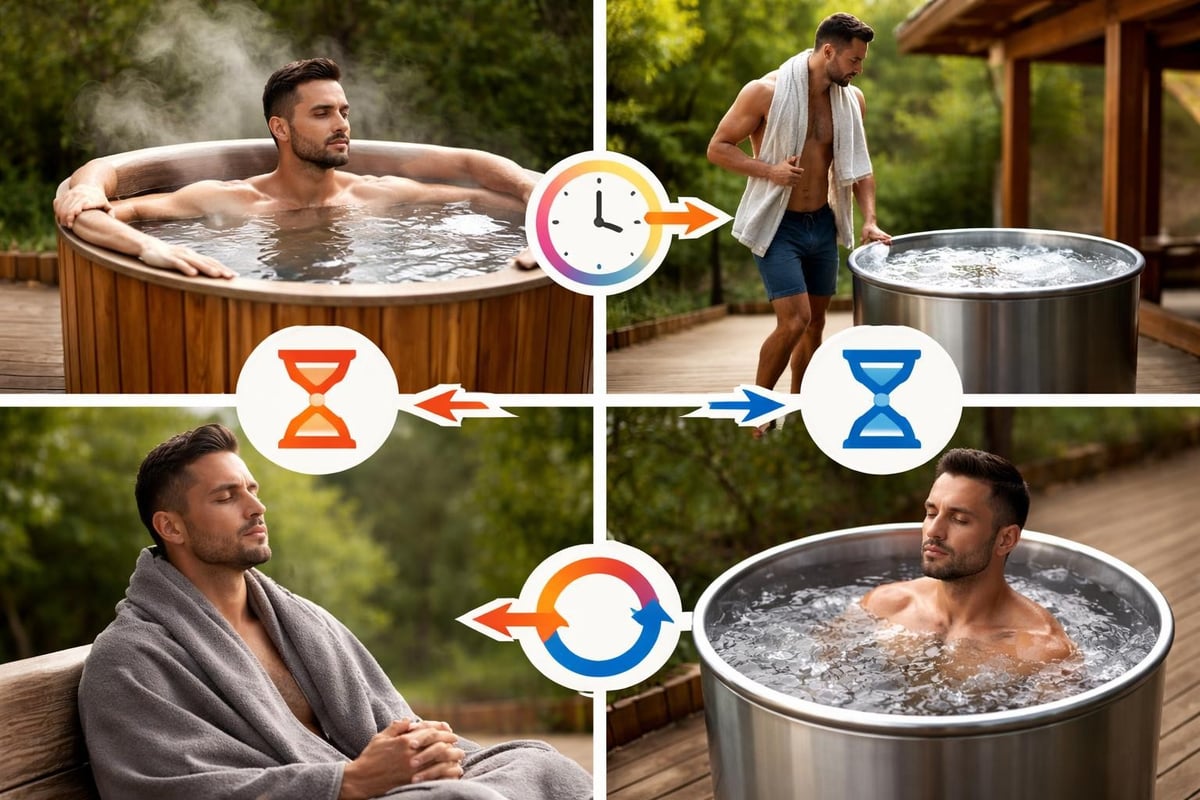
Start with a 3:1 ratio (three minutes hot, one minute cold) and adjust based on your tolerance and response. Some users eventually prefer equal timing, while others find 4:1 or 5:1 ratios work better for their physiology.
Building Your Hot Plunge Protocol
Effective hot plunge therapy requires structured protocols tailored to your goals. Random, inconsistent application reduces potential benefits and makes progress tracking impossible.
Basic Recovery Protocol
This foundation protocol works well for most users seeking general recovery benefits:
Session structure:
- 5-minute warm-up in 100°F water
- Gradually increase temperature to 104°F over 2-3 minutes
- Maintain 104°F for 10-12 minutes
- Exit and rest for 3-5 minutes
- Optional: Follow with cold plunge (50-55°F) for 2-3 minutes
- Rest and rehydrate for at least 15 minutes post-session
Frequency should match your training intensity. Three sessions weekly works well for moderate training loads, while five to six weekly sessions may benefit high-volume athletes.
Performance Enhancement Protocol
Athletes seeking maximum recovery between intense training sessions can use more aggressive contrast ratios:
- Hot plunge at 106°F for 4 minutes
- Cold plunge at 48-52°F for 1 minute
- Repeat cycle 3-4 times
- End with cold exposure
- Rest and monitor recovery metrics
This protocol creates stronger circulatory responses but demands greater tolerance and adaptation time. Begin with the basic protocol and progress only after several weeks of consistent practice.
Mobility and Flexibility Protocol
For users targeting improved range of motion and muscle relaxation:
- Extended hot plunge sessions (20-25 minutes) at moderate temperature (100-102°F)
- Perform gentle stretching or mobility work during the final 10 minutes
- Focus on breathing and progressive relaxation
- Skip cold exposure or use brief (30-second) cold rinse
- Follow with additional stretching while tissues remain warm
This approach prioritizes tissue pliability over circulatory stress, making it suitable for recovery days or active rest periods.
Safety Considerations and Risk Management
Hot plunge therapy carries inherent risks that demand attention and respect. Understanding potential hazards enables you to implement appropriate safeguards.
Temperature Monitoring
Never rely on subjective assessment alone. Digital thermometers provide accurate readings that prevent overheating. Water that feels "comfortable" may still be hot enough to elevate core temperature to unsafe levels during extended exposure.
Set maximum temperature limits on your system to prevent accidental overheating. Most experts recommend caps at 104-106°F for regular use, with higher temperatures reserved for brief exposures under professional guidance.
Cardiovascular Stress Recognition
Heat exposure stresses your cardiovascular system similarly to moderate exercise. Heart rate typically increases 20-40 beats per minute during hot plunge sessions, and blood pressure patterns shift as vessels dilate.
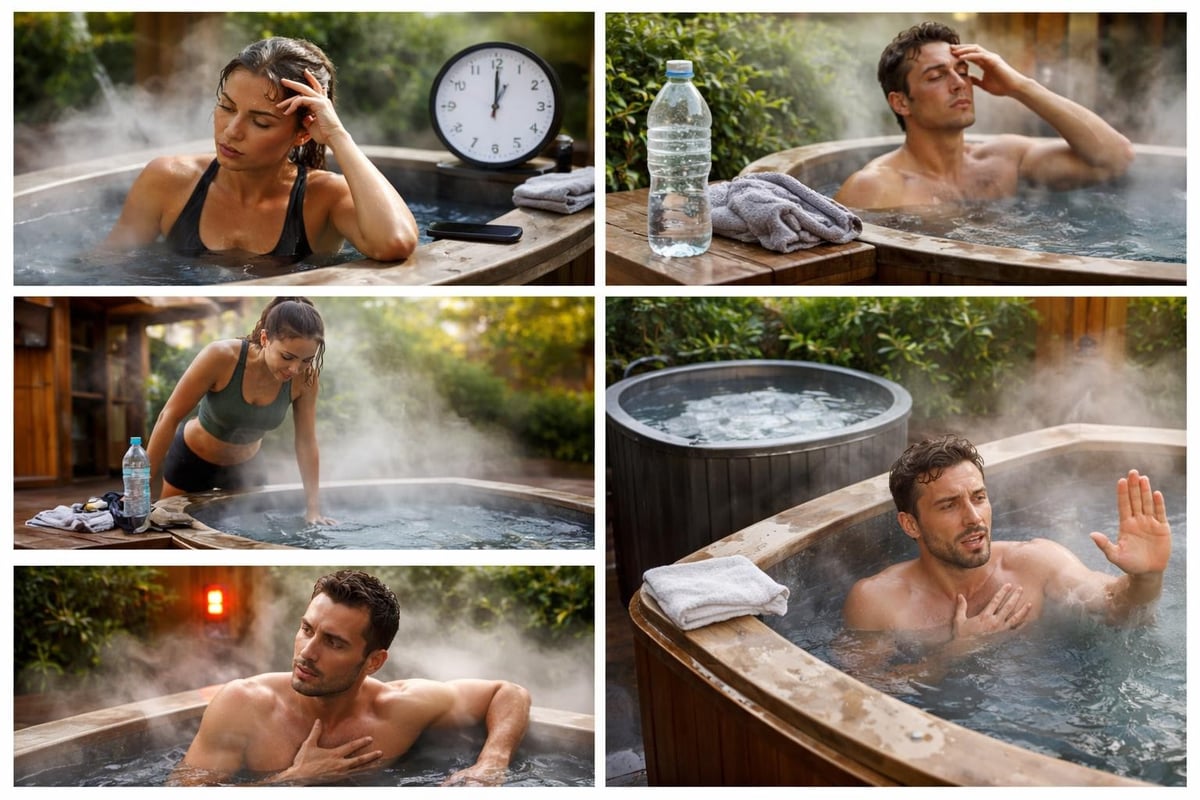
Warning signs requiring immediate exit:
- Dizziness or lightheadedness
- Nausea or stomach discomfort
- Rapid or irregular heartbeat
- Shortness of breath
- Chest tightness or pain
- Extreme fatigue or weakness
These symptoms indicate your body has reached its current tolerance limit. Exiting immediately and cooling down prevents progression to more serious complications. According to WebMD's overview of therapeutic water immersion, understanding your limits is crucial for safe practice.
Preventing Dehydration and Electrolyte Imbalance
Significant fluid loss occurs during hot plunge sessions, particularly in longer or hotter exposures. Dehydration impairs recovery and can cause complications ranging from headaches to heat exhaustion.
Monitor hydration status through:
- Urine color (pale yellow indicates good hydration)
- Body weight changes (weight loss exceeding 2% suggests significant dehydration)
- Thirst and dry mouth (late indicators, don't wait for these)
- Cognitive function and mood (dehydration affects mental performance)
Electrolyte replacement becomes important for frequent users or those doing extended sessions. Sodium, potassium, and magnesium losses can affect muscle function and recovery if not addressed.
Integrating Hot Plunge Into a Complete Recovery System
Hot plunge therapy delivers maximum value when integrated with other recovery modalities rather than used in isolation. A comprehensive approach addresses multiple recovery pathways simultaneously.
Synergistic recovery practices:
- Sleep optimization (7-9 hours of quality sleep)
- Nutrition timing and macronutrient balance
- Active recovery movement (walking, swimming, yoga)
- Soft tissue work (massage, foam rolling)
- Stress management and psychological recovery
The hot plunge serves as one tool in your recovery toolkit. On days when you're well-rested and properly fueled, hot plunge therapy may provide noticeable enhancement. When you're sleep-deprived and under-recovered, no amount of water therapy compensates for those deficiencies.
For athletes training seriously, tracking recovery metrics helps identify whether hot plunge protocols are delivering results. Heart rate variability, resting heart rate, subjective readiness scores, and performance markers provide objective feedback on protocol effectiveness.
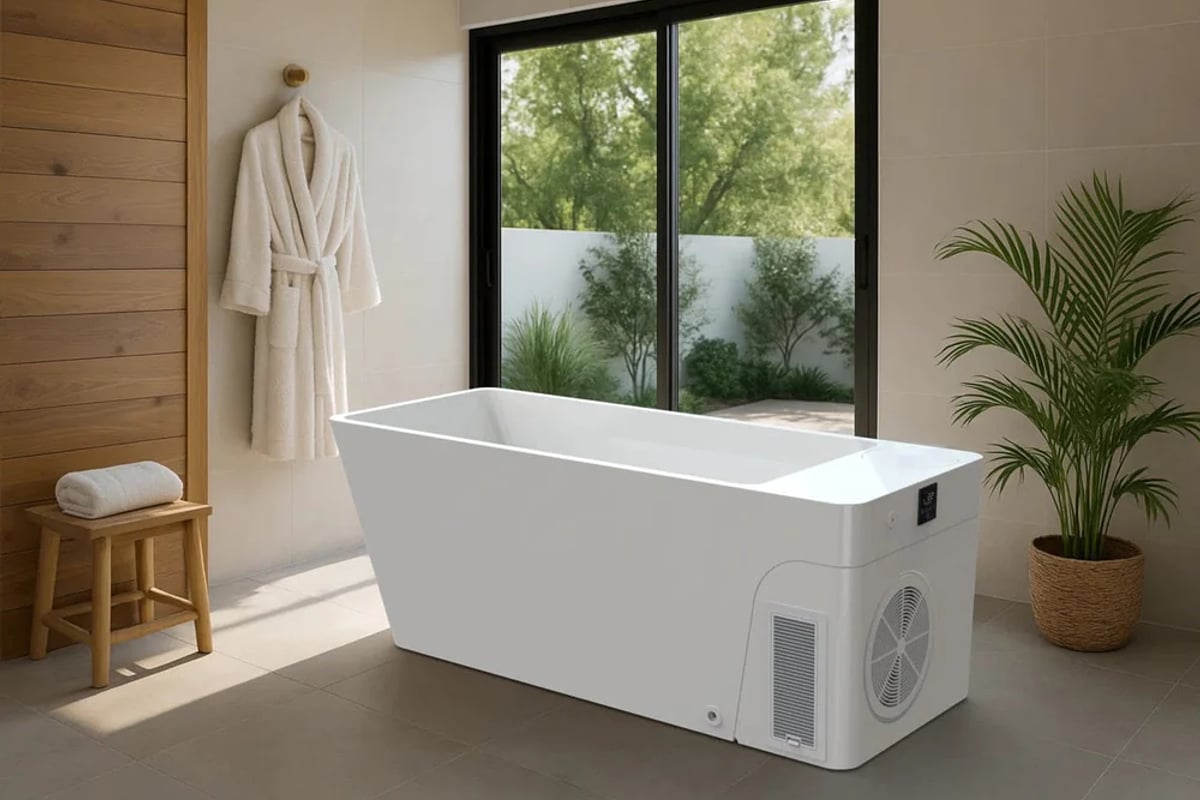
Many users find that combining hot plunge sessions with cold plunge therapy creates the most comprehensive recovery stimulus. The Frost Cold Plunge Tub offers precise temperature control between 37-108°F, enabling you to execute contrast protocols without multiple systems.
Cost Analysis and Long-Term Value
Understanding the true cost of hot plunge therapy requires looking beyond initial purchase prices to lifetime value and per-use economics.
Typical cost breakdown for home systems:
| System Type | Initial Cost | Monthly Operating | 5-Year Total |
|---|---|---|---|
| Entry-Level | $2,000-$4,000 | $30-$50 | $3,800-$7,000 |
| Mid-Range | $4,000-$7,000 | $40-$70 | $6,400-$11,200 |
| Premium | $7,000-$12,000 | $50-$100 | $10,000-$18,000 |
Compare these figures against alternative recovery options:
- Spa sessions: $50-$100 per visit (2x weekly = $5,200-$10,400 annually)
- Recovery center memberships: $100-$300 monthly ($6,000-$18,000 over five years)
- Individual cold plunge sessions: $30-$60 per session
For users committed to 2-3 sessions weekly, home systems typically achieve break-even within 12-18 months compared to facility-based options. The convenience factor and unlimited access further enhance value for dedicated users.
Budget-conscious users should factor in:
- Installation costs (electrical work if needed)
- Maintenance supplies (filters, chemicals)
- Potential repairs outside warranty periods
- Energy costs in your specific climate
- Resale value if circumstances change
Quality systems from established manufacturers like those available through Plunge N' Tubs' about page often retain value better than budget alternatives, making them smarter long-term investments despite higher upfront costs.
Frequently Asked Questions
How long should I stay in a hot plunge?
Most users benefit from 10-20 minute sessions at 100-106°F. Beginners should start with 10 minutes and gradually increase duration as tolerance develops. Never exceed 30 minutes, and exit immediately if you experience dizziness, nausea, or extreme discomfort.
Can I use hot plunge therapy every day?
Daily hot plunge sessions are generally safe for healthy individuals when using moderate temperatures (100-104°F) and reasonable durations (10-15 minutes). However, listen to your body and reduce frequency if you notice signs of overtraining or fatigue. Most experts recommend 3-5 sessions weekly for optimal recovery benefits.
What temperature should I use for hot plunge therapy?
Therapeutic temperatures typically range from 100-108°F. Beginners should start at 100-102°F and increase gradually. Most users find 104-106°F provides optimal benefits without excessive cardiovascular stress. Research on cold plunge safety emphasizes the importance of gradual temperature adaptation.
Should I do hot or cold first in contrast therapy?
Most protocols begin with hot exposure to induce vasodilation and muscle relaxation, followed by cold to trigger vasoconstriction. This order creates the strongest pumping effect in your circulatory system. However, some users prefer ending with heat for relaxation before sleep. Experiment to find what works best for your goals.
Is hot plunge therapy safe during pregnancy?
No. Pregnant women should avoid hot plunge therapy due to risks associated with elevated core body temperature. Consult your healthcare provider about safe alternatives for relaxation and recovery during pregnancy.
How do I prevent overheating during hot plunge sessions?
Monitor session duration carefully, stay hydrated, use accurate temperature measurements, and exit immediately if warning signs appear. Cooling your head and neck with a damp cloth during sessions can help regulate core temperature. Never consume alcohol before or during hot plunge therapy, as it impairs temperature regulation.
Can hot plunge therapy help with chronic pain?
Many users report pain reduction from regular hot plunge therapy, particularly for muscle tension and joint stiffness. However, effects vary significantly between individuals and conditions. Consult healthcare professionals for chronic pain management rather than relying solely on heat therapy. According to physician insights on therapeutic immersion, integrated approaches typically deliver better outcomes than single-modality treatments.
How often should I change the water in my hot plunge system?
Change frequency depends on usage volume and filtration quality. Systems with proper filtration and chemical balance typically need water changes every 3-4 months with regular use. However, check your specific manufacturer's recommendations and adjust based on water clarity and chemical stability.
Hot plunge therapy offers powerful recovery benefits when used safely and strategically as part of a comprehensive wellness routine. By understanding proper protocols, avoiding common mistakes, and investing in quality equipment, you can harness heat therapy to support your performance and health goals. Whether you're an athlete seeking faster recovery or someone looking to enhance daily wellness, Plunge N' Tubs provides premium cold plunge and hot tub systems crafted from the highest quality Canadian wood, backed by fast and free delivery across North America to bring professional-grade recovery experiences directly to your home.
Share:
Plastic Ice Bath Tub: Complete 2026 Buyer's Guide
Inflatable Cold Plunge: Complete Guide & Buying Tips 2026