



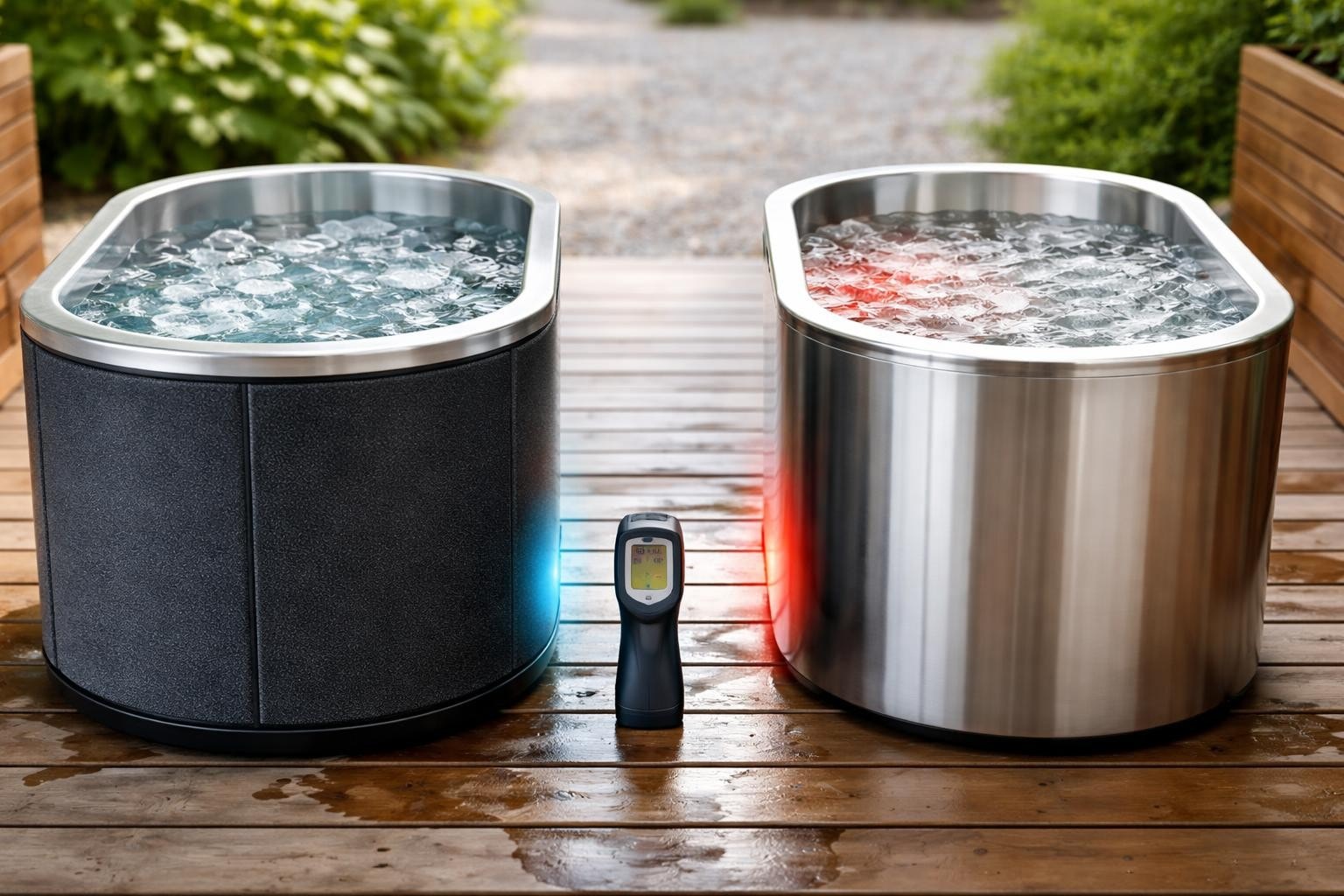
Cold exposure therapy has moved from elite athlete recovery centers into everyday homes. An insulated cold plunge tub makes this transformation possible by maintaining consistent water temperatures without constant ice replacement or sky-high electricity bills. Whether you're a runner looking to reduce muscle soreness, a biohacker optimizing recovery protocols, or simply someone seeking better sleep and mental clarity, understanding insulation technology separates a smart investment from an expensive mistake.
Why Insulation Matters in Cold Plunge Systems
The difference between a basic tub filled with ice and a proper insulated cold plunge tub comes down to consistency and cost. Without insulation, water temperatures fluctuate wildly based on ambient conditions. You'll spend hours managing ice or running chillers at maximum capacity.
Quality insulation creates a thermal barrier that maintains target temperatures with minimal energy input. This means your chiller runs less frequently, your electricity bills stay reasonable, and you get reliable cold exposure every single time.
Key benefits of proper insulation:
- Reduced operating costs by 40-60% compared to non-insulated systems
- Consistent temperature maintenance regardless of outdoor weather
- Less frequent water changes due to stable conditions
- Quieter operation with reduced chiller cycling
- Extended equipment lifespan from decreased wear
Think of insulation as the foundation of your cold therapy practice. A well-insulated system turns cold plunging from a logistical challenge into a simple daily habit.
How Insulated Cold Plunge Tubs Work
Modern insulated systems combine multiple technologies to create optimal thermal performance. The tub shell features closed-cell foam insulation, typically 2-4 inches thick, wrapped around the water basin. This foam prevents heat transfer from the surrounding environment into your cold water.
Premium models incorporate insulated covers that seal the top surface. Since approximately 70% of heat transfer occurs through water surface area, a quality cover dramatically improves efficiency.
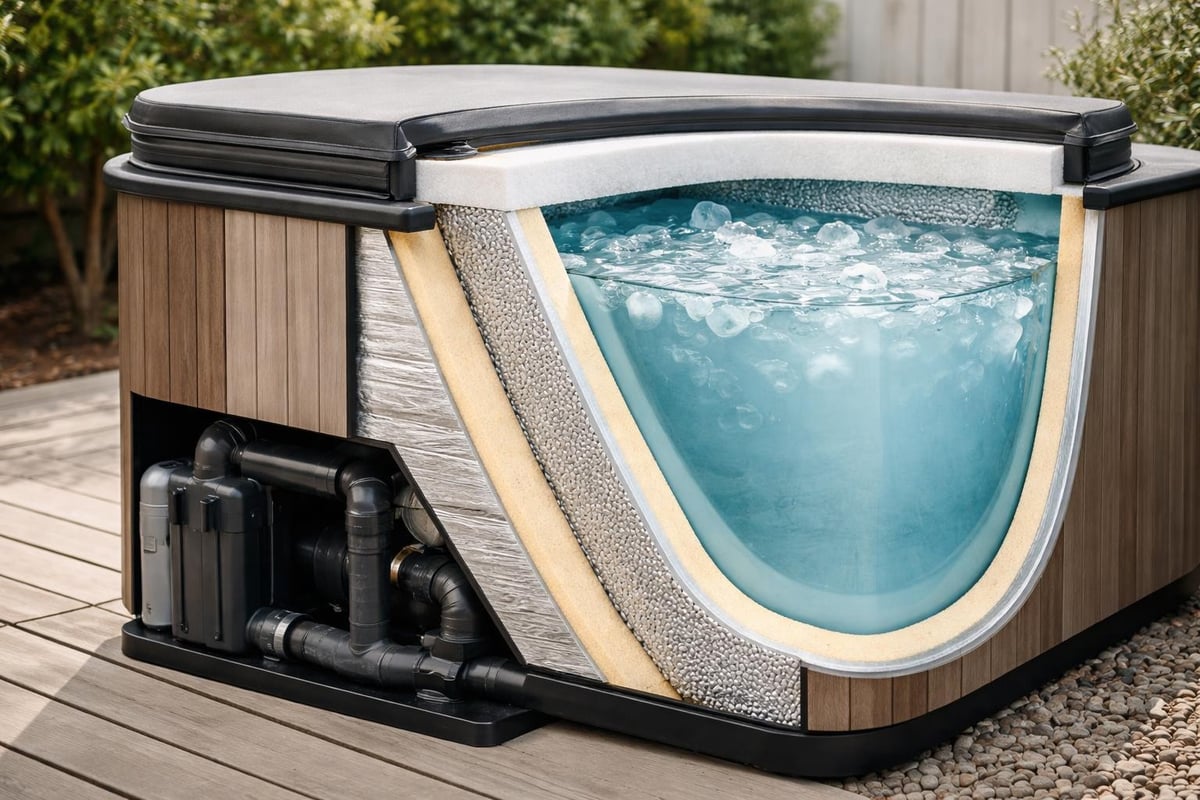
The chiller unit works with this insulation rather than fighting against heat gain. When properly insulated, a 1HP chiller can maintain temperatures between 37-45°F even during summer months. Without insulation, that same chiller would struggle to reach 55°F.
Materials matter significantly. Eastern White Cedar naturally insulates while resisting moisture damage. Acrylic shells paired with spray foam create excellent thermal barriers. Stainless steel requires more insulation thickness but offers unmatched durability.
According to research on cold plunge benefits, consistent cold exposure between 50-59°F provides optimal results for inflammation reduction and recovery. Insulation makes hitting that target range effortless.
Is an Insulated Cold Plunge Tub Worth the Investment?
The upfront cost difference between insulated and non-insulated systems ranges from $800 to $2,000. That premium pays for itself through reduced operational expenses and improved user experience.
Calculate your break-even point by comparing energy costs. A non-insulated tub running a chiller might consume 15-20 kWh daily during warm months. An insulated system drops that to 5-8 kWh. At average electricity rates of $0.15 per kWh, you save approximately $1.50 daily or $550 annually.
Beyond financial metrics, insulation delivers consistency that transforms your recovery routine. You'll actually use your cold plunge when it's ready at the perfect temperature rather than spending 30 minutes preparing ice baths.
Long-Term Value Comparison
| Feature | Non-Insulated System | Insulated Cold Plunge Tub |
|---|---|---|
| Initial Cost | $2,500-4,000 | $3,500-6,000 |
| Annual Energy Cost | $650-900 | $200-400 |
| Setup Time per Use | 20-45 minutes | Under 2 minutes |
| Temperature Consistency | ±8-12°F variation | ±1-2°F variation |
| 5-Year Total Cost | $5,750-8,500 | $4,500-8,000 |
The value extends beyond dollars. Consistent cold exposure improves cardiovascular health and metabolism when practiced regularly. You can't build consistent habits around inconsistent equipment.
Who Should Buy an Insulated Cold Plunge Tub?
This technology benefits specific user profiles more than others. Understanding where you fit helps determine if the investment makes sense.
Serious athletes and active individuals benefit most from daily cold exposure. If you're training 5-6 days weekly, muscle recovery becomes the limiting factor in performance gains. An insulated system removes barriers to consistent cold therapy practice.
Biohackers and wellness enthusiasts optimizing multiple health variables need precise temperature control. Protocols for improving brown fat activation or enhancing immune function require specific temperature ranges that only insulated systems maintain reliably.
People living in warm climates face the biggest challenges with non-insulated systems. When ambient temperatures exceed 80°F, maintaining cold water without industrial-grade chillers becomes nearly impossible. Insulation makes warm-weather cold plunging practical.
Households using plunge tubs multiple times daily recoup their investment fastest. Each family member can access cold therapy on their schedule without preparation time or temperature concerns.
Less ideal candidates include occasional users who plunge 1-2 times monthly, those with extremely cold climates where insulation provides less benefit, or budget-conscious beginners still establishing the habit.
What to Look for When Buying an Insulated Cold Plunge Tub
Shopping for cold plunge systems reveals massive quality variations. Focus on these critical specifications to identify legitimate insulated products versus marketing claims.
Insulation Thickness and Material
Look for minimum 2-inch closed-cell foam insulation with R-values of 10 or higher. Spray foam insulation provides superior coverage without gaps. Some manufacturers use fiberglass batts which settle over time and lose effectiveness.
Ask specific questions: What type of insulation? What R-value? How is it applied? Reputable manufacturers provide detailed specifications rather than vague "fully insulated" claims.
Cover Quality and Seal
The cover accounts for more heat loss than all side walls combined. Premium insulated covers feature 3-4 inches of foam with locking mechanisms that create airtight seals. Cheap vinyl covers with minimal insulation waste all the benefits of wall insulation.
Test the weight. Quality insulated covers feel substantial because they contain real insulating material. If you can easily lift a cover with one hand, it lacks proper insulation.
Chiller Integration and Capacity
Match chiller capacity to your tub volume and climate. A 1HP chiller handles up to 150 gallons in moderate climates. Larger tubs or hot regions need 1.5-2HP systems. Ensure the chiller is designed to work with your insulation rather than compensating for poor thermal performance.
Built-in chillers offer convenience but limit upgrade options. External chillers provide flexibility but require proper plumbing integration. Consider your technical comfort level and maintenance preferences.
For those seeking Canadian-crafted quality, The Polar Plunge Tub combines premium insulation with choice of 304 stainless steel or HDPE interiors and naturally insulating White Cedar exteriors for year-round outdoor use.
Construction Quality and Materials
Examine joint construction and finish work. Quality manufacturers use marine-grade materials and sealed joints that prevent moisture infiltration into insulation layers. Water-damaged insulation loses effectiveness completely.
Cedar models should feature tight grain without large knots. Acrylic shells need even thickness without thin spots. Stainless steel requires 304-grade minimum for corrosion resistance.
Common Mistakes Beginners Make with Insulated Systems
First-time cold plunge buyers often focus on price rather than performance specifications. A $500 discount on a poorly insulated system costs thousands in operational expenses over five years.
Underestimating cover importance ranks as the most expensive mistake. Some buyers invest in quality tubs but use cheap covers to save $200. This single decision can triple their energy costs and prevent reaching target temperatures.
Ignoring climate factors leads to undersized chillers. A system that works perfectly in Seattle struggles in Phoenix. Calculate your needs based on peak summer temperatures, not comfortable spring weather when you're shopping.
Skipping water chemistry education causes maintenance headaches. Cold water hosts different bacterial profiles than hot tubs. Understanding proper cold plunge maintenance prevents cloudy water and equipment damage.
Rushing the acclimatization process results in abandoned equipment. Start with 2-3 minute sessions at 60°F before progressing to longer duration and colder temperatures. Your insulated system will be there when you're ready for advanced protocols.
Placing tubs in direct sunlight without shade structures wastes insulation benefits. Even the best insulated cold plunge tub struggles when absorbing direct solar radiation for 8 hours daily. Position thoughtfully or add shade protection.
Installation Considerations for Maximum Efficiency
Proper installation amplifies insulation performance while poor placement undermines even premium systems. Location decisions have permanent consequences.
Choose shaded areas that receive minimal direct sunlight. North-facing positions work well in most climates. If shade isn't available, construct simple pergolas or plant fast-growing trees for future coverage.
Foundation requirements:
- Level concrete pads for stability and drainage
- Gravel bases with proper compaction for outdoor installations
- Reinforced decking capable of supporting 1,200-2,000 pounds
- Indoor placement on structurally sound flooring with waterproofing
Electrical access affects operating costs significantly. Dedicated 220V circuits provide maximum chiller efficiency. Running chillers on 110V circuits increases operating costs by 20-30% while reducing cooling capacity.
Consider proximity to your most common usage points. Placing a cold plunge 50 feet from your home sauna creates friction that reduces usage frequency. Position systems for natural workflow integration.
Ventilation matters for indoor installations. Cold water creates condensation in humid environments. Ensure adequate air circulation to prevent moisture accumulation on walls and ceilings.
For complete guidance on selecting the right system, explore the full cold plunge collection featuring various insulated models designed for different needs and climates.
Maintenance Requirements for Insulated Cold Plunge Tubs
Insulated systems require different maintenance approaches than standard pools or hot tubs. Cold temperatures slow bacterial growth but don't eliminate it entirely.
Weekly tasks:
- Test and balance pH levels (7.2-7.6 optimal range)
- Check sanitizer levels (chlorine 1-3 ppm or alternative systems)
- Skim debris from water surface
- Inspect cover seal and clean contact surfaces
- Wipe down interior walls above waterline
Monthly requirements:
- Deep clean filters according to manufacturer specifications
- Shock treat water to eliminate organic buildup
- Inspect insulation for moisture damage or settling
- Check chiller operation and clean condenser coils
- Test GFCI outlets and electrical connections
The complete maintenance guide from Garage Gym Reviews provides detailed protocols for different water sanitization systems including chlorine, bromine, ozone, and UV options.
Insulated covers need quarterly cleaning with mild soap solutions. Avoid harsh chemicals that degrade foam or vinyl materials. Store covers properly when not in use to prevent UV damage.
Annual professional inspections identify potential issues before they become expensive repairs. Technicians check refrigerant levels, inspect plumbing connections, verify electrical safety, and assess insulation condition.
Temperature Optimization and Energy Management
Your insulated cold plunge tub performs best when you understand its thermal dynamics. Small adjustments create significant efficiency improvements.
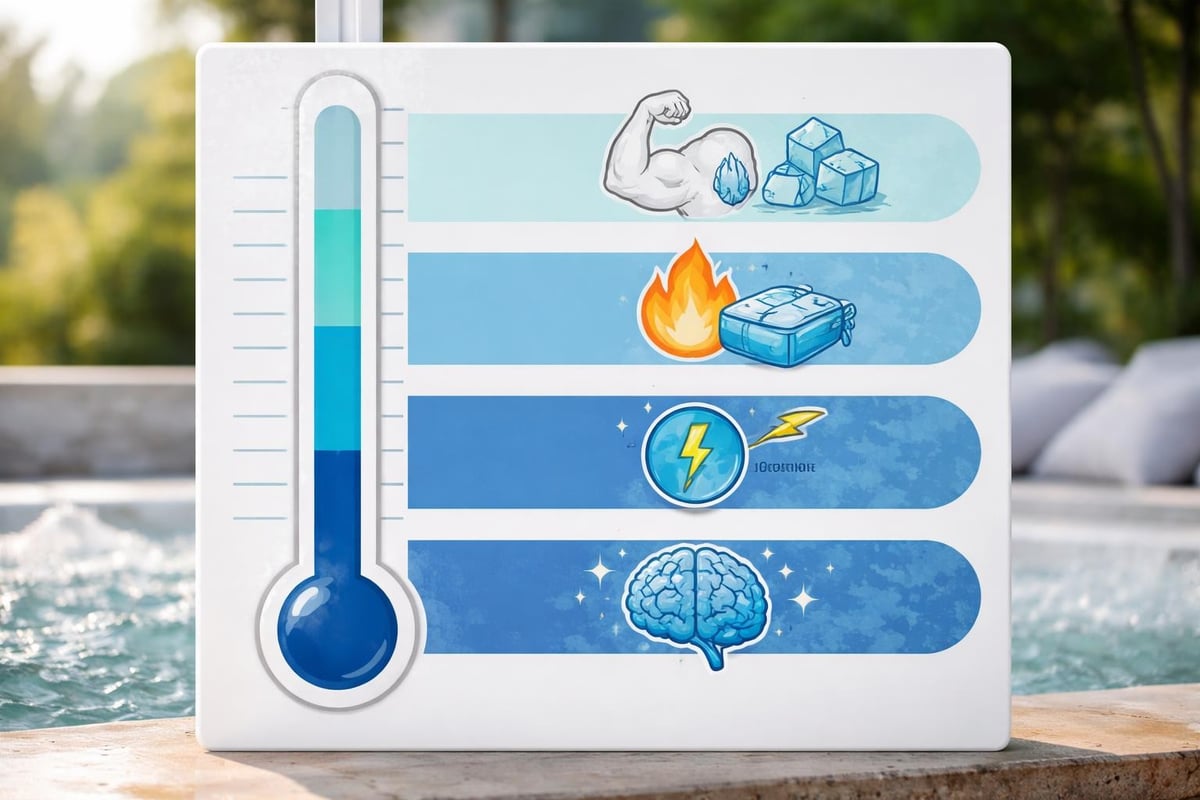
Set your target temperature based on usage patterns rather than maximum capability. Maintaining 45°F uses substantially less energy than 37°F. Most recovery benefits occur between 50-59°F according to research on cold exposure benefits.
Use timer functions to reduce chiller operation during low-usage periods. If you plunge mornings only, program the system to reach target temperature by 6 AM rather than maintaining it continuously overnight.
Energy-saving strategies:
| Strategy | Energy Savings | Implementation Difficulty |
|---|---|---|
| Insulated cover usage | 40-50% | Easy |
| Shade structure installation | 15-25% | Moderate |
| Timer-based operation | 10-20% | Easy |
| Proper water chemistry | 5-10% | Easy |
| Seasonal temperature adjustment | 15-30% | Easy |
Monitor your electricity usage during the first month to establish baseline costs. Many users discover their systems use less energy than expected, while others identify problems requiring attention.
Consider seasonal adjustments. Winter ambient temperatures help maintain cold water with minimal chiller operation in many regions. Summer demands increase, but proper insulation keeps costs manageable.
Integrating Cold Plunge Practice Into Recovery Routines
Owning an insulated cold plunge tub removes logistical barriers, but effective protocols maximize your investment. Structure your practice around proven recovery science.
Post-workout timing matters significantly. Wait 4-6 hours after strength training before cold plunging to avoid blunting muscle protein synthesis. Immediately after cardio or endurance work provides optimal inflammation management without interfering with adaptations.
Begin with 2-minute sessions at 59°F and progressively work toward 3-5 minutes at 50°F over several weeks. Your body adapts to cold stress gradually. Rushing progression creates negative associations that reduce long-term adherence.
Breathing techniques transform the experience from uncomfortable to invigorating. Practice controlled nasal breathing for the first 30 seconds, then establish a steady rhythm. Hyperventilation triggers panic responses and reduces benefits.
Sample progression protocol:
- Week 1-2: 60°F for 2 minutes, 3x weekly
- Week 3-4: 55°F for 3 minutes, 4x weekly
- Week 5-6: 50°F for 3 minutes, 5x weekly
- Week 7-8: 45°F for 4 minutes, 5-6x weekly
- Week 9+: Maintain or progress based on goals
Track your sessions using simple metrics: water temperature, duration, perceived recovery benefit (1-10 scale), and next-day soreness levels. Patterns emerge showing your optimal frequency and temperature.
Morning sessions improve mental clarity and energy levels throughout the day. Evening plunges can disrupt sleep for some individuals due to the stimulating effects. Experiment to find your ideal timing.
Comparing DIY Solutions to Purpose-Built Insulated Systems
Budget-conscious buyers often consider building insulated cold plunge tubs using chest freezers, stock tanks, or custom construction. Understanding true costs and limitations prevents false economy.
Chest freezer conversions seem economical at $400-800 total investment. Reality includes temperature controller limitations, awkward ergonomics, confined space, and questionable long-term reliability. These systems work for experimentation but lack the durability for years of daily use.
Stock tank builds with DIY insulation cost $1,200-2,000 including chiller units. Quality depends entirely on construction skill. Poorly sealed insulation absorbs water and becomes useless. Successful builds require significant time investment and technical knowledge.
Purpose-built insulated systems provide engineered solutions with warranties, proven designs, and quality assurance. You're paying for refined ergonomics, reliable temperature control, and peace of mind. For those exploring different options, Plunge N' Tubs' recovery blog offers insights on various cold therapy approaches and equipment.
The cost difference narrows significantly when accounting for time value and potential DIY mistakes. A $2,000 failed DIY project plus 40 hours of labor makes a $4,000 professional system look attractive.
Special Considerations for Different User Groups
Women face unique considerations with cold plunge practice. Research on cold plunging for women suggests monitoring hormonal responses and adjusting protocols around menstrual cycles. Some women find cold exposure during luteal phases more challenging.
Older adults benefit tremendously from controlled cold exposure for joint health and circulation. However, cardiovascular screening becomes essential above age 60. Start conservatively and consult healthcare providers before establishing regular practice.
Athletes in different sports optimize differently. Endurance athletes tolerate frequent cold exposure well. Strength athletes should limit sessions during muscle-building phases to avoid blunting hypertrophy signals.
People with cardiovascular conditions, Raynaud's phenomenon, or cold urticaria require medical clearance before cold plunging. An insulated cold plunge tub offers precise temperature control for therapeutic protocols under professional guidance.
Frequently Asked Questions
How long does an insulated cold plunge tub maintain temperature without power?
Quality insulated systems maintain target temperatures for 18-36 hours without chiller operation, depending on ambient conditions and cover quality. This provides backup during brief power outages and reduces energy costs through strategic timing.
Can I use my insulated cold plunge outdoors year-round?
Most insulated models handle outdoor installation in all seasons. Cedar and stainless steel options withstand freezing temperatures, though chillers may need winterization in extreme climates below 20°F. Consult manufacturer specifications for your specific region.
What's the ideal depth for an insulated cold plunge tub?
Depths between 30-36 inches allow full shoulder immersion while seated. This provides maximum therapeutic benefit while maintaining manageable water volumes for efficient temperature control. Taller individuals may prefer 38-42 inch depths.
How often should I change the water in my insulated system?
With proper sanitization and filtration, change water every 2-3 months for single users or monthly for multiple users. Insulated systems maintain cleaner water longer than non-insulated options due to stable temperatures that reduce bacterial growth.
Do insulated cold plunge tubs work without chillers?
In cold climates, insulated tubs maintain naturally cold temperatures during winter months without chillers. However, most users want year-round access, making chiller integration essential for consistent practice regardless of season.
An insulated cold plunge tub transforms cold therapy from an occasional challenge into a sustainable daily practice that delivers measurable recovery and wellness benefits. By maintaining consistent temperatures efficiently, these systems remove the barriers that prevent most people from establishing regular cold exposure routines. When you're ready to bring professional-grade recovery home, Plunge N' Tubs offers premium systems crafted from Canadian wood with fast, free delivery across North America, helping athletes and wellness enthusiasts access top-quality cold therapy on their own schedule.
Share:
Ice Bath Barrel Guide: Benefits, Buying Tips & Common Mistakes
Cheap Cold Plunge Tub: Your Complete Buying Guide