



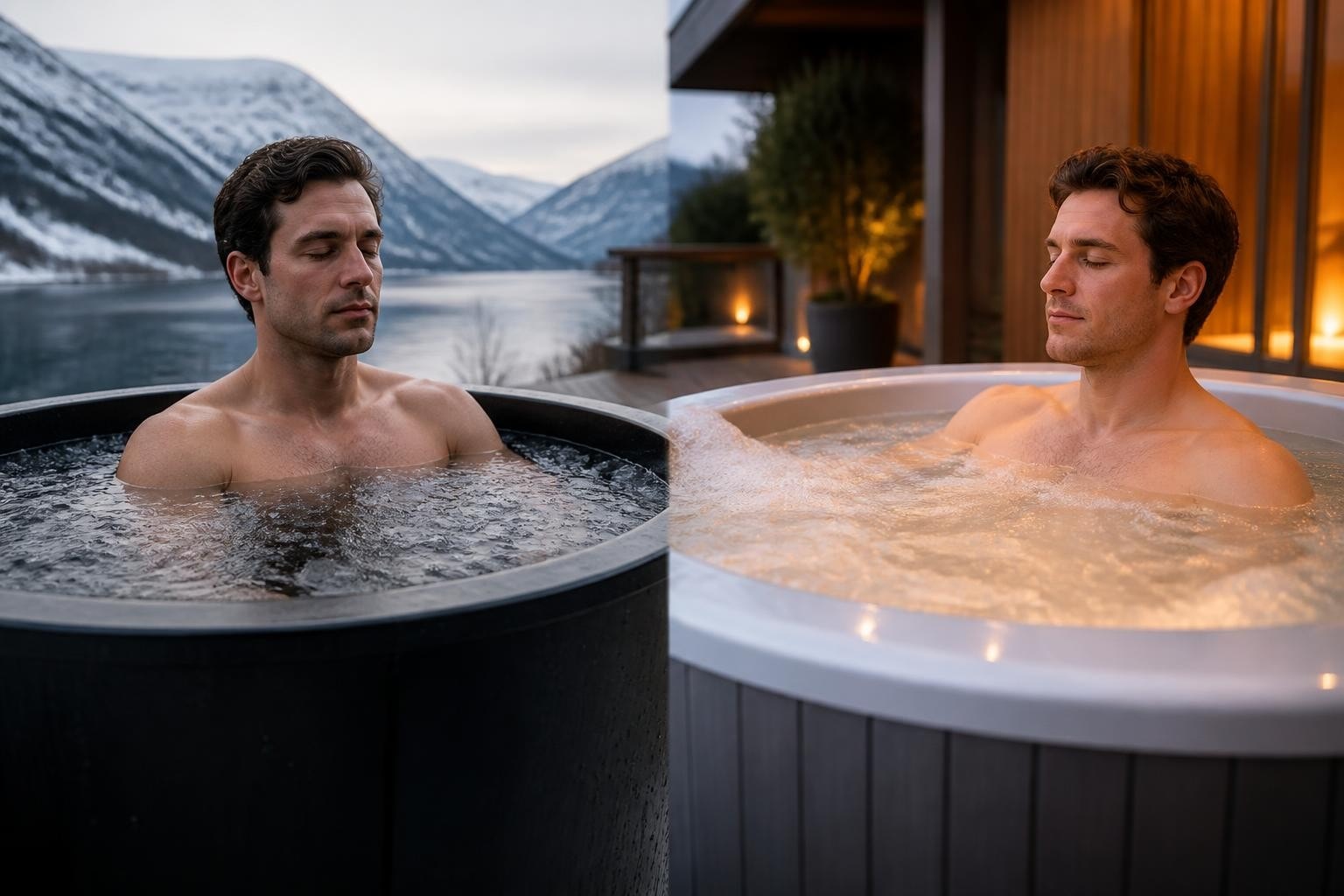
The combination of hot tub and cold plunge therapy has transformed from an elite athlete's recovery tool into a mainstream wellness practice embraced by millions across North America. This therapeutic approach, known as contrast therapy, leverages extreme temperature changes to trigger powerful physiological responses that support recovery, boost circulation, reduce inflammation, and enhance mental clarity. Whether you're recovering from intense workouts, managing chronic pain, or simply seeking better sleep and stress relief, understanding how to properly implement hot tub and cold plunge protocols can deliver measurable results.
Understanding Hot Tub and Cold Plunge Therapy
Contrast therapy operates on a simple yet powerful principle: alternating between hot and cold water immersion creates a pumping effect in your circulatory system. When you immerse yourself in a hot tub, blood vessels dilate, increasing blood flow to your muscles and skin. Switching to a cold plunge causes vasoconstriction, pushing blood back toward your core and vital organs.
This temperature cycling creates several immediate benefits. Your cardiovascular system gets a workout without physical exertion. Metabolic waste products flush from tired muscles more efficiently. Your nervous system receives a reset, shifting from sympathetic (stress) to parasympathetic (recovery) dominance. The mental challenge of cold immersion builds resilience and triggers endorphin release, contributing to improved mood and mental clarity.
The science behind the practice continues to evolve. Research from Harvard Health highlights how cold-water immersions may improve circulation, reduce muscle soreness, and support cardiovascular health when practiced consistently. Meanwhile, heat therapy promotes muscle relaxation, joint mobility, and the release of heat shock proteins that support cellular repair.
Physiological Mechanisms at Work
Temperature exposure triggers multiple systems simultaneously:
- Circulatory response: Alternating vasodilation and vasoconstriction improves blood flow efficiency
- Inflammatory modulation: Cold reduces acute inflammation while heat promotes healing in chronic conditions
- Hormonal activation: Cold exposure stimulates norepinephrine release, enhancing focus and alertness
- Nervous system regulation: Temperature stress trains your body's stress response mechanisms
- Metabolic activation: Cold exposure may increase brown fat activity and metabolic rate
The timing and temperature of your hot tub and cold plunge sessions determine which benefits you'll experience most strongly. Generally, colder temperatures (below 50°F) and longer durations amplify metabolic and mental benefits, while moderate cold (50-60°F) paired with heat focuses recovery advantages.
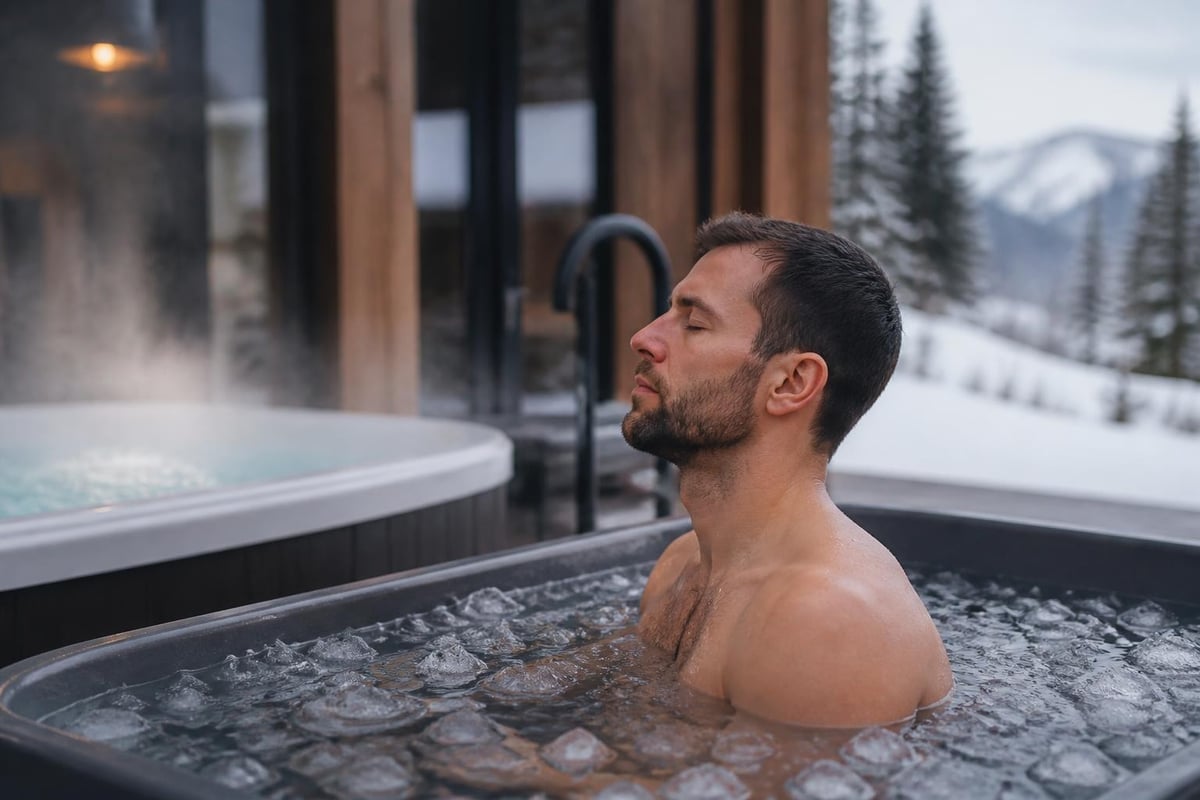
Setting Up Your Hot Tub and Cold Plunge System
Creating an effective contrast therapy setup at home requires careful planning around space, budget, and intended use. The good news: you don't need a professional facility to achieve professional-grade results.
Space and Installation Considerations
Most home setups dedicate 100-200 square feet for both units combined. Outdoor installations remain most popular, though indoor spaces with proper ventilation and drainage work equally well. Key factors include:
Electrical requirements vary significantly. Cold plunge chillers typically need 15-20 amp dedicated circuits, while hot tubs demand 30-50 amp service depending on size. Plan electrical work before finalizing placement.
Drainage access matters more than many realize. You'll periodically empty both units for cleaning and maintenance. Position units near drainage systems or plan for pump-out procedures.
Privacy and weather protection enhance year-round use. Many users install pergolas, privacy screens, or simple windbreaks to make sessions comfortable in all seasons.
| Setup Component | Budget Option | Premium Option |
|---|---|---|
| Cold Plunge | Stock tank + ice ($200-500) | Integrated chiller system ($3,000-8,000) |
| Hot Tub | Inflatable hot tub ($400-800) | Cedar wood-fired tub ($4,000-10,000) |
| Total Investment | $600-1,300 | $7,000-18,000 |
| Monthly Operating Cost | $10-30 | $50-150 |
Temperature Control and Maintenance
Maintaining proper temperatures separates effective contrast therapy from uncomfortable guesswork. Quality cold plunge systems with integrated chillers maintain consistent temperatures between 37-55°F without constant ice additions. The Cleveland Clinic notes that most therapeutic benefits occur between 50-59°F, though experienced users often prefer colder temperatures.
Hot tub temperatures between 100-104°F provide optimal contrast without excessive cardiovascular stress. Never exceed 104°F, and consider starting at 98-100°F if you're new to heat therapy.
Water quality management deserves serious attention. Cold plunge water stays cleaner longer due to low temperatures inhibiting bacterial growth, but still requires filtration and sanitation. Hot tubs demand more frequent attention due to warm temperatures promoting microbial activity.
The Optimal Hot Tub and Cold Plunge Protocol
Protocol design separates random temperature exposure from systematic contrast therapy. Your goals, fitness level, and recovery needs should dictate your approach.
Classic Contrast Therapy Sessions
The standard protocol involves 3-5 cycles alternating between temperatures:
- Start with 3-5 minutes in the hot tub to raise core temperature and relax muscles
- Immediately transition to 1-3 minutes in the cold plunge for vasoconstriction
- Return to the hot tub for another 3-5 minutes
- Repeat the cycle 2-4 more times
- Always end on cold to maximize inflammation reduction and mental alertness
Timing adjustments depend on your tolerance and goals. Beginners should start with shorter cold exposures (30-60 seconds) and gradually increase duration as adaptation occurs. Athletes focusing on recovery may extend cold exposure to 4-5 minutes while reducing heat time.
Recovery-Focused Protocols
Post-workout recovery protocols emphasize cold therapy:
- Begin with 5 minutes of cold plunge immediately after training
- Follow with 5 minutes in the hot tub for muscle relaxation
- Finish with a final 3-minute cold plunge to lock in anti-inflammatory benefits
This approach addresses acute exercise-induced inflammation while promoting nutrient delivery to fatigued muscles. Many athletes report reduced soreness and faster return to peak performance when following this protocol consistently.
Performance and Longevity Protocols
For general wellness and performance enhancement rather than acute recovery, consider morning contrast sessions:
- Start your day with 2-3 minutes of cold plunge for mental clarity and metabolic activation
- Follow with 5-7 minutes in the hot tub for relaxation and circulation
- End with 1-2 minutes of cold to sustain alertness throughout the day
Research discussed in The Atlantic suggests regular cold exposure may support mental health through stress adaptation and neurotransmitter modulation. Combined with heat therapy, these sessions create a powerful daily wellness routine.
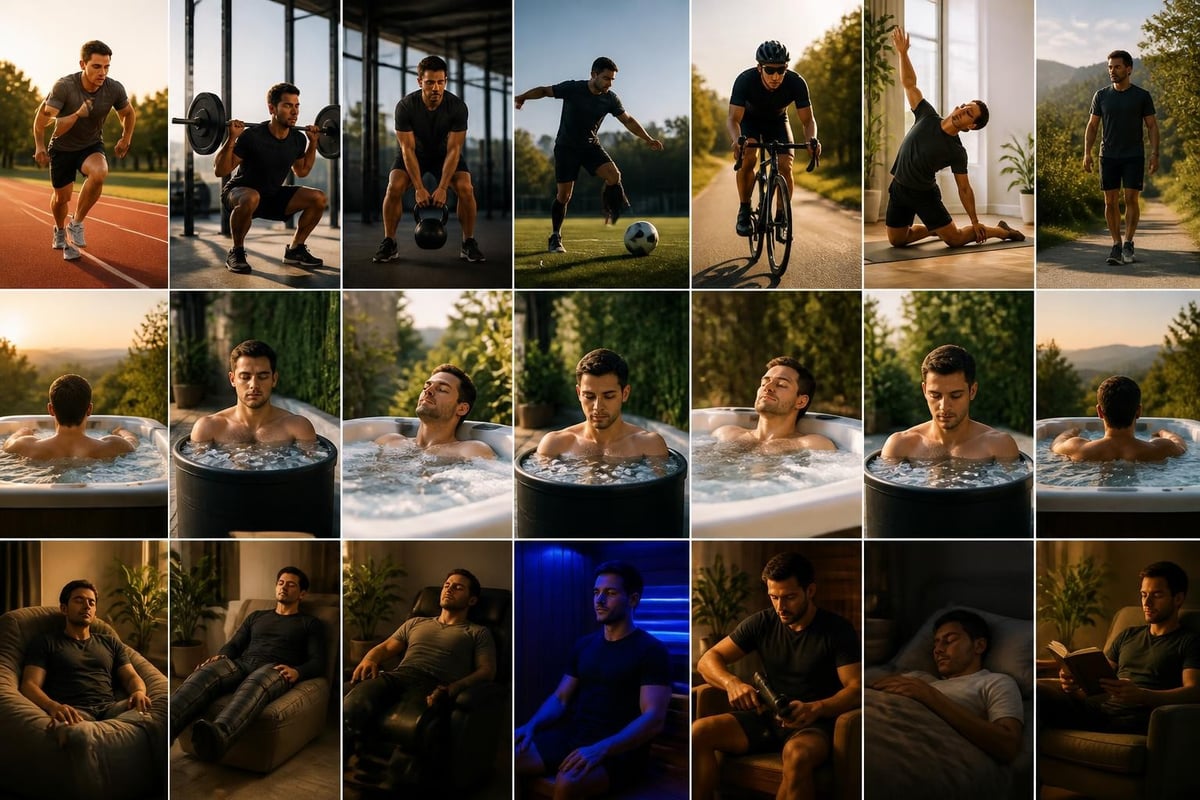
Is Hot Tub and Cold Plunge Worth the Investment?
The financial commitment raises legitimate questions. Between equipment costs, installation, and ongoing maintenance, you're looking at several thousand dollars for a quality home setup.
Calculating the Value Proposition
Compare this investment to alternative recovery methods:
Monthly gym with cold plunge access: $150-300/month = $1,800-3,600/year
Regular massage therapy: $100-200/session × 12 sessions = $1,200-2,400/year
Cryotherapy sessions: $50-80/session × 24 sessions = $1,200-1,920/year
A complete home hot tub and cold plunge system paying $10,000 breaks even within 3-5 years compared to commercial alternatives. More importantly, home access eliminates scheduling friction and travel time, dramatically increasing consistency.
The intangible benefits often exceed financial calculations. Users consistently report better sleep quality, reduced anxiety, improved workout recovery, and enhanced mental clarity. These improvements compound over time, affecting productivity, relationships, and overall quality of life in ways difficult to quantify.
Who Should Invest in Hot Tub and Cold Plunge Systems?
This approach delivers maximum value for specific user profiles:
- Serious athletes and fitness enthusiasts who train 4+ days weekly and prioritize recovery
- Individuals managing chronic pain or inflammation seeking non-pharmaceutical interventions
- Professionals in high-stress careers who need effective stress management tools
- Wellness-focused individuals committed to longevity and preventive health practices
- Anyone with outdoor space and interest in building a home recovery sanctuary
Those who should reconsider include individuals with cardiovascular conditions without medical clearance, people unable to commit to regular use, or those lacking adequate space and installation resources. Harvard Health warns that cold plunges may pose risks for individuals with heart conditions, making medical consultation essential before starting.
What to Look for When Buying a Cold Plunge Tub
Quality variations in cold plunge equipment dramatically affect user experience and longevity. Understanding key specifications helps you make informed decisions.
Material Construction and Durability
Premium cold plunge tubs use materials designed for temperature stability and long-term outdoor exposure:
Cedar and premium hardwoods offer natural beauty, excellent insulation properties, and resistance to moisture damage. Canadian-sourced wood demonstrates superior cold tolerance and structural integrity in outdoor installations.
Stainless steel (304 grade or higher) provides exceptional durability and easy sanitation. These units resist corrosion and maintain structural integrity across temperature extremes.
High-density polyethylene (HDPE) and acrylic constructions offer lightweight alternatives with good insulation properties. Quality matters significantly in plastic constructions, as cheaper materials crack under thermal stress.
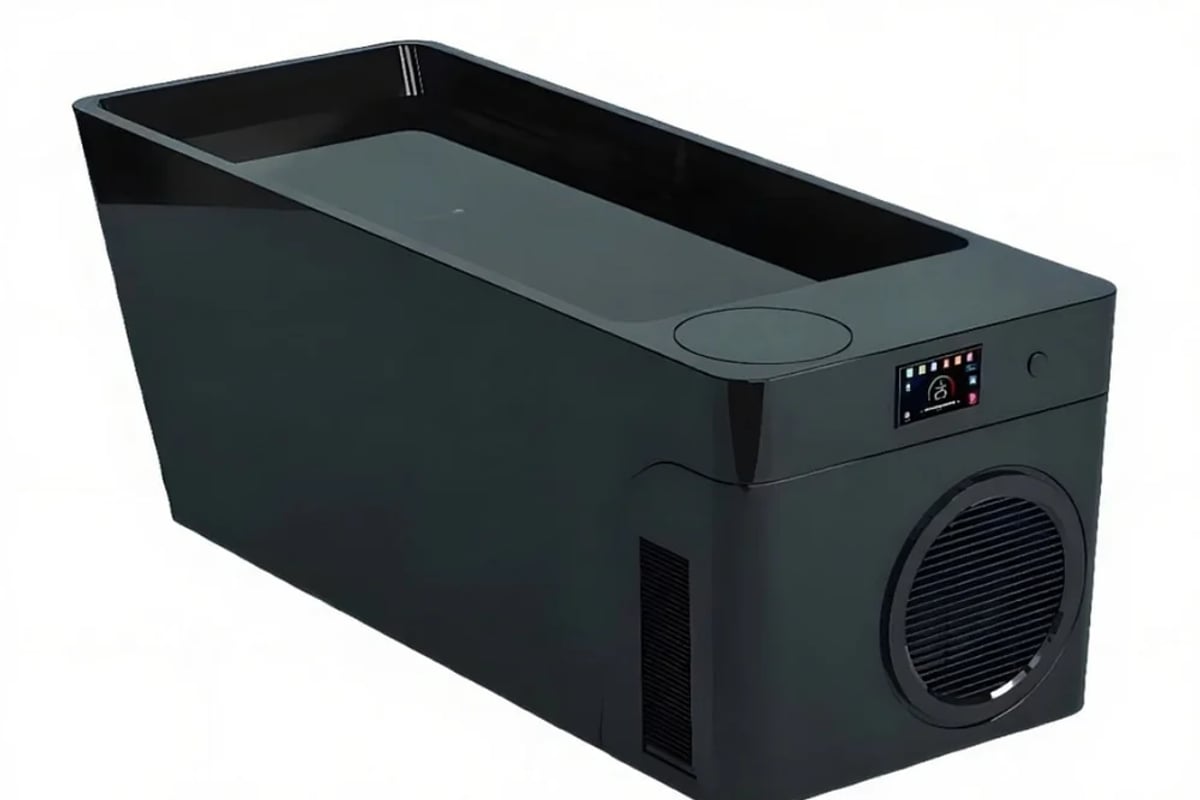
For those seeking professional-grade equipment, the Orivon Frost Cold Plunge Tub combines premium acrylic construction with a powerful 1HP integrated chiller system. This design maintains precise temperatures between 37-108°F, ensuring consistent cold therapy without the hassle of ice management. The sleek rectangular design fits most outdoor spaces while delivering the reliability athletes and wellness professionals demand.
Chiller System Specifications
The chiller represents the heart of any cold plunge system. Inadequate cooling capacity forces constant temperature monitoring and ice supplementation.
| Chiller Specification | Minimum Standard | Premium Performance |
|---|---|---|
| Horsepower | 0.5 HP | 1.0+ HP |
| Temperature Range | 45-65°F | 37-108°F |
| Cooling Capacity (BTU) | 3,000-5,000 | 6,000-10,000 |
| Temperature Stability | ±3°F | ±1°F |
| Noise Level | <55 dB | <45 dB |
Energy efficiency significantly impacts operating costs. Look for units with programmable temperature controls, insulated plumbing, and energy-saving modes that reduce compressor cycling during non-use periods.
Filtration and Sanitation Systems
Effective filtration extends water life and reduces chemical requirements. Quality systems circulate the entire water volume multiple times daily through multi-stage filtration removing debris, oils, and organic material.
Ozone or UV sanitization supplements traditional chemical treatments, reducing chlorine or bromine requirements while maintaining water clarity. These systems particularly benefit cold plunge tubs, where low temperatures make traditional sanitizers less effective.
Common Mistakes Beginners Make with Hot Tub and Cold Plunge
Experience reveals patterns in new user mistakes that undermine results and safety.
Temperature and Timing Errors
Starting too cold: Jumping into 39°F water on your first session creates unnecessary stress and discouragement. Begin with 55-60°F water and gradually decrease temperature over weeks as adaptation occurs.
Excessive duration: Spending 10+ minutes in cold water doesn't triple benefits compared to 3 minutes. Diminishing returns set in quickly, while risks of hypothermia increase. Most benefits occur within the first 2-4 minutes.
Ignoring heat warnings: Hot tubs above 104°F or sessions exceeding 15-20 minutes can cause dangerous core temperature elevation, especially when alternating with cold. Monitor how you feel and exit immediately if experiencing dizziness, nausea, or excessive heart rate.
Protocol and Consistency Issues
Many beginners approach hot tub and cold plunge sessions randomly rather than building consistent protocols. The body adapts to regular exposure patterns, with benefits accumulating through repeated practice. Sporadic use prevents adaptation and reduces effectiveness.
Always ending on heat represents another common error. Finishing sessions in the hot tub feels more comfortable but negates some anti-inflammatory benefits and leaves you feeling sluggish. Some research suggests heat may benefit certain recovery scenarios, but for contrast therapy, ending cold maximizes alertness and inflammation reduction.
Safety and Health Considerations
Never practice contrast therapy alone during initial sessions. The combination of temperature stress and possible cardiovascular response creates fall and drowning risks. Having someone nearby provides essential safety backup.
Hydration matters more than most realize. Both heat and cold exposure increase fluid requirements. Drink 16-24 ounces of water before sessions and maintain hydration throughout the day.
Alcohol and contrast therapy don't mix. Alcohol impairs thermoregulation and judgment, increasing hypothermia and overheating risks. Save the celebration for after your session.
Frequently Asked Questions
How often should I use hot tub and cold plunge therapy?
Most users benefit from 3-5 sessions weekly. Athletes may practice daily during heavy training blocks, while recreational users find 2-3 weekly sessions sufficient for wellness benefits. Listen to your body and adjust frequency based on recovery needs and energy levels.
Can I do hot tub and cold plunge on the same day as intense workouts?
Yes, but timing matters. For strength training, wait 4-6 hours post-workout to avoid potentially blunting adaptation signals. For endurance training or when prioritizing recovery over adaptation, immediate post-exercise contrast therapy accelerates recovery effectively.
What temperature should I maintain in each system?
Cold plunge temperatures between 50-55°F work well for most users, with experienced practitioners often preferring 39-45°F. Hot tubs should stay between 100-104°F, never exceeding 104°F for safety. Start warmer in both and adjust based on tolerance.
Do I need to shower between hot and cold transitions?
No shower needed between transitions during a contrast session. However, shower before entering either system to remove oils, lotions, and debris that contaminate water and stress filtration systems.
How long does it take to see benefits from regular practice?
Most users notice improved sleep quality and reduced muscle soreness within 1-2 weeks of consistent practice. Mental clarity and stress resilience benefits often appear within days. Cardiovascular and metabolic adaptations develop over 4-8 weeks of regular exposure.
Is contrast therapy safe for everyone?
Individuals with cardiovascular conditions, uncontrolled high blood pressure, pregnancy, or certain medical conditions should consult healthcare providers before starting. Contrast therapy creates significant physiological stress that healthy individuals tolerate well but may pose risks for specific populations.
Maintaining Your System for Long-Term Performance
Proper maintenance protects your investment and ensures consistent performance for years. Both hot tub and cold plunge systems require regular attention, though demands differ based on temperature and usage patterns.
Cold Plunge Maintenance Schedule
Weekly tasks include checking water chemistry, cleaning the waterline, and inspecting chiller operation. Cold water chemistry remains more stable than hot tubs, but monitoring pH (7.2-7.8) and sanitizer levels prevents issues.
Monthly maintenance involves deep-cleaning filtration systems, inspecting seals and connections, and verifying temperature accuracy with an independent thermometer. Wood tubs benefit from gentle cleaning with specialized wood treatments that prevent algae without damaging natural materials.
Quarterly attention focuses on chiller performance verification, detailed system inspection, and water replacement. Even with excellent filtration, complete water changes every 3-4 months maintain optimal clarity and chemistry.
Hot Tub Maintenance Protocols
Hot tubs demand more frequent attention due to warm temperatures accelerating chemical reactions and microbial growth:
- After each use: Check and adjust sanitizer levels
- Weekly: Test full water chemistry, clean filters, and shock water
- Monthly: Deep clean, inspect equipment, and verify heating performance
- Quarterly: Replace water, deep clean all surfaces, and service components
Winter maintenance requires special consideration in cold climates. While cold plunges thrive in freezing temperatures, hot tubs need protection from frozen plumbing. Maintain continuous operation or properly winterize unused systems.
Building Your Contrast Therapy Routine
Success with hot tub and cold plunge therapy comes from building sustainable habits rather than sporadic intense practice. Start with realistic commitments and expand as the practice becomes integral to your lifestyle.
Morning sessions energize your day and establish consistency before other obligations interfere. Evening protocols promote relaxation and improved sleep quality. Experiment with timing to discover what serves your goals and schedule best.
Track your experience through simple logging. Record water temperatures, session duration, subjective energy levels, and recovery quality. Patterns emerge over weeks revealing your optimal protocol.
Explore additional wellness resources and recovery strategies through Plunge N' Tubs' blog content where experts share advanced techniques and user experiences.
Hot tub and cold plunge therapy represents one of the most powerful recovery and wellness tools available for home use, delivering benefits that compound daily through consistent practice. Whether you're an athlete pursuing peak performance, a professional managing stress, or someone committed to longevity and vitality, contrast therapy provides measurable improvements in recovery, mental clarity, and overall well-being. Plunge N' Tubs offers premium systems crafted from the highest quality Canadian wood, backed by fast and free delivery across North America, making it easier than ever to bring professional-grade recovery and relaxation directly to your home.
Share:
Tub Ice Bath: Complete Guide to Cold Plunge Recovery at Home
Cold Plunge System: Complete Buying Guide 2026