



Muscle soreness doesn't have to derail your training schedule or keep you off your feet for days. Whether you're dealing with delayed onset muscle soreness (DOMS) after an intense workout or chronic tension from repetitive activities, heat therapy has been helping athletes and active individuals recover faster for decades. A hot tub for muscle soreness offers one of the most effective, accessible, and enjoyable ways to accelerate recovery while simultaneously reducing stress and improving overall wellness.
The combination of heated water, buoyancy, and strategic relaxation creates a recovery environment that targets muscle soreness from multiple angles. Understanding how to use heat therapy properly can transform your recovery routine and help you maintain consistent training without the frustration of prolonged muscle pain.
How Heat Therapy Reduces Muscle Soreness
Hot water immersion works through several interconnected physiological mechanisms that directly address the root causes of muscle pain and stiffness. When you immerse your body in heated water, your blood vessels dilate, a process called vasodilation that significantly increases circulation throughout your muscles and connective tissues.
This enhanced blood flow delivers more oxygen and essential nutrients to damaged muscle fibers while simultaneously flushing out metabolic waste products like lactic acid that contribute to soreness. Research on hydrotherapy's effects demonstrates that hot water immersion can meaningfully reduce markers of muscle damage and accelerate recovery timelines.
The Temperature Sweet Spot
Not all hot water exposure delivers equal results. The ideal temperature range for using a hot tub for muscle soreness sits between 100°F and 104°F (37.7°C to 40°C). This range provides therapeutic benefits without risking heat-related complications or cardiovascular stress.
Water temperatures below 100°F may feel pleasant but won't trigger the same vasodilation response needed for optimal recovery. Conversely, temperatures above 104°F increase the risk of overheating, dehydration, and excessive cardiovascular strain, particularly during longer sessions.
Key temperature considerations:
- Start at 100°F if you're new to heat therapy
- Gradually increase to 102-104°F as your body adapts
- Monitor your heart rate and comfort level continuously
- Lower temperatures work better for extended 20-30 minute sessions
- Higher temperatures suit shorter 10-15 minute recovery periods
Timing Your Hot Tub Sessions for Maximum Recovery
When you use heat therapy matters just as much as how you use it. The timing of your hot tub sessions relative to exercise significantly impacts their effectiveness for muscle soreness reduction.
Immediate post-exercise hot tub use (within 30 minutes of finishing your workout) can feel good but may actually slow recovery in some cases. The initial inflammatory response following exercise serves important repair functions, and suppressing it too quickly with heat might interfere with adaptation signals your body needs for strength gains.
The 24-Hour Window Strategy
Most experts recommend waiting at least 12-24 hours after intense exercise before using a hot tub for muscle soreness. This timing allows the acute inflammatory phase to run its course while still intervening before DOMS reaches its peak intensity, which typically occurs 24-72 hours post-exercise.
| Timing | Benefits | Best For |
|---|---|---|
| Immediate (0-2 hours) | Relaxation, stress reduction | Light workouts, general wellness |
| 12-24 hours | Targets early DOMS, maintains circulation | Moderate to intense training |
| 24-72 hours | Addresses peak soreness, accelerates late-stage recovery | Heavy training, severe DOMS |
| Rest days | General maintenance, chronic tension relief | Ongoing recovery support |
According to Cleveland Clinic research on hot tub benefits, regular heat therapy sessions spaced throughout your training week provide cumulative recovery advantages that extend beyond single-session acute benefits.
Contrast Therapy: Combining Heat and Cold
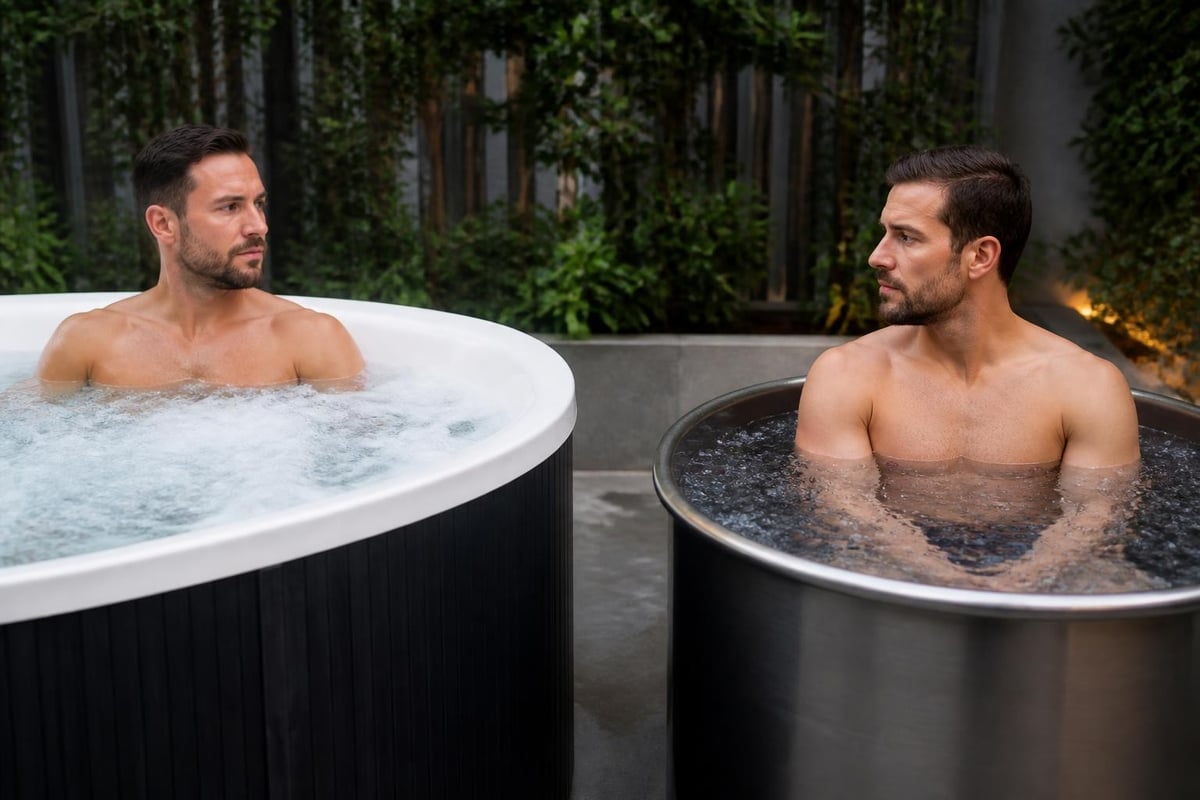
While a hot tub for muscle soreness delivers powerful standalone benefits, combining heat exposure with cold therapy creates an even more effective recovery protocol. Contrast therapy alternates between hot and cold water immersion, creating a "vascular pump" effect that dramatically enhances circulation and waste removal.
The protocol is straightforward: spend 3-4 minutes in hot water (100-104°F), immediately switch to cold water (50-59°F) for 1-2 minutes, then repeat the cycle 3-4 times, always ending with cold exposure.
This temperature oscillation causes blood vessels to repeatedly dilate and constrict, forcing fresh blood through muscle tissues more effectively than either temperature alone. Athletes across multiple sports report reduced soreness and faster recovery when implementing contrast therapy compared to single-temperature approaches.
If you're serious about recovery optimization, exploring dedicated cold plunge options alongside your hot tub setup creates the infrastructure for professional-grade contrast therapy at home.
Is a Hot Tub for Muscle Soreness Worth It?
The investment question depends on your training volume, recovery priorities, and long-term wellness goals. For weekend warriors who exercise occasionally, a hot tub might qualify as a luxury rather than necessity. For serious athletes, coaches, or individuals with chronic muscle tension, the recovery benefits often justify the cost within months.
Calculate your recovery ROI:
- How many hours per week do you spend training or exercising?
- How often does muscle soreness limit your performance or daily activities?
- What do you currently spend on massage, physical therapy, or recovery services?
- How much value do you place on maintaining consistent training without forced rest days?
A quality hot tub delivers 5-10+ years of use with proper maintenance. If you're currently spending $100-200 monthly on massage or recovery treatments, a hot tub pays for itself within 1-2 years while providing unlimited access on your own schedule.
Beyond pure muscle soreness reduction, hot tubs offer additional health benefits including improved sleep quality, stress reduction, and cardiovascular health support that compound the value proposition.
Who Should Use Hot Tubs for Muscle Recovery?
Hot tub therapy for muscle soreness isn't limited to elite athletes. Multiple populations can benefit significantly from regular heat-based recovery sessions.
Ideal Candidates
Strength trainers and bodybuilders experience substantial DOMS from progressive overload and eccentric-focused training. Hot water immersion helps maintain training frequency by reducing the severity and duration of post-workout soreness.
Endurance athletes including runners, cyclists, and triathletes accumulate repetitive-stress muscle damage that responds well to consistent heat therapy. The enhanced circulation supports repair of microtraumas before they develop into overuse injuries.
CrossFit and HIIT enthusiasts combine high-intensity metabolic stress with heavy strength work, creating intense muscle soreness that hot tubs address from multiple angles. The relaxation component also helps manage the nervous system fatigue common in high-intensity training.
Manual laborers and active professionals who perform physically demanding work daily benefit from evening hot tub sessions that prevent chronic muscle tension from building into debilitating pain patterns.
Older adults maintaining active lifestyles often experience prolonged muscle soreness due to age-related changes in recovery capacity. Heat therapy provides a gentle, low-impact recovery modality that supports continued physical activity.
What to Look For When Choosing a Recovery-Focused Hot Tub
Not all hot tubs deliver equal recovery benefits. If muscle soreness reduction ranks as your primary goal, specific features and design elements matter more than others.
Material durability and heat retention: Premium materials like Eastern White Cedar maintain consistent water temperatures more efficiently than cheaper alternatives, reducing energy costs while ensuring therapeutic temperature ranges stay stable throughout your session. Canadian-sourced cedar offers superior longevity in outdoor installations.
Size and seating configuration: Solo recovery sessions require less space than family-focused models. A smaller, dedicated recovery tub heats faster, uses less water, and costs less to maintain while still providing full therapeutic benefits.
Temperature control precision: Look for systems with accurate digital thermostats that maintain your target temperature within 1-2 degrees. Precise temperature control matters more for recovery than recreational use.
Consider whether you want an electric or wood-burning system. Electric models offer convenience and exact temperature control. Wood-burning options like The Starlight Wood Burning Hot Tub eliminate electricity costs entirely while providing naturally penetrating heat that many users find more therapeutic than electric heating.
Installation and Maintenance Considerations
Placement flexibility: Determine whether you need a portable setup or permanent installation. Recovery-focused users often prefer dedicated outdoor spaces that support year-round use and create separation between living areas and recovery zones.
Water filtration systems: Regular use for sweaty post-workout recovery demands robust filtration to maintain water quality. Underpowered systems require more frequent water changes and chemical treatments.
Energy efficiency: If you plan daily use for muscle soreness, energy costs add up quickly. Insulated covers, efficient heating elements, and quality construction that minimizes heat loss all impact long-term operating expenses.
| Feature | Recovery Priority | Recreational Priority |
|---|---|---|
| Temperature precision | High | Medium |
| Rapid heating | High | Low |
| Energy efficiency | High | Medium |
| Seating capacity | Low | High |
| Entertainment features | Low | High |
| Water filtration power | High | Medium |
Common Mistakes Beginners Make
New hot tub users frequently undermine their recovery results through preventable errors. Avoiding these common mistakes accelerates your learning curve and maximizes the muscle soreness reduction you achieve.
Staying in too long: More isn't always better with heat therapy. Sessions exceeding 20-30 minutes increase dehydration risk and can actually impair recovery through excessive cardiovascular stress. Your body needs to return to normal temperature to complete the recovery process.
Ignoring hydration: Hot water immersion causes significant fluid loss through sweating, even though you might not notice perspiration in the water. Dehydration impairs muscle recovery and can worsen soreness. Drink 16-20 ounces of water before entering and another 16-20 ounces immediately after.
Using hot tubs too soon after intense exercise: As mentioned earlier, immediate post-workout heat therapy might interfere with beneficial inflammatory responses. Wait 12-24 hours for best results with DOMS.
Inconsistent temperature: Allowing water temperature to fluctuate wildly between sessions reduces effectiveness. Maintain consistent therapeutic temperatures for predictable recovery benefits.
Skipping the cool-down: Jumping out of 104°F water directly into cold air shocks your system. Spend 2-3 minutes gradually cooling down by sitting on the edge with legs in the water before fully exiting.
Building Your Complete Recovery Protocol
A hot tub for muscle soreness works best as part of a comprehensive recovery strategy, not as a standalone solution. Integrating heat therapy with other evidence-based recovery modalities creates synergistic benefits that exceed any single approach.
Pre-Hot Tub Preparation
- Perform light mobility work or gentle stretching to prepare tissues
- Hydrate with 16-20 ounces of water
- Have a water bottle accessible at tub-side
- Set a timer for your planned session duration
- Ensure water temperature is verified and stable
During Your Session
Focus on relaxed breathing rather than reading, using devices, or other distractions. Deep, rhythmic breathing enhances the parasympathetic nervous system activation that supports recovery. Gentle self-massage of particularly sore areas can enhance local blood flow while tissues are warm and pliable.
For those implementing contrast therapy, have your cold exposure ready before starting. Moving quickly between temperatures maximizes the vascular pumping effect. Understanding cold plunge benefits helps you optimize the cold portion of contrast protocols.
Post-Session Recovery
- Rehydrate immediately with another 16-20 ounces of water
- Perform gentle stretching while tissues remain warm and flexible
- Allow 20-30 minutes for body temperature to normalize before eating or sleeping
- Track your soreness levels and recovery improvements in a training log
Measuring Your Results
Quantifying recovery improvements helps you optimize your hot tub protocols and justify the investment. Track specific metrics that reflect muscle soreness levels and recovery speed.
Subjective soreness ratings: Use a 1-10 scale to rate muscle soreness upon waking and before bed. Note trends over weeks, comparing periods with and without regular hot tub use.
Training performance metrics: Monitor whether you can maintain training volume and intensity more consistently with regular heat therapy. Fewer forced rest days or deload weeks signal improved recovery.
Sleep quality: Many users report significantly improved sleep when using hot tubs 1-2 hours before bed. Better sleep accelerates all recovery processes, including muscle repair.
Recovery time comparison: Track how long severe DOMS typically lasts with versus without hot tub intervention. Scientific evidence suggests properly timed heat therapy can reduce recovery time by 20-40%.
Frequently Asked Questions
How long should I stay in a hot tub for muscle soreness? Most people achieve optimal results with 15-20 minute sessions at 100-104°F. Beginners should start with 10-12 minutes and gradually extend duration as their body adapts to heat exposure.
Can I use a hot tub every day for recovery? Yes, daily use is safe for most healthy adults when following proper temperature and duration guidelines. Listen to your body and reduce frequency if you experience lightheadedness, sleep disruption, or excessive fatigue.
Should I use a hot tub before or after a workout? After workouts, but wait 12-24 hours for best results with DOMS. Pre-workout hot tub use can temporarily reduce power output and isn't recommended before intense training.
What temperature kills bacteria in hot tubs? Bacteria control requires proper chemical treatment, not just heat. Water temperatures of 140°F+ kill most bacteria, but therapeutic temperatures of 100-104°F require chlorine, bromine, or other sanitizers to maintain safe water quality.
Can hot tubs help with chronic muscle pain? Yes, according to research on hot tub therapeutic benefits, regular heat therapy can significantly reduce chronic muscle tension and pain when used as part of a comprehensive treatment approach including proper medical care.
Is contrast therapy better than hot tubs alone? Contrast therapy often produces superior results for athletic recovery, but requires access to both hot and cold water. If you only have a hot tub, you'll still achieve significant muscle soreness reduction.
How soon will I notice improvements in muscle soreness? Most users report noticeable reductions in soreness severity within 1-2 sessions. Cumulative benefits including faster recovery times typically become apparent after 2-3 weeks of consistent use.
Using a hot tub for muscle soreness transforms recovery from passive rest into active healing, helping you maintain consistent training while reducing the frustration of prolonged muscle pain. Whether you're an athlete pushing performance boundaries or simply staying active and healthy, strategic heat therapy accelerates recovery and supports your long-term wellness goals. Plunge N' Tubs offers premium hot tub and cold plunge systems crafted from Canadian-sourced wood with free delivery across North America, giving you professional-grade recovery tools designed to last for years of consistent use.
Share:
Indoor Cold Plunge Tub Guide: Setup, Benefits & Buying Tips
Plunge Cold Plunge: Complete 2026 Buyer's Guide