



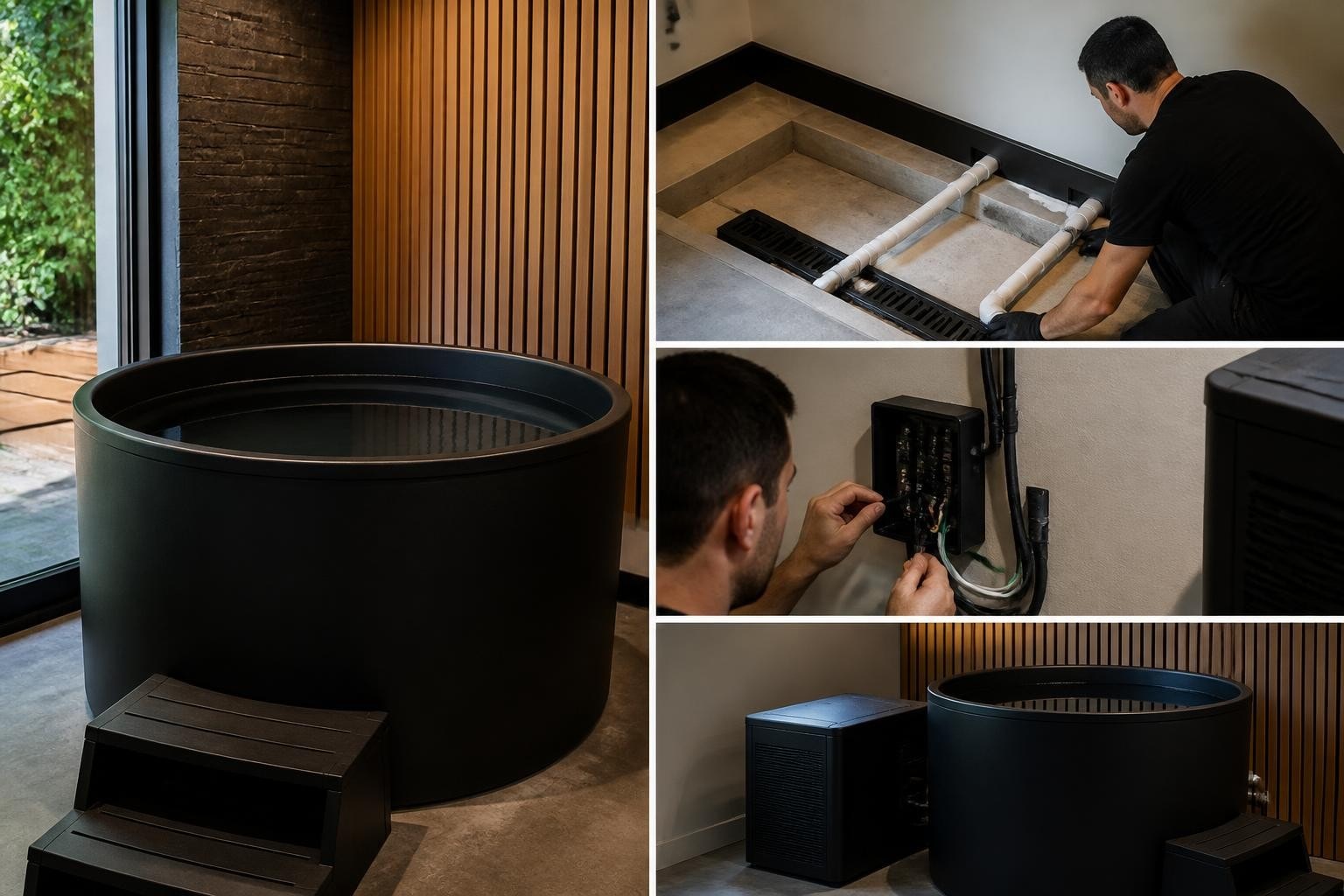
Installing an indoor cold plunge tub transforms your home into a complete recovery center. Athletes, wellness enthusiasts, and biohackers increasingly choose indoor installations over outdoor setups for year-round accessibility, controlled environments, and privacy. While the benefits of cold water immersion are well-documented, the practical considerations of bringing this therapy indoors require careful planning and execution.
Why Choose an Indoor Cold Plunge Tub
Indoor installations offer distinct advantages over outdoor alternatives. You gain immediate access regardless of weather conditions, eliminate seasonal limitations, and maintain precise control over your recovery environment.
Privacy becomes a non-issue when your cold plunge sits in a dedicated indoor space. No neighbors watching, no outdoor exposure concerns, and complete control over your recovery routine. This privacy factor matters especially for those incorporating cold therapy into morning routines or post-workout protocols.
Temperature consistency represents another critical advantage. Indoor environments protect your system from extreme weather fluctuations that can stress equipment and increase energy consumption. Your chiller works more efficiently when not fighting against summer heat or winter freeze conditions.
Key Benefits of Indoor Placement
- Consistent year-round access without weather interruptions
- Enhanced privacy and controlled environment
- Better energy efficiency for temperature maintenance
- Protection of equipment from outdoor elements
- Easy integration with home gym or recovery areas
The science-backed benefits of cold plunges include improved muscle recovery, reduced inflammation, enhanced mental clarity, and potential metabolic improvements. Indoor placement ensures you can tap into these benefits consistently.
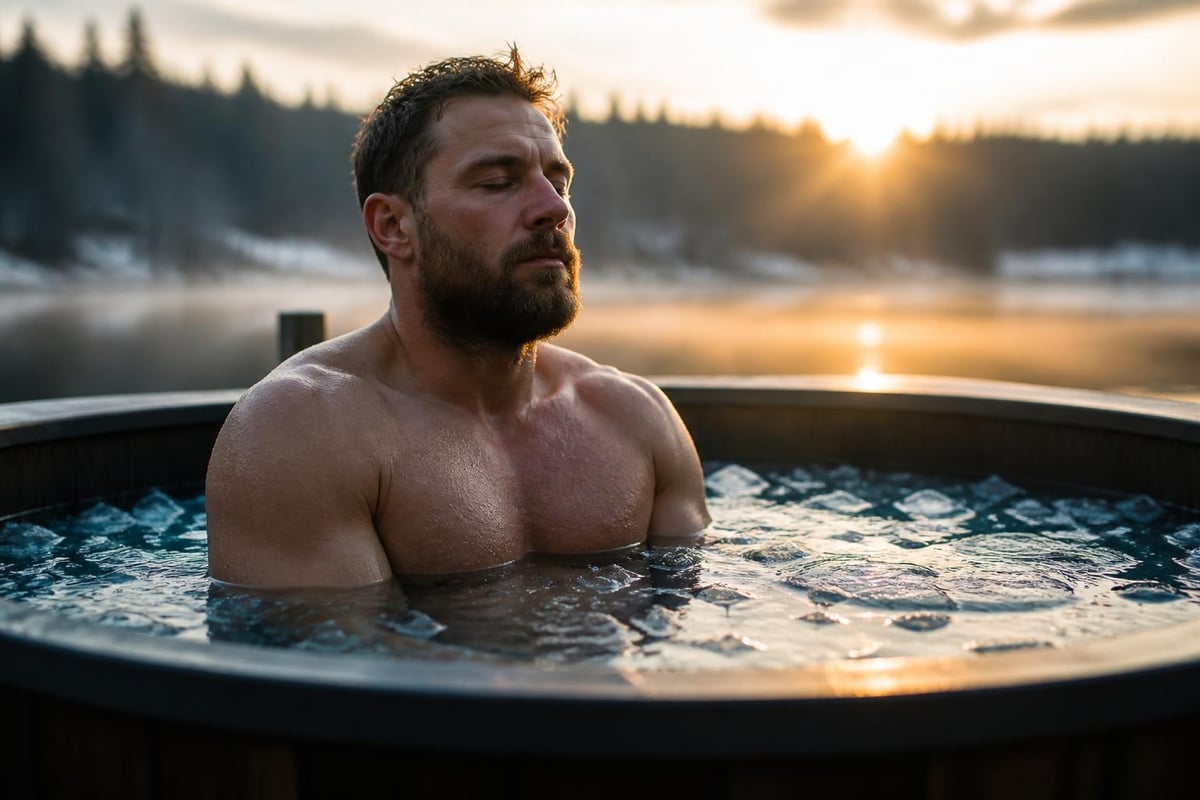
Planning Your Indoor Cold Plunge Installation
Location selection determines the success of your installation. Not every room works equally well for housing an indoor cold plunge tub.
Basement installations rank among the most popular choices. Concrete floors handle weight easily, drainage access typically exists nearby, and temperature control proves simpler. Many basements already feature floor drains from laundry areas or utility sinks.
Bathrooms offer convenience but present challenges. Weight becomes the primary concern, especially on upper floors. A filled cold plunge can weigh 1,500 to 3,000 pounds depending on size. Standard bathroom floor joists may require reinforcement.
Dedicated recovery rooms work ideally when you have the space. Pair your cold plunge with a sauna, create a contrast therapy setup, and design the ultimate home wellness center. This approach maximizes your recovery infrastructure investment.
Critical Planning Factors
| Factor | Requirement | Why It Matters |
|---|---|---|
| Floor Load Capacity | 150-200 lbs per sq ft | Prevents structural damage |
| Drainage Access | Within 15-20 feet | Simplifies water changes |
| Electrical Service | Dedicated 20A circuit | Powers chiller safely |
| Ventilation | 80+ CFM exhaust | Controls humidity |
| Ceiling Height | 7+ feet minimum | Allows comfortable entry/exit |
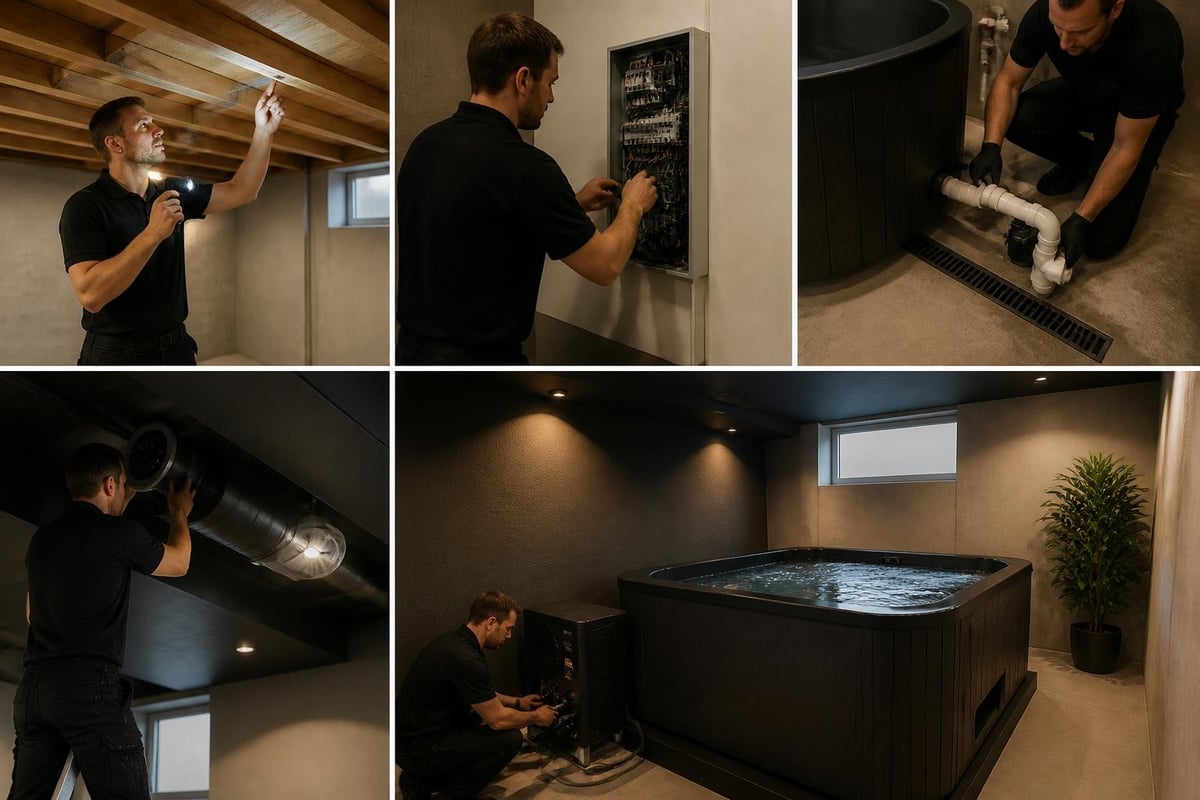
Humidity management cannot be overlooked. Cold water creates condensation, and poor ventilation leads to mold growth, damaged finishes, and air quality issues. Indoor cold plunge setup requires proper humidity control through exhaust fans, dehumidifiers, or both.
What to Look for When Buying an Indoor Cold Plunge Tub
Material selection impacts longevity, maintenance requirements, and installation complexity. Understanding your options helps you make an informed decision.
Acrylic and fiberglass tubs offer sleek modern aesthetics and excellent insulation properties. They're lighter than alternatives, simplifying installation on upper floors. The non-porous surface resists bacteria and cleans easily.
Cedar and premium wood tubs bring natural beauty and therapeutic aromatics. Eastern White Cedar, in particular, offers natural rot resistance and durability. Wood tubs require more maintenance but create an elevated aesthetic experience.
Stainless steel provides ultimate durability and a professional-grade appearance. These systems handle heavy use, resist corrosion, and maintain their appearance for decades. They're heavier and typically more expensive but represent a lifetime investment.
Size and Capacity Considerations
Consider your space constraints and usage patterns. Single-person tubs typically measure 4-5 feet in length and hold 75-100 gallons. Two-person models extend to 6-7 feet and contain 150-200 gallons.
Depth matters significantly for cold therapy effectiveness. Look for minimum depths of 36-40 inches to allow full shoulder immersion while seated. Adequate depth ensures proper cold exposure to upper body areas.
Chiller power determines temperature maintenance capabilities. A 1HP chiller handles most residential applications, cooling 100-150 gallons to 39-50°F efficiently. Larger volumes or colder target temperatures require more powerful systems.
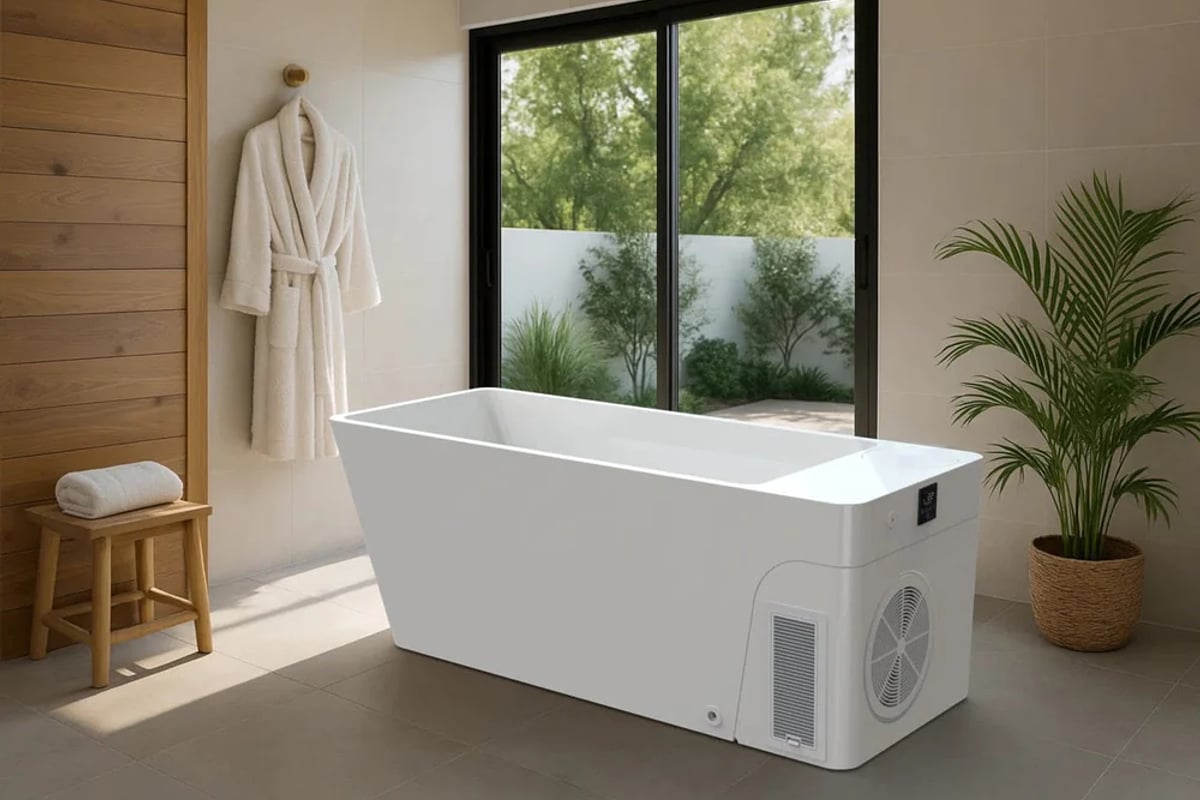
The Frost Cold Plunge Tub from Orivon Wellness exemplifies modern design with practical functionality. With its powerful 1HP integrated chiller, it maintains precise temperatures between 37-108°F, giving you complete control over your recovery protocols without the hassle of ice or complex setup procedures.
Essential Setup Requirements
Electrical infrastructure requires professional attention. Most cold plunge systems with chillers need dedicated 20-amp circuits with GFCI protection. Running power to your installation location may require an electrician, adding $500-$2,000 to project costs.
Drainage solutions vary based on your location and local codes. Floor drains offer the simplest option when available. Without existing drainage, you'll need either a condensate pump to move water to a distant drain or a gray water discharge system.
Water supply access simplifies filling and water changes. A nearby hose connection or utility sink makes maintenance straightforward. Without convenient water access, filling becomes a time-consuming process involving buckets or long hose runs.
Common Installation Mistakes
- Underestimating floor weight capacity requirements
- Ignoring ventilation needs until moisture problems appear
- Placing the tub too far from electrical panels
- Choosing aesthetics over functional drainage access
- Skipping professional structural assessments for upper floor installations
Temperature control systems range from simple ice-based approaches to sophisticated chiller units. Setting up effective cold therapy at home requires understanding your commitment level and budget constraints.
Who Should Buy an Indoor Cold Plunge Tub
Athletes pursuing serious recovery protocols benefit most dramatically. The ability to perform cold water immersion therapy immediately post-training optimizes recovery timing. Research indicates cold exposure within 30-60 minutes after intense exercise provides maximum anti-inflammatory benefits.
Individuals managing chronic pain or inflammation find consistent cold therapy valuable. Regular cold plunge sessions may help reduce inflammation markers and provide natural pain management support alongside medical treatments.
Biohackers and wellness enthusiasts appreciate the mental clarity and metabolic benefits. Cold exposure triggers norepinephrine release, enhancing focus and alertness. Some users report improved mood regulation and stress resilience with consistent practice.
Investment considerations matter significantly. Quality indoor cold plunge tubs range from $3,000 to $15,000 depending on materials, size, and included features. Installation costs add another $1,000-$5,000 for electrical work, drainage, and ventilation improvements.
Budget Breakdown Example
| Component | Budget Range | Mid-Range | Premium |
|---|---|---|---|
| Cold Plunge Unit | $2,000-$4,000 | $4,000-$8,000 | $8,000-$15,000 |
| Electrical Work | $500-$1,000 | $1,000-$2,000 | $2,000-$3,500 |
| Drainage Setup | $300-$800 | $800-$1,500 | $1,500-$2,500 |
| Ventilation | $200-$600 | $600-$1,200 | $1,200-$2,000 |
| Total Project | $3,000-$6,400 | $6,400-$12,700 | $12,700-$23,000 |
Is It Worth It?
Value assessment depends on your usage frequency and alternative costs. A high-quality indoor cold plunge tub used five times weekly costs roughly $2-$5 per session over a five-year ownership period. Compare this to $20-$40 per session at recovery centers or cryotherapy facilities.
Time savings compound significantly. Eliminate driving to facilities, scheduling appointments, and waiting for availability. Your recovery happens on your schedule, whether that's 5 AM before work or 10 PM after evening training.
The convenience factor alone justifies the investment for many users. Access to professional-grade cold therapy equipment at home removes barriers to consistency. Consistency drives results in any recovery protocol.
Property value considerations vary by market. In wellness-focused areas or neighborhoods with active populations, a quality cold plunge installation can enhance home appeal. In other markets, it represents a highly personal amenity with minimal resale impact.
Maintenance and Operational Costs
Water management requires regular attention but remains straightforward. Change water every 4-8 weeks depending on usage frequency and sanitation approach. Using sanitizers extends intervals but adds chemical costs.
Monthly operating expenses include:
- Electricity for chiller operation: $30-$80 depending on climate and usage
- Water and sewer for periodic changes: $10-$25
- Sanitizers or filtration supplies: $15-$40
- Total monthly cost: $55-$145
Filter maintenance varies by system type. Cartridge filters need replacement every 3-6 months at $30-$60 each. Sand or DE filters require backwashing but have longer service intervals.
Professional servicing rarely proves necessary for quality systems. Annual chiller maintenance checks cost $150-$300 but help prevent costly repairs. Many owners perform basic maintenance themselves after reading system manuals.
Winter Operation Considerations
Indoor installations avoid freeze protection concerns that plague outdoor systems. Your climate-controlled environment keeps equipment safe without winterization procedures or seasonal shutdowns.
Energy efficiency improves during winter months as ambient temperatures help maintain cold water targets. Your chiller works less, reducing electricity consumption compared to summer operation.
Making the Most of Your Cold Plunge
Protocol optimization starts with understanding effective exposure parameters. Research on cold plunge duration suggests 3-10 minutes at 50-59°F provides significant benefits for most users. Beginners start at the warmer end of this range and gradually adapt.
Progressive adaptation prevents shock and builds cold tolerance safely:
- Week 1-2: 60°F water for 2-3 minutes
- Week 3-4: 55°F water for 3-5 minutes
- Week 5-6: 50°F water for 5-7 minutes
- Week 7+: 45-50°F water for 7-10 minutes
Timing relative to training matters. For recovery from intense exercise, cold plunging within 1-2 hours post-workout appears most effective. For mental clarity and energy, morning sessions provide sustained alertness throughout the day.
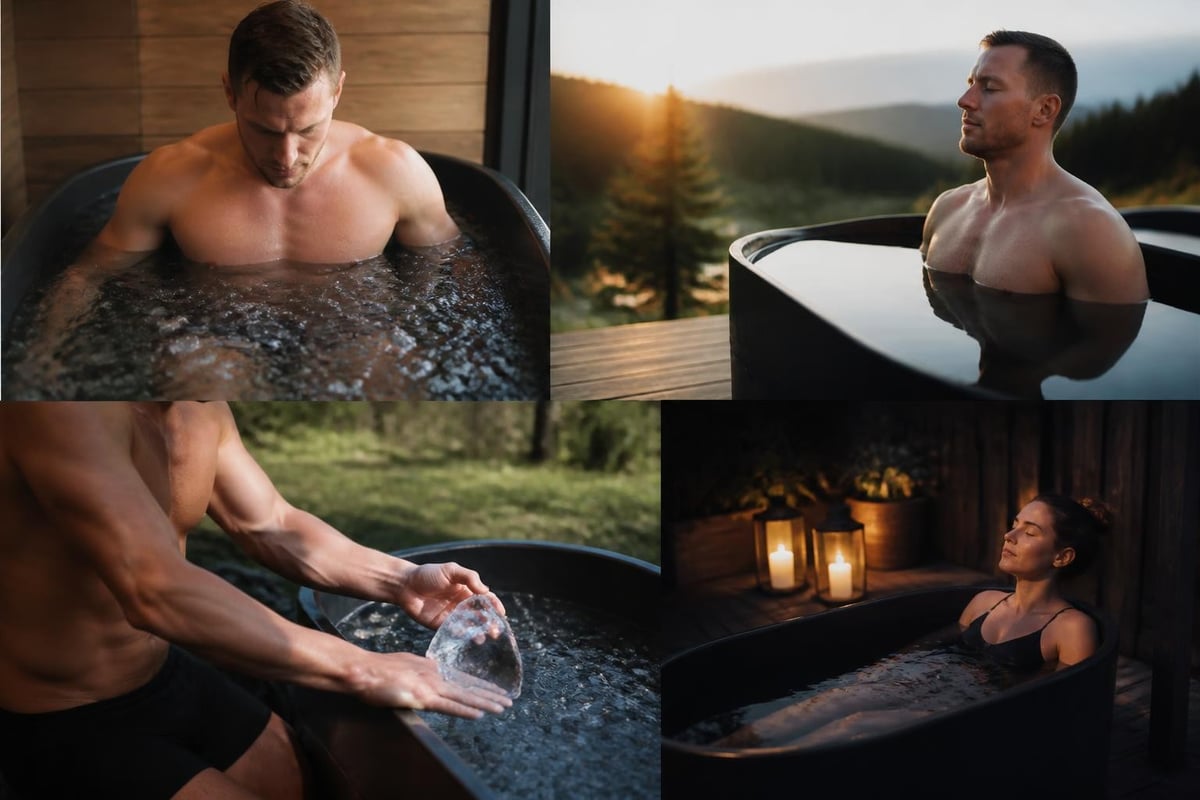
Breathing techniques enhance the experience and benefits. Controlled breathing during cold exposure activates the parasympathetic nervous system, reducing stress response and making sessions more comfortable. Practice slow, deep breathing before entry and maintain it throughout.
Common Mistakes Beginners Make
Jumping into extreme temperatures too quickly ranks as the most frequent error. Starting at 39°F with no cold exposure history creates unnecessary discomfort and potential safety risks. The Cleveland Clinic notes that gradual adaptation yields better long-term adherence and results.
Inconsistent practice undermines benefit accumulation. Cold therapy adaptations build with regular exposure. Sporadic use prevents your body from developing improved cold tolerance and sustained recovery benefits.
Neglecting post-plunge warming creates discomfort and potential issues. Have warm clothing ready, consider a warm shower 10-15 minutes after exiting, or combine with sauna sessions for contrast therapy. Your body temperature needs support returning to baseline.
Ignoring contraindications poses health risks. People with cardiovascular conditions, Raynaud's disease, or cold urticaria should consult physicians before starting cold plunge therapy. Pregnancy, uncontrolled high blood pressure, and certain medications also warrant medical guidance.
Safety Guidelines
- Never plunge alone, especially when beginning
- Install non-slip surfaces around your tub
- Keep a timer visible to track exposure duration
- Exit immediately if you experience severe shivering, numbness, or dizziness
- Avoid cold plunging after alcohol consumption
- Start conservatively and progress gradually
Enhancing Your Recovery Setup
Combining your indoor cold plunge tub with complementary recovery tools amplifies benefits. Contrast therapy alternating between cold plunges and heat exposure provides powerful recovery stimulation. Many users pair their cold plunge with premium hot tub systems for complete contrast therapy capability.
Placement near your training area streamlines recovery workflows. Walking from your home gym directly to your cold plunge maintains elevated body temperature from exercise, potentially enhancing anti-inflammatory effects.
Environmental enhancements improve the experience:
- Dimmable lighting for relaxation
- Quality sound system for meditation or music
- Temperature and humidity monitors
- Dedicated towel warming rack
- Timer or clock for tracking sessions
Recovery tracking helps quantify benefits. Monitor metrics like resting heart rate, sleep quality, perceived muscle soreness, and training performance. Many users notice measurable improvements within 4-6 weeks of consistent practice.
Frequently Asked Questions
How cold should my indoor cold plunge tub be?
Most research indicates benefits occur between 45-59°F. Beginners start at 55-60°F and progress cooler as tolerance builds. Athletes targeting maximum recovery often use 45-50°F.
How often should I use my cold plunge?
3-5 sessions per week provides substantial benefits for most users. Daily use works for some, while others find 3-4 weekly sessions optimal for their recovery needs and schedules.
Do I need a chiller or can I just use ice?
Ice works for occasional use but becomes expensive and inconvenient for regular sessions. Chillers maintain consistent temperatures automatically, use less energy than purchasing ice, and eliminate daily preparation hassle.
How long does it take to see results?
Many users report improved energy and mental clarity within days. Physical recovery benefits typically become noticeable within 2-3 weeks. Metabolic and long-term adaptations develop over 6-12 weeks of consistent use.
Can I install an indoor cold plunge tub myself?
Basic placement is possible for DIYers, but electrical work should involve licensed electricians. Plumbing and drainage may also require professional help depending on complexity. Structural assessment for upper floor installations always warrants professional evaluation.
What's the minimum ceiling height needed?
Seven feet minimum allows comfortable entry and exit. Eight feet or higher provides better airflow and reduces claustrophobia for taller users.
Will my indoor cold plunge tub cause mold problems?
Proper ventilation prevents mold growth. Install adequate exhaust fans, consider a dehumidifier, and ensure your space maintains reasonable humidity levels. Most successful installations use 80+ CFM exhaust capacity.
How much does it cost to run monthly?
Expect $55-$145 monthly including electricity, water, and supplies. Costs vary based on local utility rates, usage frequency, climate, and sanitation approach.
Installing an indoor cold plunge tub represents a significant investment in your recovery infrastructure and long-term wellness. With proper planning for structural support, drainage, electrical service, and ventilation, you create a professional-grade recovery environment accessible daily. Whether you're an athlete optimizing performance, someone managing chronic pain, or a wellness enthusiast pursuing cutting-edge health protocols, bringing cold therapy indoors eliminates barriers to consistency. Plunge N' Tubs delivers premium cold plunge systems crafted from the highest quality Canadian wood, trusted by athletes and wellness professionals across North America, with fast and free delivery to bring professional recovery capabilities directly to your home.
Share:
Ice Barrel Cold Plunge: Complete 2026 Buyer's Guide
Hot Tub for Muscle Soreness: Science-Backed Recovery Guide