



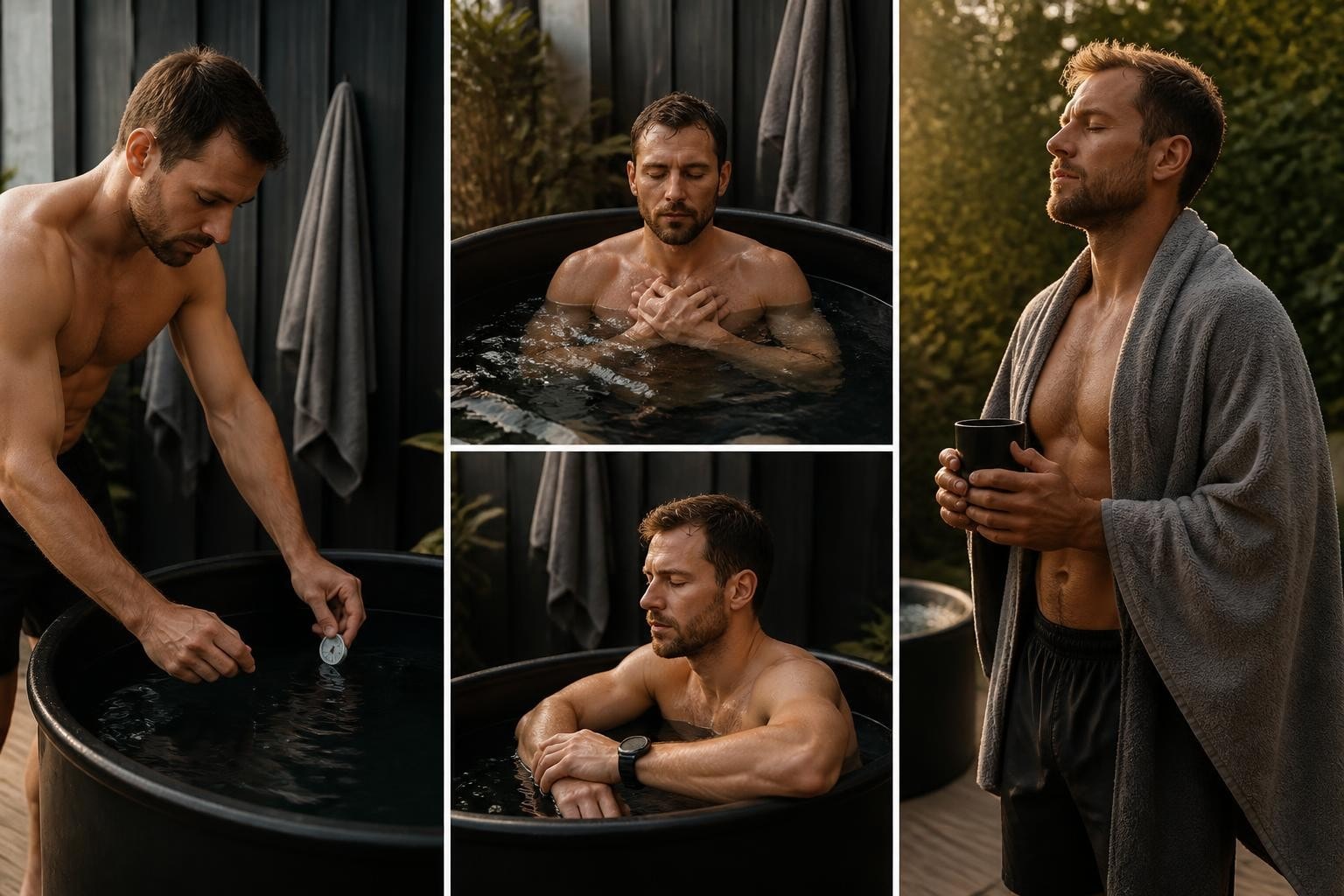
Cold plunge therapy has evolved from a professional athlete's recovery secret to a mainstream wellness practice that anyone can incorporate into their daily routine. The term "plunge cold plunge" represents both the action and the equipment that makes consistent cold water immersion accessible at home. Whether you're recovering from intense workouts, managing inflammation, or seeking mental clarity, understanding how to properly use and choose a cold plunge system can transform your wellness routine in 2026.
Understanding Plunge Cold Plunge Therapy
A plunge cold plunge is more than just a tub filled with cold water. It's a dedicated system designed to maintain precise temperatures for therapeutic cold water immersion. Unlike a regular bathtub filled with ice, these purpose-built units provide consistent temperatures, better insulation, and convenient features that make daily cold therapy sustainable.
The science behind cold plunge therapy centers on controlled stress exposure. When you immerse your body in cold water (typically between 39-59°F), you trigger a cascade of physiological responses. Your blood vessels constrict, inflammation markers decrease, and your nervous system activates recovery pathways. Research highlights several health benefits from cold water immersions, including improved circulation and reduced inflammation.
The Physiological Response
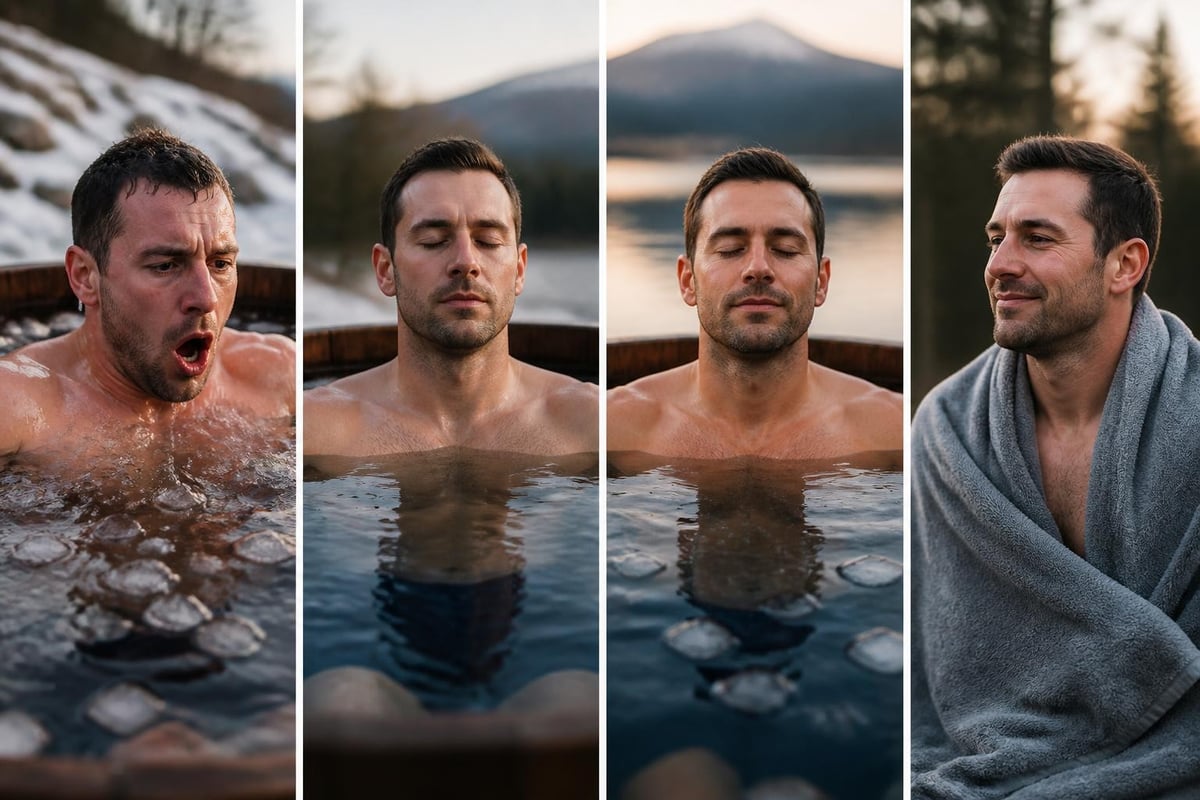
Your body reacts to cold immersion in four distinct phases:
- Initial shock response (0-30 seconds): Sharp intake of breath, elevated heart rate
- Adaptation phase (30-90 seconds): Breathing normalizes, body adjusts
- Therapeutic window (2-5 minutes): Maximum benefit accumulation
- Post-immersion recovery (5-30 minutes): Rewarming and metabolic boost
Most beginners struggle during the first phase, but this is where controlled breathing becomes essential. The discomfort you feel isn't dangerous-it's your body's alarm system responding to a new stimulus.
Key Benefits of Regular Plunge Cold Plunge Use
The benefits extend far beyond the immediate invigoration you feel after stepping out. Consistent use creates compound effects that improve multiple aspects of health and performance.
Physical Recovery Benefits:
- Reduced muscle soreness after exercise (DOMS reduction by 20-30%)
- Faster recovery between training sessions
- Decreased inflammation throughout the body
- Improved joint mobility and reduced stiffness
- Enhanced circulation and cardiovascular function
Mental and Cognitive Benefits:
- Increased mental clarity and focus
- Elevated mood through endorphin and dopamine release
- Better stress resilience and anxiety management
- Improved sleep quality and duration
- Enhanced willpower and discipline
Cleveland Clinic provides comprehensive guidance on cold plunges, noting that while benefits are promising, individual responses vary. The key is consistency-occasional cold exposure won't produce the same results as regular practice.
Is a Plunge Cold Plunge Worth It?
This question depends entirely on your goals, commitment level, and budget. A quality cold plunge system represents a significant investment, typically ranging from $3,000 to $12,000 depending on features and materials.
Calculate Your Potential Savings
| Recovery Method | Monthly Cost | Annual Cost | 5-Year Cost |
|---|---|---|---|
| Gym cold plunge access | $50-150 | $600-1,800 | $3,000-9,000 |
| Cryotherapy sessions (weekly) | $200-400 | $2,400-4,800 | $12,000-24,000 |
| Spa cold plunge visits | $100-250 | $1,200-3,000 | $6,000-15,000 |
| Home cold plunge system | Initial: $5,000 + $20/month | $240 | $1,200 |
The economics become clear when you commit to regular use. If you're currently paying for gym access primarily for cold therapy, or visiting spas for recovery treatments, a home system pays for itself within 1-2 years.
You should invest in a plunge cold plunge if you:
- Train intensely 3+ times per week
- Deal with chronic inflammation or joint issues
- Value convenience and daily access
- Have space for installation (indoor or outdoor)
- Commit to using it at least 3-4 times weekly
Skip it if you:
- Haven't tried cold therapy and aren't sure you'll stick with it
- Only want occasional recovery sessions
- Lack adequate space or electrical access
- Have certain heart conditions (consult your doctor first)
Real users on customer results pages consistently report that the inconvenience factor drops to zero once the system is installed, making daily use effortless.
What to Look for When Buying a Plunge Cold Plunge System
Not all cold plunge systems are created equal. The market has exploded in 2026, with options ranging from inflatable pools to premium wood-crafted tubs. Understanding key features helps you avoid expensive mistakes.
Material Construction Quality
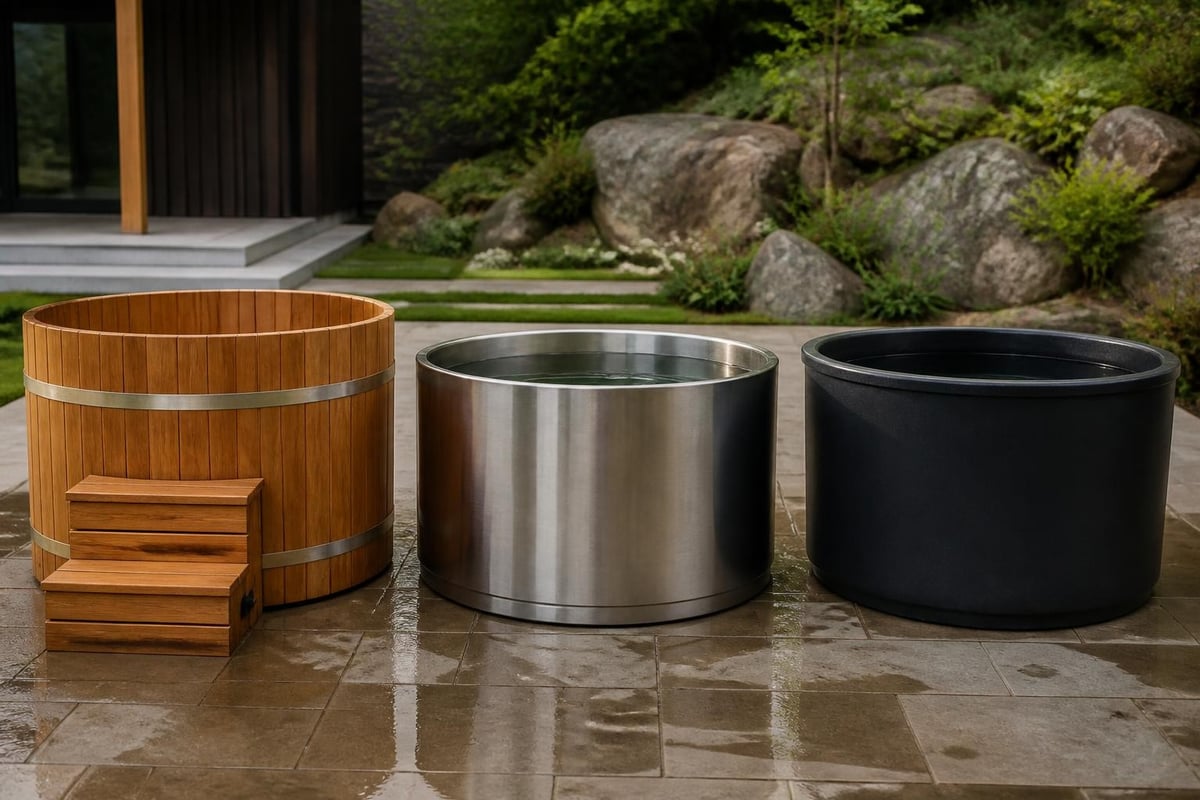
The material determines longevity, maintenance requirements, and aesthetic appeal. Premium options include:
Eastern White Cedar offers natural insulation, rot resistance, and beautiful aging characteristics. Canadian-sourced cedar provides superior quality compared to cheaper alternatives. This material excels in outdoor installations where appearance matters.
Stainless steel (304 grade minimum) provides durability and easy cleaning. It's ideal for indoor installations and requires minimal maintenance. The downside is higher heat transfer, requiring better insulation systems.
HDPE plastic offers affordability and decent insulation. While less aesthetically appealing than wood or steel, modern HDPE systems have improved significantly in build quality.
Temperature Control Systems
Chiller vs. Ice Method:
| Feature | Electric Chiller | Ice Method |
|---|---|---|
| Consistency | Precise temperature control | Variable, depends on ice quantity |
| Convenience | Set and forget | Requires regular ice purchases/making |
| Cost | Higher upfront, lower ongoing | Lower upfront, higher ongoing |
| Temperature range | 37-60°F consistently | Harder to maintain 50°F+ |
| Power requirement | 15-20 amp circuit | None |
For serious users, an integrated chiller system is non-negotiable. The convenience and consistency justify the additional cost within months of regular use. If you're exploring cold plunge at home and trying to build a budget-friendly setup, starting with ice can work, but most users upgrade within six months.
Size and Capacity Considerations
Cold plunge tubs typically range from 60 to 120 gallons. Smaller units (60-80 gallons) work for most individuals but feel cramped for taller users. Larger systems (100+ gallons) accommodate full-body immersion comfortably and allow for two users if desired.
Dimensions to check:
- Interior depth: Minimum 30 inches for shoulder coverage
- Length: At least 55 inches for comfortable sitting
- Width: 26-30 inches for unrestricted movement
- Entry height: Lower walls make getting in/out easier
Who Should Buy a Plunge Cold Plunge System
Cold plunge therapy isn't just for elite athletes anymore. The user base has expanded dramatically as research reveals benefits across different populations.
Athletes and Active Individuals: Anyone training regularly benefits from reduced recovery time. Runners, CrossFitters, weightlifters, and endurance athletes see measurable improvements in performance metrics when using cold plunge therapy 3-5 times weekly.
Wellness Enthusiasts: If you're invested in longevity, biohacking, or optimizing health markers, cold plunge therapy fits perfectly into your routine. Many users report it as their most impactful wellness practice, surpassing meditation or supplementation in perceived benefits.
People Managing Chronic Inflammation: Arthritis, autoimmune conditions, and chronic pain sufferers often find relief through regular cold exposure. The anti-inflammatory effects provide natural symptom management without medication side effects. However, understanding potential risks is important before starting.
Mental Health and Stress Management: The immediate mood boost and long-term resilience building make cold plunge therapy valuable for anyone managing stress, anxiety, or depression. The practice builds mental toughness while providing neurochemical benefits.
Recovery-Focused Professionals: Physical therapists, personal trainers, and wellness practitioners increasingly install cold plunge systems in their practices. The professional-grade equipment pays for itself through client satisfaction and retention.
The Baltic Plunge Tub offers flexibility for different user types, allowing you to use it with an electric chiller for consistent daily therapy or add ice as needed for occasional sessions. This versatility makes it ideal whether you're establishing a strict recovery routine or testing the waters of cold therapy.
Common Mistakes Beginners Make with Plunge Cold Plunge
Starting cold plunge therapy without proper knowledge leads to frustration, inconsistency, and sometimes injury. Avoid these frequent errors that derail beginners.
Temperature Mistakes
Starting too cold: New users often set their plunge cold plunge system to 39°F on day one. This temperature shock creates such discomfort that they quit within a week. Start at 55-60°F and gradually decrease by 2-3 degrees weekly.
Inconsistent temperatures: If using the ice method, wildly varying temperatures prevent your body from adapting properly. Your nervous system needs consistency to build cold tolerance efficiently.
Duration Errors
Beginners make two opposite mistakes: staying in too long trying to prove toughness, or getting out too quickly before benefits accumulate. The sweet spot for most people is 2-5 minutes at 50°F. More isn't always better-extended exposure beyond 10 minutes increases injury risk without additional benefits.
Progressive protocol for beginners:
- Week 1-2: 60°F for 1-2 minutes
- Week 3-4: 55°F for 2-3 minutes
- Week 5-6: 50°F for 3-4 minutes
- Week 7+: 45-50°F for 3-5 minutes
Breathing and Mental Preparation
Jumping directly into cold water without breathing preparation triggers panic responses. The mental health benefits of cold plunging come partly from learning to stay calm under stress.
Pre-plunge routine:
- 10 deep breaths before entry
- Slow, controlled descent into water
- Focus on extending exhales during first 30 seconds
- Count or use a mantra to maintain mental focus
Timing and Scheduling Mistakes
Using your plunge cold plunge immediately before bed disrupts sleep for many people due to the energizing effects. Morning or post-workout sessions work best. Similarly, plunging on an empty stomach can cause dizziness-have a light snack 30-60 minutes beforehand.
Installation and Maintenance Considerations
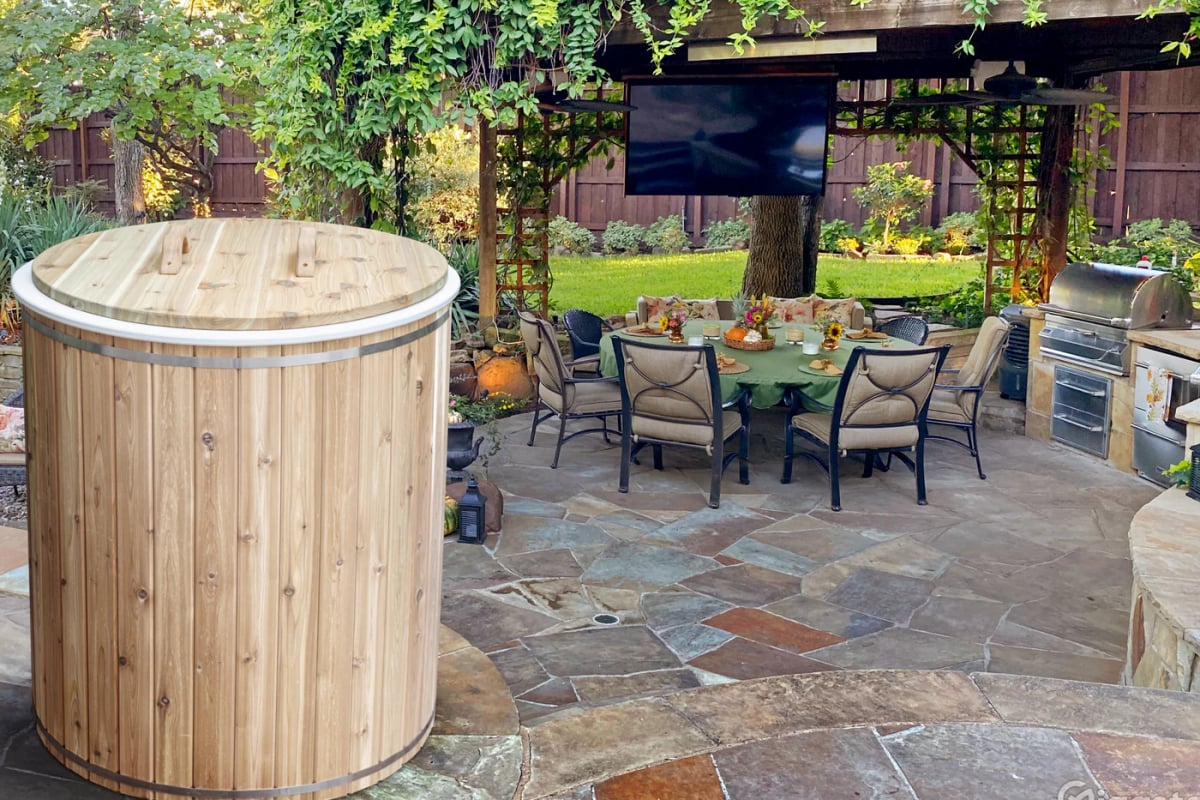
A plunge cold plunge system requires planning beyond the initial purchase. Understanding installation requirements prevents costly surprises.
Space Requirements
Indoor installations need:
- Adequate floor support (filled systems weigh 500-1,000+ pounds)
- Waterproofing or drainage flooring
- Ventilation to manage humidity
- Electrical access (for chiller systems)
Outdoor installations need:
- Level foundation (concrete pad recommended)
- Protection from direct sunlight (to reduce chiller workload)
- Weather-resistant cover
- Proximity to electrical source
Check shipping and installation guidelines before purchasing to understand delivery logistics and assembly requirements.
Ongoing Maintenance
Regular maintenance keeps your system functioning optimally and extends lifespan:
| Maintenance Task | Frequency | Time Required |
|---|---|---|
| Water testing and balancing | Weekly | 5 minutes |
| Filter cleaning/replacement | Bi-weekly | 10 minutes |
| System sanitization | Monthly | 20 minutes |
| Water change | Every 1-3 months | 30 minutes |
| Chiller coil inspection | Quarterly | 15 minutes |
Water chemistry matters less than hot tubs since you're not heating water, but maintaining proper pH (7.2-7.8) prevents equipment corrosion. A simple test kit and minimal chemicals keep water fresh for months.
Advanced Plunge Cold Plunge Protocols
Once you've built cold tolerance, advanced protocols amplify benefits. These techniques require a solid foundation-don't attempt them during your first month.
Contrast Therapy
Alternating between cold plunge and heat (sauna or hot tub) creates powerful circulation benefits. The protocol: 3 minutes cold, 10 minutes hot, repeated 3-4 times. This drives blood flow, enhances detoxification, and provides intense recovery benefits. Learn more about combining hot and cold therapy systems for maximum impact.
Timing for Specific Goals
For muscle growth: Wait 2-4 hours post-workout before plunging. Immediate cold exposure may blunt some training adaptations.
For recovery: Plunge within 30 minutes post-exercise to maximize inflammation reduction and soreness prevention.
For mental benefits: Morning plunges on an empty stomach provide the strongest cognitive and mood effects, lasting 4-8 hours.
Breathing Techniques
Advanced practitioners use specific breathing patterns to extend duration and deepen benefits:
- Box breathing: 4-count inhale, 4-count hold, 4-count exhale, 4-count hold
- Extended exhales: Inhale for 3 counts, exhale for 6 counts
- Calm focus: Natural breathing while maintaining attention on a single point
Frequently Asked Questions
How long should I stay in a plunge cold plunge?
For most people, 2-5 minutes at 45-55°F provides optimal benefits. Beginners should start with 1-2 minutes and gradually increase. Going beyond 10 minutes doesn't increase benefits and may increase hypothermia risk. More details on cold plunge duration can help you optimize your sessions.
What temperature should my plunge cold plunge be set to?
The ideal range is 45-55°F for experienced users. Beginners should start at 55-60°F. Temperatures below 40°F are unnecessary and potentially dangerous without supervision. Your body adapts to the temperature you practice with regularly.
Can I use a plunge cold plunge every day?
Yes, daily use is safe for most healthy individuals and often produces better results than sporadic use. However, some experts caution that women should pay attention to stress responses, particularly around menstruation or if experiencing symptoms of overtraining.
Do I need to shower after using a cold plunge?
Not immediately. Many practitioners let their body naturally rewarm for 5-15 minutes post-plunge, which extends metabolic benefits. If you use chemicals in your water, a quick rinse is advisable, but it's not strictly necessary.
Will a plunge cold plunge help me lose weight?
Cold exposure increases metabolic rate and activates brown fat, which burns calories for heat. However, the effect is modest-roughly 100-200 additional calories per session. Think of it as a metabolic optimization tool rather than a primary weight loss method.
How much does it cost to run a plunge cold plunge with a chiller?
Most chiller systems add $20-40 to monthly electricity bills, depending on local rates, ambient temperature, and usage frequency. Proper insulation and covers significantly reduce operating costs.
Should I plunge before or after working out?
For recovery benefits, plunge after exercise. For mental clarity and energy, plunge before. If your goal is maximum muscle growth, wait 2-4 hours post-workout before plunging to avoid potentially blunting training adaptations. Studies on training methods suggest timing matters for specific athletic goals.
Can cold plunging help with heart health?
Cold plunges can improve circulation and cardiovascular function in healthy individuals, but people with existing heart conditions should exercise caution. Research on cold plunges and heart health indicates both potential benefits and risks depending on individual circumstances. Always consult your physician before starting.
Cold plunge therapy transforms recovery, mental resilience, and overall wellness when practiced consistently with the right equipment. Understanding what to look for in a system, avoiding common beginner mistakes, and following progressive protocols ensures you maximize benefits while minimizing risks. If you're ready to bring professional-grade cold therapy into your daily routine, Plunge N' Tubs offers premium systems crafted from Canadian-sourced wood with fast, free delivery across North America, giving you everything needed to start your cold plunge journey today.
Share:
Hot Tub for Muscle Soreness: Science-Backed Recovery Guide
Best Cold Plunge Tubs for Recovery & Performance 2026