




Ice plunge baths have evolved from athletic training rooms and physical therapy centers into a mainstream wellness practice embraced by everyone from weekend warriors to busy professionals. Whether you call them cold plunges, ice baths, or cold water immersion therapy, the fundamental principle remains the same: submerging your body in water chilled to temperatures between 39°F and 59°F for specific therapeutic benefits. This practice, which research highlights as potentially beneficial for stress reduction and improved sleep, has gained significant traction in 2026. Understanding what ice plunge baths can realistically deliver, how to use them safely, and what to consider when investing in your own system will help you decide whether this recovery tool deserves a place in your wellness routine.
What Happens to Your Body During an Ice Plunge Bath
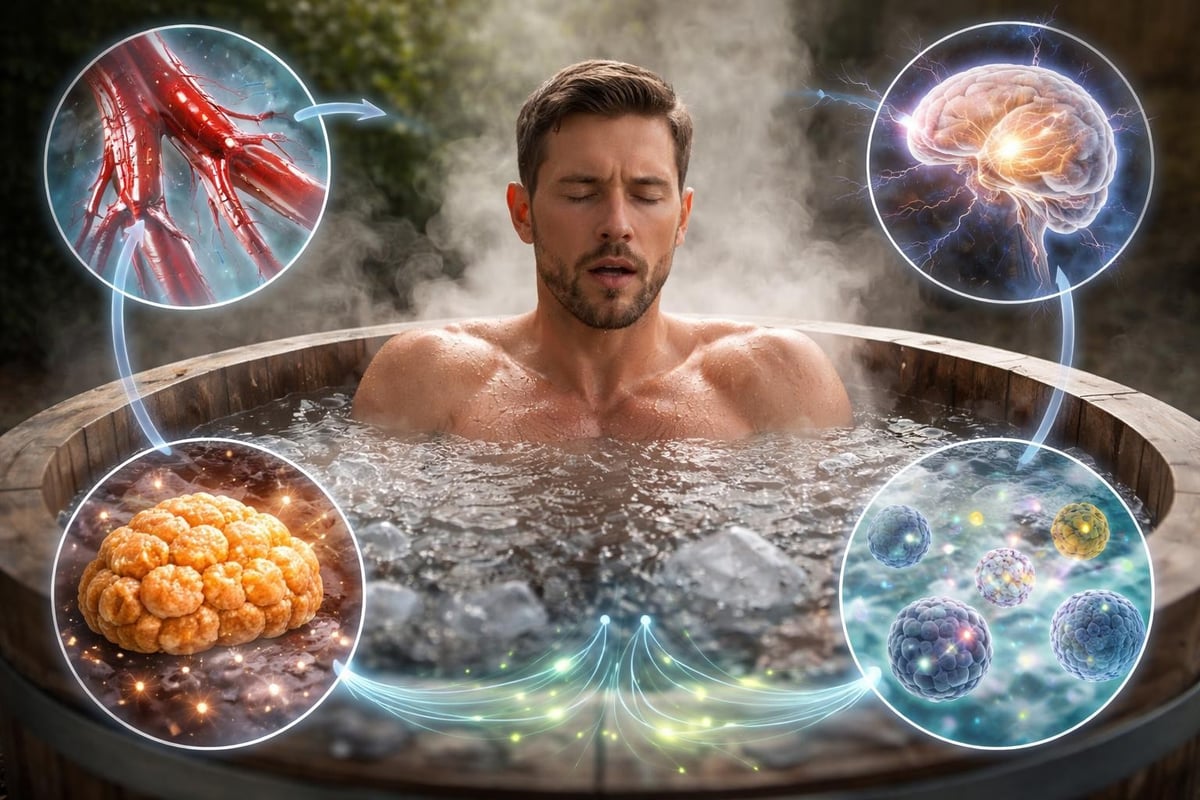
When you step into an ice plunge bath, your body initiates a cascade of physiological responses designed to protect core temperature. Within seconds, blood vessels near your skin constrict, redirecting blood flow toward vital organs. This vasoconstriction reduces inflammation by limiting blood flow to muscles and joints, which is why athletes use ice plunge baths after intense training sessions.
Your nervous system also shifts dramatically. The sudden cold exposure activates your sympathetic nervous system, triggering an adrenaline response that increases alertness and energy. Simultaneously, repeated cold exposure trains your vagus nerve, which may improve your body's stress response over time.
The metabolic effects are equally noteworthy:
- Brown fat activation: Cold temperatures stimulate brown adipose tissue, which burns calories to generate heat
- Hormone regulation: Cold exposure may increase norepinephrine levels, supporting mood and focus
- Immune response: Some research suggests regular cold immersion could enhance immune function
- Circulatory benefits: The cycle of constriction and dilation improves blood vessel health
According to Medical News Today, these physiological changes can translate into real-world benefits when ice plunge baths are used correctly and consistently. However, the intensity of cold exposure matters significantly, and individual responses vary based on factors like age, fitness level, and cold tolerance.
Science-Backed Benefits of Ice Plunge Baths
Research continues to expand our understanding of how ice plunge baths affect health and performance. While some claims exceed current scientific evidence, several benefits have demonstrated consistency across studies.
Muscle Recovery and Reduced Soreness
Post-exercise inflammation serves a purpose in muscle adaptation, but excessive inflammation can delay recovery and impair performance. Ice plunge baths reduce this inflammatory response by limiting blood flow to affected tissues. Athletes who use cold water immersion report less delayed-onset muscle soreness (DOMS) 24 to 48 hours after intense training.
The timing matters considerably. Immediate post-workout ice plunge baths provide the most significant reduction in soreness, though they may slightly blunt long-term strength gains if used excessively. For this reason, many athletes reserve ice plunge baths for competition preparation or high-volume training phases rather than using them after every strength session.
Mental Clarity and Stress Resilience
The mental effects of ice plunge baths often prove more powerful than the physical benefits. The Atlantic discusses how cold plunging provides immediate mood elevation and stress relief, effects that users consistently report regardless of individual variation.
Cold exposure triggers a controlled stress response that, when practiced regularly, may improve your ability to handle other stressors. This concept, known as hormetic stress, suggests that manageable challenges strengthen your physiological resilience. Many practitioners report improved focus, reduced anxiety, and better emotional regulation as they build a consistent ice plunge bath routine.
Sleep Quality and Circadian Rhythm
Temperature regulation plays a crucial role in sleep initiation. Your core body temperature naturally drops as bedtime approaches, signaling your body to produce melatonin. Ice plunge baths accelerate this temperature drop when used strategically.
Timing your ice plunge bath correctly maximizes this benefit:
- Use cold exposure 2-3 hours before bedtime
- Allow your body to naturally rewarm afterward
- Avoid ice plunge baths too close to sleep, which can be overstimulating
- Maintain consistent timing to support circadian rhythm
Users who struggle with sleep onset often find that properly timed ice plunge baths improve both sleep latency and sleep quality.
Cardiovascular Conditioning
Regular cold water immersion challenges your cardiovascular system in beneficial ways. The immediate vasoconstriction followed by vasodilation during rewarming creates a vascular workout that may improve circulation and heart health over time.
| Cardiovascular Effect | Short-Term Response | Long-Term Adaptation |
|---|---|---|
| Heart Rate | Initial spike | Improved resting HR variability |
| Blood Pressure | Temporary increase | Better regulation |
| Circulation | Vasoconstriction | Enhanced vascular function |
| Stroke Volume | Compensatory increase | Improved cardiac efficiency |
However, Harvard Health cautions that people with cardiovascular conditions should consult healthcare providers before starting ice plunge baths, as the sudden stress can pose risks for certain individuals.
Is an Ice Plunge Bath Worth It?
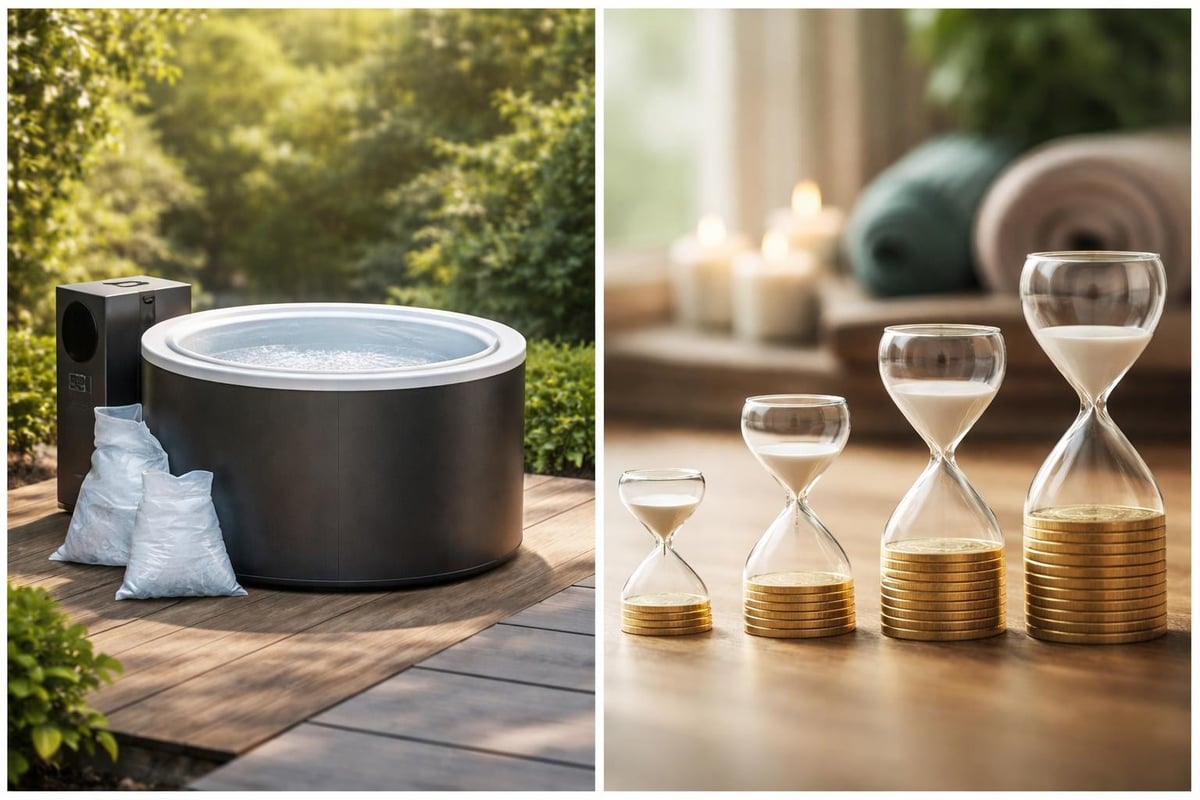
The value proposition depends entirely on your goals, budget, and commitment level. Ice plunge baths require consistency to deliver meaningful benefits, and the initial investment can range from a few hundred dollars for simple setups to several thousand for premium systems.
Ice plunge baths make sense if you:
- Train intensely 4+ times per week and need recovery support
- Experience chronic muscle soreness or inflammation
- Have access to space for installation and maintenance
- Enjoy practices that challenge mental resilience
- Seek alternatives to pharmaceuticals for mood and stress management
- Can commit to regular use (3-5 times weekly minimum)
Think twice if you:
- Have cardiovascular conditions or circulation issues
- Cannot maintain water quality and temperature consistently
- Expect overnight transformation without lifestyle changes
- Have limited space or strict HOA restrictions
- Prefer passive recovery methods that require less willpower
The financial calculation extends beyond the purchase price. Quality systems like those available from Plunge N' Tubs eliminate recurring costs associated with gym memberships or spa visits, potentially offsetting the initial investment within 12-18 months for regular users.
What to Look For When Buying an Ice Plunge Tub
Purchasing an ice plunge bath represents a significant investment in your health infrastructure. The market offers numerous options ranging from DIY chest freezer conversions to luxury integrated systems. Understanding the critical features helps you select a system that matches your needs without overpaying for unnecessary capabilities.
Temperature Control and Chilling Capacity
The ability to maintain consistent cold temperatures separates serious recovery tools from temporary solutions. Ice plunge baths require either manual ice addition or electric chilling systems.
Electric Chiller Systems provide the most convenience and consistency. Look for units with:
- Cooling capacity appropriate for your tub volume (minimum 1HP for 60+ gallon tubs)
- Temperature range from 37°F to at least 60°F
- Digital thermostats with accurate displays
- Energy-efficient operation to control ongoing costs
The Orivon Frost Cold Plunge Tub exemplifies modern cold plunge design with its powerful 1HP integrated chiller that maintains precise temperatures between 37-108°F. This range provides flexibility for both intense cold exposure and milder therapeutic sessions, making it suitable for beginners and experienced users alike.
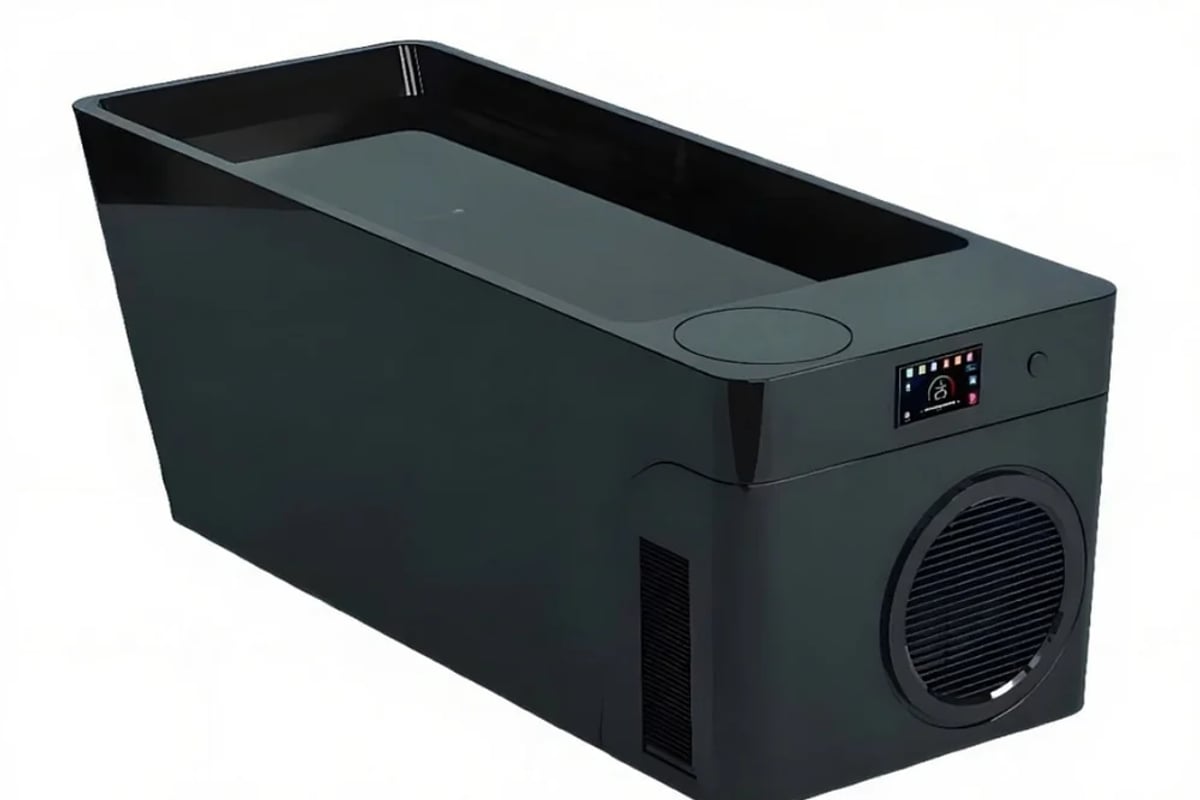
Manual Ice Systems offer lower upfront costs but require ongoing ice purchases and preparation time. Calculate whether your local ice costs and availability make this sustainable long-term.
Construction Materials and Durability
Ice plunge baths endure constant water exposure, temperature extremes, and chemical treatments. Material quality directly impacts longevity and maintenance requirements.
Premium options feature:
- Eastern White Cedar or Canadian wood: Natural rot resistance and beautiful aesthetics
- 304 Stainless Steel: Corrosion-proof, hygienic, and easy to clean
- Medical-grade acrylic: Smooth surface, excellent insulation properties
- Marine-grade hardware: Prevents rust and degradation
Avoid tubs constructed from materials prone to warping, cracking, or chemical degradation. The initial savings from cheaper materials often results in replacement costs within 2-3 years.
Filtration and Water Quality Systems
Water quality affects both health and maintenance effort. Ice plunge baths used without proper filtration become bacterial breeding grounds, requiring frequent water changes that waste resources and time.
Essential filtration features include:
- Multi-stage filtration removing particles and contaminants
- Ozone or UV sanitation systems reducing chemical dependency
- Easy-access filter compartments for regular maintenance
- Compatible water chemistry systems
Many users underestimate filtration importance until they face murky water or skin irritation. Customer results often highlight how proper filtration transforms the ownership experience from burdensome to effortless.
Size and Installation Requirements
Ice plunge baths demand dedicated space with specific infrastructure. Measure carefully and plan for:
- Dimensions: Enough depth for shoulder submersion (minimum 30 inches), adequate width for comfortable sitting
- Weight: Filled tubs can exceed 500-800 pounds, requiring stable flooring or foundation
- Electrical: 220V circuits for most chiller systems
- Drainage: Proximity to floor drains or outdoor drainage solutions
- Accessibility: Clear path for delivery and future maintenance
Indoor installations require additional considerations for humidity control and waterproofing. Outdoor placements need weather protection and may face seasonal usage limitations depending on your climate.
Who Should Use Ice Plunge Baths
Ice plunge baths serve diverse users with varying goals and backgrounds. Understanding whether your profile aligns with typical successful users helps set realistic expectations.
Athletes and Active Individuals
Competitive athletes and serious recreational trainers represent the core ice plunge bath demographic. If you regularly push your body through intense workouts, the recovery benefits can improve training consistency and reduce injury risk.
Best for:
- CrossFit athletes managing high training volumes
- Runners logging 30+ miles weekly
- Strength athletes in competition prep phases
- Team sport players during season
- Martial artists and combat sports competitors
The key differentiator is training intensity and frequency. Casual exercisers who work out 2-3 times weekly at moderate intensity may not accumulate sufficient inflammation to justify ice plunge bath protocols.
Wellness and Longevity Enthusiasts
The biohacking community has embraced ice plunge baths as a tool for optimizing healthspan and performance. These users prioritize the hormetic stress benefits and metabolic effects over acute recovery needs.
This group typically combines ice plunge baths with other interventions like sauna therapy, intermittent fasting, and supplement protocols. They view cold exposure as one component of a comprehensive wellness strategy rather than a standalone solution.
Mental Health and Stress Management
Perhaps the most underrated application involves mental health support. Healthline notes that ice plunge baths may improve central nervous system function, which translates to better stress responses and emotional regulation for many users.
People managing anxiety, depression, or high-stress occupations often report that daily ice plunge baths provide a mental reset unavailable through other methods. The practice requires focus and presence, creating a forced meditation that quiets racing thoughts.
Physical Therapy and Chronic Pain Management
Individuals with chronic inflammatory conditions or persistent pain sometimes find relief through regular cold water immersion. Conditions like arthritis, fibromyalgia, and autoimmune disorders may respond positively to controlled cold exposure.
Medical supervision remains important for this population. Ice plunge baths should complement, not replace, conventional treatments. Some conditions contraindicate cold exposure, making professional guidance essential.
Common Mistakes Beginners Make With Ice Plunge Baths
New users typically make predictable errors that diminish results or create safety risks. Avoiding these mistakes accelerates progress and prevents discouragement.
Starting Too Cold, Too Long
The most common beginner mistake involves ego-driven temperature selection. Jumping into 39°F water for 10 minutes on your first attempt creates an unnecessarily miserable experience that many people never repeat.
Proper progression:
- Week 1: 60°F for 2-3 minutes
- Week 2: 55°F for 3-4 minutes
- Week 3: 50°F for 4-5 minutes
- Week 4+: 45°F or below for 5-8 minutes
Your cold tolerance improves rapidly with consistency. Within 2-3 weeks, temperatures that initially felt unbearable become manageable and even pleasant.
Ignoring Breathing Techniques
Uncontrolled breathing during cold exposure triggers panic responses and prevents adaptation. Your breathing pattern directly influences your nervous system state and determines whether the experience feels traumatic or therapeutic.
Effective cold exposure breathing:
- Take 3-5 deep, slow breaths before entry
- Control your exhale during the initial shock (count to 4)
- Establish rhythmic nose breathing once submerged
- Focus on extending exhales to activate parasympathetic response
- Never hold your breath, which increases cardiovascular stress
Many practitioners find that breathing techniques used in cold exposure transfer to stress management in daily life, creating benefits beyond the ice plunge bath itself.
Neglecting Water Maintenance
Clean water is non-negotiable for safe ice plunge bath use. Beginners often underestimate the effort required to maintain water quality, leading to bacterial growth, foul odors, and potential infections.
| Maintenance Task | Frequency | Why It Matters |
|---|---|---|
| Check pH levels | 2-3 times weekly | Prevents skin irritation and optimizes sanitizer |
| Clean filters | Weekly | Maintains water clarity and system efficiency |
| Shock treatment | Weekly | Eliminates organic contaminants |
| Full water change | Monthly (filtered systems) | Resets water chemistry |
| Equipment inspection | Monthly | Prevents costly repairs |
Establishing a maintenance routine from day one prevents problems. Many cold plunge owners spend 15-20 minutes weekly on upkeep, a small investment compared to the recovery benefits received.
Using Ice Plunge Baths at the Wrong Time
Timing significantly impacts ice plunge bath effectiveness. Using cold exposure incorrectly can interfere with training adaptations or disrupt sleep.
Avoid these timing mistakes:
- Immediately before strength training (reduces muscle activation)
- Within 1-2 hours after hypertrophy-focused workouts (may blunt muscle growth signaling)
- Right before bed (can be too stimulating for some individuals)
- During acute illness with fever (compounds immune stress)
Optimal timing depends on your primary goal. Recovery-focused users benefit from ice plunge baths 2-4 hours post-workout. Mental health users often prefer morning sessions for the alertness boost. Experiment systematically to find your ideal timing.
Expecting Ice Plunge Baths to Compensate for Poor Lifestyle
Ice plunge baths amplify good habits but cannot overcome consistently poor sleep, nutrition, or training practices. Beginners sometimes view cold exposure as a shortcut that eliminates the need for foundational wellness practices.
The reality is that ice plunge baths work best when integrated into a comprehensive approach including adequate sleep, proper nutrition, progressive training, and stress management. They enhance recovery capacity but cannot create it from nothing.
Frequently Asked Questions About Ice Plunge Baths
How long should I stay in an ice plunge bath?
Most research supports 3-8 minute sessions at temperatures between 50-59°F. Beginners should start with 2-3 minutes and gradually increase duration as tolerance improves. Sessions exceeding 15 minutes provide minimal additional benefits while increasing hypothermia risk.
Can I use an ice plunge bath every day?
Daily use is safe for most healthy individuals once adapted to cold exposure. Many athletes and wellness practitioners use ice plunge baths 5-7 times weekly. Listen to your body and reduce frequency if you experience persistent fatigue, increased soreness, or signs of overtraining.
What temperature should my ice plunge bath be?
Therapeutic benefits occur between 50-59°F for most users. Competitive athletes sometimes use 39-45°F for acute inflammation management. Temperature preferences vary individually, and colder doesn't always mean better. Find the temperature that allows you to maintain controlled breathing for your target duration.
Do I need to submerge my head?
No. Keeping your head above water is perfectly acceptable and recommended for beginners. Full submersion including brief head dunks may provide additional vagus nerve stimulation but isn't necessary for recovery benefits. Never submerge your face if you have cardiovascular conditions without medical clearance.
Are ice plunge baths safe for everyone?
Ice plunge baths present risks for people with cardiovascular disease, uncontrolled hypertension, Raynaud's disease, or cold urticaria. Pregnant women should consult healthcare providers before starting cold exposure practices. Medical News Today emphasizes the importance of understanding both benefits and risks before beginning ice bath protocols.
How much does a quality ice plunge bath cost?
Quality home systems range from $2,500 for basic chilled tubs to $8,000+ for premium installations with advanced features. Consider total cost of ownership including electricity, water treatment, and maintenance when budgeting. Many users find that eliminating gym memberships or spa visits offsets the investment within 12-24 months.
Can I build my own ice plunge bath?
DIY solutions using chest freezers or stock tanks cost $300-800 but require more maintenance and temperature management effort. They work well for testing cold exposure before investing in dedicated systems. For serious long-term use, purpose-built units from manufacturers like those at Plunge N' Tubs provide better user experience and durability.
What's the difference between ice plunge baths and cold showers?
Ice plunge baths provide full-body immersion that cold showers cannot replicate. The complete submersion creates stronger physiological responses and more significant recovery benefits. Cold showers offer a convenient introduction to cold exposure but lack the intensity needed for optimal adaptation.
Should I warm up quickly after an ice plunge bath?
Allow natural rewarming rather than using hot showers or heating sources immediately after ice plunge baths. Natural rewarming extends the metabolic benefits and supports better adaptation. Dress warmly and allow 20-30 minutes for core temperature to normalize. The rewarming period often feels pleasant and energizing.
How do I know if ice plunge baths are working?
Track subjective markers like muscle soreness levels, sleep quality, mood, and energy throughout the day. Many users notice improvements within 1-2 weeks of consistent use. Objective measures like heart rate variability (HRV) can quantify nervous system adaptation over time. Keep a simple log to identify patterns and progress.
Ice plunge baths deliver legitimate recovery and wellness benefits when used intelligently as part of a comprehensive health strategy. The key is matching your system to your specific needs, avoiding common mistakes, and maintaining consistency long enough for adaptation to occur. If you're ready to bring professional-grade cold therapy into your home, Plunge N' Tubs offers premium cold plunge systems crafted from the highest quality Canadian wood, with fast and free delivery across North America to support your recovery journey.
Share:
Ice Bath Barrel: Complete Guide & What to Buy in 2026
Home Ice Baths: Benefits, Setup & Buying Guide 2026