




The ice bath barrel has become a staple in recovery routines for athletes, biohackers, and wellness enthusiasts who want consistent cold therapy at home. Unlike traditional bathtubs or makeshift solutions, a dedicated barrel designed for cold immersion offers better temperature retention, ergonomic positioning, and a more effective recovery experience. Whether you're recovering from intense training sessions or exploring the mental clarity benefits of cold exposure, understanding what makes a quality ice bath barrel matters before you invest.
What Makes an Ice Bath Barrel Different
An ice bath barrel isn't just a container filled with cold water. The design focuses on maintaining consistent temperatures, providing proper body positioning, and withstanding repeated freeze-thaw cycles that would damage conventional materials.
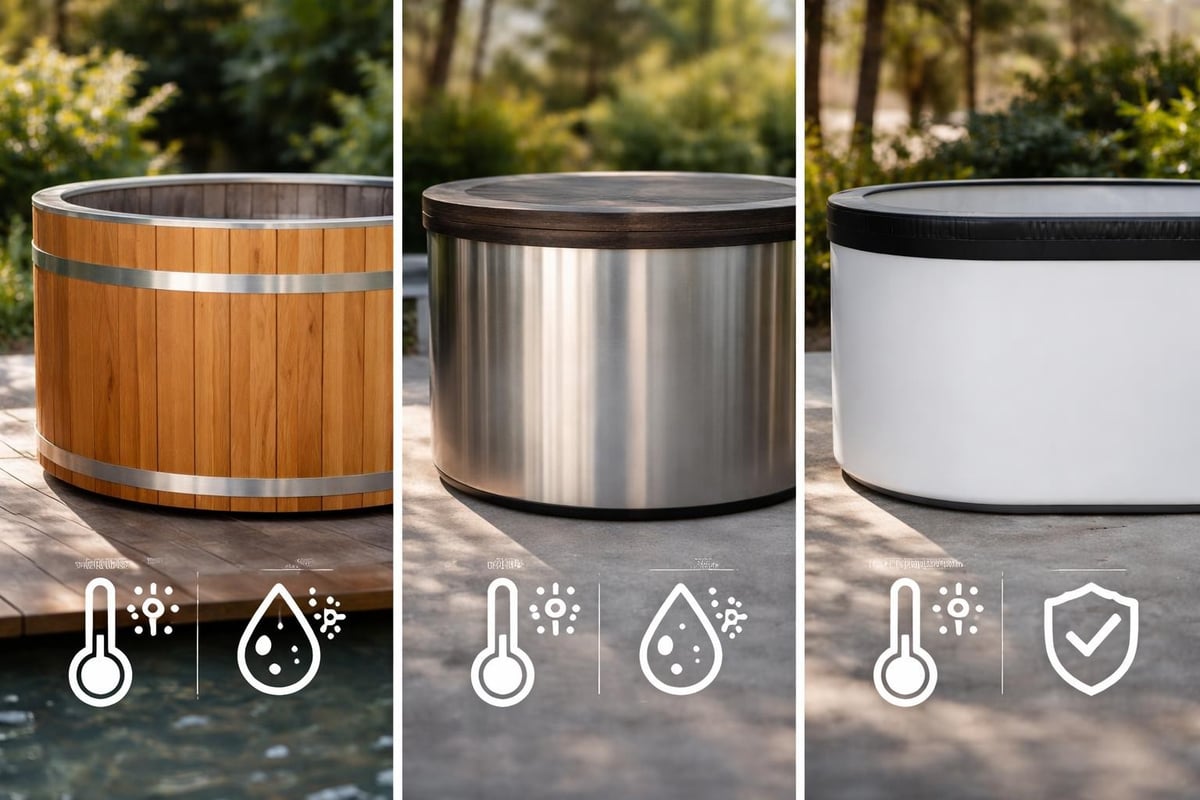
Traditional barrels repurposed for cold plunging often lack insulation, proper drainage, and ergonomic design. Purpose-built cold plunge barrels use materials like white cedar, stainless steel, or high-density polyethylene that resist water damage and maintain structural integrity through temperature extremes.
The vertical design of most ice bath barrels creates a smaller water volume compared to horizontal tubs, which means faster cooling times and less ice needed per session. This upright position also allows for deeper immersion, covering more of your body while using less total water.
Construction Materials That Matter
Quality matters significantly when choosing materials for regular cold exposure:
- White Cedar: Natural resistance to moisture, attractive appearance, excellent insulation properties
- Stainless Steel: Maximum durability, easy cleaning, professional-grade temperature retention
- HDPE Plastic: Lightweight, crack-resistant, budget-friendly option with good insulation
Cedar remains popular for outdoor installations because it ages well and provides natural antimicrobial properties. Stainless steel offers the longest lifespan but comes at a higher initial cost. HDPE strikes a balance between durability and affordability for many home users.
Ice Bath Barrel vs. Traditional Cold Plunge Options
Different cold therapy setups serve different needs and budgets. Understanding the trade-offs helps you choose the right solution for your recovery goals.
| Option | Setup Time | Temperature Control | Space Required | Average Cost |
|---|---|---|---|---|
| Ice Bath Barrel | 10-15 minutes | Manual (ice-based) | 3-4 sq ft | $500-$1,500 |
| Chest Freezer Conversion | 30-60 minutes | Manual | 6-8 sq ft | $300-$800 |
| Premium Cold Plunge Tub | 5 minutes | Automated chiller | 10-15 sq ft | $3,000-$8,000 |
| Inflatable Cold Plunge | 15-20 minutes | Manual (ice-based) | Portable | $80-$300 |
The ice bath barrel occupies a middle ground between budget DIY solutions and premium automated systems. You get dedicated equipment designed specifically for cold therapy without requiring electrical hookups or complex installation.
For those serious about daily cold exposure, exploring premium cold plunge options with integrated chillers eliminates the need for ice and provides consistent temperatures year-round.
What to Look for When Buying an Ice Bath Barrel
Shopping for an ice bath barrel requires evaluating several factors beyond just price. The right choice depends on your specific recovery needs, available space, and how often you plan to use it.
Size and Dimensions
Most ice bath barrels range from 30 to 40 inches in height with diameters between 24 and 32 inches. Taller individuals need deeper barrels to achieve full shoulder immersion, while compact spaces might require smaller diameter options.
Consider these measurements:
- Internal depth: Minimum 30 inches for adults to sit comfortably with water covering shoulders
- Diameter: 26-28 inches provides adequate space without excessive water volume
- Wall thickness: Minimum 1 inch for proper insulation and structural support
Drainage and Water Management
Efficient drainage systems save significant time and effort. Look for barrels with bottom drains that connect to standard garden hoses, allowing you to empty the barrel without heavy lifting or tipping.
Some models include:
- Brass or stainless steel drain valves for corrosion resistance
- Threaded connections compatible with standard garden hoses
- Elevated positioning options for gravity-assisted drainage
- Filter integration points for water circulation systems
Insulation Performance
According to research on optimal ice bath temperatures, maintaining water between 50-59°F delivers the most effective recovery benefits without excessive cold stress. Quality insulation helps your barrel maintain target temperatures longer, reducing ice consumption and preparation time.
Double-walled construction or thick single-wall designs retain cold significantly better than thin-walled alternatives. This becomes especially important for outdoor installations where ambient temperatures affect water temperature.
Is an Ice Bath Barrel Worth It?
The value proposition of an ice bath barrel depends on your commitment to regular cold therapy and comparison against alternatives. For someone using cold exposure 3-4 times weekly, dedicated equipment pays for itself through convenience and consistency.
Studies highlighted by Harvard Health on cold-water immersion benefits show that regular cold exposure may reduce inflammation, improve circulation, and support mental resilience. These benefits compound over time with consistent practice.
Cost Analysis Over One Year
Breaking down the actual costs helps clarify the investment:
Ice Bath Barrel Route ($1,000 barrel + ice costs):
- Initial equipment: $1,000
- Ice per session (20 lbs at $3): $6
- Three sessions weekly for 52 weeks: $936 in ice
- Total first year: $1,936
Gym Membership with Cold Plunge ($100/month):
- 12 months: $1,200
- Travel time and gas: ~$300
- Total first year: $1,500
The barrel costs more initially but provides unlimited access and eliminates travel. By year two, when you're only buying ice, the home setup becomes significantly more economical.
Who Should Buy an Ice Bath Barrel
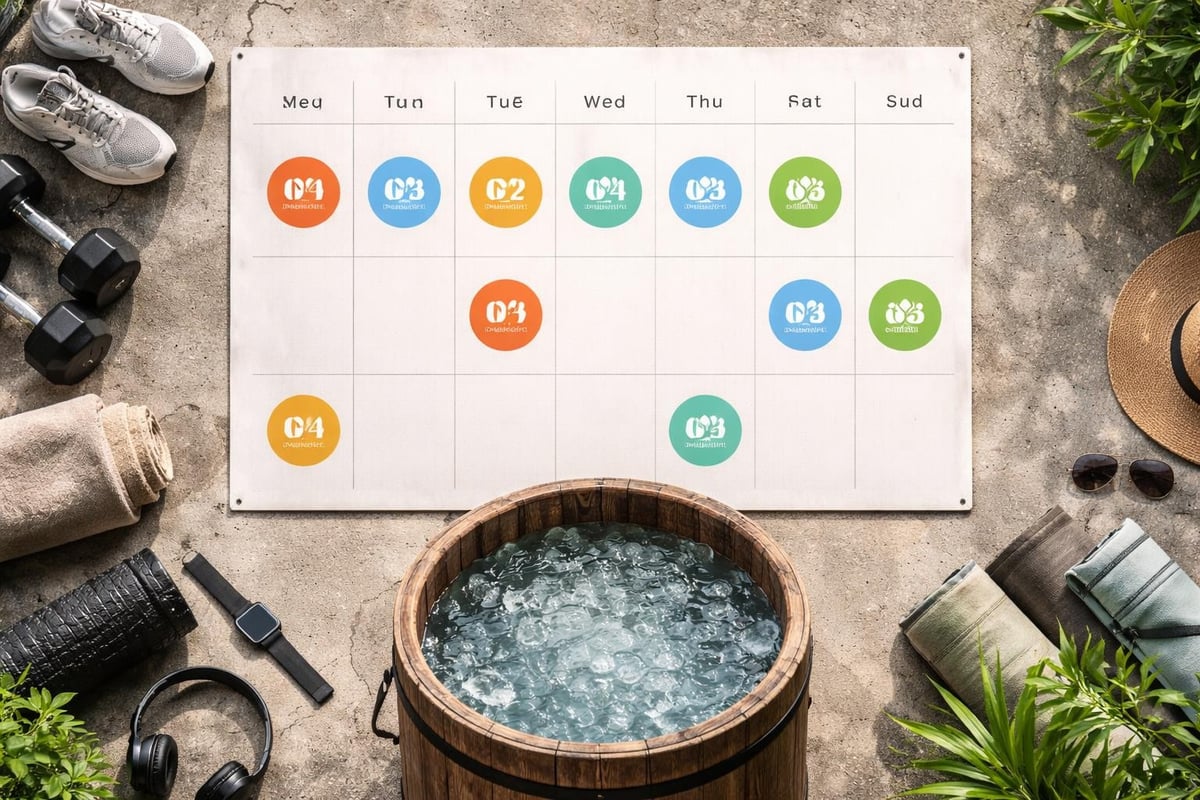
Ice bath barrels suit specific user profiles better than others. Understanding whether you fit these categories helps determine if this investment makes sense.
Serious Athletes and Competitors
Anyone training at high intensity 4+ days weekly benefits enormously from accessible cold therapy. The ability to plunge within 30 minutes post-workout maximizes recovery benefits, as noted in research on ice bath benefits for muscle recovery.
Runners logging 40+ miles weekly, CrossFit athletes training twice daily, and combat sports practitioners use ice bath barrels to manage inflammation between sessions and accelerate readiness for the next training block.
Biohackers and Wellness Enthusiasts
People optimizing for mental performance, stress resilience, and longevity use cold exposure as a daily practice rather than just post-exercise recovery. Morning cold plunges create an acute stress response that, with regular practice, builds adaptive resilience.
The ice bath barrel provides the consistency these users need without expensive spa memberships or complicated DIY setups. Many report improved focus, better stress management, and enhanced mood regulation with daily 3-5 minute sessions.
Home Recovery for Injury Rehabilitation
Physical therapists increasingly recommend cold therapy for managing chronic inflammation and supporting injury recovery. Having an ice bath barrel at home means consistent application during critical healing windows without scheduling appointments or traveling while injured.
This proves especially valuable for:
- Post-surgical recovery protocols
- Chronic joint inflammation management
- Tendonitis and overuse injury treatment
- Arthritis symptom management
Setting Up Your Ice Bath Barrel for Success
Proper setup determines how effectively your ice bath barrel performs and how long it lasts. These installation considerations impact both user experience and equipment longevity.
Location Selection
Indoor installations offer year-round temperature control but require waterproofing considerations. Basement areas, garage spaces, or dedicated wellness rooms work well if you have proper drainage and can manage occasional splashing.
Outdoor placements provide natural ambiance and easy water management but expose the barrel to weather elements. Cedar barrels handle outdoor conditions well, while stainless steel options resist all weather without degradation.
Key location factors:
- Drainage access: Proximity to floor drains or areas where hose drainage is feasible
- Level ground: Prevents uneven stress on barrel structure and ensures proper drainage function
- Privacy: Adequate screening for comfortable use
- Electrical access: If you plan to add circulation pumps or chillers later
Ice Management and Temperature Control
Achieving and maintaining optimal temperatures requires understanding ice-to-water ratios. Most ice bath barrels hold 60-80 gallons when filled to appropriate levels for adult immersion.
Standard ice management:
- Start with tap water at ambient temperature (~70°F)
- Add 20-30 pounds of ice for initial cooling to 55-60°F
- Wait 15-20 minutes for temperature equilibration
- Add 5-10 pounds additional ice if needed to reach target temperature
- Use a floating thermometer to monitor accurately
Water temperature naturally rises during your session as your body heat transfers. Budget 2-3°F increase during a typical 5-10 minute session.
For those seeking cold therapy solutions that eliminate ice management entirely, chiller-equipped systems maintain preset temperatures automatically.
Common Mistakes Beginners Make with Ice Bath Barrels
First-time users often make predictable errors that reduce effectiveness or create unnecessary discomfort. Avoiding these mistakes accelerates your adaptation and ensures safer practice.
Going Too Cold, Too Soon
The most common error involves targeting extreme temperatures (below 45°F) in early sessions. This creates excessive stress that triggers panic responses rather than building adaptive resilience. Guidance from experts on avoiding common ice bath mistakes emphasizes gradual progression.
Better approach:
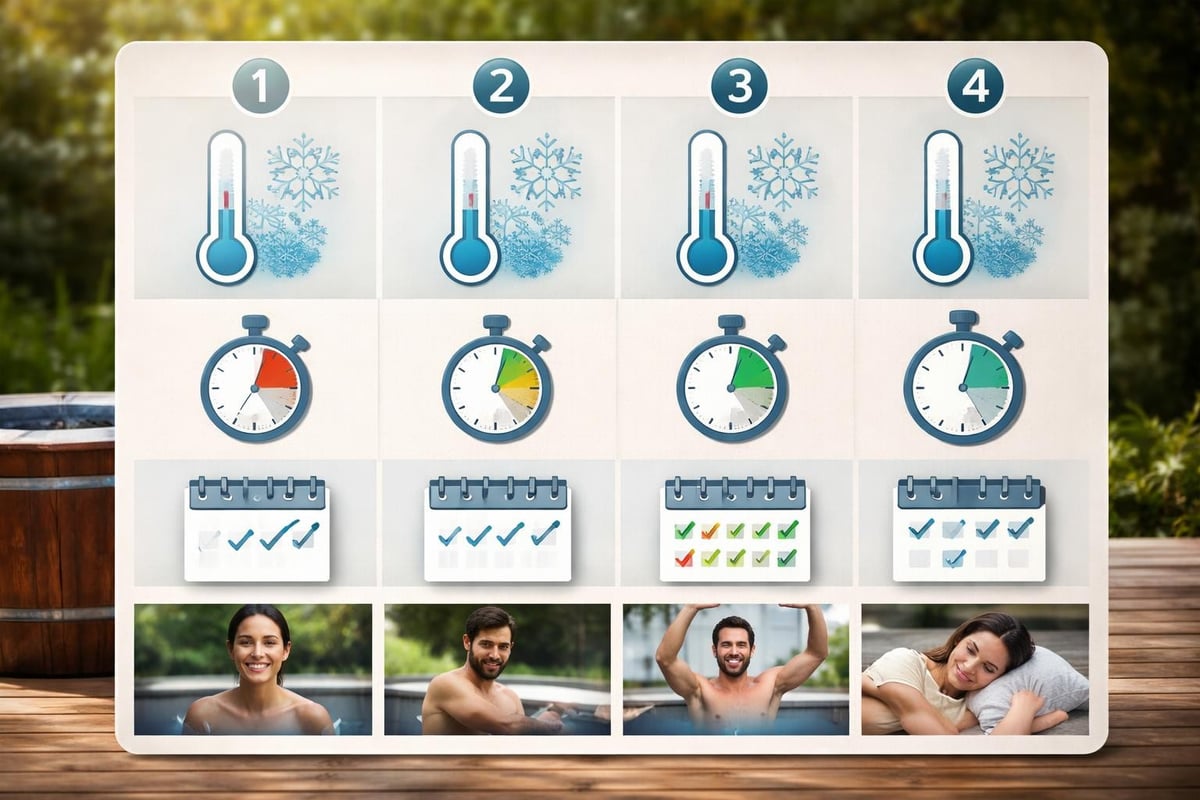
- Week 1-2: Start at 60-65°F for 2-3 minutes
- Week 3-4: Progress to 55-60°F for 3-5 minutes
- Week 5+: Explore 50-55°F for 5-10 minutes as tolerated
Staying In Too Long
Beginners often believe longer sessions produce better results. Research shows benefits plateau after 10-15 minutes, while extended exposure increases hypothermia risk without additional adaptation stimulus.
Optimal session lengths vary by temperature:
| Water Temperature | Recommended Duration | Maximum Duration |
|---|---|---|
| 60-65°F | 5-10 minutes | 15 minutes |
| 55-59°F | 3-8 minutes | 12 minutes |
| 50-54°F | 2-5 minutes | 8 minutes |
Set a timer before entering and exit when it sounds, regardless of how you feel. Building discipline around time limits prevents misjudgment during sessions when cold exposure affects cognitive function.
Neglecting Pre-Plunge Preparation
Entering an ice bath barrel directly from a sedentary state creates unnecessary shock. Brief movement preparation warms your body slightly and primes your nervous system for the upcoming stress.
Effective five-minute warm-up:
- 50 jumping jacks or 2 minutes light jogging
- 10 arm circles forward and backward
- 10 bodyweight squats
- 5-10 deep breathing cycles
This preparation doesn't eliminate the initial cold shock but makes it more manageable and supports better breathing control during immersion.
Improper Breathing Technique
The initial cold shock triggers rapid, shallow breathing that increases panic and reduces session quality. Controlling your breath during the first 30-90 seconds determines whether you can relax into the session or fight it the entire time.
Functional breathing pattern:
- Before entering: Take 3-5 deep belly breaths
- During entry: Exhale slowly as you lower into water
- First 60 seconds: Focus on nasal breathing, 4-count inhale, 6-count exhale
- Remainder of session: Maintain steady rhythm, gradually deepening breath
Many experienced users find that controlled breathing transforms ice baths from uncomfortable endurance tests into meditative recovery sessions.
Maintaining Your Ice Bath Barrel
Proper maintenance extends equipment life and ensures hygienic, effective cold therapy sessions. Cedar and stainless steel barrels require different care approaches.
Water Quality Management
Unlike heated hot tubs, cold water doesn't support rapid bacterial growth, but regular water changes remain important. Most users change water every 5-7 sessions or weekly, whichever comes first.
Between changes:
- Add 1-2 cups of hydrogen peroxide per 70 gallons to maintain freshness
- Use a skimmer to remove debris after outdoor use
- Consider small circulation pumps to prevent stagnation
- Test water weekly if keeping it longer than 7 days
Some advanced users integrate small filtration systems similar to those in stock tanks, allowing water to remain usable for 2-3 weeks with proper chemical balance.
Wood Care for Cedar Barrels
Cedar ice bath barrels require periodic maintenance to prevent drying and cracking. Wood naturally expands when wet and contracts when dry, so keeping barrels partially filled prevents excessive stress.
Essential cedar care:
- Initial seasoning: Fill completely and let stand 48 hours before first use
- Regular moistening: Keep at least 6 inches of water in barrel between sessions
- Annual sealing: Apply food-safe wood sealant yearly to exterior surfaces
- Winter storage: In freezing climates, either keep indoors or ensure water doesn't freeze while in barrel
Cedar develops a natural patina over time that enhances appearance and doesn't affect functionality. Avoid harsh chemical cleaners that strip natural oils from the wood.
Comparing Ice Bath Barrels to Complete Cold Plunge Systems
While ice bath barrels provide accessible cold therapy, understanding how they compare to comprehensive cold plunge systems helps determine the best long-term investment for serious users.
Premium systems like The Baltic Plunge Tub combine the aesthetic appeal of Canadian-crafted cedar with the option to integrate electric chillers for consistent temperature control. Built from Eastern White Cedar and shipped fully assembled, these systems eliminate the ongoing ice expense while maintaining the natural beauty of wood construction. The Baltic Plunge Tub offers versatility for users who want to start with ice-based cooling and upgrade to automated temperature control as their practice evolves.
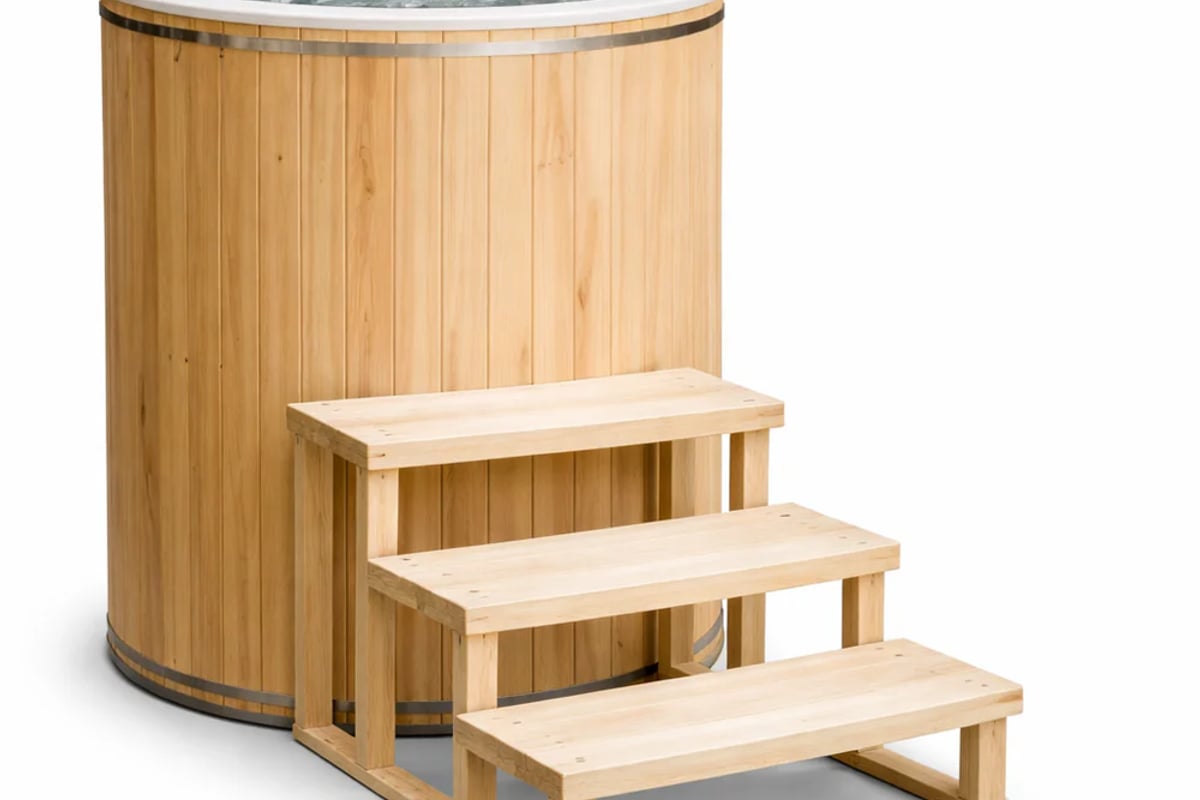
The key differentiator involves automation and consistency. Ice bath barrels require 15-20 minutes of preparation per session, while chiller-equipped systems maintain preset temperatures continuously. For users plunging 5-7 times weekly, this convenience factor becomes increasingly valuable.
Using Your Ice Bath Barrel Year-Round
Seasonal considerations affect how you use and maintain your cold plunge setup. Different strategies optimize effectiveness across changing weather conditions.
Summer Usage
Warmer months present the easiest conditions for ice bath barrel use. Ambient temperatures support comfortable outdoor sessions, and achieving target water temperatures requires less ice.
Summer advantages:
- Natural outdoor ambiance enhances recovery experience
- Lower ice costs due to cooler starting water temperature
- Comfortable entry and exit even when wet
- Easier water management with outdoor drainage
Monitor for algae growth in warm weather if keeping water more than 5 days. Adding hydrogen peroxide weekly prevents issues without harsh chemicals.
Winter Considerations
Cold weather creates unique challenges and opportunities. Outdoor ice bath barrels in freezing climates risk ice formation that can damage equipment, while achieving cold temperatures requires minimal additional cooling.
Winter strategies:
- Indoor relocation: Move barrel to heated garage or basement space
- Insulated covers: Use between sessions to prevent surface freezing
- Reduced ice needs: Tap water may already be at target temperature
- Faster warm-up: Have warm towels and clothing immediately accessible
Some cold exposure enthusiasts embrace winter outdoor sessions for the contrast between freezing air and cold water, though this requires careful temperature monitoring to prevent hypothermia.
Frequently Asked Questions
How often should I use an ice bath barrel?
Most people benefit from 2-4 sessions weekly. Athletes in heavy training blocks may use daily cold therapy, while wellness-focused users often find 3 sessions per week sufficient for mental clarity and stress management benefits. Listen to your body and avoid daily use if you experience persistent fatigue or sleep disruption.
Do I need to empty my ice bath barrel after every use?
No. With proper water treatment (hydrogen peroxide or minimal chlorine), water remains usable for 5-7 sessions or one week. Empty and refill weekly or when water appears cloudy or develops odor. Outdoor barrels may require more frequent changes due to debris.
What temperature should I aim for as a beginner?
Start at 60-65°F for your first 2-3 weeks. This provides recovery benefits while allowing your nervous system to adapt to cold exposure. Progress to 55-59°F once you can comfortably complete 5-minute sessions at the warmer temperature. Most experienced users maintain temperatures between 50-59°F.
Can I add salt or other substances to enhance the experience?
Epsom salt (magnesium sulfate) can be added for muscle recovery enhancement, though it requires more frequent water changes. Avoid essential oils or substances that might damage barrel materials or create residue. Keep additives minimal and always rinse thoroughly when changing water.
How long does an ice bath barrel typically last?
Quality cedar barrels properly maintained last 8-12 years. Stainless steel units can exceed 15-20 years. HDPE plastic barrels typically provide 5-8 years of service. Longevity depends heavily on maintenance consistency, water chemistry management, and protection from UV exposure for outdoor installations.
Is it safe to use an ice bath barrel if I have health conditions?
Consult your physician before starting cold therapy if you have cardiovascular conditions, Raynaud's disease, cold urticaria, or are pregnant. Cold exposure creates significant physiological stress that may be contraindicated for certain conditions. Always follow safety guidelines for ice bath use and start conservatively even with medical clearance.
An ice bath barrel provides a practical entry point into consistent cold therapy without the complexity or cost of automated systems. By choosing quality materials, avoiding common beginner mistakes, and maintaining proper protocols, you create a sustainable recovery practice that delivers measurable benefits for years. When you're ready to invest in premium cold plunge equipment built from Canadian-sourced cedar with options for both manual and automated temperature control, Plunge N' Tubs offers complete systems with fast, free delivery across North America.
Share:
Hot and Cold Jacuzzi: Complete Guide to Contrast Therapy
Ice Plunge Baths: Benefits, Buying Tips & Common Mistakes