



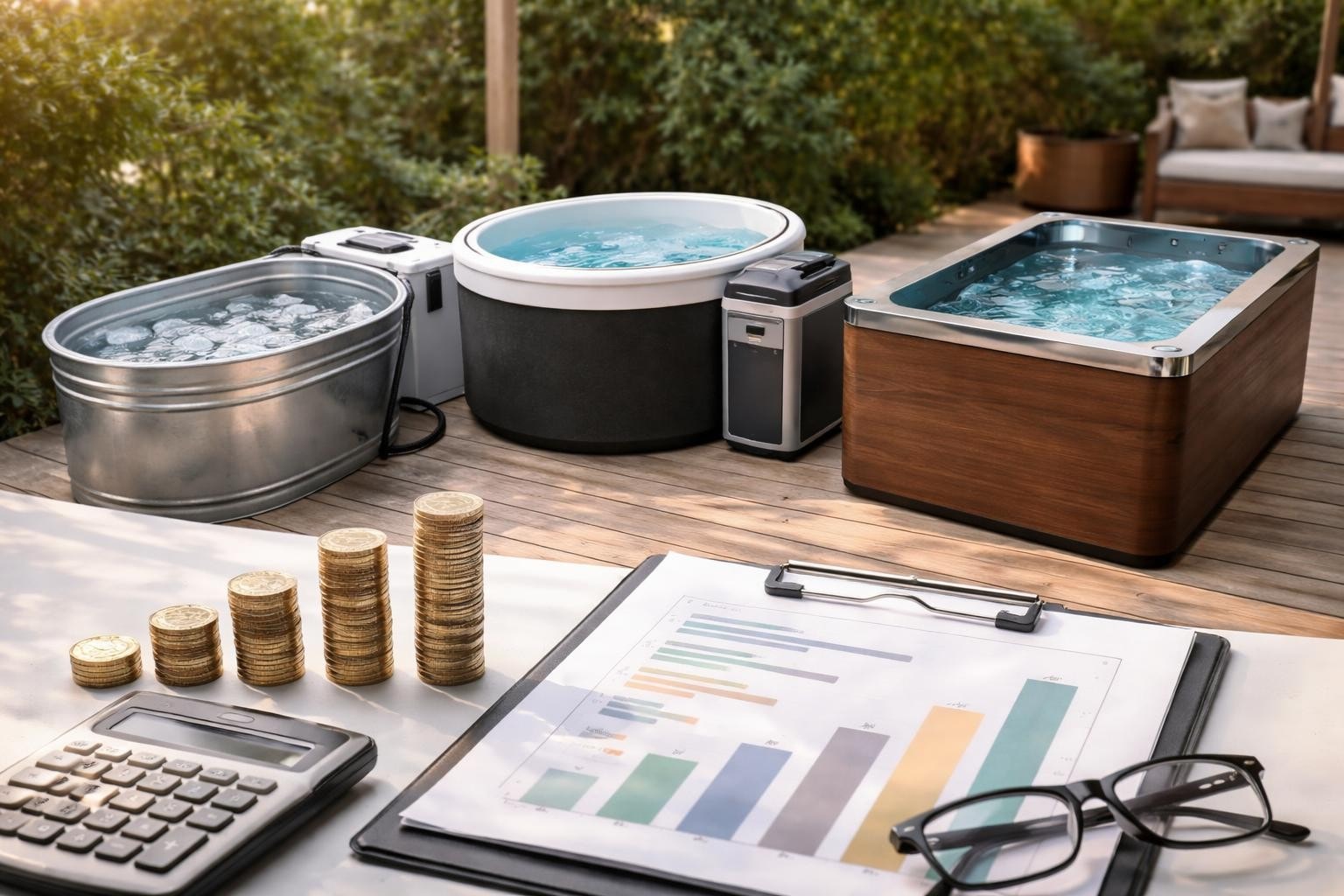
Cold plunge therapy has moved from elite athlete recovery rooms into everyday homes, and you don't need to spend a fortune to experience the benefits. Finding a cheap cold plunge tub that actually delivers results requires understanding what matters for long-term use and what corners you can cut without sacrificing your health or wasting money. This guide walks you through everything you need to know before making a purchase, from essential features to common pitfalls that drain your wallet.
What Makes a Cold Plunge Tub "Cheap" Without Being Cheap Quality
Price and value aren't the same thing when shopping for cold therapy equipment. A genuinely affordable cold plunge tub gives you consistent cold exposure without breaking down after a few months or requiring constant maintenance.
The lowest-cost option isn't always a cheap cold plunge tub in the smart sense. You're looking for equipment that balances initial investment with operating costs, durability, and actual usability. A $200 stock tank might seem affordable until you're buying ice bags three times per week or replacing a cracked liner every winter.
Budget Categories That Make Sense
Different price ranges serve different needs and commitment levels:
- Under $500: DIY conversions, chest freezers, stock tanks with manual ice addition
- $500-$2,000: Basic tubs with simple filtration, no built-in chilling
- $2,000-$5,000: Entry-level systems with chillers, better insulation, and warranty coverage
- $5,000+: Premium builds with advanced temperature control and Canadian cedar construction
Most people find the sweet spot between $1,500 and $3,500 for a system they'll actually use consistently. That range typically includes proper filtration and temperature maintenance without paying for unnecessary luxury features.
Is a Cheap Cold Plunge Tub Worth It?
The return on investment depends entirely on how you'll use it and what you're comparing it against.
If you're currently paying $30-50 per cold plunge session at a wellness center or gym, even a $2,000 home setup pays for itself in under three months of regular use. The mental health benefits and cardiovascular improvements from cold-water immersion compound when you have daily access at home.
Real Recovery Benefits You Can Measure
Cold plunging isn't just a wellness trend. Research shows concrete benefits that matter for performance and daily life:
- Reduced muscle soreness and faster recovery after training
- Improved circulation and cardiovascular function
- Better sleep quality and duration
- Enhanced mental clarity and stress resilience
- Reduced inflammation markers in regular users
According to Healthline's analysis of cold plunge benefits, consistent cold exposure between 50-59°F for 2-10 minutes delivers measurable results. Your cheap cold plunge tub needs to hit and maintain those temperatures reliably.
The Hidden Costs Nobody Mentions
Budget planning needs to include more than sticker price:
| Cost Category | DIY Setup | Basic Tub | System with Chiller |
|---|---|---|---|
| Initial Purchase | $200-500 | $500-1,500 | $2,000-4,000 |
| Monthly Ice | $80-120 | $40-80 | $0 |
| Electricity | Minimal | $10-15 | $30-50 |
| Maintenance | High time investment | Moderate | Low |
| Replacement/Repairs (Annual) | $100-300 | $50-150 | $0-100 |
A cheap cold plunge tub with a reliable chiller often costs less over two years than constantly buying ice for a basic tub.
Who Should Buy a Cheap Cold Plunge Tub?
Not everyone needs a cold plunge at home, but certain groups benefit dramatically from easy access.
Athletes and active individuals recovering from intense training sessions see the fastest return. If you're training 4-6 days per week, daily cold exposure supports faster recovery and reduced injury risk. The convenience factor alone changes adherence rates.
People with chronic inflammation from conditions like arthritis or autoimmune issues often report significant relief from regular cold exposure. Having a tub at home removes the barrier of driving to facilities when you're already in pain.
Cold Plunge Beginners: Start Here
If you're new to cold therapy, a cheaper entry-level system makes more sense than a premium build. You're still learning your ideal temperature, duration, and frequency. Starting with a basic but reliable setup lets you build the habit before investing in advanced features.
Biohacking enthusiasts who already use other recovery modalities typically integrate cold plunging into existing routines quickly. If you're already tracking HRV, sleep scores, or recovery metrics, a home cold plunge becomes another tool in your optimization stack.
Home wellness converts who previously paid for gym or spa access find the economics compelling. When you're already spending $100-200 monthly on wellness services, redirecting that budget to equipment ownership makes financial sense.
What to Look for When Buying a Cheap Cold Plunge Tub
Smart shopping means prioritizing features that affect daily use and long-term durability over aesthetic details.
Temperature Control and Maintenance
Your tub needs to maintain temperatures between 45-55°F consistently. Manual ice addition works for occasional use but becomes unsustainable for daily plunging. Look for systems that either include a chiller or allow easy integration with aftermarket cooling units.
Insulation quality directly impacts operating costs. Poor insulation means your chiller runs constantly, driving up electricity bills and wearing out components faster. Cedar construction and thick walls retain cold better than thin plastic shells.
Size and Space Requirements
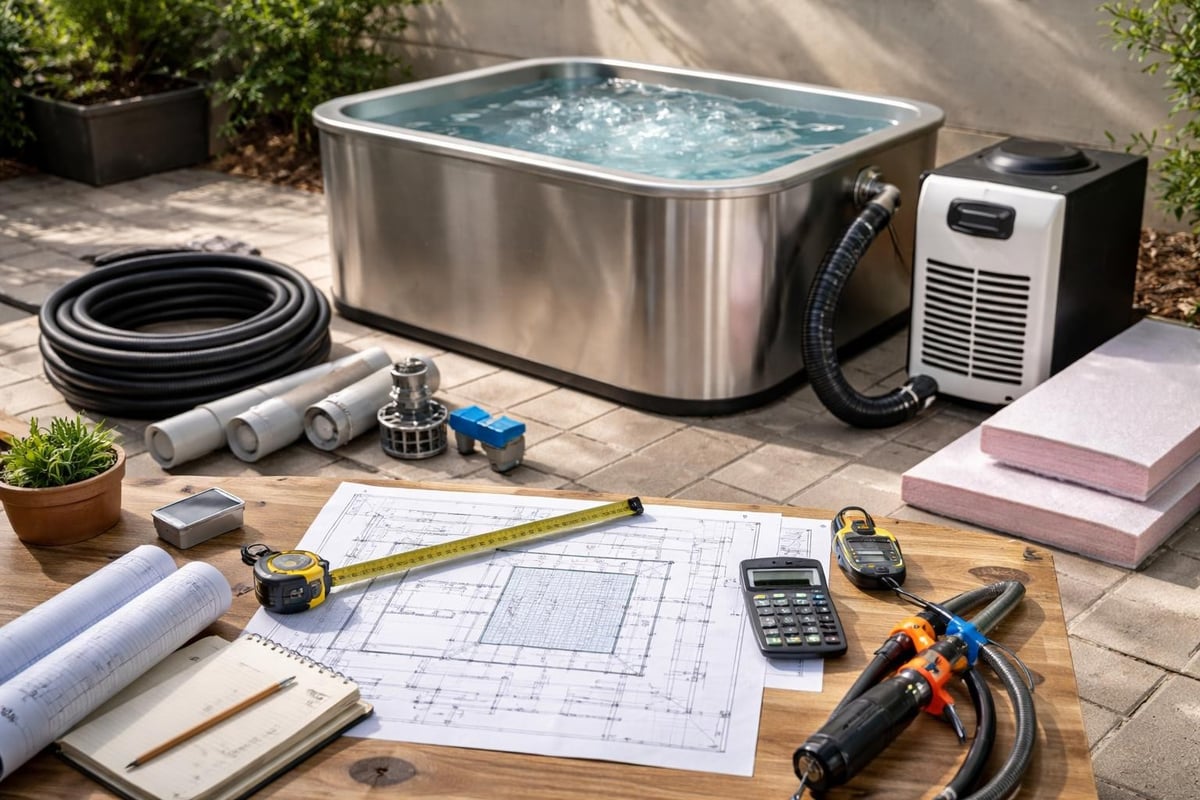
Measure your available space before falling in love with a specific model. Account for:
- Tub footprint: Most effective designs are 70-80 inches long by 30-40 inches wide
- Access clearance: You need 2-3 feet around the tub for entry and maintenance
- Electrical requirements: Chillers need dedicated circuits in most cases
- Drainage considerations: You'll need a plan for water changes and overflow
Smaller tubs under 60 inches force uncomfortable positions that reduce session duration. You should sit comfortably with shoulders submerged and legs extended.
Build Materials That Last
The cheapest materials upfront often cost more in replacements and repairs. Here's what holds up:
Canadian cedar offers natural rot resistance and excellent insulation properties. It requires minimal maintenance and handles outdoor installation in all climates. Cedar construction typically adds $500-1,000 to cost but eliminates many common failure points.
Stainless steel interiors resist corrosion and bacterial growth better than plastic liners. They're easier to clean and maintain safe water quality with less chemical treatment.
HDPE plastic provides a budget-friendly alternative to stainless steel when properly manufactured. Look for food-grade materials with UV stabilization for outdoor use.
Filtration and Water Quality Systems
You'll change water weekly at minimum, but between changes, filtration keeps your plunge sanitary. Basic systems should include:
- Circulation pump sized for tub volume
- Cartridge or sand filtration rated for cold water
- Ozone or UV sanitation (reduces chemical needs)
- Easy-access drain valve for complete water changes
Poor filtration means more frequent water changes, higher chemical costs, and potential health risks from bacterial growth in cold water. This isn't where you want to compromise.
Common Mistakes Beginners Make with Budget Cold Plunge Setups
Most buyers make at least one expensive mistake their first time. Learning from others saves money and frustration.
Undersizing the Chiller for Your Climate
A chiller rated for your tub's volume works in controlled indoor temperatures. Outdoor installation in warm climates needs 20-30% more capacity to maintain target temperatures. A 1/4 HP chiller struggles to cool 150 gallons below 50°F when ambient temperature exceeds 85°F.
If you live in Texas or Florida, budget for a larger chiller or plan for seasonal use. Alternatively, choose a well-insulated Canadian cedar tub that retains cold more efficiently.
Ignoring Electrical Requirements and Installation Costs
That affordable cold plunge tub listing doesn't include electrical work. Most chillers require 220V dedicated circuits installed by licensed electricians. Budget $300-800 for proper electrical installation unless you already have suitable outlets.
Running a chiller on an undersized circuit trips breakers and can damage equipment. Factor installation costs into your total budget from the start.
Skipping Water Treatment Planning
Cold water doesn't stop bacteria growth; it slows it. You still need sanitation between water changes. Many buyers assume cold temperature alone keeps water clean and face cloudy, unsafe water within days.
Plan for either:
- Regular ozone or UV treatment (best for minimal chemical exposure)
- Small amounts of chlorine or bromine (requires testing and balancing)
- Very frequent complete water changes (time-consuming and wasteful)
The cheapest approach long-term uses ozone generation, which costs $100-200 upfront but eliminates ongoing chemical purchases.
Buying Based on Aesthetics Instead of Function
A beautiful tub you don't use because it's inconvenient or uncomfortable is wasted money. Prioritize practical features over looks:
Comfortable entry and exit matter more than you think. Steps, grab rails, or low side walls make daily use sustainable, especially when you're cold and less coordinated.
Convenient placement beats visual appeal. The tub you use is better than the tub that looks perfect in your yard but requires extra effort to access.
Simple maintenance access keeps you consistent. If draining and cleaning requires tools and 30 minutes of work, you'll skip sessions and let water quality decline.
Budget-Friendly Alternatives and DIY Options
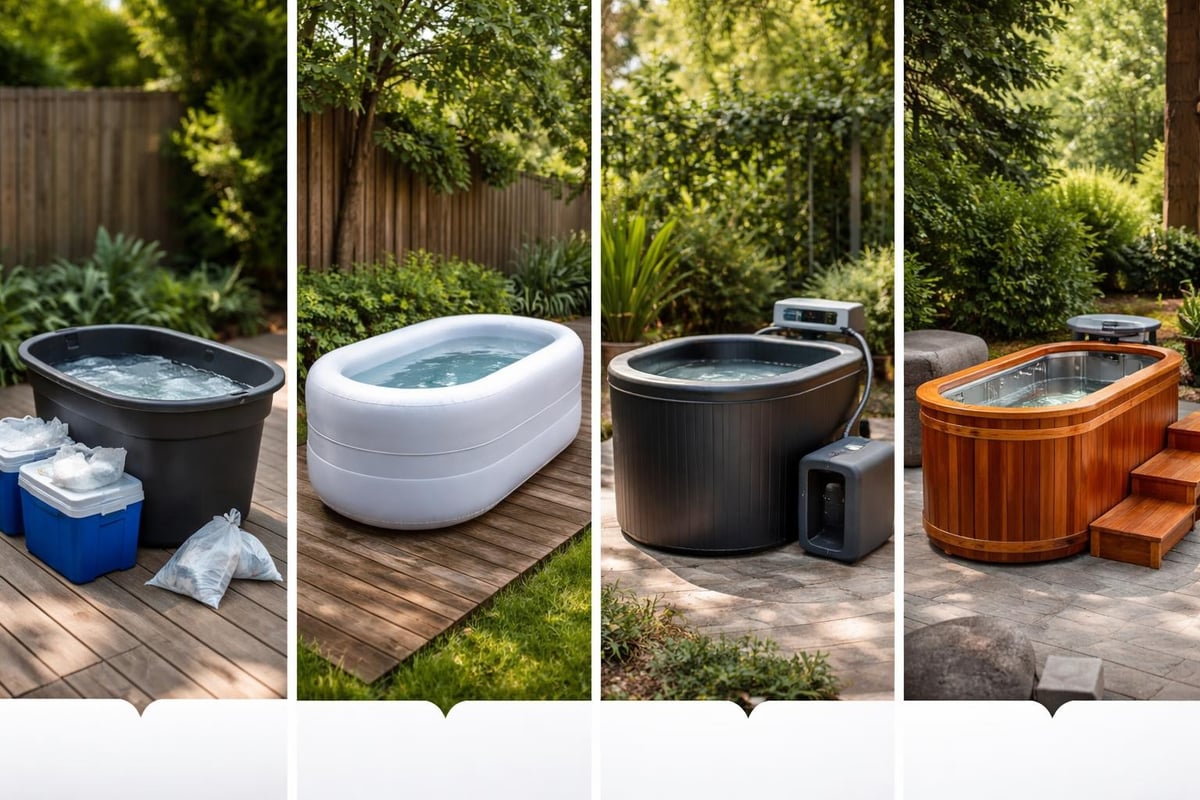
Before buying a purpose-built unit, consider whether a converted option meets your needs. Various DIY cold plunge approaches offer different trade-offs between cost and convenience.
Chest Freezer Conversions
A used chest freezer with a temperature controller creates a functional cold plunge for under $400. You'll need:
- 7-10 cubic foot chest freezer ($150-250 used)
- External temperature controller ($30-50)
- Food-grade liner or thorough sealing ($50-100)
- Small circulation pump for water movement ($40-80)
This setup works well for dedicated individuals who don't mind the industrial aesthetic. The main limitation is size. Most chest freezers force a seated position with knees bent, limiting shoulder submersion.
Stock Tank Systems
Galvanized stock tanks offer more room than chest freezers at similar cost. A 2x6 foot stock tank holds 150-180 gallons and allows full body submersion for most people.
You'll still need ice for cooling unless you add a separate chiller unit, which brings total cost closer to entry-level purpose-built systems. The benefit is flexibility. You can start with ice and add a chiller later when budget allows.
When evaluating budget options for a cold plunge setup at home, consider both startup costs and the ongoing time investment. DIY solutions save money but require more active management.
Inflatable Cold Plunge Tubs
Recent inflatable designs offer portability and lower cost, typically $300-800 for basic models. They work well for occasional use or testing whether you'll stick with cold plunging before investing in permanent installation.
Limitations include:
- Shorter lifespan than rigid construction
- Poor insulation requiring more ice or chiller runtime
- Setup and takedown time for each use (unless left inflated)
- Lower weight capacity and less stable entry
For travelers or people with limited space, inflatable options make sense. For daily home use, rigid construction proves more practical long-term. You can explore more about portable cold plunge options to understand different use cases.
Mid-Range Options That Maximize Value
The $2,000-4,000 price range delivers the best balance of features, durability, and cost for serious users who want consistent results without premium pricing.
Systems in this category typically include integrated or compatible chillers, proper filtration, and construction quality that lasts years with minimal maintenance. You're paying for engineered solutions that work reliably instead of cobbling together separate components.
For those seeking professional-grade recovery at home, options like The Flow Cold Plunge deliver daily cold therapy benefits on your own schedule. Built with durable Eastern White Cedar and designed for both chiller integration or ice use, this Canadian-made system eliminates the recurring costs of gym memberships or spa appointments while providing consistent temperature control for optimal recovery.
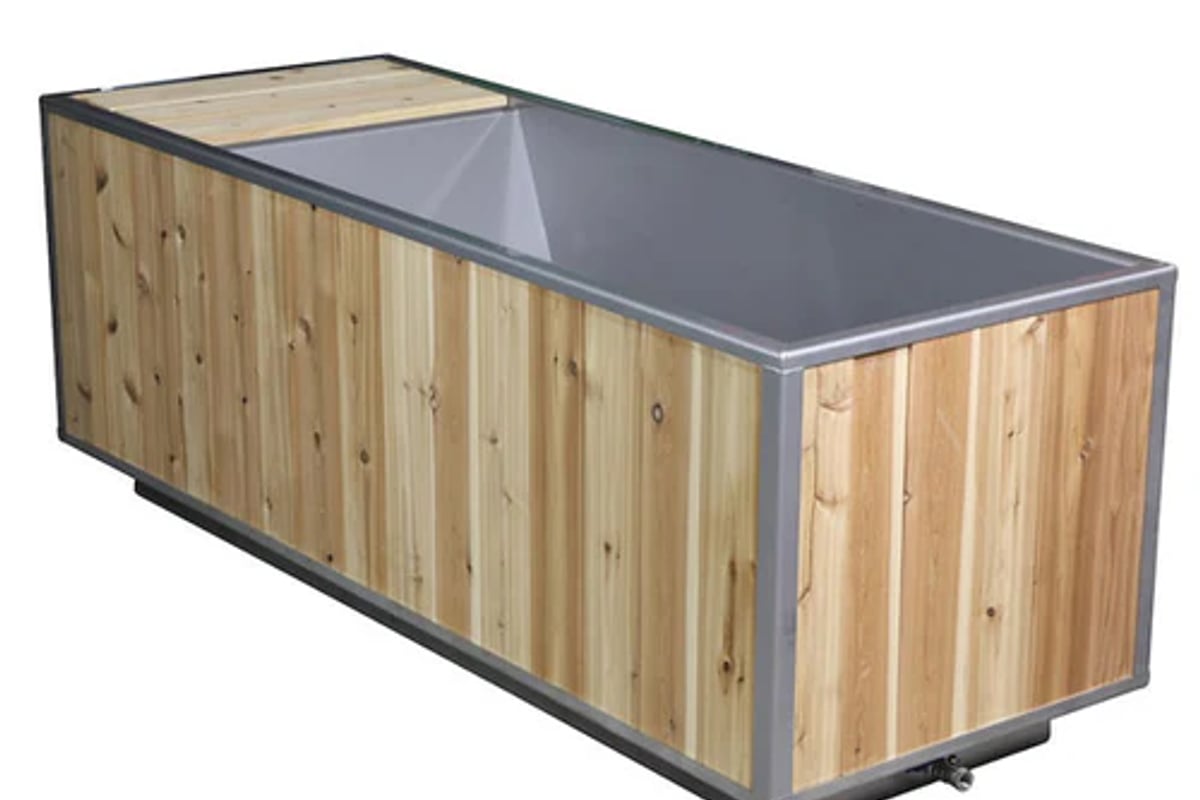
Mid-range tubs from established manufacturers include warranties that protect your investment. A 2-3 year warranty on components and construction indicates the manufacturer stands behind their quality claims.
What Separates Mid-Range from Budget Options
| Feature | Budget ($500-1,500) | Mid-Range ($2,000-4,000) |
|---|---|---|
| Temperature Control | Manual ice addition | Integrated chiller or plug-and-play compatible |
| Construction | Plastic shell, thin walls | Cedar or reinforced acrylic, proper insulation |
| Filtration | Basic or none | Multi-stage with sanitation |
| Warranty | 90 days to 1 year | 2-3 years on components |
| Assembly | DIY required | Pre-assembled or professional setup |
| Lifespan | 2-4 years typical | 8-12 years with maintenance |
The cost-per-year calculation often favors mid-range systems despite higher upfront investment. A $3,000 tub lasting 10 years costs $300 annually. A $800 basic tub needing replacement every 3 years costs $267 annually plus higher operating costs.
Installation and Setup Considerations
Even the most affordable cold plunge tub involves installation planning. Your total cost includes site preparation and hookups.
Outdoor installations need level foundations. Concrete pads, gravel bases, or reinforced decking prevent settling that damages tubs and creates drainage issues. Budget $200-600 for foundation work depending on site conditions.
Indoor installations require waterproof flooring and adequate ventilation. Humidity from an indoor cold plunge can damage surrounding structures without proper moisture management. Dehumidifiers add $30-50 to monthly operating costs in enclosed spaces.
Electrical work for chillers typically costs more than DIYers expect. Unless you're a licensed electrician, hire professionals for safety and code compliance. Improper electrical work creates fire hazards and voids equipment warranties.
Ongoing Maintenance Costs and Time
Factor recurring expenses into your budget:
- Water: You'll use 100-200 gallons per water change, weekly minimum
- Electricity: Chillers add $20-60 monthly depending on climate and usage
- Filters: Replacement cartridges run $15-40 every 2-3 months
- Chemicals/Ozone: $10-30 monthly for water treatment
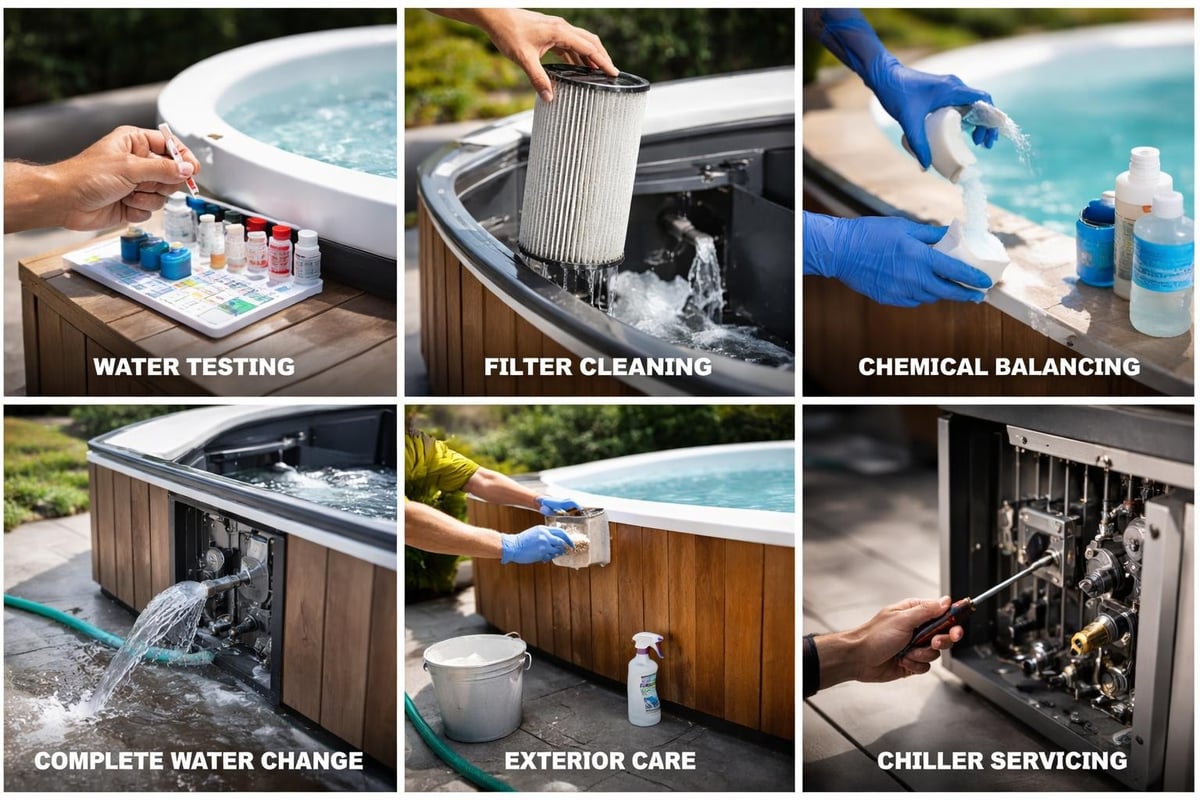
- Time: 15-30 minutes weekly for cleaning and water quality management
A cheap cold plunge tub with higher maintenance requirements might cost more annually than a better system with efficient operation.
Making the Purchase Decision
Once you've narrowed options based on budget and features, final selection comes down to matching your specific situation.
Space constraints eliminate some options immediately. Measure carefully and account for access needs. A tub that technically fits but requires contortion to enter won't get used.
Climate and seasons affect operating costs dramatically. Year-round outdoor use in cold climates actually reduces chiller costs in winter but requires weather-resistant construction. Hot climates demand robust chilling capacity and excellent insulation.
Usage patterns should drive your choice. Solo use allows smaller tubs that cost less to cool and maintain. Family use or recovery sessions with partners requires larger capacity and may justify higher investment.
Questions to Ask Before Buying
Clarify these points with any seller before committing:
- What's included versus sold separately (chiller, cover, steps, filtration)?
- What are exact electrical requirements and installation costs?
- What's the real-world operating cost in your climate?
- What does warranty actually cover and for how long?
- What's the return policy if the tub doesn't fit or meet expectations?
- Is delivery included and what does setup involve?
Many cheap cold plunge tub listings advertise low base prices but add hundreds in required accessories and fees at checkout. Get total cost in writing before purchasing.
Maximizing Your Investment
Buying smart is half the equation. Using your cold plunge effectively ensures you actually get the recovery and health benefits you're paying for.
Consistency matters more than duration. Research from TechRadar's analysis of cold plunge benefits shows that regular 3-5 minute sessions outperform occasional longer plunges. Your cheap cold plunge tub becomes valuable when it's convenient enough for daily use.
Temperature precision affects results. Water above 60°F provides minimal benefit. Water below 40°F increases risk without added benefit for most people. The ideal range of 45-55°F delivers maximum benefit with manageable discomfort.
Proper breathing technique enhances benefits and makes sessions more sustainable. Controlled breathing activates your parasympathetic nervous system, amplifying the stress-resilience benefits of cold exposure.
Building a Sustainable Routine
Start conservatively and progress gradually:
- Week 1-2: 1-2 minutes at 55-60°F to adapt
- Week 3-4: 3-4 minutes at 50-55°F as tolerance builds
- Week 5+: 5-7 minutes at 45-50°F for full benefits
Pushing too hard initially creates negative associations that reduce long-term adherence. The best cheap cold plunge tub is the one you actually use consistently.
Frequently Asked Questions
How much does it cost to run a cold plunge tub monthly?
Operating costs vary by climate and insulation quality. Expect $30-60 monthly for electricity with a chiller system, plus $10-30 for water treatment. Manual ice systems cost $40-120 monthly for ice purchases. Well-insulated tubs run cheaper than thin-walled designs.
Can I use a regular bathtub as a cold plunge?
Regular bathtubs work for occasional cold exposure using ice, but they're not practical for consistent use. You'll need 40-60 pounds of ice per session to reach effective temperatures, costing $5-10 each time. Purpose-built tubs with insulation and chillers cost less long-term.
What temperature should a cold plunge be?
Target 45-55°F for optimal benefits. WebMD's guidance on cold plunges suggests staying above 40°F to minimize risk while maintaining effectiveness. Your cheap cold plunge tub needs reliable temperature control in this range.
How long should I stay in a cold plunge?
Most research shows benefits from 2-10 minute sessions. Beginners should start with 1-2 minutes and gradually increase. Duration matters less than consistency. Daily 3-minute plunges outperform weekly 15-minute sessions for recovery and adaptation.
Do I need a chiller or can I just use ice?
Ice works for occasional use but becomes expensive and inconvenient for daily plunging. Budget $40-120 monthly for ice versus $20-50 monthly to run a chiller. Chillers pay for themselves in 6-12 months of regular use while providing consistent temperature control.
Are cheap cold plunge tubs safe?
Quality varies significantly at lower price points. Safe options include proper filtration, stable construction, and temperature control. Avoid extremely cheap units without basic safety features like non-slip surfaces and proper drainage. Check if the manufacturer provides warranty coverage and clear assembly instructions.
Finding the right cheap cold plunge tub means balancing upfront cost with long-term value, prioritizing features that support consistent use, and avoiding false economies that cost more through maintenance and replacement. Whether you're an athlete optimizing recovery or someone seeking the proven health benefits of cold exposure, the right system makes daily cold therapy accessible and sustainable. Plunge N' Tubs offers premium Canadian cedar cold plunge systems built for durability and performance, with free delivery across North America and designs trusted by wellness professionals who understand that quality construction delivers better results over years of consistent use.
Share:
Insulated Cold Plunge Tub: Complete Buyer's Guide 2026
Wood Fired Wood Hot Tub Guide 2026 | Buyers & Setup Tips