



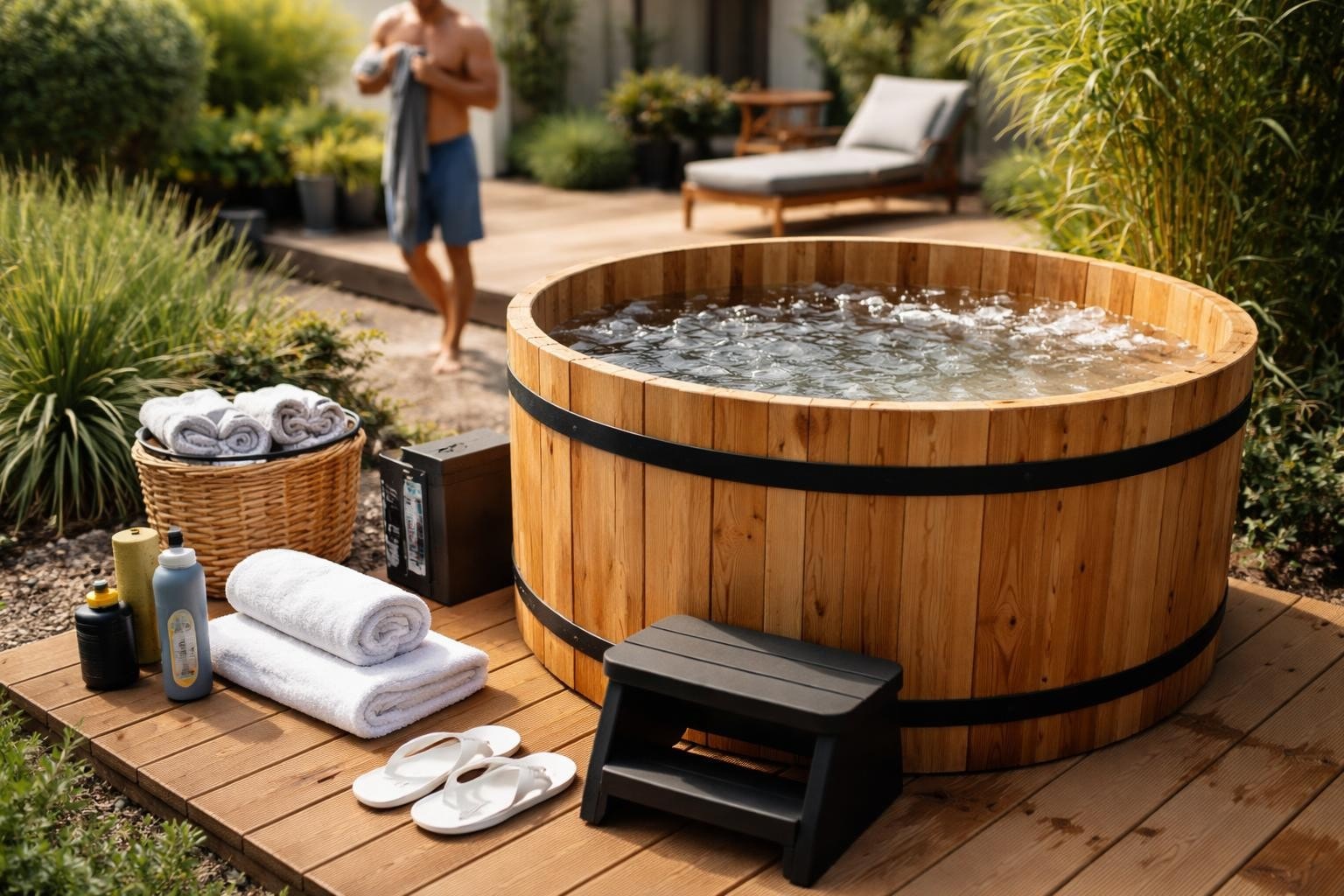
Cold water immersion has transformed from an elite athlete recovery tool into a mainstream wellness practice accessible to anyone seeking better recovery, mental clarity, and overall health. The icebath barrel represents one of the most practical and aesthetically pleasing ways to bring this powerful therapy into your home. Unlike traditional cold plunge tubs or makeshift solutions, barrel-style designs offer unique advantages in terms of space efficiency, heat retention, and visual appeal. Whether you're an athlete optimizing recovery protocols or a wellness enthusiast exploring biohacking strategies, understanding the nuances of barrel-style cold plunge systems helps you make an informed investment that delivers real results.
What Makes an Ice Bath Barrel Different
An icebath barrel distinguishes itself through its vertical design and cylindrical construction. This shape creates several functional advantages over standard rectangular tubs.
The upright orientation allows for deeper water immersion while occupying less floor space. Most barrels position users in a seated posture with water reaching chest or shoulder height, which maximizes cold exposure to core muscle groups and vital organs. This depth creates more effective vasoconstriction compared to shallow alternatives.
Space and Aesthetic Advantages
Barrel designs typically require only 3-4 feet of floor space diameter, making them ideal for smaller patios, decks, or even dedicated indoor wellness rooms. The circular footprint fits naturally into corner spaces that rectangular tubs can't utilize efficiently.
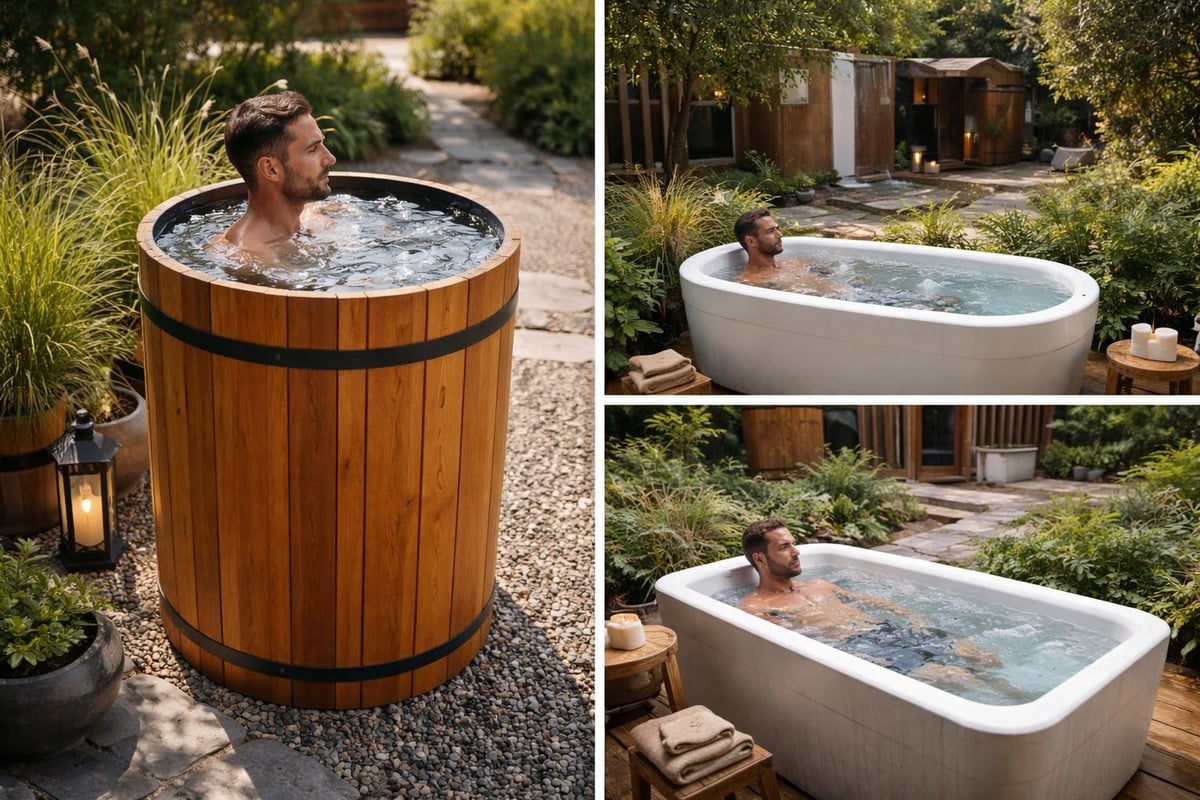
Beyond function, the barrel aesthetic carries a distinctive visual appeal. Wood barrel construction, particularly when crafted from premium materials like Canadian cedar, adds natural elegance to outdoor spaces. This design complements saunas, garden areas, and contemporary outdoor living environments better than industrial-looking plastic alternatives.
The Science Behind Cold Water Immersion
Cold therapy triggers several physiological responses that benefit both physical recovery and mental performance. Understanding these mechanisms helps users optimize their practice.
When you submerge in cold water, blood vessels constrict in a process called vasoconstriction. This response reduces inflammation by limiting blood flow to peripheral tissues. After exiting the icebath barrel, vasodilation occurs as vessels expand, flushing fresh oxygenated blood through previously constricted areas. This cycle accelerates metabolic waste removal and nutrient delivery to recovering muscles.
Key Physiological Benefits
Research from Time magazine's health analysis highlights several validated benefits:
- Reduced muscle soreness: Studies show 11-15 minute sessions significantly decrease delayed onset muscle soreness (DOMS)
- Enhanced circulation: The vascular response improves overall cardiovascular efficiency
- Improved mood regulation: Cold exposure increases norepinephrine levels, which positively affects focus and mood
- Metabolic activation: Regular practice may increase brown fat activity, supporting metabolic health
Mental benefits extend beyond temporary mood boosts. Consistent cold exposure builds psychological resilience through voluntary discomfort training. Users report improved stress management, enhanced decision-making under pressure, and greater emotional regulation in daily situations.
Temperature matters significantly. Most effective protocols maintain water between 50-59°F (10-15°C). Colder isn't always better; temperatures below 45°F increase injury risk without proportional benefit increases for most users.
Is an Ice Bath Barrel Worth the Investment?
The value equation depends on your specific goals, usage frequency, and available alternatives. For many users, the answer is definitively yes, but context matters.
Compare the costs realistically. Commercial cold plunge facilities charge $30-60 per session. If you plunge three times weekly, that's $360-720 monthly or $4,320-8,640 annually. A quality icebath barrel typically costs $3,000-7,000, representing payback within 6-12 months of consistent use. This calculation excludes driving time, scheduling constraints, and membership commitments.
Long-Term Value Considerations
| Factor | Commercial Facility | Home Ice Bath Barrel |
|---|---|---|
| Annual cost (3x/week) | $4,320-8,640 | $0 after purchase |
| Convenience | Drive time required | Immediate access |
| Flexibility | Limited hours | Anytime use |
| Privacy | Shared space | Complete privacy |
| Customization | Fixed protocols | Personal preferences |
Quality barrels built from durable materials like cedar offer 10-15+ years of service with basic maintenance. This longevity transforms the initial investment into a long-term wellness asset comparable to home gym equipment or sauna installations.
The convenience factor amplifies value significantly. Optimal cold plunge timing varies by individual goals. Athletes often benefit most from evening sessions to reduce inflammation before sleep. Others prefer morning plunges for mental clarity and energy. Home access enables experimentation and consistency that scheduled facility visits can't match, as discussed in our guide on at-home cold plunge setups.
Who Should Buy an Ice Bath Barrel
Certain user profiles benefit most from barrel-style cold plunge systems. Identifying your category helps determine if this investment aligns with your needs.
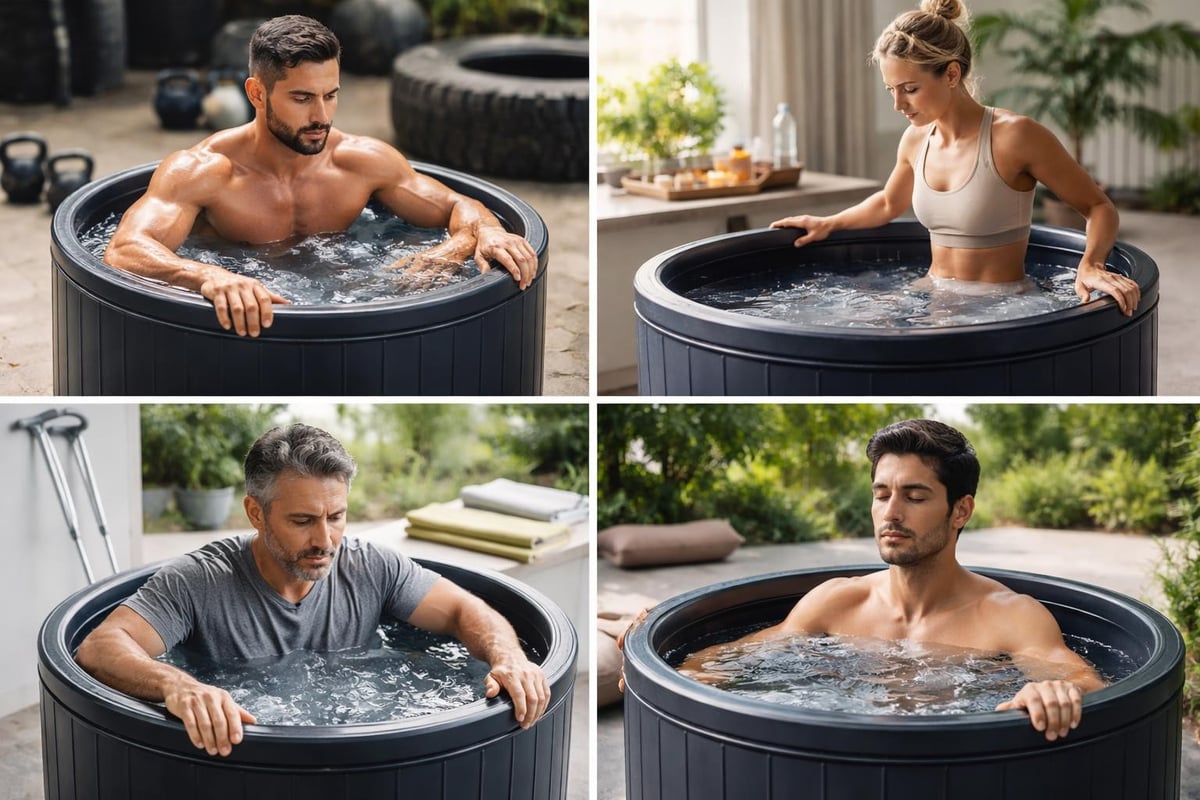
Athletes and active individuals represent the primary user group. Anyone engaged in regular strength training, endurance sports, CrossFit, martial arts, or competitive athletics experiences the most dramatic recovery benefits. The accelerated muscle recovery and reduced soreness directly improve training capacity and performance outcomes.
Ideal User Profiles
Wellness enthusiasts and biohackers pursuing optimal health through evidence-based practices find cold immersion integrates naturally with other protocols. These users typically combine cold therapy with sauna sessions, breathwork, meditation, and dietary optimization. The mental clarity and mood benefits often motivate this group as much as physical recovery.
Rehabilitation and chronic pain management users discover cold therapy offers non-pharmaceutical relief. Individuals managing arthritis, fibromyalgia, or recovering from injuries report significant symptom reduction. Medical guidance is essential for these applications, but many healthcare providers now recommend cold therapy as complementary treatment.
Mental health and stress management seekers use cold exposure for its psychological benefits. The practice builds resilience, reduces anxiety symptoms, and improves stress response. The controlled discomfort of cold immersion creates a manageable challenge that strengthens mental fortitude applicable to other life areas.
Those living in smaller spaces particularly benefit from the barrel's compact footprint compared to rectangular alternatives. Urban homeowners, apartment dwellers with patio access, and anyone optimizing limited outdoor space find barrels practical where larger tubs aren't feasible.
What to Look for When Buying a Cold Plunge Tub
Selecting the right icebath barrel requires evaluating several critical specifications and features. Not all barrels offer equivalent quality or functionality.
Material construction fundamentally determines durability and user experience. Premium options like Eastern White Cedar or Western Red Cedar provide natural insulation, weather resistance, and antimicrobial properties. These woods withstand temperature extremes and moisture exposure that compromise lesser materials. Interior liners vary between stainless steel, HDPE plastic, and fiberglass. Stainless steel offers superior durability and temperature retention but increases cost. HDPE provides excellent value with good longevity.
Essential Features Comparison
Capacity and dimensions affect both comfort and space requirements. Standard barrels hold 60-80 gallons and accommodate users up to 6'4" comfortably when properly designed. Verify internal diameter (typically 30-36 inches) ensures adequate movement without feeling cramped. Depth should position water at chest height when seated for most users.
Drainage systems distinguish quality designs from basic models. Integrated drain valves positioned at the barrel bottom enable complete water removal without tipping or bailing. Quick-connect fittings for standard garden hoses simplify maintenance. Poor drainage creates frustration and limits usage frequency.
Cooling methodology represents perhaps the most significant decision point:
- Ice-only systems: Most affordable upfront, requiring 20-40 pounds of ice per session depending on ambient temperature and starting water temperature. Ongoing ice costs and sourcing logistics create friction. Creating and using ice blocks efficiently reduces these challenges.
- Chiller-integrated models: Higher initial investment but eliminate ice requirements entirely. Units maintain precise target temperatures automatically, enabling consistent protocols without preparation hassle.
- Chiller-ready designs: Allow starting with ice and adding aftermarket chiller systems when budget permits.
Consider your climate and usage patterns. Users in hot regions or planning daily sessions strongly benefit from integrated chillers. Occasional users in moderate climates may find ice-based systems adequate.
Chiller Systems vs. Traditional Ice Methods
The cooling approach significantly impacts user experience and long-term costs. Both methods achieve effective cold therapy, but practical differences matter.
Cost and Convenience Analysis
Traditional ice methods require minimal upfront investment. The icebath barrel itself represents the only purchase. However, each session demands ice acquisition, either through store purchases ($3-8 per session depending on quantity needed) or home ice maker investments ($200-500 for adequate production capacity).
Time investment also factors in. Preparing an ice-based session typically requires 30-45 minutes for the barrel to reach target temperature after adding ice. This delay reduces spontaneity and creates planning requirements. Water temperature fluctuates throughout sessions as ice melts, making consistent exposure protocols challenging.
Chiller systems eliminate these friction points entirely. Integrated or standalone chillers maintain precise temperatures continuously. The Polar Plunge Tub from LeisureCraft exemplifies this approach, offering professional-grade temperature control with premium Canadian cedar construction and choice between stainless steel or HDPE interiors. Users simply set their preferred temperature (typically 50-59°F) and step in whenever ready.
| Cooling Method | Upfront Cost | Per-Session Cost | Prep Time | Temperature Consistency |
|---|---|---|---|---|
| Store-bought ice | Barrel only | $3-8 | 30-45 min | Variable |
| Home ice maker | +$200-500 | Electricity only | 30-45 min | Variable |
| Chiller system | +$1,500-3,000 | Electricity only | None | Precise ±1°F |
Electricity costs for chillers average $30-60 monthly depending on usage frequency, ambient temperature, and insulation quality. This represents significant savings versus ongoing ice purchases for regular users.
Common Mistakes Beginners Make
New cold plunge users frequently encounter preventable challenges. Awareness helps avoid these pitfalls and establishes effective practices from the start.
Starting too cold, too long ranks as the most common error. Beginners often attempt extreme temperatures or extended durations, believing more intensity creates better results. This approach typically backslogs motivation and increases injury risk. Start with 55-60°F water for 2-3 minutes. Gradually decrease temperature and increase duration as adaptation occurs. Understanding how long to stay in a cold plunge helps establish safe protocols.
Protocol and Safety Errors
Inconsistent practice limits adaptation benefits. Cold therapy adaptations require regular exposure. Sporadic usage prevents physiological adjustments that make sessions more comfortable and effective. Aim for minimum 3 sessions weekly, even if brief, rather than occasional long sessions.
Ignoring breathing technique creates unnecessary discomfort. The cold shock response triggers gasping and hyperventilation when entering cold water. Controlled breathing using slow nasal inhalation and extended exhales activates parasympathetic nervous system responses that reduce perceived discomfort. Practice breathing techniques before entering water.
Poor water maintenance creates health risks and equipment damage. Stagnant water develops bacteria, especially in outdoor barrels exposed to debris and contaminants. Establish regular water change schedules (every 3-5 uses for non-sanitized systems) and consider filtration or sanitization systems for extended water use between changes.
Neglecting entry and exit protocols diminishes benefits and increases risk. Enter gradually rather than jumping in, allowing initial cold shock response to stabilize. Upon exiting, avoid immediately entering hot environments like saunas or showers. Allow natural rewarming for 5-10 minutes, then use warm (not hot) water if needed. This progression maximizes vascular training benefits.
Overlooking individual health considerations creates serious risks. People with cardiovascular conditions, Raynaud's syndrome, cold urticaria, or pregnancy should consult healthcare providers before starting cold immersion. The stress cold therapy places on the circulatory system, while beneficial for healthy individuals, may pose risks for certain conditions.
Installation and Placement Considerations
Strategic placement maximizes your icebath barrel's functionality and longevity while enhancing property aesthetics.
Surface preparation requires level, stable foundations. Barrels filled with water weigh 500-700 pounds, demanding adequate support. Concrete pads, reinforced deck structures, or compacted gravel bases work well. Avoid direct placement on grass or soil, which settles unevenly and promotes wood rot in barrel bottoms.
Drainage access matters significantly. Position barrels where drain water can flow to appropriate areas without creating standing water or property damage. Slope consideration during placement prevents water pooling around the barrel base.
Environmental and Access Factors
Sun exposure affects water temperature management significantly. Direct sunlight raises water temperature 10-15°F daily in summer months, increasing ice requirements or chiller workload. Partial shade balances natural temperature management with adequate light for safe entry and exit. Complete shade may prove too dark for comfortable evening use without lighting.
Privacy and wind protection enhance user comfort. Position barrels to minimize wind exposure, which accelerates heat loss from wet skin post-plunge and creates uncomfortable conditions. Privacy screening encourages consistent use, especially for users self-conscious about cold plunge practice.
Proximity to utilities simplifies chiller installation if using powered cooling systems. Locate within reasonable distance of electrical outlets (most chillers require 110V or 220V connections) and water sources for filling. Consider future expansion potential by positioning near planned sauna locations or other wellness equipment.
Access path maintenance prevents injuries. Keep walkways to and from barrels clear, well-lit, and slip-resistant. Wet feet on smooth surfaces create fall hazards, particularly when experiencing post-cold plunge coordination challenges.
Check local building codes and HOA regulations before installation. Some jurisdictions classify cold plunge tubs as swimming pools, requiring permits, fencing, or safety equipment. Researching cold therapy tub regulations in your area prevents compliance issues.
Maintenance and Water Management
Proper maintenance extends barrel lifespan and ensures safe, hygienic cold therapy sessions. Establishing routine protocols prevents problems before they develop.
Water quality management depends on your usage pattern and chosen sanitization approach. For ice-only systems with infrequent use, complete water changes between sessions (every 3-5 uses maximum) provide the simplest approach. Drain completely, rinse barrel interior, and refill with fresh water.
Cleaning and Sanitization Protocols
Higher-frequency users benefit from filtration and sanitization systems:
- Ozone generators naturally sanitize water without chemical additives, requiring weekly complete water changes
- UV filtration systems eliminate bacteria and pathogens, extending water life to 2-3 weeks
- Minimal chlorine or bromine treatment (much lower concentrations than pool water) maintains sanitation while minimizing chemical exposure
Avoid conventional pool chemicals at standard concentrations. The cold water and minimal dilution create skin irritation and respiratory effects at normal pool chemical levels. If using chemical sanitizers, maintain chlorine at 0.5-1.0 ppm (pool standard is 1-3 ppm).
Wood barrel care preserves appearance and structural integrity. Cedar naturally resists rot and insect damage, but proper maintenance extends lifespan significantly:
- Annual sealing: Apply marine-grade wood sealant to exterior surfaces before winter season
- Monthly inspection: Check metal bands for rust, tighten if loosened, and verify drainage function
- Interior cleaning: Scrub interior surfaces monthly with non-toxic cleaners to prevent biofilm buildup
- Winter preparation: In freezing climates, drain completely and cover or store indoors if possible
Stainless steel and HDPE liners require minimal maintenance beyond regular cleaning with mild soap and water. Avoid abrasive cleaners that scratch surfaces and create bacteria harbors.
Optimizing Your Cold Plunge Protocol
Effective cold therapy extends beyond simply sitting in cold water. Strategic protocol design maximizes benefits while minimizing discomfort.
Timing optimization varies by goals. Athletes targeting muscle recovery benefit most from cold immersion within 2 hours post-training, when inflammation processes are most active. Those pursuing mental clarity often prefer morning sessions for sustained cognitive benefits throughout the day. Sleep quality seekers report best results from evening sessions 2-3 hours before bedtime.
Session Structure and Progression
Temperature and duration represent interconnected variables requiring individual calibration. Start conservatively and progress gradually:
Week 1-2: 60°F for 2-3 minutes, focusing on breathing control and mental adaptation Week 3-4: 55°F for 4-5 minutes, developing tolerance and consistency Week 5-8: 50°F for 6-8 minutes, achieving therapeutic temperature ranges Week 9+: 45-50°F for 8-11 minutes based on individual response
The recommended duration for ice bath soaking balances benefit maximization with safety considerations. Most research indicates 11-15 minutes at 50-59°F produces optimal results without increased injury risk.
Breathing techniques transform the experience from uncomfortable to manageable. Practice box breathing: inhale 4 counts through nose, hold 4 counts, exhale 4 counts through mouth, hold 4 counts. This pattern activates parasympathetic responses that counteract cold shock reactions.
Contrast therapy integration amplifies benefits for some users. Alternating between cold plunge and sauna sessions (typically 3 rounds of 10-15 minutes hot, 3-4 minutes cold) creates powerful vascular training. This protocol particularly benefits cardiovascular health and metabolic function. Those interested in complementary heat therapy can explore hot tubs for complete contrast therapy setups.
Barrel Materials and Construction Quality
Material selection fundamentally determines performance, durability, and user satisfaction with your icebath barrel investment.
Cedar varieties dominate premium barrel construction for valid reasons. Eastern White Cedar and Western Red Cedar both offer natural oils that resist moisture, insects, and decay. These properties prove essential for structures maintaining constant water contact. Cedar's natural insulation properties also help maintain cold temperatures more effectively than metal or plastic alternatives.
Material Performance Characteristics
| Material | Durability | Insulation | Maintenance | Aesthetic Appeal | Lifespan |
|---|---|---|---|---|---|
| Canadian Cedar | Excellent | Superior | Moderate | Premium | 15-20+ years |
| Plastic/HDPE | Good | Fair | Minimal | Basic | 8-12 years |
| Fiberglass | Good | Good | Low | Moderate | 10-15 years |
| Stainless Steel | Excellent | Poor | Minimal | Industrial | 20+ years |
Construction methodology separates quality barrels from inferior alternatives. Traditional cooper techniques using tapered staves and tension-fitted metal bands create water-tight seals without adhesives or sealants. This construction allows natural wood expansion and contraction with temperature changes while maintaining structural integrity.
Inferior barrels use adhesives, inadequate band tension, or poorly fitted staves that leak from initial use or develop leaks within months. Quality indicators include:
- Staves cut from heartwood (darker, denser grain) rather than sapwood
- Minimum three metal bands with adjustable tension hardware
- Interior stave surfaces smoothly finished without splinters or rough grain
- Visible quality in joinery where staves meet at barrel bottom
Interior liner materials impact temperature retention and maintenance requirements. Stainless steel (304 grade minimum) offers superior thermal mass, helping maintain cold temperatures longer. HDPE plastic liners provide excellent durability at lower cost with slightly less temperature retention. Avoid barrels with thin plastic liners prone to cracking in cold temperatures.
Sourcing matters significantly. Canadian-manufactured barrels, like those crafted from premium wood sourced from Canada by companies like LeisureCraft, benefit from abundant high-quality timber and manufacturing expertise developed over generations. This craftsmanship directly translates to product longevity and performance.
Frequently Asked Questions
How often should I change the water in my ice bath barrel?
Change frequency depends on usage intensity and sanitization approach. Without filtration or sanitization, change water every 3-5 uses or weekly, whichever comes first. With ozone or UV systems, extend to 2-3 weeks. With light chemical treatment, monthly changes suffice with proper filtration.
Can I use an ice bath barrel year-round in cold climates?
Yes, with proper winterization. In freezing climates, either drain completely after each use and store protective covers, or maintain a chiller system that prevents freezing. Some dedicated users embrace outdoor winter cold plunging in naturally cold water, though this requires extreme temperature tolerance. More detailed guidance appears in common ice bath barrel questions.
What's the ideal water temperature for beginners?
Start between 55-60°F. This range provides therapeutic benefits while remaining accessible for cold therapy newcomers. As adaptation occurs over 4-6 weeks, gradually decrease toward 50°F for enhanced benefits. Avoid starting below 50°F unless you have significant cold exposure experience.
Do I need a chiller or is ice sufficient?
Both approaches work effectively. Ice-based systems cost less initially but require ongoing ice purchases and preparation time. Chillers demand higher upfront investment but eliminate ice logistics and maintain precise temperatures. Choose based on budget, usage frequency, and convenience priorities. Daily users strongly benefit from chillers; occasional users manage fine with ice.
How long before I notice recovery benefits?
Most users report reduced muscle soreness after 3-5 consistent sessions. Mental clarity and mood improvements often appear within 1-2 weeks. Cardiovascular adaptations and metabolic changes develop over 4-8 weeks of regular practice. Consistency matters more than intensity for long-term benefits.
Is cold plunging safe during pregnancy?
Consult your healthcare provider before starting cold therapy during pregnancy. The cardiovascular stress and potential shock response create concerns that require medical guidance based on individual health circumstances.
What size barrel do I need for my height?
Most standard barrels (30-36 inch diameter, 32-36 inch depth) accommodate users up to 6'4" comfortably. Taller individuals should verify interior dimensions before purchasing. Guidance on selecting appropriate barrel sizes for ice bath applications helps match physical dimensions to user needs.
Investing in an icebath barrel transforms recovery and wellness practices from occasional luxuries into consistent daily habits that compound benefits over time. The right barrel combines quality construction, appropriate features, and strategic placement to deliver years of reliable service. Whether you're an athlete optimizing performance or a wellness enthusiast pursuing better health, exploring premium cold plunge options at Plunge N' Tubs connects you with Canadian-crafted quality designed for serious recovery and backed by fast, free delivery across North America.
Share:
Cold Water Immersion Tub: Complete Buyer's Guide 2026
Insulated Cold Plunge Tub: Complete Buyer's Guide 2026